The 6 Most Amazing Peaks around Kalenborn-Scheuern
Best mountain peaks around Kalenborn-Scheuern offer diverse natural landscapes. The region features 6 prominent peaks, including the Gerolstein Dolomites and areas within the Vulkaneifel. These formations include ancient Devonian reefs and volcanic features, providing varied terrain for exploration. The Kyll Valley also contributes to the scenic environment.
Best mountain peaks around Kalenborn-Scheuern
- The most popular mountain peaks is Dietzenley Observation Tower, a viewpoint that offers expansive views over Gerolstein and the Vulkaneifel landscape. This site also features historical significance,…
Last updated: August 18, 2026
View of Gerolstein from the Munterley
Highlight • Viewpoint
Translated by Google •
Tip by

Dietzenley Observation Tower
Highlight • Viewpoint
Translated by Google •
Tip by

Sign up now to discover places like this
Get recommendations on the best single tracks, peaks, & plenty of other exciting outdoor places.
Sign up for free
Giant Bench with View of Berlingen, Rockeskyll, and Kasselburg
Highlight • Viewpoint
Simply fantastic for a nice break.
Translated by Google •
Tip by

Langer Stein and Seimersberg
Highlight • Summit
Translated by Google •
Tip by

Homecomers' Cross Jischbühl
Highlight • Monument
Translated by Google •
Tip by

Sign up for free to discover even more peaks around Kalenborn-Scheuern.
Sign up for free
Already have an account?
Start today with a free account
Your next adventure awaits.
Login or Signup
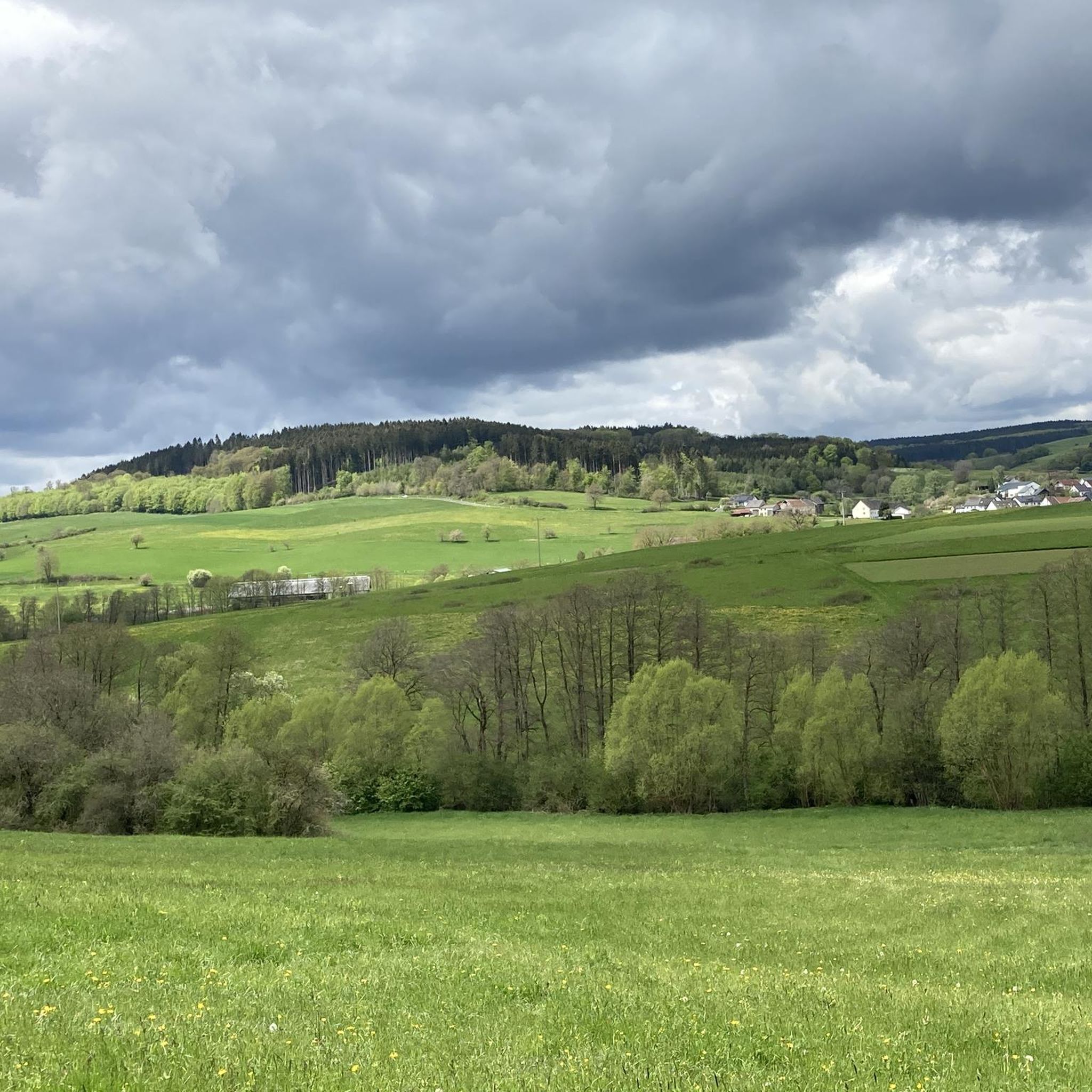
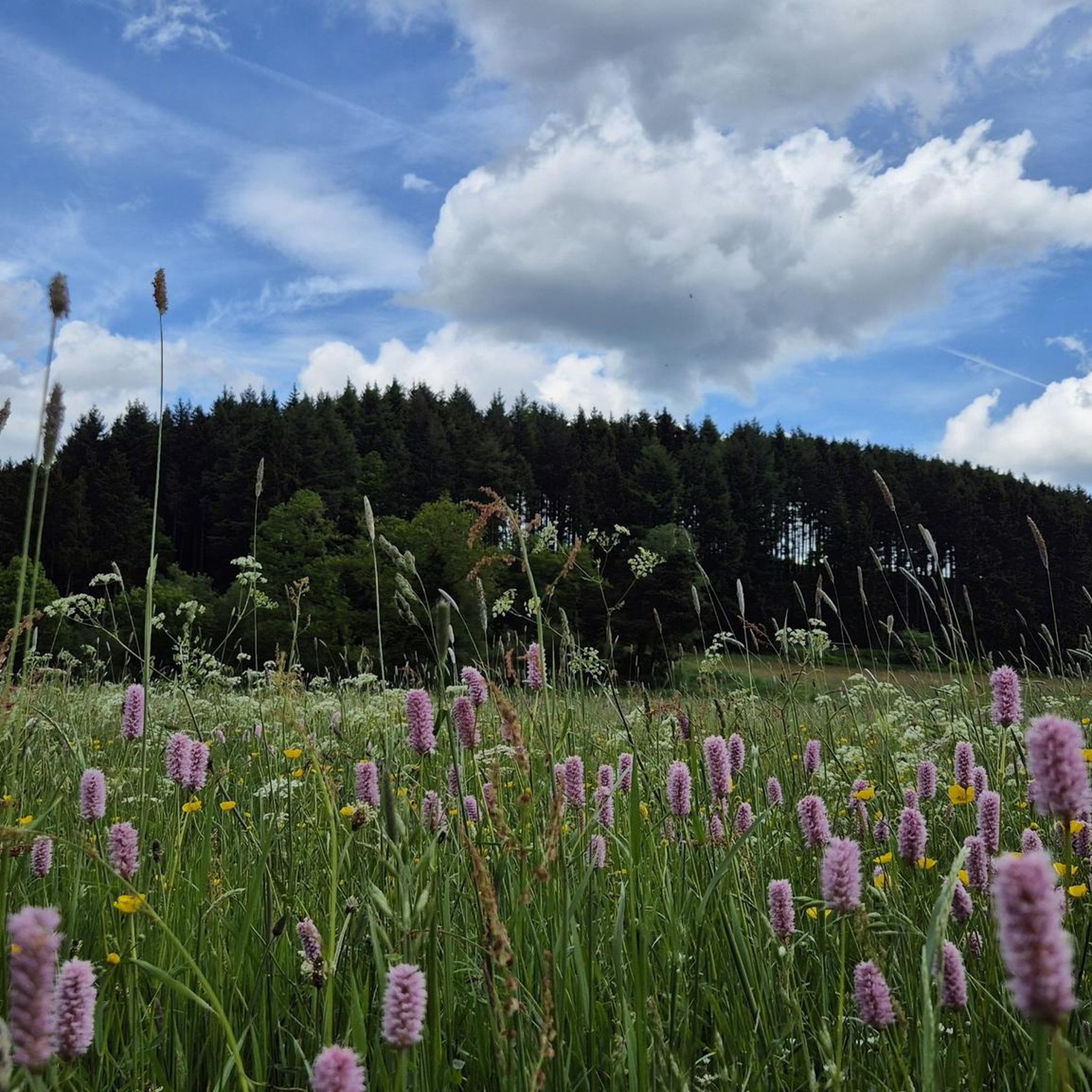
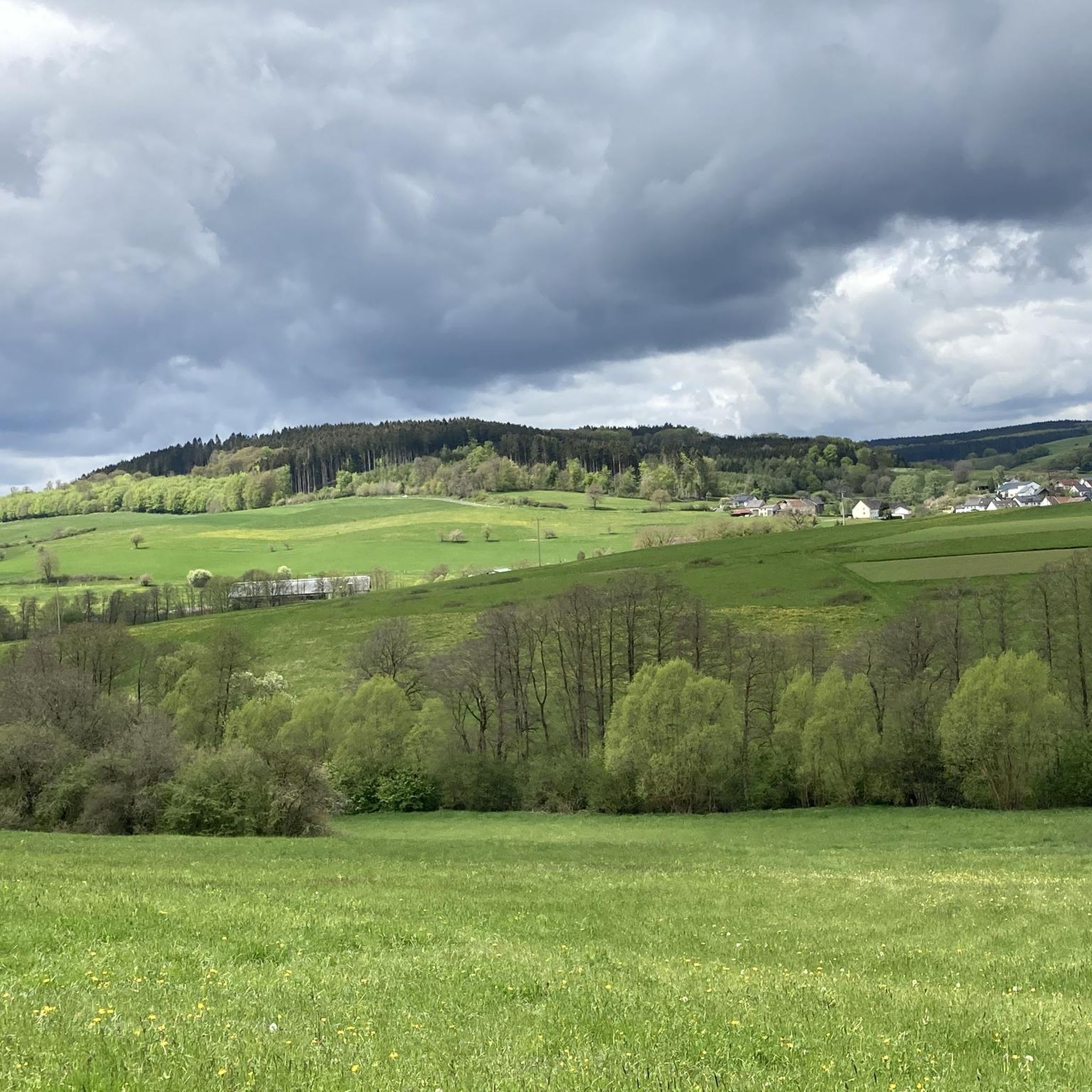
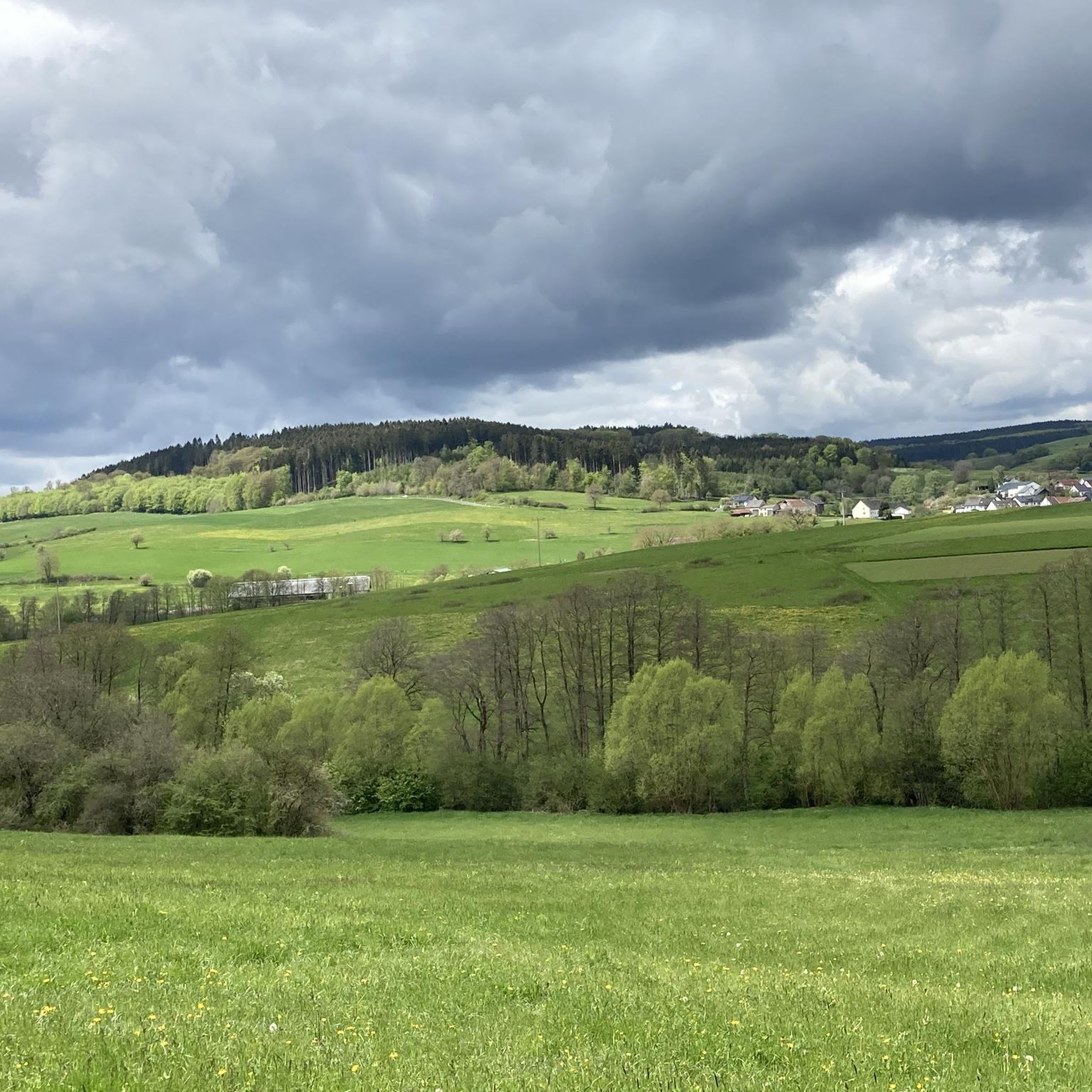

Tips from the Community

In one of the – wonderfully told and far beyond the borders of Italy popular – short stories that Giovanni Guareschi (1908 to 1968) tells about the two protagonists he invented, “Don Camillo” and “Peppone”, the title is “AUTUMN”. Even though most of his stories have a humorous background, this time it is about a serious topic, namely the national remembrance of the fallen on the occasion of November 4th. The communist mayor Peppone expresses himself in the heated discussion with the priest as follows: » “The people are fed up with all these wars and victories. The people know very well what a war is and do not need speeches and appeals that glorify it.” Don Camillo shook his head. “You are on the wrong path, Peppone. Nobody wants to glorify war. It is only about paying homage and gratitude to all those who suffered in this war and lost their lives.” « (G. Guareschi)
0
0

Great panoramic view overlooking Kasselburg Pelm
1
0

When the weather is good, you have a fantastic view over the hills of the Volcanic Eifel from here.
3
0

The view from here is phenomenal.
1
0

Commemoration / thanks to / for safe return from World War II
0
0

"To the west of the Langer Stein (640m) and Seimersberg (662m) we move to the Prümer Kopf. The gradients have so far proven to be very moderate, as they are today. In the surrounding spruce forest we repeatedly discover up to two meter high anthills ( https://www.das-tierlexikon.de/ameise/) and these are often surprisingly close together. We also encounter an unusually large number of hard-working dung beetles; we often have to be very careful not to step on them. (https://www .biologie-schule.de/mistkaefer-steckbrief.php)" https://www.komoot.de/tour/778942841
0
0

The Liberation Beech stands at the highest point of the Alter Foss mountain. According to the stories, it was a strategically important lookout point during the Thirty Years' War. From there you could see the towns of Pelm, Gerolstein, Rockeskyll, Hohenfels, Essingen, Betteldorf, Kirchweiler and Hinterweiler. https://kulturdb.de/einobjekt.php?id=48574
0
0

"With an area of approx. 102 hectares, the area around the Gerolsteiner Dolomites has been a nature reserve since 1990. + occurring animal species: bat + occurring plant species: juniper, orchids, character plants calcareous grassland, grove rush-beech forest, woodruff-beech forest, orchid-limestone-beech forest Around 380 million years ago there was a warm, subtropical shallow sea here, in which mighty reefs of stromatopores - relatives of sponges - and corals formed. After the dolomitization, sinking and folding of the rocks, the Devonian deposits were lifted out again. Today's Gerolsteiner Dolomites were formed, which rise steeply above the Kylltal north of the center of Gerolstein. The rocks "Hustley", "Munterley", "Drohende Ley", "Große Kanzel" and "Auberg" characterize the cityscape from afar and form the landmark of Gerolstein. The most famous summit of the Gerolsteiner Dolomites is the "Munterley" - with a height of 482 meters - and offers a breathtaking view over Gerolstein, the Kylltal and far into the Vulkaneifel. Stone Age people, who settled here 30,000 years ago, obviously enjoyed this view, as evidenced by stone tools and bones found at the nearby Buchenloch Cave. Visiting the Gerolsteiner Dolomites can be perfectly combined with hiking the Felsenpfad - the northern part of the "Gerolsteiner Dolomiten Acht". The almost eight-kilometer round tour offers many magical places and geological traces." https://www.eifel.info/a-gerolsteiner-dolomites
10
0
Frequently Asked Questions
What are the most popular mountain peaks and viewpoints around Kalenborn-Scheuern?
The region offers several highly-rated spots. The Dietzenley Observation Tower is very popular, providing expansive views over Gerolstein and the Vulkaneifel. Another favorite is the View of Gerolstein from the Munterley, which stands on an ancient Devonian reef. Visitors also enjoy the Giant Bench with View of Berlingen, Rockeskyll, and Kasselburg for a scenic break.
Are there family-friendly mountain walks or viewpoints in the area?
Yes, several spots are suitable for families. The View of Auberg and Munterley is categorized as family-friendly and offers beautiful views over Gerolstein. The Giant Bench with View of Berlingen, Rockeskyll, and Kasselburg is also a great, accessible spot for all ages to enjoy the scenery.
What kind of natural features can I expect to see on the mountain peaks?
The mountain peaks around Kalenborn-Scheuern are known for diverse natural landscapes. You'll encounter ancient Devonian reefs, such as at the Munterley and Auberg, which formed 380 million years ago. The region is also part of the Vulkaneifel, so you might see volcanic features and lush forests, particularly around summits like Langer Stein and Seimersberg.
Are there any historical sites associated with the mountain peaks?
Yes, the Dietzenley Observation Tower is built on a site with historical significance. Approximately 2500 years ago, a Celtic housing estate existed there, protected by ramparts up to 9 meters high.
What outdoor activities can I do near these mountain peaks?
Beyond exploring the peaks themselves, the area offers various outdoor activities. You can find numerous hiking trails, including easy and moderate options like the 'Lenzerath – Felssturz and Fuchsröhre loop' or the 'Millstone Cave at Rother Kopf' route. For more hiking options, visit the Hiking around Kalenborn-Scheuern guide. There are also road cycling routes and running trails available in the wider region.
Are there easy hiking trails around the mountain peaks for beginners?
Yes, there are several easy hiking options. For instance, the 'Lenzerath – Felssturz and Fuchsröhre loop' is an easy 4.2 km hike, and there's also a general 'Hiking loop from Kalenborn-Scheuern' which is 5.5 km and rated easy. You can find more details and routes in the Hiking around Kalenborn-Scheuern guide.
What is the best time of year to visit the mountain peaks in Kalenborn-Scheuern?
The Eifel region, including Kalenborn-Scheuern, is beautiful year-round. Spring and autumn offer pleasant temperatures and vibrant colors, ideal for hiking. Summer is also great for outdoor activities, while winter can provide a serene, snow-covered landscape, though some trails might be more challenging.
What do visitors enjoy most about the mountain peaks around Kalenborn-Scheuern?
Visitors frequently praise the fantastic panoramic views, especially from spots like the Munterley and Dietzenley Observation Tower. The unique geological formations, such as the Devonian reefs, and the peaceful, natural environment are also highly appreciated. Many enjoy the opportunity for a quiet break and the impressive all-round views.
Can I find challenging mountain trails for experienced hikers?
While many trails are moderate, some highlights like the View of Gerolstein from the Munterley and Dietzenley Observation Tower are part of intermediate routes. The terrain around the Gerolstein Dolomites can offer more varied and demanding sections, including climbs, for those seeking a challenge.
Are there any circular mountain walks available?
Yes, the region is well-suited for circular walks. The 'Gerolsteiner Dolomiten Acht' (Gerolstein Dolomites Eight) is a well-known local circular trail of approximately 8 km that includes highlights like the Auberg. Many of the hiking routes listed in the Hiking around Kalenborn-Scheuern guide are also designed as loops.
What should I wear when hiking the mountain peaks in Kalenborn-Scheuern?
It's advisable to wear sturdy hiking shoes suitable for varied terrain, as you might encounter rocky paths and forest trails. Layered clothing is recommended to adapt to changing weather conditions, especially at higher elevations or during different seasons. Don't forget rain gear, even on seemingly clear days, as weather in the Eifel can be unpredictable.
Most popular routes around Kalenborn-Scheuern
Most popular attractions around Kalenborn-Scheuern

Get inspired with the komoot mobile app


Explore more
See even more amazing summits around Kalenborn-Scheuern with these guides:
