Top 20 Caves around Neroth
Best caves around Neroth are primarily shaped by the region's volcanic geology and historical millstone mining. This area, nestled in the Vulkaneifel, offers a unique blend of natural formations and human-made subterranean spaces. Visitors can explore caves that reveal ancient mining techniques and those with distinct microclimates. The landscape around Neroth provides a factual backdrop for these intriguing underground experiences.
Best caves around Neroth
- The most popular caves is Buchenloch Cave, a cave that is accessible via a small…
Last updated: May 9, 2026
Buchenloch Cave
Highlight • Cave
Translated by Google •
Tip by

Millstone Cave at Nerother Kopf
Highlight • Cave
The millstone cave consists of lava boards and is an artificial cave in the Vulkaneifel, Rhineland-Palatinate. It was created by the production of …
Translated by Google •
Tip by

Sign up now to discover places like this
Get recommendations on the best single tracks, peaks, & plenty of other exciting outdoor places.
Sign up for free
Millstone Cave at Rother Kopf
Highlight • Cave
Translated by Google •
Tip by

Birresborn Ice Caves (Birresborner Ice Caves)
Highlight • Cave
Translated by Google •
Tip by

Gerolsteiner Dolomites Climbing Crags
Highlight • Climb
Translated by Google •
Tip by

Sign up for free to discover even more caves around Neroth.
Sign up for free
Already have an account?
Start today with a free account
Your next adventure awaits.
Login or Signup
Tips from the Community

Beautiful!! A few experienced climbers went up the steep wall
1
0

The Gerolsteiner Dolomiten nature reserve is located in the Vulkaneifel district in Rhineland-Palatinate in the area of the town of Gerolstein and the municipality of Pelm. The area, which consists of two parts, extends north of the main town of Gerolstein on both sides of the L 29 state road. You can also climb here.
2
0
The Gerolsteiner Dolomiten nature reserve is located in the Vulkaneifel district in Rhineland-Palatinate in the area of the town of Gerolstein and the municipality of Pelm. The area, which consists of two parts, extends north of the core town of Gerolstein on both sides of the L 29 state road.
2
0

Well accessible cave. It is very good to see how the millstones were worked out. A good headlamp is recommended so that your hands are free to take pictures. I personally found the cell phone camera too dark
6
0

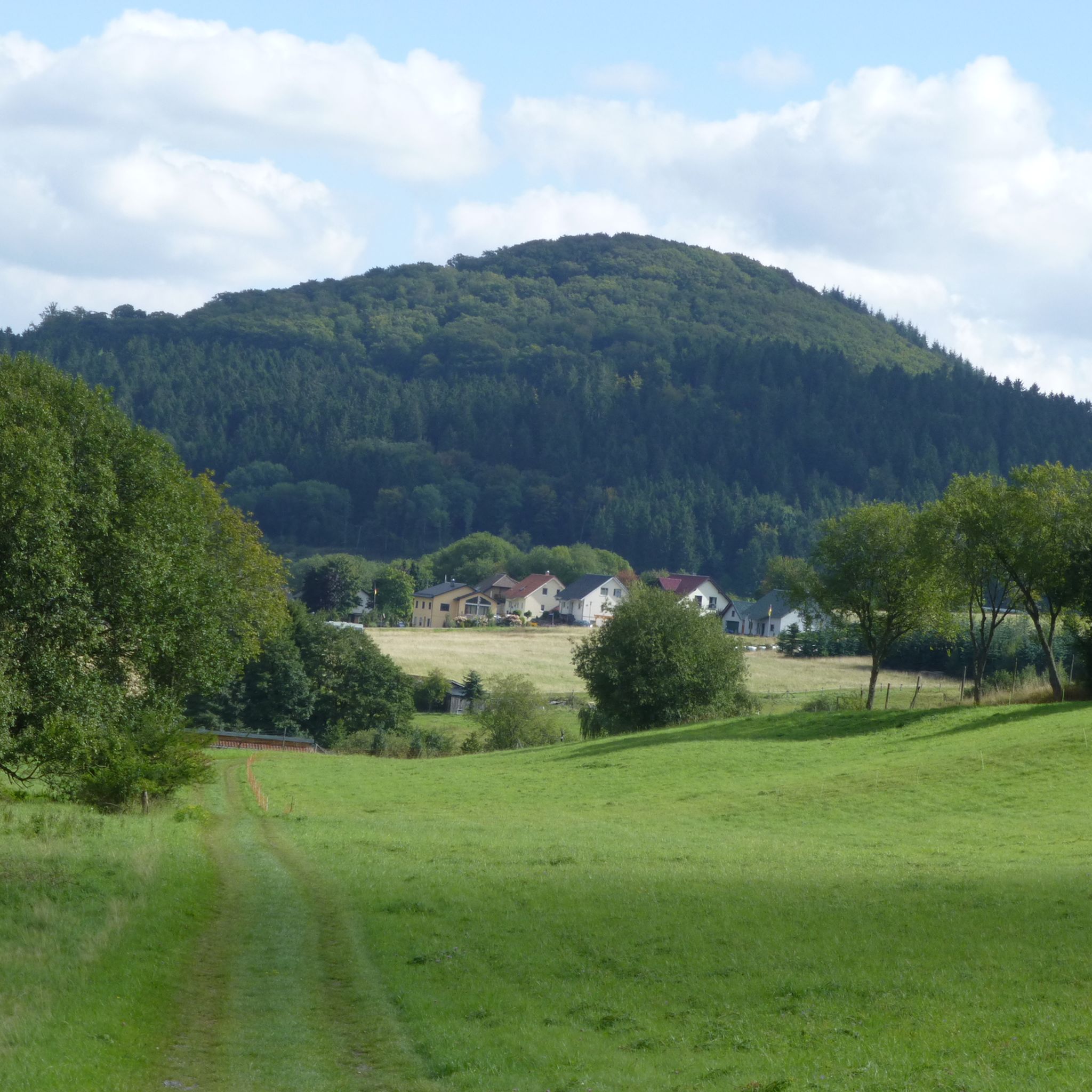
The Nerother Kopf is an extinct volcano of recent date. It was formed about 15,000 years ago when the earth broke up here and glowing magma welled up from the depths of the earth. At that time, a fracture zone formed in the earth rock, which formed the origin of the volcanic chain "West Eifel". https://www.neroth.de/tourismus/nerother-kopf
6
0
The Millstone Cave is located at the summit of the Neroth Head, a wooded hill of volcanic origin east of Neroth. The entrance is just below the Freudenkoppe castle ruins at an altitude of about 640 m and can be reached via a hiking trail. The cave is 18 meters deep and its vault up to 10 meters high. It is walkable, but unlit (torch required). Wikipedia
5
0

You could climb there, 👍🌞
1
0

A very nice climbing paradise!
1
0
Frequently Asked Questions
What makes the caves around Neroth unique?
The caves in the Neroth region are primarily unique due to their formation from volcanic geology and their historical use for millstone mining. Many are artificial caves, carved out of lava rock, offering insights into medieval mining techniques. Some, like the Birresborn Ice Caves, also feature distinctive microclimates with persistent ice formations.
Are there any historical sites associated with the caves in Neroth?
Yes, the caves are rich in history. The Millstone Cave at Nerother Kopf is a significant historical site where millstones were cut from lava stone since at least the 13th century. It also holds historical importance as the founding place of the 'Nerother Wandervogel' youth movement in 1919. The nearby Freudenkoppe Castle ruins can be combined with a visit to this cave.
When is the best time to visit the caves in Neroth?
The best time to visit depends on the specific cave. For the Birresborn Ice Caves, access is typically restricted from October 1st to March 31st due to bat protection regulations, as they serve as crucial winter quarters. Therefore, visiting between April and September is ideal for these caves. Other caves, like Buchenloch Cave, also recommend avoiding the bat hibernation period.
Do I need special equipment to explore the caves?
Yes, a flashlight is highly recommended for most caves, as they are unlit. For instance, the Millstone Cave at Nerother Kopf requires a flashlight for exploration. For the Birresborn Ice Caves, sturdy shoes and warm clothing are advisable due to consistently low temperatures (between -1°C and +4°C) even in summer.
Are there any restrictions or permits required for visiting the caves?
While general permits are not typically required for entry, access to some caves is restricted during certain periods. The Birresborn Ice Caves, for example, are closed from October 1st to March 31st to protect hibernating bats. It's always good practice to check local signage or official websites for any current advisories before your visit.
Are the caves around Neroth suitable for families?
Yes, some caves are suitable for families. The Buchenloch Cave is accessible via a small staircase and allows visitors to explore a significant portion, making it a good option for families. A flashlight is recommended for a better experience. The historical and geological aspects of the other caves can also be educational for older children.
Are dogs allowed in the caves near Neroth?
Generally, it is advisable to avoid bringing dogs into caves, especially those designated as bat sanctuaries like the Birresborn Ice Caves, to prevent disturbing wildlife. While specific regulations may vary, the confined and often dark environments are not typically ideal for pets.
Are there hiking trails that include visits to the caves?
Yes, the region offers several hiking opportunities that incorporate cave visits. For instance, you can find routes like the 'Millstone Cave – Freudenkoppe Castle Ruins loop from Neroth' which is a difficult 18.9 km hike. You can explore various hiking trails around the area by visiting the Hiking around Neroth guide.
What can I expect when visiting the Millstone Cave at Nerother Kopf?
When visiting the Millstone Cave at Nerother Kopf, you'll find an artificial cave formed from lava boards, reaching 18 meters deep with vaults up to ten meters high. It's unlit, so bring a flashlight. You'll see evidence of medieval millstone mining, including unfinished blanks in the rock. The cave is located near the Freudenkoppe Castle ruins, offering a combined historical experience.
Is the Buchenloch Cave easily accessible?
Yes, the Buchenloch Cave is known for its accessibility. It can be reached via a small staircase, and visitors can explore a significant portion of its approximately 30-meter length. While not strictly necessary, a flashlight is recommended to fully appreciate the interior.
How long does it typically take to explore the caves around Neroth?
Exploring individual caves like the Buchenloch Cave (approx. 30 meters long) or the Millstone Cave at Nerother Kopf (18 meters deep) can take anywhere from 30 minutes to an hour, depending on your pace and interest in the details. If you plan to visit multiple caves or combine it with a hike, allocate a half to a full day.
What outdoor activities can I do near these caves?
Beyond cave exploration, the Neroth region offers various outdoor activities. You can find numerous hiking trails, including those that pass by the caves. There are also extensive cycling and road cycling routes available. For detailed options, refer to the Hiking around Neroth, Cycling around Neroth, and Road Cycling Routes around Neroth guides.
Most popular routes around Neroth
Most popular attractions around Neroth

Get inspired with the komoot mobile app


Explore more
Extend your search for the best caves by checking out these guides of the top ones around Neroth:
