Top 20 Caves around Hohenfels-Essingen
Best caves around Hohenfels-Essingen are primarily known for the Mühlstein Caves, a network created by centuries of millstone quarrying from volcanic basalt. This region in the Eifel offers a unique connection to its industrial past and geological history. The caves provide insights into manual millstone extraction and the volcanic formation of the landscape. Visitors can explore these accessible sites, which often feature distinct sections and historical remnants.
Best caves around Hohenfels-Essingen
- The most popular caves is Buchenloch Cave, a…
Last updated: August 25, 2026
Buchenloch Cave
Highlight • Cave
Translated by Google •
Tip by

Millstone Cave at Nerother Kopf
Highlight • Cave
The millstone cave consists of lava boards and is an artificial cave in the Vulkaneifel, Rhineland-Palatinate. It was created by the production of …
Translated by Google •
Tip by

Sign up now to discover places like this
Get recommendations on the best single tracks, peaks, & plenty of other exciting outdoor places.
Sign up for free
Millstone Cave at Rother Kopf
Highlight • Cave
Translated by Google •
Tip by

Gerolstein Rock Trail
Highlight (Segment) • Trail
Translated by Google •
Tip by

Rock overhang with wooden cross below the Dreimühlen ruin
Highlight • Cave
Translated by Google •
Tip by

Sign up for free to discover even more caves around Hohenfels-Essingen.
Sign up for free
Already have an account?
Start today with a free account
Your next adventure awaits.
Login or Signup
Tips from the Community

🧭 Briefly at the Dreimühlen waterfall 🌊💙 Small wooden cross attached... Maybe pause for a moment...each in their own way... It's good for the soul 💚🙏🏼 Nice photo motif also 📸
2
0

Such rock overhangs are called abri. They are so-called semi-caves, which people liked to use in the Stone Age. In contrast to a cave with a rather narrow entrance, they allow overview of the terrain and escape possibilities. Such demolition sites are important research sites for archeology, as Stone Age tools and food remains can be found here.
5
0

You don't have to go directly on the path to the waterfall but a few steps up to discover this "cave". A wooden cross stands in a small depression.
5
0

Small cavity in the rock just below the ruins on the way to the waterfall. There is also a cross embedded in the rock...
3
0

Well accessible cave. It is very good to see how the millstones were worked out. A good headlamp is recommended so that your hands are free to take pictures. I personally found the cell phone camera too dark
7
0

Great trail along the beautiful rock formations. Partly you walk on narrow paths. Definitely one of the many highlights of our hike.
5
0

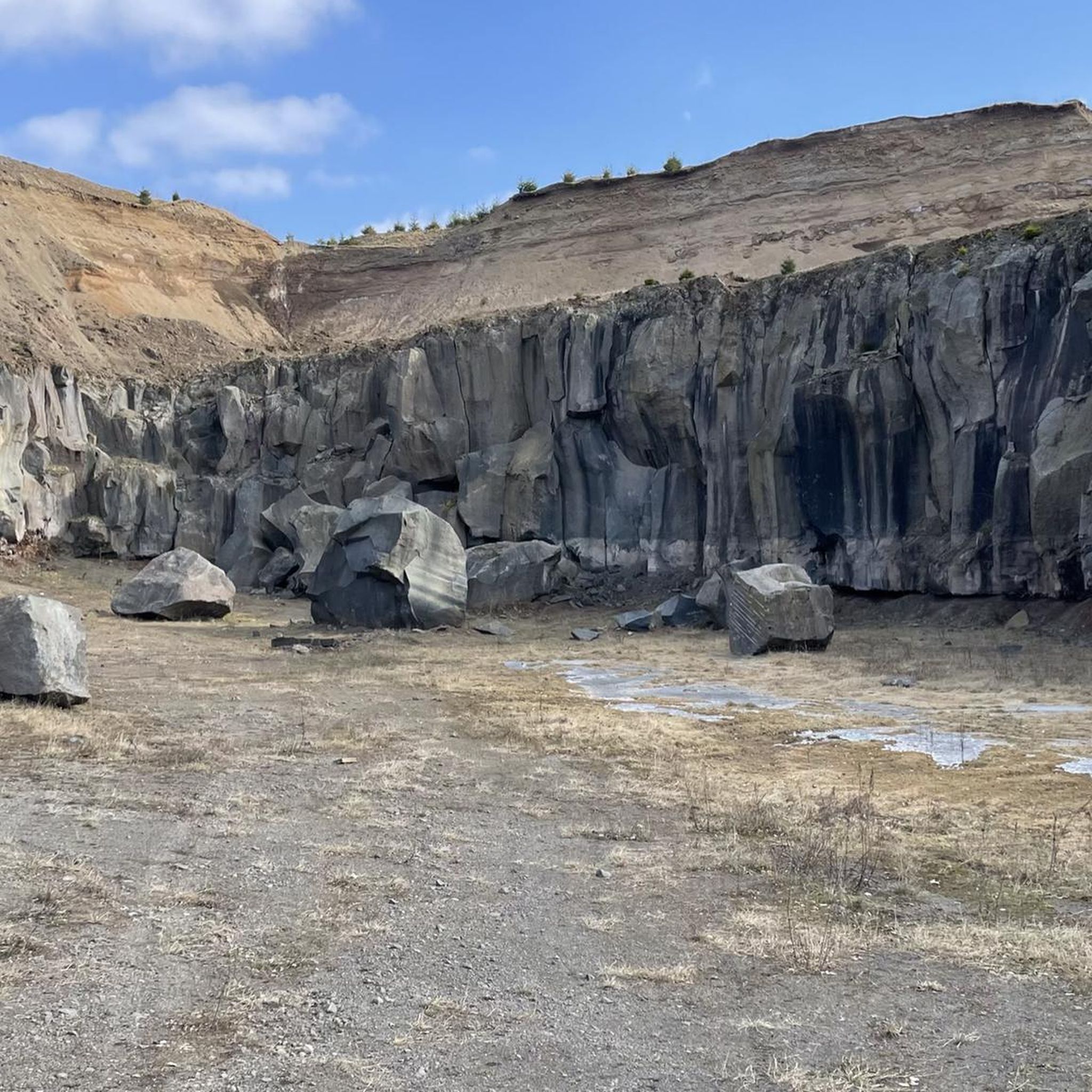
The trail leads to the 'Buchenloch Cave' which lies at the far edge of the Munterley Plateau. This was created 1.8 million years ago from a millimeter-wide crack in the rock massif and was used by people in the Neolithic Age 300,000 years ago.
12
1
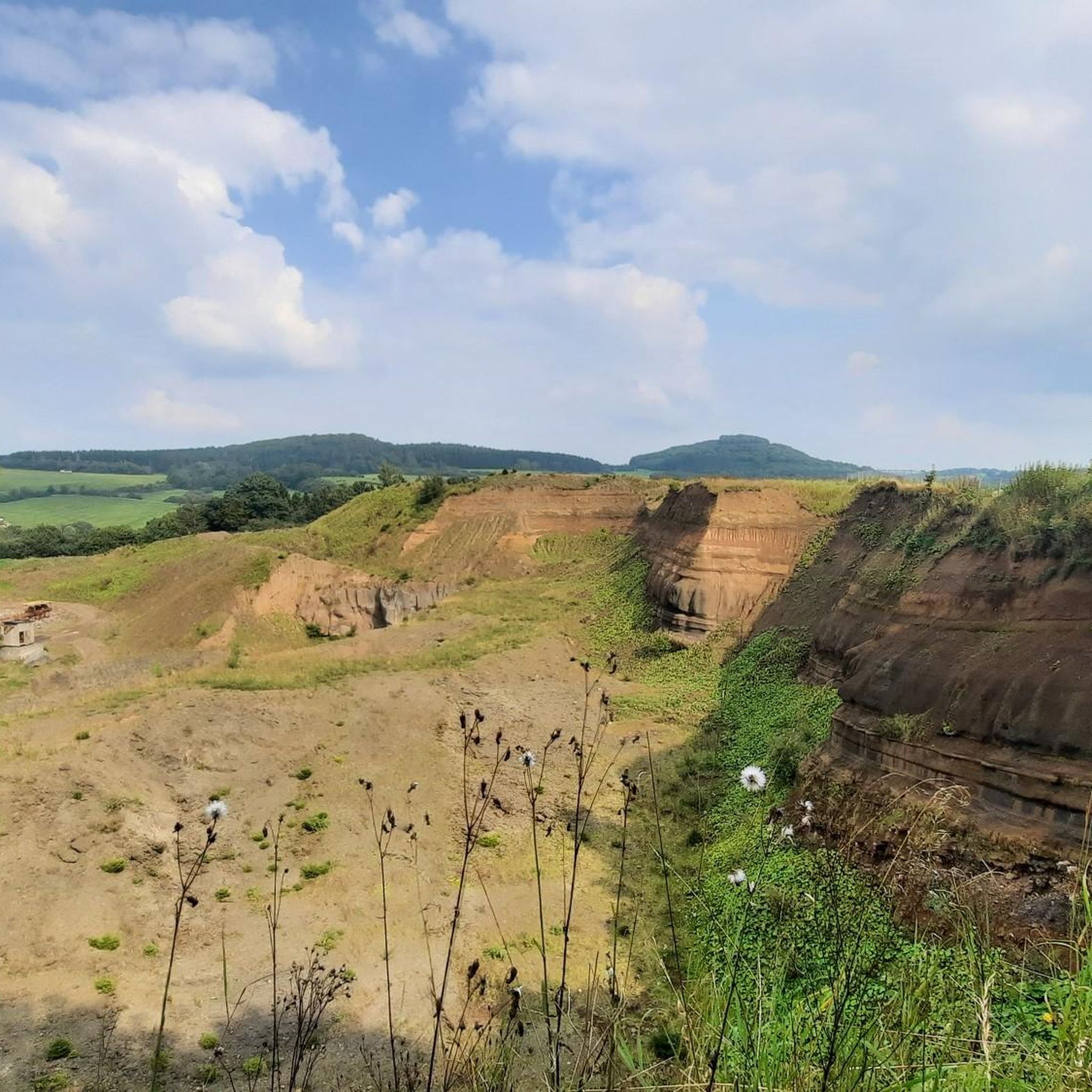
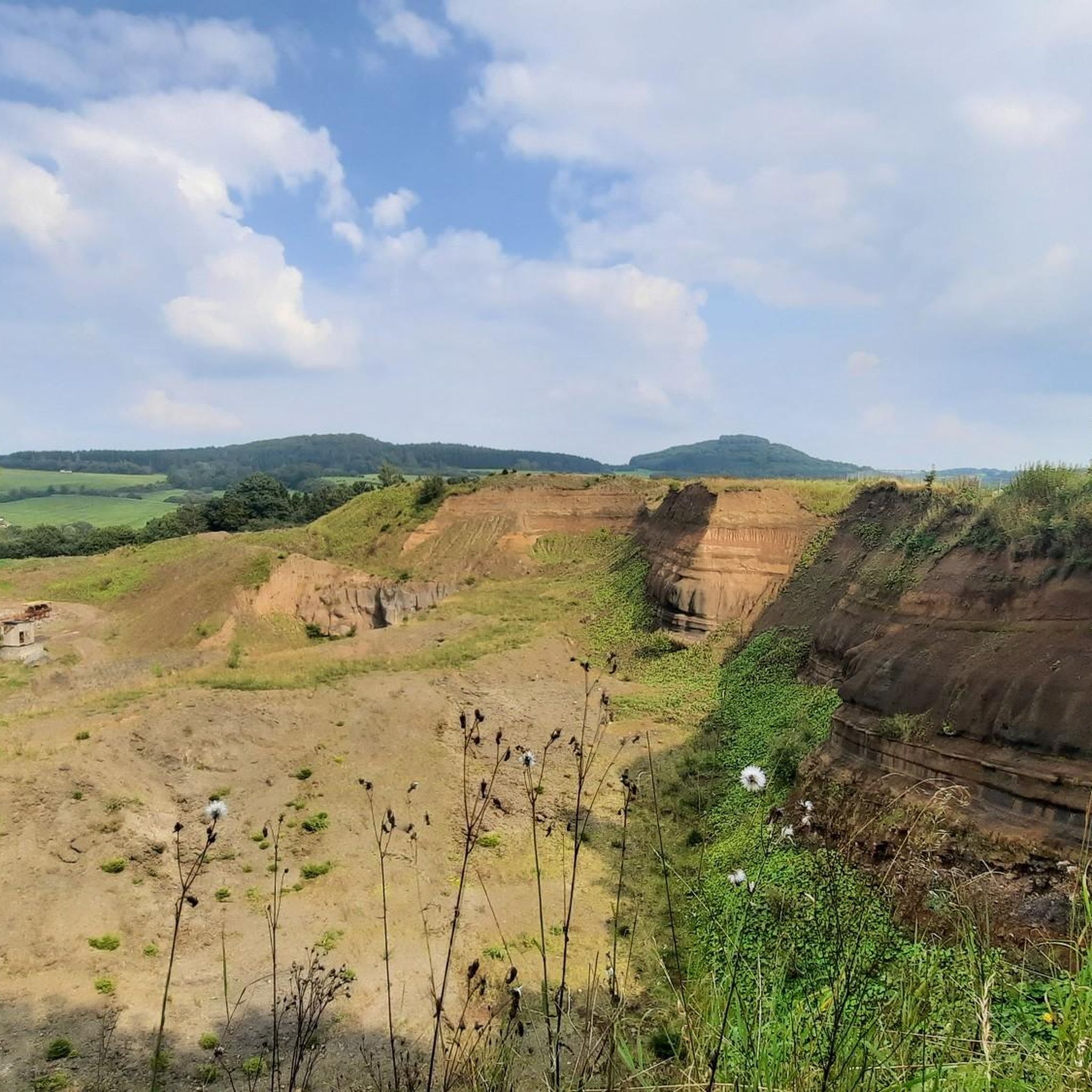
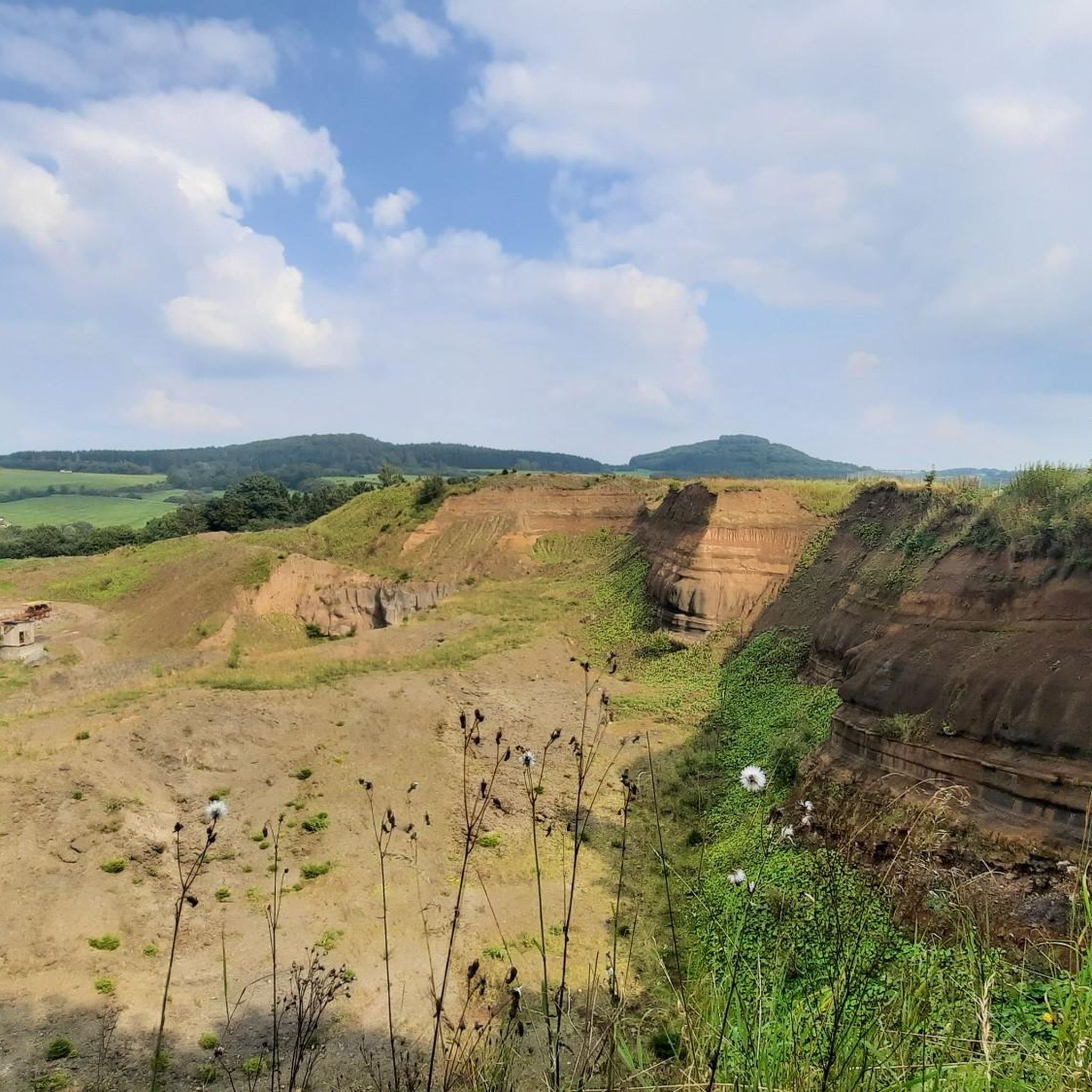
The Nerother Kopf is an extinct volcano of recent date. It was formed about 15,000 years ago when the earth broke up here and glowing magma welled up from the depths of the earth. At that time, a fracture zone formed in the earth rock, which formed the origin of the volcanic chain "West Eifel". https://www.neroth.de/tourismus/nerother-kopf
6
0
Frequently Asked Questions
What makes the caves around Hohenfels-Essingen unique?
The caves in this region are primarily known as the Mühlstein Caves, a fascinating network created by centuries of millstone quarrying from volcanic basalt. They offer a unique connection to the region's industrial past, showcasing the arduous process of manual millstone extraction. Additionally, some areas act as natural "cold traps," where ice can persist until summer, creating a unique "ice cave" phenomenon.
Are the caves around Hohenfels-Essingen suitable for families with children?
Yes, many of the caves, particularly the Mühlstein Caves, offer an adventurous experience that is appealing to children. Their dark and sometimes eerie passages, combined with the historical context of millstone quarrying, can be very engaging. A flashlight is essential for exploration, adding to the adventure.
What historical insights can I gain from visiting the caves?
The caves provide a tangible connection to the region's industrial past. You can observe how millstones were meticulously cut from tough basalt slag using hammer and chisel. For instance, at the Millstone Cave at Nerother Kopf and the Millstone Cave at Rother Kopf, you can still see unfinished millstones embedded in the rock, offering a direct glimpse into the quarrying process that dates back to at least the 13th century.
What geological features can be observed in the caves?
The caves are formed from agglutinated basalt slag, a tough, coarse-pored rock from solidified lava fragments, highlighting the volcanism of the Eifel region. The exposed basaltic column shapes in nearby quarry areas further illustrate this geological history. The Caves and natural rock arch on the Ernstberg summit also feature natural rock formations.
What should I wear and bring when exploring the caves?
It is highly recommended to wear sturdy shoes due to uneven terrain. A flashlight or headlamp is absolutely essential for navigating the dark passages, as there is no artificial lighting inside. The caves can also be very cold year-round, so dressing in layers is advisable.
When is the best time to visit the caves around Hohenfels-Essingen?
The Mühlstein Caves are generally accessible all year round. However, some caves in the wider Gerolsteiner Land region may have temporary closures between October 1st and March 31st to protect hibernating bats. After cold winters, ice can persist within the caves until summer, offering a unique experience.
Are there any specific caves with notable historical legends or features?
Yes, the Schwedenfeste (Swedish Fortress) within the Mühlstein Caves is said to have been used for defensive purposes during the Thirty Years' War, though its wall was likely for protecting stored food. St. Martin's Cave clearly shows half-finished millstones still embedded in the rock, illustrating the quarrying process. The Buchenloch Cave is also historically significant, having yielded Ice Age tools and animal bones during excavations.
What kind of outdoor activities can I do near the caves?
The region around Hohenfels-Essingen offers various outdoor activities. You can find numerous hiking trails, including routes like "Martins Cave – Borussia Cave loop" or "Visible Millstone Quarry – Basalt Cliff and Lupine Meadow loop." For cycling enthusiasts, there are options for touring bicycles and gravel biking. You can explore more routes in the Hiking around Hohenfels-Essingen or Cycling around Hohenfels-Essingen guides.
Are there any easy-to-access caves for beginners or those with limited mobility?
The Mühlstein Caves are generally freely accessible via a small circular path on the Mühlenberg. While some passages can be intricate, they are often manageable. For example, the Millstone Cave at Rother Kopf is described as well accessible, making it suitable for those looking for a less challenging exploration.
What do visitors enjoy most about the caves in this area?
Visitors frequently appreciate the unique historical aspect of the millstone quarrying, with many finding it unbelievable under what conditions people mined here in the Middle Ages. The impressive nature of the caves, the adventure of exploring dark passages with a flashlight, and the connection to the region's volcanic past are also highly valued.
Can I bring my dog to the caves?
While the Mühlstein Caves are freely accessible, specific rules regarding dogs within the cave passages themselves are not always explicitly stated. It's generally advisable to keep dogs on a leash and be mindful of other visitors and the sensitive environment, especially during bat hibernation periods when some caves might be closed.
Most popular routes around Hohenfels-Essingen
Most popular attractions around Hohenfels-Essingen

Get inspired with the komoot mobile app


Explore more
Extend your search for the best caves by checking out these guides of the top ones around Hohenfels-Essingen:
