Attractions and Places To See around Barßel - Top 20
Best attractions and places to see around Barßel include a mix of cultural sites, natural features, and waterways. This municipality in Lower Saxony, Germany, is characterized by its serene landscapes, historic mills, and extensive moorlands. The region offers opportunities for exploring unique fen and moor landscapes, alongside tranquil rivers and nature reserves. Visitors can discover a variety of attractions ranging from historic landmarks to natural beauty spots.
Best attractions and places to see around Barßel
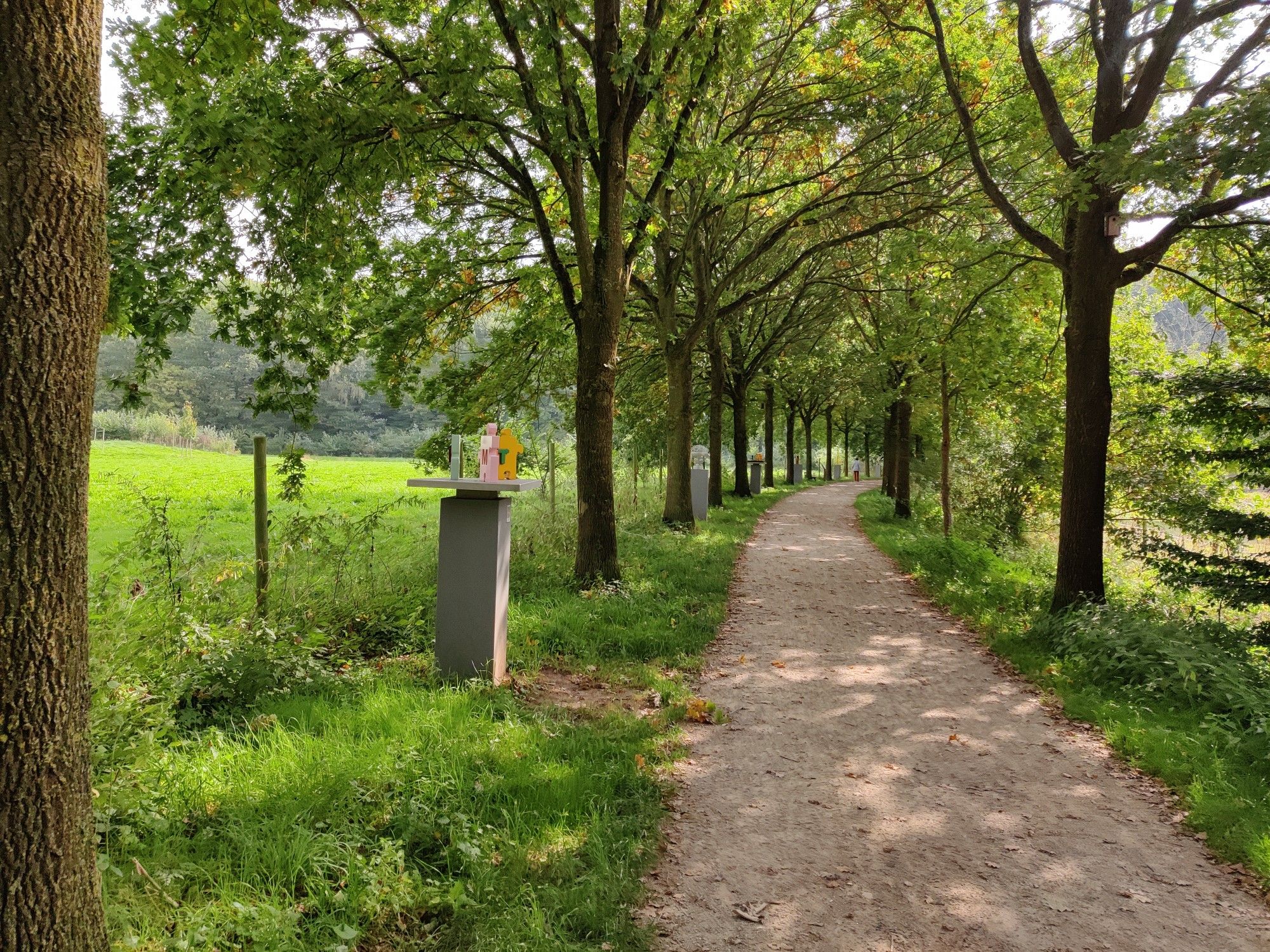
- The most popular attractions is Torsholter Kirchweg, a trail that winds through fields and forests. This idyllic bike path, approximately 3.5 km long, offers a tunnel-like experience through trees in some sections.
- Another must-see spot is Barßel Marina, a man-made monument and settlement. It features an original mini-lighthouse, a viewing platform, and offers riverboat excursions.
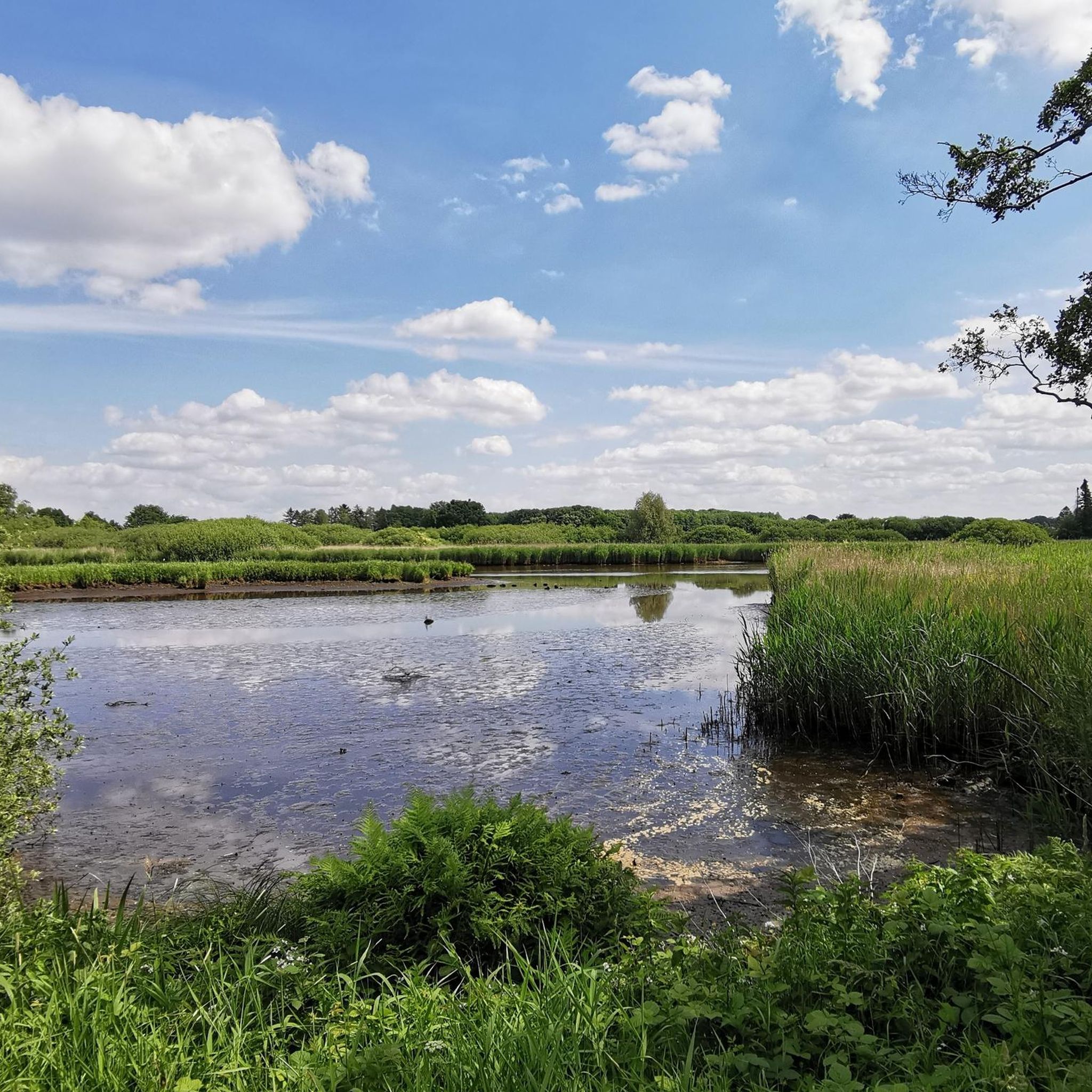
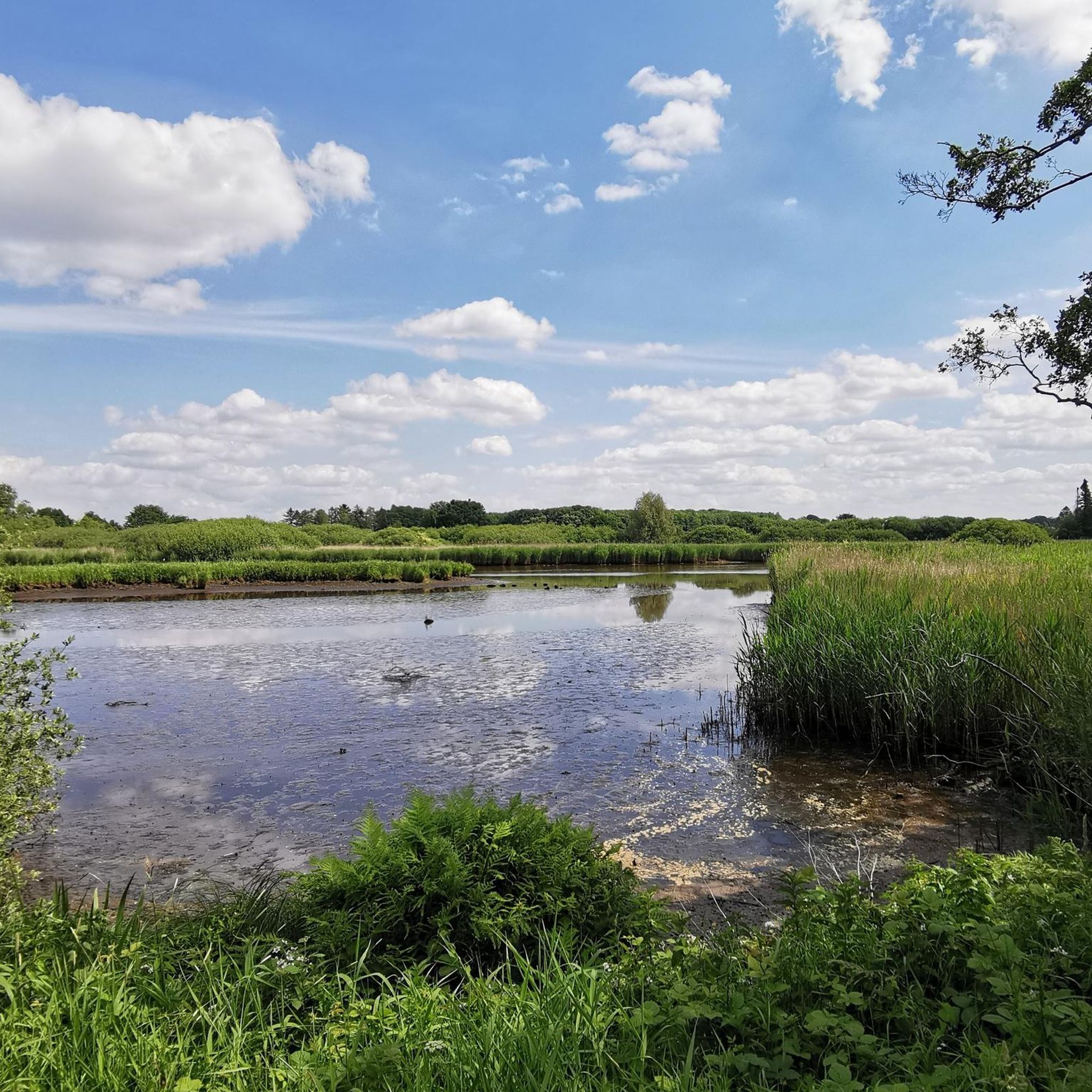
- Visitors also love Aper Tief nature reserve, a river and natural area. This unique area features a rare freshwater mudflat influenced by tides, rich birdlife, and a well-maintained hiking trail.
- Barßel is known for its historic windmills, tranquil waterways, and nature reserves. The area provides a variety of attractions to see and explore, including museums and cycling routes.
- The attractions around Barßel are appreciated by the komoot community. These highlights have received more than 900 upvotes and feature over 500 photos.
Last updated: August 29, 2026
Barßel Marina
Highlight • Structure
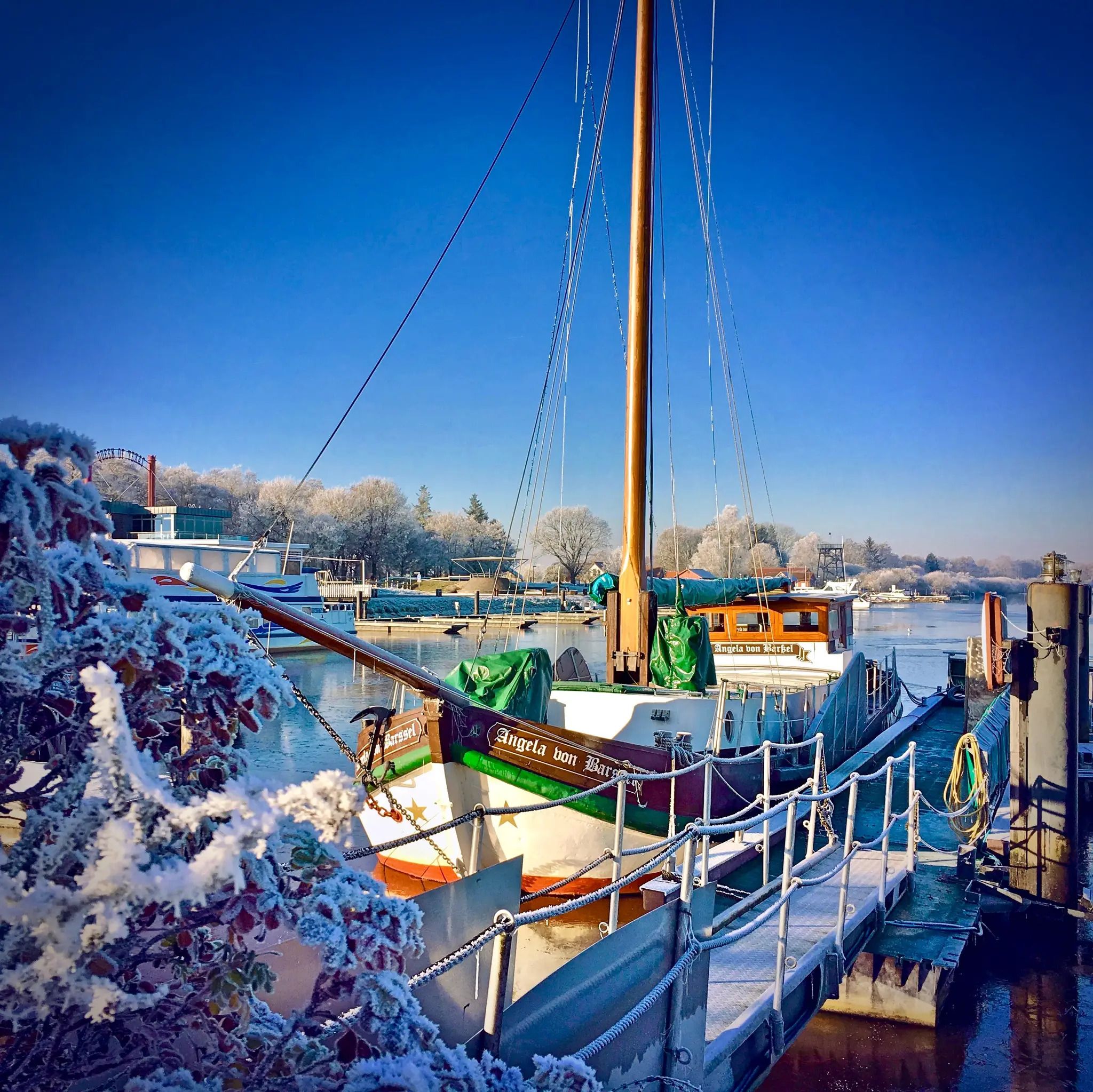
Back at the port you can take a trip on the MS Spitzhörn, round trips take place on Saturdays, Sundays and public holidays. The museum ship "Angela von Barßel" is also worth a visit.
Translated by Google •
Tip by

Torsholter Kirchweg
Highlight (Segment) • Trail
Translated by Google •
Tip by

Sign up now to discover places like this
Get recommendations on the best single tracks, peaks, & plenty of other exciting outdoor places.
Sign up for free
Hengstforder Mill
Highlight • Monument
Translated by Google •
Tip by

Ohrweger Busch Forest Path
Highlight (Segment) • Trail
Translated by Google •
Tip by

Aper Tief nature reserve
Highlight • River
Translated by Google •
Tip by

Sign up for free to discover even more attractions around Barßel.
Sign up for free
Already have an account?
Start today with a free account
Your next adventure awaits.
Login or Signup
Popular around Barßel
German Fehnroute – cycle Tour through the unique Fehn region
A cycling escape in Germany’s Lower Saxony – Pit Stop Route
Moorland and nautical history – cycling the Fehn Route in Germany
The 15 most beautiful themed Tours in Germany’s Ammerland
Boxenstopp-Route
Cycling around Barßel
Hiking around Barßel
Running Trails around Barßel
Road Cycling Routes around Barßel
MTB Trails around Barßel
Other adventures around Barßel


Tips from the Community

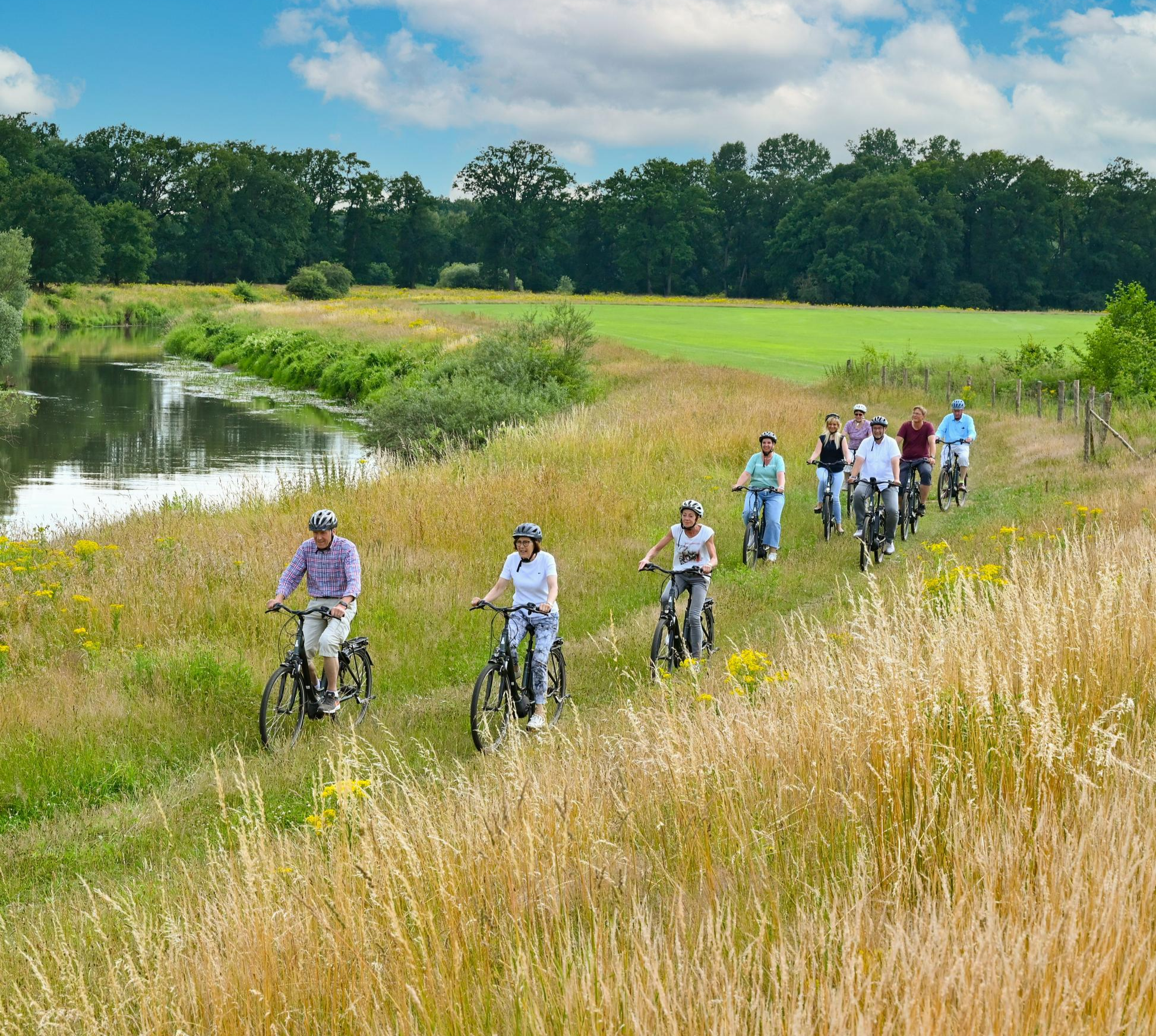
On the south-western outskirts of Bad Zwischenahn you cycle through a mix of fields and small, sparse forests - like here. The shade is very welcome, especially on hot summer days.
9
0

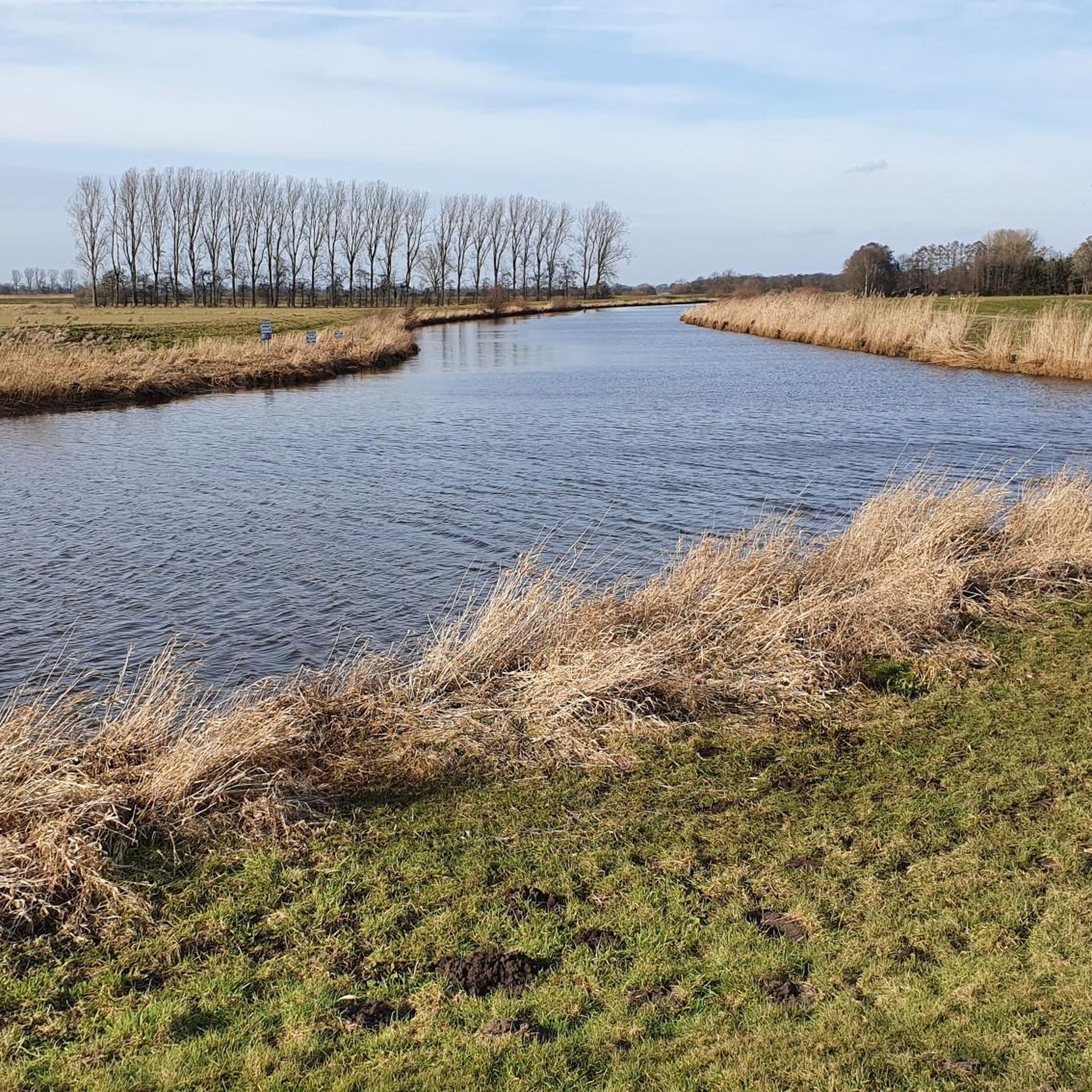
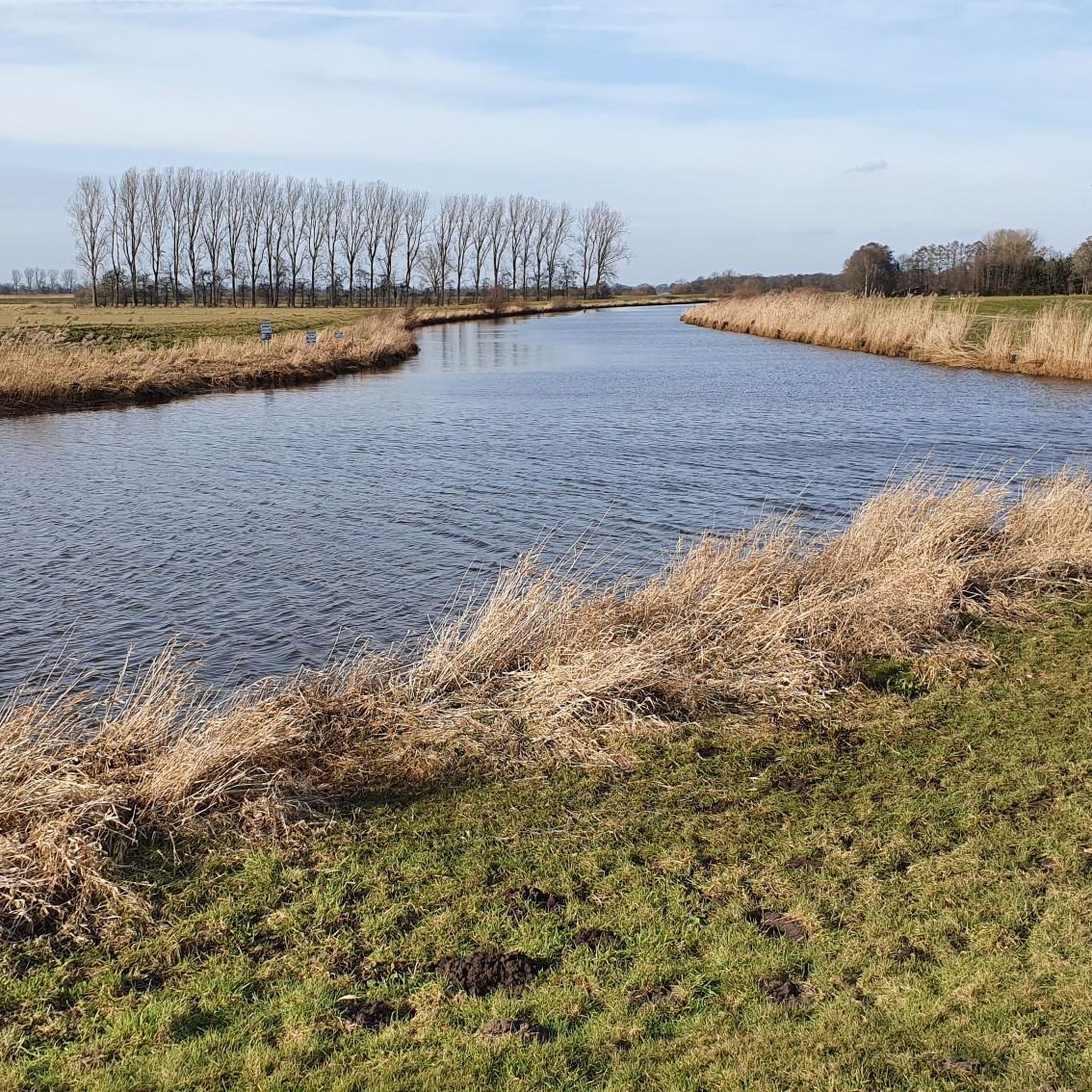
The 75 hectare “Aper Tief” nature reserve is a former contiguous wet grassland complex in the lowlands of the Aper Tief. The area was completely removed from grassland use in 2005 by relocating a dike, so that a natural floodplain landscape of a lowland river is redeveloping here. What is noteworthy in this context are the developing river mudflats and floodplain forests, through which oxbow lakes flow.
4
0


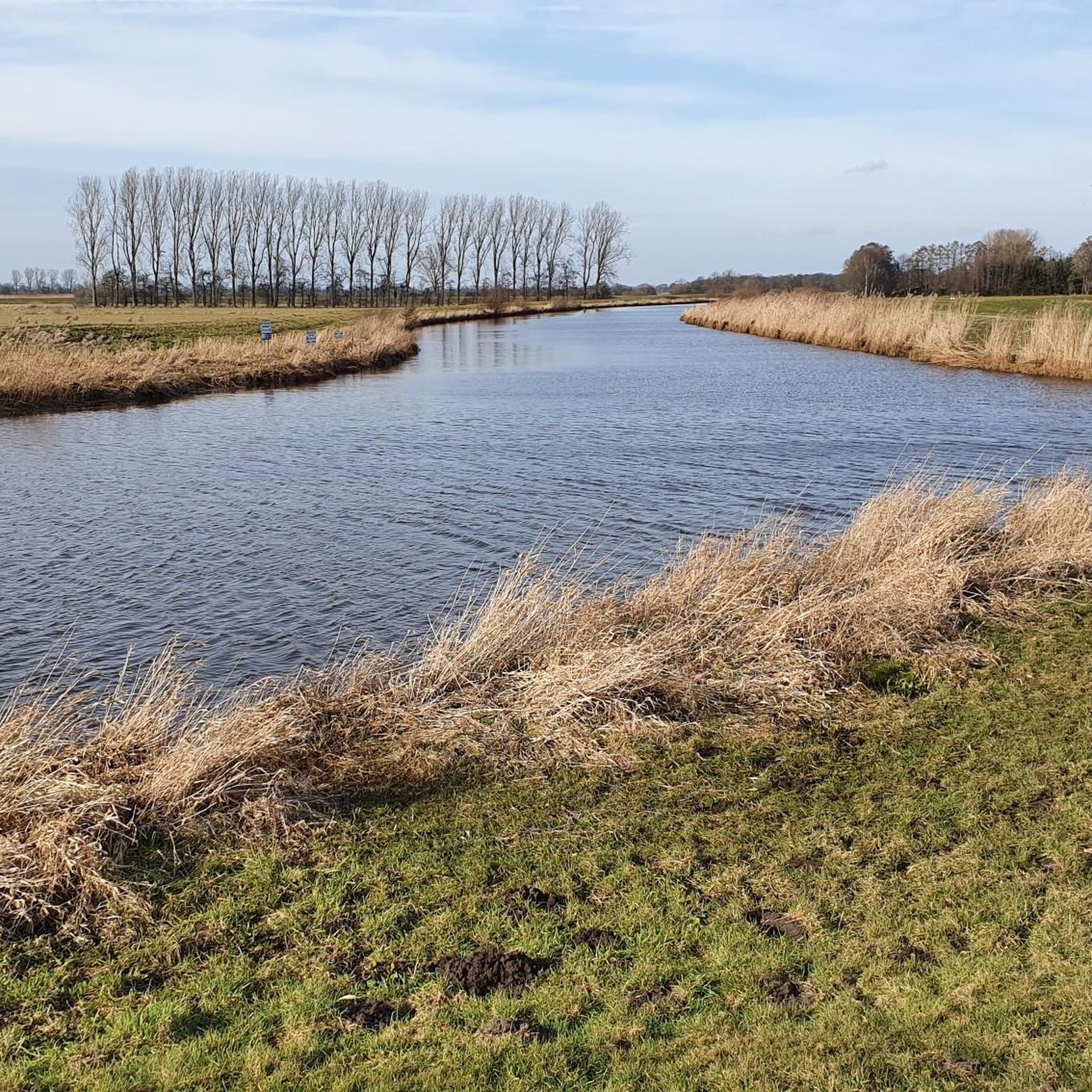
The Aper Tief is a small river in the Lower Saxony municipalities of Apen in the district of Ammerland and Detern in the joint municipality of Jümme in the district of Leer.
6
0

Beautiful gallery Dutch windmill right on Aper Tief, just behind a beautiful trail for walking or cycling.
7
0
Next to the mill, which was also open to the public today, there is a tourist restaurant. Directly behind the mill: the Aper Tief, great cycle path directly along the low
6
0

History of the Hengstford MILL In 1742, Tönjes Brunken received a concession to build a pellet mill in Hengstforde to peel groats from barley, oats and buckwheat. In 1754, Joh. Georg Conrads acquired the mill. In 1811, miller Conrads applied to mill grain. In 1839, the mill became the property of the Böhlje family. In 1841, miller Böhlje was given permission to start a milling process for rye and wheat. In 1882, Joh. Chr. Böhlje built a cap windmill. In 1952, both mill wings were torn down by a storm. In 1962, the last mill owner, Hans Böhlje, transferred the partially demolished mill to the municipality of Apen. In 1997-1999 the mill was rebuilt by the municipality of Apen in cooperation with the "Mill Promotion Association in the Municipality of Apen e. V." with funding from the European Union, donations from banks and savings banks, funds from the commercial sector, agriculture, the Ammerland district and private donations. Since the beginning of 1999 the non-profit mill promotion association has operated and maintained the Hengstford windmill "Glück Zu"
9
0

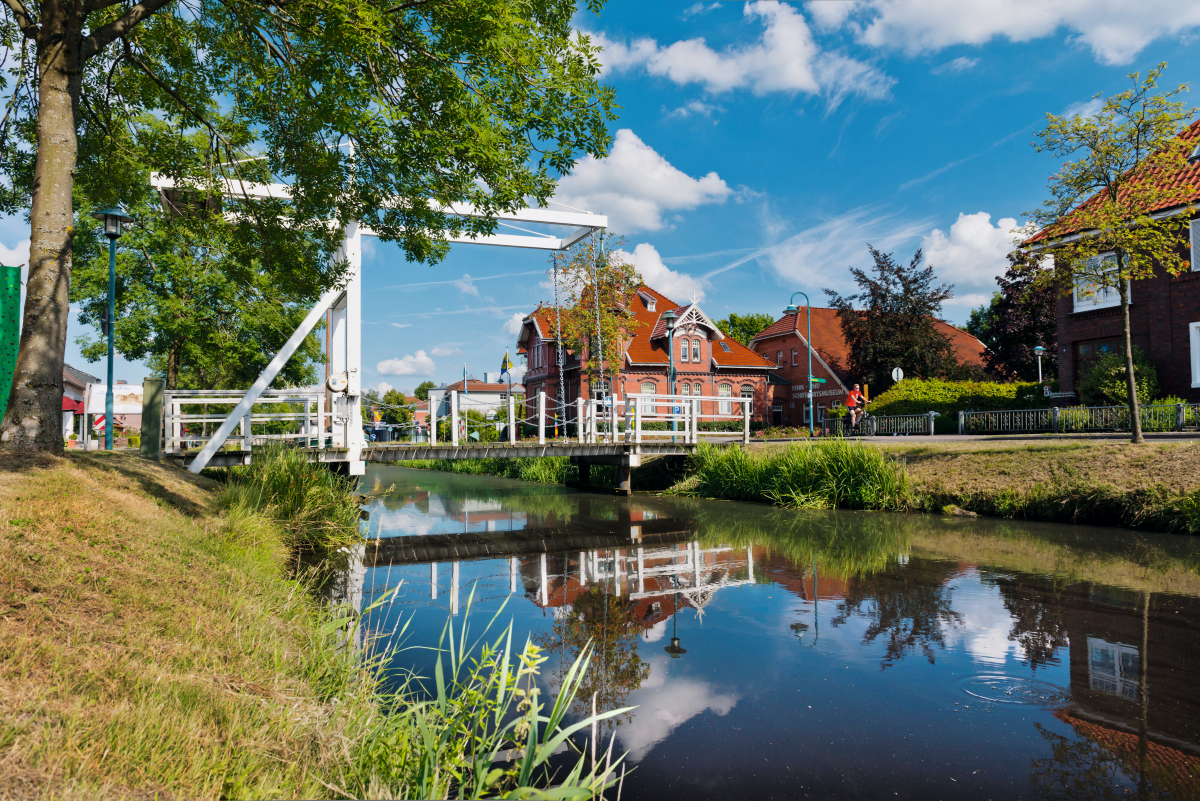
A beautiful harbor with several seating options, a parking space for mobile homes and a large playground. A snack bar offers more benches and tables to linger.
7
0
Frequently Asked Questions
What natural attractions can I explore around Barßel?
Barßel offers a variety of natural attractions. You can visit the Aper Tief nature reserve, known for its rare freshwater mudflats and rich birdlife. The region is also characterized by the peaceful Soeste River and its extensive moorlands and green meadows, providing excellent opportunities for birdwatching and riverside walks. Other notable natural areas include Glittenberger Moor and Godensholter Tief.
Are there any historical or cultural landmarks to visit in Barßel?
Yes, Barßel has several historical and cultural landmarks. The historic Hengstforder Mill, built in 1882, is a significant site. You can also explore the Ebkenssche Windmühle, a three-story smock mill, or visit the Moor- und Fehnmuseum Elisabethfehn to learn about the region's peat and fen landscape. The Heimathaus Hilkenbrook is another traditional building listed as an architectural and historical monument.
What kind of outdoor activities are available in the Barßel region?
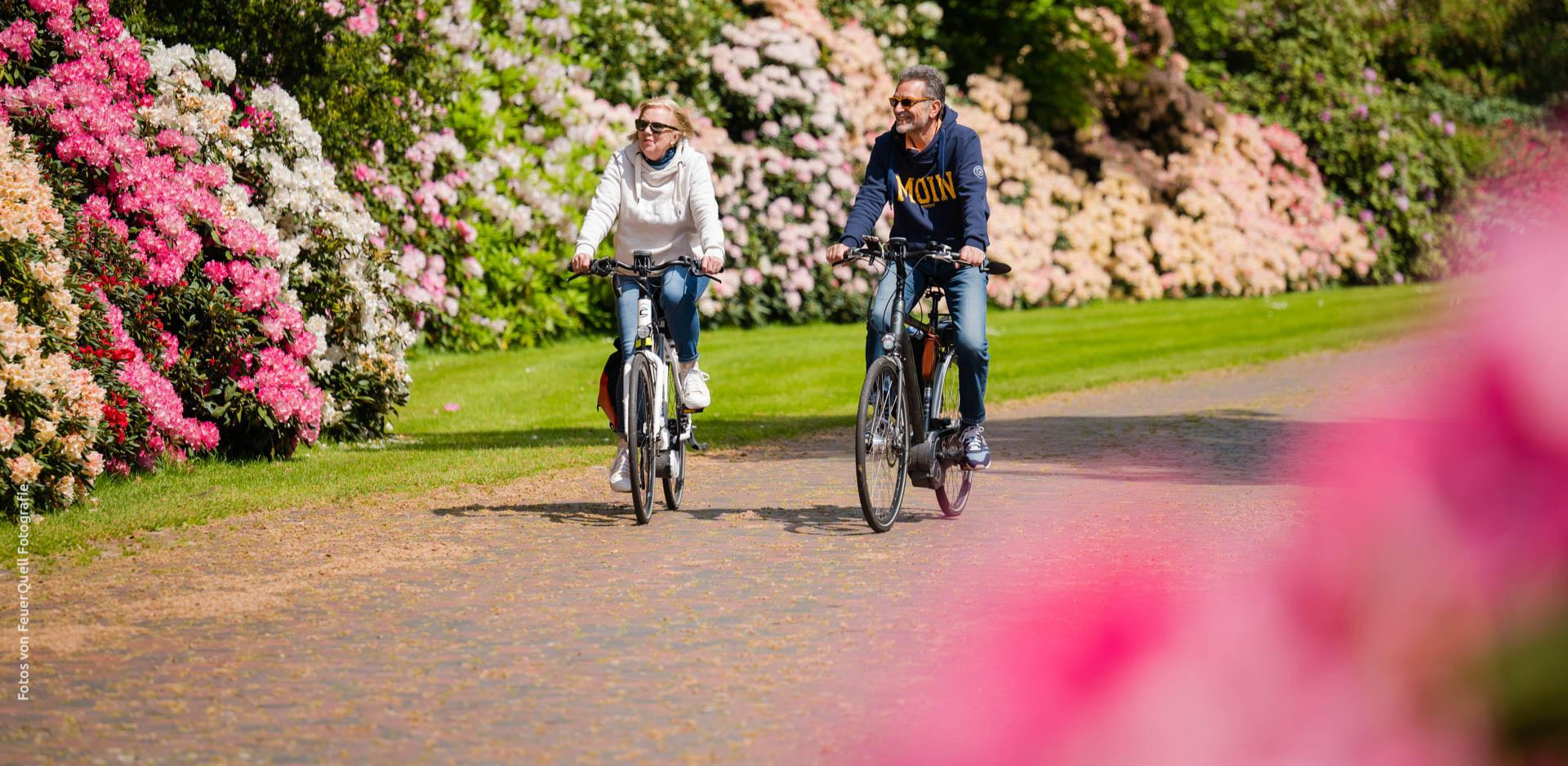
The Barßel region is ideal for various outdoor activities. You can enjoy cycling on routes like the German Fehnroute or the Pit Stop Route, which explore unique fen and moor landscapes. Water sports such as kayaking, canoeing, and boating are popular on the Soeste River and surrounding waterways. Hiking and running trails are also abundant, offering diverse experiences through forests and natural reserves. For more details on cycling routes, check out the Cycling around Barßel guide.
Are there family-friendly attractions in Barßel?
Absolutely! Barßel offers several family-friendly attractions. The Barßel Marina features a mini-lighthouse and offers riverboat excursions. The Barfußpark Harkebrügge (Barefoot Park Harkebrügge) provides 60 barefoot stations for all ages to experience different textures and play. Many trails, such as the Torsholter Kirchweg and Ohrweger Busch Forest Path, are also suitable for families.
Where can I go cycling around Barßel?
Barßel is well-suited for cycling with numerous routes. The Torsholter Kirchweg is a picturesque 3.5 km idyllic bike path winding through fields and forests. The Ohrweger Busch Forest Path offers shade on warm days. You can also find longer routes like the 'Barßeler Hafen – themed bike Tours in Ammerland' or the 'Barßel Marina – Lengener Moor Path Cycle Path loop'. For a comprehensive list, refer to the Cycling around Barßel guide.
What unique natural features can be found in the area?
The Barßel area is home to unique natural features, including the rare freshwater mudflats influenced by tides in the Aper Tief nature reserve. The region's extensive moorlands, such as Glittenberger Moor and Godensholter Tief, are designated nature reserves, showcasing the distinctive landscape of the Oldenburger Münsterland. The Soeste River and Sagter Ems also contribute to the area's natural beauty.
Can I find hiking trails suitable for different skill levels?
Yes, Barßel offers hiking opportunities for various skill levels. The Aper Tief nature reserve has a well-maintained hiking trail. While specific difficulty levels for hiking trails are not detailed for all, many paths through the moorlands and along rivers are generally easy and suitable for leisurely walks. For running trails, which can often be adapted for hiking, check the Running Trails around Barßel guide.
What is the "Museum Ship Angela von Barßel"?
The "Museum Ship Angela von Barßel" is a historic motor-sailing ship, originally built as a Tjalk in 1896. It was restored between 1985 and 1986 and represents a common type of vessel used for river and coastal shipping in the 19th century, primarily for transporting peat. Since 2008, it has been listed as a movable cultural monument in Lower Saxony and offers excursions and special trips from Barßel Marina.
What is the best time of year to visit Barßel?
The best time to visit Barßel generally depends on your preferred activities. The historic Ebkenssche Windmühle is open to visitors on the second Sunday of the month from March to October. Spring and summer are ideal for cycling, hiking, and water sports, allowing you to fully enjoy the green meadows and waterways. The natural reserves and outdoor parks are also best experienced in warmer months.
Are there any nature reserves worth visiting near Barßel?
Yes, Barßel is home to several significant nature reserves. The Aper Tief nature reserve is a unique area with freshwater mudflats and diverse birdlife. Additionally, Glittenberger Moor and Godensholter Tief are designated nature reserves within the Barßel municipality, offering opportunities to experience the region's distinctive natural beauty and ecosystems.
What do visitors particularly enjoy about the attractions in Barßel?
Visitors to Barßel particularly enjoy the serene landscapes and the blend of natural beauty with historical charm. The Barßel Marina is appreciated for its picturesque setting and riverboat trips. The Torsholter Kirchweg is loved for its idyllic, tunnel-like sections through trees, offering a relaxing cycling experience. The Aper Tief nature reserve is praised for its breathtaking landscape and rich birdlife.
Is Barßel suitable for water sports?
Yes, Barßel's location on the peaceful Soeste River and its proximity to other waterways and lakes make it an excellent destination for water sports. Activities such as kayaking, canoeing, and boating are popular. The Barßel Marina serves as a hub for riverboat excursions, including trips on the MS Spitzhörn.
Where can I learn about the local peat and fen landscape?
To learn about the local peat and fen landscape, you should visit the Moor- und Fehnmuseum Elisabethfehn. Located near "Dreibrücken" in Elisabethfehn, this museum and its outdoor area provide insights into the formation of raised bogs and how humans have shaped the landscape. It features exhibits on bog growth, a moor-level plateau, an educational garden, and interactive stations.
Are there any unique paths or trails for a leisurely walk or bike ride?
Barßel offers several unique paths for leisurely walks or bike rides. The Torsholter Kirchweg is a picturesque 3.5 km path that feels like cycling through a tunnel of trees. The Ohrweger Busch Forest Path provides a mix of fields and small, open forests, offering welcome shade. The Barfußpark Harkebrügge also offers a unique sensory walking experience.
Are there options for running trails in Barßel?
Yes, Barßel provides several options for running trails. You can find routes like the 'Barßel Marina – Turtle Pond loop' or the 'Lighthouse Playground – Turtle Pond loop', which offer moderate difficulty. The 'Barfußpark Harkebrügge loop' is another option for runners. For more detailed running routes, consult the Running Trails around Barßel guide.
Most popular attractions around Barßel

Get inspired with the komoot mobile app


Explore more
Still not found the Highlight you’re looking for? See guides of the top attractions in other regions:
