Top 9 Castles around Dasburg
Best castles around Dasburg include the historic Dasburg Castle, a ruined hilltop castle situated in the village near the German-Luxembourg border. This site offers a rich history, having served as a refuge and a defensive stronghold for centuries. Its exposed location high above the Our Valley provides impressive views of the surrounding landscape. The area's natural features and historical significance make it a notable destination for those interested in medieval ruins and scenic walks.
Best castles around Dasburg
- The most…
Last updated: July 6, 2026
Clervaux
Highlight • Settlement
Translated by Google •
Tip by

The Our
Highlight • River
Translated by Google •
Tip by

Sign up now to discover places like this
Get recommendations on the best single tracks, peaks, & plenty of other exciting outdoor places.
Sign up for free
Clervaux Castle – The Family of Man Photo Exhibition
Highlight • Castle
Translated by Google •
Tip by

View of Falkenstein Castle ruins
Highlight • Viewpoint
Translated by Google •
Tip by

St. James the Greater Church (Dasburg)
Highlight • Religious Site
Translated by Google •
Tip by

Sign up for free to discover even more castles around Dasburg.
Sign up for free
Already have an account?
Start today with a free account
Your next adventure awaits.
Login or Signup

Tips from the Community

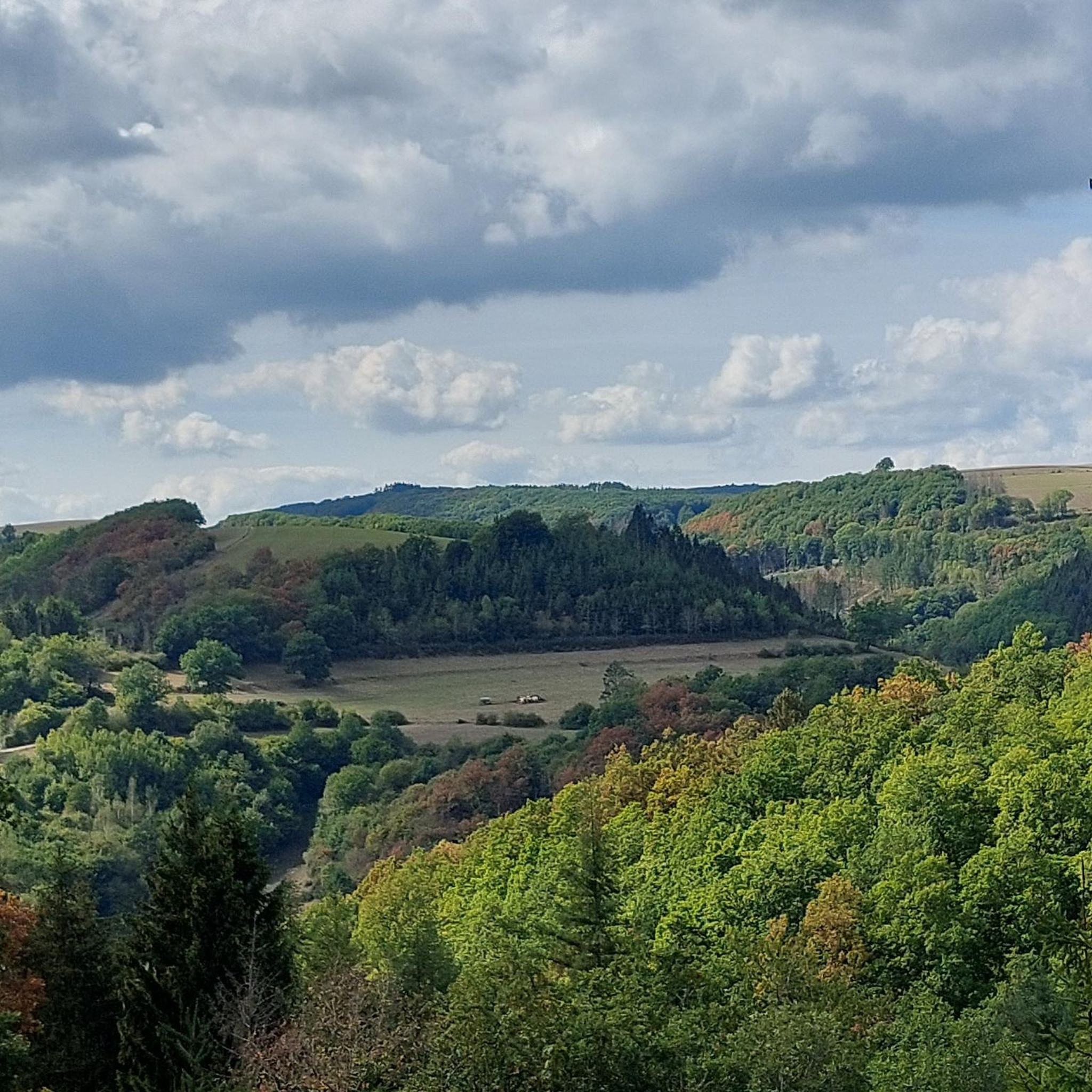
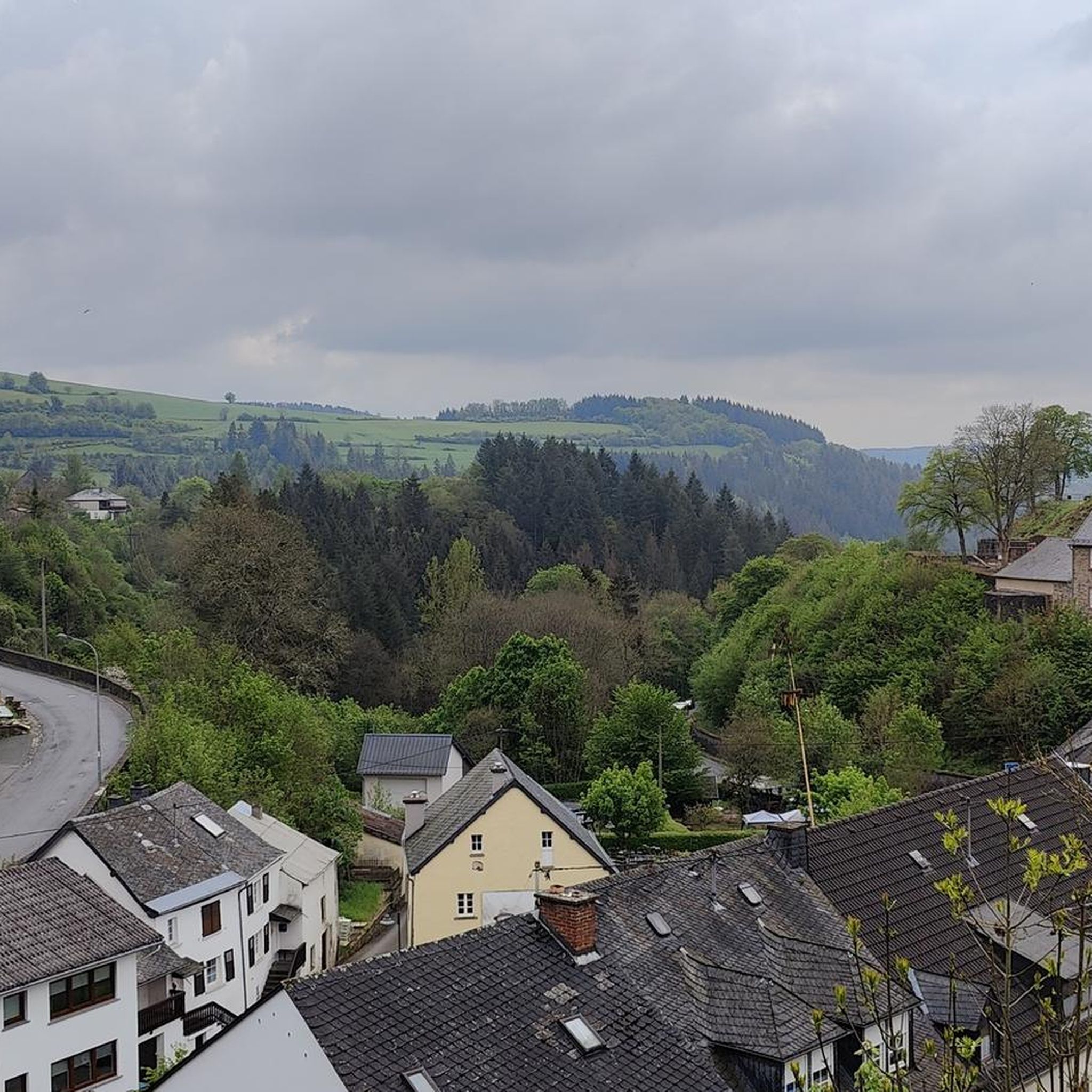
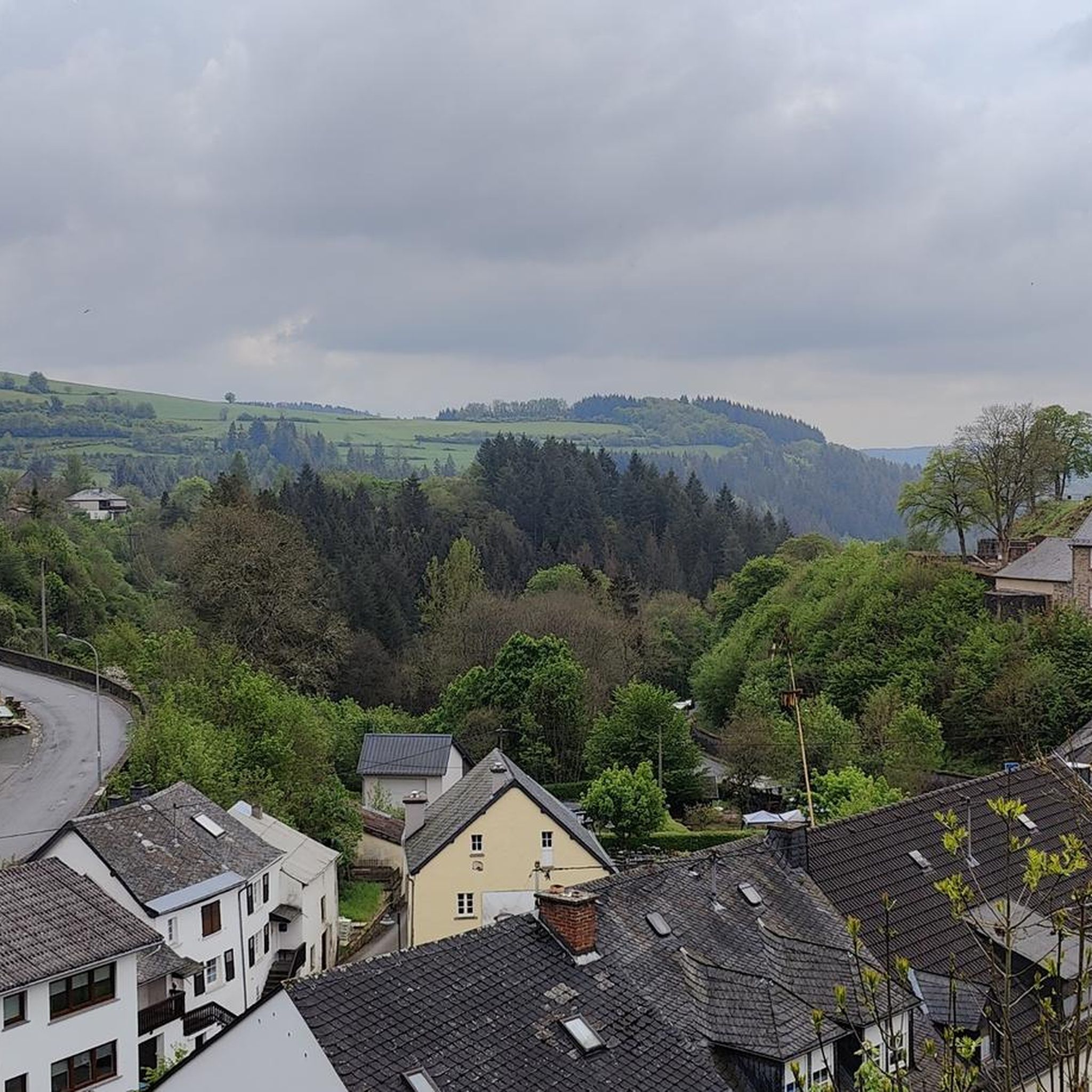
Picturesque town dominated by a castle and a church.
0
0

Worth seeing. A beautiful gem in the village of Dasburg. The small church was built in 1767 on the site of a former chapel by Trinitarian priest Augustinus (baptismal name: Johannes) Kerschen von Daleiden. It is a centrally planned building, a reverse of the ground plan of the Dasburg Chapel of Our Lady. The church, a simply plastered rubble stone structure, is essentially an elliptical nave with an almost square chancel on the broad side.
0
0

Clervaux Castle sits perched on the outcrop of a rocky promontory overlooking the city. The castle's origins date back to the 12th century, but it was built in successive stages. The oldest part, the west wing with the manor house, is believed to be the initiative of Count Gerhard von Sponheim, brother of the Count of Vianden. After its complete destruction on December 17, 1944, during the Battle of the Bulge in World War II, the Luxembourg state acquired the castle and completely restored it. Since the 1970s, the castle has housed various institutions that utilize its premises, including several noteworthy museums and exhibitions: The Museum of the Battle of the Bulge opened its doors in 1974; the west wing of the castle houses the Museum of Models of Luxembourg Castles; and the east wing houses the world-renowned photo exhibition "The Family of Man," a UNESCO Memory of the World Heritage Site.
13
0


The church of St. James the Elder is the Roman Catholic parish church of Dasburg in the Eifel district of Bitburg-Prüm in Rhineland-Palatinate. The parish of Dasburg belongs to the deanery of St. Willibrord Westeifel in the parish community of Arzfeld. https://de.m.wikipedia.org/wiki/St._Jakobus_der_%C3%84ltere_(Dasburg)
3
0


The Our (German, Luxembourgish and French Our) is a 96.1 km long tributary of the Sauer along the border between Germany (D) and its western neighbours Belgium (B) and Luxembourg (L). It flows mainly from north to south and meanders in sections. The Our rises in the eastern Ardennes and the western Eifel on Belgian territory. Its source is in the municipality of Büllingen near the district of Losheimergraben. The Our initially flows a little southwest of the B 265, which runs close to the river directly along the German-Belgian border. It passes two districts of Büllingen, Hüllscheid and Berterath. Shortly afterwards it flows into Germany for a while near Verschneid, a hamlet in Auwer in Rhineland-Palatinate. Shortly afterwards the Our flows back into Belgium near Schönberg, Atzerath and Alfersteg. From about Weppeler to Auel it runs along the Belgian-German border and then back into Belgium near Weweler. Then the Our flows again along the state border between Stoubach (B) and Stupach (D) and past Welchenhausen (D) and Oberhausen (B). It then flows through Belgium for the last time near Peterskirchen-Ouren. From around the European Monument at the border triangle of Belgium, Germany and Luxembourg between Ouren (B), Sevenig (D) and Lieler (L), the Our flows almost entirely along the German-Luxembourg border. It flows into the Sauer, a tributary of the Moselle, coming from the west near Wallendorf (D). (Source: Wikipedia)
4
0
Frequently Asked Questions
What historical castles can I explore around Dasburg?
The primary historical site is Dasburg Castle itself, a ruined hilltop castle with a rich history dating back to the 9th century. You can explore the remains of its 20-meter-high keep and walk along the surviving surrounding wall. Additionally, the region features Clervaux, a settlement with a dominant old castle and abbey, and the Clervaux Castle which houses museums and the renowned 'The Family of Man' photo exhibition.
Are there any castles with impressive views in the Dasburg area?
Yes, Dasburg Castle offers impressive views from its exposed location on a steep mountain spur high above the Our Valley, near the Luxembourg border. Another excellent spot is the View of Falkenstein Castle ruins, which provides a beautiful vista of a high medieval spur castle, despite the ruins themselves being privately owned and not fully accessible.
What outdoor activities can I do near the castles around Dasburg?
The area around Dasburg is excellent for outdoor activities. You can find numerous hiking trails, such as the 'Chapel and Castle of Neuerburg – View of the Our Valley loop' or the 'Ruins of Dasburg Castle – Steep Staircase in the Eifel loop'. For more options, explore the hiking guide for Dasburg. Road cycling and running routes are also available, with guides like Road Cycling Routes around Dasburg and Running Trails around Dasburg.
Are there family-friendly castle experiences in the region?
Yes, Clervaux is considered family-friendly, offering a walk through a historic city with its castle and abbey. The Clervaux Castle also hosts various museums and exhibitions, which can be engaging for families. Dasburg Castle itself, being a freely accessible ruin, provides a relaxed exploration experience for all ages.
What natural features are prominent around Dasburg Castle?
Dasburg Castle is situated high above the Our Valley, offering picturesque views of the surrounding landscape. The Our River itself is a significant natural feature, forming part of the border between Germany and Luxembourg and providing scenic views along its nearly 100-kilometer length.
What is the best time of year to visit the castles around Dasburg?
While specific seasonal information for Dasburg Castle isn't provided, the region's natural beauty, especially the Our Valley, suggests that spring and autumn would be ideal. Spring offers lush greenery and blooming landscapes, while autumn provides vibrant foliage, making for scenic walks and explorations of the castle ruins.
Is Dasburg Castle freely accessible, and what are its notable features?
Yes, Dasburg Castle is a freely accessible ruin that functions as a small village park. Visitors can explore the remains of its impressive 20-meter-high keep, which was the core of the Staufer castle, and walk along the surviving surrounding wall. Its exposed location offers impressive views of the Our Valley.
Can I visit the Falkenstein Castle ruins?
The Falkenstein Castle ruins are privately owned and cannot be visited inside. However, you can still enjoy a beautiful view of the old walls from a distance, often after a steep climb to a nearby viewpoint. One of the outbuildings is well preserved and inhabited.
Are there any cultural highlights near Dasburg Castle?
Beyond the historical significance of Dasburg Castle itself, the nearby Clervaux is considered the cultural heart of the Éislek Trail in Luxembourg. Its castle houses the world-renowned 'The Family of Man' photo exhibition, a UNESCO Memory of the World Heritage Site, along with other museums.
What kind of historical significance does Dasburg Castle hold?
Dasburg Castle boasts a long and complex history, likely built in the 9th century. It served as a refuge for the Abbey of Prüm, a defensive stronghold for the Counts of Vianden, and was owned by influential noble houses including the Counts of Nassau. Notably, the King of the Netherlands still holds the title 'Lord of Dasburg,' reflecting its historical importance.
What are some popular routes for hiking near Dasburg Castle?
Popular hiking routes near Dasburg Castle include 'Ruins of Dasburg Castle – Steep Staircase in the Eifel loop from Dasburg' and 'Dornauels Mill – View of Dasburg loop from Dasburg.' These routes offer moderate difficulty and allow you to explore the scenic surroundings. You can find more details and other routes in the Hiking around Dasburg guide.
Most popular routes around Dasburg
Most popular attractions around Dasburg

Get inspired with the komoot mobile app


Explore more
Looking for the best castles somewhere else? Discover other guides around Dasburg:
