Top 20 Castles around Dallgow-Döberitz
Best castles around Dallgow-Döberitz are primarily found in the nearby Potsdam region, offering a rich historical experience. While Dallgow-Döberitz itself features historical structures like a medieval village church, the broader area is known for grander estates. This region, with its historical context and proximity to significant Prussian palaces, provides various historical sites for exploration. The area combines local historical monuments with world-renowned palaces, making it a destination for those interested in historical architecture.
Best castles around Dallgow-Döberitz
- The most popular castles is Sanssouci Palace, a castle known for its Rococo architecture and terraced gardens. It served as the summer residence of King Frederick II. This UNESCO World Heritage site is a significant example of Prussian royal architecture.
- Another must-see spot is Cecilienhof Palace, a castle built in the English Tudor style. It is historically notable as the location of the Potsdam Conference in 1945. The palace features 176 rooms and an exhibition detailing its role in post-WWII history.
- Visitors also love Babelsberg Palace (Schloss Babelsberg), a castle built in the English Tudor style. It was the former summer residence of Emperor Wilhelm I. The residence was constructed in two phases starting in 1834 and played a role in significant historical events.
- Dallgow-Döberitz is known for Rococo palaces, English Tudor-style castles, and early Neoclassical structures. The variety of castles to see and explore includes royal summer residences and historically significant sites.
- The castles around Dallgow-Döberitz are appreciated by the komoot community, with more than 2900 upvotes and over 2300 photos shared.
Last updated: May 9, 2026
Sanssouci Palace
Highlight • Castle
In the summer months, the vineyard terraces are particularly beautiful, the motif of the wine can also be found in the interior design. If you want to admire the park and castle in summer, you should get up early - or enjoy the evening hours.
Opening times and prices: potsdam-park-sanssouci.de/sanssouci.html
Translated by Google •
Tip by

Cecilienhof Palace
Highlight • Castle
The palace acquired its historic dimensions when the Potsdam Agreement was signed in August 1945. The agreement between the four victorious powers of World War II (the Soviet Union, the USA, Great Britain and France) included the division of Germany into four parts and its central government by the Allied Control Council. Visitors can find out more about the Potsdam Conference in an exhibition in the rooms of the palace.
Translated by Google •
Tip by

Sign up now to discover places like this
Get recommendations on the best single tracks, peaks, & plenty of other exciting outdoor places.
Sign up for free
Little Palace Babelsberg
Highlight • Castle
Translated by Google •
Tip by

New Palace (Neues Palais), Sanssouci Park
Highlight • Castle
The grounds and furnishings are sumptuous and exuberant. A tour of the magnificent halls is very worthwhile. You can find the opening hours and further information here: spsg.de/schloesser-gaerten/objekt/neues-palais.
Translated by Google •
Tip by
Babelsberg Palace (Schloss Babelsberg)
Highlight • Castle
Translated by Google •
Tip by

Sign up for free to discover even more castles around Dallgow-Döberitz.
Sign up for free
Already have an account?
Start today with a free account
Your next adventure awaits.
Login or Signup
Popular around Dallgow-Döberitz
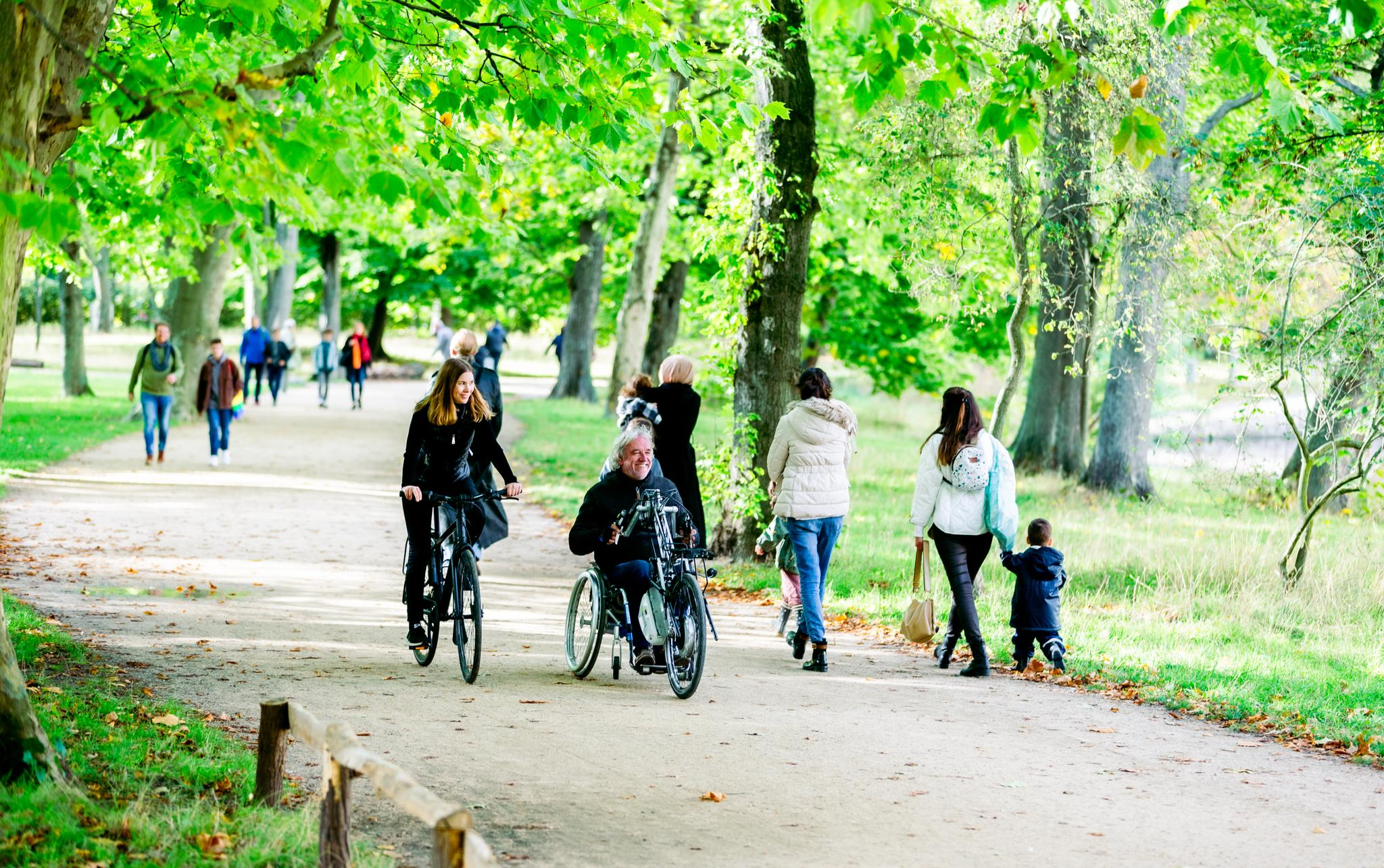
On relaxed paths through the capital – handcycling Berlin
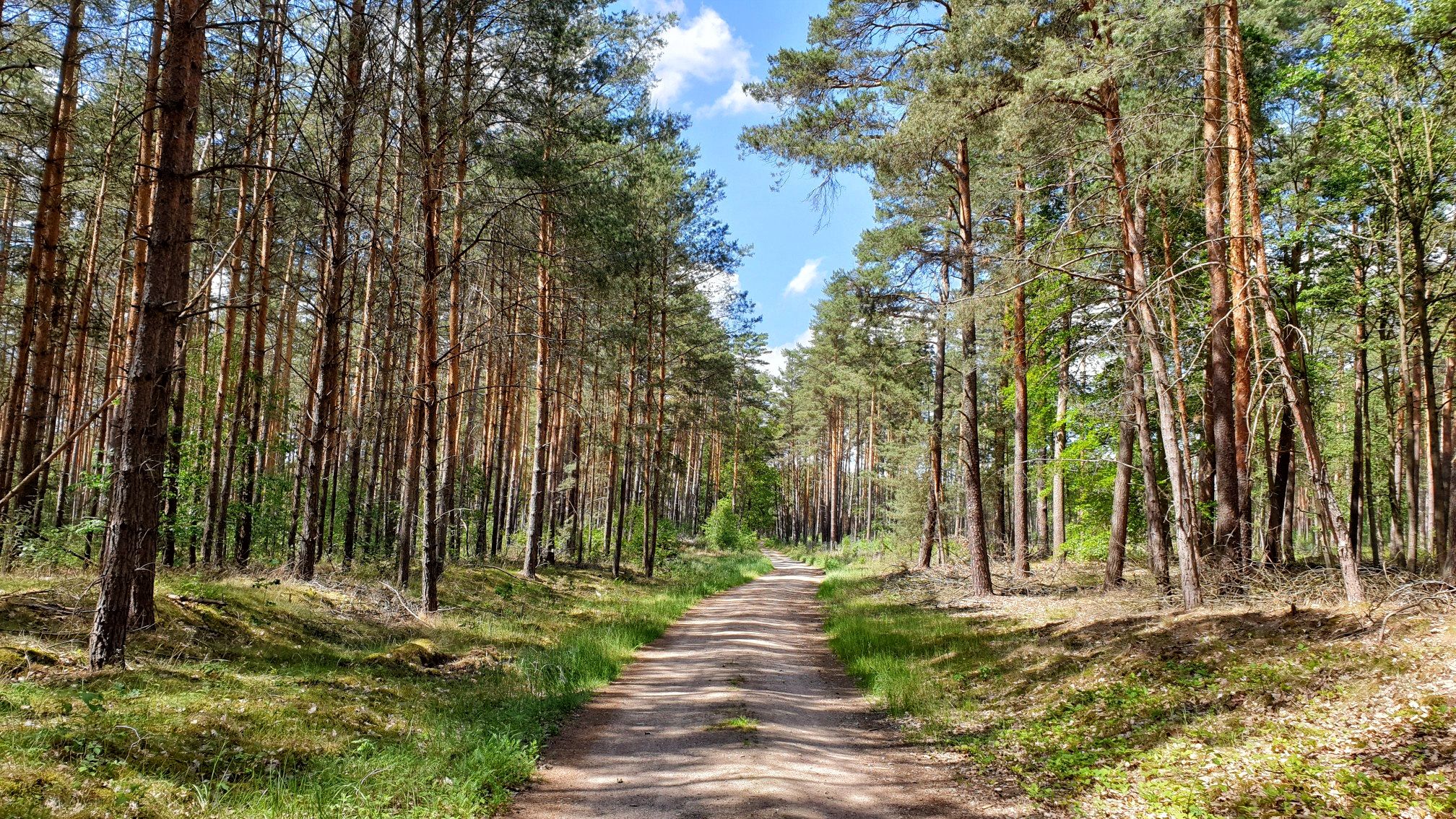
Escape the hustle and bustle of Berlin – cycling in Osthavelland-Spandau
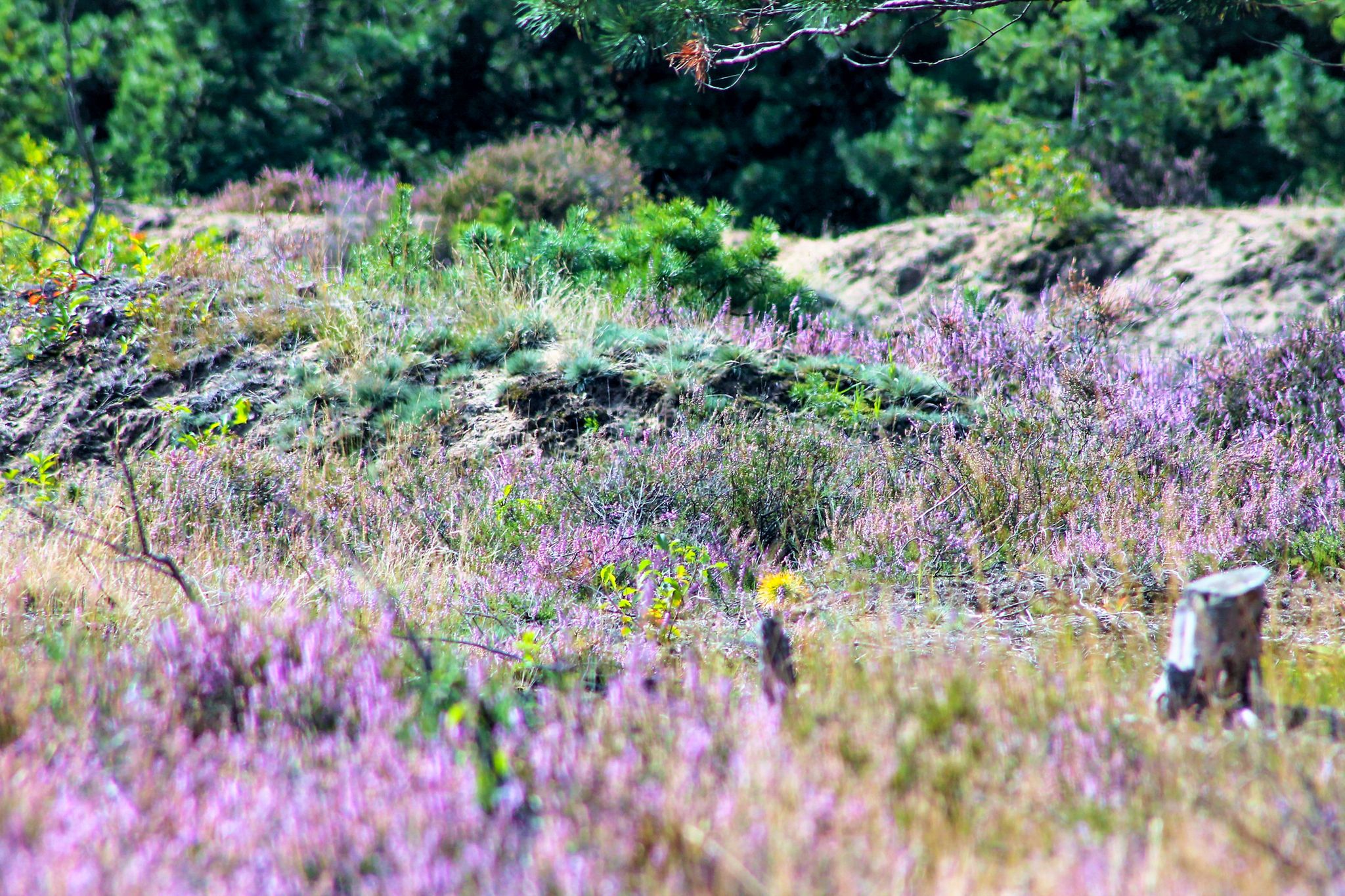
Purple splendour – by S-Bahn into the heath
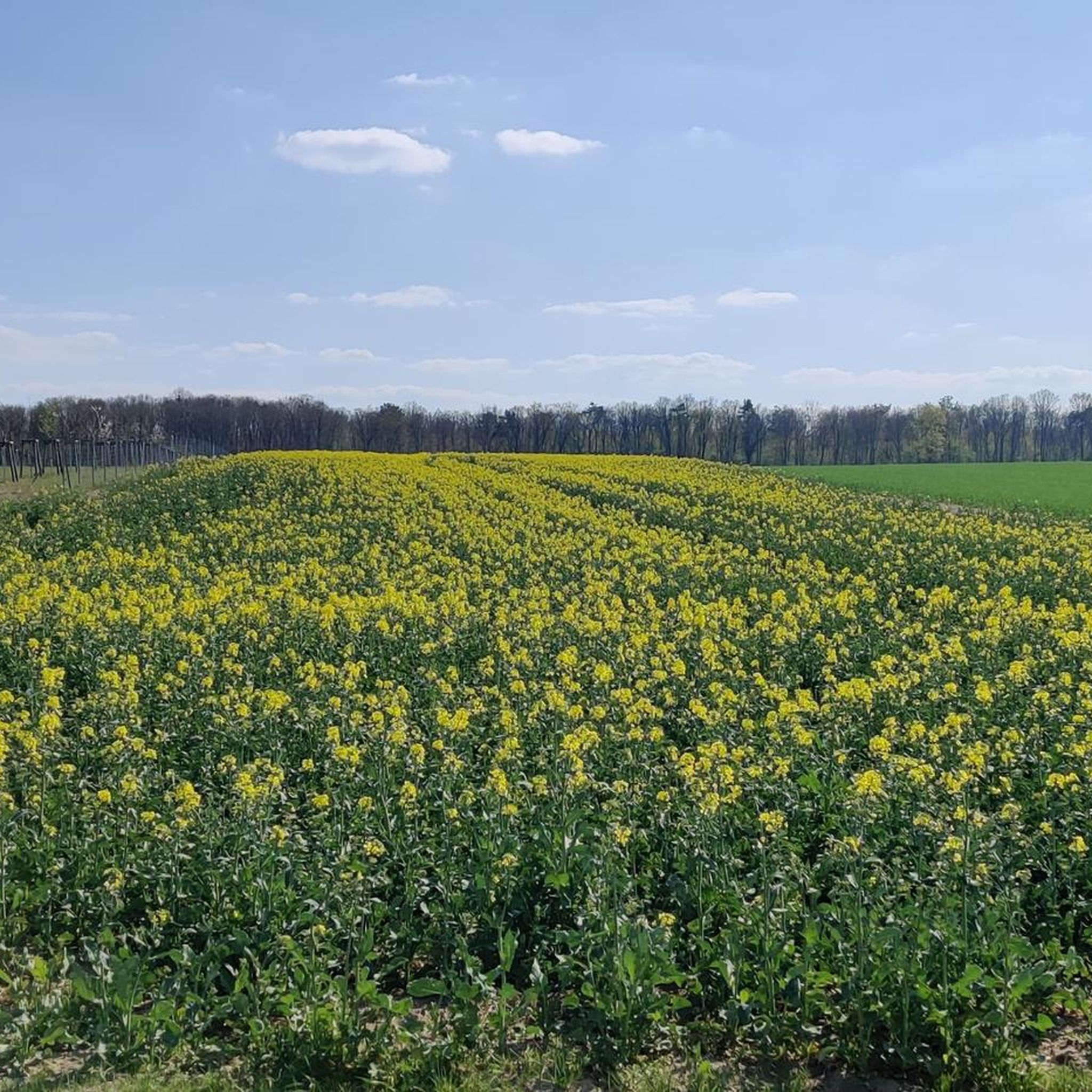
Hiking around Dallgow-Döberitz
Cycling around Dallgow-Döberitz
Road Cycling Routes around Dallgow-Döberitz
Running Trails around Dallgow-Döberitz

Gravel biking around Dallgow-Döberitz
MTB Trails around Dallgow-Döberitz
Other adventures around Dallgow-Döberitz


Tips from the Community

Really beautiful, with lots of nature around and cool design
1
0

A beautiful building with history, great photo opportunity
4
0

From the shore bike path through the New Park you can see the back of the world-famous castle. Right next to the entrance area there is a spacious bicycle parking lot, you can drive up to here and leave your two-wheeler here. It is then a 100 meter walk to the entrance. Information: https://www.spsg.de/schloesser-gaerten/objekt/schloss-cecilienhof/
6
0

The Little Castle is currently undergoing renovations. The restaurant's owners have relocated during this time and are serving light meals and drinks on the lawn next to the large castle. You can find more information here: https://kleinesschlossbabelsberg.eatbu.com/?lang=de.
3
3

Sanssouci Palace Sanssouci (from French sans souci 'without worry') is an ensemble of palaces and gardens in the former residential city of Potsdam. From 1747 to 1918 it served as the summer residence of the Prussian kings and German emperors. From 1745, Sanssouci Palace, the Picture Gallery, the New Chambers and the New Palace were built in the style of Frederician Rococo by Knobelsdorff, Unger and Gontard on behalf of and based on the ideas of Frederick II. From 1825, Schinkel, Stüler and Persius built the Charlottenhof Palace, the Roman Baths, the Church of Peace and the Orangery Palace in the classicist style on behalf of and based on the ideas of Friedrich Wilhelm IV. Lenné transformed the approximately 300 hectare Sanssouci Park with the historic mill, the Chinese House, the Dragon House and the Belvedere from a French architectural garden into an English landscape garden. The ensemble managed by the Prussian Palaces and Gardens Foundation Berlin-Brandenburg has been a UNESCO World Heritage Site since 1990. Sanssouci is also called the Prussian Versailles because of its art-historical importance. Text/Source: Wikipedia https://de.wikipedia.org/wiki/Sanssouci
21
5
Cecilienhof Palace Cecilienhof Palace, an ensemble of buildings in the English country house style, was built between 1913 and 1917 according to plans by the architect Paul Schultze-Naumburg. It is located in the northern part of the New Garden in Potsdam, not far from the shore of Jungfernsee. The last Hohenzollern palace was built under Emperor Wilhelm II for his son Crown Prince Wilhelm and his wife Cecilie from the House of Mecklenburg-Schwerin. Cecilienhof became world-historically known as the site of the Potsdam Conference from July 17 to August 2, 1945. Since then there has been a five-pointed Soviet star made of red flowers on the lawn in the main courtyard, the first planting of which was carried out by garden inspector Paul Molske (1875-1947). Text/Source: Wikipedia https://de.wikipedia.org/wiki/Cecilienhof
15
3
Babelsberg Castle Babelsberg Palace is the former summer residence of the German Emperor Wilhelm I. It is located in Babelsberg Park in the Babelsberg district of Potsdam and was built in the Tudor style from 1834, based on the English Windsor Castle. The residence was built in two phases. First, in 1834/35, the eastern area with rooms for Wilhelm and his wife Augusta was built according to plans by the architect Karl Friedrich Schinkel. Between 1844 and 1849, according to plans by Ludwig Persius, the western palace complex with ballrooms and rooms for the two children of the princely couple was added. The castle has been the scene of important historical events. These included a visit by British Queen Victoria in 1858, the appointment of Otto von Bismarck as Prussian Prime Minister in 1862 and the signing of the so-called Socialist Law in 1878. After the death of Wilhelm I in 1888, the palace lost its political and cultural significance. A conversion of the palace into a summer residence for the German Crown Prince Wilhelm, planned by the Prussian Oberhof Baurat Albert Geyer, was rejected in 1908 after the first preparatory building work for cost reasons. After the end of the monarchy, the administration of the Prussian State Palaces and Gardens had the palace converted into a museum in 1927. As such it lasted until the Second World War. During the war years, the comparatively remote palace was considered a safe depot for works of art from other Potsdam residences. It was largely spared from the destruction of war. After being taken by the Red Army, the historical furnishings were confiscated and taken to the Soviet Union as war trophies. Some of the furniture and paintings were not returned in 1958 either. Text/Source: Wikipedia https://de.wikipedia.org/wiki/Schloss_Babelsberg
18
3

Located in the middle of a beautiful park, in which there are some other buildings worth seeing, the "Ohne Sorge" castle is certainly the main attraction of Potsdam - and that's saying something with the multitude of castles and historic buildings
10
1
Frequently Asked Questions
What types of historical structures can I expect to find around Dallgow-Döberitz?
While Dallgow-Döberitz itself features historical structures like a medieval village church, the broader area, particularly the nearby Potsdam region, is known for grander estates. You can expect to find a variety of architectural styles, including Rococo palaces like Sanssouci Palace, English Tudor-style castles such as Cecilienhof Palace and Babelsberg Palace, and early Neoclassical structures like the Marble Palace.
Are there any historical sites directly within Dallgow-Döberitz itself?
Yes, Dallgow-Döberitz has its own historical significance. The most notable structure is the medieval **Dorfkirche (Village Church)**, which dates back to 1271. The area also has a rich history related to its development from medieval settlements and its role as a military training ground, with sites like the former Döberitz military training area and the Villenkolonie Neu-Döberitz.
Which castles are particularly family-friendly?
Many of the prominent castles in the region are considered family-friendly. Sanssouci Palace, Cecilienhof Palace, Babelsberg Palace, and the New Palace (Neues Palais) in Sanssouci Park all offer experiences suitable for families, often including extensive grounds for exploration.
Can I visit these castles with my dog?
Generally, dogs are welcome in the extensive park grounds surrounding many palaces, such as Sanssouci Park and Babelsberg Park, provided they are kept on a leash. However, dogs are typically not permitted inside the palace buildings themselves. It's always advisable to check specific regulations for each site before your visit.
What is the best time of year to visit the castles around Dallgow-Döberitz?
The summer months are particularly beautiful for visiting the castles and their gardens, especially the vineyard terraces at Sanssouci Palace. However, to avoid crowds, consider visiting in the early morning or late evening during summer, or during the shoulder seasons (spring and autumn) when the weather is pleasant and the gardens are still vibrant.
Are there guided tours available for the castles?
Yes, guided tours are often available for the major palaces. For instance, an audio guide tour of Sanssouci Palace is highly recommended. Cecilienhof Palace also features an exhibition detailing its historical role in post-WWII history. Check the official websites of individual palaces for specific tour information and booking.
What outdoor activities can I do near these castles?
The region offers various outdoor activities. You can find numerous hiking and cycling routes around Dallgow-Döberitz. For example, there are easy hikes in the Döberitzer Heide, such as the "Shelter in the Döberitzer Heide" loop or the "Heathland – View of the Döberitz Obelisk" loop. Cycling enthusiasts can explore routes like the "Cycle path near Krampnitz – Cycle Path to Seeburg loop." You can find more details on these activities in the easy hikes around Dallgow-Döberitz guide or the cycling around Dallgow-Döberitz guide.
How can I get to the castles near Dallgow-Döberitz by public transport?
The castles, particularly those in Potsdam like Sanssouci Palace, are well-connected by public transport. From Dallgow-Döberitz, you can typically take a regional train or bus to Potsdam and then use local buses or trams to reach the specific palace parks. Planning your route with a public transport app is recommended for the most current connections.
Are there cafes or restaurants near the castles?
Yes, many of the larger palace complexes have cafes or restaurants on-site or nearby. For example, the Little Palace Babelsberg, while undergoing renovations, has its restaurant owners serving light meals and drinks on the lawn next to the main Babelsberg Palace. The surrounding towns, especially Potsdam, offer a wide range of dining options.
What do visitors enjoy most about the castles around Dallgow-Döberitz?
Visitors frequently praise the stunning architecture, the rich history, and the beautiful, expansive gardens. The Rococo style of Sanssouci Palace and its terraced vineyards are often highlighted, as is the historical significance of Cecilienhof Palace as the site of the Potsdam Conference. The opportunity for long walks through the parks and the picturesque views are also highly appreciated.
Are there any lesser-known or 'hidden gem' historical sites in the area?
While the grand palaces are well-known, the historical significance of Dallgow-Döberitz itself, with its medieval **Dorfkirche** and insights into its military past, offers a different kind of historical exploration. For those interested in architectural history beyond the main palaces, exploring the Villenkolonie Neu-Döberitz provides a glimpse into early 20th-century development.
Are the castles wheelchair accessible?
Accessibility varies by palace and specific areas within the grounds. While many parks and ground-level areas are generally accessible, older buildings may have limitations due to stairs or historical architecture. It is best to check the official websites of individual palaces for detailed accessibility information before your visit.
Most popular routes around Dallgow-Döberitz
Most popular attractions around Dallgow-Döberitz

Get inspired with the komoot mobile app


Explore more
Looking for the best castles somewhere else? Discover other guides around Dallgow-Döberitz:
