Attractions and Places To See around Dörverden - Top 20
Attractions and places to see around Dörverden include a variety of historical, cultural, and natural sites situated on the right bank of the Weser River in Lower Saxony, Germany. The area is characterized by its rural charm and connections to the larger Verden district, offering opportunities for exploration along the Weser and Aller rivers. Visitors can find well-developed cycling and hiking trails, historic windmills, and significant cultural heritage sites. This region provides diverse landscapes for outdoor activities and insights into local history.
Best attractions and places to see around Dörverden
- The most popular attractions is Weser Ferry Schweringen, a cable ferry that offers river crossings for cyclists and tourists. It is powered by an electric motor and connects the banks of the Weser.
- Another must-see spot is View of Verden and its cathedral, a viewpoint offering views of Verden and its cathedral. This spot is located shortly after the Aller bridge on the Weser cycle path.
- Visitors also love Weser bridge in Hoya, a bridge connecting the two banks of the Weser River. It features an arched design and is located in Hoya, offering paths along the river.
- Dörverden is known for its historic windmills, river infrastructure like locks and ferries, and cultural sites such as churches and heritage centers. The area offers a variety of attractions to see and explore, from natural landscapes to man-made structures.
- The attractions around Dörverden are appreciated by the komoot community, with more than 2000 upvotes and over 200 photos shared by visitors.
Last updated: October 9, 2026
View of Verden and its cathedral
Highlight • Viewpoint
Translated by Google •
Tip by

Weser Ferry Schweringen
Highlight • Structure
The Weser ferry in Schweringen is a cable ferry powered by an electric motor (mains connection).
Translated by Google •
Tip by

Sign up now to discover places like this
Get recommendations on the best single tracks, peaks, & plenty of other exciting outdoor places.
Weser bridge in Hoya
Highlight • Bridge
Translated by Google •
Tip by

Aller Bridge
Highlight • Viewpoint
Translated by Google •
Tip by

Verden — Old Town and Cathedral
Highlight • Settlement
Translated by Google •
Tip by

Sign up for free to discover even more attractions around Dörverden.
Already have an account?
Start today with a free account
Your next adventure awaits.
Popular around Dörverden

Tips from the Community


Nice break area with a view of the Aller.
2
1


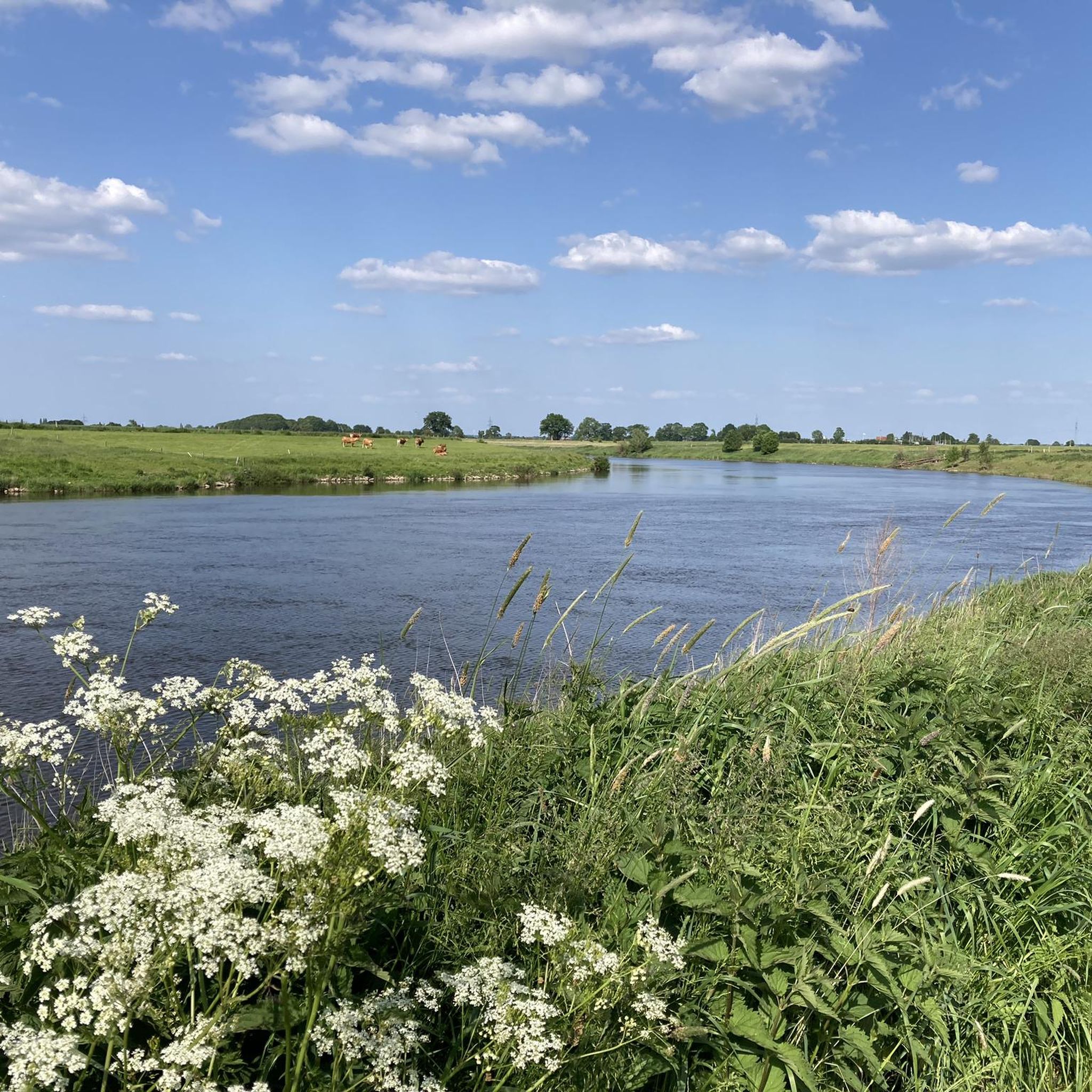
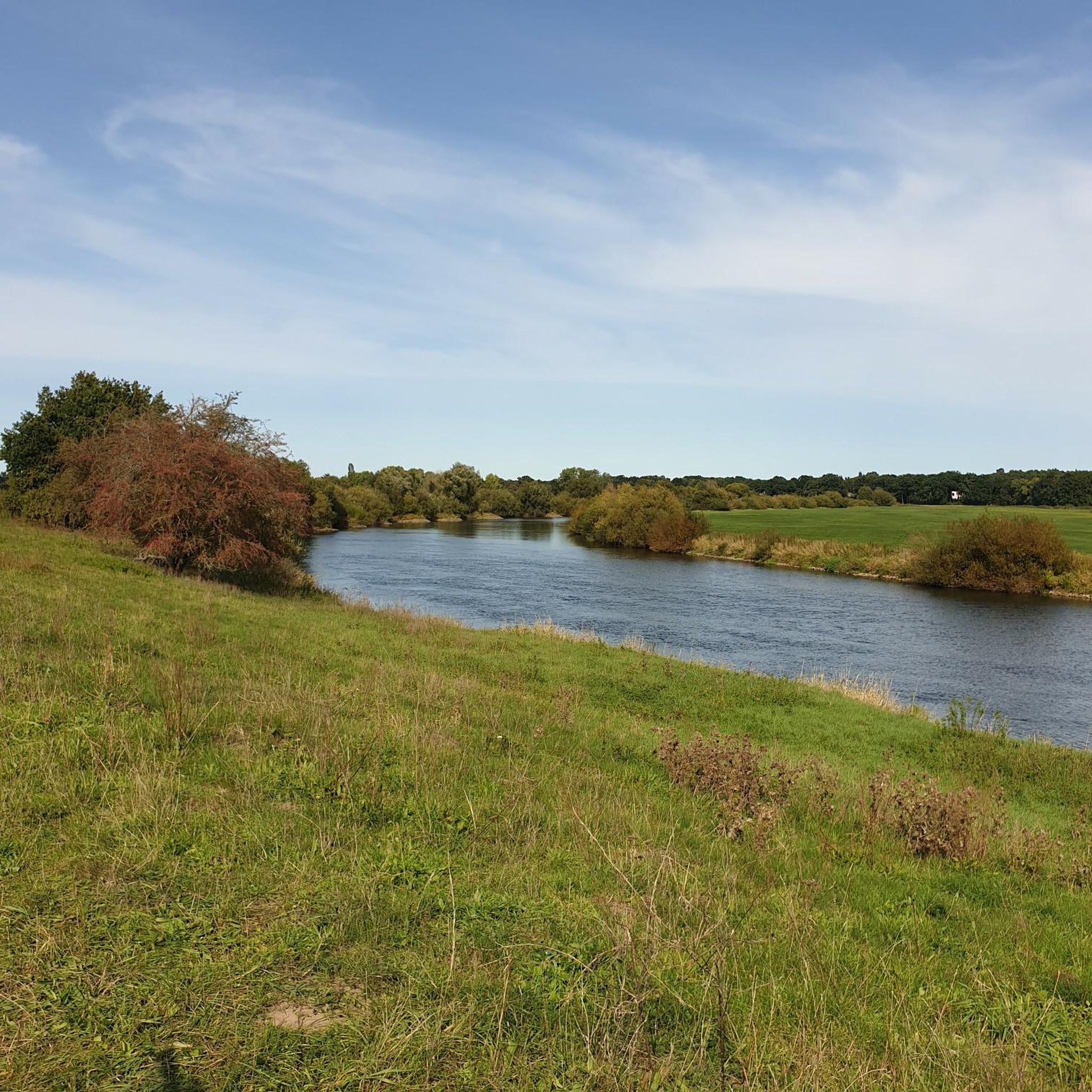
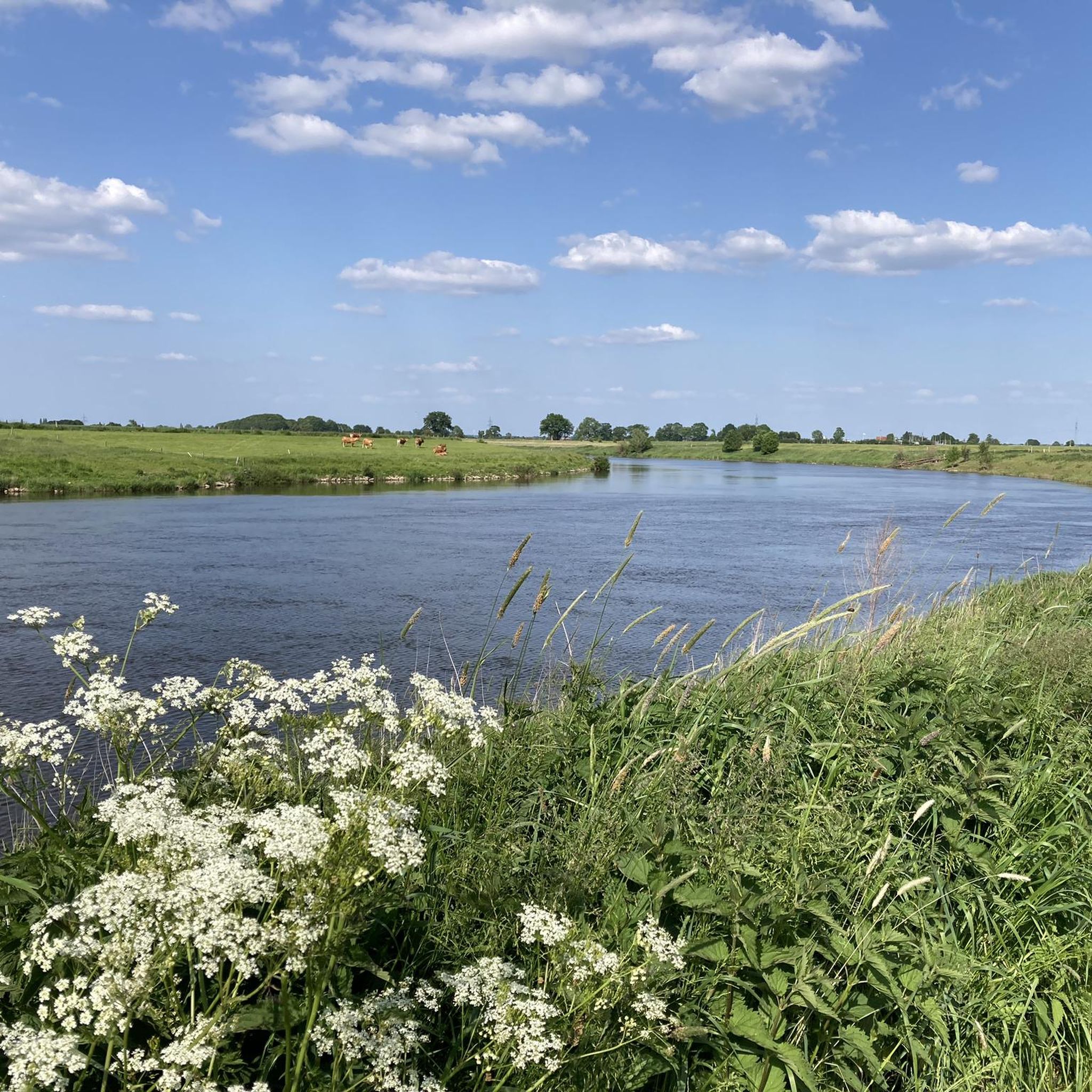
Very nice view of the Weser near Hoya. Beautiful section of this route.
7
0
In addition, there was the Nikolaikirche on Sandberg. Outside the town was in the period of 10./11. Century on a hill on the Aller the old castle Verden as a hill fort. From the 11th century to 1648, the Prince-Bishopric of Verden existed as an independent territory, in which the Verden bishops and their Lutheran legal successors ruled as imperial princes. On March 12, 1259, Verden was granted city rights under Bremen law by episcopal privilege. In 1476 Berthold II von Landsberg founded the Augustinian convent Mariengarten "our leven Frouven Rosengarten" in the northern part of the city, in whose rooms Franz Wilhelm von Wartenberg had the Jesuits move in in 1630, so that the nuns had to move to the Frankenberg convent. In the 15th century, Verden became a free imperial city until the end of the Thirty Years' War. In 1568 the Reformation was introduced in the "Verden Abbey" by the sovereign and evangelical bishop Eberhard von Holle (born 1531 in Uchte).
7
1
Ferdi in Saxonia, under this name Verden is mentioned for the first time in roughly today's name form in a document from Charlemagne. The name refers to a ford or ferry. In 782, the subjugation of the Saxons by Charlemagne came to a cruel climax in the Verden area during the Saxon Wars: Apparently 4,500 residents of the then sparsely populated region were executed in the so-called “Verden Blood Court” after they refused to submit to the Frankish King Charles and embrace the Christian faith. Around 850[2] the diocese of Verden was established, which disappeared as an ecclesiastical diocese during the Reformation. In the following centuries, the city grew together from two settlement centers: the Norderstadt with its town hall and St. John's Church and the Süderstadt with the spiritual center around the cathedral, to which the fishing settlement on the Aller was attached. Source and further information: https://de.wikipedia.org/wiki/Verden_(Aller)
7
0

Always a highlight, and nice that something like this still exists.
11
0
Frequently Asked Questions
What natural features can I explore around Dörverden?
Dörverden is nestled in the Weser-Aller triangle, offering extensive opportunities to explore the Weser and Aller Rivers. You'll find well-developed and signposted cycling and hiking trails along their banks. Other natural features include the medieval border fortification of Landwehr bei Hülsen and various Grabügel (burial mounds), including a reconstructed one in Diensthop.
Are there any unique wildlife attractions in the area?
Yes, the Wolfcenter Dörverden offers a unique experience to learn about wolves, their presence, and the challenges they bring. It provides guided tours, feeding demonstrations, and even treehouse accommodations for those wishing to hear wolves howl at night.
What historical landmarks can I visit in Dörverden?
Dörverden is home to several historical landmarks, including the reconstructed Dörverden Windmill from 1857 and the Westerhügel Windmill in Westen. You can also see the Dörverden Lock and the Dörverden Hydropower Plant, built in 1914, which are significant parts of the Weser River's infrastructure. For ancient history, explore the Landwehr bei Hülsen and a medieval Motte in Barmer Holz.
What cultural sites are worth visiting in Dörverden?
The region offers several cultural sites, such as the significant St. Cosmae et Damiani Church in Dörverden and the historic St. Annen Church Westen, which provides good views of the harbor and Aller meadows. Another notable site is Kulturgut Ehmken Hoff, a cultural heritage center.
Are there family-friendly attractions around Dörverden?
Many attractions around Dörverden are suitable for families. The Weser Ferry Schweringen offers a fun river crossing, and the Brick Artworks in Altenbücken provide a playful stop along the Weser cycle path. Exploring the historic windmills and the Wolfcenter Dörverden are also popular family activities.
What outdoor activities can I do near Dörverden?
The area around Dörverden is excellent for outdoor activities, especially cycling and running. You can find numerous routes along the Weser and Aller rivers. For cycling, explore routes like the 'Weser Weir Dörverden – Weser bridge in Hoya loop' or 'The Wolf Tour (North Route)'. Running enthusiasts can enjoy trails such as the 'Running loop from Dörverden' or the 'Bridge over the Aller River – Aller Railway and Cycle Bridge loop'. You can find more details on these activities in the Cycling around Dörverden and Running Trails around Dörverden guides.
Are there any wheelchair-accessible attractions?
Yes, the Weser bridge in Hoya is noted as wheelchair-accessible, offering paths along the Weser River. Many of the well-developed cycle paths along the Weser and Aller rivers are also generally accessible.
What do visitors enjoy most about the attractions around Dörverden?
Visitors frequently appreciate the scenic beauty of the Weser River and its surroundings, especially the 'romantic' crossing on the Weser Ferry Schweringen. The historic charm of places like the Old Town and Cathedral in Verden, and the unique Brick Artworks in Altenbücken, are also highly rated for their pleasant atmosphere and opportunities for a break.
When is the best time to visit Dörverden for outdoor activities?
The region is ideal for outdoor activities like cycling and hiking during the warmer months, typically from spring through early autumn. The well-developed river paths are particularly enjoyable when the weather is mild, allowing for comfortable exploration of the Weser-Aller triangle.
Are there any viewpoints offering scenic vistas?
Yes, a notable viewpoint is the View of Verden and its cathedral, located shortly after the Aller bridge on the Weser cycle path. This spot offers a wonderful perspective of Verden's tranquil old town and its impressive cathedral.
Can I find places to eat or stay near the attractions?
While specific establishments are not detailed here, the nearby district capital of Verden (Aller) offers many restaurants in its pedestrian zone, particularly Italian cuisine, and some with outdoor seating. For accommodation, the region provides various options from boutique hotels to guest houses, especially in and around Verden and other towns along the Weser.
Most popular routes around Dörverden
Most popular attractions around Dörverden

Get inspired with the komoot mobile app


Explore more
Still not found the Highlight you’re looking for? See guides of the top attractions in other regions:
