The 13 Most Amazing Peaks around Nohfelden
Best mountain peaks around Nohfelden are situated within the Saar-Hunsrück Nature Park, a region characterized by its natural landscape and an average elevation of 382 meters. While not featuring numerous towering peaks, the area offers significant elevated points and natural attractions. These locations provide views, recreational opportunities, and natural beauty, making the Nohfelden region a destination for outdoor exploration.
Best mountain peaks around Nohfelden
- The most popular mountain peaks is Schaumberg Plateau and the Schaumberg Tower, a viewpoint that…
Last updated: July 6, 2026
Dollberg – Highest point in Saarland
Highlight • Summit
The incredible 'silence' of nature and the fairytale character of the immediate surroundings make this summit - which …
Translated by Google •
Tip by

Schaumberg Plateau and the Schaumberg Tower
Highlight • Viewpoint
Translated by Google •
Tip by

Sign up now to discover places like this
Get recommendations on the best single tracks, peaks, & plenty of other exciting outdoor places.
Sign up for free
Tirolerstein Memorial
Highlight • Monument
In winter 20/21 a tree fell on the previous cross due to …
Translated by Google •
Tip by

Wehlenstein
Highlight • Natural Monument
Translated by Google •
Tip by
Weiselberg Summit and Steinerne Meer
Highlight • Summit
From a geological point of view, the »Steinernes Meer« is a heap of scree made from weathered material from the Weiselberg. From a geological point of view, this …
Translated by Google •
Tip by

Sign up for free to discover even more peaks around Nohfelden.
Sign up for free
Already have an account?
Start today with a free account
Your next adventure awaits.
Login or Signup
Popular around Nohfelden
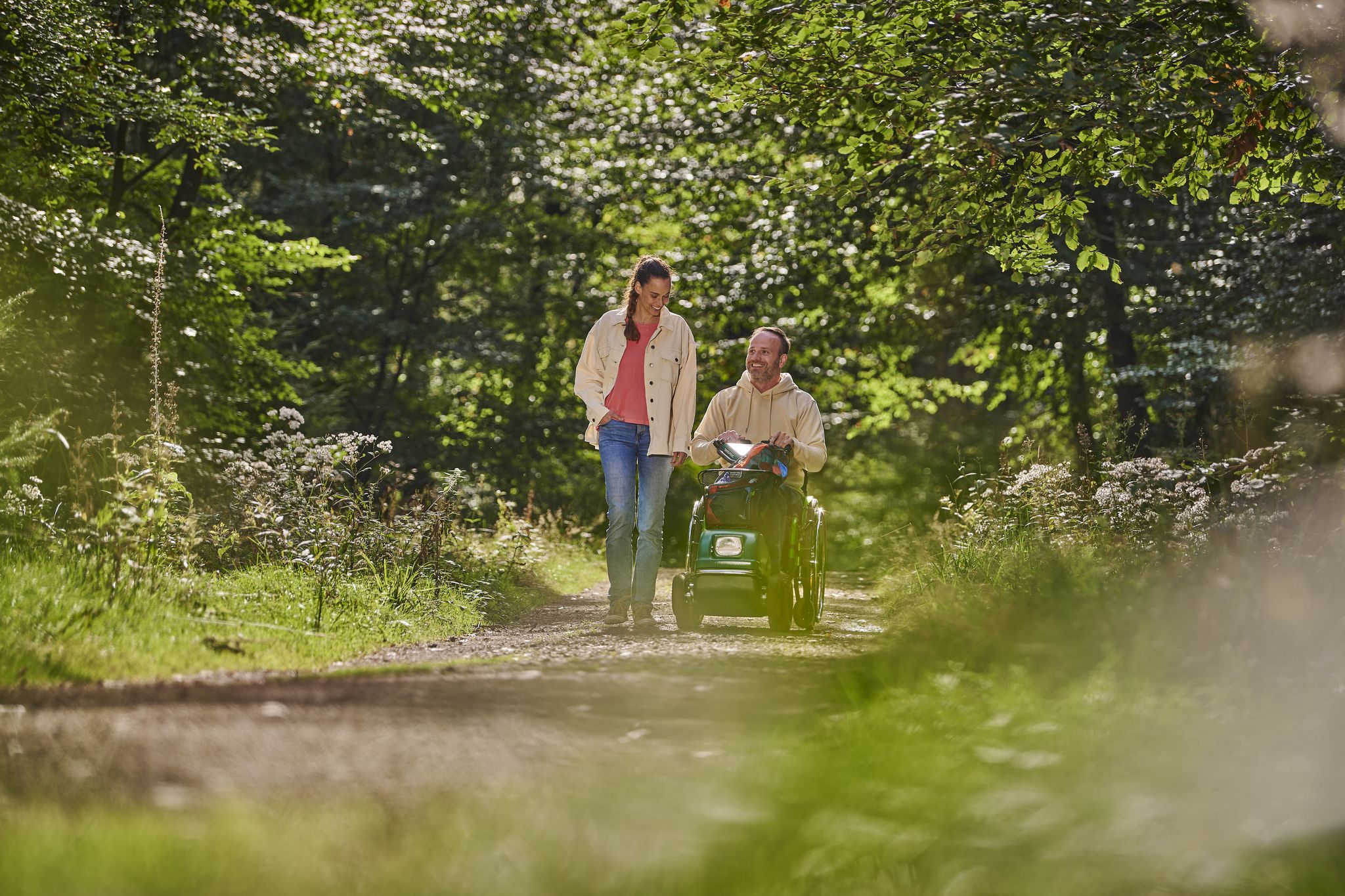
Experience nature without detours - barrier-free adventures in Saarland
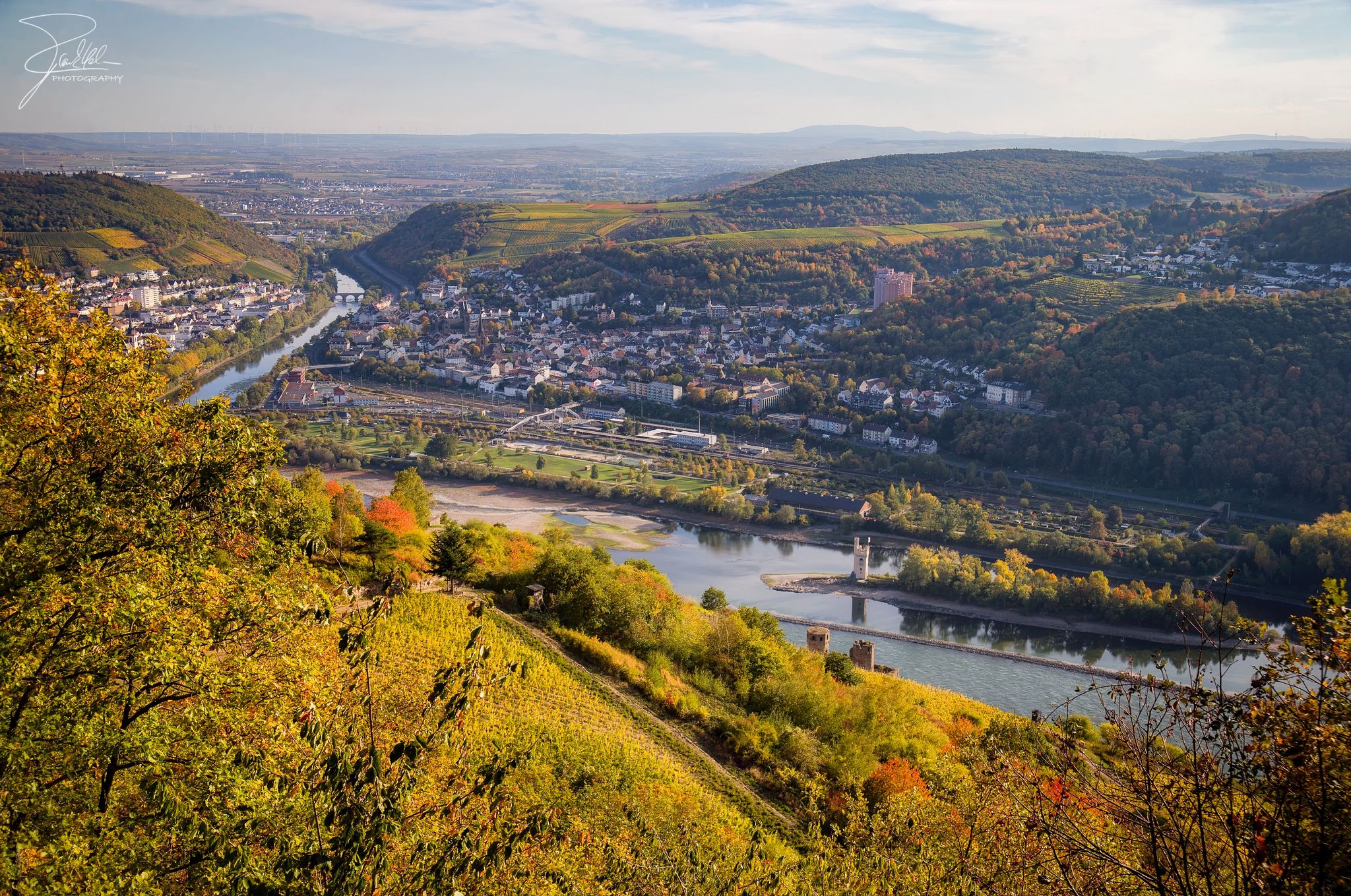
The Nahe Cycle Path – Between Rocks and Vines
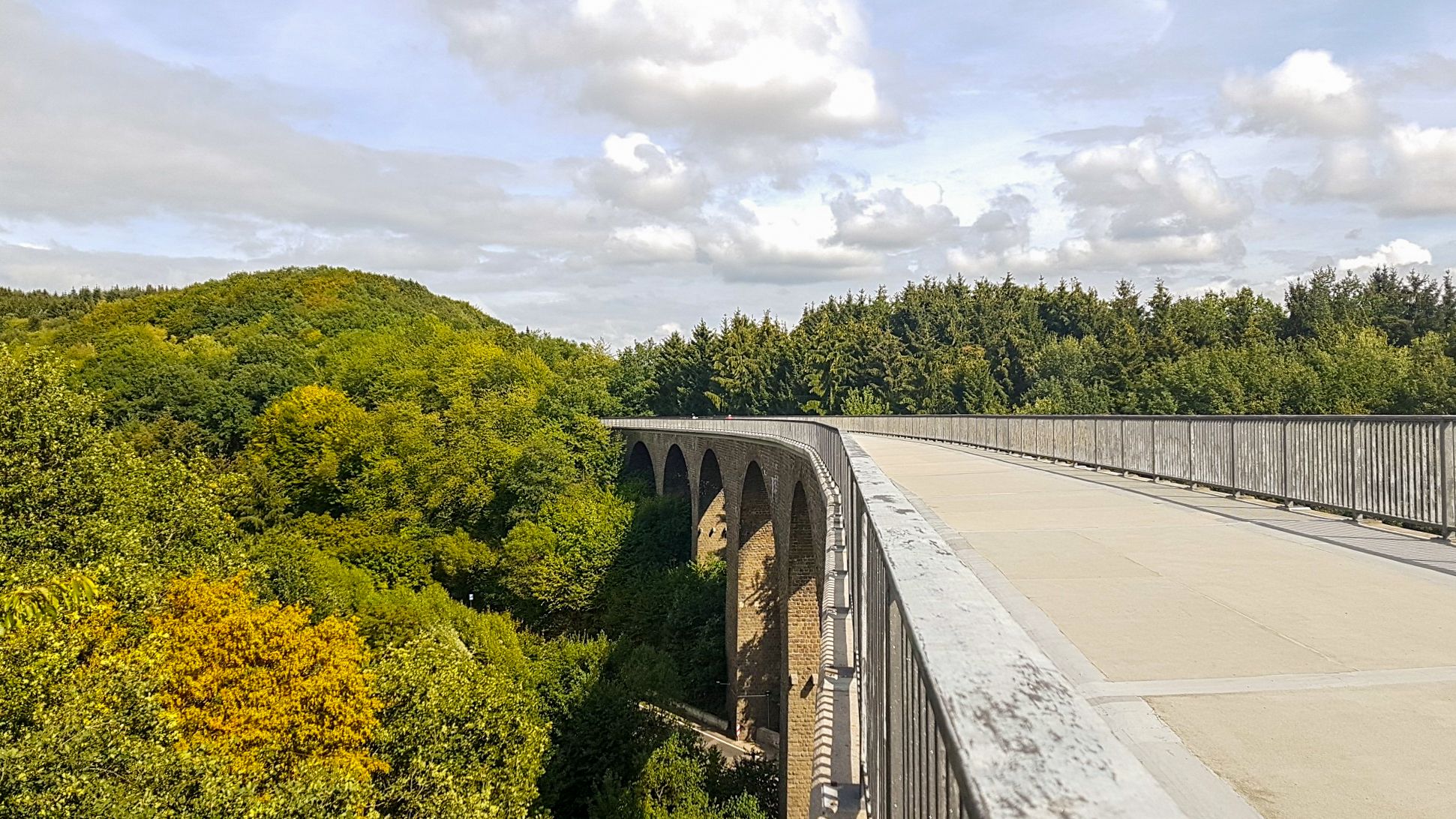
Saarland Cycle Path — Small country, big tour on 7 stages
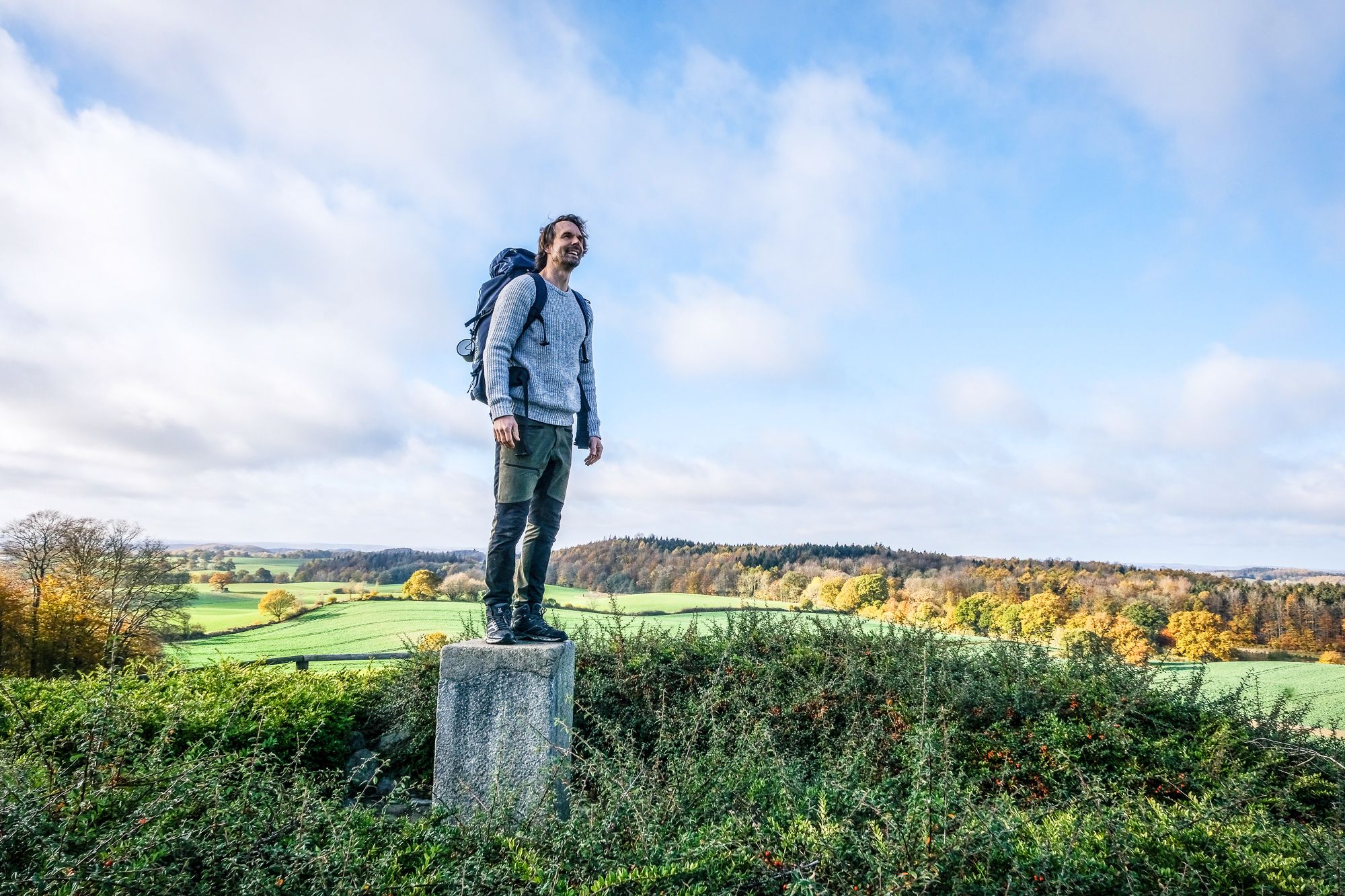
Lowest to Highest (L2H) in Germany
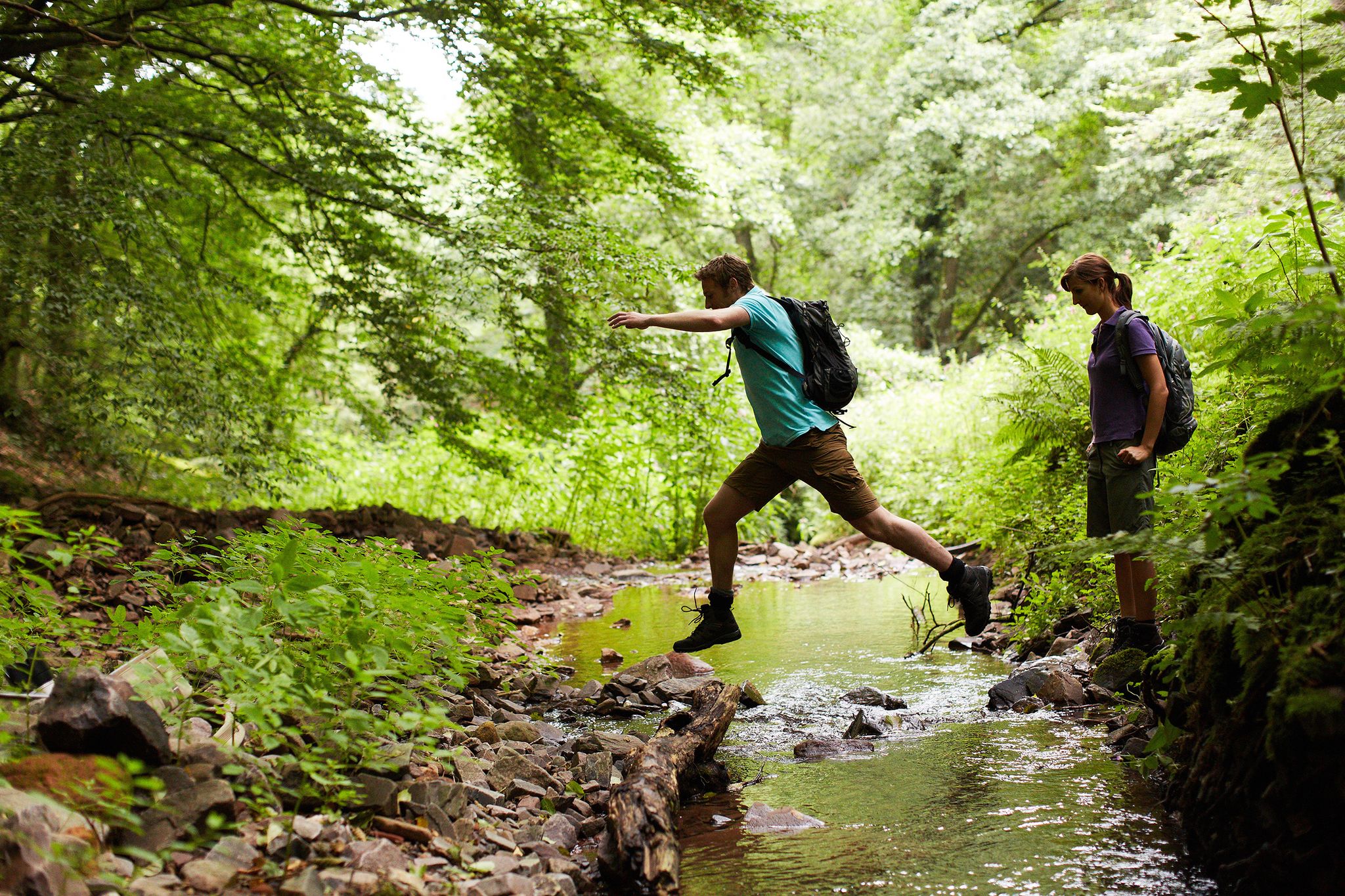
Countless trails, nature & history – hiking in Saarland
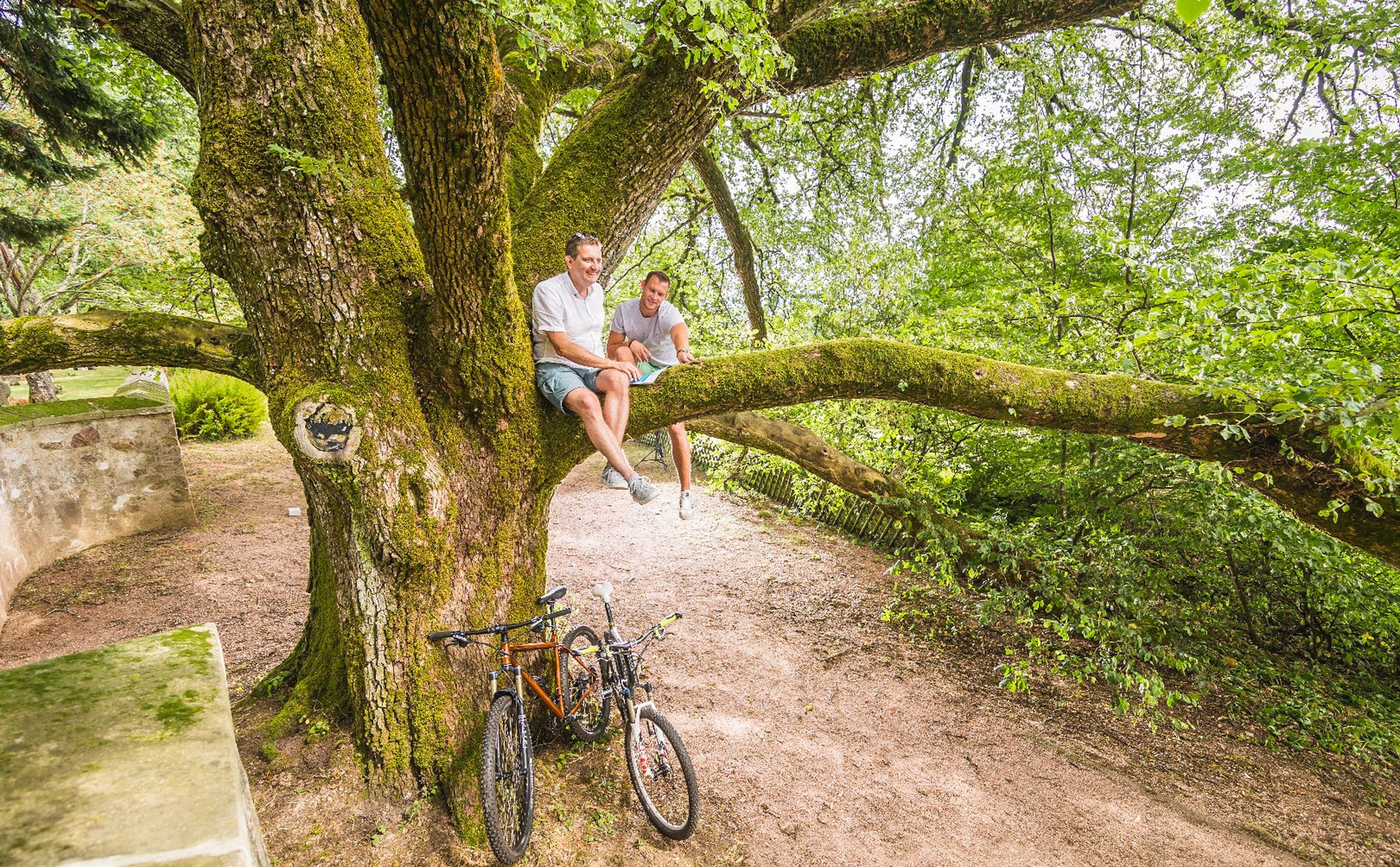
Cycling pleasure in Birkenfeld Land
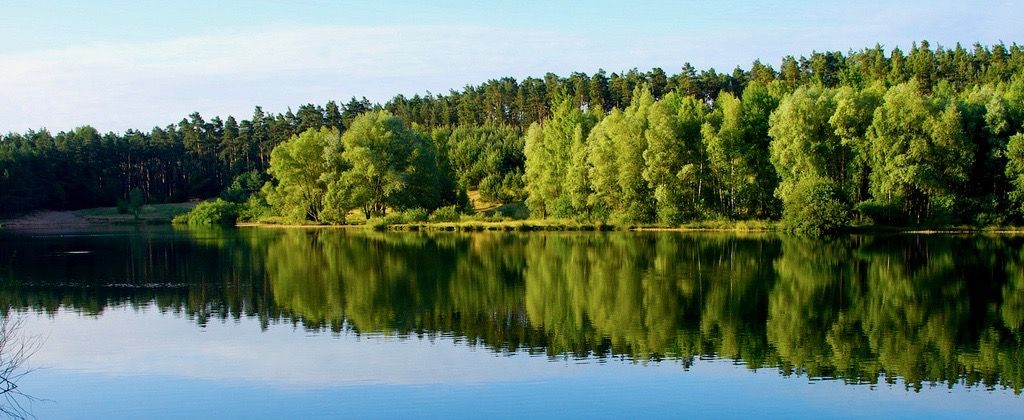
33 lakes for sunny weekends
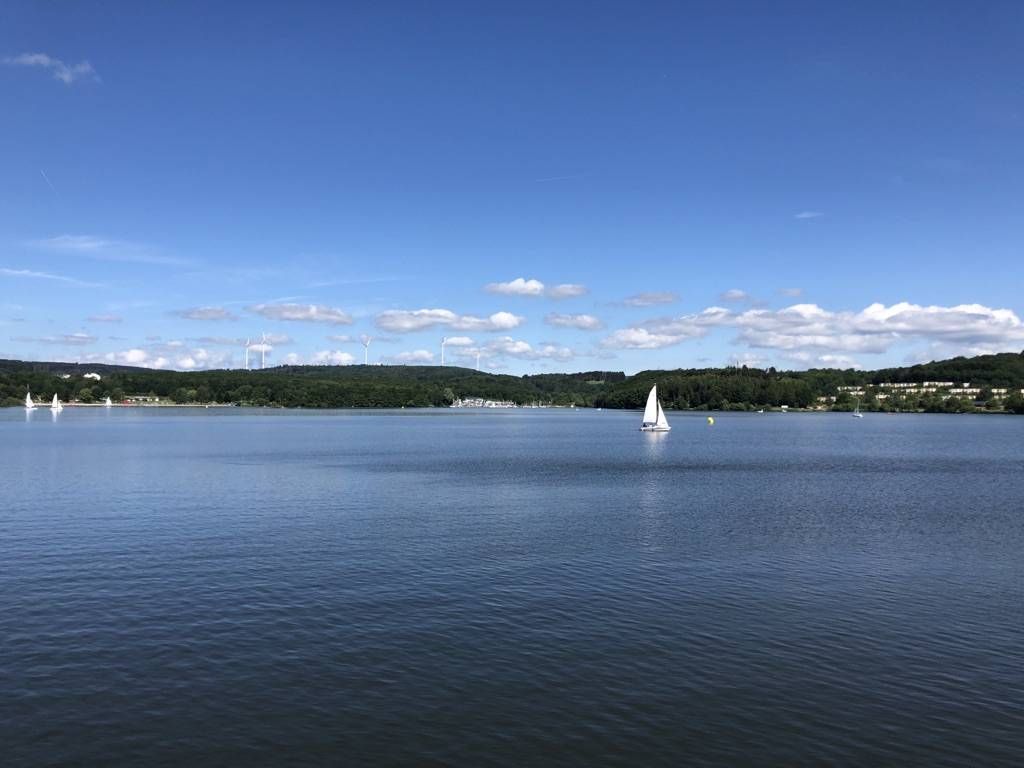
The best swimming lakes in Rhineland Palatinate and Saarland
Hiking around Nohfelden
Cycling around Nohfelden
Other adventures around Nohfelden


Tips from the Community

A memorial cross situated in a quiet location, commemorating a tragic historical incident. A place for pausing and reflection, inviting a brief stay and reminding us how closely nature, history, and human fates are intertwined.
6
0

It is a memorial to an unpunished murder that occurred deep in the forest around 285 years ago. A large wooden cross stands on the base of the so-called Tirolerstein, located in the heart of the Hunsrück-Hochwald National Park and directly on the border between the Birkenfeld and Trier-Saarburg districts. A seating area in front of it invites you to take a break in the greenery. Since the former chapel in the nearby Neuhütten district of Muhl was converted into the National Park Church a few years ago, and since then, star hikes have been held there, the Tirolerstein has also been a place where believers occasionally hold services.
1
0

A memorial to a murdered Tyrolean trader.
0
0

The Dollberg is 695 m above sea level. NN is the highest mountain in Saarland and belongs to one of the prominent mountain ranges in the high forest. These stretch as ridges running from southwest to northeast from the Saar to the Rhine. The ridges consist of quartzite, which in turn has its origin in sandstone. This was finally transformed into quartzite by pressure and high temperatures during the folding of the mountains in the Devonian. Due to its hardness, it is comparatively weather-resistant. As the surrounding, softer rock was eroded, the quartzite deposits were preserved as ridges. A beautiful hiking destination and, as the highest "mountain" in Saarland, of course also a highlight here in the region. https://www.naturpark.org/natur-und-kultur/natur/geologie/geopunkte-devon-permokarbon-nonnweiler-und-zuesch/dollberg
8
0

Traveling to all 16 peaks in the federal states, it is very interesting to see how differently the states deal with their highest peaks. Perhaps the term "natural" fits quite well here
10
0

𝐒𝐭𝐞𝐢𝐧𝐞𝐫𝐧𝐞 𝐌𝐞𝐞𝐫 From a geological point of view, the »Steinernes Meer« is a heap of scree made from weathered material from the Weiselberg. From a geological point of view, this sea of rocks at the foot of the mountain is a work of the Ice Age. The last ice age only ended around 10,000 years ago. Magma rising underground got stuck under the earth's surface and solidified into mostly pentagonal column formations, quite typical of slowly cooling basalt rock. Over the course of millions of years, the surrounding softer sedimentary rock was removed by erosion. In geology, the very hard rock, which shines deep black when cut and is reminiscent of a starry sky with its bright feldspar particles, has been given the name »Weiselbergite«. The frost change climate during this geological epoch caused extreme weathering and erosion processes that were able to separate the blocks and columns weighing several tons from the rock structure. Not least because of the extreme daily temperature fluctuations, the steep southern slope of the Weiselberg with the typical vertical basalt columns offered the best conditions for the formation of the Felsenmeer. The boulders collected on the mountainside and have since been exposed to weathering. Covered with mosses, the »Steinernes Meer« repeatedly gave rise to eerie legends: Whether wild cyclopes played with it or the remains of an enchanted castle are left to the imagination of the observer. The Romans were already digging for agates on the surface of the Weiselberg. From the 15th century, when only little was to be found above ground and a veritable agate boom began, the agate seekers went deep. Some tunnels buried today bear witness to this. After the war there were concrete considerations to dismantle the Weiselberg as a quarry. This was prevented by the designation as a nature reserve in October 1950. In earlier times, the minerals of this region such as agate, chalcedony, jasper and petrified wood were processed in the gemstone metropolis of Idar-Oberstein. 3000 of these precious stones can be viewed in the Mineralogical Museum in the old school in Oberkirchen (0 68 55/332) and in the Mineral Museum (2000 exhibits) in Freisen (0 68 55/13 25). In the Gemstone Dorado in Freisen, treasure hunters can search for gemstones themselves. (0 68 55/1849 31) Source: Text information board
7
0
𝑮𝒆𝒔𝒄𝒉𝒊𝒄𝒉𝒕𝒆 𝑺𝒄𝒉𝒂𝒖𝒎𝒃𝒆𝒓𝒈𝒕𝒖𝒓𝒎 𝒖𝒏𝒅 𝒅𝒆𝒎 𝑲𝒓𝒆𝒖𝒛 𝒃𝒆𝒊 𝑺𝒐𝒕𝒛𝒘𝒆𝒊𝒍𝒆𝒓 In 1914 a tower in honor of Kaiser Wilhelm II was to be built on the mountain plateau. However, the execution of this plan was interrupted by the First World War. Only a 5 m high ruin remained, on which a tower with an integrated war memorial chapel was built from 1927. The larger-than-life crucifix set in the central arch of the tower was striking. This tower had to be demolished in 1972 because it was in disrepair. The undamaged crucifix should be blown up. The construction workers, all from the Catholic villages in the vicinity or of Italian origin, refused to blow up the symbol of faith. The crucifix was removed undamaged, kept for a short time in a shed on the edge of the mountain plateau and later set up not far from the motorway junction near Sotzweiler. Source: Text Wikipedia
10
0
𝑹ö𝒎𝒊𝒔𝒄𝒉𝒆 𝑯ö𝒉𝒆𝒏𝒇𝒆𝒔𝒕𝒖𝒏𝒈 The extensive excavations that were carried out during the redesign of the Schaumberg plateau showed for the first time that the area was already being used intensively in Roman times. An extensive building with mighty walls in particular deserves attention. It proves that the square was already built on in the 3rd century AD. The foundation stone of the building took place in the 1st / 2nd Century AD. The oldest part is a wall at least 19m long and 1.1m thick made of hand blocks, which belonged to a 12m wide building, against which several vaulted cellars were placed shortly afterwards. A coin find shows that these cellars were demolished towards the end of the 3rd century AD and the building was reinforced by a row of arched walls. Very unusual and almost unknown from archaeological excavations, these arches do not open inwards but outwards. The building is interpreted as a high altitude sanctuary, which later became a fortification structure. Source: Text information board
8
0
Frequently Asked Questions
What kind of elevated points and natural attractions can I expect to find around Nohfelden?
The Nohfelden region, part of the Saar-Hunsrück Nature Park, is characterized by its scenic natural landscape rather than towering mountain peaks. You'll find significant elevated points, viewpoints, and natural attractions that offer panoramic views, recreational opportunities, and natural beauty. These include the highest point in Saarland, historical castle ruins on elevated ground, and unique geological formations.
Which are the most popular elevated points or viewpoints in the Nohfelden region?
Among the most popular spots are the Schaumberg Plateau and the Schaumberg Tower, which offers extensive views and facilities. Another highly regarded location is the Dollberg – Highest point in Saarland, known for its tranquil atmosphere and natural silence within the forest.
Are there any family-friendly elevated spots or viewpoints near Nohfelden?
Yes, the Schaumberg Plateau and the Schaumberg Tower is particularly family-friendly. It offers a viewpoint with great views, a restaurant, and even a permanent exhibition. The area around Bostalsee also features easy to moderate hiking loops with some elevation gain, suitable for families.
What historical landmarks can I explore on elevated ground in Nohfelden?
You can visit the ruins of Nohfelden Castle, which stands on an elevated position and offers a 20-meter-high keep as an excellent lookout tower. Additionally, the Tirolerstein Memorial is a man-made monument with historical significance, located on a ridge of the Dollberge, providing a resting area and views.
Where can I find the highest point in Saarland near Nohfelden?
The highest point in Saarland is the Dollberg – Highest point in Saarland, reaching 695.4 meters above sea level. It's recognized for its profound sense of connection with nature and tranquil, fairytale-like character, rather than spectacular altitude.
Are there any unique natural geological features to see on the peaks around Nohfelden?
Yes, the Weiselberg Summit and Steinerne Meer offers a fascinating geological feature. The 'Steinernes Meer' (Stone Sea) is a heap of scree formed from weathered material, a work of the Ice Age with basalt columns. The area is also known for its unique 'Weiselbergite' rock.
What outdoor activities can I do near these elevated points in Nohfelden?
Beyond exploring the elevated points, the region offers extensive opportunities for outdoor activities. You can enjoy gravel biking with routes like the Nonnweiler Reservoir Loop, or cycling on routes such as the Sankt Wendeler Land Rail Trail. Road cycling is also popular, with routes like the View of Bostalsee from the dam to Dagstuhl Castle.
What is the best time of year to visit the elevated areas around Nohfelden for hiking?
The region is beautiful throughout the year, but spring, summer, and autumn generally offer the most pleasant conditions for hiking. These seasons provide lush greenery, comfortable temperatures, and clear views. Winter hiking is also possible, but conditions may vary, and some paths could be icy or snowy.
Are there any less-known or 'hidden gem' elevated viewpoints worth discovering?
The Wehlenstein is a less conspicuous but rewarding spot. If you take the marked junction, you'll reach a craggy rock with a great view of the Hunsrück-Hochwald National Park, offering a sense of discovery and tranquility.
What amenities are available at the popular elevated points?
At the Schaumberg Plateau and the Schaumberg Tower, you'll find a restaurant, facilities, and even charging boxes for e-bike batteries. The Tirolerstein Memorial offers a small rest area with a table and benches.
Can I reach these elevated points using public transport?
While specific public transport routes to every single elevated point might be limited, the region around Nohfelden is generally accessible. For destinations like the Dollberg, using a hiking app for navigation is recommended, as the summit can be 'hidden' within the forest. For other areas, local bus services might connect to nearby towns, from where hiking trails can be accessed.
Most popular routes around Nohfelden
Most popular attractions around Nohfelden

Get inspired with the komoot mobile app


Explore more
See even more amazing summits around Nohfelden with these guides:
