Top 10 Caves around Delligsen
Best caves around Delligsen are primarily found within the surrounding Ith-Hils Nature Park and the broader Weserbergland region. Delligsen itself is situated in an area known for its natural rock formations and historical sites. The landscape features diverse geological structures, including natural caves and impressive cliffs, which are often integrated into local hiking trails. This region offers opportunities for exploring underground features and experiencing the area's natural architecture.
Best caves around Delligsen
- The most popular caves is Rothestein Cave,…
Last updated: June 29, 2026
Lippold's Cave
Highlight • Cave
About an hour west of Alfeld, at the village of Brunkensen, lies the Lippoldshöhle. It consists of several rooms, one of which is called the kitchen, another is …
Translated by Google •
Tip by

Rothestein Cave
Highlight • Cave
Translated by Google •
Tip by

Sign up now to discover places like this
Get recommendations on the best single tracks, peaks, & plenty of other exciting outdoor places.
Sign up for free
Bear Cave (Ith)
Highlight • Cave
Translated by Google •
Tip by

Dynamite Storage Cave Weser Uplands
Highlight • Cave
Translated by Google •
Tip by

Eulenweg Trail (Ith Nature Park)
Highlight • Trail
Translated by Google •
Tip by

Sign up for free to discover even more caves around Delligsen.
Sign up for free
Already have an account?
Start today with a free account
Your next adventure awaits.
Login or Signup
Popular around Delligsen
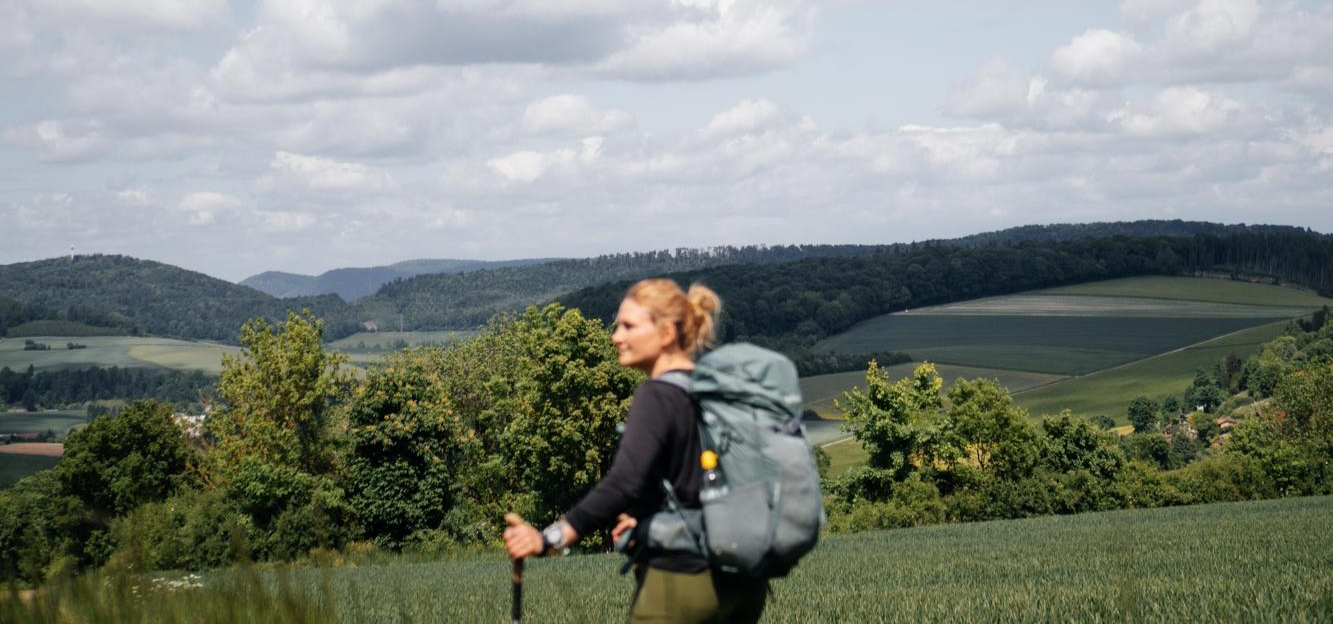
Ith-Hils-Weg with Fräulein Draußen
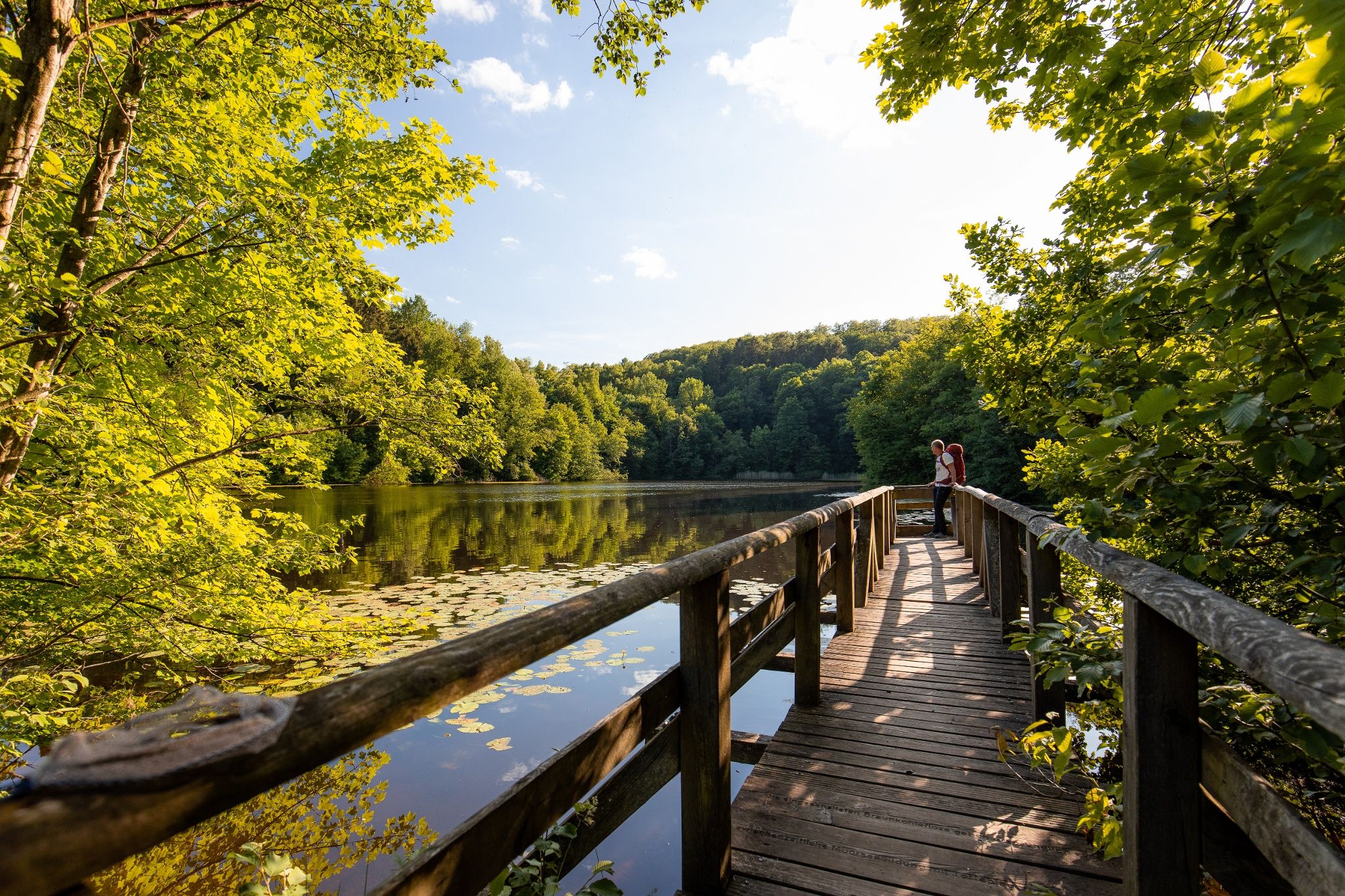
Time in the countryside – recharge your batteries in the Weserbergland
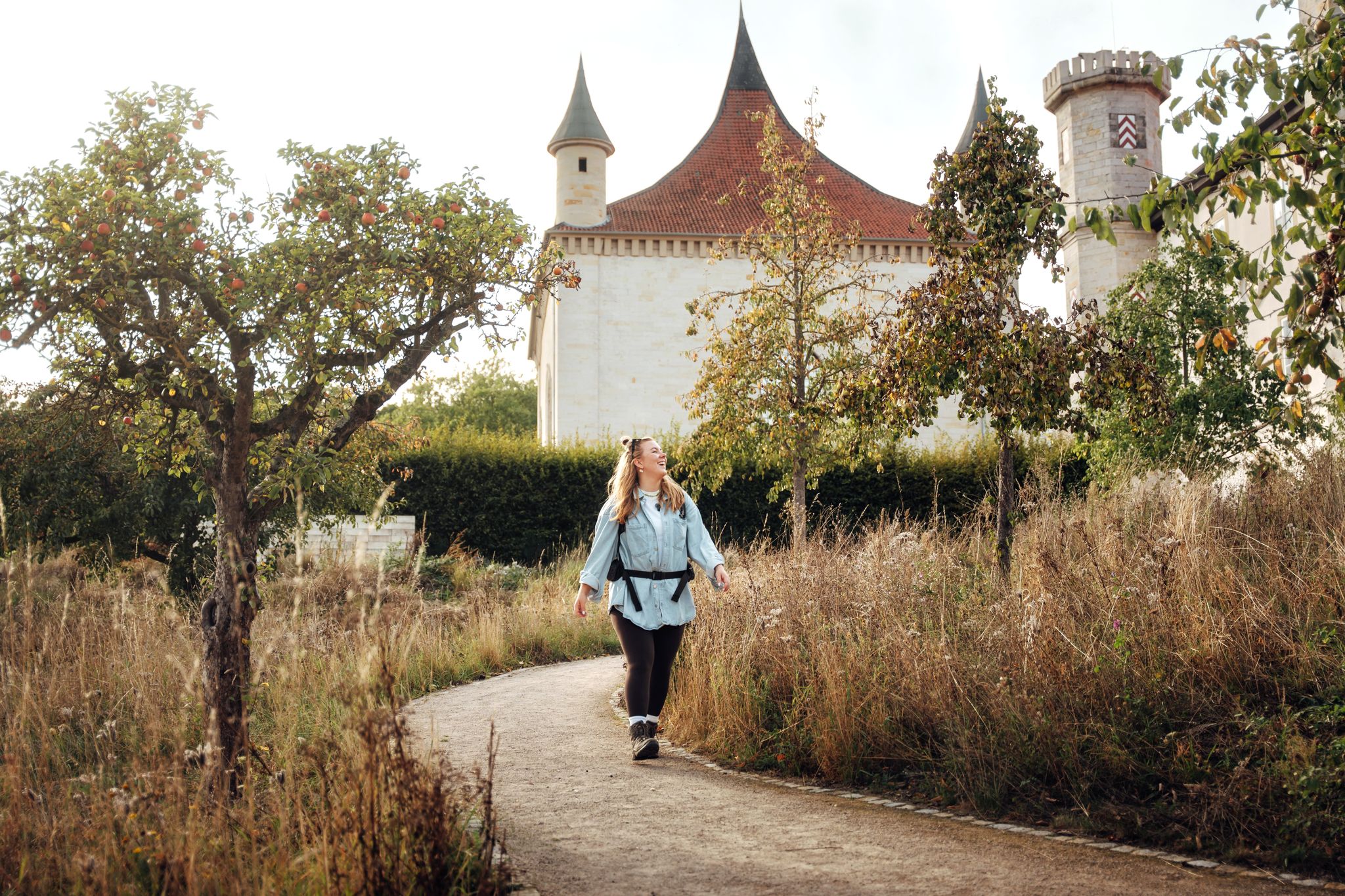
Hikes through the Hildesheim Adventure Region
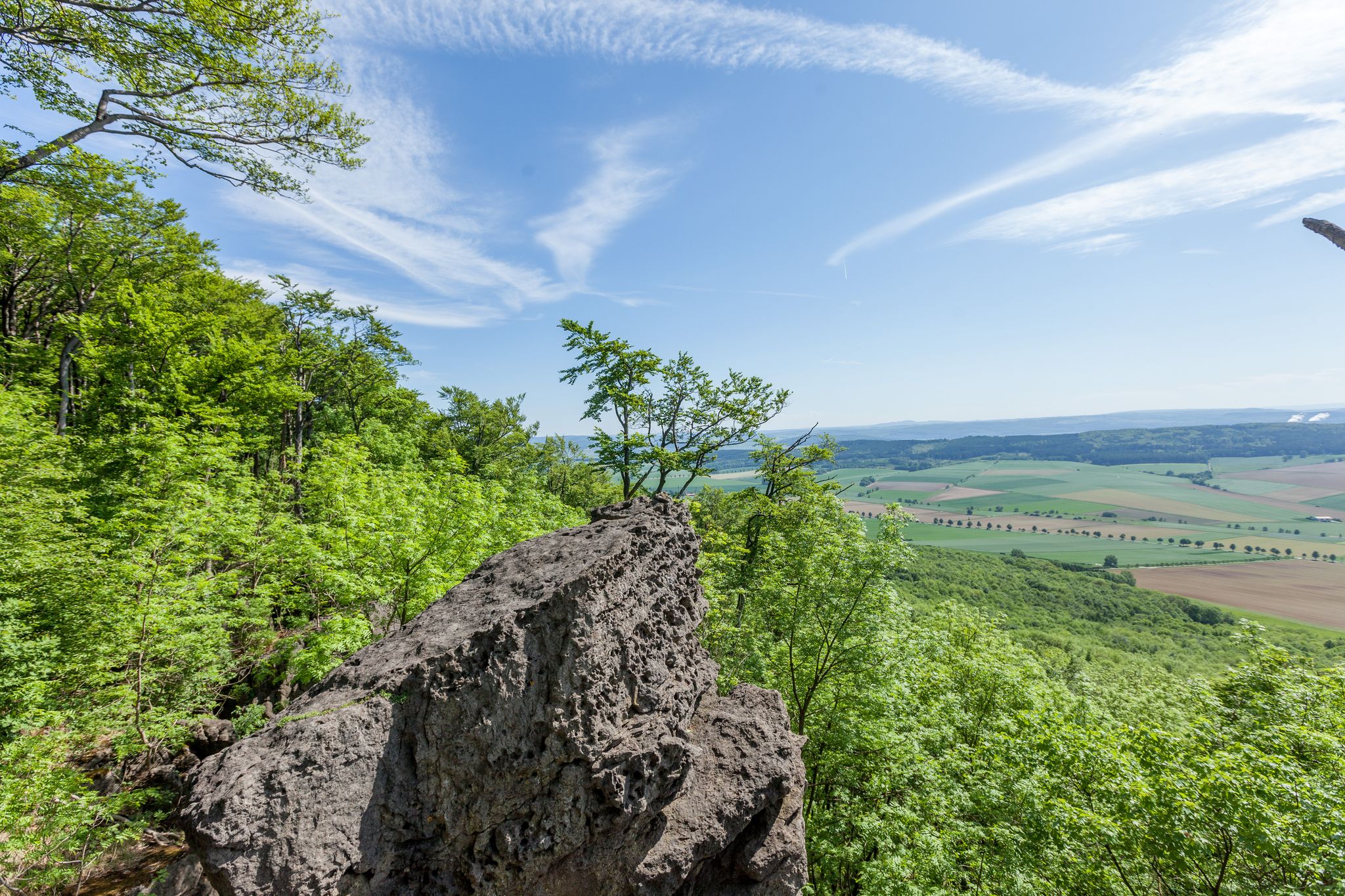
Bizarre cliffs and gentle valleys – Ith Hils Trail in Germany
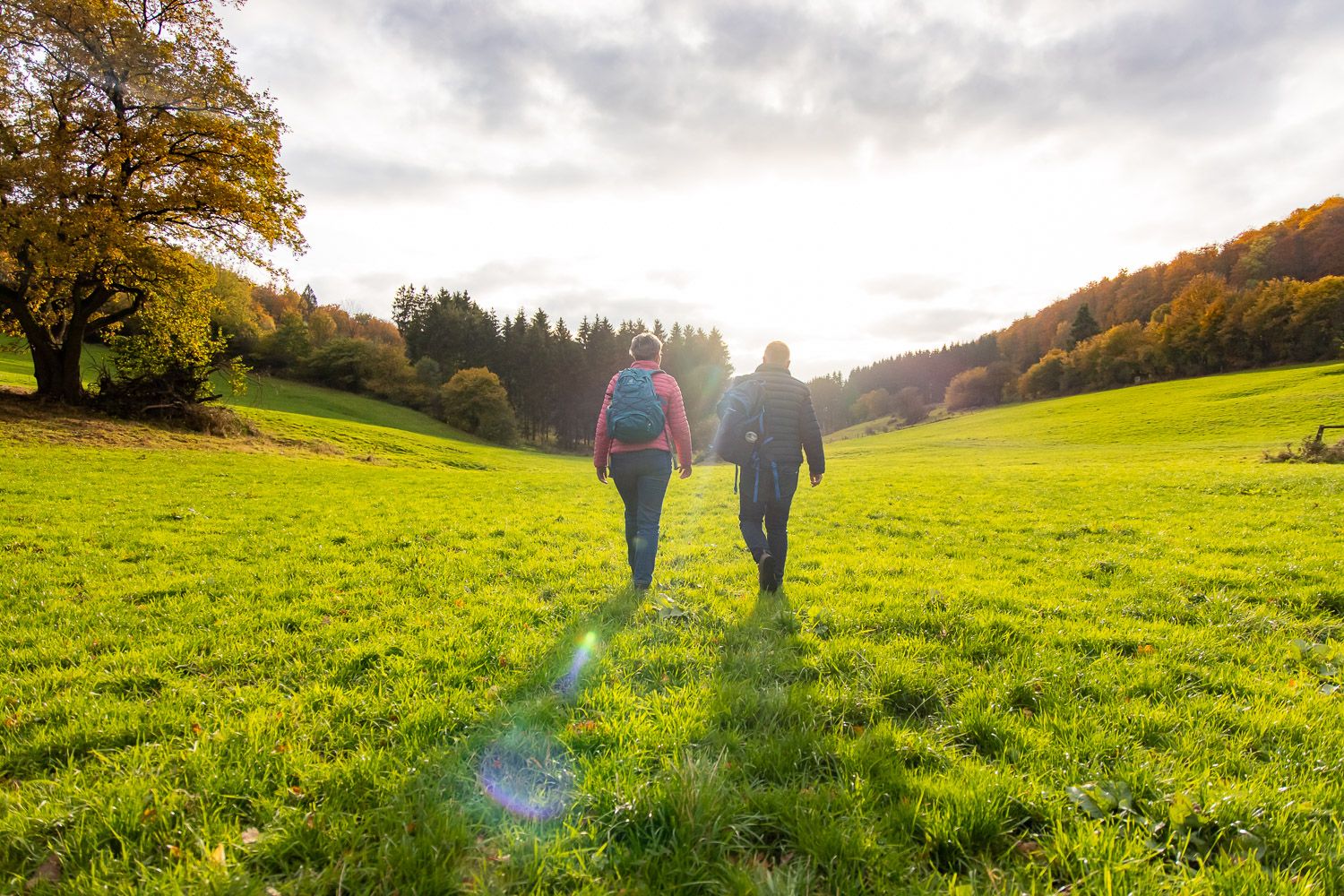
Qualitätstouren in der Wilden Heimat
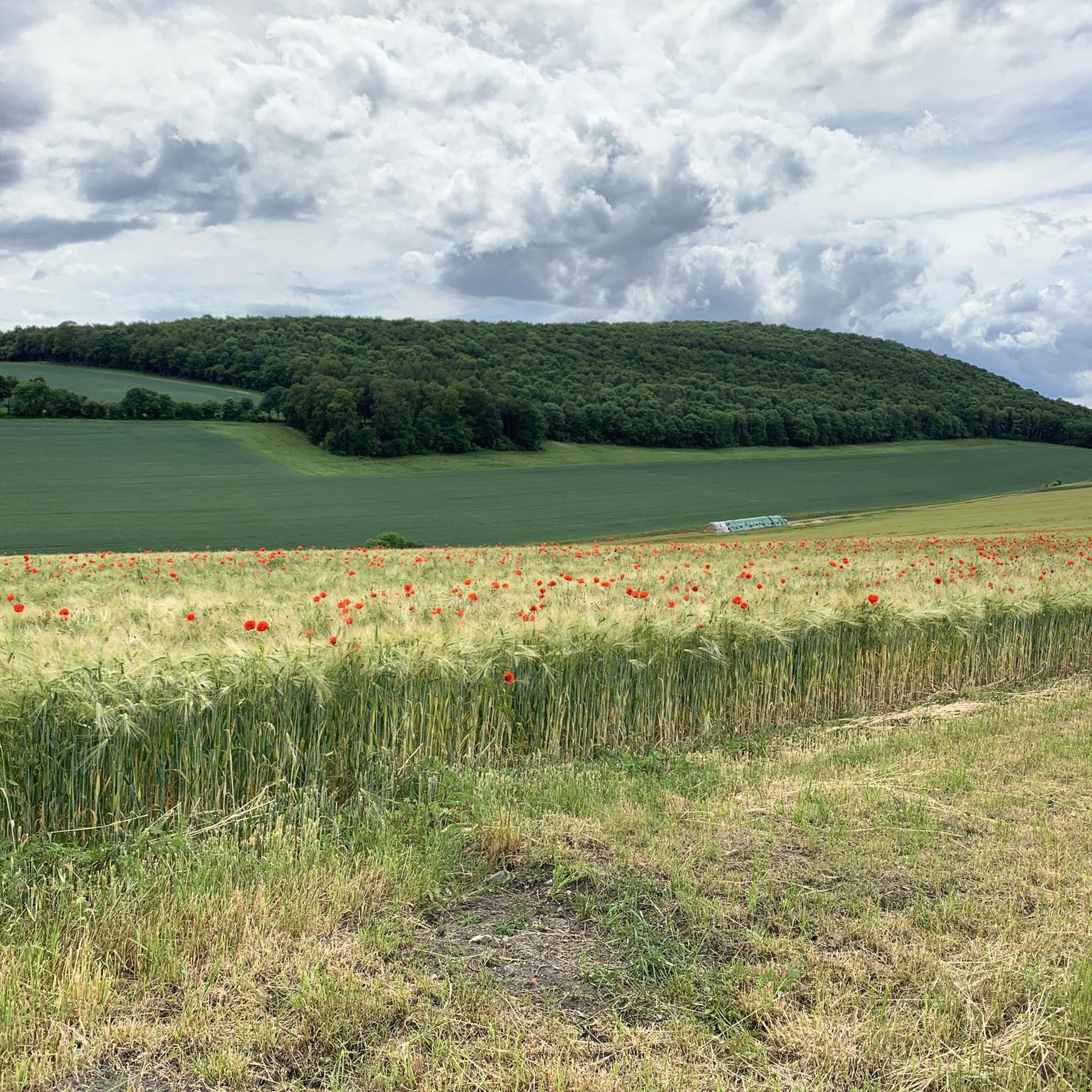
Hiking around Delligsen
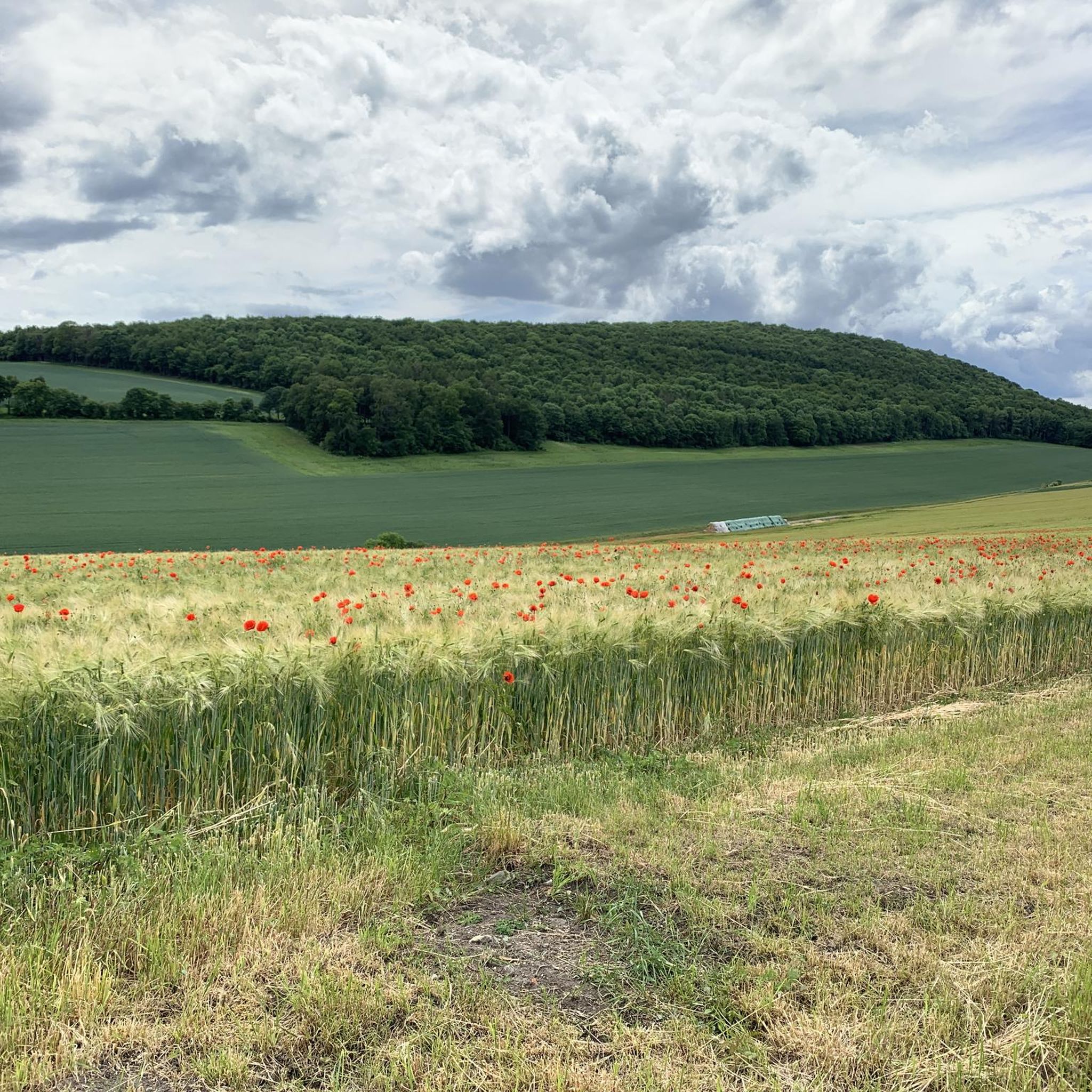
Cycling around Delligsen
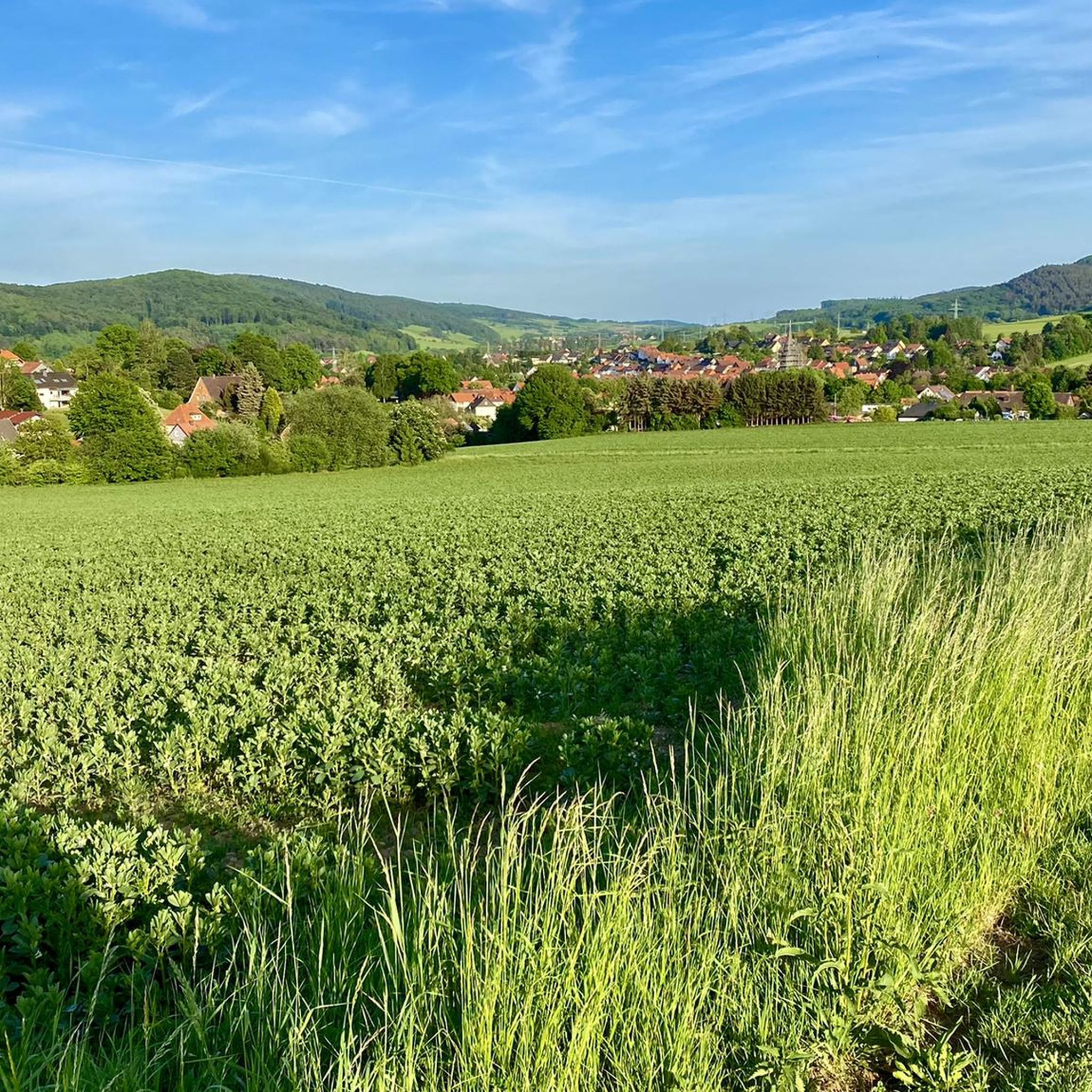
MTB Trails around Delligsen
Road Cycling Routes around Delligsen
Running Trails around Delligsen
Other adventures around Delligsen


Tips from the Community

The Bear Cave is blocked off by a gate, and there's not much to see. However, the path along the cave is a good alternative to the paved road across the Ithwiesen.
0
0

A cave, approximately 10 meters deep, closed off with a gate, accessible only with climbing gear. We didn't see or hear any bears 🐻 Here's how to get in: https://www.youtube.com/watch?v=Zvk36fNa-i0
0
0

The Rothestein Cave is a special highlight here. It's open from April to September. The climb is probably not suitable for everyone. Maybe I'm too tall for it. 😅
5
0
The story of the Rothestein Cave is interesting and exciting!
5
0

In the past, you could descend into the cave and there was a cave book at the very bottom.
0
0


Passed by here on our 5th Ith-Hils-Weg stage.
6
0

In the season when the cave is accessible (April 1st - September 30th) you should take the chance and go inside. The narrow, long corridor conveys an exciting cave feeling. Today, however, one can no longer really imagine how cult sacrificial rituals took place here in the Bronze Age. Alfred Wollemann examined this cave for the first time in 1853 and found shards of pots, bones and tools made of bronze. The finds have been scientifically assigned to the Bronze Age. His descriptions of human sacrifices and cultic acts are now considered to be reliable.
7
1
Frequently Asked Questions
What are the best caves near Delligsen for exploration?
For an exciting cave feeling, Rothestein Cave offers a long, dark corridor that can be explored with non-slip shoes and a flashlight. Another unique experience is Lippold's Cave, a natural tectonic cave with historical significance, though it requires crawling on all fours initially and a flashlight.
Are there any historical caves in the Delligsen area?
Yes, Lippold's Cave is steeped in local folklore, believed to be the hideout of the infamous robber Lippold. Rothestein Cave also has historical significance, with evidence of cult sacrificial rituals from the Bronze Age found within. Additionally, the Dynamite Storage Cave Weser Uplands is an interesting man-made historical site.
What is Lippold's Cave known for?
Lippold's Cave is primarily known for the legend of the robber Lippold, who supposedly used it as a hideout. The legend tells of him reversing his horse's horseshoes to mislead pursuers and setting up wires with bells to alert him to approaching visitors. It's a natural cave, partially artificial, found in dolomite, and requires a flashlight and some crawling to explore its rooms.
What should I know before visiting Rothestein Cave?
Rothestein Cave is accessible from April 1st to September 30th, as it serves as a winter storage for bats outside of this period. Visitors should wear non-slip shoes and bring good flashlights, as a headlamp might not be sufficient. There's a step of about half a meter just after the entrance, but after that, it's relatively easy to navigate for about 30 meters deep.
Is the Bear Cave (Ith) accessible to visitors?
The Bear Cave (Ith) is currently not walkable. It is closed by a grid and serves as a natural monument in the landscape, but direct entry is not permitted.
Are there family-friendly caves to visit near Delligsen?
While some caves like Lippold's Cave offer an adventurous experience, they may require crawling. For a more accessible and comprehensive cave experience suitable for families, the Schillat Cave in Hessisch Oldendorf (a bit further from Delligsen) is Germany's northernmost stalactite cave, offering a glass-walled elevator descent and an educational exhibition on geology.
What kind of geological features can I expect in the caves around Delligsen?
The caves in the immediate Delligsen area, such as Lippold's Cave, are natural tectonic caves formed in dolomite. For impressive stalactites, glittering crystals, and 'glowing stones,' you would need to visit the Schillat Cave in the wider Weserbergland region, which also features an exhibition of dripstones, fossils, and minerals.
What outdoor activities can I combine with a visit to the caves?
The region around Delligsen is excellent for outdoor activities. You can find numerous running trails, road cycling routes, and MTB trails. Many caves, like those along the Ith-Hils Trail, are integrated into scenic hiking routes, offering views and natural rock architecture.
When is the best time to visit the caves in the Delligsen region?
The best time to visit depends on the specific cave. For instance, Rothestein Cave is only open from April 1st to September 30th. Other caves, like Nasenstein Cave and Children’s Cave, may be closed for several months due to breeding peregrine falcons. Generally, spring through early autumn offers pleasant weather for hiking to and exploring the caves.
Are there any caves that require special equipment or preparation?
Yes, for caves like Lippold's Cave and Rothestein Cave, a flashlight is essential, and non-slip shoes are highly recommended due to potentially uneven or wet surfaces. Lippold's Cave also requires crawling on all fours for initial entry. Always check specific access requirements before visiting.
What are the Delligser Klippen and are they explorable?
The Delligser Klippen (Delligsen Cliffs) on the Steinberg near Delligsen feature impressive rock formations like 'Grottendach' (grotto roof) and 'Kofferdach' (trunk roof). While not deep, explorable caves, they are scenic rock shelters and overhangs that enhance a beautiful hiking route, offering views over Delligsen and the surrounding area. They are more about the natural rock architecture and hiking experience.
Is there a significant stalactite cave in the wider Delligsen region?
Yes, the Schillat Cave, located in Hessisch Oldendorf within the Süntel mountains, is considered Germany's northernmost stalactite cave. It offers an impressive display of stalactites, crystals, and an educational experience, accessible via a glass-walled elevator. You can find more information at weserbergland-tourismus.de.
Can I bring my dog to the caves around Delligsen?
While many hiking trails in the region are dog-friendly, access to specific caves may be restricted, especially during certain seasons for bat protection or bird breeding. It's best to check local signage or specific cave regulations before bringing your dog into a cave. For general hiking in the area, dogs are often welcome on leash.
Where can I find refreshments or accommodation near the caves?
The Delligsen area and the broader Weserbergland region offer various options for refreshments and accommodation. You'll find cafes, pubs, and restaurants in Delligsen itself and in nearby towns. For specific locations near hiking trails or caves, it's advisable to check local listings or tourist information centers in Delligsen or surrounding villages.
Most popular routes around Delligsen
Most popular attractions around Delligsen

Get inspired with the komoot mobile app


Explore more
Extend your search for the best caves by checking out these guides of the top ones around Delligsen:
