Attractions and Places To See in Carara - Top 4
Best attractions and places to see in Carara are centered around its rich biodiversity and unique position as a transition forest. The region, primarily known for Carara National Park, connects Costa Rica's dry tropical forests with Pacific rainforests. This area is a significant sanctuary for numerous species, offering a blend of flora and fauna from both humid and dry ecosystems. It provides opportunities for wildlife observation and exploring diverse natural landscapes.
Best attractions and places to see in Carara
- The…
Last updated: July 18, 2026
Crocodile Bridge (Río Tárcoles)
Highlight • Bridge
You should beware of the street vendors & decline them with thanks.
Translated by Google •
Tip by

Miro's Ruins Viewpoint
Highlight • Viewpoint
Translated by Google •
Tip by

Sign up now to discover places like this
Get recommendations on the best single tracks, peaks, & plenty of other exciting outdoor places.
Sign up for free
Villa Miro Graffiti Art Viewpoint, Jacó
Highlight • Viewpoint
Translated by Google •
Tip by

View of Jacó from the Arches
Highlight • Viewpoint
Translated by Google •
Tip by
Sendero Universal, Carara National Park
Highlight (Segment) • Trail
Translated by Google •
Tip by
Start today with a free account
Your next adventure awaits.
Login or Signup


Tips from the Community

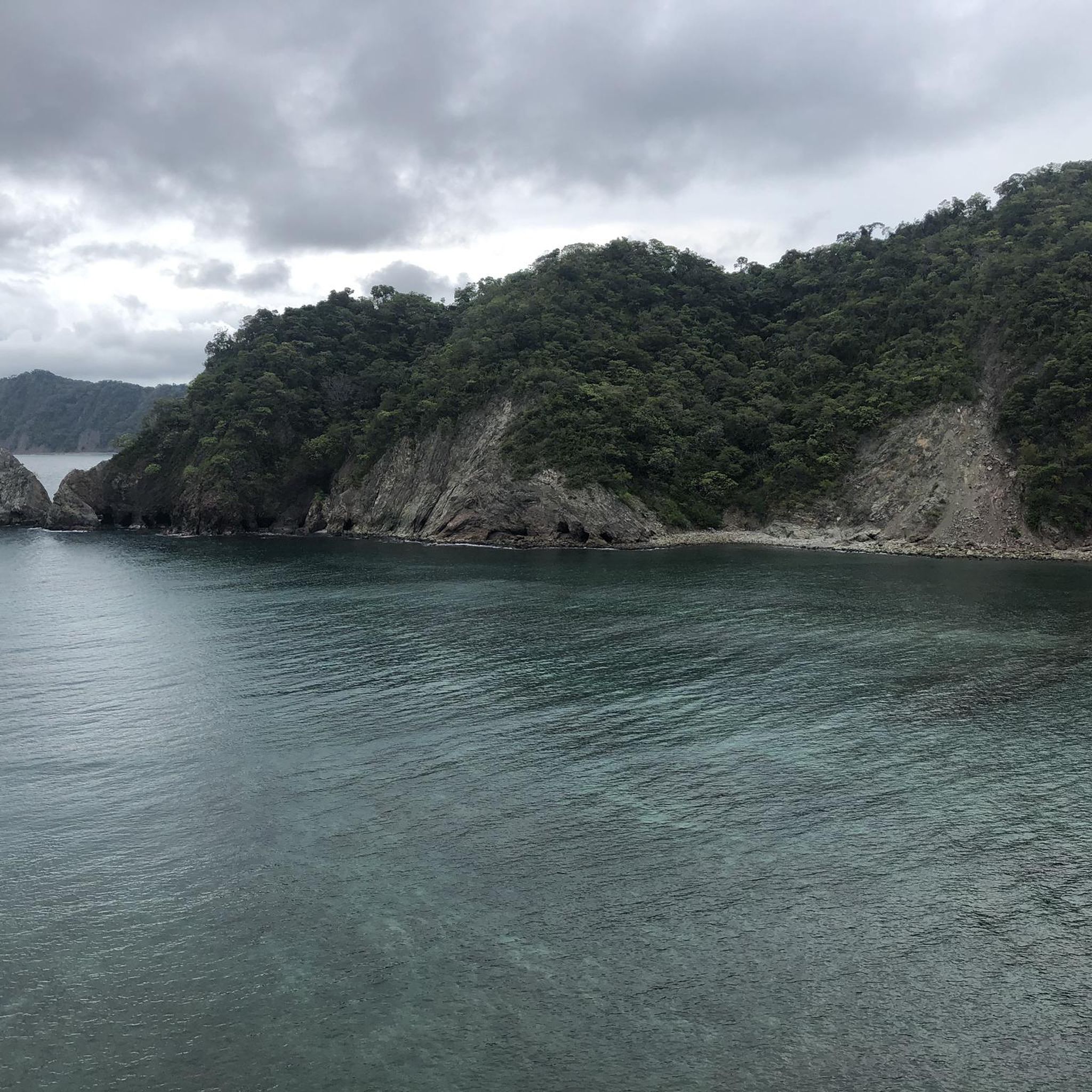
A little further along the road, you can also enter the park for free. There, due to the lower number of visitors, you can see several wild animals.
0
0

First good view! Be sure to keep going!
0
0
As is the case in Costa Rica, there are great murals. There are some great ones here too.
0
0
A short (1200 m) long circular route. There are several more things you can do in Carera National Park. Seen many animals.
0
0
Be careful with your camera and your cell phone! If something falls down, it is irretrievably gone. We strongly advise against going down… the name says it all
0
0
Impressive place! Important: explore all floors. 😉
0
0
Phenomenal view from Miro’s, an abandoned hotel. Perfect view of the bay. Particularly good at sunrise and sunset. …and best of all: within walking distance of Jaco! My personal highlight!
0
0
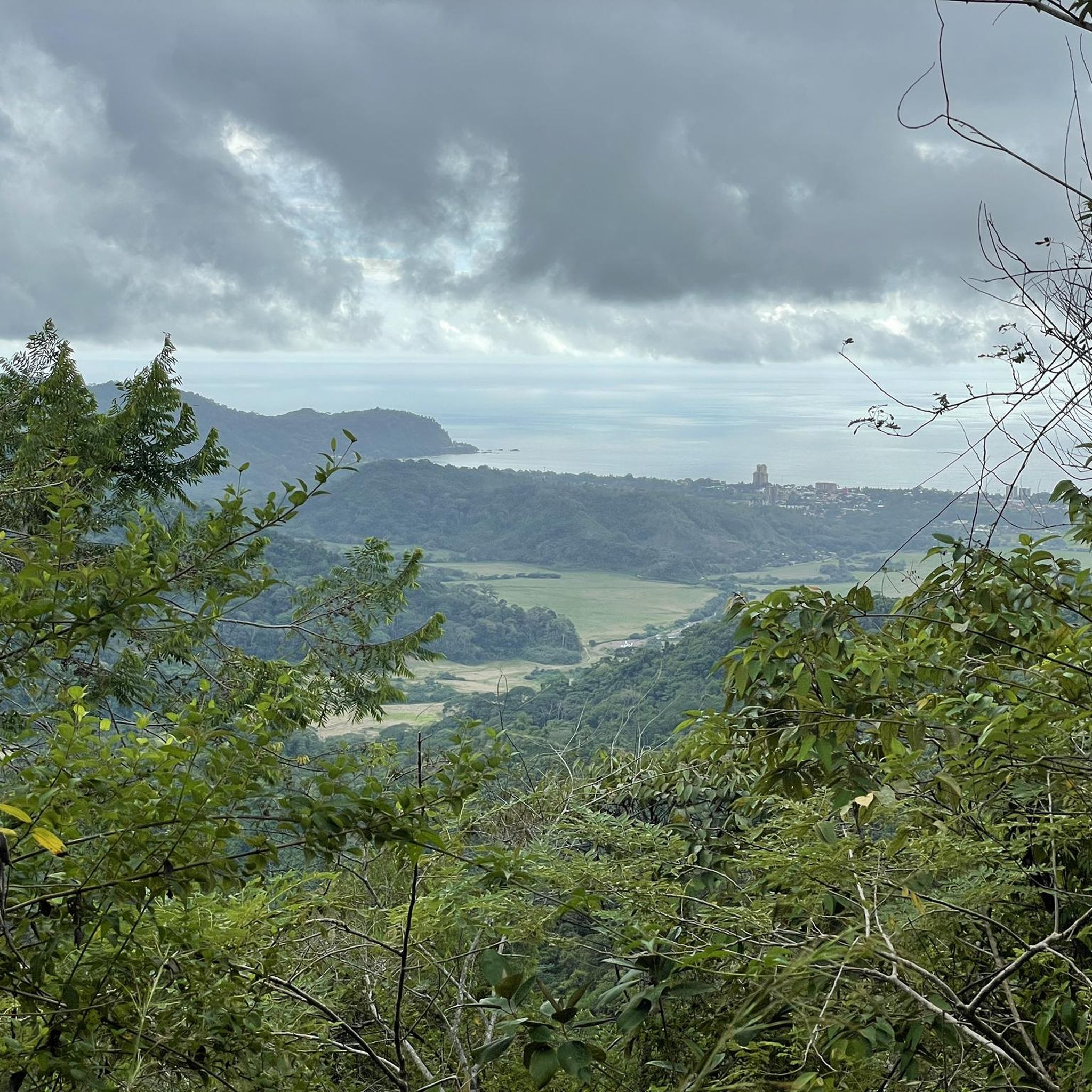
From here you have your first outstanding view of Jaco. Without a doubt you should NOT give up here.
0
0
Frequently Asked Questions
What kind of wildlife can I expect to see in Carara?
Carara is renowned for its rich biodiversity. You can expect to see a wide array of animals, including capuchin and howler monkeys, sloths, anteaters, armadillos, peccaries, pacas, kinkajous, iguanas, and various dart frogs and snakes. It's also a prime location for birdwatching, especially for scarlet macaws.
Where is the best place to see crocodiles in Carara?
The best place to observe large American crocodiles is from the Crocodile Bridge (Río Tárcoles). This bridge crosses the Tárcoles River, which forms the northern boundary of Carara National Park, and offers excellent views of these impressive reptiles. River safaris are also available for a closer perspective.
Is Carara National Park a good destination for birdwatching?
Yes, Carara National Park is a globally recognized birdwatching destination. It is home to over 400 species, including toucans, trogons, herons, hummingbirds, and one of Costa Rica's largest populations of vibrant scarlet macaws. The park's diverse habitats, blending humid and dry forests, contribute to this avian richness.
Are there hiking trails suitable for different abilities in Carara National Park?
Carara National Park offers several well-maintained trails. Options include the Laguna Meándrica Trail (4.5 km), the shorter Araceas Nature Trail (1 km), and the Quebrada Bonita Trail (1.3 km) for birdwatching. Additionally, the park features a Sendero Universal, which is Costa Rica's first national park path with universal access, designed to be accessible to everyone.
What are some of the unique viewpoints in the Carara area?
The Carara area boasts several notable viewpoints. Miro's Ruins Viewpoint offers great views and interesting ruins with many paintings. Another unique spot is Villa Miro Graffiti Art Viewpoint, Jacó, known for its impressive graffiti art and murals. For an initial outstanding perspective of Jacó, visit the View of Jacó from the Arches.
Are there any historical or archaeological sites to explore in Carara?
Yes, Carara National Park contains pre-Columbian archaeological sites, including a large burial site known as 'Hills Burial,' reflecting the region's long history. Additionally, Miro's Ruins Viewpoint is considered a historical site with interesting ruins to explore.
What outdoor activities, like cycling or hiking, can I do near Carara's main attractions?
The Carara region offers various outdoor activities. For cycling, you can explore routes like 'Jacó Gravel Road – View of Playa Jacó loop from Herradura' or 'Jacó Gravel Road – Crocodile Statue at Tárcoles loop from Herradura'. Hiking options include 'View of Jacó from the Arches – Miro's Ruins Viewpoint loop from Jacó' or trails within Carara National Park. You can find more details on these activities in the Cycling in Carara and Hiking in Carara guides.
Are there any universally accessible trails in Carara National Park?
Yes, Carara National Park is home to the Sendero Universal, which is Costa Rica's first national park path designed with universal access. This paved, flat pathway includes rest areas, bathrooms, and drinking water, making it accessible for everyone.
When is the best time to visit Carara for optimal wildlife viewing?
The dry season, typically from December to April, is often considered the best time to visit Carara. During this period, wildlife tends to congregate around water sources, making them easier to spot. However, the park's rich biodiversity means wildlife can be observed year-round.
How long does it typically take to explore the trails in Carara National Park?
The duration depends on the trail. The Araceas Nature Trail, a shorter circular path, takes approximately one hour to complete. Other trails like the Laguna Meándrica Trail (4.5 km) or the Quebrada Bonita Trail (1.3 km) may take longer depending on your pace and how much time you spend observing wildlife.
Are there family-friendly attractions in Carara?
Absolutely. The Crocodile Bridge (Río Tárcoles) is a popular and exciting spot for families to safely observe large crocodiles. Additionally, the Sendero Universal in Carara National Park is designed to be accessible for all, including families with strollers or those needing wheelchair access, offering a comfortable way to experience the rainforest.
What do visitors particularly enjoy about the attractions in Carara?
Visitors frequently highlight the stunning views and the abundance of wildlife. For instance, Miro's Ruins Viewpoint is praised for its relaxed atmosphere and opportunities to spot animals. The Crocodile Bridge is a favorite for the close-up views of massive crocodiles, especially in the morning when more are on land. The Sendero Universal is appreciated for its accessibility and the chance to see various wild animals due to lower visitor numbers in that section.
What kind of flora can be found in Carara National Park?
Carara's flora is incredibly diverse, with over 1,500 plant species. You'll encounter giant trees, lianas, ferns, and numerous epiphytic plants like bromeliads and orchids. The park's unique position as a transition forest also means you can find endemic species from dry forests, such as the majestic guanacaste and thorny pochote trees.
Most popular routes in Carara

Get inspired with the komoot mobile app


Explore more
Still not found the Highlight you’re looking for? See guides of the top attractions in other regions:
