Top 10 Castles around Gau-Bischofsheim
Best castles around Gau-Bischofsheim offer a glimpse into the region's historical landscape. Gau-Bischofsheim, a village with ancient origins, is situated in an area known for its vineyards and historical sites. While a traditional castle within the municipality is not prominent, the area features various historical fortifications and manor houses. The Unterhof, a former manor house, serves as a community hub, reflecting the village's administrative and social history.
Best castles around Gau-Bischofsheim
- The most popular castles is Landskron Castle Ruins,…
Last updated: July 6, 2026
Mainz Railway Bridge
Highlight • Bridge
Translated by Google •
Tip by

Landskron Castle Ruins
Highlight • Castle
Translated by Google •
Tip by

Sign up now to discover places like this
Get recommendations on the best single tracks, peaks, & plenty of other exciting outdoor places.
Sign up for free
Königstuhl Lookout Tower
Highlight • Viewpoint
Translated by Google •
Tip by

Schwabsburg Keep
Highlight • Castle
Translated by Google •
Tip by

Schwabsburg Castle Tower
Highlight • Castle
Translated by Google •
Tip by

Sign up for free to discover even more castles around Gau-Bischofsheim.
Sign up for free
Already have an account?
Start today with a free account
Your next adventure awaits.
Login or Signup

Tips from the Community

The Mainz South Bridge (also known as the Mainz-South Railway Bridge, and at times as the Mainz-Gustavsburg Railway Bridge) is a railway bridge on the Mainz–Frankfurt railway line, spanning the Rhine at river kilometer 496.4 and connecting Mainz in Rhineland-Palatinate with Gustavsburg in Hesse. A footbridge attached to the north side of the bridge allows pedestrians and cyclists to cross the river.
14
1

The keep has been preserved and can be climbed. The upper (narrow) section is a bit dark, but the climb is worth it!
3
0

Only one freestanding tower remains of the former Schwabsburg Castle. This tower, made of massive, bossed ashlars, was once the keep of the complex. Located on a Roman military road leading to Mommenheim, it once served to protect and maintain the power of the Hohenstaufen dynasty in and around Nierstein and Oppenheim. Where the castle was built is unknown, but a connection to the construction of Landskron Castle in Oppenheim is suspected, which suggests a date between 1125 and 1245. These buildings were destroyed by the Spanish in 1620 during the Thirty Years' War. Although no further remains of the complex exist, old sources mention a dining hall, a curtain wall, and various residential and commercial buildings. https://www.rheinhessen.de/a-burg-schwabsburg
5
1

Here you can find information about Landskron Castle: https://de.m.wikipedia.org/wiki/Burg_Landskron_(Oppenheim)
7
0
story Before Landskron Castle was built, there was probably a Salic or Hohenstaufen fortification on the same site, which was owned by King Henry V and destroyed in 1118 by troops of Archbishop Adalbert of Mainz. The castle itself was probably built in the early 13th century. The oldest surviving written mention of the "Reichsburg Oppenheim" comes from 1244. This castle was destroyed in 1257 and 1275 by the citizens of Oppenheim in a dispute with the Burgmannen over their privileges. However, Rudolf von Habsburg forced the citizens to rebuild the castle by 1281. In 1375 Emperor Charles IV pledged the castle to Ruprecht von der Pfalz. Accordingly, Ruprecht had the castle expanded. He was succeeded by his grandson Ruprecht III. as the owner of the castle, who also died there. In 1615, Elector Frederick V had the castle rebuilt like a palace. The castle burned down in the Thirty Years' War during the town fire in Oppenheim
8
0

Schwabsburg: a bold little town with an impressive castle, the town meanders through the valley like a snake below the castle and, thanks to its layout, retains its historical independence despite being incorporated into Nierstein.
3
1


Schwabsburg Castle is the ruins of a hilltop castle at about 120 m above sea level. NN, on a mountain spur, U-shaped surrounded by the Schwabsburg district of the town of Nierstein in the Mainz-Bingen district in Rhineland-Palatinate. Fast Facts The Schwabsburg was probably founded around 1210 and found its first documentary mention in 1257 in a royal document from Richard of Cornwall as a base of the Hohenstaufen rulers on the Rhine. In the 14th century the castle was pledged to the Archbishop of Mainz for 60 years and then became the property of the Palatinate Electors. Knight Wigand von Dienheim († November 26, 1331) was given Schwabsberg Castle as a fief in 1316 because of his high reputation with Emperor Ludwig IV (HRR). In the Thirty Years' War, the castle, like the entire Lower Palatinate on the left bank of the Rhine, was destroyed from 1620 by an army led by the Spanish general and general Ambrosio Spinola or his successor Gonzalo Fernández de Córdoba from spring 1621. In 1799 the castle was demolished after it was auctioned off.
2
0
Frequently Asked Questions
What are the most popular castles and historical sites to visit around Gau-Bischofsheim?
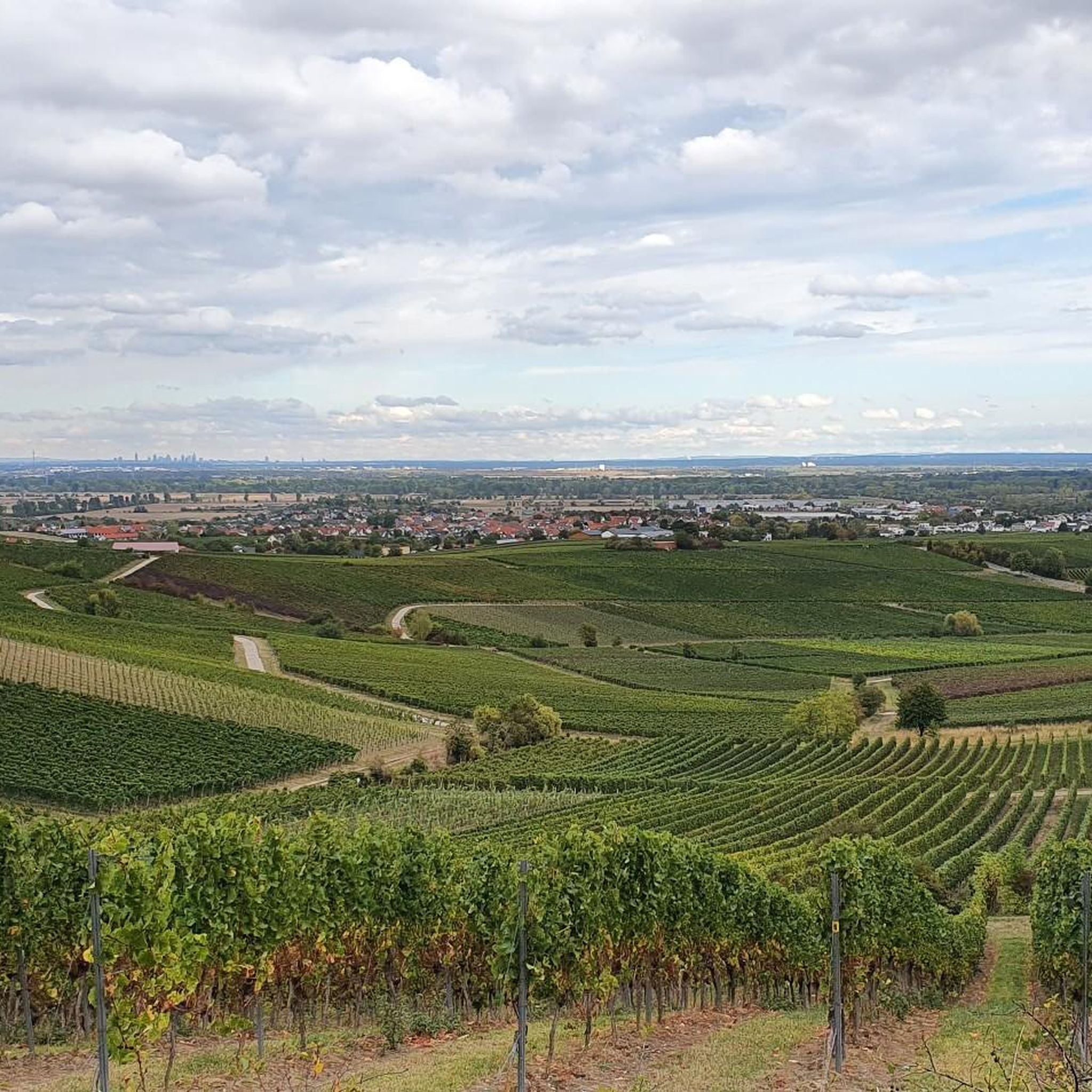
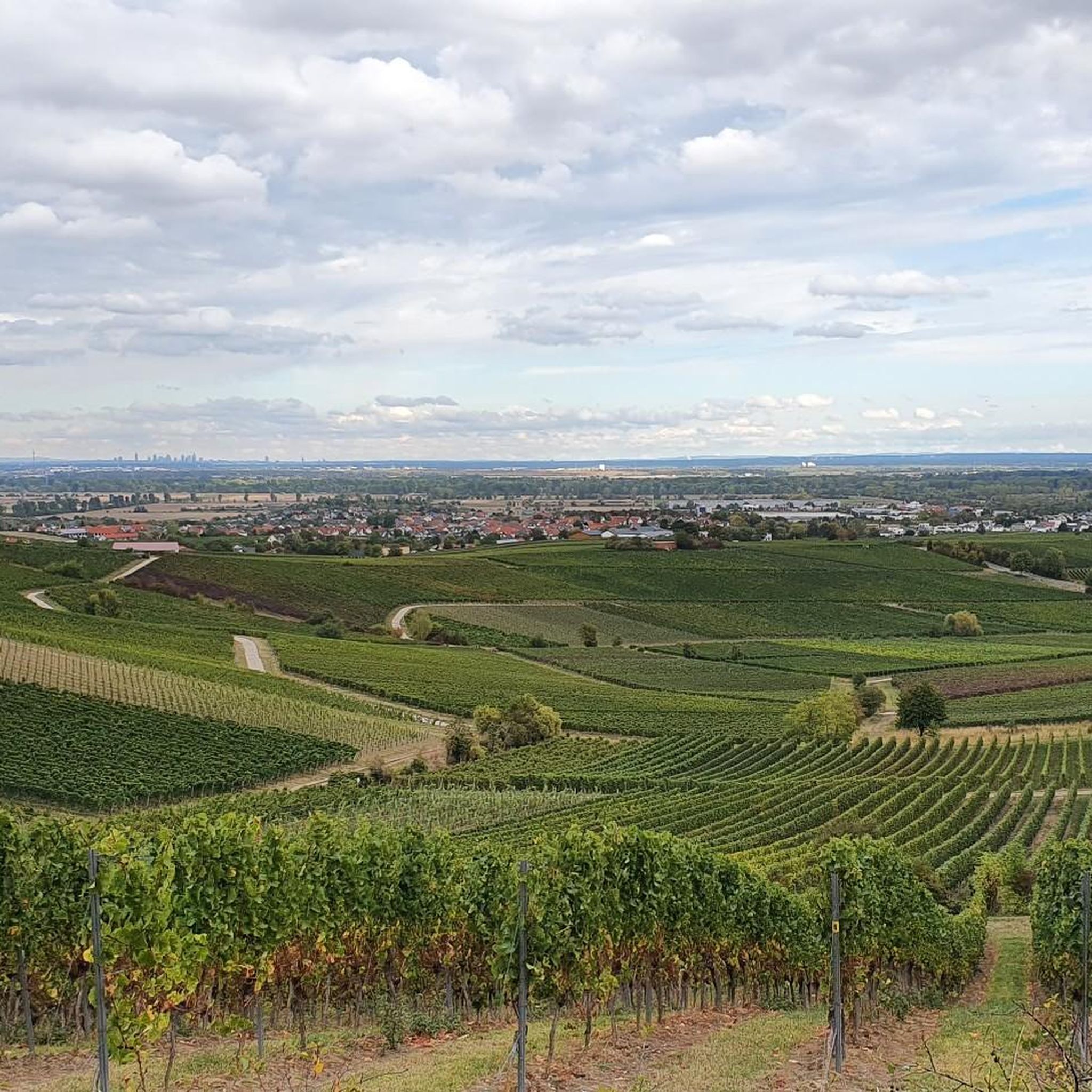
The region around Gau-Bischofsheim offers several notable historical sites. Among the most popular are the Landskron Castle Ruins, known for its wonderful views over the Rhine plain, and the Schwabsburg Keep, which provides impressive panoramic views after climbing its 106 steps. Additionally, the Königstuhl Lookout Tower offers a scenic viewpoint and is located along a pleasant bike path.
Are there family-friendly castles or historical sites near Gau-Bischofsheim?
Yes, several sites are suitable for families. The Landskron Castle Ruins and the Königstuhl Lookout Tower are both categorized as family-friendly. The Electoral Palace in Mainz, including the Electoral Palace, Mainz and Mainz Electoral Palace highlights, also welcomes families, offering a glimpse into the region's rich history.
What kind of historical significance do the castles and sites around Gau-Bischofsheim hold?
The region is rich in history. Sites like the Landskron Castle Ruins are remnants of 16th-century fortifications. The Electoral Palace in Mainz, a former residence of archbishops and electors, showcases the German late Renaissance architectural style and played a significant role in the region's political and cultural past. Gau-Bischofsheim itself has ancient origins dating back to 766, with historical buildings like the Unterhof reflecting its administrative and social history.
What outdoor activities can I combine with a visit to these historical sites?
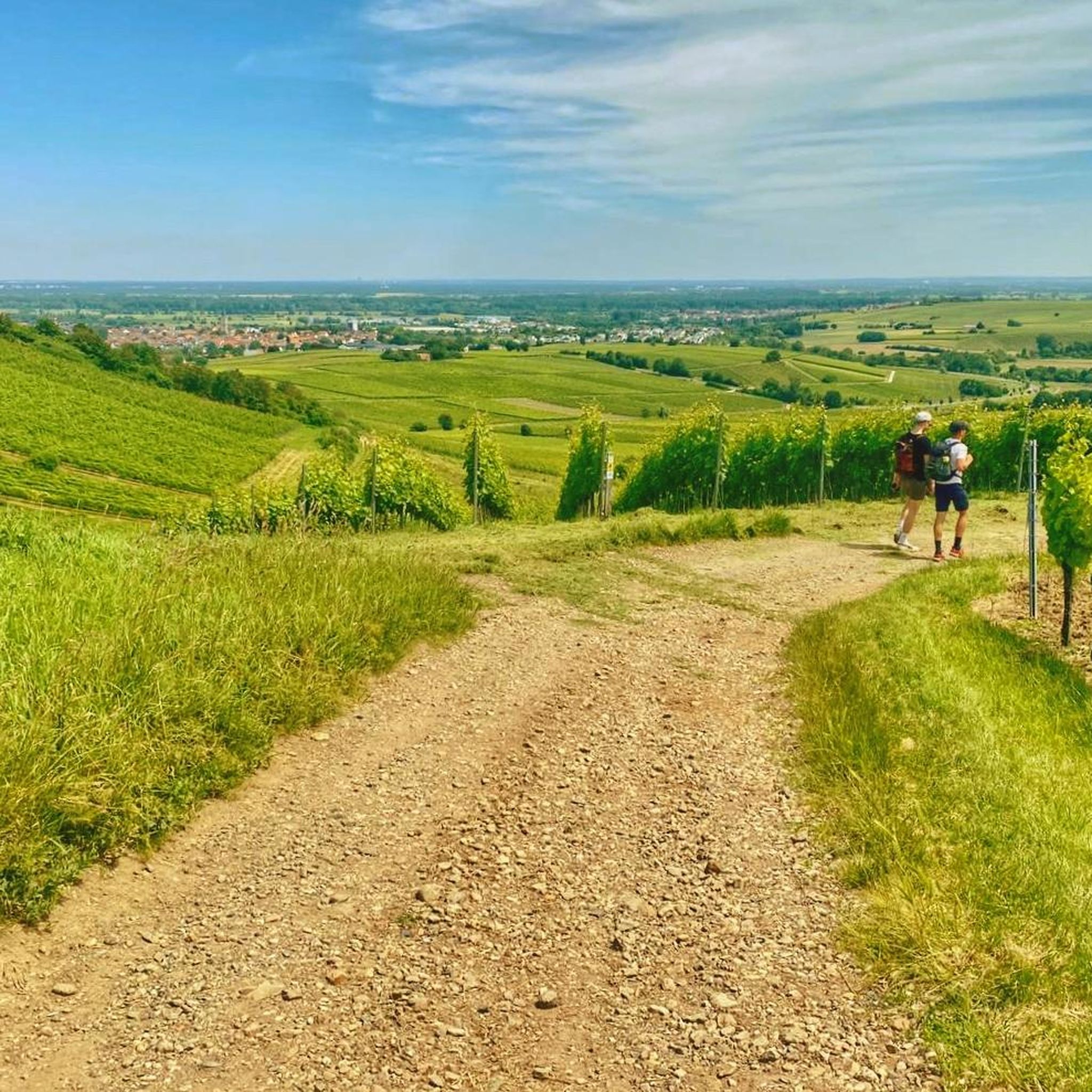
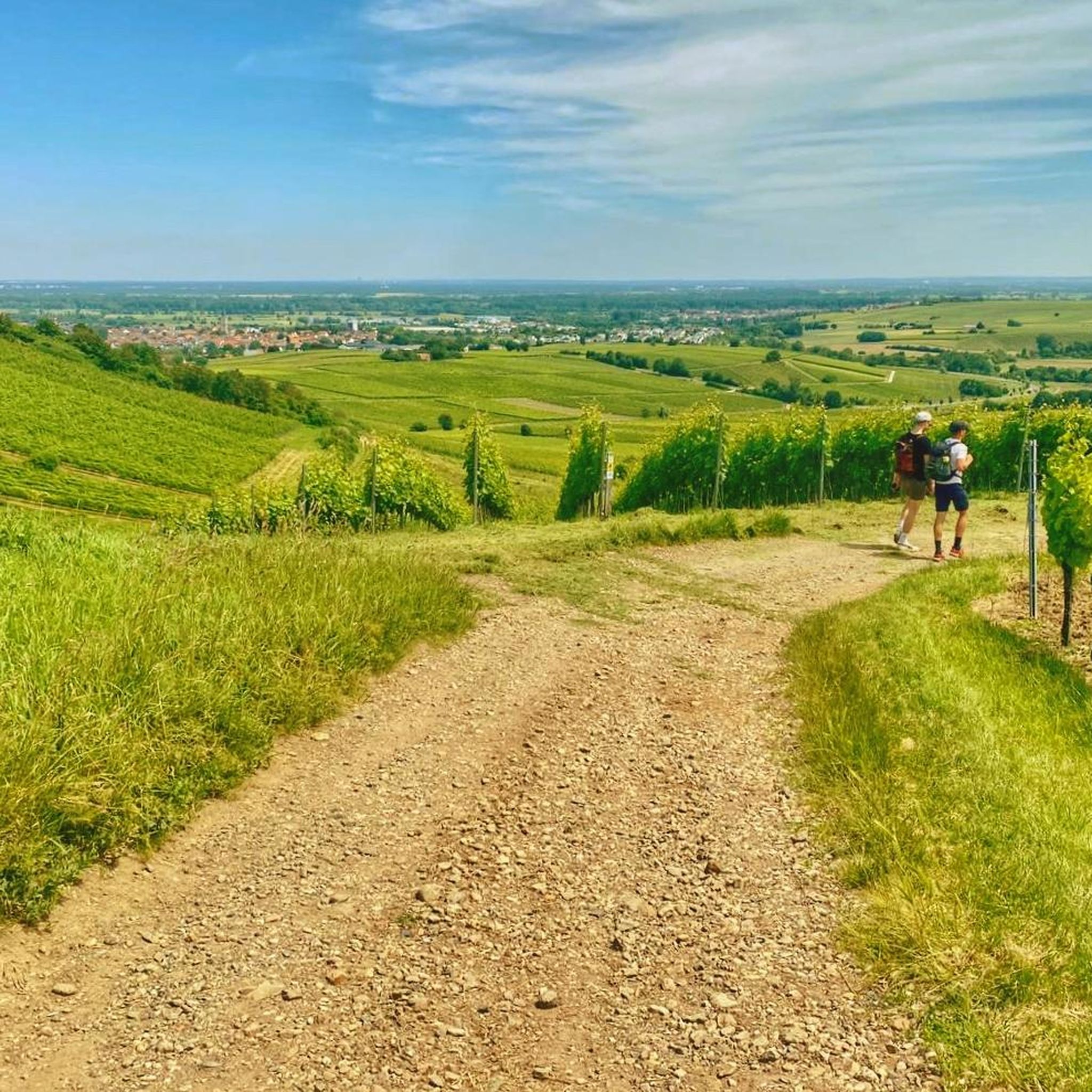
The area around Gau-Bischofsheim is excellent for outdoor activities. You can find numerous road cycling routes, running trails, and mountain biking trails. Many of these routes pass by vineyards and offer scenic views, making it easy to combine a visit to a castle ruin or lookout tower with a bike ride or run.
Are there any easy walks or circular routes that include castles or historical viewpoints?
Yes, you can find easy walks that incorporate historical sites. For instance, the Königstuhl Lookout Tower is situated along a beautiful bike path, which is also suitable for walking. While specific circular routes are not detailed for each castle, the general area offers many trails through vineyards and natural landscapes that can be combined with visits to these sites.
What is the best time of year to visit the castles and historical sites around Gau-Bischofsheim?
The region is beautiful year-round, but many visitors particularly enjoy the spring and autumn months. Spring offers blooming vineyards, while autumn brings vibrant colors and harvest festivals. Clear days in any season provide the best views from sites like Landskron Castle Ruins and Schwabsburg Keep.
Is there a traditional castle within Gau-Bischofsheim itself?
While Gau-Bischofsheim does not have a traditional castle with turrets and battlements, it is home to the **Unterhof**. This former manor house, once belonging to the Mainz Cathedral Chapter, now serves as the municipal administration building and community center. Its charming inner courtyard is a focal point for local life and cultural events, offering a glimpse into the village's historical administrative and social life.
What do visitors enjoy most about the historical sites in this region?
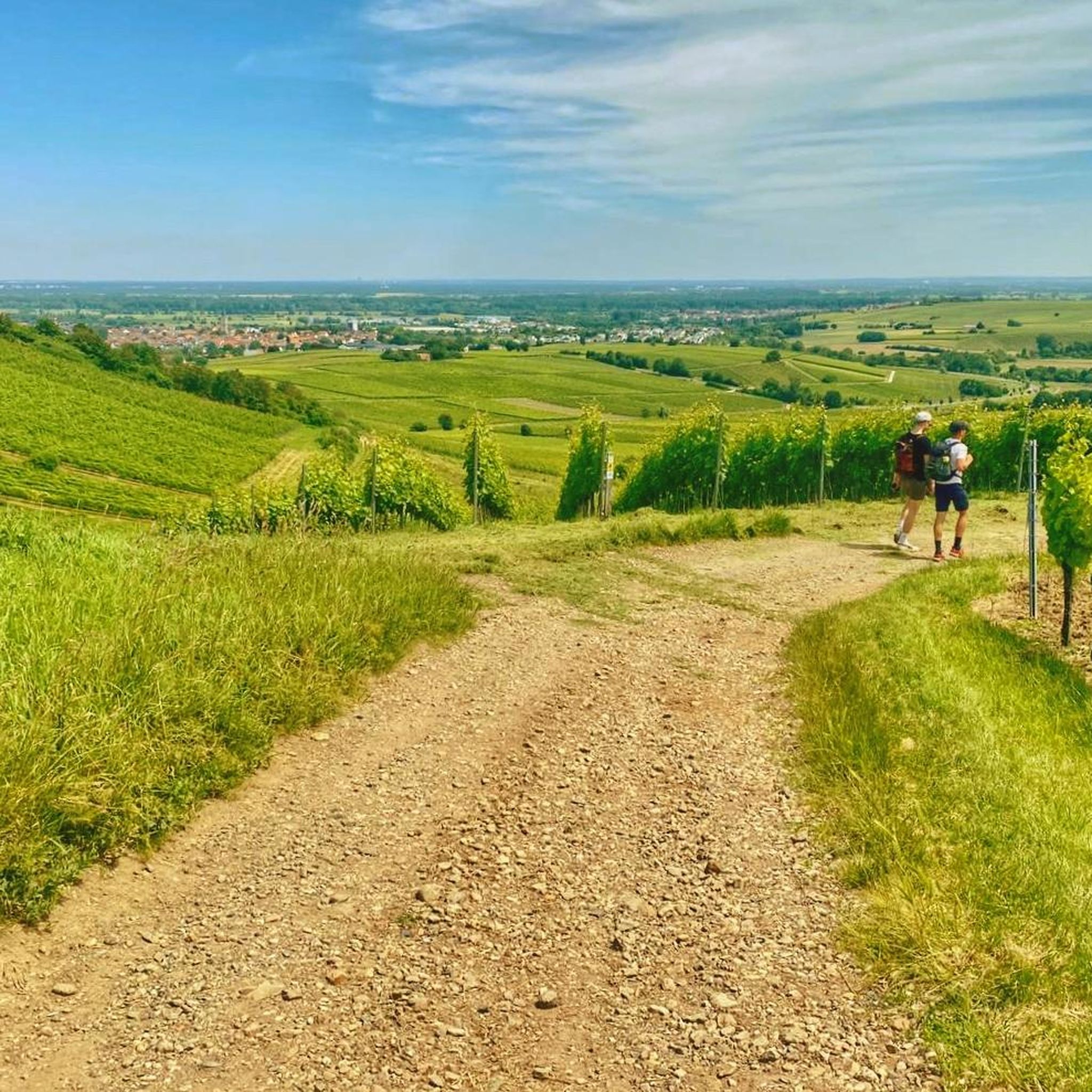
Visitors frequently highlight the impressive views from sites like Landskron Castle Ruins and Schwabsburg Keep, often extending to the Rhine plain, Frankfurt, and the Odenwald. The historical significance and the opportunity to explore remnants of past eras are also highly appreciated, as is the scenic beauty of the surrounding vineyards and natural landscapes.
Are there any historical palaces in the vicinity of Gau-Bischofsheim?
Yes, the Electoral Palace in Mainz is a prominent historical palace nearby. It served as the city residence for the archbishops of Mainz and is a significant example of German late Renaissance architecture. Its striking sandstone-red facade is a notable landmark along the Rhine.
Can I find cafes or restaurants near these castles and historical sites?
Many of the historical sites are located in or near towns and villages, where you can find local cafes and restaurants. For example, the Electoral Palace is in Mainz, which offers a wide array of dining options. Smaller villages near castle ruins often have traditional eateries where you can enjoy regional cuisine and wines.
Are the historical sites around Gau-Bischofsheim accessible by public transport?
While Gau-Bischofsheim itself is connected by public transport, reaching some of the more rural castle ruins might require a combination of public transport and walking. Major sites like the Electoral Palace in Mainz are easily accessible by public transport. It's advisable to check local bus and train schedules for specific destinations.
Most popular routes around Gau-Bischofsheim
Most popular attractions around Gau-Bischofsheim

Get inspired with the komoot mobile app


Explore more
Looking for the best castles somewhere else? Discover other guides around Gau-Bischofsheim:
