The best walks and hikes in Morton National Park
4.5
(43)
637
hikers
14
hikes
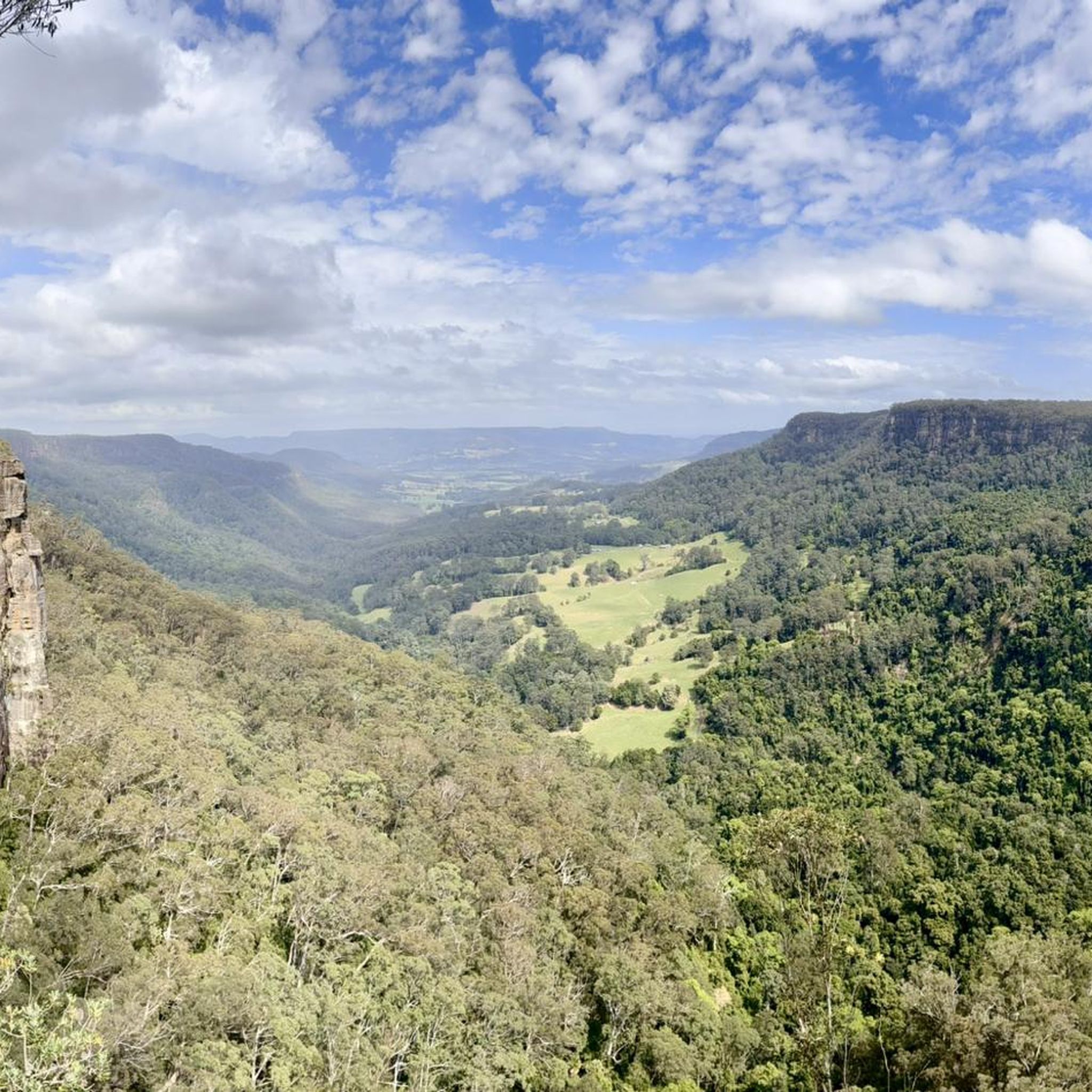
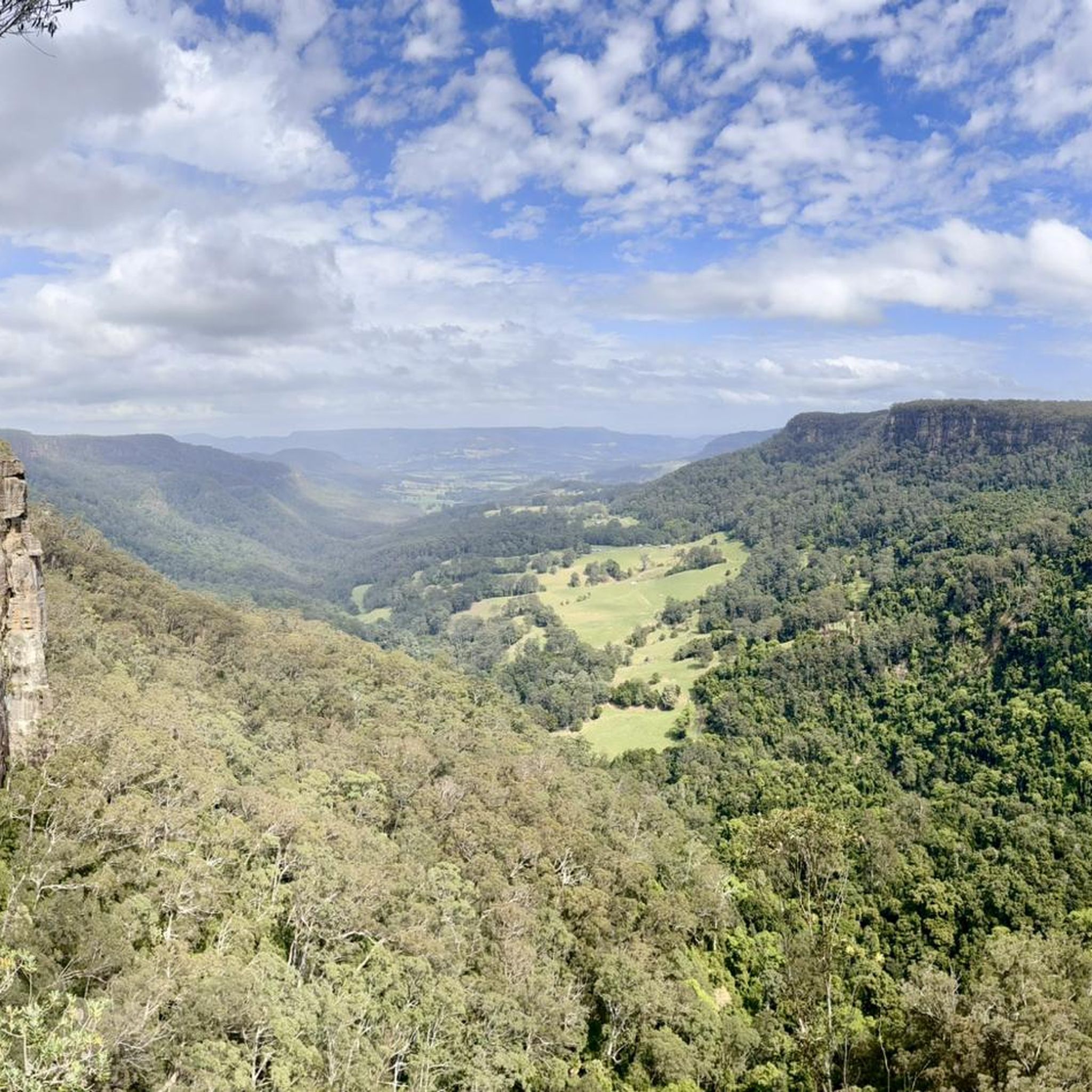
Hiking in Morton National Park features a landscape characterized by a flat plateau deeply cut by steep gorges. This creates dramatic scenery with lush rainforest gullies, extensive eucalypt forests, and distinctive sandstone formations. The park is notable for its numerous waterfalls and panoramic lookouts offering views across the gorges, plateaus, and distant coastline. The varied terrain includes both gentle paths and more challenging ascents.
Best hiking trails in Morton National Park
- The most popular hiking route is The Grotto –…
Last updated: November 16, 2026
4.3
(12)
183
hikers
4.22km
01:17
130m
130m
Easy hike. Easily walkable paths.
4.7
(10)
143
hikers
6.94km
03:06
410m
410m
Moderate hike. Good fitness required. Mostly walkable paths. Sure-footedness required.

4.0
(2)
45
hikers
11.3km
05:01
750m
750m
Hard hike. Very good fitness required. Sure-footedness, sturdy shoes and alpine experience required.
4.5
(2)
42
hikers
6.01km
01:48
170m
180m
Easy hike. Easily walkable paths.
5
hikers
23.9km
06:46
500m
500m
Hard hike. Very good fitness required. Mostly walkable paths. Sure-footedness required.
Get access to more routes and recommendations from other explorers.
Already have an account?
Our route recommendations are based on thousands of hikes, rides, and runs completed by other people on komoot.
Start today with a free account
Your next adventure awaits.

Tips from the Community

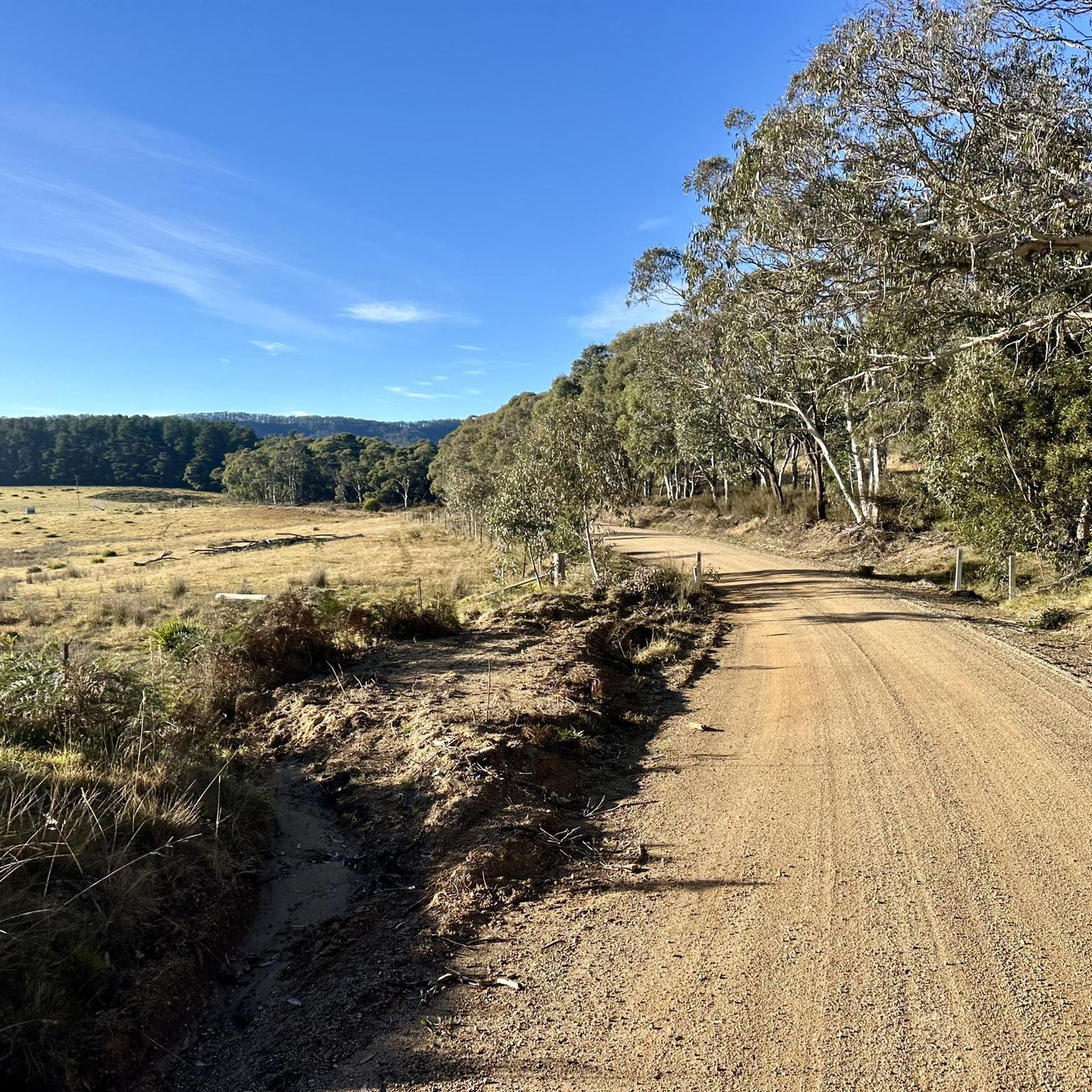
Wog Wog Walking Track runs through dry heathland and along rocky ridgelines in the Budawang Wilderness, with conglomerate outcrops breaking through the scrub. The track is well used but indistinct in places, with planks over the boggier sections and some steep, loose stretches around Corang Peak. This is remote wilderness walking with limited signage, so download your komoot GPS route and carry a map before setting out. Water is scarce between the creeks, so bring plenty and fill up where you can, keeping an eye out for purple coral pea flowering among the heath.
0
0
Corang Arch is a spectacular sandstone arch on the edge of the Budawangs, formed where erosion has carved a large opening through the rock. The arch sits among the rugged cliffs and rocky outcrops around Corang Peak, with views opening across the surrounding wilderness and toward the South Coast. It sits just off the Wog Wog Walking Track but is hidden from view on the track itself, and reaching it takes a short off-track detour. The pile of huge boulders opposite marks where the arch once joined the ridge, and if you want a closer look, take care on the rock, as the safest way onto the arch is from its southern side.
0
0
Rock Ribs Waterfall spills into a large, deep pool beneath tall columns of rock on the Corang River, just below where Canowie Brook flows in. A short, steep side track leads down to the river, where smaller pools and cascades continue downstream. If you’re here on a warm day, the deep pool is a great spot to take a dip.
0
0
Wog Wog Campground sits on the south-western edge of Morton National Park and serves as the western gateway to the Budawangs, a rugged country of plateaus and cliff-lined valleys. The campground has toilets, unmarked sites, and parking with no camping fees, though you’ll need to book ahead and bring your own drinking water and firewood. The Wog Wog Walking Track starts here, so it makes a good base for exploring the Budawang Wilderness and Corang Peak.
0
0
Castle Walking Track is a challenging, Grade 5 climb from the Yadboro River, crossing the water early on before following the base of the cliffs. From there, it eases into a long, stair-heavy ascent along the ridge to Castle Saddle, with a couple of short detours along the way to lookouts over the valley and the cliffs of Mount Owen and Mount Nibelung. It’s a demanding trek throughout, so allow plenty of time, and expect the early water crossing to leave your feet wet for the rest of the walk. For those after a bigger, more technical day, there’s the option to continue to the Castle’s summit, which involves highly exposed rock scrambling.
0
0
Cooyoyo Creek campsite is a relatively short walk beyond Castle Saddle, and is the main overnight base for walkers exploring this part of the Budawangs. Most people camping here are splitting a Castle attempt over two days, though it’s also a great destination in its own right even if you’re not tackling the summit. A short stroll from camp opens onto a lookout with sweeping views over Pigeon House and the Clyde Valley, and is one of the best sunrise vantage points in the range, right at your doorstep. It’s a fuel-stove-only site, no campfires, so be sure to pack accordingly and plan to leave no trace.
0
0
Meakins Pass marks the start of the real climb to the Castle’s summit, a rocky gully leading up to a narrow tunnel through the rock, named after Reg Meakin, part of the CSIRO party that first climbed the Castle in 1948. From here, the route only gets more serious, with boulders to climb with real exposure, and a stretch near the top steep enough that it includes fixed rope and chains. However, parts of the rope along the way are likely to be frayed or non-existent, so plan to use your own climbing equipment if you choose to continue. This is the point where, if you’re not attempting the summit, you can turn back and retrace your steps to the car park, or continue to Cooyoyo Creek campsite, which is also a common spot for an overnight to tackle the summit as part of a two-day adventure.
0
0
Castle Saddle is a junction on the Castle Walking Track where the Cooyoyo Walking Track branches off, along with a route continuing toward Monolith Valley. It’s a natural decision point where you can either head for Cooyoyo Creek campsite, continue toward Monolith Valley, or take the route to the Castle and Meakins Pass, where the technical climb to the summit begins. Either way, it’s a good spot to check the weather and how things are tracking before committing further.
0
0
Frequently Asked Questions
What types of landscapes can I expect to see while hiking in Morton National Park?
Morton National Park is characterized by a dramatic landscape of a flat plateau deeply cut by steep gorges. You'll encounter lush rainforest gullies, extensive eucalypt forests with diverse species, and distinctive sandstone formations. The varied terrain offers everything from gentle paths to challenging ascents.
Are there many waterfalls to see in Morton National Park?
Yes, Morton National Park is renowned for its spectacular waterfalls. Key attractions include the iconic Fitzroy Falls, Belmore Falls, Tianjara Falls, Twin Falls, and Fairy Bower Falls. Many hiking tracks, such as the East Rim and Wildflower walking tracks at Fitzroy Falls, offer impressive views of these cascades.
What are the best viewpoints or lookouts in Morton National Park?
The park offers numerous panoramic lookouts with breathtaking vistas. You can reach summits like Pigeon House Mountain (Didthul) for extensive views of the coastline and wilderness. Other scenic viewpoints include Renown Lookout, Twin Falls Lookout, and Jersey Lookout. The Corang Arch also provides a unique natural attraction.
How many hiking trails are available in Morton National Park?
Morton National Park features a diverse network of over 10 hiking routes. These range from easy strolls suitable for families to more challenging wilderness expeditions, ensuring options for various fitness levels.
Are there any easy or family-friendly hikes in Morton National Park?
Yes, the park offers several easy trails perfect for families or those seeking a gentle walk. An excellent option is The Grotto – Renown Lookout loop from Fitzroy Falls, which is an easy 4.1 km route offering views of Fitzroy Falls and Renown Lookout. Another accessible choice is Jersey Lookout – Starkeys Lookout loop from Fitzroy Falls.
What is a good moderate hike for experienced walkers?
For a moderate challenge, consider the Pigeon House Mountain loop from Woodburn. This 7.0 km path involves a sustained climb to Pigeon House Mountain, rewarding hikers with extensive views of the coastline and surrounding wilderness areas.
Are there any circular walks in Morton National Park?
Yes, many of the trails in Morton National Park are designed as loops, allowing you to start and finish at the same point. Examples include The Grotto – Renown Lookout loop from Fitzroy Falls, Pigeon House Mountain loop from Woodburn, and Shoalhaven River View – Lake Yarrunga View loop from Lake Yarrunga View.
What do other hikers say about their experience in Morton National Park?
The hiking routes in Morton National Park are highly rated by the komoot community, with an average score of 4.5 stars from over 30 reviews. Hikers often praise the dramatic gorges, spectacular waterfalls, and panoramic lookouts, as well as the variety of trails suitable for different ability levels.
Is Morton National Park suitable for birdwatching or wildlife spotting?
Absolutely. Morton National Park is a critical sanctuary for diverse wildlife. Birdwatchers can spot species like yellow-tailed black cockatoos, kookaburras, and lyrebirds, and even the endangered ground parrot. You might also encounter swamp wallabies, gliders, and long-nosed potoroos.
What is the best time of year to visit Morton National Park for hiking?
The park offers an engaging experience throughout the year due to its varied plant life and diverse ecosystems. Spring and autumn generally provide pleasant temperatures for hiking, while winter can offer crisp, clear views. Summer can be warm, but the rainforest gullies and waterfalls provide cooler spots.
Are there facilities like picnic areas along the trails?
Yes, many trails and scenic spots within Morton National Park feature convenient picnic areas. This makes it easy to enjoy a meal amidst the natural beauty, enhancing the overall hiking experience.
Are permits required for hiking in Morton National Park?
Generally, permits are not required for day hiking on marked trails in Morton National Park. However, it's always advisable to check the official National Parks and Wildlife Service website for the latest information on park entry fees, conditions, and any specific requirements for certain areas or activities. You can find more details at nationalparks.nsw.gov.au.
Most popular routes in Morton National Park
Most popular attractions in Morton National Park

Get inspired with the komoot mobile app


Explore more
Browse the best Hikes in other regions.
