The best walks and hikes in Six Foot Track Reserve
4.6
(1330)
11,121
hikers
97
hikes
Hiking in Six Foot Track Reserve offers a challenging experience through diverse natural landscapes within Australia's Blue Mountains. The region is characterized by steep descents into valleys like Megalong, river crossings over the Coxs River, and significant ascents. Trails traverse varied ecosystems, including heathlands, woodlands, and lush rainforests, with notable features such as waterfalls and rock formations.
Best hiking trails in Six Foot Track Reserve
- The most popular hiking route is Three Sisters Rock Formation – Katoomba Cascades loop from…
Last updated: July 17, 2026
5.0
(1)
47
hikers
14.6km
05:42
770m
770m
Hard hike. Very good fitness required. Sure-footedness, sturdy shoes and alpine experience required.
5.0
(3)
32
hikers
8.88km
03:11
340m
340m
Hard hike. Good fitness required. Sure-footedness, sturdy shoes and alpine experience required.

Sign up for free
4.3
(4)
21
hikers
9.40km
03:26
470m
480m
Hard hike. Good fitness required. Sure-footedness, sturdy shoes and alpine experience required.
4.7
(48)
376
hikers
6.80km
02:40
510m
510m
Moderate hike. Good fitness required. Mostly accessible paths. Sure-footedness required.
15
hikers
24.8km
07:27
730m
730m
Hard hike. Very good fitness required. Easily-accessible paths. Suitable for all skill levels.
Get access to more routes and recommendations from other explorers.
Sign up for free
Already have an account?
Our route recommendations are based on thousands of hikes, rides, and runs completed by other people on komoot.
Start today with a free account
Your next adventure awaits.
Login or Signup
Tips from the Community

Bonnie Doon Falls is a thin waterfall cascading over the sandstone cliffs of Nellies Glen. Reached by a short detour from the Six Foot Track, the falls plunge into a beautiful fern-lined amphitheatre where you can even walk behind the curtain of water when conditions allow. It’s a peaceful, hidden gem that’s especially impressive after rain.
0
0
Devils Hole is a narrow gap in the cliffs with an enormous boulder wedged high between the towering walls. The rocky, moderately steep section of the track passes under the boulder through a cool, fern-filled passage that, even though not far from Cliff Drive, feels like stepping back in time. This section is not technical and relatively easy to manage, especially when conditions are dry. It’s one of the most memorable sections of the walk, and a fantastic area to explore and admire this unique natural feature that makes this part of the park so special.
0
0

The Scenic Cableway brings bushwalkers over Blue Mountains National Park. The Scenic Cableway Top Station is an exciting, busy area, where the train and Skyway also depart. There are toilets, Skyway Souvenirs and the Terrace Cafe & Bar, all indoors, ideal in case of rain. Here visitors descend the steep cliff into the valley below, and by steep, it's steep, the cableway is at 36° incline. The Scenic Cableway is open Friday from 10:00 am to 4:00 pm and every other day of the week from 9:00 am to 5:00 pm. Cars depart around every 10 minutes from the top and bottom stations, and ticket prices start at $39 per adult and $21 per child but provides unlimited rides for the day. If you would like to avoid taking the cableway, the climb in and out can be done from the Giant Stairway track.
0
0
The Scenic Cableway brings bushwalkers over Blue Mountains National Park and is part of the park's network of cableways, a historic incline railway, and elevated forest boardwalks and scenic skyway. This is the bottom of the cableway. If you get on at the bottom, you will be effortlessly taken up a steep part of the park. By steep, it's quite a steep ride, the cableway travels at a 36° incline and moves at a speed of 3.8 metres per second. The cableway is open Friday from 10:00 am to 4:00 pm and every other day of the week from 9:00 am to 5:00 pm. Cars depart around every 10 minutes from the top and bottom stations, and ticket prices start at $39 per adult and $21 per child but gives unlimited rides for the day. If you would like to avoid taking the cableway, the climb in and out can be done from the Giant Stairway track.
0
0
Katoomba Cascades is a picturesque series of small cascades on the Kedumba River, where the water tumbles over wide sandstone shelves before continuing downstream to Katoomba Falls. There are boardwalks, bridges, benches and viewing platforms that surround the cascades for a close-up view of the flowing water within the lush gully of ferns and rainforest vegetation. It’s one of the few places where you can experience the river up close before it drops into the Jamison Valley.
0
0
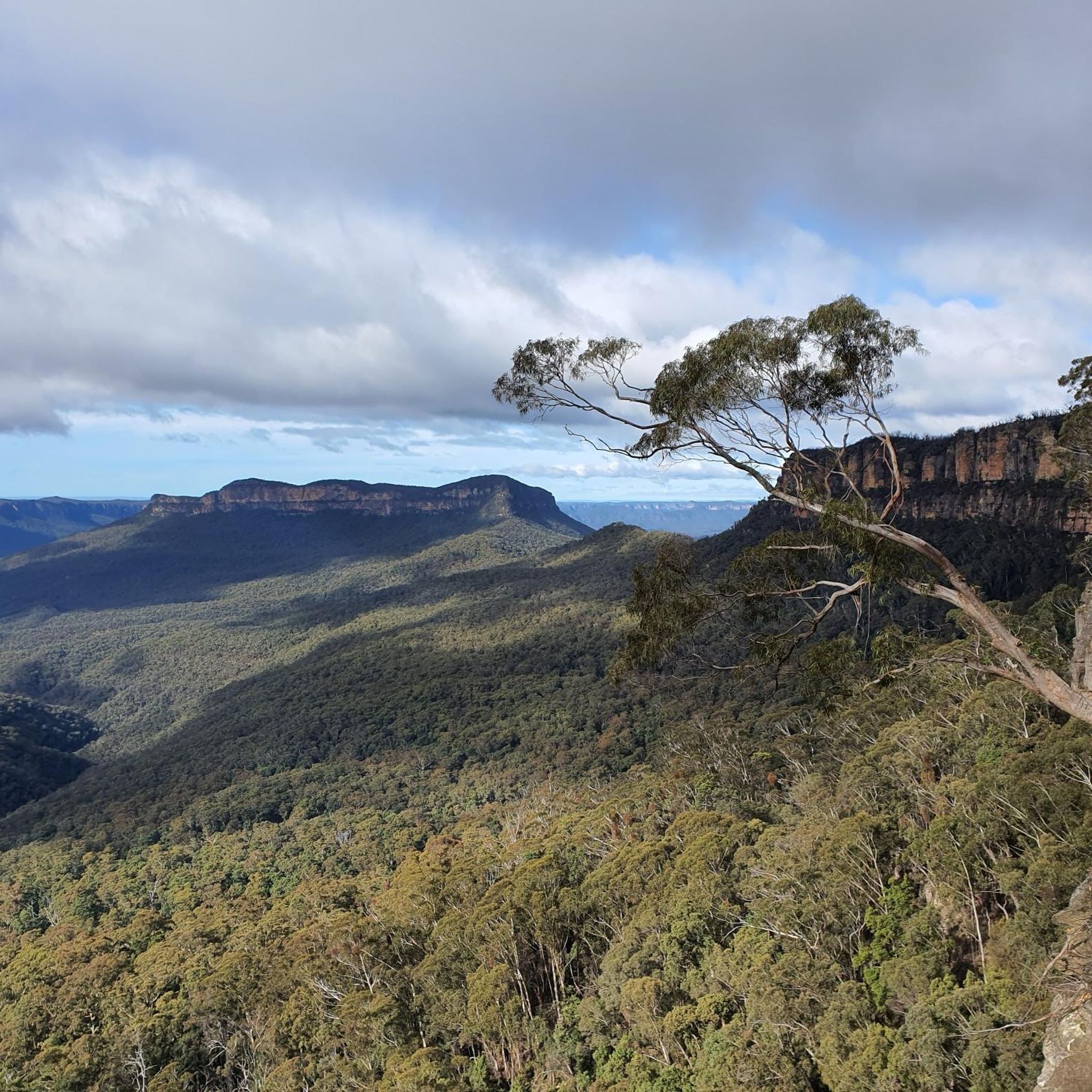
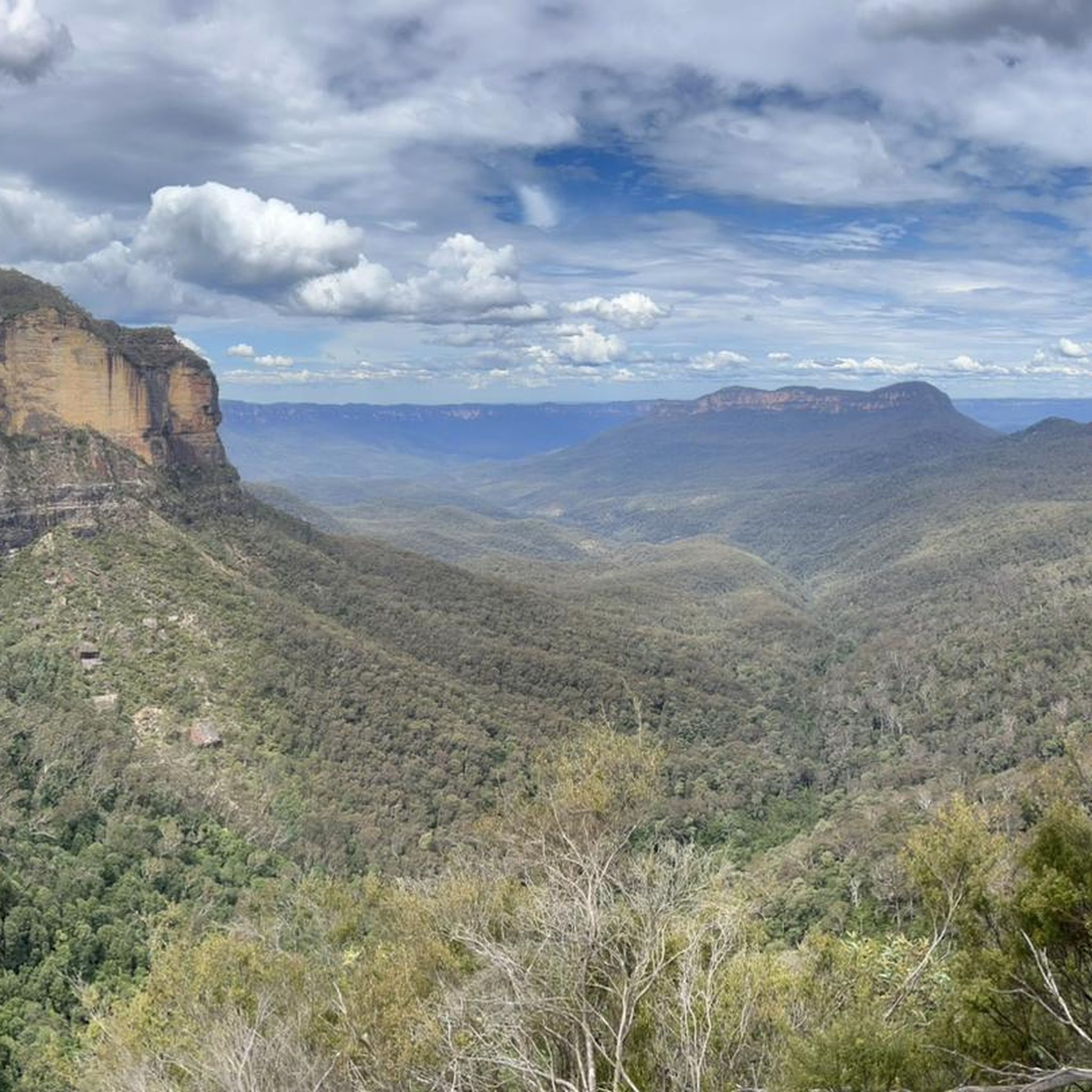
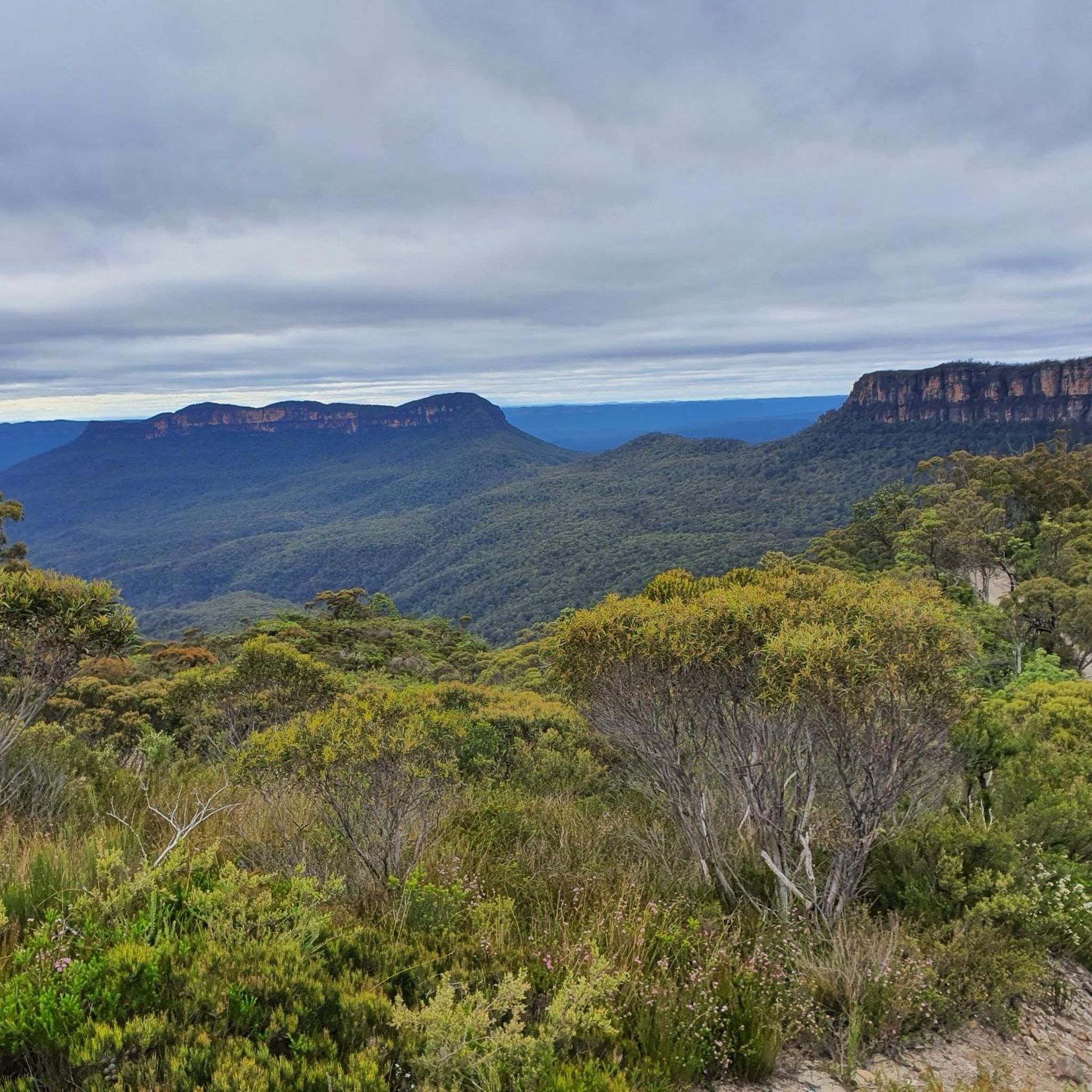
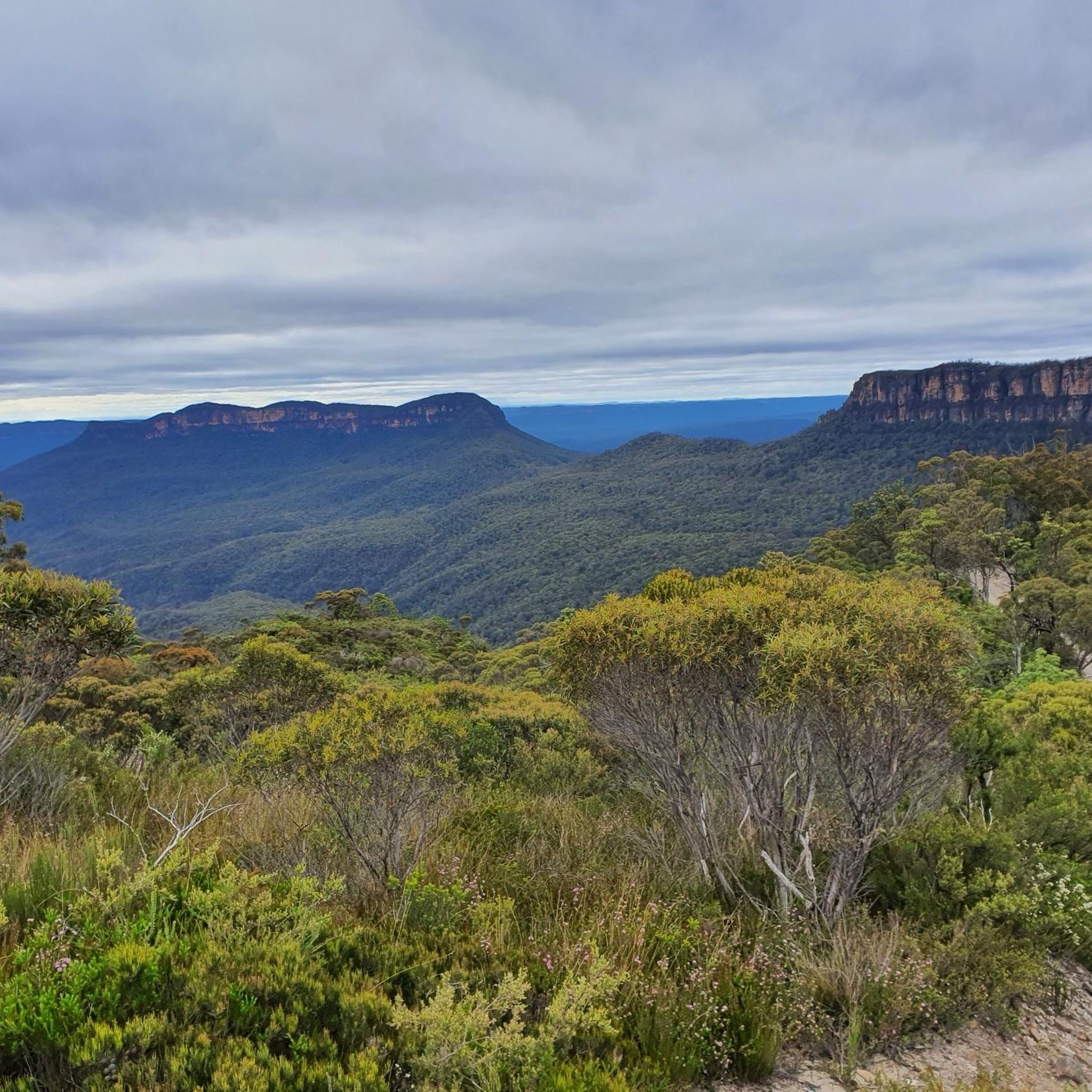
This informal lookout sits along the western side of Mount Solitary, where the view opens up across the forested Jamison Valley, with rugged sandstone cliffs and layered escarpments stretching toward Katoomba. The expansive scenery is worth taking a moment to pause and appreciate the scale of your surroundings before continuing down the mountain.
0
0
Chinamans Gully Lookout sits on the ridge of Mount Solitary with fantastic views across the rugged sandstone cliffs, deep valleys, and the escarpments around Katoomba. It’s a memorable spot to stop during a challenging bushwalk through the Jamison Valley, with some of the most expansive backcountry views in the Blue Mountains.
0
0
The Giant Stairway is a famous, challenging and exhilarating staircase, totalling almost 1000 steps, from the edge of the Blue Mountains National Park cliffside down toward the valley below. The views are hard to beat, and the stairs are carved into the sandstone cliffs, which do become quite slippery after rain. Remember, you must go down before you come up!
1
0
Frequently Asked Questions
How many hiking trails are available in Six Foot Track Reserve?
Six Foot Track Reserve offers a wide range of hiking experiences with nearly 90 distinct trails. These include 31 easy routes, 44 moderate options, and 13 challenging hikes, catering to various fitness levels and preferences.
What kind of terrain can I expect on the trails in Six Foot Track Reserve?
The terrain in Six Foot Track Reserve is diverse and often challenging. You'll encounter steep descents into valleys like Megalong, river crossings over the Coxs River (including the unique Bowtells Swing Bridge), and significant ascents. Trails wind through varied ecosystems, from heathlands and woodlands to lush rainforests, with sections featuring timber steps and well-maintained service tracks.
Are there any family-friendly hiking options in Six Foot Track Reserve?
Yes, there are several family-friendly options, particularly among the easier routes. For instance, the Katoomba Falls – Katoomba Cascades loop from Katoomba Falls is an easy 5.1 km path that provides access to scenic cascades and the base of Katoomba Falls, suitable for families looking for a less strenuous walk.
What natural features and landmarks can I see while hiking in the reserve?
Hikers can discover a wealth of natural beauty and historical landmarks. You'll pass through the picturesque Megalong Valley with its farmlands, cross the adventurous Bowtells Swing Bridge over the Coxs River, and encounter cascading waterfalls like Nellie's Glen and Bonnie Doon Falls. The track also has historical significance, following an 1884 route and starting near the Explorer's Tree in Katoomba.
Is Six Foot Track Reserve suitable for dog walking?
The Six Foot Track Reserve is primarily located within national parks and state forests where regulations regarding dogs can be strict. Generally, dogs are not permitted on the main Six Foot Track or in national park areas to protect native wildlife. It's best to check the latest regulations with NSW National Parks and Wildlife Service before planning your visit if you intend to bring a dog.
What is the best time of year to hike in Six Foot Track Reserve?
The best time to hike often depends on your preference for weather and trail conditions. Spring (September-November) and Autumn (March-May) generally offer milder temperatures, making for more comfortable hiking. Summer can be hot, while winter can bring cooler temperatures, especially at higher elevations, but also clearer skies for stargazing. Always check local weather forecasts before heading out.
What do other hikers enjoy most about Six Foot Track Reserve?
The area is highly rated by the komoot community, with an average score of 4.5 stars from over 1000 reviews. Reviewers often praise the diverse landscapes, from lush rainforests to open heathlands, the challenging yet rewarding terrain, and the stunning natural features like waterfalls and the iconic Bowtells Swing Bridge. The sense of historical exploration is also a highlight for many.
Are there any circular hiking routes in Six Foot Track Reserve?
Yes, many routes in the reserve are designed as loops, allowing you to start and end at the same point. An example is the Furber Steps – Katoomba Falls loop from Katoomba Falls, a 7.6 km trail that offers varied terrain and significant elevation changes, providing a comprehensive experience of the area.
What wildlife might I encounter on the trails?
The remote nature of the Six Foot Track Reserve provides excellent opportunities for spotting native Australian wildlife. Keep an eye out for kangaroos and wallabies, especially in the Megalong Valley, as well as echidnas and a variety of bird species. The clear night skies also make it an excellent location for stargazing.
What are the parking and public transport options for accessing the trails?
Access points like Katoomba offer parking facilities, particularly near popular trailheads such as Katoomba Falls. For public transport, Katoomba is accessible by train from Sydney, and local buses may service areas closer to trail starts. It's advisable to research specific trailhead access and parking availability in advance, especially for the multi-day Six Foot Track itself, which often requires shuttle arrangements.
What is the typical duration for completing a hike in Six Foot Track Reserve?
Hiking durations vary significantly depending on the trail's length and difficulty. Shorter, easier loops like the Katoomba Falls – Katoomba Cascades loop from Scenic Railway Top Station can be completed in just over an hour. More moderate trails, such as the Katoomba Cascades – Three Sisters Rock Formation loop from Katoomba Falls, typically take around 2.5 hours. The full Six Foot Track is a multi-day hike, usually completed over 2-3 days.
Are there any challenging hikes for experienced bushwalkers?
Absolutely. The Six Foot Track Reserve is known for its challenging terrain, rated as Grade 4 or 'Hard' in sections. Trails like the Three Sisters Rock Formation – Katoomba Cascades loop from Katoomba Falls, with its significant elevation changes over 8.8 km, offer a good physical test for experienced hikers. These routes feature steep descents, ascents, and varied surfaces.
Most popular routes in Six Foot Track Reserve

Get inspired with the komoot mobile app


Explore more
Browse the best Hikes in other regions.
