The best walks and hikes in Berowra Valley National Park
4.6
(163)
1,582
hikers
82
hikes
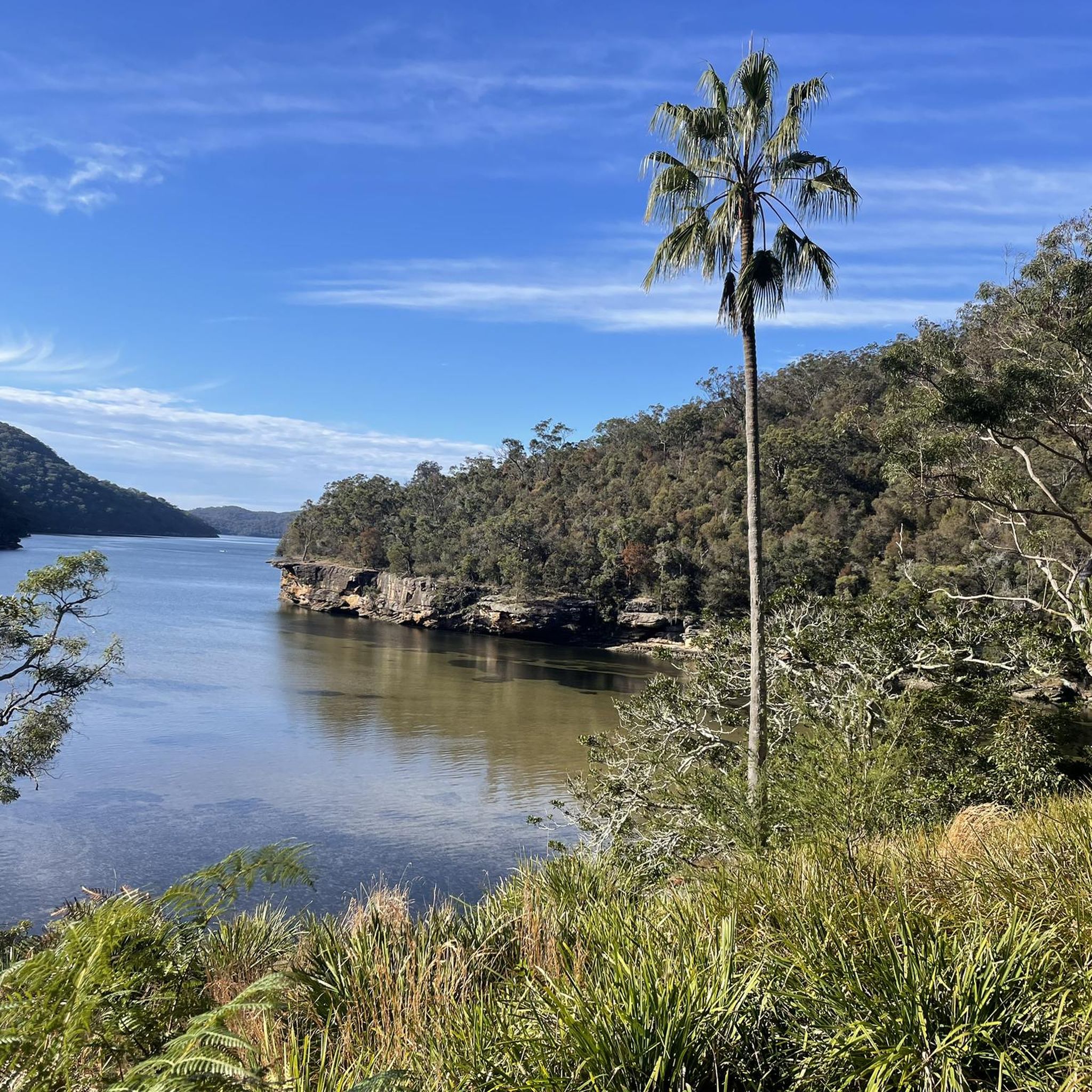
Hiking in Berowra Valley National Park offers access to over 3800 hectares of bushland, characterized by bushland valleys, woodlands, and dramatic sandstone rock features. Berowra Creek winds through the park, providing a central natural feature for many trails. The landscape includes eucalypt forests and areas with hardy native plants, with deeply incised topography creating varied microclimates. This park is located just north of Sydney.
Best hiking trails in Berowra Valley National Park
- The most popular hiking route is Blue Gum Loop Trail, an easy 4.2 miles (6.8 km) trail that takes 1 hour 14 minutes to complete. This path features creek crossings, waterfalls, and fern-filled gullies.
- Another top favourite among local hikers is Waitara Creek Rock Pools loop from Hornsby, an easy 4.1 miles (6.6 km) path. This route leads to tranquil spots with sandstone basins and small cascades.
- Local hikers also love the Calna Creek Swamp – Naa Badu Lookout loop from Mount Kuring-gai, a 9.1 miles (14.7 km) trail leading through varied bushland and offering scenic views over the valley, often completed in about 4 hours 20 minutes.
- Hiking in Berowra Valley National Park is defined by bushland valleys, sandstone rock features, and the winding Berowra Creek. The extensive network of trails offers options for different ability levels, from easy loops to moderate day hikes.
- The routes in Berowra Valley National Park are highly rated by the komoot community with an average score of 4.7 stars from over 170 reviews. More than 1800 hikers have used komoot to explore Berowra Valley National Park's varied terrain.
Last updated: July 20, 2026
5.0
(4)
69
hikers
17.2km
05:07
470m
470m
Hard hike. Very good fitness required. Easily-accessible paths. Suitable for all skill levels.
4.5
(4)
50
hikers
4.23km
01:14
120m
120m
Easy hike. Great for any fitness level. Easily-accessible paths. Suitable for all skill levels.

Sign up for free
5.0
(3)
23
hikers
18.8km
05:26
480m
480m
Hard hike. Very good fitness required. Easily-accessible paths. Suitable for all skill levels.
5.0
(3)
12
hikers
3.83km
01:13
150m
150m
Easy hike. Great for any fitness level. Easily-accessible paths. Suitable for all skill levels.
5.0
(2)
9
hikers
11.4km
03:41
420m
420m
Moderate hike. Good fitness required. Mostly accessible paths. Sure-footedness required.
Get access to more routes and recommendations from other explorers.
Sign up for free
Already have an account?
Our route recommendations are based on thousands of hikes, rides, and runs completed by other people on komoot.
Start today with a free account
Your next adventure awaits.
Login or Signup
Tips from the Community

This trailhead is accessible from Berowra station and is the northern access point of the Berowra Track from Mount Ku-ring-gai. The track is steep and runs along Waratah and Cowan Creeks, with some great lookout points along the way.
0
0
Here at the mouth of the Waratah Creek in Ku-ring-gai Chase National Park, there is a sandy shoreline area with some nice views over the creek. There are also these intriguing remains of an old, shipwrecked ferry. The ship was a passenger ferry named "General Gordon", and wrecked in 1929.
0
0
This is a nice point to pause along the track, with a great view over Winson Bay and the Cowan Creek. There are also some equally nice views over Lords Bay to the north, and over Apple Creek Bay to the south.
0
0

Lyrebird Gully Track stretches 8.6 kilometers one way, and on each side of the track is a trackhead. This is the southernmost track head; both the north and south track heads have a train station, so bushwalkers can walk the Lyrebird Gully Track as an out-and-back or one-way and return to the other end on a 15-minute train ride.
0
0
Calna Creek is a tributary of Berowra Creek, and along the Lyrebird Gully Track, the creek has taller trees that provide lots of shade. There are little waterfalls and small pools that make great bush swimming holes.
1
0
Berowra Creek Bridge has an informational sign about the old Twin Log Calna Creek Footbridge that once crossed Calna Creek here. On the east side of the river, there are boardwalks over marshes and the Calna Creek Campsite.
1
0

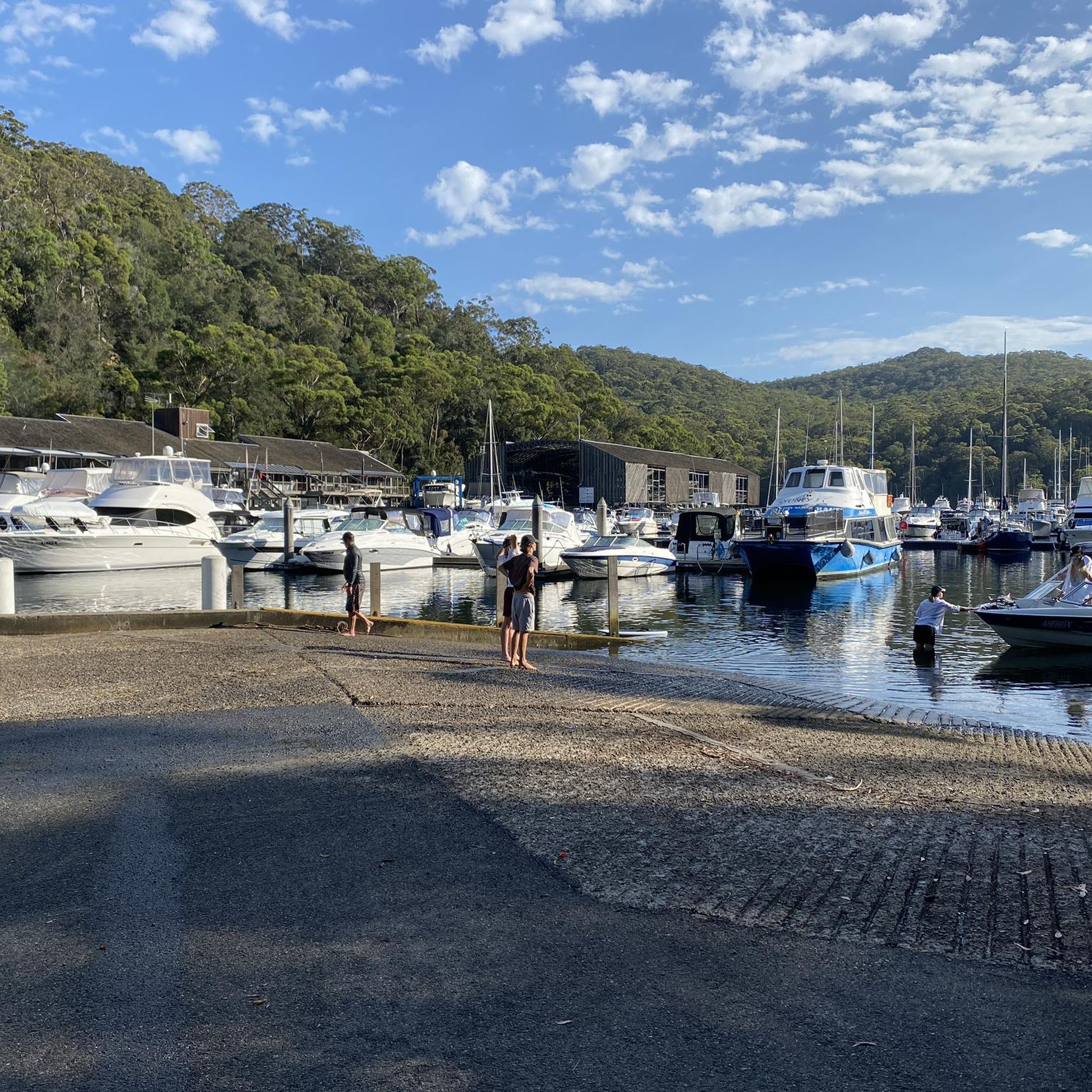
Tunks Creek Bridge is a historic truss road bridge spanning its namesake creek in Galston Gorge. The bridge was built between 1893-94 and spans 20 metres across the creek. It was added to the on the New South Wales State Heritage Register in June of 2000.
0
0
Tunks Trail runs to the top of Tunks Ridge from the campground of the same name. It also forms part of the 27-kilometre Great North Trail that spans the distance between Sydney and Newcastle.
0
0
Frequently Asked Questions
How many hiking trails are available in Berowra Valley National Park?
Berowra Valley National Park offers a wide range of hiking experiences, with over 90 routes recorded on komoot. These trails cater to various fitness levels, from easy strolls to more challenging day hikes.
Are there any family-friendly hiking options in Berowra Valley National Park?
Yes, the park has several easy trails suitable for families. The Blue Gum Loop Trail is a popular easy option, featuring creek crossings, waterfalls, and fern-filled gullies. Another gentle path is the Waitara Creek Rock Pools loop from Hornsby, which leads to tranquil spots with sandstone basins and small cascades.
Can I bring my dog on the hiking trails in Berowra Valley National Park?
No, dogs are generally not permitted on walking tracks within Berowra Valley National Park to protect the native wildlife and natural environment. National Parks in NSW have strict rules regarding pets. For detailed information, it's best to check the official NSW National Parks website: nationalparks.nsw.gov.au.
Are there any trails with waterfalls or interesting water features?
Absolutely. The Blue Gum Loop Trail is known for its creek crossings and waterfalls. Additionally, the Waitara Creek Rock Pools loop from Hornsby takes you to the 'Washtub,' an area with unique sandstone basins and small cascades, perfect for a refreshing stop.
What are the best viewpoints in Berowra Valley National Park?
The park offers several stunning lookouts. Barnetts Lookout provides panoramic vistas up and down the Berowra Valley. Elouera Lookout and Naa Badu Lookout also offer scenic views over the valley. The Calna Creek Swamp – Naa Badu Lookout loop from Mount Kuring-gai specifically includes the Naa Badu Lookout.
Are there any circular hiking routes in the park?
Yes, many trails in Berowra Valley National Park are designed as loops, allowing you to start and end at the same point without retracing your steps. Examples include the Blue Gum Loop Trail, the Turner Firetrail circuit, and the Waitara Creek Rock Pools loop from Hornsby.
What kind of wildlife can I expect to see while hiking?
Berowra Valley National Park is rich in wildlife. Keep an eye out for Grey-headed flying foxes, Kookaburras, and Superb lyrebirds. You might also spot Swamp wallabies. Birdwatchers can look for powerful owls, sea eagles, and wedgetails, while the distinctive call of the red-crowned toadlet can often be heard.
How can I access Berowra Valley National Park using public transport?
The park is accessible from various suburbs that have train stations, such as Hornsby and Mount Kuring-gai. Some trails, like the Waitara Creek Rock Pools loop from Hornsby, start directly from areas well-served by public transport, making it convenient to reach the park without a car.
What do other hikers enjoy most about Berowra Valley National Park?
The area is highly rated by the komoot community, with an average score of 4.7 stars from over 170 reviews. Reviewers often praise the diverse bushland valleys, the dramatic sandstone rock features, and the tranquil presence of Berowra Creek. The variety of trails, from easy loops to moderate day hikes, is also frequently highlighted.
Are there any historical or cultural points of interest in the park?
Yes, the park holds significant Aboriginal heritage sites, including artifacts, middens, and campfire sites, reflecting the traditional Country of the Dharug People. Hikers can also find remnants of the historic Thornleigh Quarry and the Zig Zag railway, which can be explored as optional side trips on some walks.
What is the best time of year to hike in Berowra Valley National Park?
The park is enjoyable year-round, but spring (September to November) and autumn (March to May) offer particularly pleasant hiking conditions with milder temperatures and beautiful scenery. Spring brings wildflowers, while autumn showcases vibrant foliage. Summer can be hot, so early morning or late afternoon hikes are recommended, and winter is generally mild and good for walking.
What are the typical distances and durations for hikes in the park?
Hikes in Berowra Valley National Park vary significantly. Easy routes like the Blue Gum Loop Trail are around 4.2 miles (6.8 km) and take about 1 hour 15 minutes. Moderate trails, such as the Calna Creek Swamp – Naa Badu Lookout loop from Mount Kuring-gai, can be up to 9.1 miles (14.7 km) and take around 4 hours 20 minutes to complete. There are also shorter and longer options available.
Most popular routes in Berowra Valley National Park
Most popular attractions in Berowra Valley National Park

Get inspired with the komoot mobile app


Explore more
Browse the best Hikes in other regions.
