Top 20 Castles around Sponheim
Castles around Sponheim are situated in the historic County of Sponheim, a region in Rhineland-Palatinate, Germany. This area is characterized by its diverse landscape of crags, valleys, forests, and vineyards, which historically provided strategic locations for fortifications. The region was once home to numerous castles and castle ruins, reflecting the influence of the Counts of Sponheim. Many of these historical sites are still accessible, offering insights into medieval architecture and regional history.
Best castles around Sponheim
- The most popular castles…
Last updated: August 16, 2026
Rheingrafenstein Castle Ruins
Highlight • Castle
Enjoy the nature!
Translated by Google •
Tip by

Altenbaumburg Castle Ruins
Highlight • Castle
Translated by Google •
Tip by
Sign up now to discover places like this
Get recommendations on the best single tracks, peaks, & plenty of other exciting outdoor places.
Sign up for free
Ebernburg Castle
Highlight • Castle
Great distant view to the ruins of Rheingrafenstein and Altenbaumburg.
Today it houses a conference center of the Protestant church.
Translated by Google •
Tip by

Montfort Castle Ruins
Highlight • Castle
Translated by Google •
Tip by

Dalburg castle ruins
Highlight • Castle
Translated by Google •
Tip by

Sign up for free to discover even more castles around Sponheim.
Sign up for free
Already have an account?
Start today with a free account
Your next adventure awaits.
Login or Signup
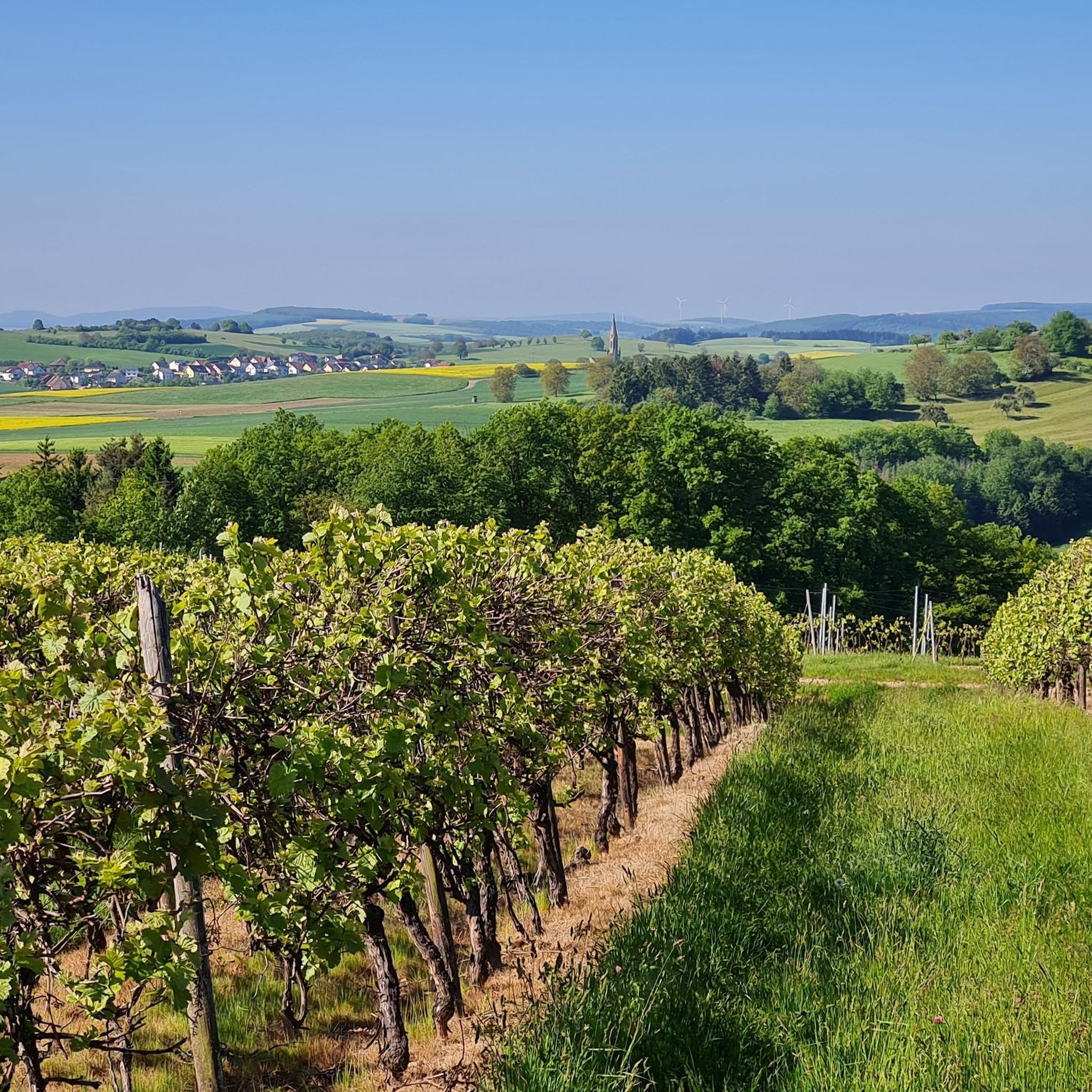
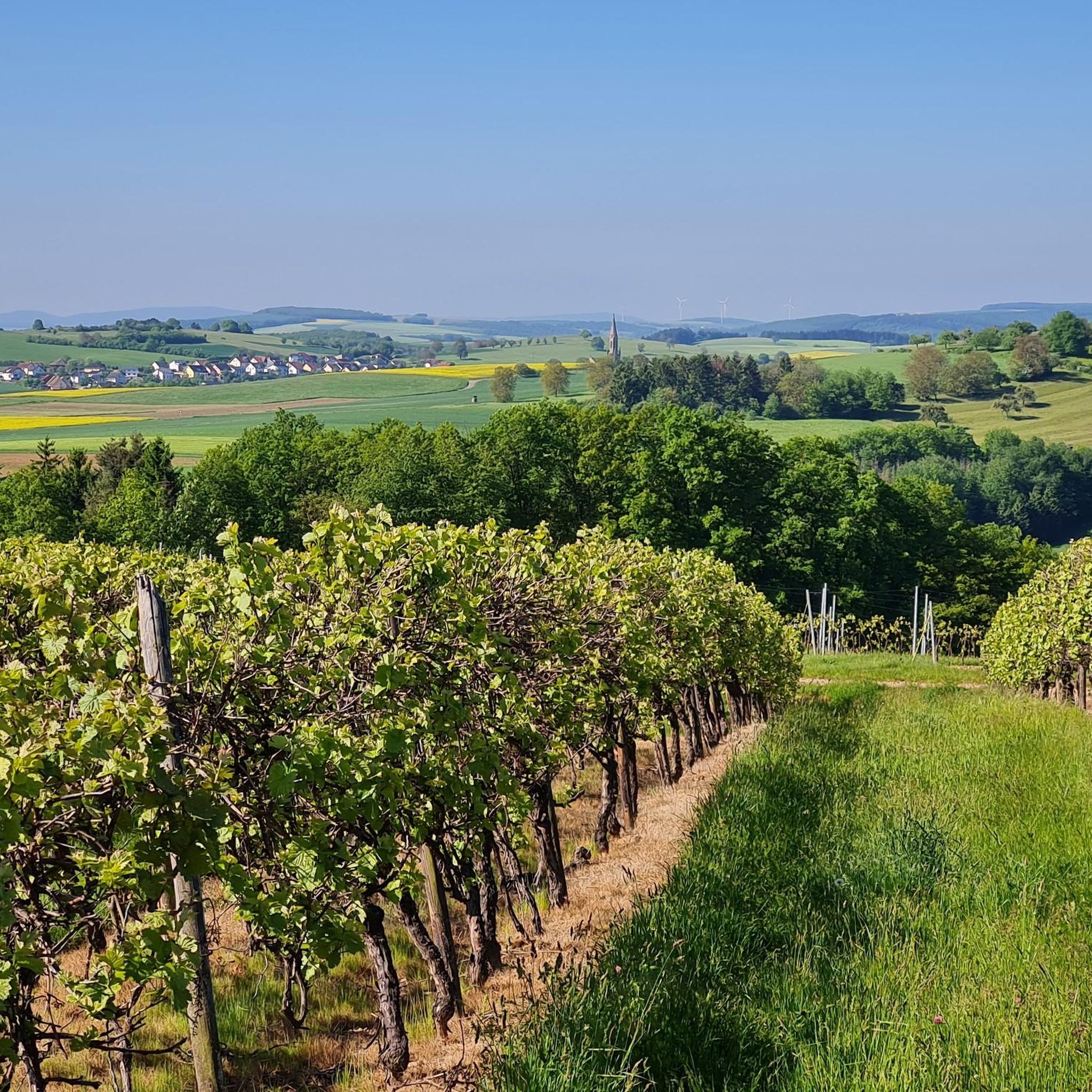
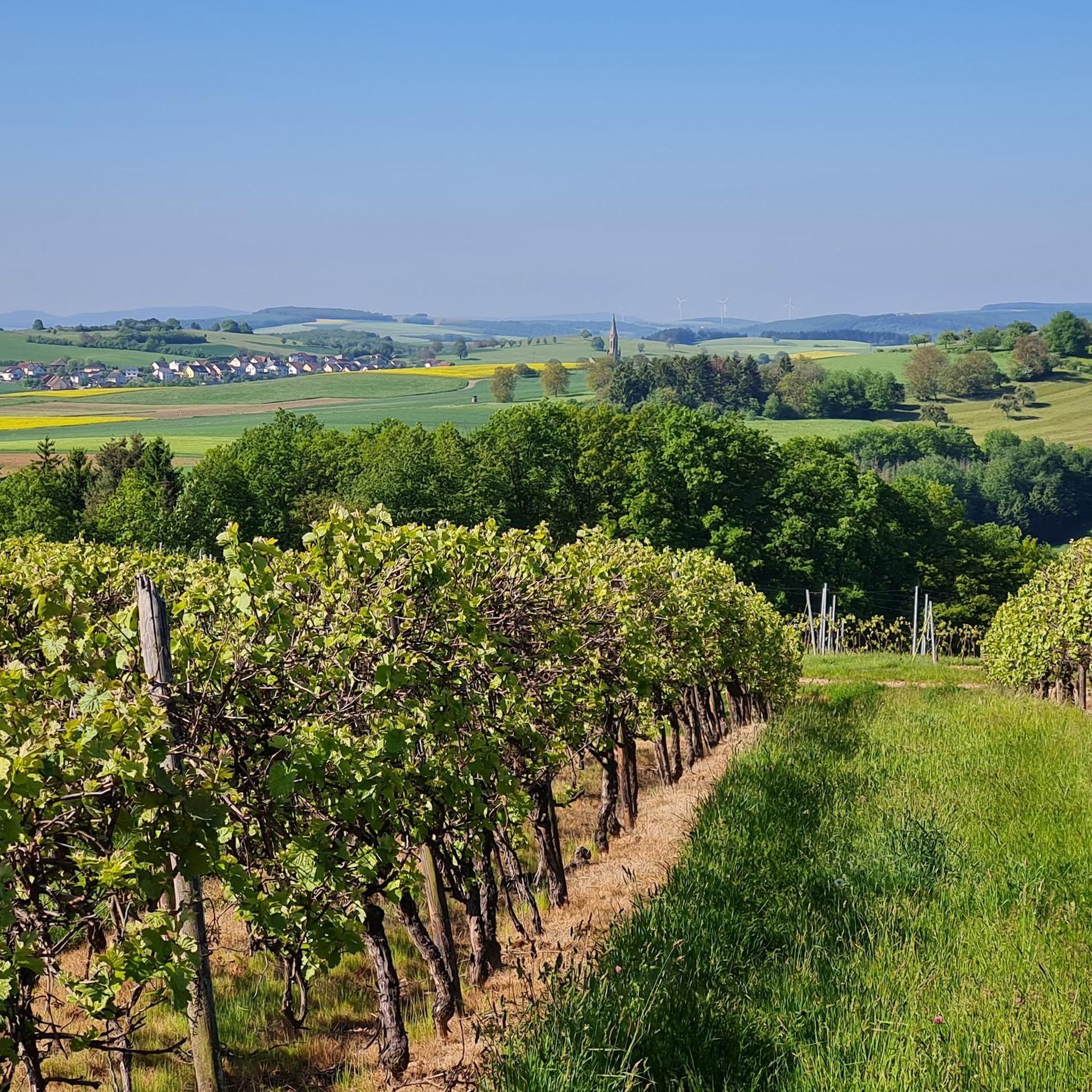
Tips from the Community

It's worth a visit here, an association is trying to maintain it and you can see that. Wonderful castle that I like very much
3
1

Impressive complex, embedded in a beautiful setting. Great hiking opportunities.
2
0

A visit to the Ebernburg is worthwhile. There is also a restaurant and a drinks vending machine.
2
0

View from the Ebernburg in the direction of Rheingrafenstein.
2
0

Castle complex with opportunities to rest and stay overnight. Beautiful views of the Rotenfels and the castles of Rheingrafenstein, Affenstein and Altenbaumburg.
3
0

Very nice ruin. Worth visiting the castle. We have linked the system with our tour on Lemberg.
4
0

The ascent pulls a bit in the calves, but it's definitely worth it. Beautiful castle ruins to discover, especially in the evening in the light of the setting sun. There is a viewing platform and even a long table with benches for a rest.
4
0

The Ebernburg above the Nahe valley is really worth seeing. Great distant view to the ruins of Rheingrafenstein and Altenbaumburg. Today it houses a conference center of the Protestant church.
6
0
Frequently Asked Questions
Which castles offer the best panoramic views in the Sponheim region?
For breathtaking vistas, visit Rheingrafenstein Castle Ruins, which provides a magnificent view down into the Huttental and Nahe Valley. Another excellent spot is Altenbaumburg Castle Ruins, known for its great views and hospitality. Kauzenburg Castle, though largely rebuilt, also offers spectacular panoramic views of Bad Kreuznach.
Are there any family-friendly castles to visit around Sponheim?
Yes, Montfort Castle Ruins is noted as family-friendly. It's a spur castle ruin located in a forest, free to visit, and offers an engaging glimpse into medieval defensive structures that can be explored by all ages.
What historical castles are directly associated with the Counts of Sponheim?
The ancestral seat of the Counts of Sponheim was Sponheim Castle in Burgsponheim, a medieval ruin with significant portions still standing. Kauzenburg Castle overlooking Bad Kreuznach was also built by the Counts of Sponheim in the early 13th century. The village of Herrstein grew around a castle belonging to the Counts, serving as an important administrative center.
Can I combine a castle visit with outdoor activities like hiking?
Absolutely! Many castles in the region are situated amidst scenic landscapes, perfect for hiking. For instance, Sponheim Castle connects to hiking and cycling trails. The area around Altenbaumburg Castle Ruins is a great starting point for trails like the 'Eagle Owl Trail'. You can find various hiking routes around the region by exploring the Hiking around Sponheim guide.
Are there any castles where I can find food or refreshments?
Yes, Altenbaumburg Castle Ruins offers good hospitality and food. Additionally, Kauzenburg Castle in Bad Kreuznach operates as a restaurant and even hosts medieval banquets in its historical vaulted cellar, providing a unique dining experience.
What is the best time of year to visit the castles around Sponheim?
The spring and autumn months generally offer pleasant weather for exploring the castle ruins and surrounding trails, with comfortable temperatures and beautiful natural scenery. Summer can also be enjoyable, though it can be warmer. Winter visits are possible, but some facilities or trails might have limited access.
What kind of historical insights can I gain from visiting these castles?
Visiting these castles offers a tangible link to the medieval history of the region. You can explore defensive architecture, understand the strategic importance of their locations, and learn about the powerful Counts of Sponheim who shaped the area. Sites like Sponheim Castle and the village of Herrstein provide insights into ancestral residences and administrative centers of the time.
Are there opportunities for cycling near the castles?
Yes, the Sponheim region offers road cycling routes that pass by or near several castles. For example, you can find routes like 'Rotenfels Cliffs – View of Ebernburg Castle loop' or 'Herrenhof near Boos – View of the Nahe Valley loop'. More details can be found in the Road Cycling Routes around Sponheim guide.
Which castle is considered the ancestral home of the Counts of Sponheim?
Sponheim Castle, located in Burgsponheim, was the original residence and ancestral seat of the Counts of Sponheim from the 12th century. It is a key site for understanding the family's origins and influence in the region.
What do visitors appreciate most about the castles in this area?
Visitors frequently praise the stunning panoramic views, the historical significance of the ruins, and the opportunity to combine castle exploration with outdoor activities like hiking. The well-preserved structures and the natural beauty of the surrounding landscapes, such as the Nahe Valley, are also highly appreciated.
Are there any castles that are free to visit?
Yes, Montfort Castle Ruins is free to visit. It's an accessible ruin located in a forest, offering a glimpse into medieval history without an entrance fee.
What other outdoor activities can I find near the castles?
Beyond hiking and road cycling, the region also offers running trails. You can explore various routes like the 'Sponheim Discovery Loop' or 'Heimberg Tower – View of the Nahe Valley loop'. Check out the Running Trails around Sponheim guide for more options.
Most popular routes around Sponheim
Most popular attractions around Sponheim

Get inspired with the komoot mobile app


Explore more
Looking for the best castles somewhere else? Discover other guides around Sponheim:
