The best walks and hikes in Lake Connewarre Wildlife Reserve
4.8
(5)
498
hikers
25
hikes
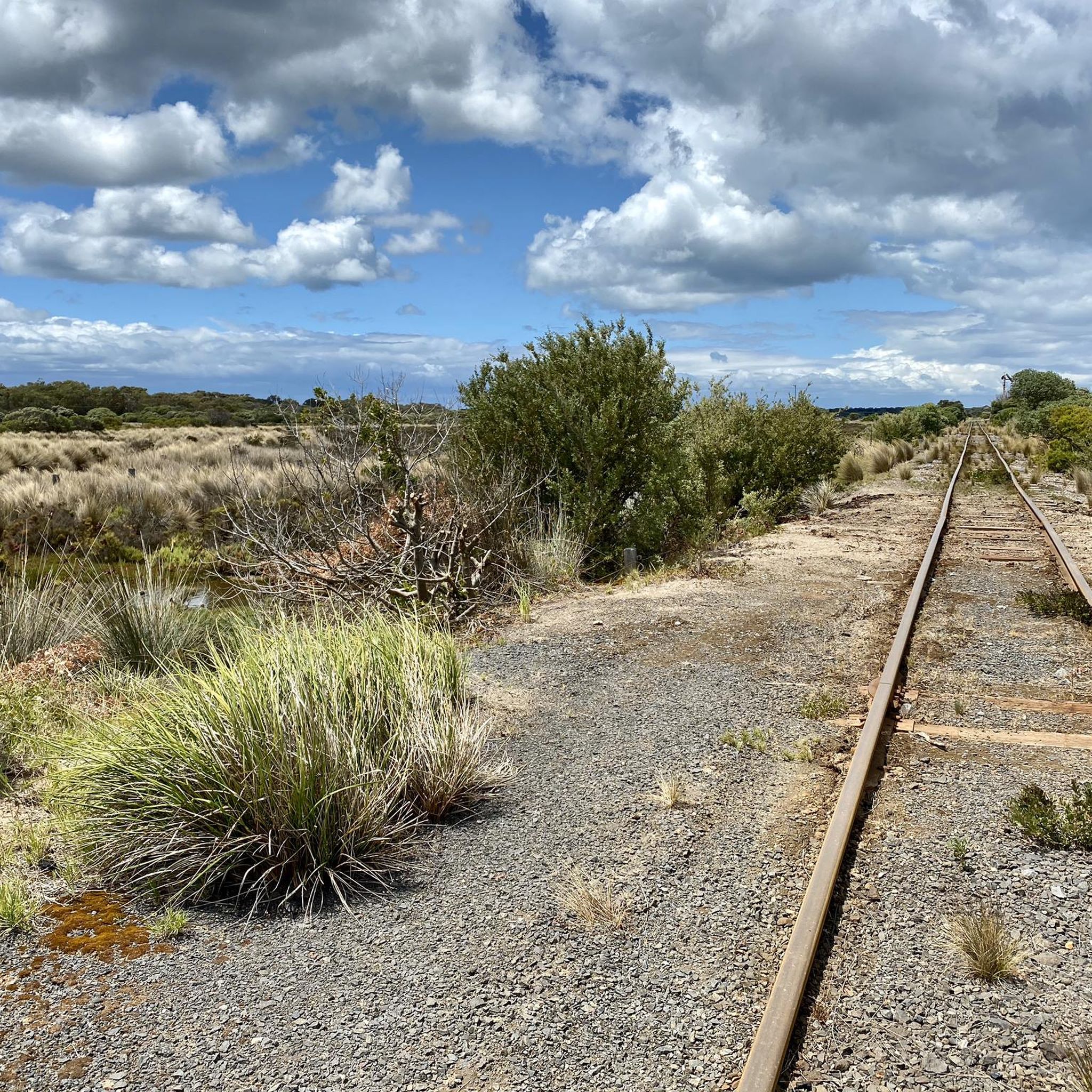
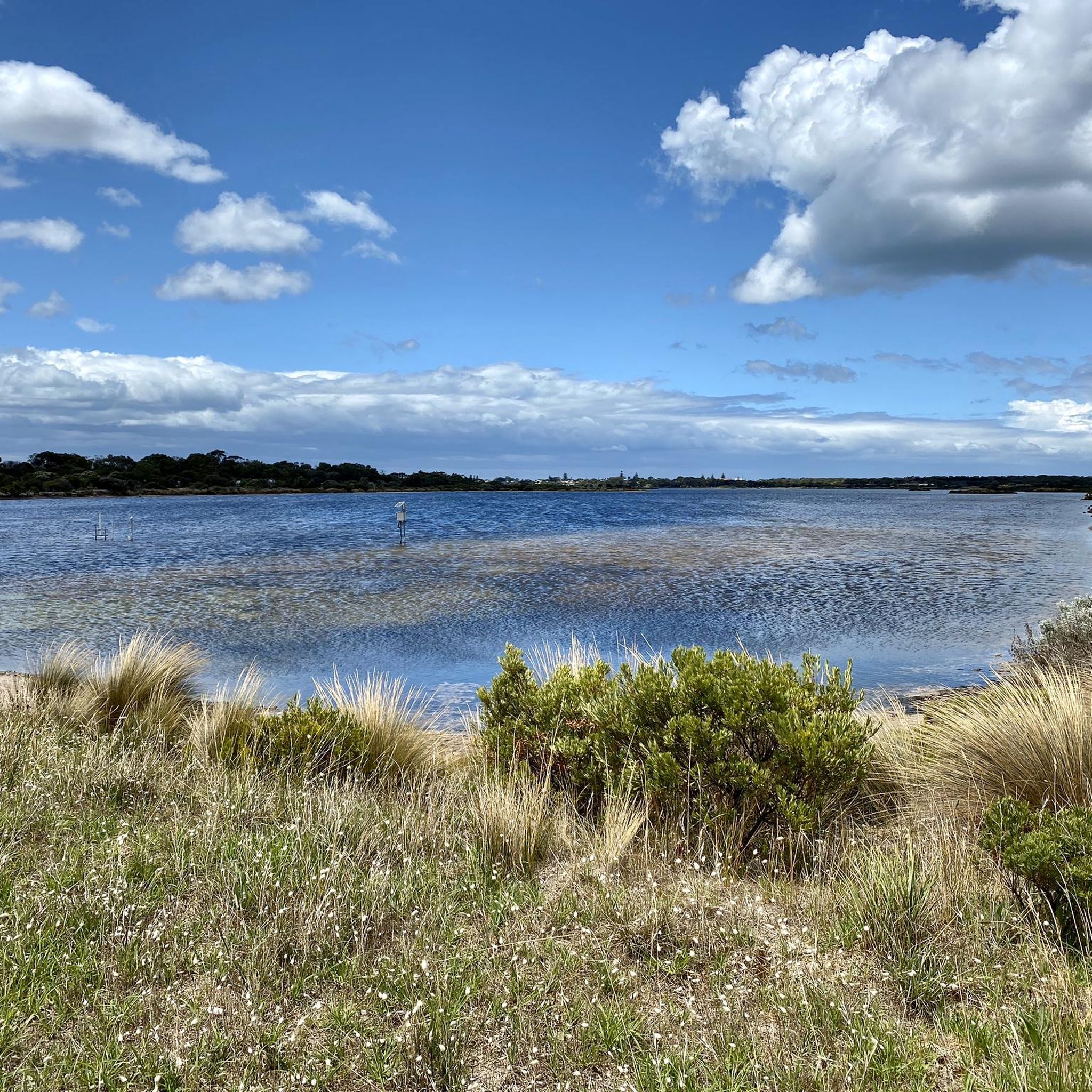
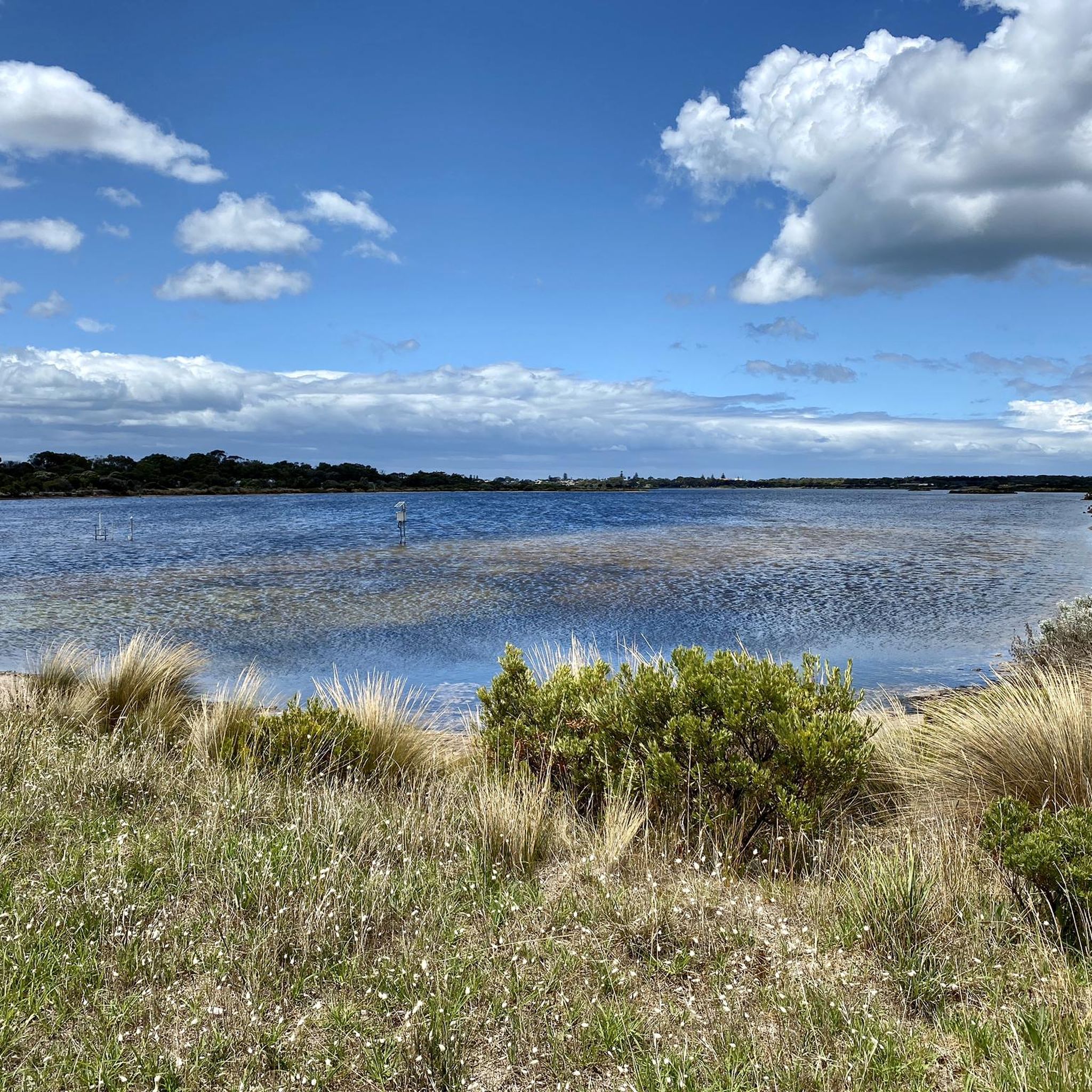
Hiking in Lake Connewarre Wildlife Reserve offers trails through a diverse landscape characterized by wetlands, coastal areas, and open plains. The reserve encompasses a significant estuarine lake system, providing habitats for various bird species and aquatic life. Trails often follow the lake's edge or nearby river systems, offering flat terrain and expansive views. This region is known for its ecological importance and provides accessible outdoor experiences.
Best hiking trails in Lake Connewarre Wildlife Reserve
- The most popular hiking route is…
Last updated: May 11, 2026
11
hikers
7.31km
01:53
30m
30m
Easy hike. Great for any fitness level. Easily-accessible paths. Suitable for all skill levels.
7
hikers
3.29km
00:51
20m
20m
Easy hike. Great for any fitness level. Easily-accessible paths. Suitable for all skill levels.

Sign up for free
14
hikers
8.86km
02:17
40m
40m
Moderate hike. Good fitness required. Easily-accessible paths. Suitable for all skill levels.
10
hikers
9.95km
02:31
20m
20m
Moderate hike. Good fitness required. Easily-accessible paths. Suitable for all skill levels.
5.0
(1)
47
hikers
5.37km
01:23
20m
20m
Easy hike. Great for any fitness level. Easily-accessible paths. Suitable for all skill levels.
Get access to more routes and recommendations from other explorers.
Sign up for free
Already have an account?
Our route recommendations are based on thousands of hikes, rides, and runs completed by other people on komoot.
Start today with a free account
Your next adventure awaits.
Login or Signup
Tips from the Community

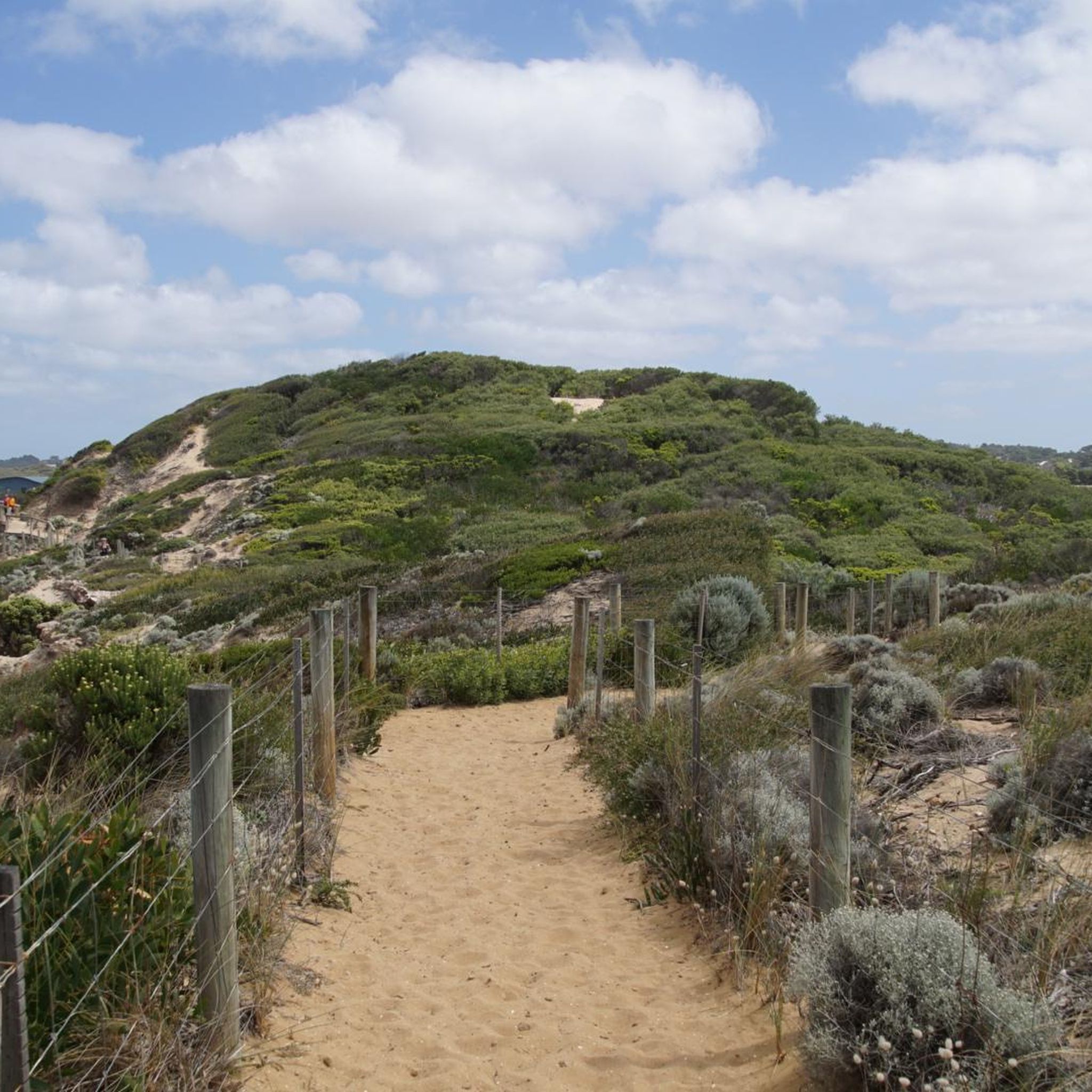
Barwon Heads Bluff is a prominent coastal headland overlooking the confluence of the Barwon River and Bass Strait, offering beautiful sweeping views of the ocean, river, and surrounding coastline. This area is part of the Barwon Bluff Marine Sanctuary, where rock platforms and reefs support diverse marine life that are exposed at low tide for exploration. The walking tracks around the bluff offer fantastic panoramic views, and if you’re here during the right time of year (May to July and September to November), you’ll have a chance to spot migrating whales offshore.
0
0
Barwon River flows through Victoria to meet the sea at Barwon Heads, forming a wide estuary that separates Ocean Grove from its neighbouring town. It’s calm, tidal waters are ideal for canoeing, boating, fishing, and paddleboarding, with plenty of shady spots along the foreshore. The river connects inland wetlands and Lake Connewarre to the coast, creating an important ecological waterway and a popular local recreation spot.
0
0
Ocean Grove Beach is a long and wide stretch of sandy coastline that extends roughly two kilometres along the Bellarine Peninsula, backed by rolling dunes. This beach is a popular destination for surfers due to its moderate waves and seasonal lifeguard patrols, with ample parking access and plenty of picnic areas. With less wave energy than the surrounding exposed coasts, this beach is ideal for swimming, surfing, and walking, making it a fantastic family-friendly choice, especially in the summer.
0
0

Bridge for pedestrians and cyclists
0
0
Frequently Asked Questions
How many hiking trails are available in Lake Connewarre Wildlife Reserve?
There are over 25 hiking routes in Lake Connewarre Wildlife Reserve. The majority of these, 21 trails, are classified as easy, while 5 are moderate. There are no difficult trails, making the area accessible for various fitness levels.
Are there easy hiking trails suitable for beginners or families?
Yes, Lake Connewarre Wildlife Reserve is an excellent destination for easy hikes. With 21 routes classified as easy, many trails offer flat terrain and accessible paths, perfect for beginners, families, or those seeking a relaxed walk. An example is the Barwon Bluff Marine Sanctuary loop from Barwon Heads, which is an easy 2.0 miles (3.3 km) path offering coastal scenery.
Are dogs allowed on the hiking trails in Lake Connewarre Wildlife Reserve?
As a wildlife reserve, regulations regarding dogs can vary. Generally, dogs are not permitted in sensitive wildlife areas to protect native species. It is advisable to check the specific rules for each trail or contact Parks Victoria for the most current information regarding dog access within Lake Connewarre Wildlife Reserve.
What is the best time of year to go hiking in Lake Connewarre Wildlife Reserve?
The best time to hike in Lake Connewarre Wildlife Reserve is typically during spring (September to November) and autumn (March to May). These seasons offer milder temperatures, making for more comfortable walking conditions. Spring also brings vibrant wildflowers and increased bird activity, while autumn provides pleasant weather before the summer heat or winter chill.
Are there any circular hiking routes in the reserve?
Yes, many of the trails in Lake Connewarre Wildlife Reserve are circular routes, offering varied scenery without retracing your steps. For instance, the John M. MacIntyre Bridge loop from Breakwater is a moderate 6.2 miles (9.9 km) trail that takes you through riverside landscapes.
What kind of wildlife can I expect to see while hiking?
Lake Connewarre Wildlife Reserve is renowned for its birdlife, being a significant estuarine lake system. Hikers can often spot a wide array of waterbirds, including swans, pelicans, and various migratory species. Keep an eye out for kangaroos, wallabies, and other native animals in the surrounding plains and bushland, especially during dawn and dusk.
Are there good viewpoints or scenic spots along the trails?
Yes, the trails often follow the lake's edge or nearby river systems, providing expansive views across the wetlands and water. The coastal sections, such as those near Barwon Bluff, offer scenic vistas of the marine sanctuary and coastline. These areas are ideal for photography and enjoying the natural beauty of the reserve.
Is there parking available at the trailheads?
Parking is generally available at various access points around Lake Connewarre Wildlife Reserve, particularly near popular trailheads and picnic areas. Specific parking details can often be found on individual route descriptions on komoot or local signage at the reserve entrances.
What should I wear for hiking in Lake Connewarre Wildlife Reserve?
Given the flat terrain and open nature of many trails, comfortable walking shoes are essential. Layered clothing is recommended as weather conditions can change, especially near the coast. Sun protection, including a hat, sunglasses, and sunscreen, is crucial due to the open plains and potential for strong sun exposure. Bringing water is also highly advisable.
Are there picnic areas or facilities within the reserve?
Yes, there are designated picnic areas around Lake Connewarre Wildlife Reserve, offering spots to relax and enjoy the natural surroundings. These areas often have basic facilities, but it's always a good idea to bring your own supplies and pack out any rubbish to help preserve the reserve's pristine environment.
Can I access the trails using public transport?
While some areas bordering Lake Connewarre Wildlife Reserve may be accessible by public transport, direct access to many trailheads within the reserve can be limited. It is recommended to check local bus routes and schedules for services to nearby towns like Barwon Heads or Ocean Grove, and plan for a short taxi or ride-share to reach specific starting points if needed.
What is the average difficulty of hikes in the reserve?
The majority of hikes in Lake Connewarre Wildlife Reserve are classified as easy, with 21 out of 26 routes falling into this category. The remaining 5 routes are moderate, and there are no difficult trails. This makes the reserve particularly suitable for casual walkers and those looking for less strenuous outdoor activities.
Most popular routes in Lake Connewarre Wildlife Reserve

Get inspired with the komoot mobile app


Explore more
Browse the best Hikes in other regions.
