Top 12 Castles around Selchenbach
Best castles around Selchenbach are found in the surrounding region of Rhineland-Palatinate, a small municipality known for its hiking opportunities. While Selchenbach itself does not feature castles, the nearby area offers several historical fortifications. The landscape is characterized by rolling hills and forests, providing a scenic backdrop for these ancient structures. This region combines natural exploration with rich historical sites.
Best castles around Selchenbach
- The most popular castles is Lichtenberg Castle, a castle that is one of the longest…
Last updated: June 24, 2026
Lichtenberg Castle
Highlight • Castle
Translated by Google •
Tip by

Michelsburg Ruins at Remigiusberg
Highlight • Castle
Translated by Google •
Tip by

Sign up now to discover places like this
Get recommendations on the best single tracks, peaks, & plenty of other exciting outdoor places.
Sign up for free
Steep trail descent from Lichtenberg Castle
Highlight (Segment) • Trail
Translated by Google •
Tip by

Forest Path to Lichtenberg Castle
Highlight • Trail
Translated by Google •
Tip by

Liebenburg Castle Ruins and Tower
Highlight • Castle
Translated by Google •
Tip by

Sign up for free to discover even more castles around Selchenbach.
Sign up for free
Already have an account?
Start today with a free account
Your next adventure awaits.
Login or Signup

Tips from the Community

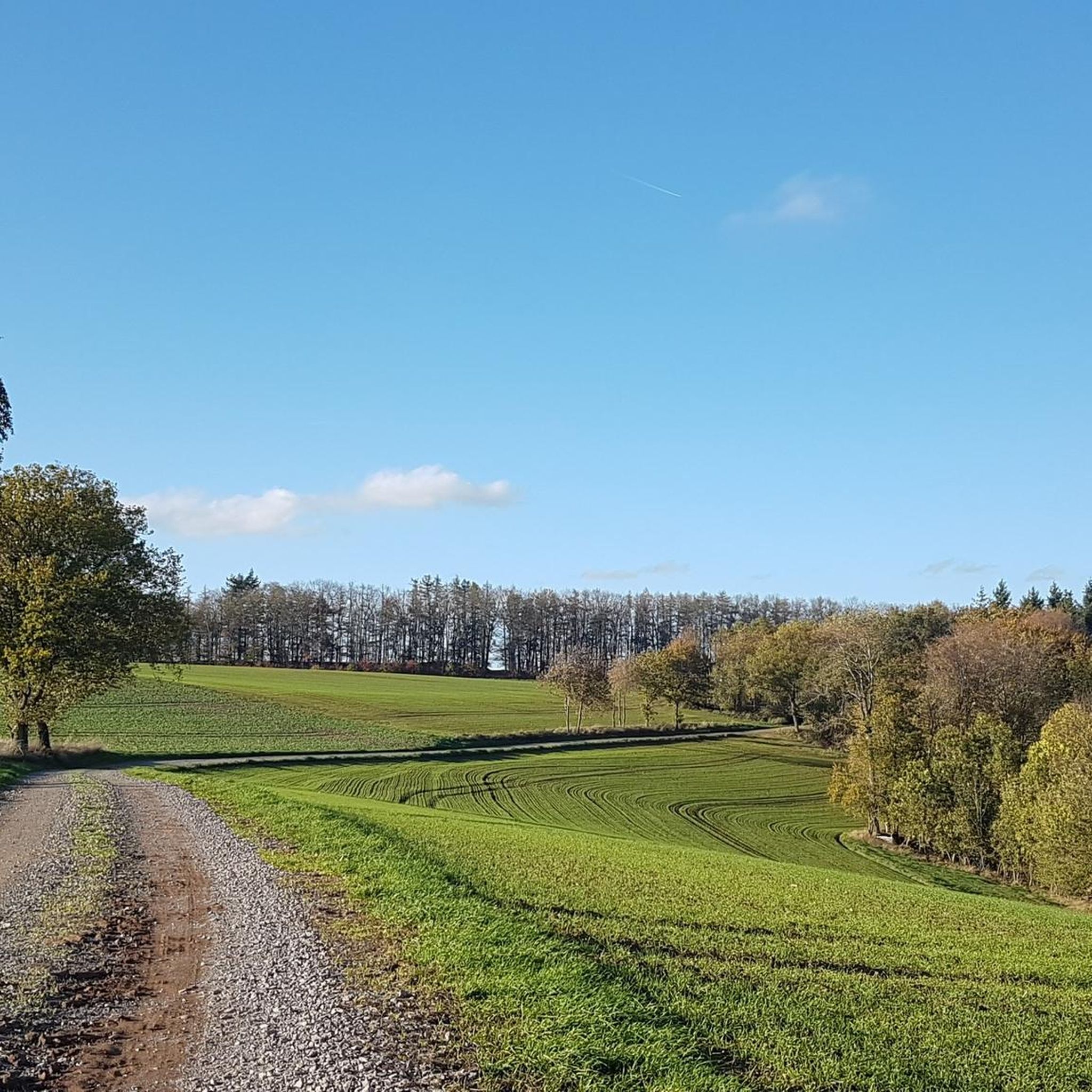
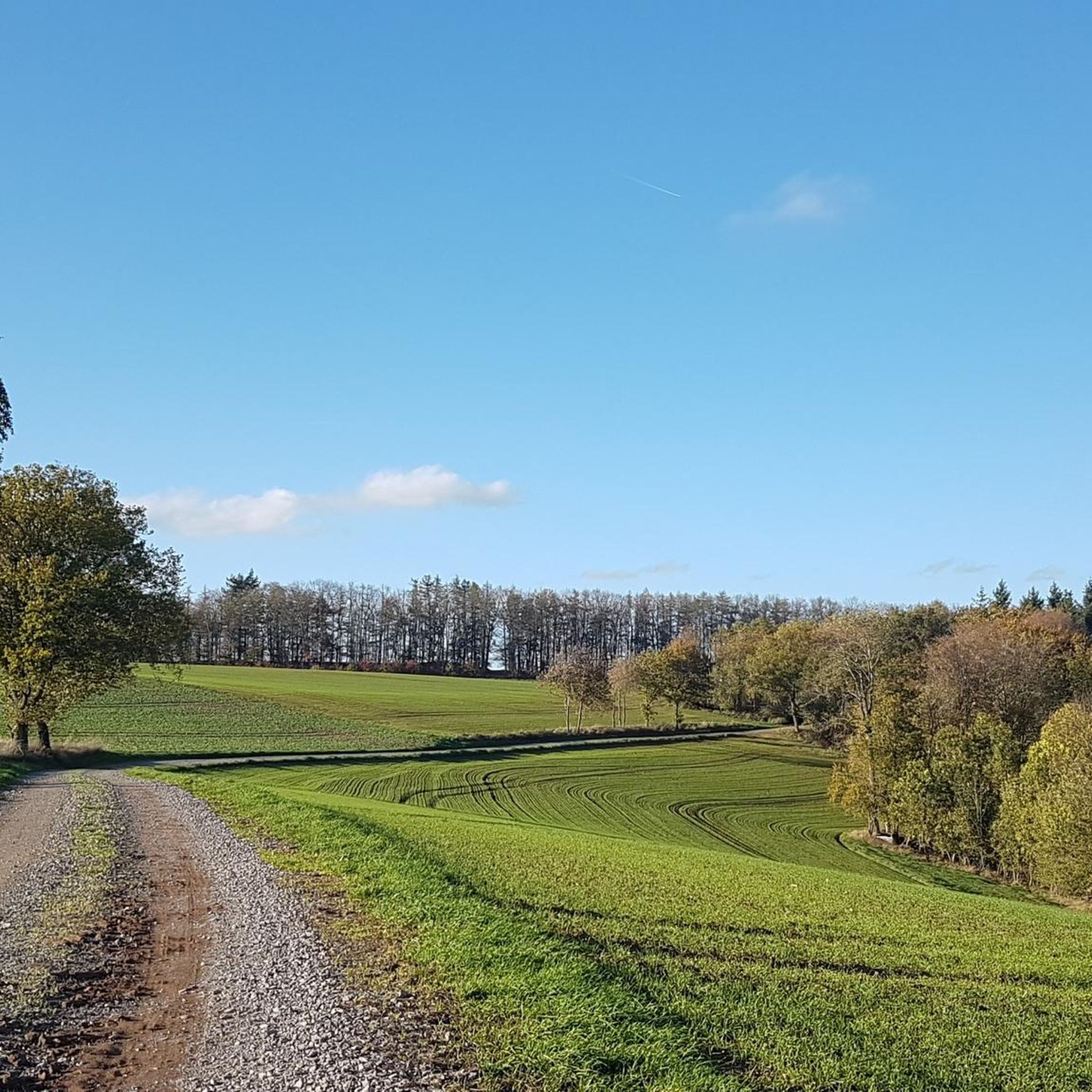
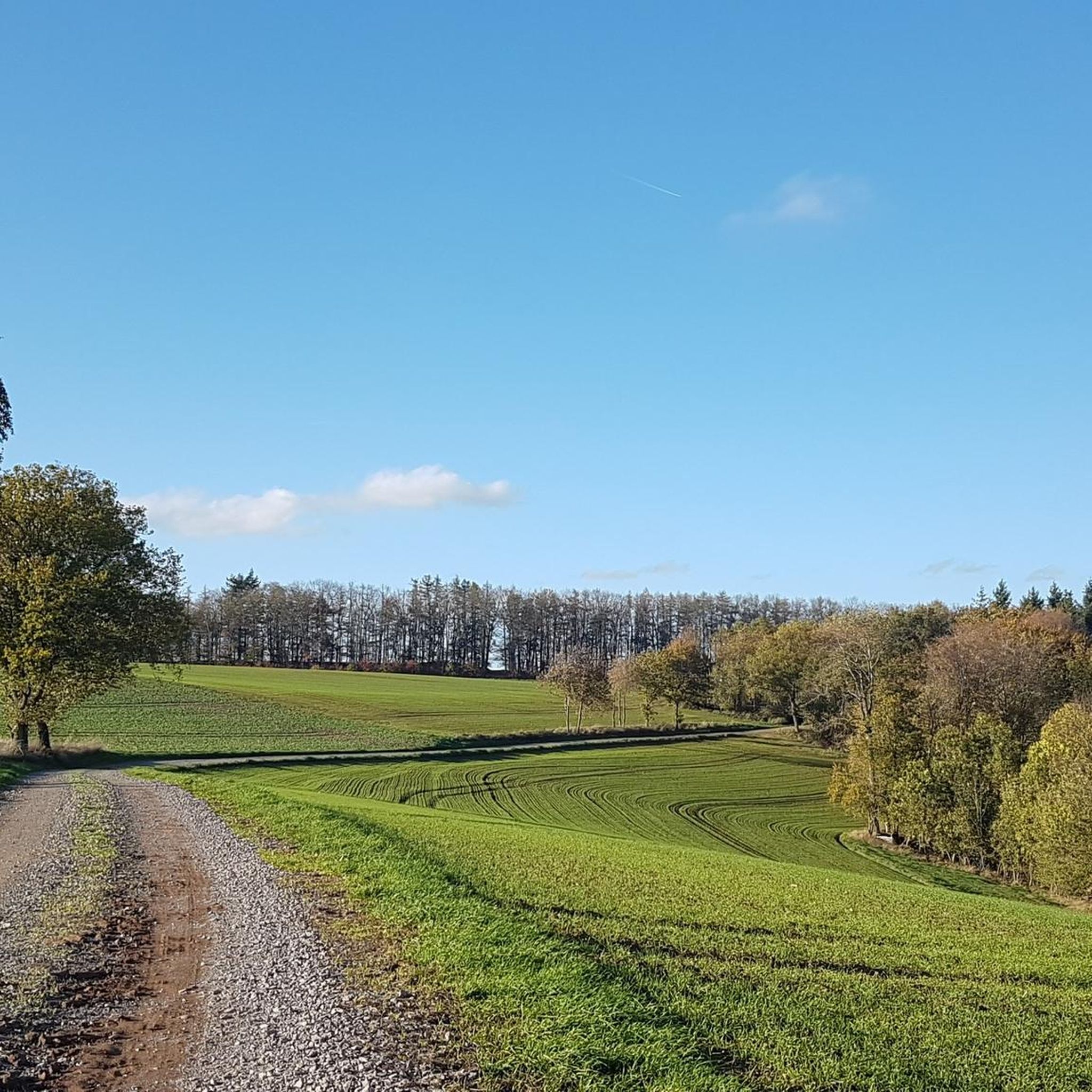
A very steep path on Burg Lichtenberg.
0
0

A quiet, gently ascending forest path leads from Ruthweiler up to the imposing Lichtenberg Castle – one of the largest castle ruins in Germany. The path is easy to walk, shady, and offers frequent views of the valley. Tip: Go early in the morning – then the path is almost deserted, the air is fresh, and the castle looks particularly impressive in the first light. Ideal as an introduction to castle exploration or for nature lovers with a sense of history.
0
0
The Counts of Veldenz once reigned supreme over the land here – today, the mighty remains of the walls bear witness to a turbulent past. The Michelsburg Castle was built in the 13th century and later destroyed by French troops. 📌 Tip: Through the narrow window in the main wall, you can gaze directly into the expanse of the West Palatinate – a quiet moment with great symbolic significance. If you like, take a seat on the bench in front and simply let the history take effect.
0
1
This lovingly designed overview panel impressively demonstrates how the Remigiusberg developed from an important monastery and castle site into the cultural landscape it is today. Only a ruin of the Michelsburg remains – but the historical spirit of the place remains. 📌 Tip: If you take a moment to read the panel carefully, you'll gain a historical perspective on the entire area in just a few glances. Ideal for a thoughtful break before visiting the church or stopping at a restaurant.
0
1
From the castle you have a beautiful view of the Glan valley.
1
0

The Michelsburg Castle and the neighboring former provost church of St. Remigius on the Remigiusberg near Haschbach, in the center of the Glan Valley, are the historical heart of the Remigiusland region. The first documented mention of an illegally built hilltop castle dates back to 1127, when Benedictine monks purchased it from a knight named Adelbert. The monks used the stones of the former castle to build the Benedictine provost church of St. Remigi, the remnant of which is the Remigius Church. Count Henry II of Zweibrücken built a second castle out of wood in 1260 – during the inheritance disputes of the counts of Veldenz – after the first male line of counts of Veldenz had died out in 1259. This castle was later expanded and furnished with stone, and a chapel (dedicated to St. Michael) was built inside. In 1543, Count Palatine Rupert of Veldenz made the castle his secondary residence and had a princely crypt built in the provost church. Little is known about what happened to the castle in later centuries, but it was reportedly still intact in 1708 and changed hands several times. In 1868, it came into the possession of the St. Remigiusberg Catholic Church Foundation. Today, the 20-meter-high shield wall, remnants of the palace, the ring wall, and the moat are preserved.
4
0
The Michelsburg Castle and the neighboring former provost church of St. Remigius on the Remigiusberg near Haschbach, in the center of the Glan Valley, are the historical heart of the Remigiusland region. The first documented mention of an illegally built hilltop castle dates back to 1127, when Benedictine monks purchased it from a knight named Adelbert. The monks used the stones of the former castle to build the Benedictine provost church of St. Remigi, the remnant of which is the Remigius Church. Count Henry II of Zweibrücken built a second castle out of wood in 1260 – during the inheritance disputes of the counts of Veldenz – after the first male line of counts of Veldenz had died out in 1259. Later, this castle was expanded and furnished with stone, and a chapel (dedicated to St. Michael) was built inside. In 1543, Count Palatine Rupert of Veldenz made the castle his secondary residence and had a princely crypt built in the provost church. Little is known about what happened to the castle in later centuries, but it was reportedly still intact in 1708 and changed hands several times. In 1868, it came into the possession of the St. Remigiusberg Catholic Church Foundation. Today, the 20-meter-high shield wall, remnants of the palace, the ring wall, and the moat are preserved.
5
1
Very steep descent from the castle to the Fritz Wunderlich cycle path.
0
0
Frequently Asked Questions
What are the main historical castles to explore near Selchenbach?
While Selchenbach itself doesn't have castles, the surrounding region offers several significant historical sites. You can visit Lichtenberg Castle, one of Germany's longest castle ruins with a rich history and museums. Another important site is Michelsburg Ruins at Remigiusberg, which represents the historical heart of the Remigiusland region with remnants from the 12th century. Also, explore Liebenburg Castle Ruins and Tower, known for its historical significance and excavated medieval finds.
Which castles near Selchenbach offer the best scenic views?
For breathtaking vistas, Lichtenberg Castle provides fantastic views over the Palatinate mountains from its keep. The Michelsburg Ruins at Remigiusberg offer great views of the rolling hills and forests of the area. Additionally, the walkable tower at Liebenburg Castle Ruins and Tower provides a unique all-round view of the St. Wendel Land.
Are there family-friendly castles to visit near Selchenbach?
Yes, Lichtenberg Castle is particularly family-friendly. It features a youth hostel, a restaurant, and three museums within its well-preserved complex, offering plenty to explore for all ages.
What kind of outdoor activities can I do near these castles?
The region around Selchenbach and its castles is excellent for outdoor activities. You can find numerous hiking and biking trails. For example, there are MTB trails like the 'Former Steinberg Quarry Pond – Lichtenberg Castle loop' or gravel biking routes such as the 'Old Railway Bridge – Former Glantal Railway Route loop'. You can explore more options on the MTB Trails around Selchenbach guide, the Gravel biking around Selchenbach guide, or the Running Trails around Selchenbach guide.
Are there hiking trails directly connected to the castles?
Yes, there are trails that lead to and around the castles. For instance, you can find a Forest Path to Lichtenberg Castle, which is a quiet, gently ascending route from Ruthweiler. There's also a Steep trail descent from Lichtenberg Castle for those seeking a more challenging experience.
What is the best time of year to visit the castles near Selchenbach?
The castles are generally enjoyable year-round. Spring and autumn offer pleasant temperatures for exploring the ruins and surrounding trails. Summer provides longer daylight hours for extended visits. Even in winter, the historical sites can be atmospheric, though some facilities or trails might have limited access depending on weather conditions.
Are there places to eat or stay near the castles?
Yes, Lichtenberg Castle itself hosts a restaurant and a youth hostel, making it convenient for visitors. The nearby village of Thallichtenberg also offers accommodation and dining options. For Michelsburg, you can find cafes, pubs, and accommodation in Haschbach am Remigiusberg.
What do visitors enjoy most about the castles in this region?
Visitors frequently praise the historical significance and the well-preserved nature of the castle complexes. The panoramic views from the keeps and towers are also a major highlight. The combination of exploring ancient ruins with the opportunity for hiking and enjoying the natural landscape is highly appreciated by the komoot community, with over 500 upvotes and 800 photos shared.
Is there parking available at the castles?
Parking is generally available at or near the main castle sites like Lichtenberg Castle. For more remote ruins like Michelsburg Ruins at Remigiusberg or Liebenburg Castle Ruins and Tower, parking might be in nearby villages or designated trailheads, requiring a short walk to the site.
Are any of the castles near Selchenbach considered 'hidden gems' or less crowded?
While Lichtenberg Castle is popular, its extensive grounds can accommodate many visitors without feeling overly crowded. For a potentially quieter experience, the Michelsburg Ruins at Remigiusberg and Liebenburg Castle Ruins and Tower offer significant historical interest in a more natural, less commercialized setting, making them good choices for those seeking a tranquil exploration.
Can I visit the castles with my dog?
Many outdoor trails and castle ruins in the region are dog-friendly, especially if your dog is on a leash. For specific castle interiors or museums, it's best to check their individual policies. The surrounding hiking trails, such as those leading to Lichtenberg Castle, are generally suitable for walks with dogs.
Most popular routes around Selchenbach
Most popular attractions around Selchenbach

Get inspired with the komoot mobile app


Explore more
Looking for the best castles somewhere else? Discover other guides around Selchenbach:
