Top 6 Castles around Rülzheim
Best castles around Rülzheim are situated in the Rhineland-Palatinate region, characterized by its historical significance and varied natural landscapes. The area offers a selection of 6 castles, ranging from well-preserved medieval structures to extensive ruins. These sites provide insight into centuries of regional history and architectural development. The surrounding terrain includes forests and river valleys, suitable for exploration.
Best castles around Rülzheim
- The most popular castles is Ludwig Gate, a historical site that served as one of the two…
Last updated: June 29, 2026
Ludwig Gate
Highlight • Historical Site
Translated by Google •
Tip by

Weißenburger Gate, Germersheim
Highlight • Monument
Translated by Google •
Tip by

Sign up now to discover places like this
Get recommendations on the best single tracks, peaks, & plenty of other exciting outdoor places.
Sign up for free
Carnot's Wall, Germersheim
Highlight • Monument
Translated by Google •
Tip by

Fronte Beckers, Fortress Germersheim
Highlight • Historical Site
Translated by Google •
Tip by

Affelderle Motte
Highlight • Historical Site
Translated by Google •
Tip by
Sign up for free to discover even more castles around Rülzheim.
Sign up for free
Already have an account?
Start today with a free account
Your next adventure awaits.
Login or Signup
Tips from the Community

The Carnot Wall connected the arsenal with the provision office, it ran behind the rampart. It was named after the French fortress engineer Carnot.
1
0
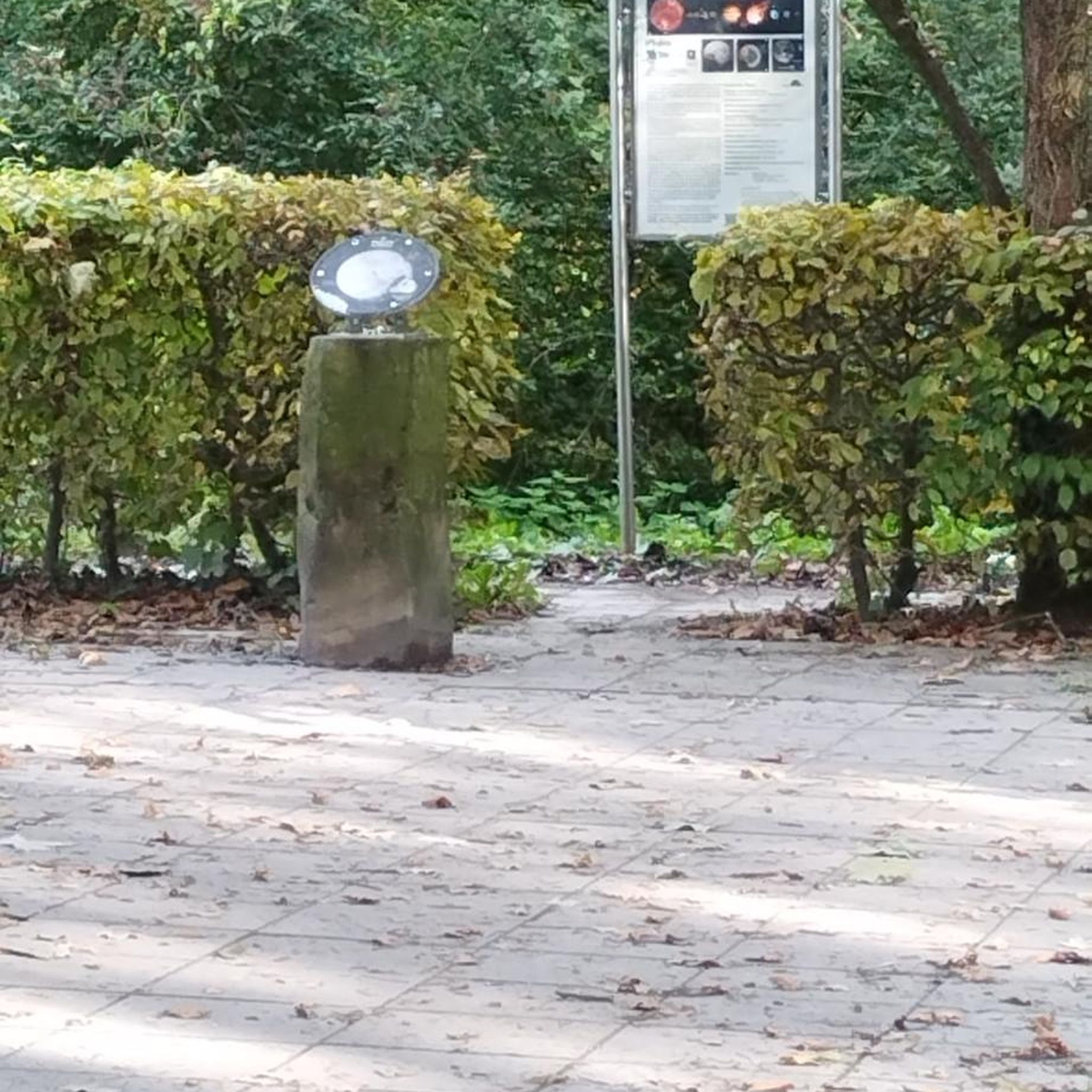
Today, not much is known about the building named „Affelderle“ – derived from the Middle High German word „Affalter“ for apple tree. It is a „lost castle“, a „Lost Place“, where there is not much left to see, and about which not much can be said with certainty anymore. It is said that the castle was once also called „Streitstein“ or „Schloss Streithberg“ (mentioned in 1574), it was probably built as early as the 10th century by the Weißenburg Abbey to defend the Rhine crossing Pfortz (Maximiliansau) – Knielingen and to protect against raids by Normans and Hungarians. The castle was originally built only of wood and earth; it was not until the 11th or 12th century that the stone construction is said to have been created: a motte-and-bailey castle with a strong ring wall and a drawbridge over the defensive moat. Such castles are known from French, where they are called „Motte“ („lump of earth“, „mound“). An early medieval castle type, built primarily of wood, whose main feature is an artificially created earth mound with a mostly tower-shaped building.
1
0

Work: Fronte Beckers Preserved section: 250 m wide section of the entire complex, around the moat defense Current use: Municipal youth center, as well as the Municipal Music School and Music Academy Germersheim; also a venue for various cultural events such as concerts etc.; hiking lodge of the Palatinate Forest Association. Source: https://de.wikipedia.org/wiki/Festung_Germersheim
0
0
Fronte Beckers This well-preserved part of the fortress, over 250 meters long, impressively illustrates the historical fortification system with its moat defense (horseshoe), the main rampart, the posterns and underground mine galleries. Today, the moat defense houses the municipal music school and the youth center. Source: https://www.germersheim-erleben.eu/Sehenswertes/
1
0
Carnot walls, such as the one in Germersheim, are named after the French fortification engineer Lazare Nicolas Marguerite Carnot. Source: https://de.wikipedia.org/wiki/Festung_Germersheim
2
0

The Germersheim Fortress was built during the reign of King Ludwig I. The foundation stone was laid on October 18, 1834. The fortress was built mostly from red bricks.
1
0

The Weissenburg Gate was built according to the plans of the Munich professor Friedrich von Gärtner in 1839 and was one of the two city gates. In addition to the tourism center (with ticket service) and the permanent exhibition on the history of the fortress, this is also the starting point for the exciting city and fortress tours as well as the enjoyable wine tastings.
6
0

Frequently Asked Questions
What types of castles and historical fortifications can I explore around Rülzheim?
The region around Rülzheim offers a diverse range of historical sites. You can find remarkably well-preserved medieval castles like Eltz Castle, extensive ruins such as Hardenburg Castle and Wachtenburg Castle, and even early medieval refuge structures like the Heidenlöcher. Within Rülzheim itself, you'll encounter significant fortifications like the Ludwig Gate and Fronte Beckers, Fortress Germersheim, which are parts of former city defenses.
Which castles offer the best panoramic views in the Rülzheim area?
For breathtaking panoramic views, Wachtenburg Castle, often called the 'balcony of the Palatinate,' is highly recommended. From its ruins, you can see across the Rhine Valley, and on clear days, even as far as the Black Forest. Hardenburg Castle also offers magnificent views from its defense tower.
Are there any family-friendly castles or historical sites suitable for children?
Yes, several sites are suitable for families. The Ludwig Gate and Fronte Beckers, Fortress Germersheim are both listed as family-friendly. Eltz Castle, with its 'fairytale' appearance and guided tours showcasing medieval artifacts, can also be a captivating experience for children. Exploring the expansive ruins of Hardenburg Castle provides plenty of space for kids to imagine and discover.
What outdoor activities can I combine with a visit to the castles?
The region is excellent for outdoor enthusiasts. Many castles, like Wachtenburg, are located on hiking trails such as the Pfälzer Weinsteig. You can find numerous hiking routes around Rülzheim, ranging from easy to moderate. For cyclists, there are also gravel biking routes that pass through scenic areas near historical sites.
Which castles are particularly interesting for history buffs?
History buffs will appreciate Eltz Castle for its untouched medieval architecture and continuous family ownership for over 850 years. Hardenburg Castle showcases the evolution from a medieval stronghold to a Renaissance residence. The Heidenlöcher offer a unique glimpse into very early medieval defensive structures from the 9th or 10th century. Within Rülzheim, the Ludwig Gate houses a city and fortress museum, providing deeper historical context.
What is the best time of year to visit the castles around Rülzheim?
Spring and autumn are generally ideal for visiting, offering pleasant temperatures for exploring ruins and hiking. The vibrant colors of autumn foliage, especially around Eltz Castle, are particularly beautiful. Summer can also be good, but it's advisable to visit earlier in the day to avoid the midday heat, especially when exploring exposed ruins.
Are there any less crowded castles to visit for a more tranquil experience?
While Eltz Castle is very popular, visiting during off-peak hours or weekdays can offer a more tranquil experience. The Heidenlöcher, being an older refuge ruin, typically sees fewer visitors than the more prominent castles, providing a quieter historical exploration. Affelderle Castle, now mostly a historical hill with an explanatory panel, also offers a peaceful, reflective visit.
Can I reach the castles using public transport?
While some castles are more easily accessible by car, public transport options exist for certain locations. For example, there are bus connections to the vicinity of Eltz Castle, followed by a walk. For specific details on reaching individual sites, it's best to check local transport schedules. Many of the sites are also integrated into hiking and cycling networks, making them accessible via active travel.
Are there cafes or restaurants near the castles?
Yes, several castles have amenities nearby. Wachtenburg Castle features a 'Burgschänke' (castle tavern) offering local Palatinate specialties. Eltz Castle also has restaurants and snack bars on site. For other sites, you might find cafes and restaurants in the nearest towns or villages, such as Bad Dürkheim near Hardenburg or Wachenheim near Wachtenburg.
How long should I plan for a visit to these castles?
The duration of your visit depends on the castle. For a comprehensive experience at Eltz Castle, including a guided tour, allow 2-3 hours. Exploring the extensive ruins of Hardenburg Castle could take 1.5-2 hours. Smaller sites like Wachtenburg or the Heidenlöcher might require 1-1.5 hours, especially if combined with a short walk or enjoying the views. For the fortifications within Germersheim, such as Ludwig Gate, an hour or less might suffice, depending on whether you visit the museum.
Are there any castles that are wheelchair accessible?
While many older castles and ruins present accessibility challenges due to their historical construction and terrain, some parts of the fortifications around Rülzheim may offer better access. The Reduit Building at Weißenburger Gate in Germersheim Fortress is listed as wheelchair accessible, providing an option for visitors with mobility needs.
Most popular routes around Rülzheim
Most popular attractions around Rülzheim

Get inspired with the komoot mobile app


Explore more
Looking for the best castles somewhere else? Discover other guides around Rülzheim:
