Top 15 Castles around Bann
Castles around Bann are primarily located in the Rhineland-Palatinate region of Germany, near Kaiserslautern. This area is characterized by historical castle ruins set within natural landscapes, often offering elevated viewpoints. The region's history includes significant medieval structures and events, such as the Palatinate War of Succession. Visitors can explore these historical sites, many of which are integrated into local nature reserves.
Best castles around Bann
- The most popular castles is Nanstein Castle, a castle that offers a great view of the city of Landstuhl. This site also provides gastronomy options for visitors.
- Another must-see spot is Ruins of Hohenecken Castle, a historical castle ruin. Parts of the castle date back to the 12th century, featuring a 25-meter-wide shield wall and a pentagonal keep.
- Visitors also love Ruins of Perlenburg Castle, a hilltop castle ruin located within a nature reserve. This castle from the Hohenstaufen era was likely never completed and offers a historical site within a natural setting.
- Bann is known for historical castle ruins and baroque palaces. The variety of castles to see and explore includes well-preserved ruins and sites now serving as research institutes.
- The castles around Bann are appreciated by the komoot community. The highlights in this guide have received more than 1400 upvotes and over 1800 photos.
Last updated: May 9, 2026
Nanstein Castle
Highlight • Castle
Translated by Google •
Tip by

Ruins of Hohenecken Castle
Highlight • Castle
Translated by Google •
Tip by

Sign up now to discover places like this
Get recommendations on the best single tracks, peaks, & plenty of other exciting outdoor places.
Sign up for free
Trippstadt Castle and Castle Garden
Highlight • Castle
Translated by Google •
Tip by

Wilenstein Castle
Highlight • Castle
Translated by Google •
Tip by

Ruins of Perlenburg Castle
Highlight • Castle
Translated by Google •
Tip by

Sign up for free to discover even more castles around Bann.
Sign up for free
Already have an account?
Start today with a free account
Your next adventure awaits.
Login or Signup

Tips from the Community


The castle and especially the castle garden are particularly worth seeing, for such a small village it is like a miracle that was created here. Many set up benches invite you to linger. Top address.
4
0

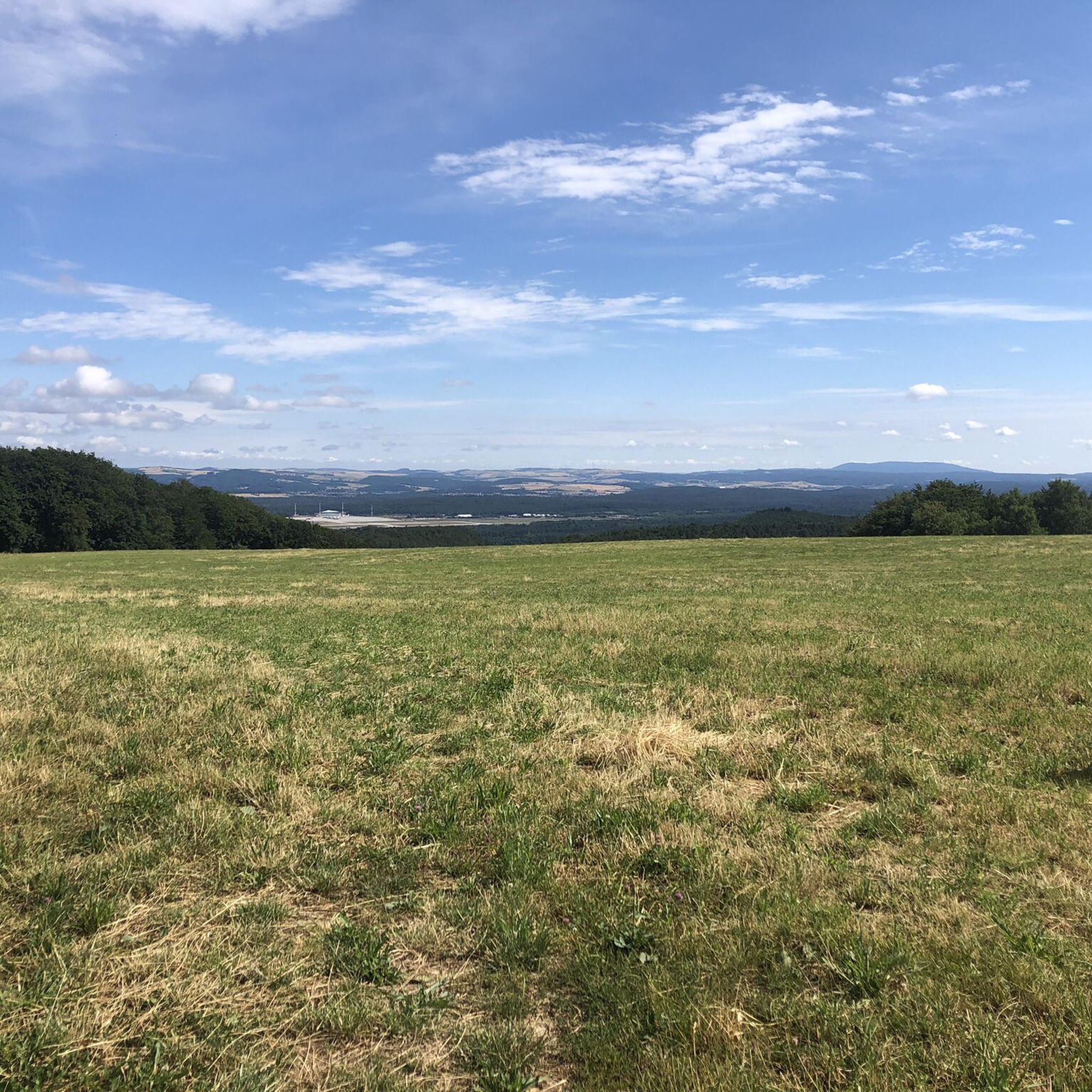
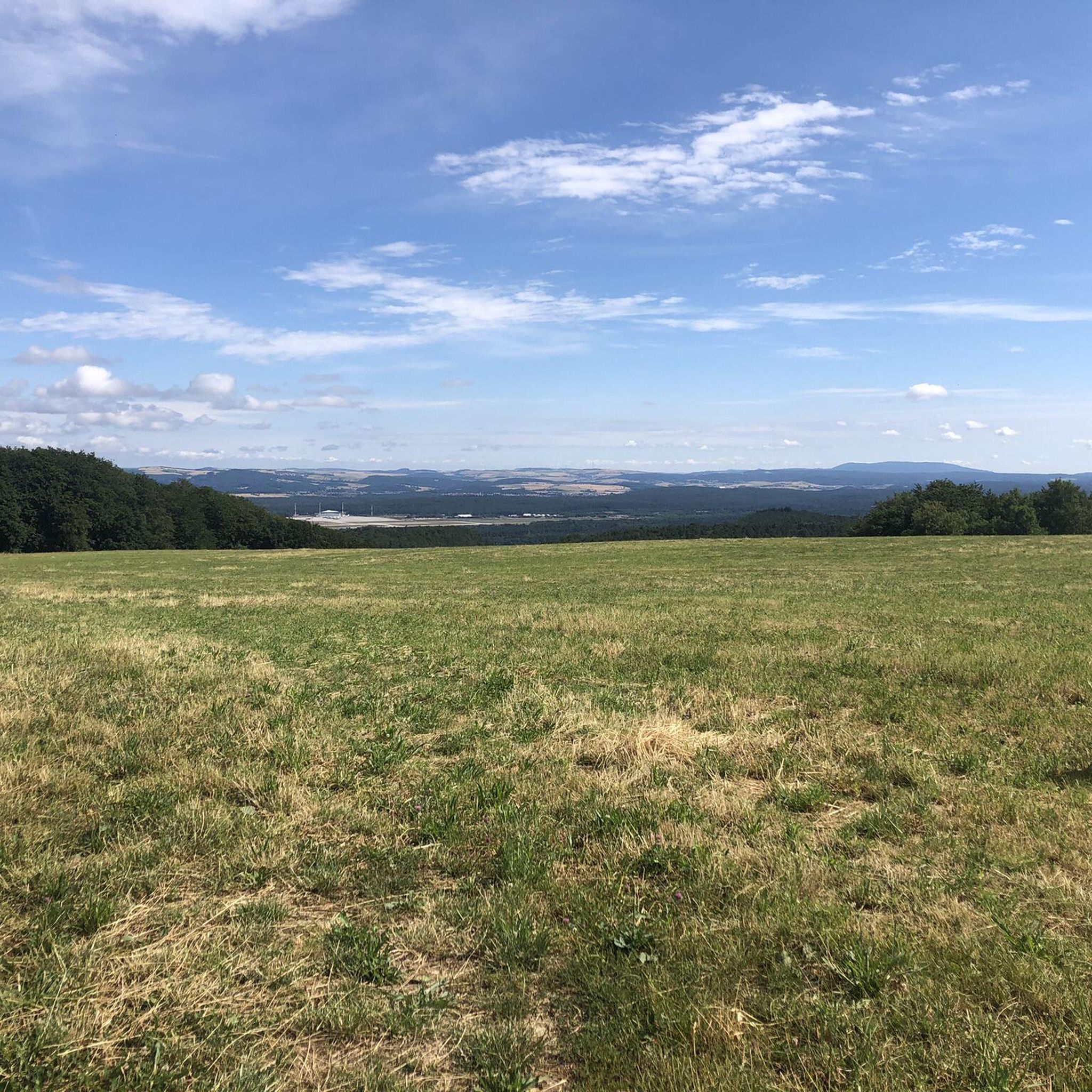
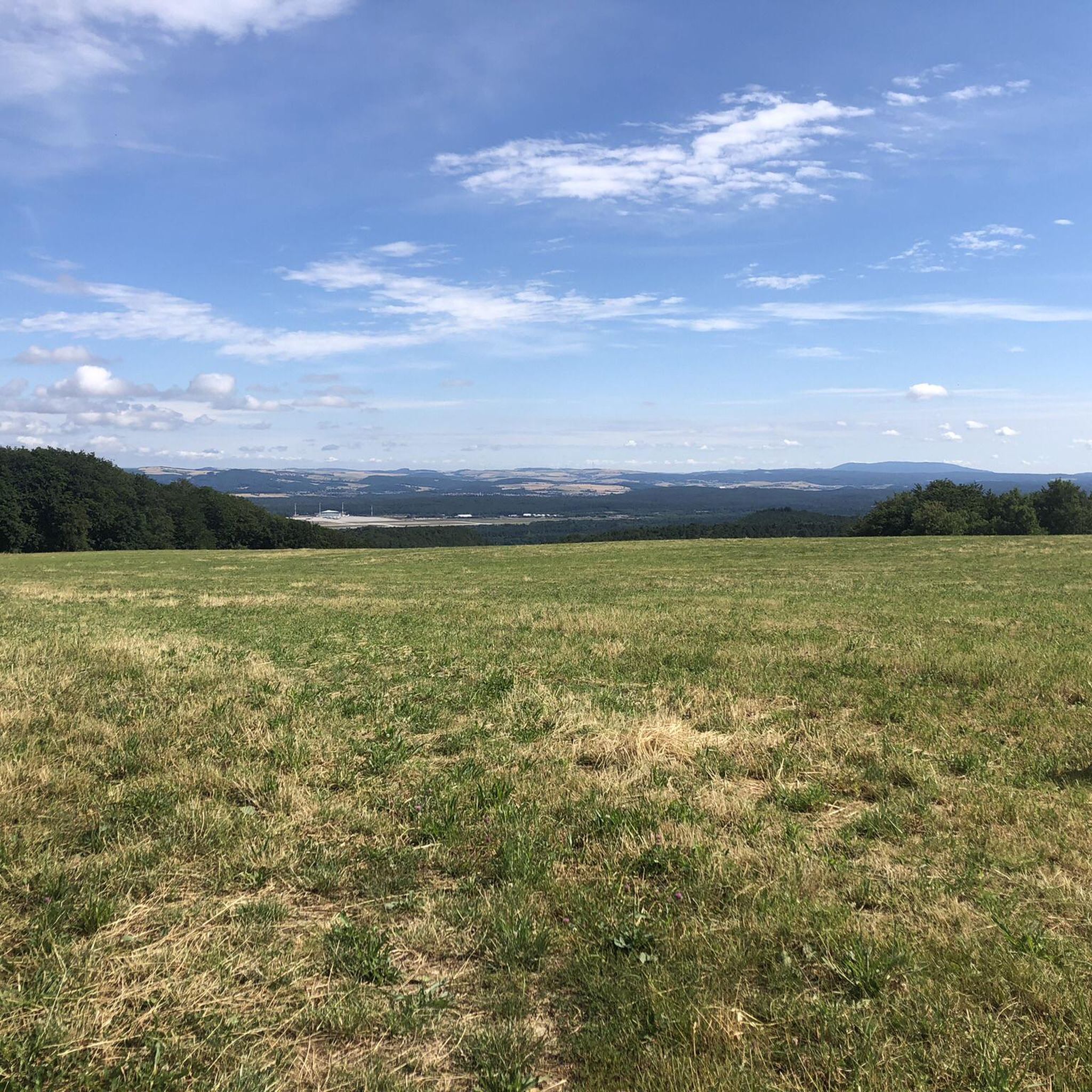
Beautiful location with a far-reaching view. Just enjoy the view or take a break.
8
0

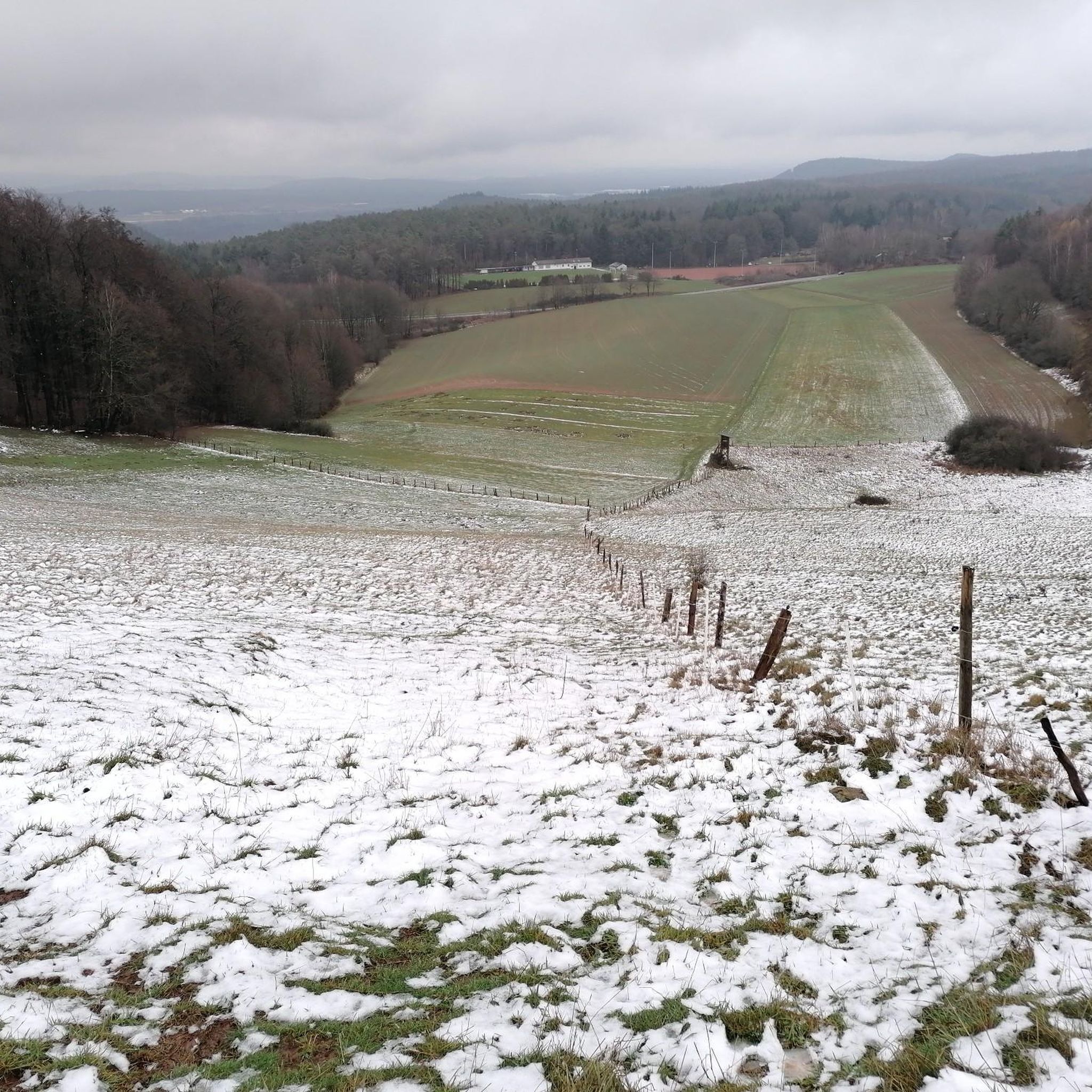
Many trails, both stroller friendly and not at all, run to and around the Hoheneken castle ruins. The views are gorgeous. There is play ground near by. Also a private pasture where you can encounter interesting breed of goats (Boargoat). There are nit documented data on when the Castle was build. In the first half of the 13th century the castle was enfeoffed to a Kaiserslautern family of ministeriales, the descendants of Reinhard of Lautern, the knight. In 1214, they were awarded the right of patronage of Ramstein by the king, Frederick II, who would later become emperor. From then on the castle's owners called themselves von Hohenecken. At the beginning of the early modern period, Hohenecken Castle went into decline. In the German Peasants' War of 1525 it was captured by rebellious peasants. In 1668 there was a lengthy siege by Prince-Elector Charles Louis of the Palatinate, which ended in the partial destruction of the castle. In 1689, during the War of the Palatine Succession, the castle was blown up by French troops.
11
1

Everything left in its natural state, thus good air. Here you can discover plants that are allowed to grow naturally. The Palatinate Forest is the largest contiguous forest area in Germany.
3
0

The castle is still well preserved. For hikers, a narrow footpath (also called Ritter Reinhard Weg) leads to the Rochus Church and the Schützenhaus up to the castle. Adjacent is a wooded area with a nice children's playground. You can also see a lot of mountain bikers here who approach the castle through the forest
9
1

Die "Perleburg" ist eine wahrscheinlich nie vollendete stauferzeitliche Burg. Sie sollte wahrscheinlich Teil des im 12. Jahrhundert errichteten Schutzsystem um die Kaiserpfalz Lautern werden, worauf die Qualität der Buckelquader des Mauerwerkes hinweist. Der Name ist nicht historisch, sondern geht auf eine Urkunde von 1542 zurück (genannt Birleberg), in der es um Grenzstreitigkeiten zwischen Kurpfalz und Sickingen geht. Zu dieser Zeit war die Burg längst verfallen. Erst durch archäologische Grabungen im Jahr 1901 durch Christian Mehlis wurde die Burgstätte wiederentdeckt und untersucht. In den folgenden Jahren bediente man sich der Anlage wohl als Steinbruch, denn noch im Jahre 1913 wird von zahlreichen umherliegenden Quadersteinen berichtet, welche heute fast alle verschwunden sind. Weitere Grabungen und Sicherungsmaßnahmen fanden von 1959 bis 1963 statt. Von der Burgstelle hat sich einzig der Stumpf eines quadratischen Bergfrieds mit profiliertem Sockel und sorgfältig behauenen Buckelquadern erhalten. Er hat mit rund 9 m Seitenlänge und 1½ m Mauerstärke beträchtliche Ausmaße und ist damit mit den Bergfrieden von Landeck und Wildenberg vergleichbar. Der Sockel kann mit der Schildmauer von Landeck verglichen werden. Die hohe Qualität in der Bearbeitung der wenigen erhaltenen Reste rückt die „Perleburg“ in den Rang einer der wichtigen Stauferburgen in der Pfalz. Da sich außer dem Turmstumpf keinerlei weitere Spuren einer Burganlage finden, weder Verfallstrümmer noch irgendwelche urkundliche Nachrichten, liegt die Vermutung nahe, dass die Burg nie vollendet wurde. Ein unterirdischer Gang, der laut einer Sage die Deutschherrenkomturei Einsiedeln (Kaiserslautern) mit der Perlenburg verbunden haben soll, konnte nicht archäologisch nachgewiesen werden. Die Sage rührt von dem so genannten „Hummerplatz“, einem Waldweg entlang der ehemals sickingischen Grenze, her. Dort soll es hohl klingen, wenn man fest auftritt. Zur Burgruine führt ein Weg, der aber nicht ausgeschildert ist. Ihn zu finden muss man vom Einsiedlerhof herkommend zum Kolbenwoog gehen. An einer vielwegigen Kreuzung zweigt der Pfad links ab und erklimmt in wenigen Metern den steilen und einsamgelegenen Bergkegel. Sie liegt in einem Naturwaldreservat. Wird in alten Burgenführern noch von einer ausgezeichneten Fernsicht gesprochen, so ist das Gipfelplateau heute von hochgewachsenen Bäumen umgeben.
0
0
Perlenberg Castle, also called Perleburg or Perlenburg, is the ruin of a hilltop castle in the local community of Bann near Hohenecken in the Kaiserslautern district in Rhineland-Palatinate. The "Perleburg" is a castle from the Hohenstaufen era that was probably never completed. It was likely to become part of the protective system built around the Kaiserpfalz Lautern in the 12th century, as indicated by the quality of the humpback blocks of the masonry. The name is not historical, but goes back to a document from 1542 (called Birleberg), in which it comes to border disputes between the Electoral Palatinate and Sickingen. At that time the castle had long since fallen into disrepair. It was only through archaeological excavations in 1901 by Christian Mehlis that the castle site was rediscovered and examined. In the following years the facility was probably used as a quarry, because in 1913 there were reports of numerous ashlar stones lying around, which today have almost all disappeared. Further excavations and security measures took place from 1959 to 1963. The plant is now owned by the State of Rhineland-Palatinate.
1
0
Frequently Asked Questions
What kind of castles can I expect to find around Bann?
The Bann region, primarily in Rhineland-Palatinate, Germany, is known for its historical castle ruins and baroque palaces. You'll find well-preserved ruins like the Ruins of Hohenecken Castle and Ruins of Perlenburg Castle, often set within natural landscapes. There are also sites like Trippstadt Castle, which is now home to a research institute.
Are there family-friendly castles to visit in the Bann area?
Yes, several castles around Bann are suitable for families. Nanstein Castle offers a great view and even has gastronomy options. The Ruins of Hohenecken Castle provide an exciting historical experience, and Trippstadt Castle and Castle Garden feature a beautiful park that families can explore.
Which castles offer the best views of the surrounding landscape?
For impressive vistas, visit Nanstein Castle, which provides a great view of the city of Landstuhl. The Ruins of Hohenecken Castle also serve as an excellent vantage point over the area. Additionally, the hilltop location of the Ruins of Perlenburg Castle offers scenic views within a nature reserve.
What historical significance do the castles in Bann hold?
The castles in Bann are rich in history. The Ruins of Hohenecken Castle, for instance, date back to the 12th century and were destroyed during the Palatinate War of Succession. The Ruins of Perlenburg Castle are from the Hohenstaufen era, likely intended as part of a protective system around the Kaiserpfalz Lautern.
Can I combine a castle visit with outdoor activities?
Absolutely. Many castles are situated in natural settings, making them ideal for combining with outdoor activities. For example, the Ruins of Perlenburg Castle are located within a nature reserve. You can find various routes for cycling, gravel biking, and running around Bann. Explore options like the 'Nanstein Castle – Heidenfelsen (Pagans' Stone) loop' for running, or 'Silver Lake – Vogelwoog loop' for gravel biking, by checking out the running trails around Bann or gravel biking around Bann guides.
Are there hiking trails that include castles in the Bann region?
Yes, the natural surroundings of the castles in Bann offer opportunities for hiking. While specific hiking routes directly linked to castles aren't detailed, you can find numerous running and cycling trails in the area that pass by or near these historical sites. For instance, the 'Nanstein Castle – Heidenfelsen (Pagans' Stone) loop' is a running trail that incorporates Nanstein Castle. You can find more options in the running trails around Bann guide.
What do visitors particularly enjoy about the castles around Bann?
Visitors appreciate the combination of historical exploration and natural beauty. Many enjoy the impressive architecture, like the 25-meter-wide shield wall and pentagonal keep at Hohenecken Castle. The scenic views from castles like Nanstein Castle are also a highlight, often complemented by local gastronomy. The peaceful setting of ruins within nature reserves, such as Perlenburg Castle, is also highly valued.
Is there a castle in Bann with a garden or park?
Yes, Trippstadt Castle features a beautiful park with old trees and a fountain, including a French garden. The castle garden is freely accessible all year round, offering a pleasant space for relaxation and exploration.
Can I find food and drink options at or near the castles?
Yes, at Nanstein Castle, you can find gastronomy options ranging from thirst quenchers to hearty main meals, making it a convenient stop during your visit. For other castles, it's advisable to check local amenities in nearby towns.
Are there any castles that are less well-known but worth visiting?
While not a visual highlight, Wilenstein Castle is unique as it can be rented for youth camps, offering a different kind of experience. For historical intrigue, the Ruins of Perlenburg Castle, a Hohenstaufen-era castle likely never completed, offers a quiet exploration within a nature reserve.
What is the best way to explore the history of these castles?
To delve into the history, visiting the ruins themselves is key. For example, at the Ruins of Hohenecken Castle, you can observe the impressive 25-meter-wide shield wall and pentagonal keep, which are significant architectural features from the 12th century. Reading the information provided on-site or through local resources can enhance your understanding of their past.
Most popular attractions around Bann

Get inspired with the komoot mobile app


Explore more
Looking for the best castles somewhere else? Discover other guides around Bann:
