Attractions and Places To See in Ķemeru Neitrālā Zona - Top 10
Attractions and places to see in Ķemeru Neitrālā Zona encompass the diverse landscapes and cultural heritage within and around Ķemeri National Park. This region is characterized by its unique wetlands, including the Great Ķemeri Bog, and its historic spa town. The area preserves significant natural features like mineral water sources and therapeutic mud, alongside a variety of forests and lakes. It offers a blend of natural beauty and historical sites for exploration.
Best attractions and places to see in Ķemeru Neitrālā Zona
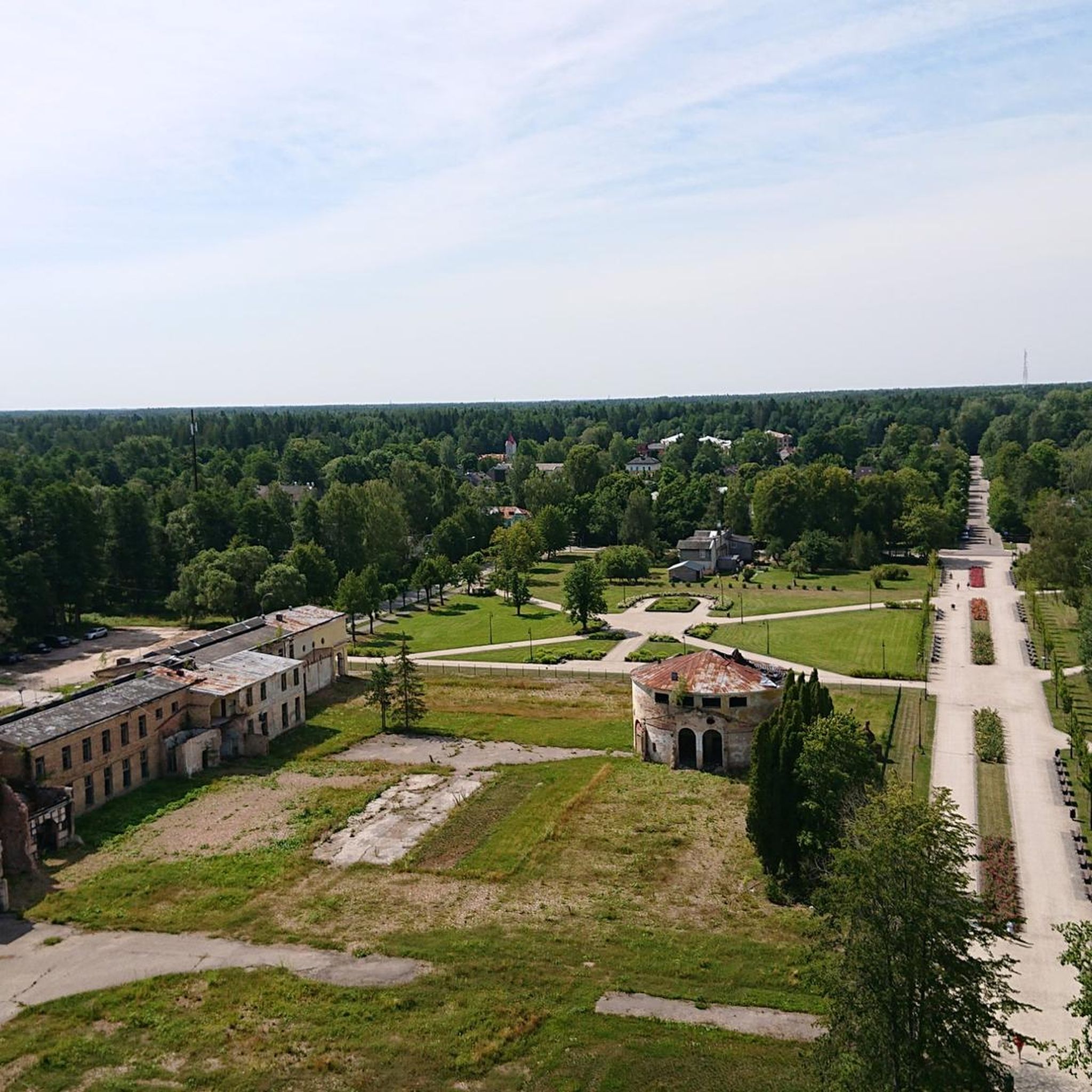
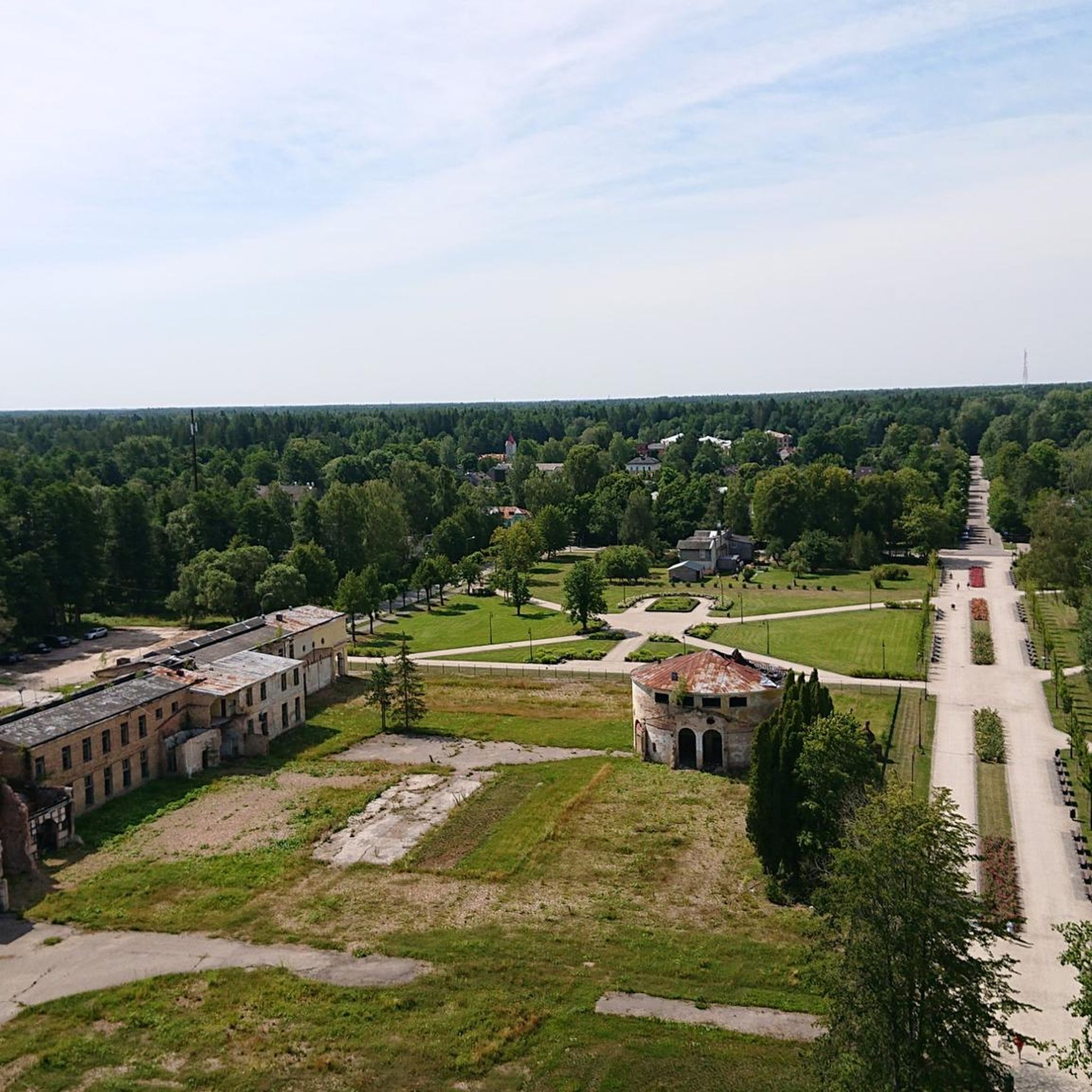
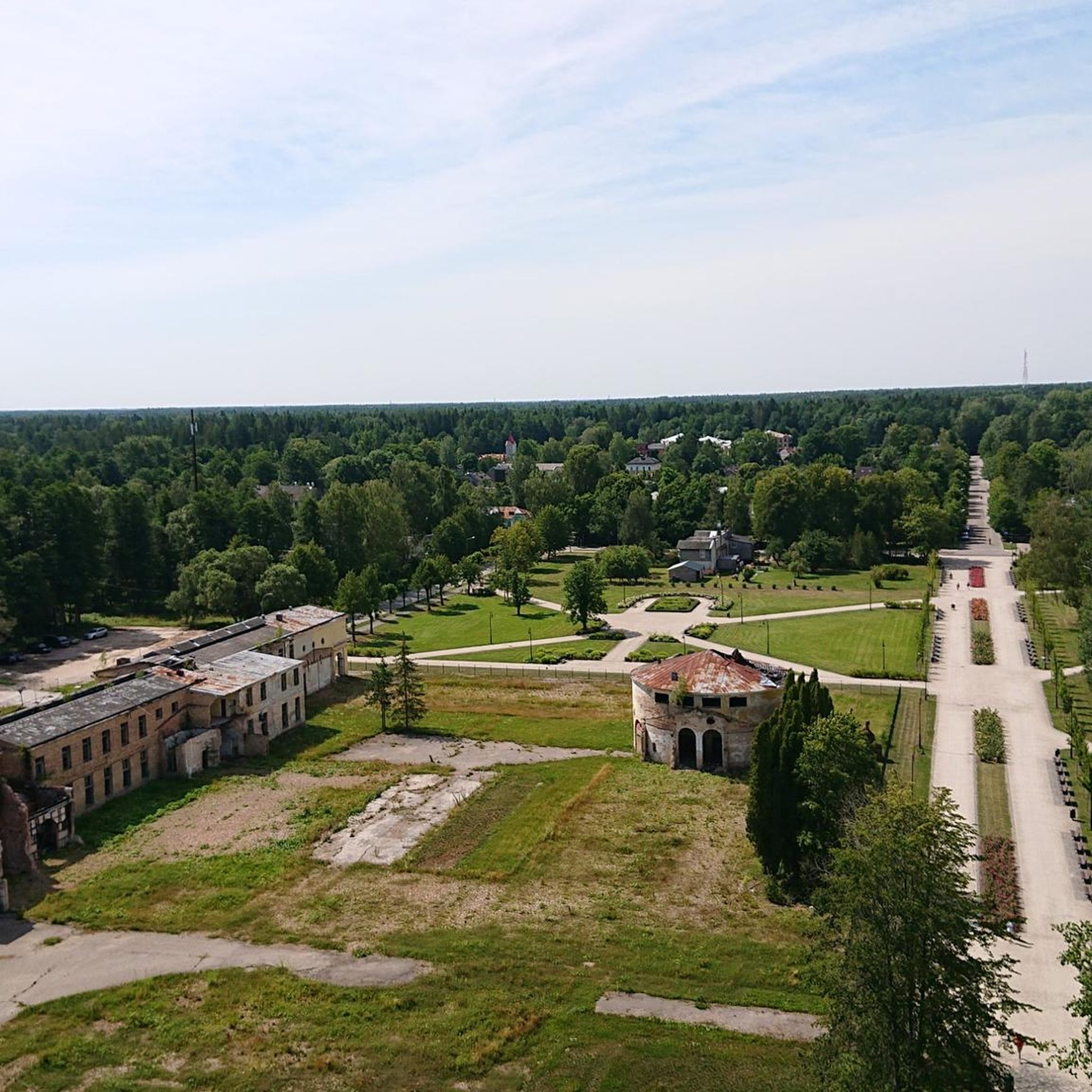
- The most popular attractions is Ķemeri Water Tower, a man-made monument that is a 42-meter-high construction built in 1929. It is an architectural monument of national significance, offering panoramic views of the area.
- Another must-see spot is Rotunda on the Island of Love, Ķemeri Park, a man-made monument located on an artificially created island in Ķemeri Spa Park. This stone rotunda, built in 1928, serves as a quiet retreat within the picturesque park.
- Visitors also love Ķemeri Evangelical Lutheran Church, a religious building consecrated in 1897. This historicist-style church was the first stone building of the Ķemeri resort and is recognized as an architectural monument of national significance.
- Ķemeru Neitrālā Zona is known for its natural features like wetlands and bogs, as well as cultural sites such as historic spa architecture and monuments. The region offers a variety of attractions to see and explore, from nature trails to historical landmarks.
- The attractions in Ķemeru Neitrālā Zona are appreciated by the komoot community, with 24 upvotes and 20 photos shared across 9 highlights.
Last updated: May 8, 2026
Ķemeri Water Tower
Highlight • Monument
Tip by

Ķemeri Evangelical Lutheran Church
Highlight • Religious Site
Tip by

Sign up now to discover places like this
Get recommendations on the best single tracks, peaks, & plenty of other exciting outdoor places.
Sign up for free
Ivan Pavlov Monument in Ķemeri
Highlight • Monument
Translated by Google •
Tip by

Rotunda on the Island of Love, Ķemeri Park
Highlight • Monument
Translated by Google •
Tip by
Ķemeri Bathhouse Complex
Highlight • Historical Site
Translated by Google •
Tip by
Sign up for free to discover even more attractions in Ķemeru Neitrālā Zona.
Sign up for free
Already have an account?
Start today with a free account
Your next adventure awaits.
Login or Signup
Popular around Ķemeru Neitrālā Zona
Tips from the Community

The Ķemeri Water Tower stands out from the green park landscape with its striking red facade. Originally built in 1929, it served to supply water to the historic spa town and is now a popular tourist destination. The view from the tower offers a fascinating view of the Ķemeri area and its dilapidated buildings, reminiscent of the spa town's former heyday. In good weather, the climb is worthwhile and opens up a unique perspective on the surrounding forests and the hidden secrets of this historic place.
0
0
The pavilion on the "Island of Lovers" is a quiet retreat in the middle of Ķemeri Park, surrounded by picturesque scenery and the small Vēršupīte River. The white rotunda with its curved staircase and the surrounding bridge is reminiscent of times gone by, when the park was a popular health resort. The surroundings look like a scene from an old novel, ideal for a stroll or a quiet break. This place unfolds its nostalgic charm especially at dusk.
0
0
The monument to Russian physiologist Ivan Pavlov acts as a silent observer of the dilapidated spa structures in Ķemeri. Pavlov, known for his work on conditioning, is depicted here in a thoughtful pose. The building behind him, the former bath complex, testifies to the spa's former heyday. Today the place has a rough charm - a silent reminder of the times when Ķemeri was a destination for recovery and research.
1
0
The Ķemeru Evangelical Lutheran Church, built in 1897, stands as an impressive monument of neo-Gothic architecture and is also the first stone structure in Ķemeri. Designed by Heinrich Scheel, a renowned German-Baltic architect, this building symbolizes Ķemeri's transition to a thriving health resort. The brick facade and high arched windows give the church a simple, almost aloof elegance that contrasts with its natural surroundings. The church has withstood all political changes over the decades - a sign of permanence in a place itself known for peace and healing. In addition to the architecture, it is worth taking a look inside, especially the play of light through the windows.
2
0

It's worth the wait. You get a great panoramic view of the place.
1
0

The 42-meter-high construction was built in 1929 by the architect Friedrich Skujins. It is an architectural monument of national significance. Inside the recently restored tower, the historical exhibition of Kemeri is located. You can climb up the tower and visit the exhibition daily from 10am to 6pm, the admission is free.
1
0
Documentary evidence indicates that the springs at Ķemeri first became known for their curative properties in 1796, the first chemical analysis of the spring water being performed in 1818. The residents of the nearby town of Sloka began to build houses for the patients. In 1825, the first public building was built for spa guests. Bad Kemmern was founded as a resort in 1838, when the emperor Nicholas I of Russia gave this land for building the first bath-house with mineral water. From then onwards people started to come here for treatment. The round mud treatment complex was built in the beginning of the 20th century in the style of classicism and was designed by Ernest Stahlberg.
0
0
Ivan Pavlov (1846 - 1936) was a Russian doctor and physiologist but is today known chiefly for his development of the concept of the conditioned reflex. In a now-classic experiment, he trained a hungry dog to salivate at the sound of a metronome or buzzer, which was previously associated with the sight of food. He developed a similar conceptual approach, emphasizing the importance of conditioning, in his pioneering studies relating human behaviour to the nervous system. He was awarded the Nobel Prize for Physiology or Medicine in 1904 for his work on digestive secretions.
1
1
Frequently Asked Questions
What are the most notable natural features to explore in Ķemeru Neitrālā Zona?
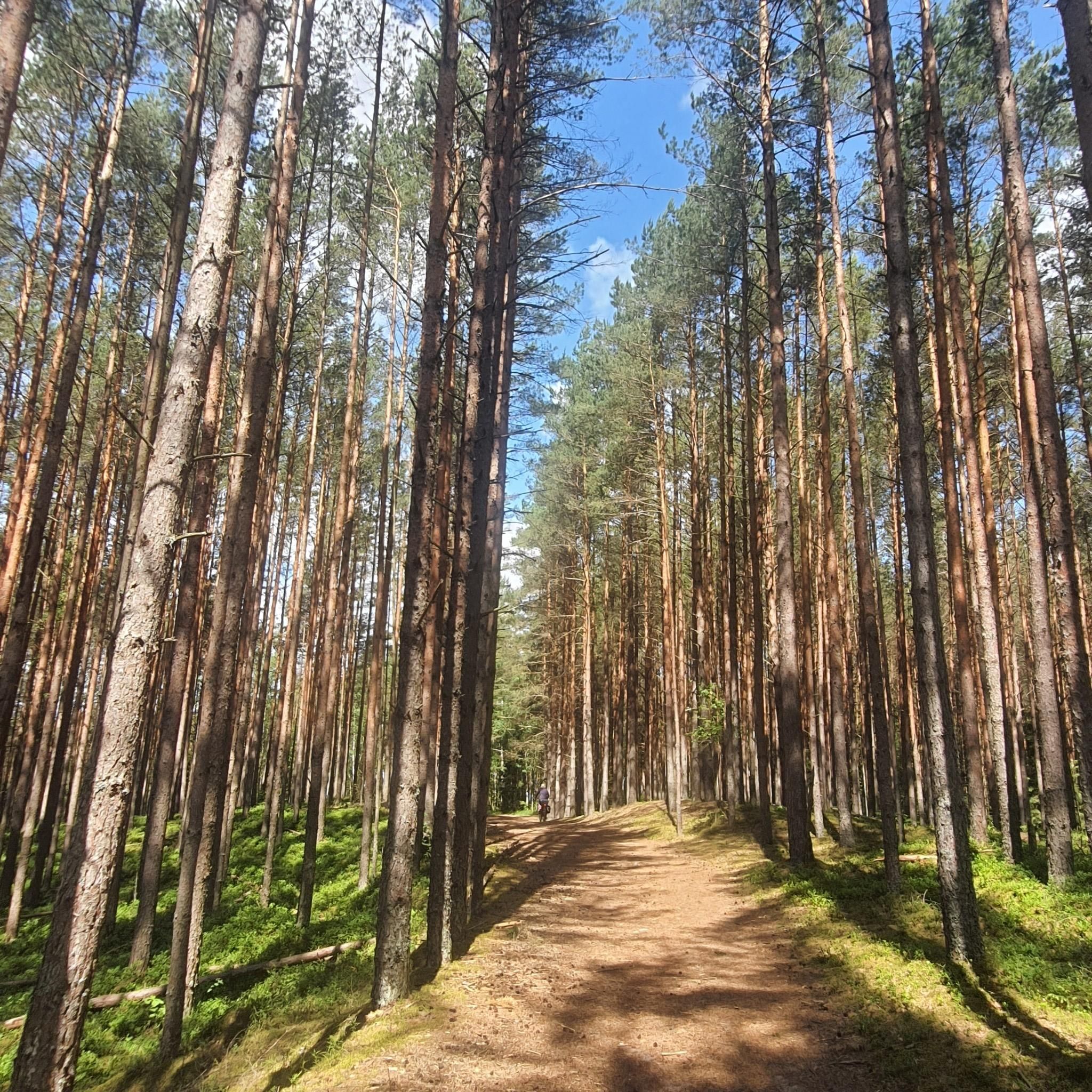
The region is renowned for its diverse wetlands, including the Great Ķemeri Bog, which features a unique wooden boardwalk for exploration. You can also discover the shallow coastland lakes of Kaņieris and Sloka, known for their abundant birdlife, and various moist forests and dunes.
Are there any historical or cultural sites worth visiting in the area?
Absolutely. The historic spa town of Ķemeri itself boasts distinctive wooden architecture. You can visit the Ķemeri Evangelical Lutheran Church, an architectural monument consecrated in 1897, or explore the historic Ķemeri Bathhouse Complex, which highlights the region's spa heritage.
What kind of outdoor activities can I do near the attractions in Ķemeru Neitrālā Zona?
The area offers a variety of outdoor activities. You can find numerous trails for hiking, cycling, and mountain biking. For example, explore the "Kemeri Bog Observation Tower loop" for hiking, or try the "Sulphur Ponds Trail loop" for cycling. You can find more details on these activities and routes in the dedicated guides for Hiking, Cycling, and MTB Trails in Ķemeru Neitrālā Zona.
Are there family-friendly attractions in Ķemeru Neitrālā Zona?
Yes, several attractions are suitable for families. The Ķemeri Water Tower offers panoramic views and an exhibition, which can be an engaging experience. The Rotunda on the Island of Love in Ķemeri Park provides a picturesque setting for a stroll, and the Ivan Pavlov Monument is a nice stopover during a walk through the historic spa area.
Where can I get panoramic views of the region?
For excellent panoramic views, head to the Ķemeri Water Tower. This 42-meter-high construction, an architectural monument, offers expansive vistas of the surrounding area. Additionally, the Purva vērošanas tornis (Bog Observation Tower) provides panoramic views over the Great Ķemeri Bog and pine forests.
What is the best time of year to visit Ķemeru Neitrālā Zona?
The region is beautiful year-round, but spring and autumn are particularly good for birdwatching due to migratory birds. Summer offers pleasant weather for hiking and cycling, while winter provides opportunities for cross-country skiing on some trails. The Great Ķemeri Bog Boardwalk is accessible in most seasons.
Can I observe wildlife in Ķemeru Neitrālā Zona?
Yes, Ķemeri National Park is a significant area for wildlife. The diverse wetlands, including Lakes Kaņieris and Sloka, are crucial for preserving rare and protected bird species such as sea eagles, bitterns, cranes, and swans. The Dunduri Meadows are also home to species resembling ancient aurochs and tarpans.
Are there any specific trails for birdwatching?
The bogs and wetlands, especially around Lakes Kaņieris and Sloka, are excellent for birdwatching. These shallow coastland lakes are known for their abundance of water bird nests and are internationally significant resting places for migratory birds. The Sloka Lake Trail is a good option for this activity.
What is the significance of the mineral waters and therapeutic mud in Ķemeri?
Ķemeri National Park was established partly to preserve the processes of mineral water and therapeutic mud formation. These natural resources have historical significance, forming the basis of the region's long-standing spa culture, which attracted visitors seeking curative properties for centuries.
Is there parking available at the main attractions or trailheads?
While specific parking details for every trailhead are not provided, Ķemeri National Park is generally well-equipped for visitors. It's advisable to check local signage or park information centers upon arrival for the most current parking options at popular spots like the Great Ķemeri Bog Boardwalk or the Ķemeri Water Tower.
What do visitors enjoy most about Ķemeru Neitrālā Zona?
Visitors frequently appreciate the blend of natural beauty and historical charm. The Ķemeri Water Tower is praised for its free admission and great panoramic views. The Rotunda on the Island of Love is loved for its picturesque and tranquil setting, ideal for a quiet break. The historic spa town's unique architecture and the peaceful atmosphere of the park are also highly valued.
Most popular routes in Ķemeru Neitrālā Zona

Get inspired with the komoot mobile app


Explore more
Still not found the Highlight you’re looking for? See guides of the top attractions in other regions:
