Attractions and Places To See in Panemunių Regioninis Parkas - Top 9
Best attractions and places to see in Panemunių Regioninis Parkas, a protected area in Lithuania, are centered around the Nemunas River valley. Established in 1992, the park preserves landscapes shaped by erosion and hydrological processes. It features a blend of natural, cultural, and historical attractions, including several castles and castle mounds. The park is characterized by its wide river valley, extensive forests, and diverse ecosystems.
Best attractions and places to see in Panemunių Regioninis Parkas
- The most popular attractions is Raudonė Castle, a castle that is a Renaissance building remodeled over centuries. Its current appearance dates to the mid-19th century and it is surrounded by an ancient park.
- Another must-see spot is Panemunė Castle, a Renaissance epoch building constructed between 1604 and 1610. Today's palace complex belongs to the Vilnius Academy of Art and features a restaurant and hotel.
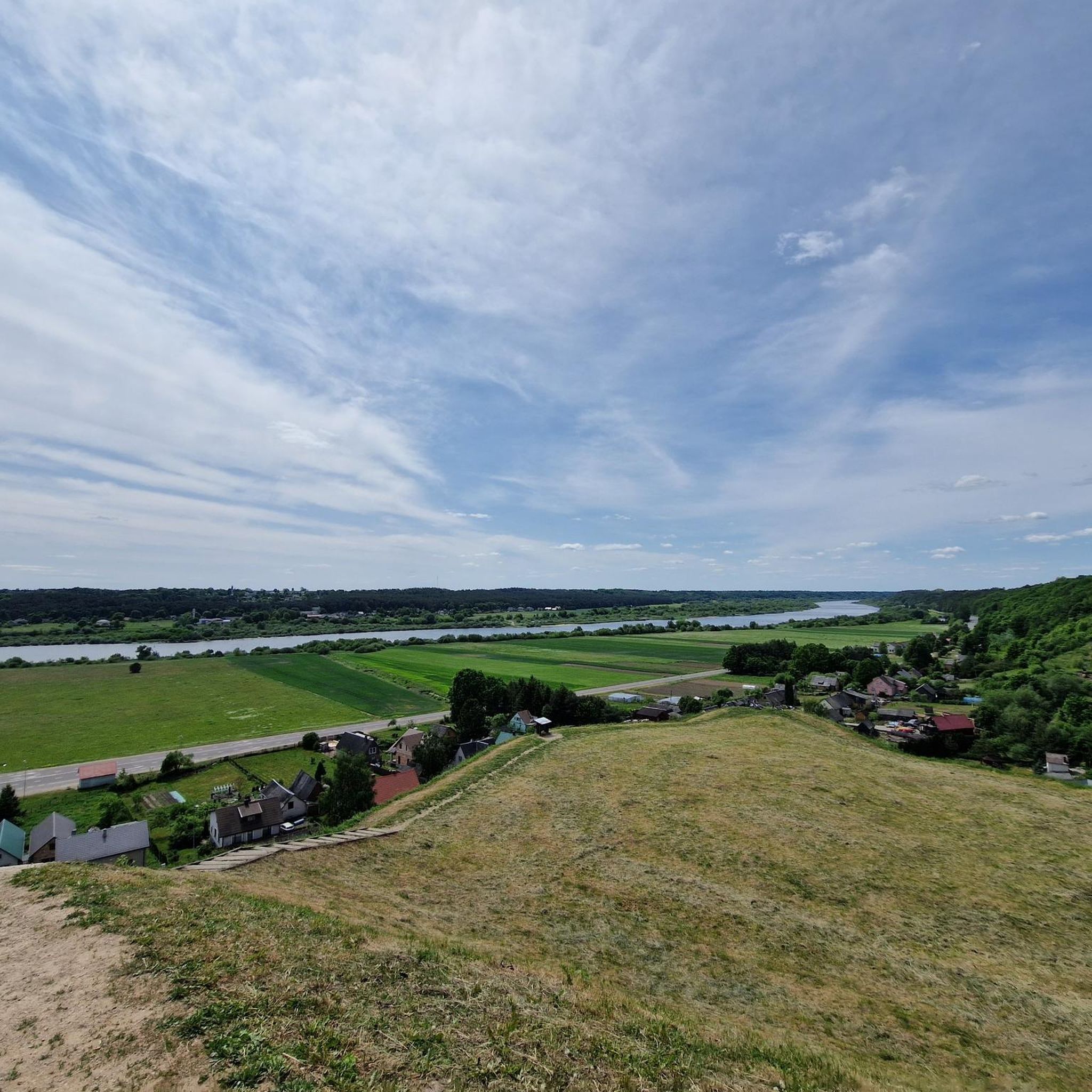
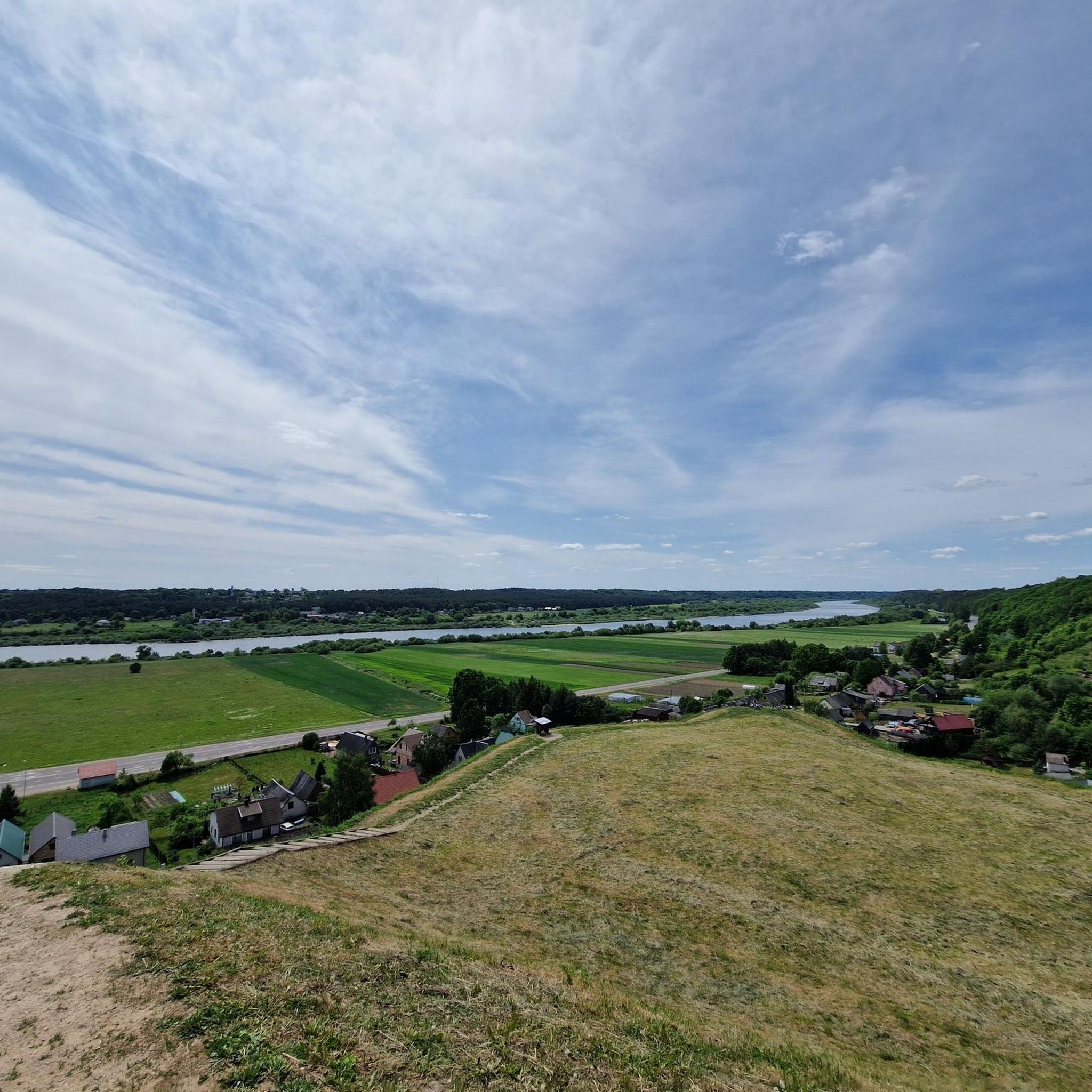
- Visitors also love Veliuona Manor, a historical site where Veliuona Castle was built by the Grand Duke of Lithuania Vytautas. The Veliuona castle hill is one of the prominent viewing areas in the park.
- Panemunių Regioninis Parkas is known for its historical castles, castle mounds, and natural reserves. Visitors can explore a variety of attractions, from cultural heritage sites to scenic viewpoints along the Nemunas River.
- The attractions in Panemunių Regioninis Parkas are appreciated by the komoot community, with 10 highlights featuring 24 photos and 15 upvotes.
Last updated: July 19, 2026
Panemunė Castle
Highlight • Castle
Very nicely rebuilt.
More information: de.wikipedia.org/wiki/Schloss_Panemun%C4%97
Translated by Google •
Tip by

Raudonė Castle
Highlight • Castle
Translated by Google •
Tip by

Sign up now to discover places like this
Get recommendations on the best single tracks, peaks, & plenty of other exciting outdoor places.
Sign up for free
Šilinė Campsite, Panemunių Regional Park
Highlight • Rest Area
* tent - 4 euro
* adult - 5 euro
* child - 3 euro
Tip by

Šilinė Tavern Visitor Center
Highlight • Historical Site
Translated by Google •
Tip by
Veliuona Manor
Highlight • Historical Site
Tip by

Sign up for free to discover even more attractions in Panemunių Regioninis Parkas.
Sign up for free
Already have an account?
Start today with a free account
Your next adventure awaits.
Login or Signup
Popular around Panemunių Regioninis Parkas
Tips from the Community

Raudonė is first mentioned in the 16th century as the estate of the Polish King Sigismund II Augustus. He sold the property around 1580 to the Prussian timber merchant Hieronymus Krispin-Kirschenstein. He and his son built the first palace in the Renaissance style. The palace owes its present appearance primarily to the Neo-Gothic reconstructions carried out between 1861 and 1877 under the direction of Count Zubov's daughter, Sofia Kaissarowa. The last noble owners were the granddaughter Sofia Waxell and her Portuguese husband José Carlos de Faria e Castro. Following looting during the First World War, the de Faria e Castro descendant was in debt and auctioned the palace in 1934. Following protests, the Lithuanian National Bank ceded it to the Ministry of Education, which undertook restoration work in 1936. The Wehrmacht blew up the castle's main tower in 1944, but it was later rebuilt and is now open to visitors. The main building has housed a middle school since 1947, which was downgraded to an elementary school in 2003. Source: https://de.wikipedia.org/wiki/Raudone
0
0

Prices(July 2023): * tent - 4 euro * adult - 5 euro * child - 3 euro
1
0

This residential castle was built by Kryszpin Kirszensztein at the end of the 16th century. It is a Renaissance building that has been constantly remodeled by different owners. The castle got its current appearance in the middle of the 19th century under the leadership of Sofia von Pirch-Kaisarova. The castle is surrounded by an old, legendary park.
1
0
Panemunė Castle (Gelgaudai, Vytėnai) All these names refer to the same castle, built between 1604 and 1610 by a nobleman of Hungarian origin, Janusz Eperjesz. This is a Renaissance epoch building. This castle is not a fortress to protect against the crusaders, but a typical 17th century mansion. Today's palace complex belongs to the Vilnius Academy of Art. The castle is adorned with an old picturesque park.
2
0
This inn is mentioned as early as the second half of the 18th century and belonged to Panemunė Castle. It was rented to Jews until the first half of the 20th century, later it lost its original purpose. In 2000, the Panemunė Regional Park Directorate moved here with a visitor center and exhibitions about nature and culture of the area's inhabitants, including the exhibition "Nemunas and Life Nearby".
1
0
Idyllically located campsite in Ŝiline near the Panemunė Regional Park Visitor Center. A good starting point for hikes or bike rides along the Memel.
1
0

1291 Veliuona (Junigeda) Castle is mentioned in the chronicle of Peter von Dusburg. Veliuona castle was built by the Grand Duke of Lithuania Vytautas.
0
0

Great hotel, restaurant delicious food but between starter and main course you only have about 5 minutes to eat.
1
0
Frequently Asked Questions
What historical castles and manors can I visit in Panemunių Regioninis Parkas?
The park is rich in historical sites. You can explore the Renaissance-era Raudonė Castle, known for its remodeled appearance and ancient park. Another significant site is Panemunė Castle, a 17th-century mansion that now houses a restaurant and hotel. Don't miss Veliuona Manor, where the original Veliuona Castle was built by Grand Duke Vytautas, offering prominent viewing areas. Other notable sites include Gelgaudiškis Manor and various castle mounds like Seredžius, Palemono kalnas, and Gedimino kapas.
Are there family-friendly activities available in Panemunių Regioninis Parkas?
Yes, the park offers several family-friendly options. Many of the castles, such as Raudonė Castle and Panemunė Castle, are suitable for family visits. The Šilinė Tavern Visitor Center provides engaging exhibitions about the region's nature and culture. Families can also enjoy easy hikes, cycling on dedicated trails, or even boat trips on the Nemunas River for a unique perspective of the landscape.
What natural features define Panemunių Regioninis Parkas?
The defining natural feature is the wide and expressive Nemunas River Valley, especially its lower reaches, which make up a significant portion of the park. The landscape is characterized by steep erosive slopes and deep river sections. The park also includes the Nemunas Landscape Reserve, the Šilinė Botanical Reserve with its cognitive trail, and the Velniaravis Natural Reserve. Forests cover a large area, providing habitat for diverse wildlife, including various bird species, roe deer, red deer, beavers, and otters, alongside a rich variety of plants.
Where can I find information about the park and its attractions?
The best starting point for information is the Šilinė Tavern Visitor Center. Located in an 18th-century inn, it houses exhibitions like 'Nemunas and Life Nearby,' offering insights into the region's nature and culture. The visitor center can provide guidance and details for exploring the park.
Are there hiking trails in Panemunių Regioninis Parkas?
Yes, the park offers various hiking opportunities. You can find dedicated trails, such as those in the Šilinė oak grove. For more options, explore the hiking routes in Panemunių Regioninis Parkas, which include easy loops from Plokščiai and Palemono Hill, as well as more challenging trails near Lekėčiai and Vilkija.
What cycling routes are available in the park?
Cyclists can enjoy several routes within Panemunių Regioninis Parkas. A notable path is the 47 km route from Seredžius to Jurbarkas. You can find more detailed cycling tours, including loops from Panemunė Castle and Valenčiūnai, by checking the cycling guide for Panemunių Regioninis Parkas.
Can I learn about traditional crafts in the Panemunių Regioninis Parkas area?
Yes, the park promotes traditional crafts. The Čekauskai Ethnographic Museum offers educational experiences in traditional roofing techniques, where visitors can learn about shingle production. You can also find local artisans creating wooden items, handmade dolls, and producers of honey products and herbal teas.
Where can I find accommodation or places to eat near the attractions?
For accommodation, the Panemunė Castle complex includes a restaurant and hotel. Additionally, the Šilinė Campsite offers an idyllic spot for tents near the visitor center, serving as a good base for exploring. There are also various cafes and restaurants in the nearby towns and villages.
What are some of the best viewpoints in Panemunių Regioninis Parkas?
The park offers numerous scenic viewpoints, particularly along the Nemunas River valley. The Veliuona castle hill is one of the prominent viewing areas. Other castle mounds, such as Seredžius, also provide excellent opportunities to observe the expansive views of the river and its surrounding landscape.
Are there any botanical reserves or special natural areas to visit?
Yes, the park features the Šilinė Botanical Reserve, which includes a cognitive trail offering insights into the local flora. Another significant natural area is the Velniaravis Natural Reserve, contributing to the preservation of the park's diverse ecosystems and biodiversity.
What is the best time of year to visit Panemunių Regioninis Parkas?
The park is beautiful throughout the year, but the best time to visit largely depends on your preferred activities. Spring and summer offer lush greenery, ideal for hiking, cycling, and boat trips on the Nemunas. Autumn brings vibrant fall colors, while winter can offer a serene, snow-covered landscape for those interested in colder weather activities.
Most popular routes in Panemunių Regioninis Parkas

Get inspired with the komoot mobile app


Explore more
Still not found the Highlight you’re looking for? See guides of the top attractions in other regions:
