The best cycling routes in Dzūkijos Nacionalinis Parkas
4.7
(125)
902
riders
50
rides
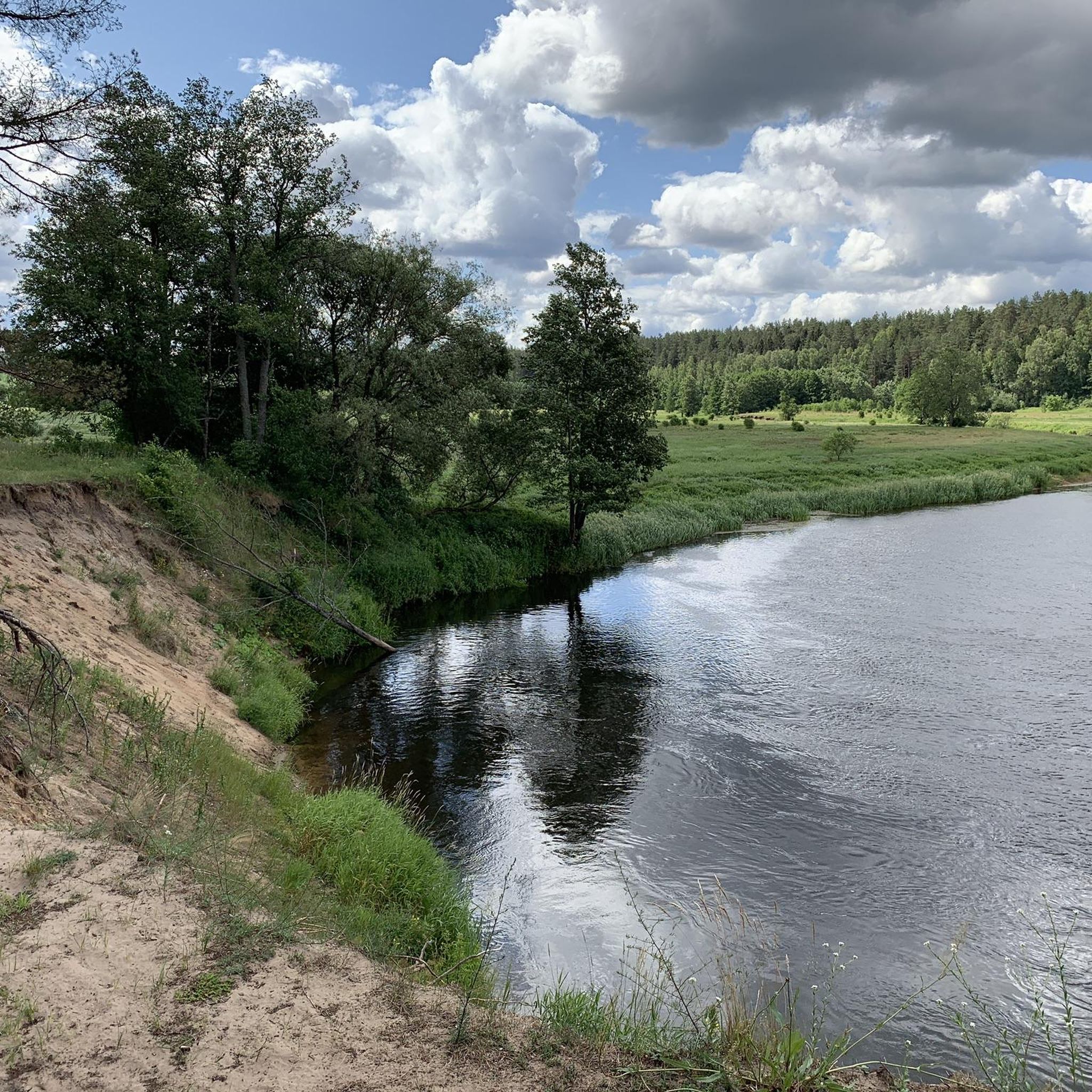
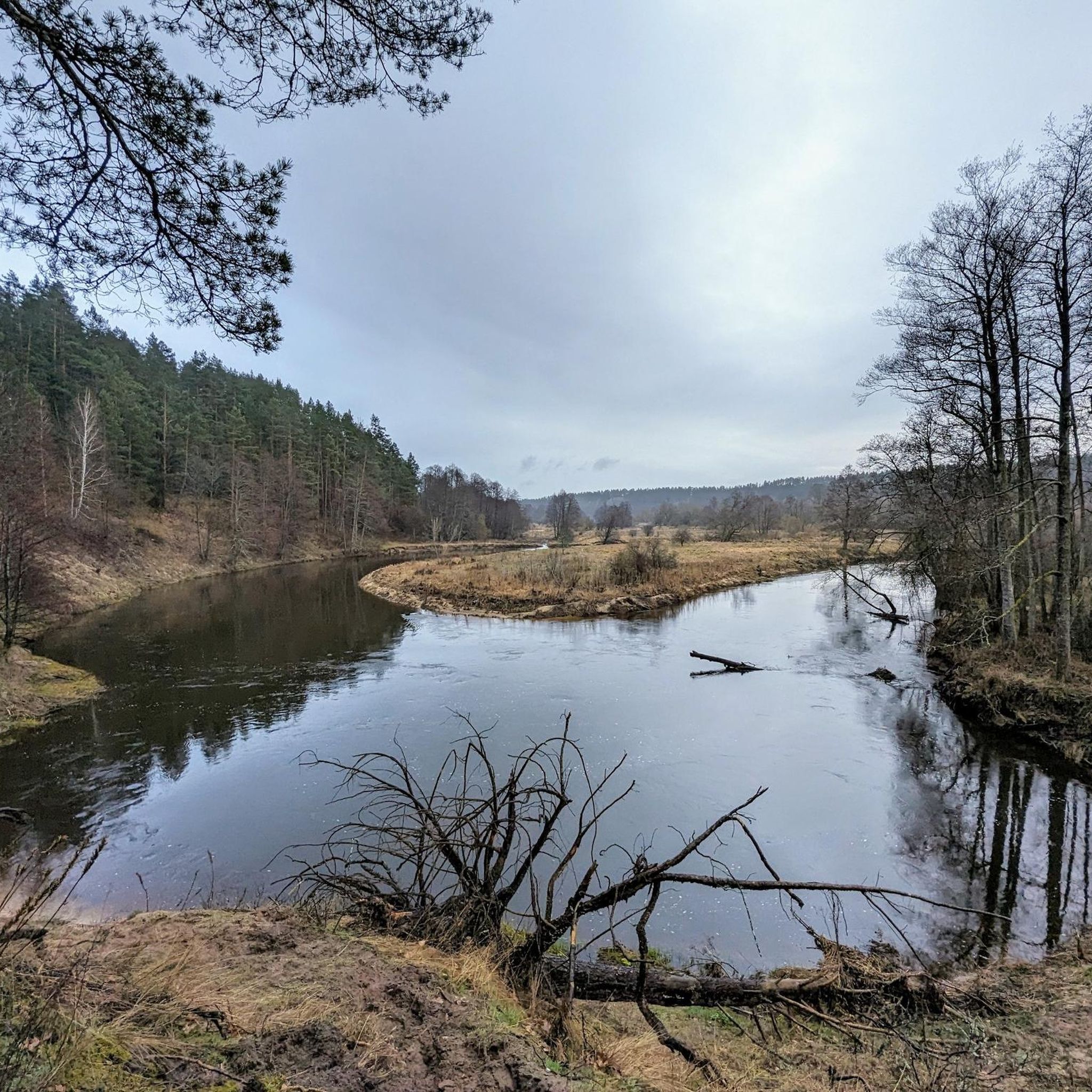
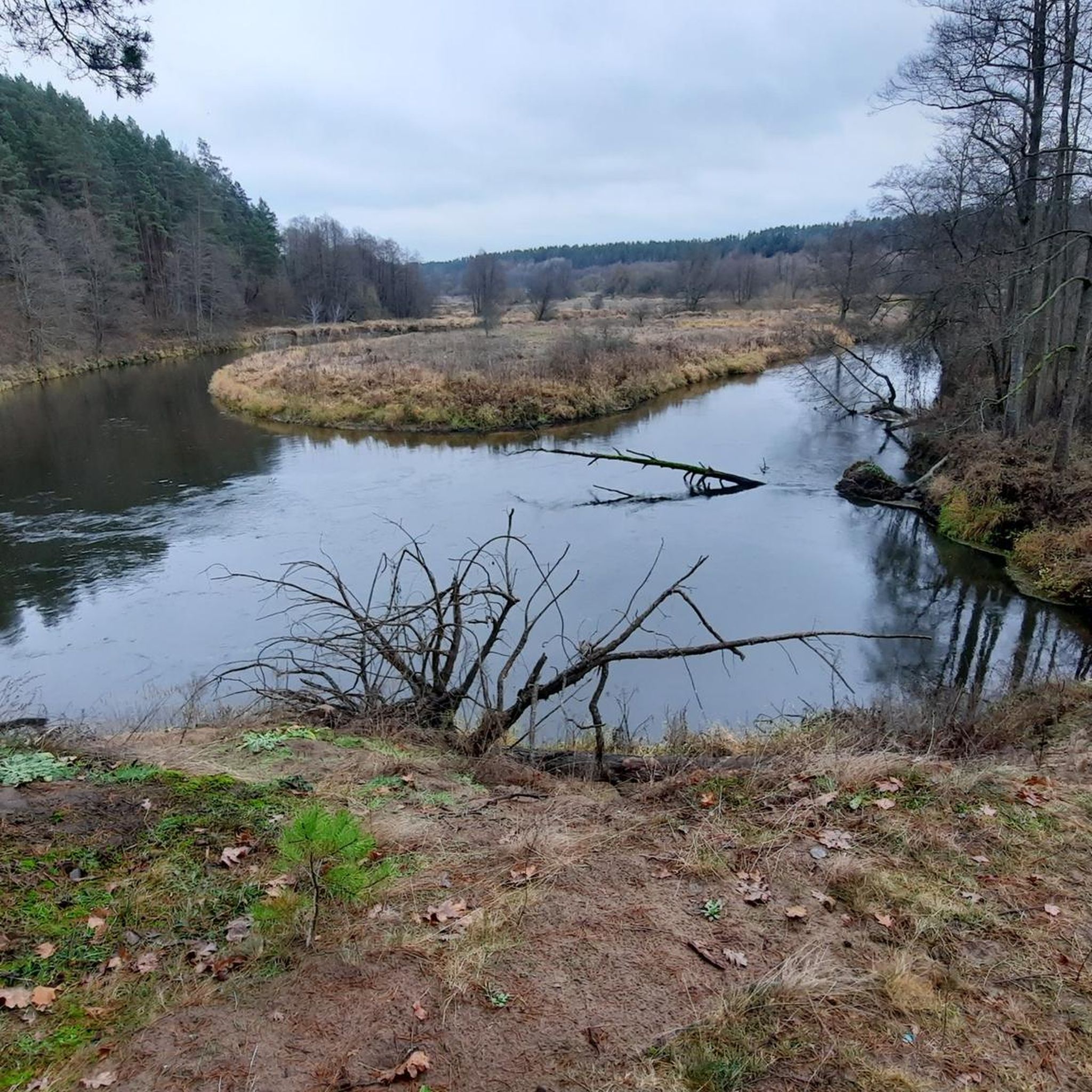
Touring cycling routes in Dzūkijos Nacionalinis Parkas traverse a landscape characterized by extensive pine forests, which constitute 92% of the woodland. The region features a dense hydrographical network, including 36 rivers and streams like the Nemunas, Merkys, and Ūla, offering scenic routes along their valleys. Continental dune massifs and numerous lakes add to the diverse terrain. Routes combine paved roads with gravel and forest paths, providing varied surfaces for touring cyclists.
Best touring cycling routes in Dzūkijos Nacionalinis Parkas
- The…
Last updated: May 12, 2026
4.0
(1)
4
riders
81.4km
04:46
340m
340m
Moderate bike ride. Good fitness required. Mostly paved surfaces. Suitable for all skill levels.
5.0
(1)
2
riders
Easy bike ride. Great for any fitness level. Mostly paved surfaces. Suitable for all skill levels.

Sign up for free
5.0
(1)
2
riders
Moderate bike ride. Good fitness required. Mostly paved surfaces. Suitable for all skill levels.
3.6
(5)
38
riders
Easy bike ride. Great for any fitness level. Mostly paved surfaces. Suitable for all skill levels.
4.0
(1)
9
riders
47.9km
03:42
250m
250m
Moderate bike ride. Good fitness required. Mostly paved surfaces. Suitable for all skill levels.
Get access to more routes and recommendations from other explorers.
Sign up for free
Already have an account?
Our route recommendations are based on thousands of hikes, rides, and runs completed by other people on komoot.
Start today with a free account
Your next adventure awaits.
Login or Signup
Tips from the Community


The church in the village of Marcinkonys was unfortunately closed. The priest lives in the gray house next door but wasn't home when we rang the bell. Judging by the photos on the plaque, it must be worth seeing.
0
0

The church, built in 1897, was transformed into a church in 1919 and consecrated in 1920. An attempt was made to hold services only in Polish. When Lithuanians demanded their native language, riots broke out. In early 1924, there were no services at all. A parish was established in 1929. In 1933, the church was rebuilt and enlarged. In 1936, the departments and reading rooms of the St. Casimir Society were closed. The church was renovated in 1967 under the care of Pastor Kazimieras Gailias.
3
0

The first temporary church in Druskininkai was built in 1857 in a separate house, thanks to the efforts of Yakov Rozhnov, the deputy governor of Grodno. He also covered all the costs of building the new church, which was built in 1865. Since 1895, there has been a school near the church. During the USSR, in 1947, a parish with 350 members was officially registered. In 1957 and 1978, the church was repaired (Translated from Wikipedia).
4
0

The Church of the Icon of the Mother of God "Joy to All Who Sorrow" is a wooden Russian Orthodox church. It was built between 1861 and 1865, after the place became a famous health resort for Russians. The main donor for the construction of the church was Mikhail Illarionovich Kutuzov. His granddaughter Iekaterina sponsored the iconostasis. The region was occupied by the Poles during World War I and became a center for Belarusian emigrants. The church was closed by the Soviet Union in 1944, but reopened in 1947 and renovated just ten years later. It was renovated again in the late 1980s, during the Soviet era. The church is painted blue on the outside. Various icons and religious images underline the magnificent interior of the church.
1
0

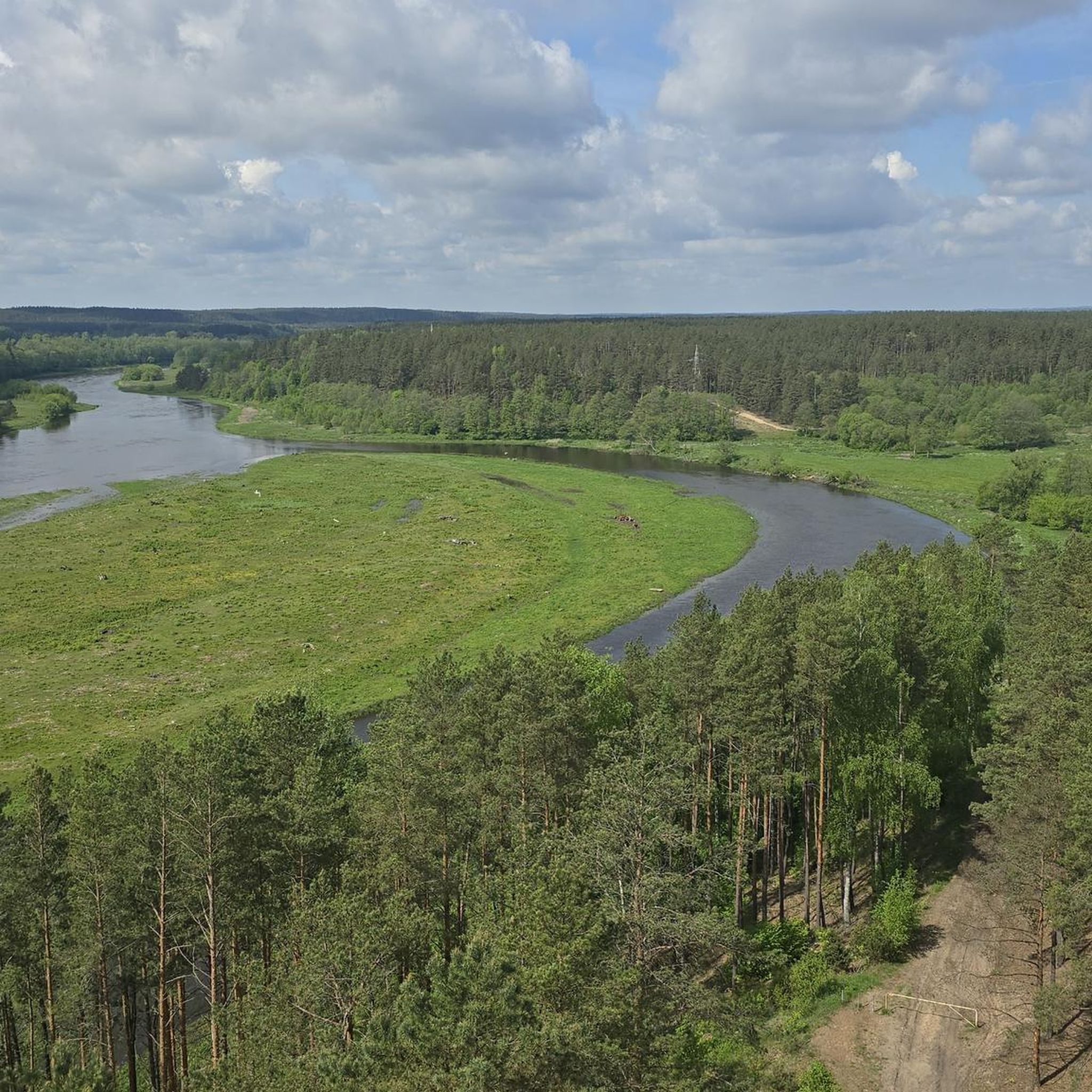
The elegantly curved shape of the observation tower is impressive! The view of the Neman River is impressive too!
1
0
Frequently Asked Questions
How many touring cycling routes are available in Dzūkijos Nacionalinis Parkas?
Dzūkijos Nacionalinis Parkas offers a wide selection of touring cycling routes, with over 50 options to explore. These routes cater to various skill levels, including 27 easy, 17 moderate, and 6 more difficult trails.
What kind of terrain can I expect on touring cycling routes in Dzūkijos Nacionalinis Parkas?
The routes in Dzūkijos Nacionalinis Parkas feature a diverse terrain. You'll cycle through extensive pine forests, along serene river valleys like the Nemunas, Merkys, and Ūla, and past unique continental dune massifs. The paths are a mix of paved roads, gravel tracks, and forest paths, offering a varied touring experience.
Are there easy touring cycling routes suitable for beginners in Dzūkijos Nacionalinis Parkas?
Yes, there are plenty of easy touring cycling routes perfect for beginners. For example, the Subartonys Oak Grove – Talmud-Torah school in Mekiné loop from Nemunas River is an easy 9.9-mile (15.9 km) trail that takes you through river valleys and traditional villages, ideal for a relaxed ride.
Can I find more challenging touring cycling routes in Dzūkijos Nacionalinis Parkas?
For those seeking a greater challenge, Dzūkijos Nacionalinis Parkas offers several moderate to difficult routes. One such moderate option is the Nedzingė Holy Trinity Church – 😲 Čiurlionis mural loop from Marcinkonys, a 50.6-mile (81.4 km) trail that explores forested areas and cultural sites with some elevation changes.
What natural features will I encounter while cycling in Dzūkijos Nacionalinis Parkas?
Cyclists will be immersed in nature, passing through vast pine forests, alongside 36 rivers and streams including the Nemunas and Ūla, and discovering unique continental dune massifs. You might also encounter the Ūlos Akis Spring, a notable natural monument.
Are there any cultural or historical sites to explore along the cycling routes?
Absolutely. The park is rich in cultural heritage. You can cycle through well-preserved ethnographic villages like Zervynos, Marcinkonys, and Musteika, known for their traditional wooden architecture and ancient practices like hollow bee-keeping. The Church of Saints Simon and Jude Thaddeus in Marcinkonys is another significant site.
Where can I find scenic viewpoints along the touring cycling routes?
Dzūkijos Nacionalinis Parkas offers several spots for panoramic views. The Merkinė Observation Tower provides stunning vistas, and there's also an Observation Deck Overlooking the River in Dzūkija National Park, perfect for taking in the river landscapes.
What do other touring cyclists say about the routes in Dzūkijos Nacionalinis Parkas?
The touring cycling routes in Dzūkijos Nacionalinis Parkas are highly regarded by the komoot community, boasting an average rating of 4.6 stars from over 120 reviews. Cyclists often praise the diverse landscapes, the mix of natural and cultural attractions, and the well-maintained paths that blend paved, gravel, and forest sections.
Are there any circular touring cycling routes available in the park?
Yes, many routes in Dzūkijos Nacionalinis Parkas are designed as loops, allowing you to start and end at the same point. An example is the Ice cream parlor and coffee! – Talmud-Torah school in Mekiné loop from Merkinė, a moderate 17.0-mile (27.3 km) path offering a mix of scenery and village exploration.
What is the best time of year for touring cycling in Dzūkijos Nacionalinis Parkas?
The park's more continental climate makes spring, summer, and early autumn ideal for touring cycling. During these seasons, the weather is generally pleasant for exploring the extensive pine forests and river valleys, and you can enjoy activities like mushroom and berry picking in late summer and autumn.
Are there family-friendly touring cycling options in Dzūkijos Nacionalinis Parkas?
Yes, the park has several easy routes suitable for families. These trails often feature gentler terrain and shorter distances, allowing for a comfortable ride for all ages. The serene environment and opportunities to spot wildlife make it an enjoyable experience for families.
Can I find amenities like cafes or accommodation near the cycling routes?
The ethnographic villages within the park, such as Marcinkonys and Merkinė, serve as hubs where you can find local amenities. Marcinkonys hosts the Marcinkonys Visitor Center, and you can often find small cafes or guesthouses in these traditional settlements, offering a taste of local Dzūkian culture.
Most popular routes in Dzūkijos Nacionalinis Parkas
Most popular attractions in Dzūkijos Nacionalinis Parkas

Get inspired with the komoot mobile app


Explore more
Browse the best Cycling routes in other regions.
