The best cycling routes in West- U. Ostabhänge Des Zirbitzkogels
4.5
(242)
1,999
riders
61
rides
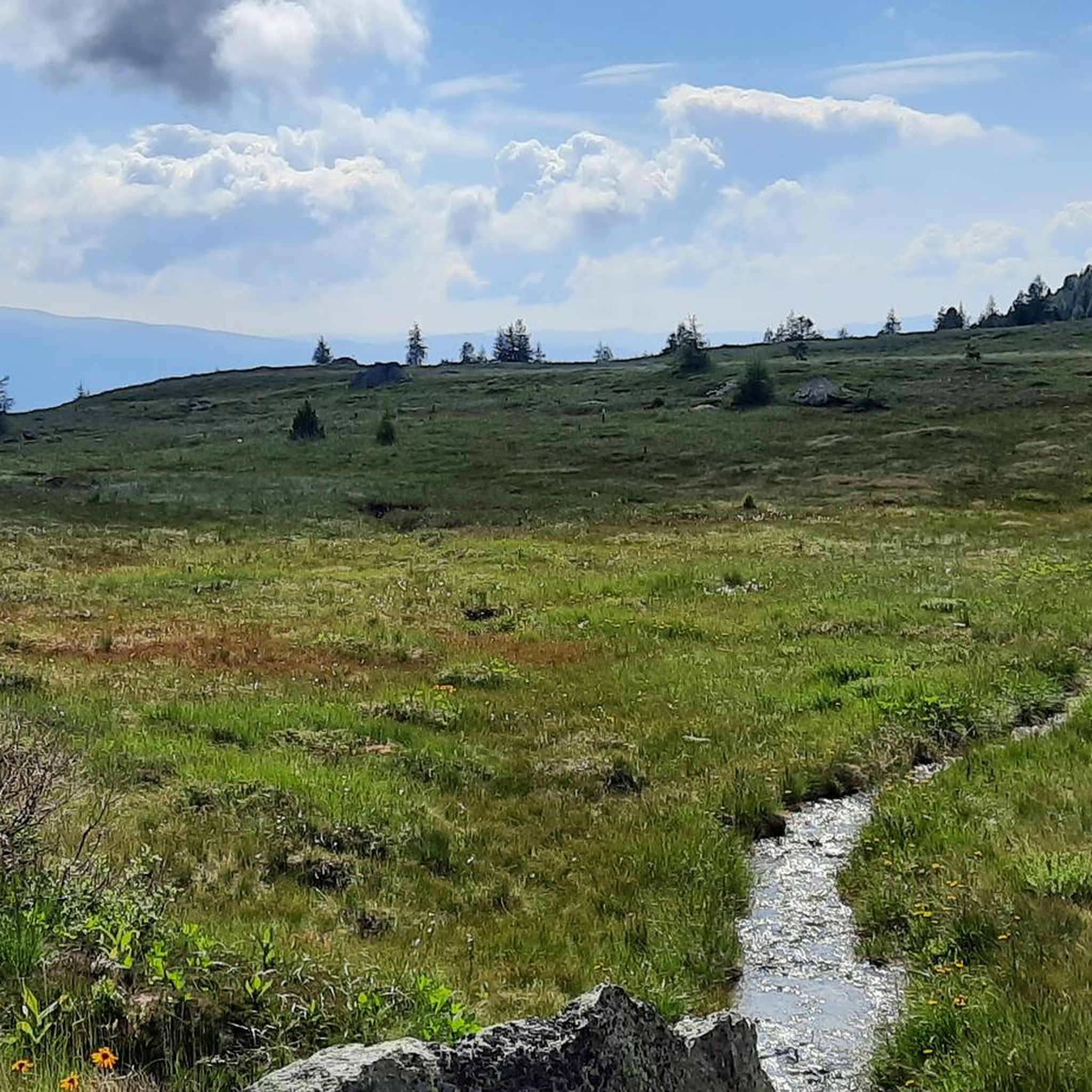
Touring cycling routes in West- U. Ostabhänge Des Zirbitzkogels traverse a landscape shaped by glacial activity, featuring the Zirbitzkogel peak at 2,396 meters (7,861 ft). The region is characterized by dense spruce forests transitioning to scattered larch and Swiss pine, and higher alpine meadows. Numerous springs, tarns like the Winterleitenseen, and extensive moorland landscapes such as the Hörfeldmoor contribute to the diverse terrain. This varied elevation, ranging from approximately 800m to the high mountain character of the Zirbitzkogel, offers a…
Last updated: May 13, 2026
5.0
(1)
19
riders
44.3km
03:20
740m
740m
Hard bike ride. Very good fitness required. Mostly paved surfaces. Suitable for all skill levels.
4.8
(11)
42
riders
24.2km
01:55
430m
430m
Moderate bike ride. Good fitness required. Mostly paved surfaces. Suitable for all skill levels.

Sign up for free
4.9
(9)
45
riders
30.6km
02:24
540m
540m
Hard bike ride. Very good fitness required. Mostly paved surfaces. Suitable for all skill levels.
5.0
(3)
24
riders
12.9km
01:31
630m
630m
Hard bike ride. Very good fitness required. Mostly paved surfaces. Suitable for all skill levels.
5.0
(1)
13
riders
17.3km
01:06
190m
190m
Moderate bike ride. Good fitness required. Mostly paved surfaces. Suitable for all skill levels.
Get access to more routes and recommendations from other explorers.
Sign up for free
Already have an account?
Our route recommendations are based on thousands of hikes, rides, and runs completed by other people on komoot.
Start today with a free account
Your next adventure awaits.
Login or Signup
Popular around West- U. Ostabhänge Des Zirbitzkogels
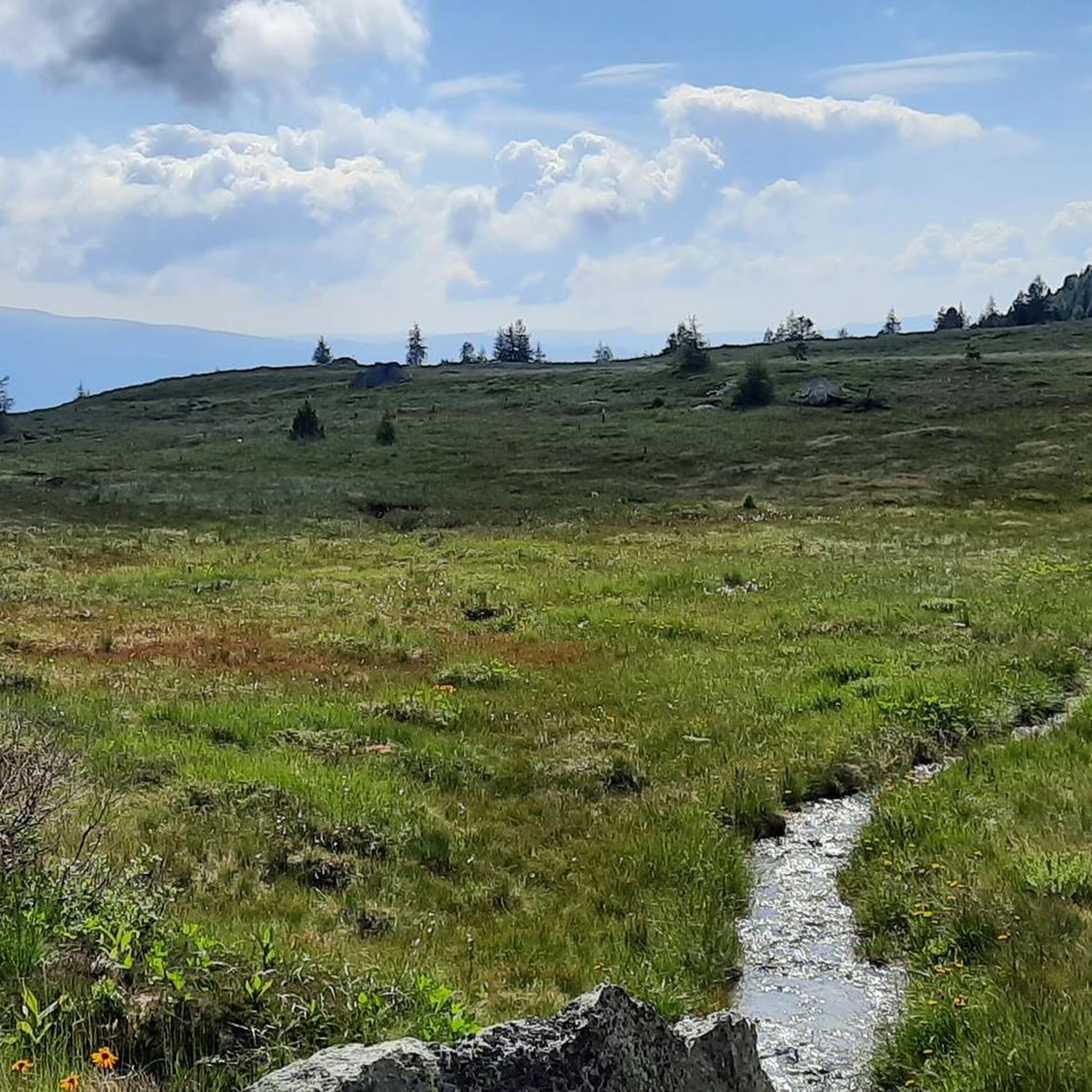
Hiking in West- U. Ostabhänge Des Zirbitzkogels
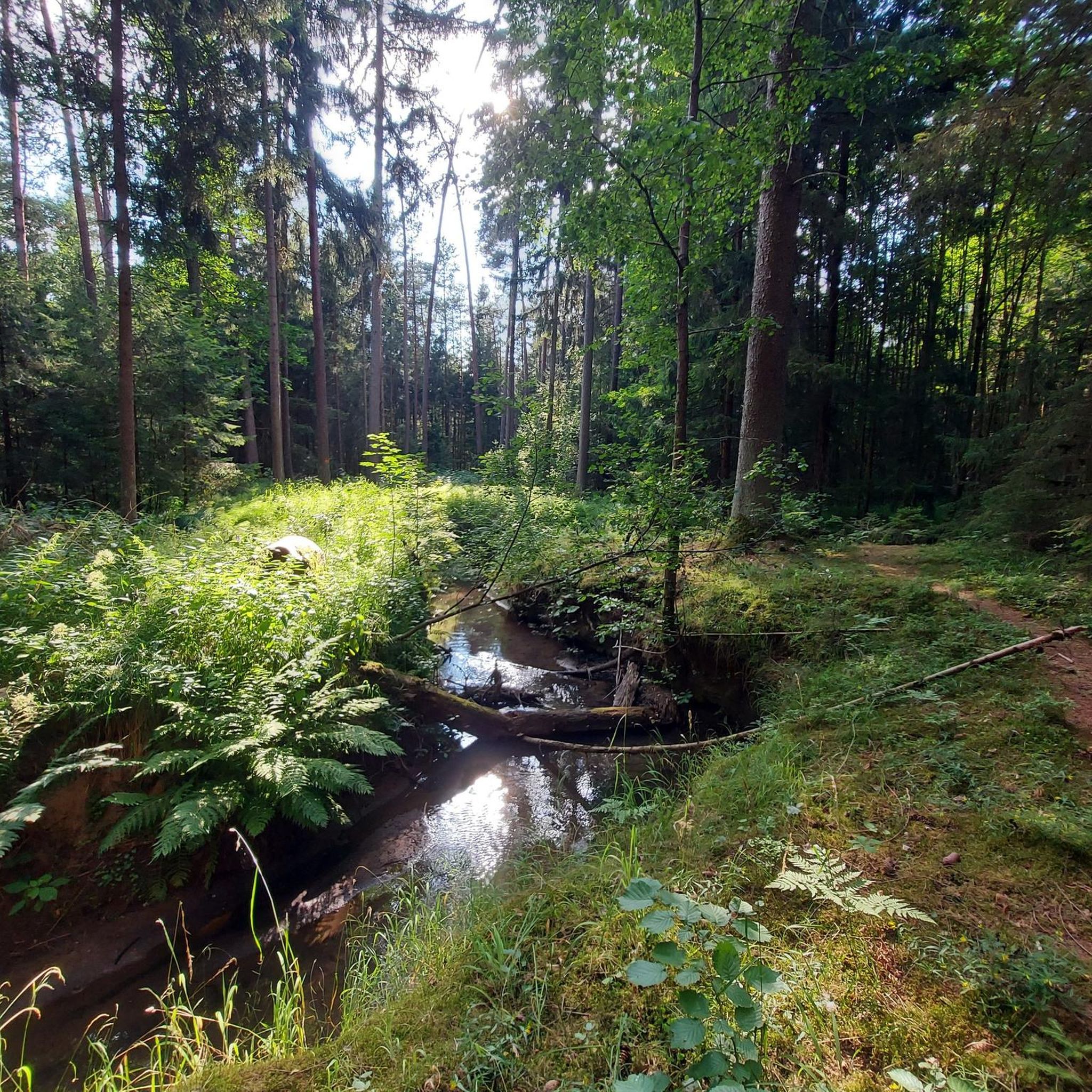
Mountain Hikes in West- U. Ostabhänge Des Zirbitzkogels
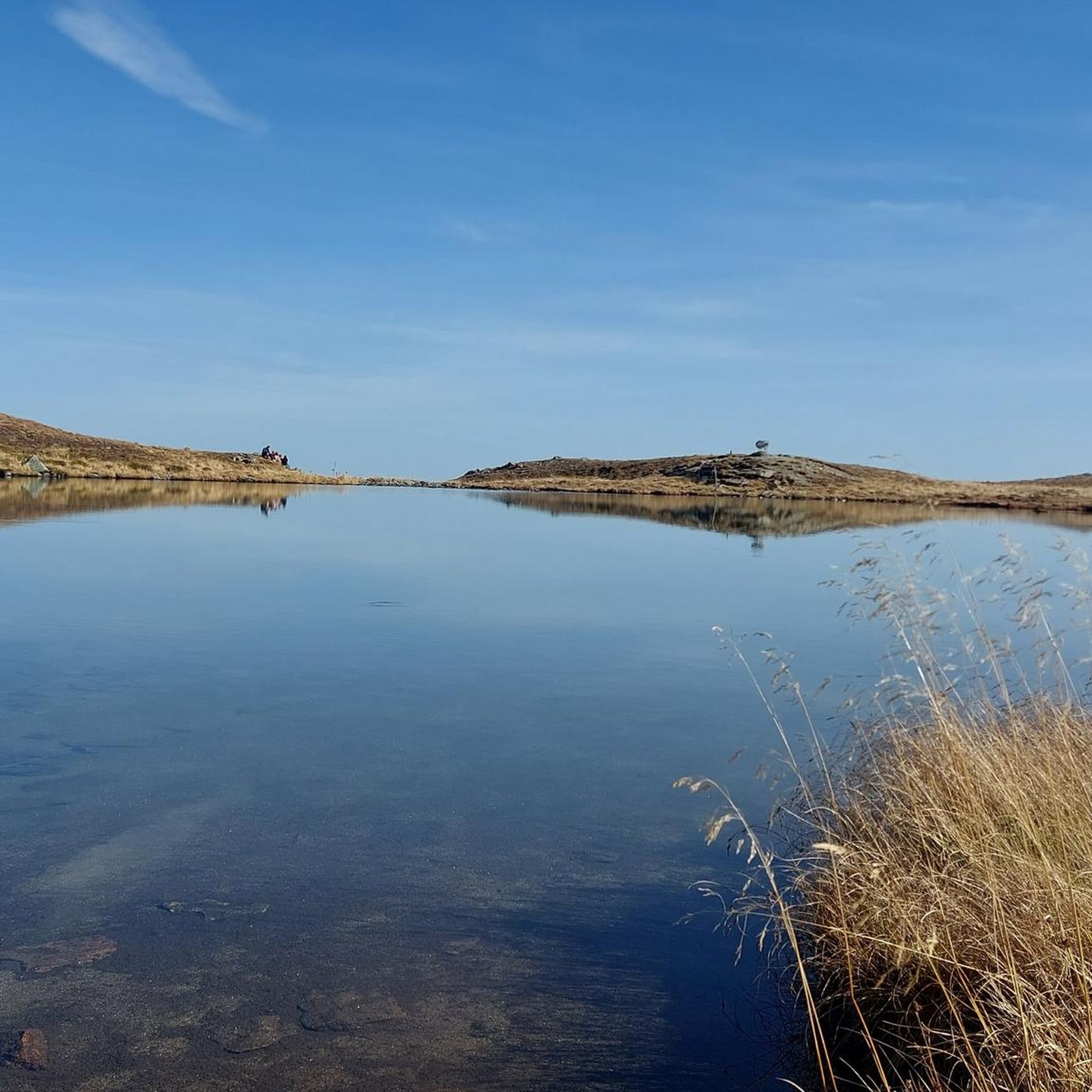
Road Cycling Routes in West- U. Ostabhänge Des Zirbitzkogels
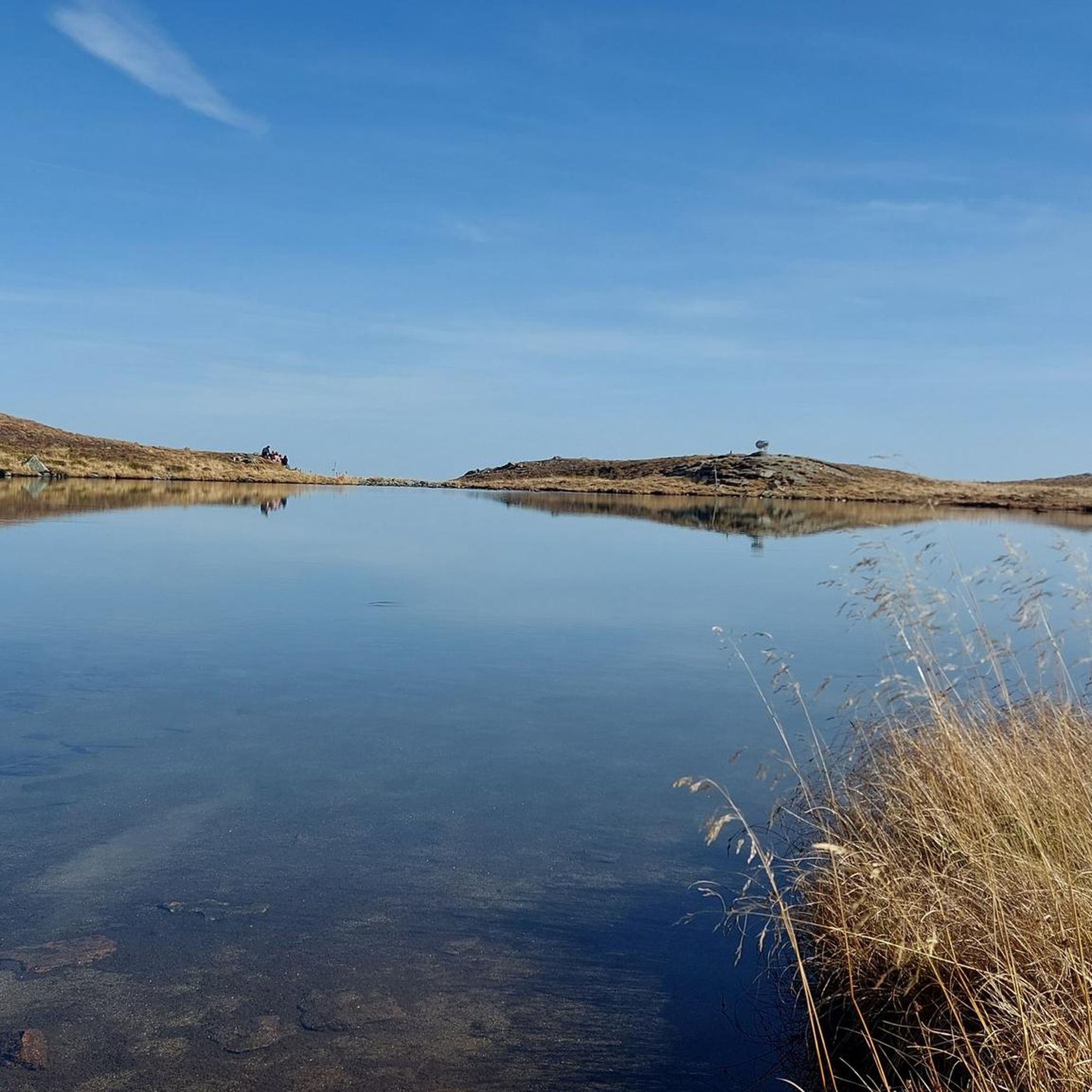
MTB Trails in West- U. Ostabhänge Des Zirbitzkogels
Running Trails in West- U. Ostabhänge Des Zirbitzkogels

Gravel biking in West- U. Ostabhänge Des Zirbitzkogels
Tips from the Community

A beautiful little pond that can also be circumnavigated by hiking. In summer, it's perfect for swimming and SUPing.
5
0


From here you can get a beautiful detailed view of the Hörfeld Moor through the telescope. But that's not all. You can also see the nearby Althaus castle ruins. There is also a table with benches here for a small picnic or just a break.
1
0
A good vantage point for the Hörfeld Moor European nature reserve. The moor is one of the largest and best preserved fens in Austria and is home to a unique flora and fauna. Rare and endangered species such as the curlew, the common snipe, the moor frog and various dragonfly species can be found here. The Hörfeld Moor also has a lot to offer botanically, including orchids, cotton grasses and carnivorous plants such as the sundew.
0
0

In the High Middle Ages, the name Hus stood for a fortified residence, and one such was first mentioned in a document here in 1247. Since mineral mining had been taking place in the area since the early Middle Ages, it cannot be ruled out that a fortification was located here much earlier. In the 13th and 14th centuries, the area around the castle was the property of the Archbishopric of Salzburg, who gave the administration of the property to feudal lords. The family of Wulfingus de Huse, mentioned as the owner in 1247, died out in the male line in 1279, and Archbishop Friedrich appointed Ortlof von Saurau as administrator, who had previously married Matza von Haus. At that time, the castle was called vetus domus, or “old house,” so a newer fortress must have already existed. This may have been Silberberg, located a little downstream on the other side of the valley. In 1396, Archbishop Gregor appointed Bishop Konrad von Lavant as the caretaker of Althaus. In 1449, Althaus was described as dilapidated, but was made habitable again. In the 16th century, the owners preferred Silberberg as their place of residence, but the importance of Althaus increased again because it had to protect the numerous mines that had been in operation in the area since the beginning of the 16th century. After the mines were exhausted, however, the castle's days were numbered; it was abandoned and fell into disrepair. The last news about the castle is a letter from 1628 in which Regina Grimmigin, née Teuffenbach, asserted inheritance rights. The land on which the remains of the castle are located now belongs to a neighboring farm. The ruins are a listed building.
2
0
The complex is located above the Görtschitztal road (B 92) leading from Hüttenberg to Neumarkt on a rocky hill about 30 meters high. The ruins of the mighty, thick-walled residential tower, which also made up the main part of the entire complex, have been preserved from the Romanesque castle. There are no remains of the usual ring wall around the tower castle. On the north side of the castle hill, however, a former sickle-shaped rampart can be seen in the area. The four floors of the rectangular double tower were built in the first half of the 13th century, the oldest parts probably date back to the end of the 12th century. In the basement there are two vaulted rooms separated by a barrel-vaulted corridor, and traces of the castle chapel can still be found on the first floor.
2
0
The Hörfeld Moor lies south of Mühlen on the border between Styria and Carinthia in a depression that was carved out by the ice age glaciers. Since then, a moor with adjacent wet meadows has developed. Because of its importance for nature, it was declared a European protected area. This means that you can discover such pretty moor plants as the white-flowered marsh trefoil, the pond horsetail, the yellow-flowered marsh marigold and the yellow-flowered tongue buttercup. Shrubs and trees, such as the buckthorn and the downy birch, are often mixed in. The small lakes provide the common frog, yellow-bellied toad and common toad with their spawning waters. The flower-rich tall shrubs provide a habitat for numerous, colorful butterflies, including the large meadow brown, which is endangered throughout Austria, and the fritillary. The Valerian fritillary is particularly pretty with its orange-black mottled wings. There are also over 130 species of birds to observe: Whinchat, Rosefinch, Lapwing, Corncrake, Teal and Water Rail are some of them. The starting point is the car park on the B92 south of Mühlen. To the southwest, the path leads directly into the moorland.
2
0
The Hörfeld Moor lies south of Mühlen on the border between Styria and Carinthia in a depression that was carved out by the ice age glaciers. Since then, a moor with adjacent wet meadows has developed. Because of its importance for nature, it was declared a European protected area. This means that you can discover such pretty moor plants as the white-flowered marsh trefoil, the pond horsetail, the yellow-flowered marsh marigold and the yellow-flowered tongue buttercup. Shrubs and trees, such as the buckthorn and the downy birch, are often mixed in. The small lakes provide the common frog, yellow-bellied toad and common toad with their spawning waters. The flower-rich tall shrubs provide a habitat for numerous, colorful butterflies, including the large meadow brown, which is endangered throughout Austria, and the fritillary. The Valerian fritillary is particularly pretty with its orange-black mottled wings. There are also over 130 species of birds to observe: Whinchat, Common Rosefinch, Lapwing, Corncrake, Teal and Water Rail are some of them. The starting point is the car park on the B92 south of Mühlen. To the southwest, the path leads directly into the moorland.
2
0
Frequently Asked Questions
How many touring cycling routes are available in West- U. Ostabhänge Des Zirbitzkogels?
The West- and East slopes of the Zirbitzkogel offer a comprehensive network of over 60 touring cycling routes. This includes 4 easy routes, 25 moderate routes, and 32 difficult routes, catering to a wide range of skill levels.
What kind of terrain can I expect on touring cycling routes in the Zirbitzkogel region?
The terrain varies significantly, shaped by glacial activity. You can expect a mix of dense spruce forests, scattered larch and Swiss pine stands, and higher alpine meadows. Routes range from approximately 800m in elevation to the high-mountain character of the Zirbitzkogel peak at 2,396 meters, offering both gentle rides through valleys and challenging ascents.
What natural features or landmarks can I see along the touring cycling routes?
The region is rich in natural beauty. You can encounter numerous springs, picturesque tarns like the two Winterleitenseen, and extensive moorland landscapes such as the internationally protected Hörfeldmoor. The Zirbitzkogel summit itself offers breathtaking 360° panoramic views. The Graggerschlucht gorge with its waterfall is another natural highlight. For cultural insights, consider routes passing by the NaturLese-Museum Neumarkt.
Are there easy touring cycling routes suitable for beginners?
Yes, there are several easy touring cycling routes. For instance, the region offers 4 routes specifically rated as easy. These routes typically traverse wide plateaus and gently rolling meadows, providing a pleasant experience for those new to touring cycling or looking for a relaxed ride.
Can I find circular touring cycling routes in the area?
Yes, many touring cycling routes in the Zirbitzkogel region are designed as loops. For example, the View of the Seetaler Alps – Furtnerteich Lake loop from Mühlen offers expansive views, while the NaturLesePark – Neumarkt Main Square Fountain loop from Mühlen combines natural and cultural sights.
What is the best time of year for touring cycling in the Zirbitzkogel region?
The best time for touring cycling is generally from late spring through early autumn. During these months, the weather is more stable, and the alpine meadows are in bloom. The Zirbitzkogelhaus at the summit is typically open during the warmer seasons, providing a welcome stop.
Are the touring cycling routes family-friendly?
Yes, the diverse terrain includes options suitable for families. The easier routes, often through valleys and along ponds like the Furtnerteich, provide a gentle experience. The NaturLese-Museum Neumarkt also offers an engaging educational experience that can be combined with a family-friendly ride.
Can I bring my dog on the touring cycling routes?
While many natural areas in Austria are dog-friendly, it's always recommended to keep dogs on a leash, especially in nature parks and near wildlife. Be mindful of livestock on alpine pastures. Always carry water for your dog, especially on longer routes or during warmer weather.
Where can I park my car when starting a touring cycling route?
Specific parking information for individual routes is best checked on the komoot tour page for each route. However, as a well-established nature park and outdoor recreation area, you can generally expect designated parking areas near popular trailheads and villages like Mühlen or Neumarkt.
Are there places to eat or stay near the touring cycling routes?
Yes, the region offers various amenities. The Zirbitzkogel Hut at the summit provides a resting point, and other huts like Rothaidenhütte and Köhlerhütte are available. Villages within the nature park also offer accommodation and dining options.
Is public transport available to access the cycling routes?
While specific public transport connections directly to every trailhead might be limited, regional bus services often connect the main towns and villages within the Zirbitzkogel-Grebenzen Nature Park. It's advisable to check local bus schedules for connections to your desired starting points.
What do other touring cyclists say about the routes in West- U. Ostabhänge Des Zirbitzkogels?
The touring cycling routes in West- U. Ostabhänge Des Zirbitzkogels are highly rated by the komoot community, with an average score of 4.6 stars from over 240 reviews. Cyclists often praise the diverse terrain, from tranquil moorland landscapes to challenging mountain ascents, and the stunning panoramic views from higher elevations.
Most popular routes in West- U. Ostabhänge Des Zirbitzkogels
Most popular attractions in West- U. Ostabhänge Des Zirbitzkogels

Get inspired with the komoot mobile app


Explore more
Browse the best Cycling routes in other regions.
