The best cycling routes in Die Wachau (Buffer Melk)
4.5
(219)
1,646
riders
37
rides
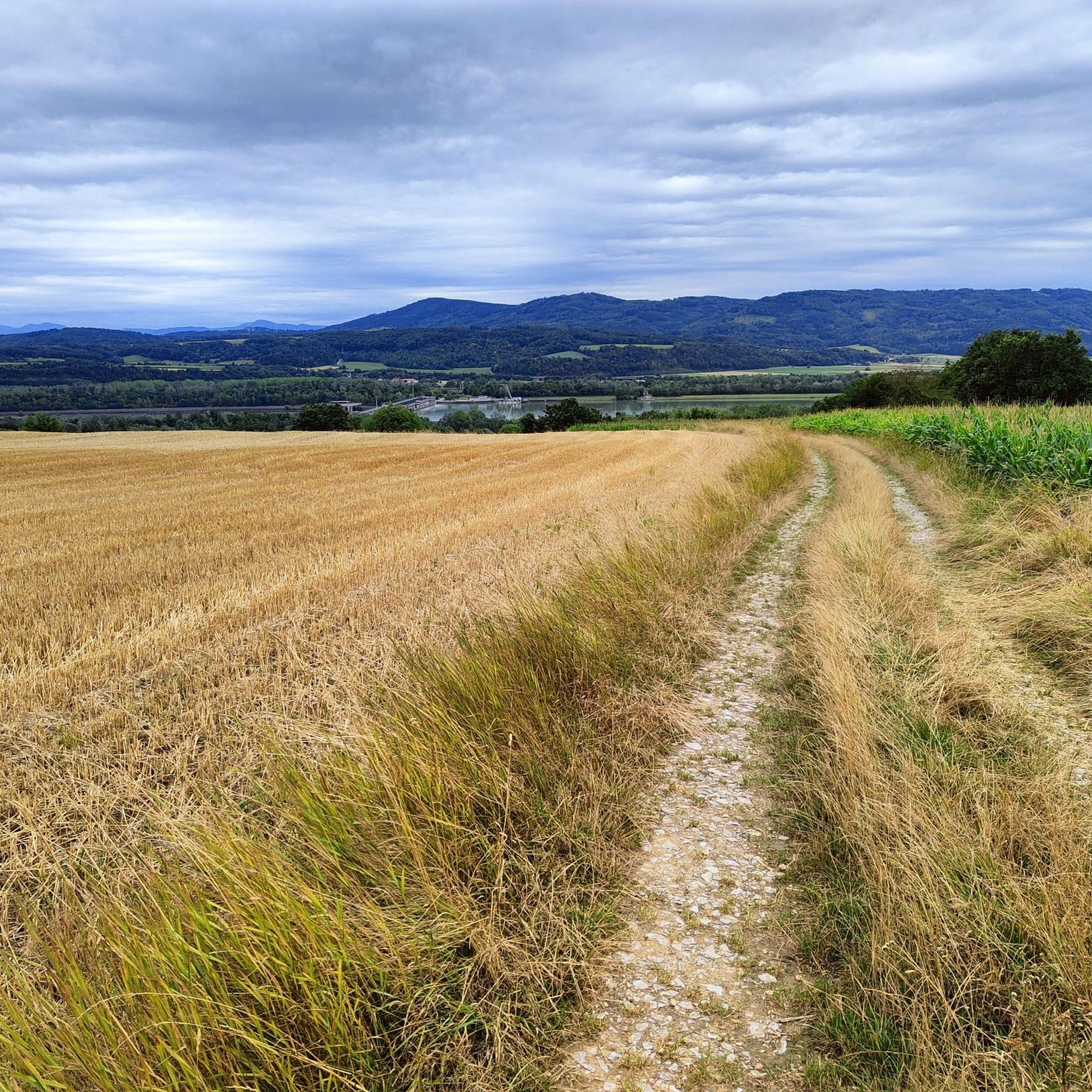
Touring cycling in Die Wachau (Buffer Melk) is characterized by its location along the Danube River, featuring rolling hills, terraced vineyards, and apricot orchards. The landscape includes remnants of riparian forests, dry grasslands, and near-natural forests, contributing to its significance as a nature conservation area. The region's topography offers a mix of mostly flat routes along the river and more challenging rides with gentle to significant hills. This area provides diverse terrain for cyclists, from riverside paths to elevated viewpoints.
…Last updated: November 25, 2026
4.5
(31)
129
riders
57.1km
03:38
330m
140m
Moderate bike ride. Good fitness required. Mostly paved surfaces.
4.7
(11)
130
riders
11.9km
00:46
100m
100m
Easy bike ride. Mostly paved surfaces.

4.8
(4)
60
riders
8.36km
00:32
50m
50m
Easy bike ride. Mostly paved surfaces.
4.2
(10)
29
riders
30.9km
02:04
410m
400m
Moderate bike ride. Good fitness required. Mostly paved surfaces.
4.6
(5)
32
riders
7.09km
00:24
20m
20m
Easy bike ride. Mostly paved surfaces.
Get access to more routes and recommendations from other explorers.
Already have an account?
Our route recommendations are based on thousands of hikes, rides, and runs completed by other people on komoot.
Start today with a free account
Your next adventure awaits.
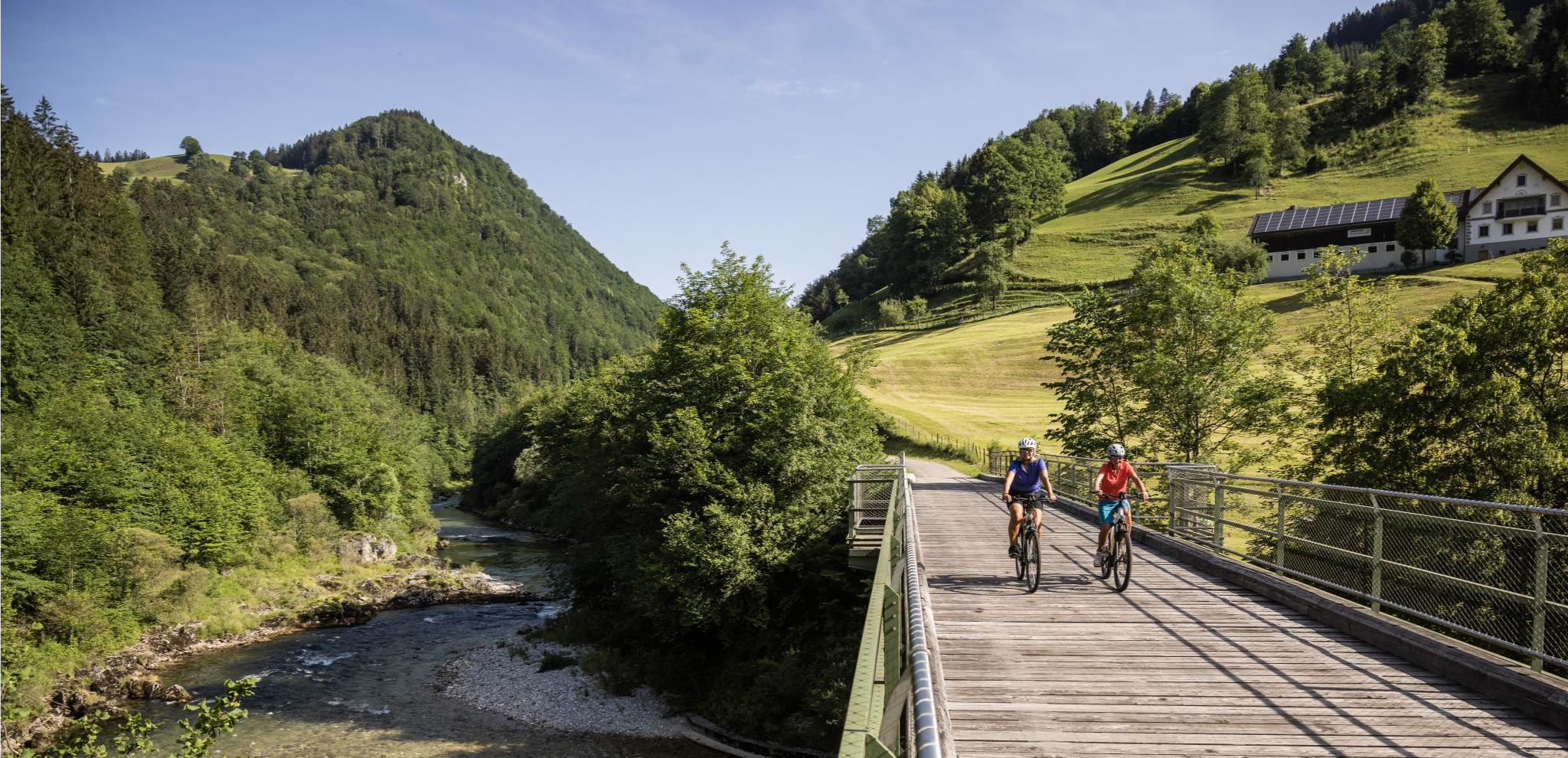
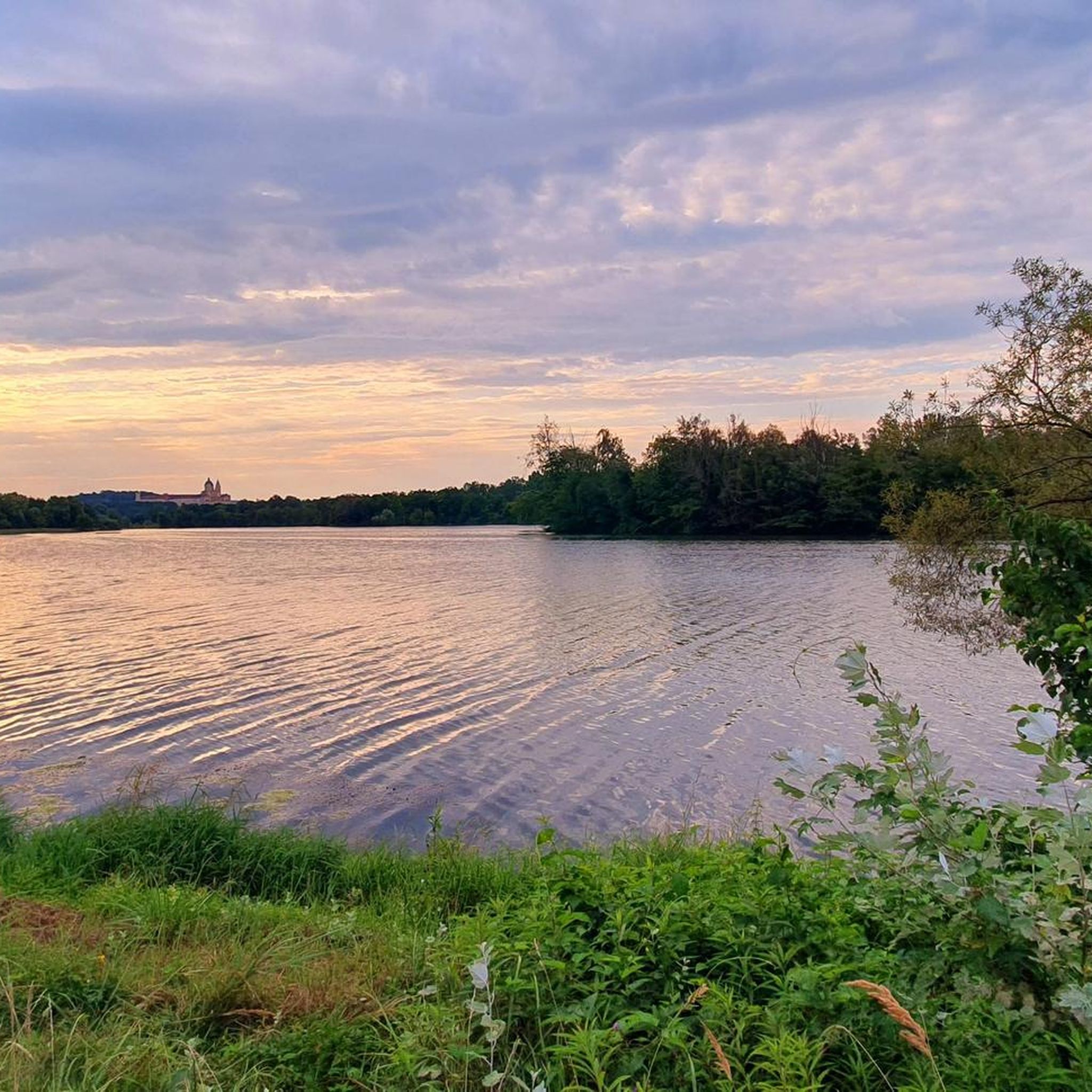
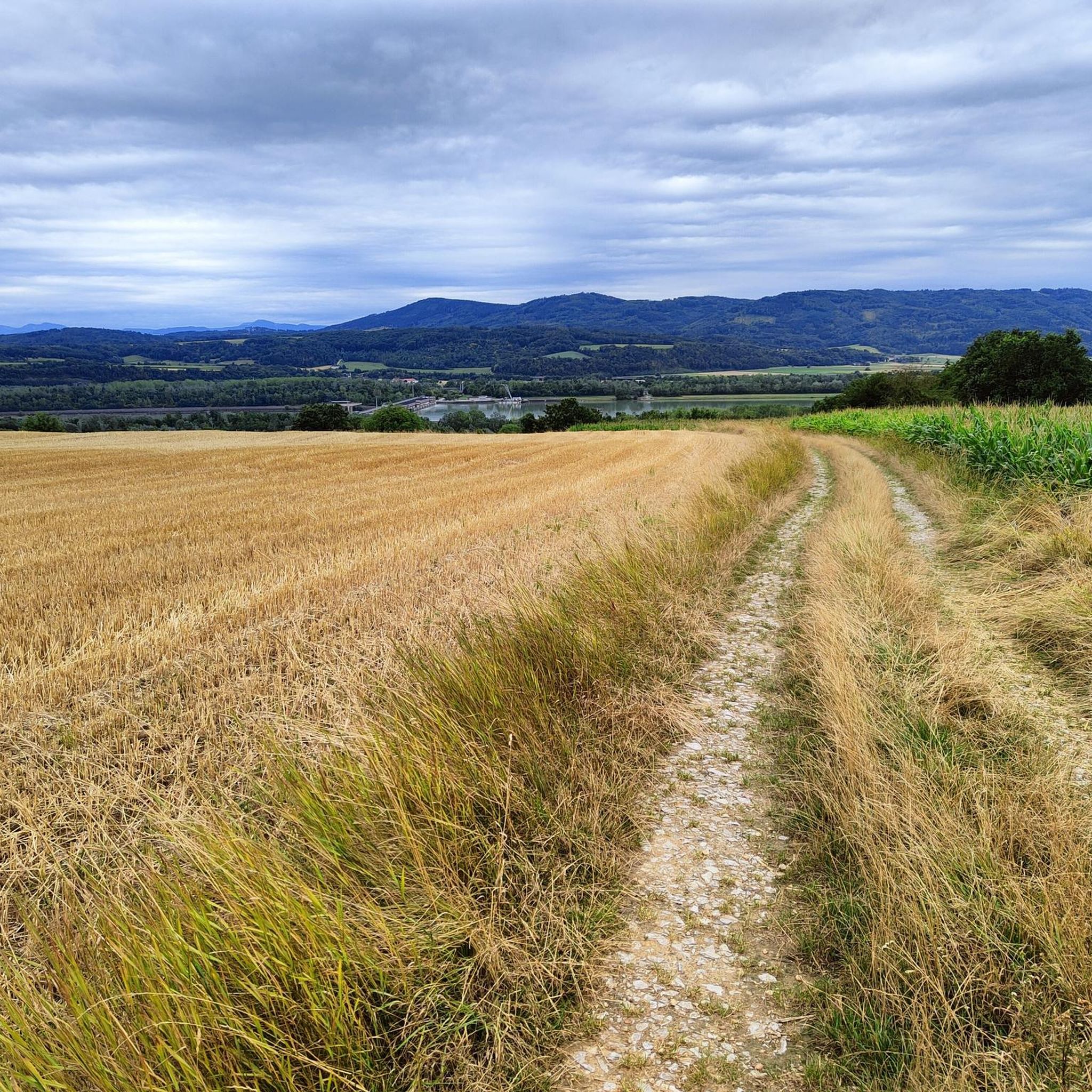
Other adventures in Die Wachau (Buffer Melk)

Tips from the Community

The culturally interested traveler will not encounter it unexpectedly, the Benedictine Abbey, mostly known by the name STIFT MELK – and under the patronage of the two apostle princes – whose official designation is „Abbatia SS. App. Petri et Pauli apud Melk“. It is not only significant in a religious respect, but even an essential part of the cultural landscape of Wachau, ennobled by UNESCO with the special predicate „World Heritage“. A documentation within the framework of the television series »Schätze der Welt – Erbe der Menschheit« reports: „A landmark of the Wachau and actually the staging of this landscape is the Stift Melk. The core of the Melk monastery complex is the library, with 85,000 volumes and 1200 manuscripts, one of the largest in the world. It is the ideological headquarters of Benedictinism. Here everything is stored that can be described as the foundation of the Western spirit.“ The fifteen-minute contribution about this highlight, awarded by UNESCO with the predicate „World Heritage“, is available in the ARD media library via the following link =>> https://www.ardmediathek.de/video/schaetze-der-welt/die-wachau-oesterreich-folge-282/swr/Y3JpZDovL3N3ci5kZS82ODcyNjk0
0
0

From Melk to Emmersdorf, from there continue to Maria Laach via Obernorf to the transmitter and viewing platform then descent to Gut am Steg and return via Spitz to Melk approx. 60km and 950Hm
0
0

A very beautiful structure above the Danube.
0
0

Be sure to visit and see the variety of wild herbs and their effects and uses.
0
0
next to a beautiful wooden footbridge over the Pielach river
0
0

Melk railway station was opened as part of the construction of the Western Railway, which became fully operational between Vienna and Linz in 1858. This makes it one of the older stations along this important Austrian main line. The station was originally built as a classic Imperial and Royal (k.k.) station building in the mid-19th century, with a two-story station building in a simple historicist style typical of the imperial era. The original building was functionally designed, with waiting rooms, offices, and a small goods shed. It was remodeled and modernized several times over the decades, particularly in the 20th century, as rail traffic increased and the facility had to be adapted to new requirements. A significant change was the electrification of the Western Railway, completed in 1958 – exactly 100 years after the line's opening. This provided the station with new technical equipment and modernized track infrastructure. In the following decades, the building was gradually renovated, preserving parts of its historic core. Today, Melk railway station presents itself as a modern transport hub with contemporary facilities, but it has retained its historical location and layout from the time of the Westbahn railway's construction. It thus stands as a symbol of the transformation from an imperial-era railway junction to a modern mobility center in a town steeped in tradition.
0
0
The bridge over the Melk River, just before its confluence with the Danube, offers outstanding views of the river, its estuary, and the surrounding landscape. Melk Abbey, a Benedictine monastery of outstanding historical and cultural significance, rises within sight. Founded in the 11th century, it received its present Baroque appearance in the 18th century under the direction of Jakob Prandtauer. The abbey impresses with its magnificent library, ornate state rooms, and the Baroque abbey church with its striking onion domes and magnificent frescoes. As part of the Wachau UNESCO World Heritage Site, the abbey attracts numerous visitors every year and, together with the view from the bridge, forms a particularly impressive panorama of the region.
3
0
Melk's town square forms the historic and vibrant center of the town. Surrounded by well-preserved house facades, cafés, and shops, it invites you to stroll and linger. Particularly striking is its proximity to Melk Abbey, which towers high above the square. As the town's central meeting place, the square regularly serves as the setting for markets, festivals, and cultural events, while also providing an ideal starting point for exploring the town and its surroundings.
2
0
Frequently Asked Questions
How many touring cycling routes are available in Die Wachau (Buffer Melk)?
There are over 40 touring cycling routes available in Die Wachau (Buffer Melk), offering a diverse range of experiences for cyclists of all levels.
Are there easy touring cycling routes suitable for beginners or families?
Yes, Die Wachau offers many easy touring cycling routes, particularly along the Danube River. For example, the View of Pöchlarn – Pöchlarn Danube Bridge loop from Melk is an easy 11.1-mile path that follows the Danube, providing scenic river views perfect for a relaxed ride. The region is well-known for its family-friendly paths, such as sections of the Danube Cycle Path.
What kind of terrain can I expect on touring cycling routes in Die Wachau?
The terrain in Die Wachau is quite varied. You'll find mostly flat routes along the Danube River, which are ideal for leisurely touring. However, the region also features rolling hills, terraced vineyards, and apricot orchards, offering more challenging rides with gentle to significant elevation gains for those seeking a workout and panoramic views. The landscape includes remnants of riparian forests, dry grasslands, and near-natural forests.
Are there any challenging touring cycling routes for experienced cyclists?
Yes, while many routes are gentle, Die Wachau also offers more challenging options with significant hills for experienced cyclists. There are 15 difficult routes available, providing opportunities for a more strenuous ride and rewarding panoramic views over the valley and vineyards. These routes often venture away from the immediate riverside.
What are some notable landmarks or attractions I can see along the touring cycling routes?
Die Wachau is rich in historical and cultural attractions. Along the routes, you can encounter impressive sites like Melk Abbey, a world-famous monastic site. You can also enjoy views like the View of Melk Abbey from Sankt Leopold Bridge. Other points of interest include Luberegg Castle and charming towns like Dürnstein with its medieval castle ruins.
Are there circular touring cycling routes in Die Wachau?
Yes, there are several circular touring cycling routes available. For instance, the Weitenegg Castle Ruins – View of Melk Abbey loop from Melk is a 12.2-mile circular trail that takes you through historical sites and river scenery. Another option is the Bridge over the Melk – Side view of Melk Abbey loop from Melk, offering a different perspective of the area.
What is the best time of year to go touring cycling in Die Wachau?
The Wachau region is beautiful throughout the warmer months. Spring (April-May) is ideal for seeing apricot blossoms and vineyards coming to life, while autumn (September-October) offers stunning fall foliage and grape harvest activities. Summer (June-August) is also popular, though it can be warmer. The well-maintained paths make cycling enjoyable across these seasons.
Are there opportunities to visit wineries or cafes along the cycling paths?
Absolutely! The Wachau is renowned for its wine production, particularly Grüner Veltliner and Riesling. Many cycling routes pass through picturesque wine villages like Spitz and Weißenkirchen, offering numerous opportunities to stop at local wineries for tastings. You'll also find charming cafes and restaurants, such as Mole Melk – Restaurant & Guesthouse on the Danube, perfect for a break and to sample local delicacies, including those made from the region's famous apricots.
How can I reach the touring cycling routes in Die Wachau using public transport?
The Wachau region is well-connected by public transport, making it easy to access cycling routes. Trains and buses serve key towns like Melk and Krems, which are common starting or ending points for tours. The Danube Cycle Path, for example, runs directly between these towns, allowing for flexible travel arrangements.
Where can I park my car when starting a touring cycling route in Die Wachau?
Parking facilities are available in the main towns along the Danube, such as Melk, Dürnstein, Spitz, and Krems. These towns serve as popular starting points for cycling tours, and you'll typically find designated parking areas close to the river or town centers, often with easy access to the cycle paths.
What do other cyclists say about their experience touring cycling in Die Wachau?
The touring cycling experience in Die Wachau (Buffer Melk) is highly rated by the komoot community, with an average score of 4.4 stars from over 100 reviews. Cyclists frequently praise the stunning scenic views of the Danube, the terraced vineyards, and the charming historical towns. The well-maintained paths and the blend of natural beauty with cultural highlights are often highlighted as key reasons for the positive feedback.
Are dogs allowed on touring cycling routes in Die Wachau?
Generally, dogs are welcome on many of the outdoor paths in Die Wachau, especially on the wider, less crowded sections of the Danube Cycle Path. However, it's always advisable to keep dogs on a leash, particularly in populated areas, near wildlife, or on shared paths. Be mindful of local regulations and ensure your dog is comfortable with cycling alongside you.
Are there options for bike rental in the Wachau region?
Yes, bike rentals are readily available throughout the Wachau valley, particularly in major towns like Melk, Dürnstein, and Krems. You can find a variety of bicycles, including e-bikes, making it convenient to explore the region even if you don't bring your own equipment. Many rental shops are located near the Danube Cycle Path.
Can I find less crowded touring cycling paths in Die Wachau?
While the Danube Cycle Path is popular, especially in peak season, you can find less crowded options by exploring routes that venture slightly away from the immediate riverside or by cycling during off-peak hours or seasons. Routes that climb into the hills or explore the smaller valleys, such as the Pielachtalradweg im Mostviertel, often offer a more tranquil experience while still providing beautiful scenery.
Most popular routes in Die Wachau (Buffer Melk)
Most popular attractions in Die Wachau (Buffer Melk)

Get inspired with the komoot mobile app


Explore more
Browse the best Cycling routes in other regions.
