Top 20 Castles around Senheim
Best castles around Senheim are found in the surrounding Moselle region, which features numerous historical sites. This area is characterized by the Moselle Valley, offering a landscape where impressive architecture meets natural beauty. Castles and ruins provide insights into the region's past. The Moselle River is a prominent geographic feature, with many castles perched above its banks.
Best castles around Senheim
- The most popular castles is View of Reichsburg Cochem and the town of Cochem, a viewpoint that offers…
Last updated: October 9, 2026
View of Reichsburg Cochem and the town of Cochem
Highlight • Viewpoint
Translated by Google •
Tip by

View of Beilstein and Metternich Castle
Highlight • Viewpoint
Franconian grave finds show Beilstein's settlement around 800 AD. The place had been a feudal possession of the Lords of Braunshorn since 1268. …
Translated by Google •
Tip by

Sign up now to discover places like this
Get recommendations on the best single tracks, peaks, & plenty of other exciting outdoor places.
Beilstein
Highlight • Settlement
Translated by Google •
Tip by

View of Cochem Castle (Reichsburg Cochem)
Highlight • Castle
Translated by Google •
Tip by

View of Cochem and Reichsburg Castle
Highlight • Viewpoint
Translated by Google •
Tip by

Sign up for free to discover even more castles around Senheim.
Already have an account?
Start today with a free account
Your next adventure awaits.
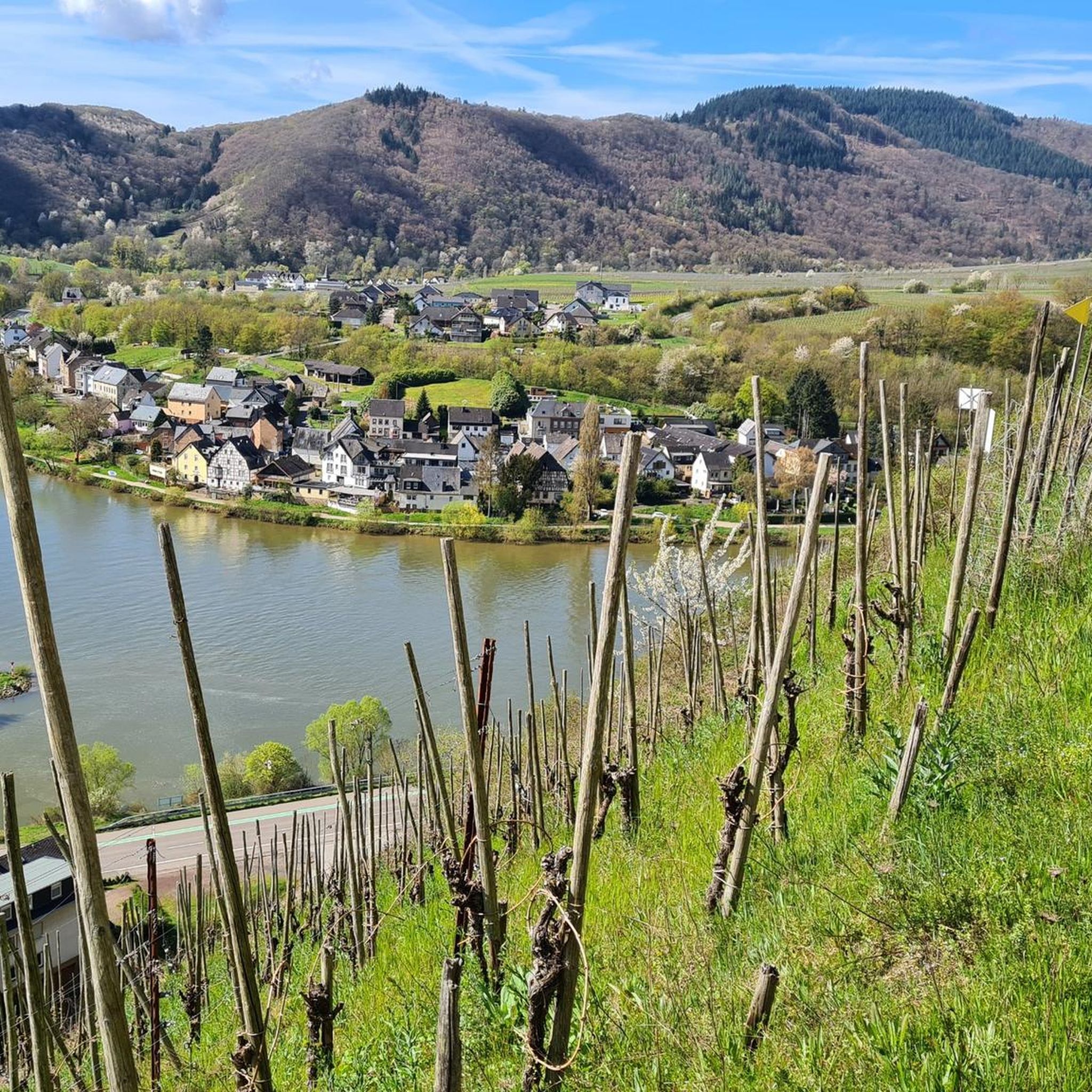
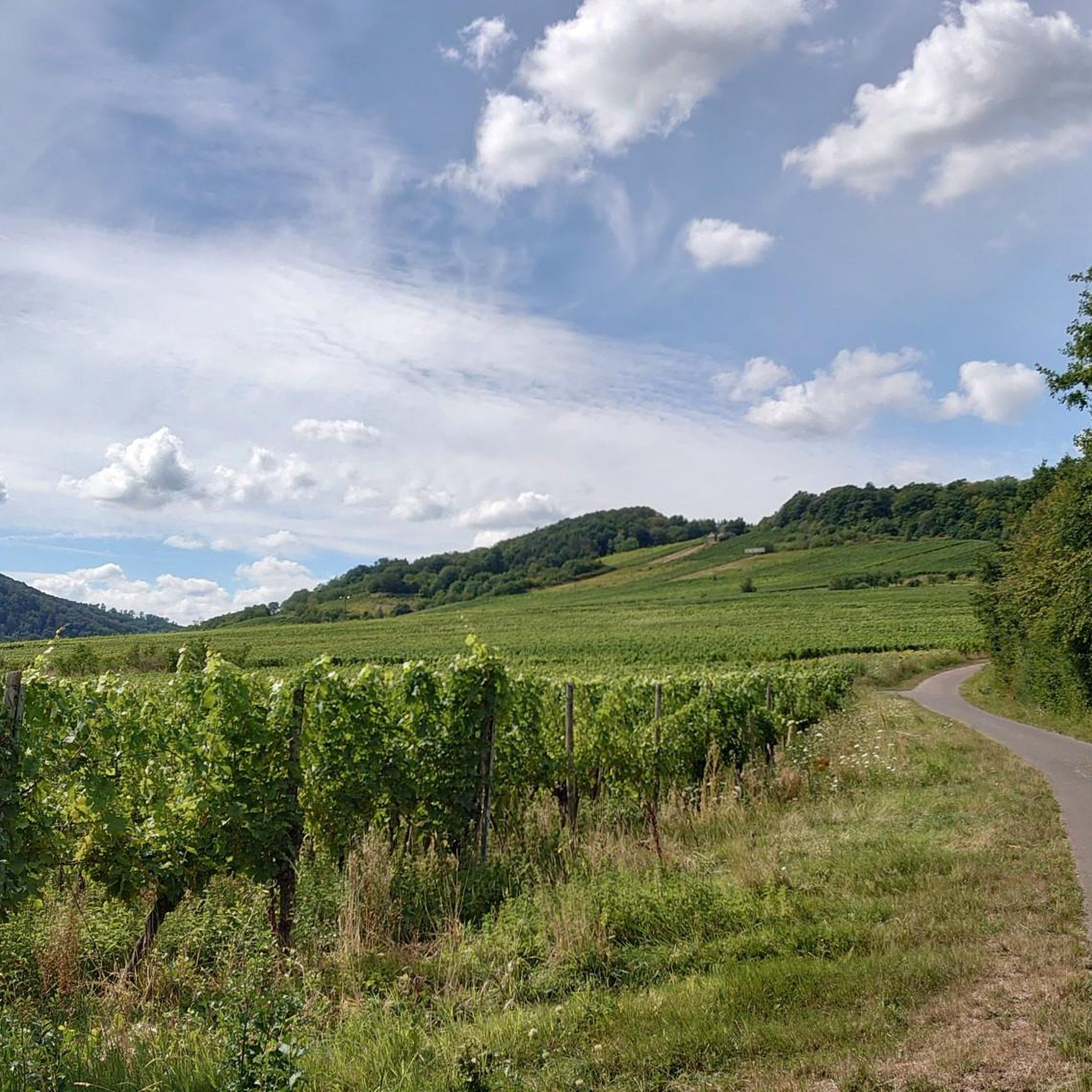
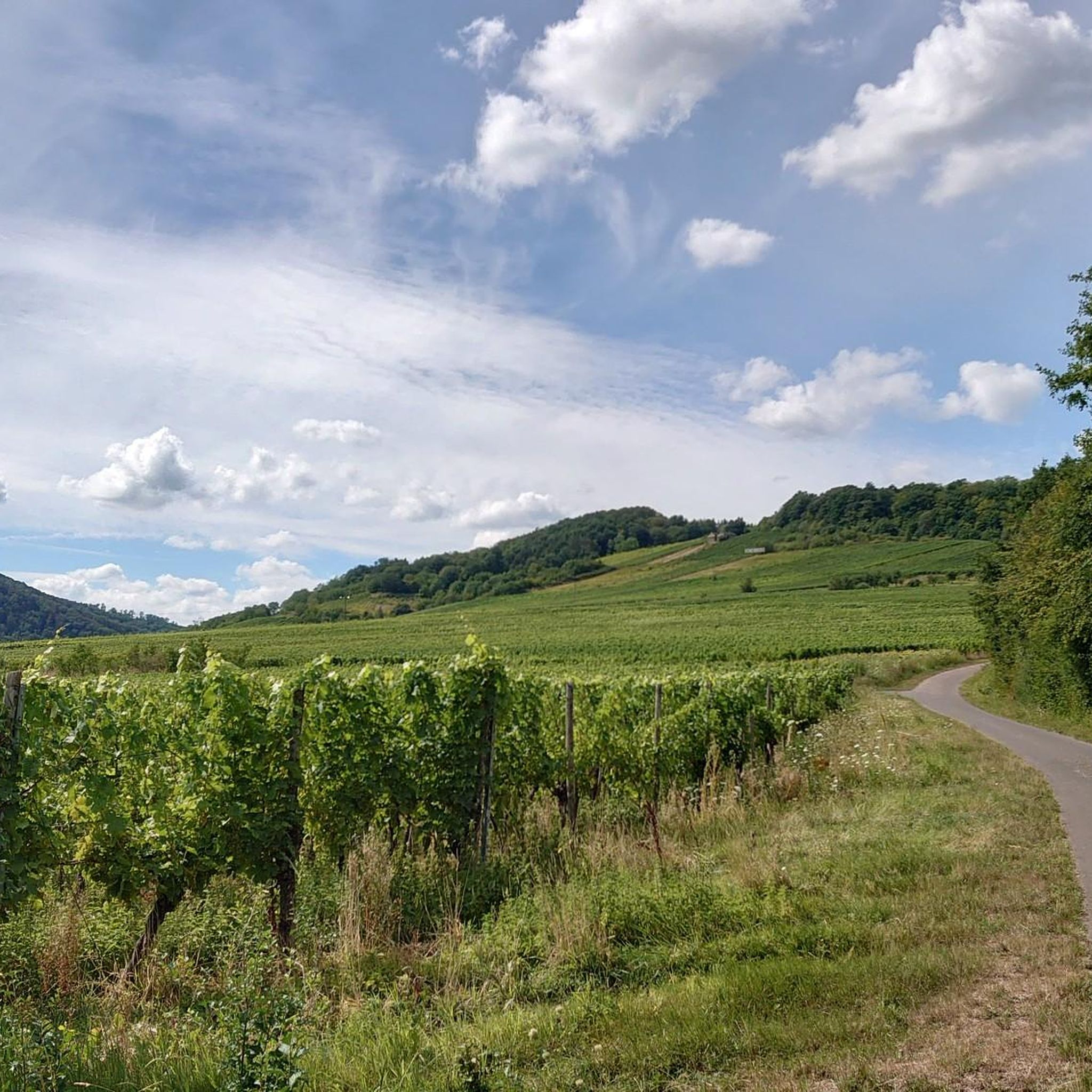
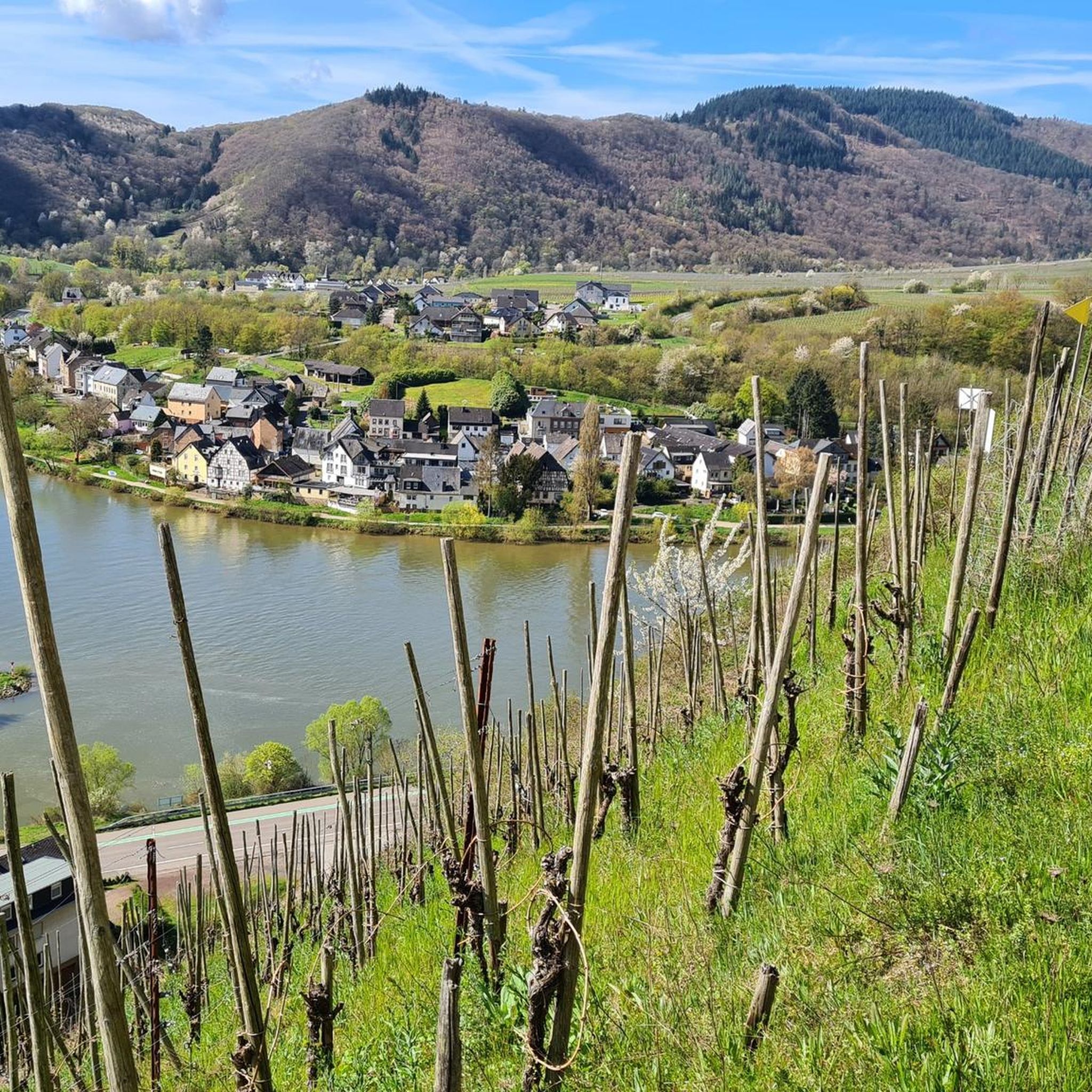
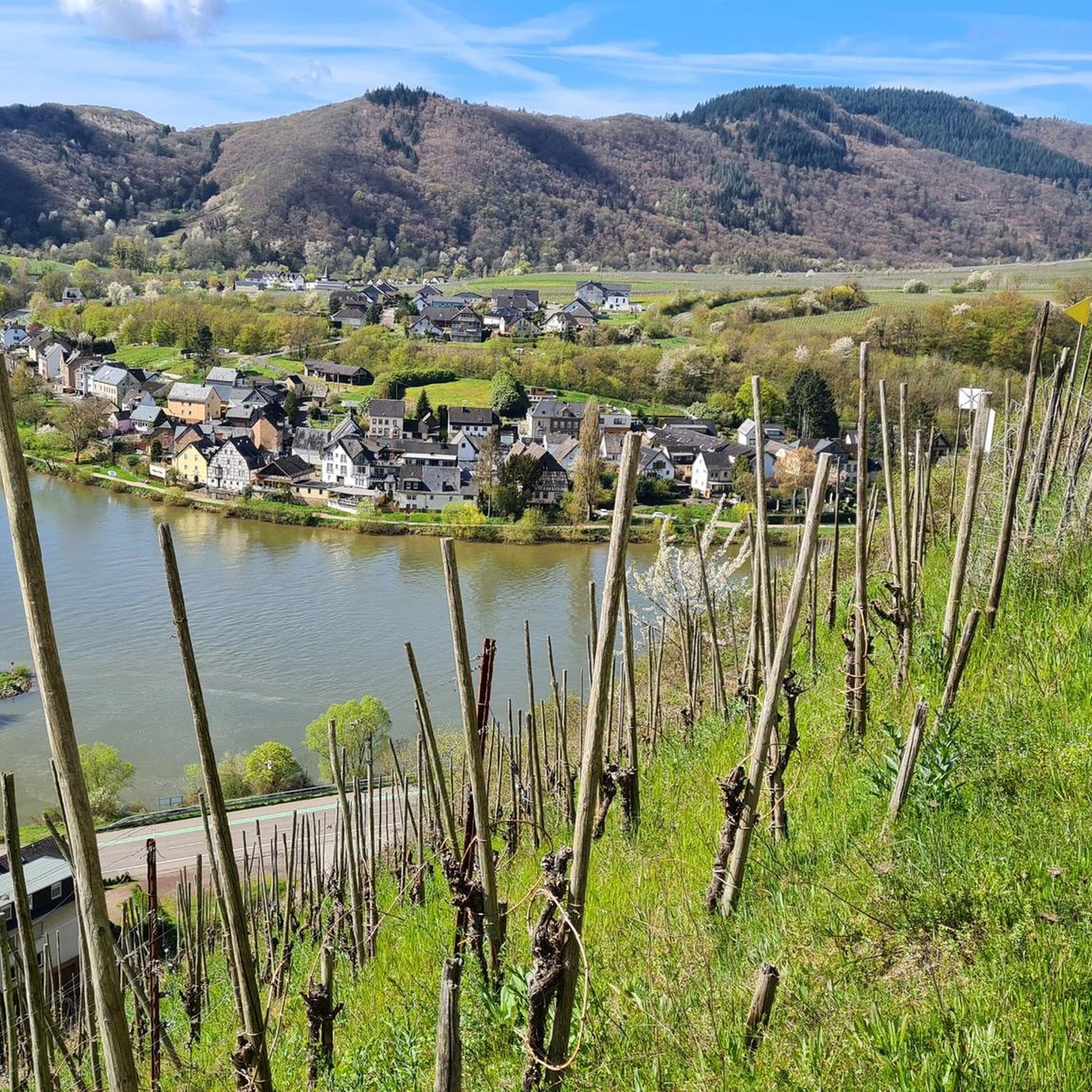
Tips from the Community

Beilstein "The Sleeping Beauty of the Moselle" One of the most beautiful towns on the Moselle, also known as the Sleeping Beauty of the Moselle. We Beilsteiners always strive to treat our guests warmly and kindly and to welcome them as friends when they return to visit us again and again, often for decades. Text / Source: Beilstein Mosel, Bachstr. 47, 56814 Beilstein https://beilstein-mosel.de/
18
1

History (for those who are interested :-) Franconian grave finds show Beilstein's settlement around 800 AD. The place had been a feudal possession of the Lords of Braunshorn since 1268. Under Johann von Braunshorn (1299–1346), Beilstein received city privileges from King Henry VII in 1309 and was fortified. A Jewish community has been documented since 1309, and its Jewish cemetery above the castle still exists today. The former parish church was founded in 1310. After the von Braunshorn family died out, the fief passed to the von Winneburg family in 1360. After Kurtrier took possession of Beilstein in 1488, the Imperial Counts of Metternich enfeoffed the rule of Winneburg and Beilstein in 1652. In 1689, Metternich Castle (“The Proud Walls”) was destroyed by French troops. A Carmelite monastery was founded in 1636 (abolished in 1803), and the foundation stone of the Carmelite monastery church was laid in 1691, which was completed in 1783. The townscape was created in the 17th and 18th centuries and has largely been preserved to this day. The rule of the Imperial Counts of Metternich ended in 1794 with the occupation by French revolutionary troops. From 1798 to 1814 the place belonged to the canton of Zell in the Rhine-Moselle department and was the main town of a Mairie. In 1815 the place was assigned to the Kingdom of Prussia at the Congress of Vienna and belonged to the Senheim mayor's office in the Zell district. It has been part of the state of Rhineland-Palatinate since 1946. Source: wikipedia
16
1

No matter which side you approach Cochem from, the great cityscape is simply fascinating.
9
0

Great view of the castle and Cochem from the bike path. For one of the most beautiful places, but totally overrun by river cruise ships...
10
0

Cochem Eating and Drinking Go for a stroll in a great town on the Moselle.
14
1

The Reichsburg Cochem was first mentioned in a document in 1130. 1151 it was by King Konrad III. occupied and declared a Reichsburg. In 1688 troops of the French King Louis XIV occupied the castle in the course of the Palatinate War of Succession and destroyed it in 1689. The castle complex remained in ruins for a long time before it was bought in 1868 by the Berlin merchant Louis Fréderic Jacques Ravené for 300 thalers and restored in neo-Gothic style was built. It has been owned by the city of Cochem since 1978.
18
0

Worth seeing castle with a great view
15
1

Perhaps the most beautiful town on the Moselle, along with Bernkastel-Kues and Winningen.
14
0
Frequently Asked Questions
Which castles near Senheim offer the best panoramic views?
For breathtaking panoramic views of the Moselle Valley, you should visit Reichsburg Cochem. Its prominent position 154 meters above the town of Cochem offers spectacular vistas. Similarly, the 25-meter-high pentagonal tower at Metternich Castle in Beilstein provides exceptional views over the Moselle and the historic village. Arras Castle also features a climbable belfry with great views of Alf, Bullay, and the Hunsrück range.
Are there any well-preserved castle ruins to explore near Senheim?
Yes, the region boasts significant castle ruins. Metternich Castle in Beilstein, often called the 'Sleeping Beauty of the Moselle,' offers well-preserved ruins spanning 80 x 50 meters. Although largely destroyed in 1689, you can still wander through its medieval atmosphere and climb its impressive tower.
Which castles near Senheim are particularly family-friendly?
Both Reichsburg Cochem and Metternich Castle in Beilstein are great for families. Cochem Imperial Castle offers guided tours and medieval-themed events like 'Knights' Feasts.' Metternich Castle's ruins provide an engaging historical exploration, and the village of Beilstein itself is charming for all ages.
Can I find guided tours at the castles around Senheim?
Yes, Reichsburg Cochem offers guided tours in multiple languages, allowing visitors to delve into its history and explore its impressive Neo-Gothic interiors. Arras Castle also provides a comprehensive historical experience with its museum.
What historical insights can I gain from visiting castles near Senheim?
The castles offer a deep dive into the region's past. Reichsburg Cochem, originally a customs castle, showcases the strategic importance of the Moselle. Metternich Castle's ruins reflect centuries of noble ownership and destruction. Arras Castle, potentially dating back to 936 A.D., features a museum with historical displays, weapons, and even a medieval torture chamber, providing a vivid picture of the Middle Moselle's history.
Are there any castles near Senheim that also offer dining options?
Yes, both Metternich Castle and Arras Castle provide dining experiences. Metternich Castle grounds house a restaurant with a beer garden, perfect for enjoying refreshments with a view. Arras Castle functions as a hotel and restaurant, allowing visitors to dine within a historic setting.
What is the best time of year to visit the castles around Senheim?
The Moselle region is beautiful throughout much of the year. Spring and autumn offer pleasant weather for exploring, with fewer crowds than peak summer. Autumn is particularly scenic with the changing colors of the vineyards. While some castles may have reduced hours in winter, the views can be equally stunning.
Are there hiking or cycling routes near these castles?
Absolutely! The Moselle Valley is ideal for outdoor activities. You can find numerous hiking trails, including easy hikes and mountain hikes, as well as cycling routes that often pass by or offer views of these historical sites. For example, cycling routes like 'Beilstein – Beilstein Monastery Steps loop from Senheim' can take you close to Metternich Castle.
What makes the village of Beilstein a special place to visit in conjunction with its castle?
Beilstein is renowned as the 'Sleeping Beauty of the Moselle' due to its exceptionally well-preserved historic sites. Beyond the ruins of Metternich Castle, the village itself is a step back in time, featuring cobbled streets, traditional half-timbered houses, and a medieval market square. It has even served as a film set, adding to its picturesque charm.
Where can I find more information about Metternich Castle's history and visiting hours?
For more detailed information about Metternich Castle, including its history and current visiting details, you can refer to the official regional tourism site: en.visitmosel.de.
Are there any less crowded castle options near Senheim?
While Reichsburg Cochem and Beilstein can be popular, Arras Castle in Alf might offer a slightly less crowded experience, especially outside of peak tourist times. It combines a hotel, restaurant, and museum, providing a comprehensive visit without the same level of foot traffic as the more iconic sites.
What kind of unique features can I expect at Arras Castle?
Arras Castle offers several unique features, including its function as a hotel and restaurant within a historic setting. It boasts fortress walls, a climbable belfry, and a Hall of Knights with weapons and armor. A particularly distinctive feature is its underground dungeon, which includes a medieval torture chamber and a museum detailing the history of the Middle Moselle.
Most popular routes around Senheim
Most popular attractions around Senheim

Get inspired with the komoot mobile app


Explore more
Looking for the best castles somewhere else? Discover other guides around Senheim:
