The best running trails in Mittleres Seidewitztal
4.5
(580)
6,831
runners
324
runs
Jogging in Mittleres Seidewitztal offers diverse natural features and well-maintained paths. The region is characterized by the picturesque Seidewitz valley, which includes areas that narrow into a rocky gorge. Natural mixed deciduous forests are prevalent, particularly on the right bank of the Seidewitz stream, which retains its natural meandering course. The varied geological formations contribute to diverse soil types and terrain, providing options for different running experiences.
Best jogging routes in Mittleres Seidewitztal
- The most popular jogging route is View…
Last updated: October 12, 2026
5.0
(1)
6
runners
7.11km
00:46
100m
100m
Moderate run. Good fitness required. Mostly paved surfaces. Suitable for all skill levels.
5
runners
3.69km
00:23
50m
50m
Easy run. Great for any fitness level. Mostly paved surfaces. Suitable for all skill levels.

8
runners
5.95km
00:38
70m
70m
Moderate run. Good fitness required. Mostly paved surfaces. Suitable for all skill levels.
20
runners
11.4km
01:12
110m
110m
Moderate run. Good fitness required. Mostly paved surfaces. Suitable for all skill levels.
4.5
(2)
12
runners
5.55km
00:35
50m
50m
Moderate run. Good fitness required. Mostly paved surfaces. Suitable for all skill levels.
Get access to more routes and recommendations from other explorers.
Already have an account?
Our route recommendations are based on thousands of hikes, rides, and runs completed by other people on komoot.
Start today with a free account
Your next adventure awaits.
Tips from the Community

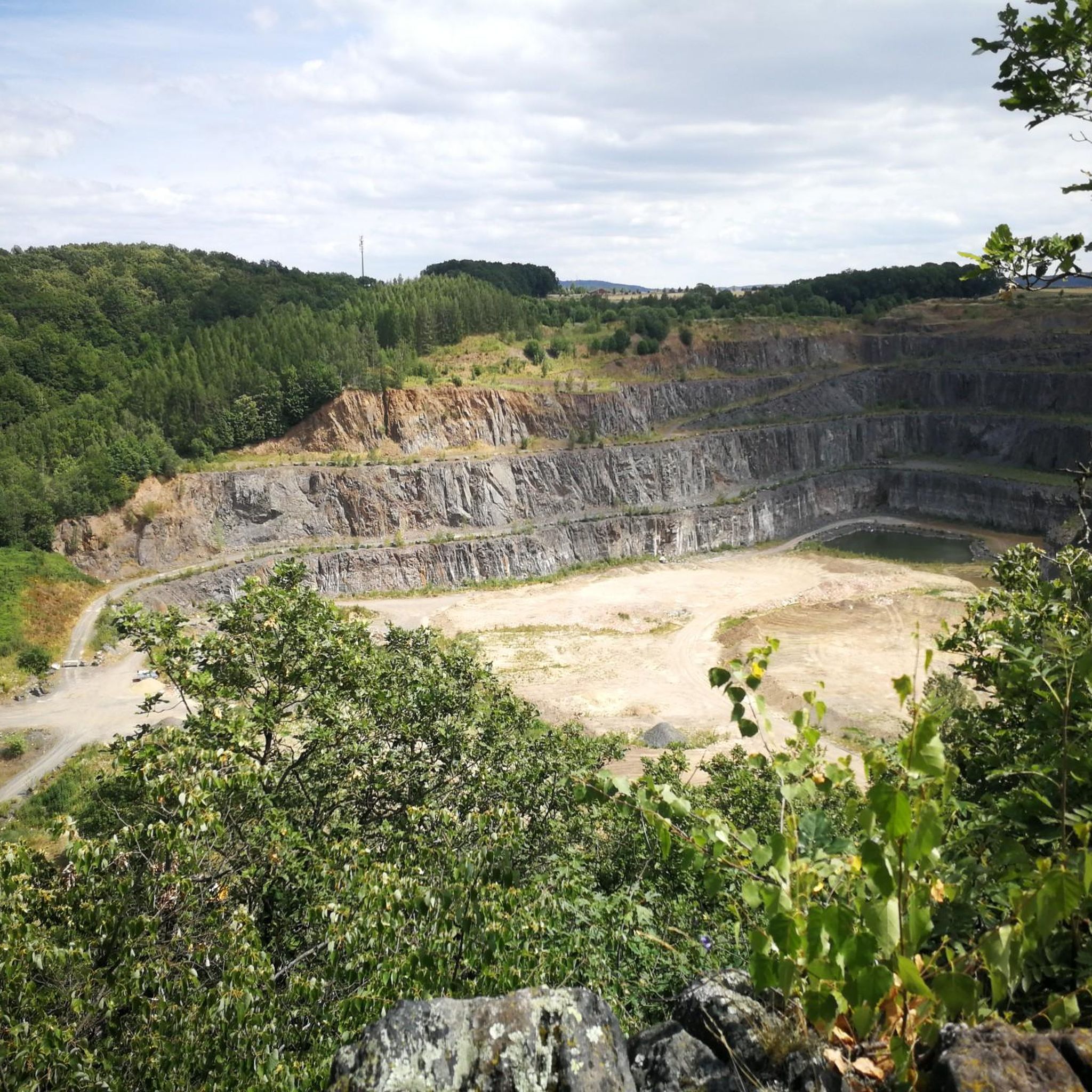
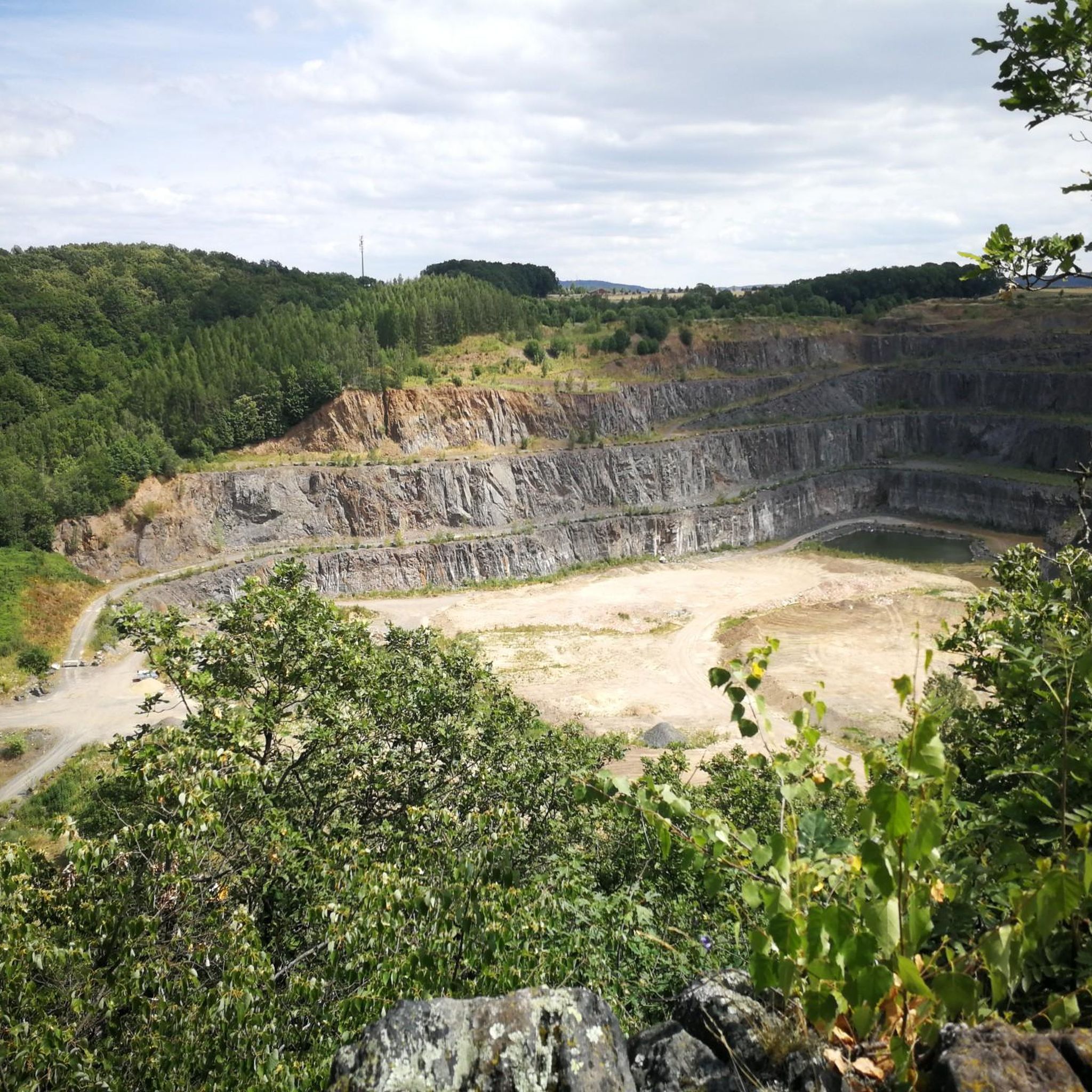
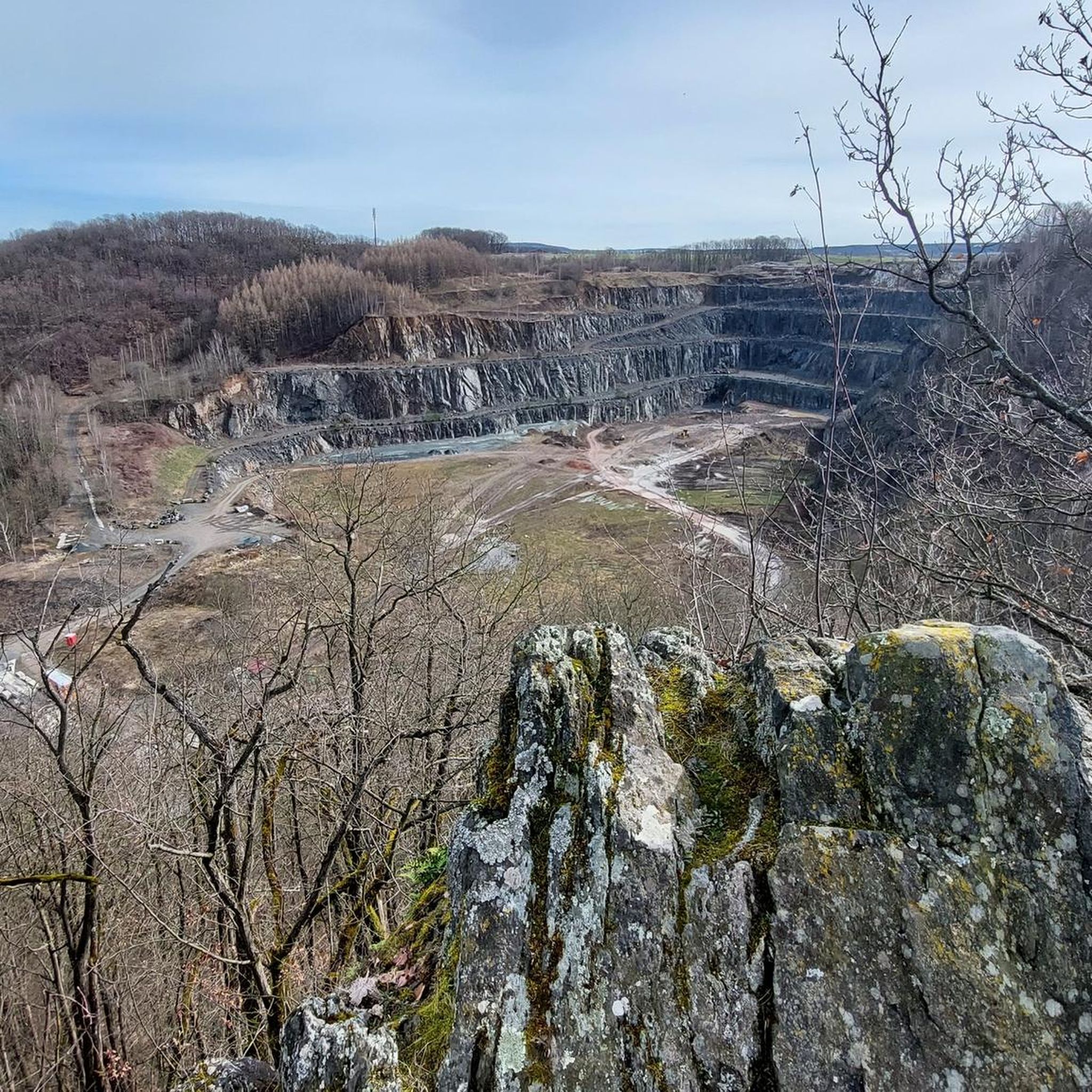
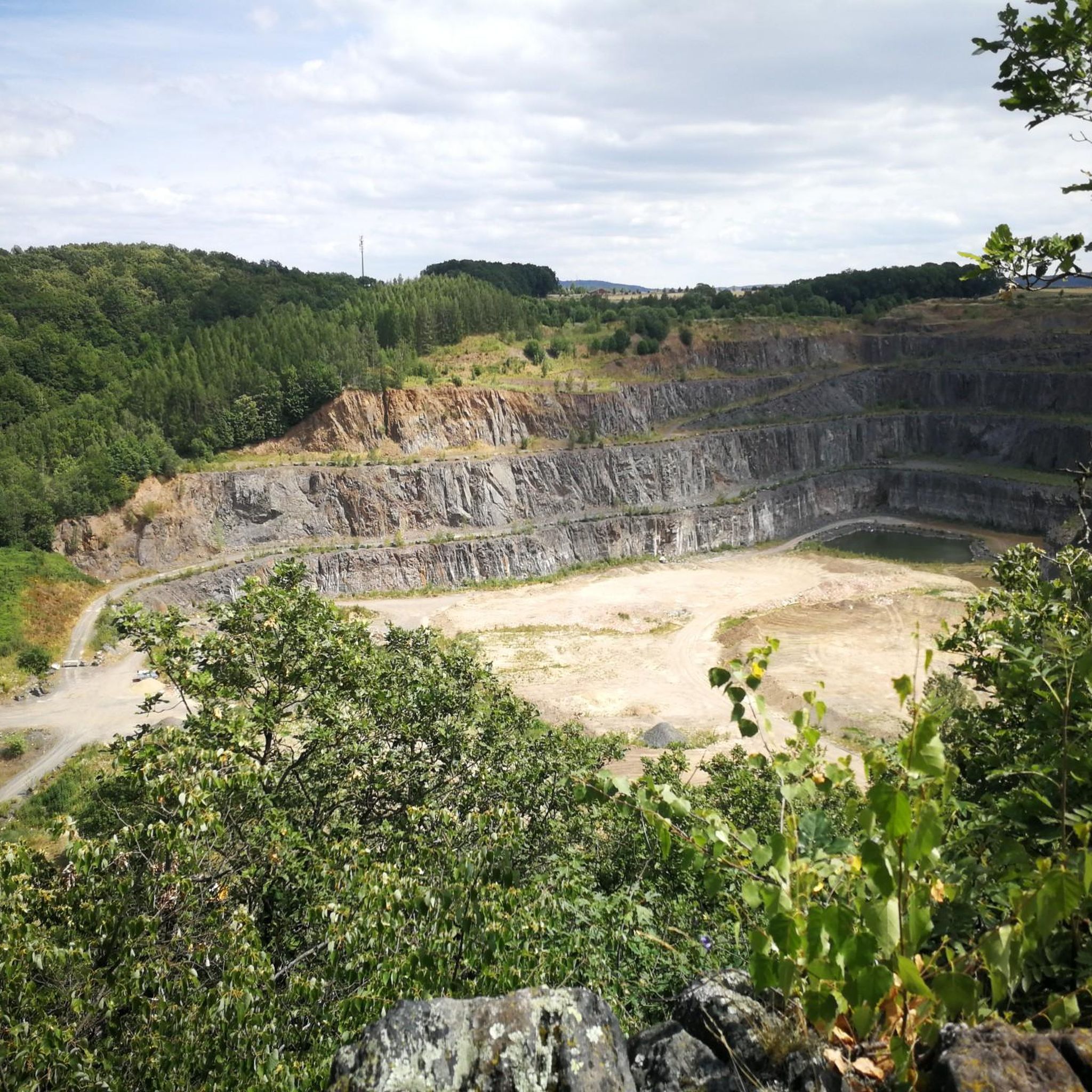
Just before reaching the remains of the Belvedere, a look back towards Meusegast.
0
1
Small but exquisite. The history of Saxony's second oldest city.
0
0
The wine barn is directly behind it.
0
1

It's just incredibly beautiful here 😊.
0
0

The city museum presents history since the Stone Age. The museum was reopened in 2020 after more than three years of renovation and expansion. In the historic apothecary house on the market, the history of the city and the region can now also be experienced in multimedia format. Source: https://www.elbelabe.eu/poi/m/stadtmuseum-dohna/
0
0
Its origins may be connected to the indulgence granted on October 10, 1357. Accommodation for pilgrims and those traveling to the Church of St. Mary in Dohna became necessary. A hospital master is first mentioned in a burgravial document in 1388. Source: https://www.stadt-dohna.de/hospital/
1
1
In the market square stands a milestone bearing the Saxon and Polish royal coats of arms, dating from 1731. For traffic reasons, it was moved to the market square in 1936 from the former coaching inn at Antonstraße 19, corner of Leschestraße. Source: https://www.stadt-dohna.de/kultur-freizeit/sehenswuerdigkeiten/postmeilensaule/
0
1

However, the photos shown all show the anhydrite heaps and their surroundings, which were piled up by the chemical factory in Dohna (today Fluorchemie still exists) until the 1930s (and occasionally until the 1960s). They have nothing to do with the Kahlbusch. This is located about 500m away and no anhydrite accumulated as a waste product during stone breaking. However, as mentioned, it is an exciting geological monument because, in addition to its history, fossil deposits were discovered during quarrying, which were also largely destroyed at the same time. Today, particularly on the edge of the cliff, you can see very clearly both the volcanic formation around 300 million years ago and the fossil layers as deposits of the Cretaceous Sea, which are around 93.5 - 94 million years old. The history is well researched in the Dohna Museum. A small plaque at the foot of the Kahlbusch summarizes the geological complex. As already mentioned, picking is prohibited. However, nothing stands in the way of a nice walk. The Kahlbusch area is designated as a public car park, so you can enjoy a good view of both the edge of the cliff and the surrounding area.
0
1
Frequently Asked Questions
How many running routes are available in Mittleres Seidewitztal?
Mittleres Seidewitztal offers a wide selection of running routes, with over 340 trails documented on komoot. These range from easy strolls to more challenging runs, ensuring options for all fitness levels. Specifically, there are 46 easy routes, 248 moderate routes, and 48 difficult routes.
What kind of terrain can I expect on the running trails in Mittleres Seidewitztal?
The region is characterized by diverse terrain, from the picturesque Seidewitz valley, which can narrow into rocky gorges, to natural mixed deciduous forests. You'll find varied soil types and paths, including well-maintained trails suitable for jogging, as well as more natural, uneven surfaces. The geological diversity, with quartz porphyry and gneiss formations, contributes to this varied landscape.
Are there family-friendly jogging routes in Mittleres Seidewitztal?
Yes, Mittleres Seidewitztal features several family-friendly running paths. Many routes are easily accessible and suitable for all skill levels, with some offering minimal elevation gain, ideal for a relaxed jog or walk with children. Look for the 'easy' graded routes on komoot for the most suitable options.
Can I bring my dog on the running trails in Mittleres Seidewitztal?
Generally, dogs are welcome on trails in Mittleres Seidewitztal. However, as parts of the area are designated as a nature reserve, it's important to keep your dog on a leash to protect local wildlife and flora. Always be mindful of other trail users and local regulations.
What sights or viewpoints can I discover while running in Mittleres Seidewitztal?
While running, you can enjoy scenic views and cultural landmarks. For instance, the View of Königstein Fortress loop from Müglitztal offers glimpses of the historic Königstein Fortress. Other notable points of interest in the wider region include Weesenstein Castle, the Kanitzberg Rest Area, and the Aussichtspunkt Kleine Bastei, all providing beautiful vistas of the surrounding landscape.
Are there circular running routes in Mittleres Seidewitztal?
Yes, many of the running routes in Mittleres Seidewitztal are designed as loops, allowing you to start and finish at the same point. An example is the popular View of Müglitztal Near Dohna loop from Müglitztal, a moderate 7.1 km trail. These circular paths are convenient for planning your run without needing to retrace your steps.
When is the best time of year to go running in Mittleres Seidewitztal?
Mittleres Seidewitztal is beautiful year-round for running. Spring is particularly vibrant with a profusion of blossoms in the species-rich valley and hillside meadows. The natural mixed deciduous forests offer pleasant shade in summer and stunning colors in autumn. Even in winter, the tranquil valley can provide a serene running experience, though some paths might be slippery.
What do other runners enjoy most about jogging in Mittleres Seidewitztal?
The running routes in Mittleres Seidewitztal are highly rated by the komoot community, with an average score of 4.6 stars from over 400 reviews. Runners often praise the tranquil Seidewitz valley, the natural mixed deciduous forests, and the varied terrain that offers options for different ability levels. The scenic beauty and well-maintained paths are frequently highlighted.
Are there any longer running routes for endurance training?
Yes, for those looking for longer runs, Mittleres Seidewitztal has options. The Anhydrite Pyramid Dohna – Dohna Postal Milestone loop from Müglitztal is a moderate 11.4 km path that includes historical points of interest. You can also combine shorter loops to create a longer, customized route.
How can I access the running trails in Mittleres Seidewitztal?
The trails in Mittleres Seidewitztal are generally well-connected and accessible. While specific public transport details vary by starting point, many trailheads are reachable by local bus services. For those driving, parking is often available near popular starting points or villages like Liebstadt. It's advisable to check local transport schedules or parking availability for your chosen route.
Are there any easy running routes for beginners?
Absolutely! Mittleres Seidewitztal offers several easy running routes perfect for beginners or those seeking a relaxed jog. An example is the Running loop from Müglitztal, a 3.7 km trail with minimal elevation changes, typically completed in about 23 minutes. These routes provide a gentle introduction to the region's natural beauty.
What makes the Mittleres Seidewitztal Nature Reserve special for running?
The Mittleres Seidewitztal Nature Reserve, part of a larger FFH area and EU bird sanctuary, offers a unique running experience due to its rich biodiversity and undisturbed environment. You'll run through species-rich valley and hillside meadows, natural mixed deciduous forests, and along the naturally meandering Seidewitz stream. This protected status ensures a tranquil setting with diverse flora and fauna, including rare plant species and various birds.
Most popular routes in Mittleres Seidewitztal

Get inspired with the komoot mobile app


Explore more
Browse the best Running Trails & Routes in other regions.
