Top 20 Natural Monuments around Ralingen
Natural monuments around Ralingen are concentrated within the Deutsch-Luxemburgischen Naturpark, offering a diverse range of geological features. Ralingen serves as a base for exploring impressive natural attractions in the cross-border region. The area is characterized by dramatic landscapes, unique rock formations, and historical sites integrated with nature. These features contribute to the region's ecological and geological significance.
Best natural monuments around Ralingen
- The most popular natural monuments is Devil's Gorge, a gorge shaped by powerful natural forces. It features…
Last updated: June 26, 2026
Huel Lee (Hohllay Cave)
Highlight • Cave
Translated by Google •
Tip by

Devil's Gorge
Highlight (Segment) • Gorge
Translated by Google •
Tip by

Sign up now to discover places like this
Get recommendations on the best single tracks, peaks, & plenty of other exciting outdoor places.
Sign up for free
The Labyrinth (Mullerthal Trail)
Highlight (Segment) • Gorge
Translated by Google •
Tip by

Wolfsschlucht (Echternach Gorge)
Highlight • Gorge
With its rock faces rising up to 50m on three sides, the gorge is perhaps the most spectacular natural monument in Luxembourg's Little Switzerland. The structure and …
Translated by Google •
Tip by

Rock gorge
Highlight • Gorge
Translated by Google •
Tip by

Sign up for free to discover even more natural monuments around Ralingen.
Sign up for free
Already have an account?
Start today with a free account
Your next adventure awaits.
Login or Signup
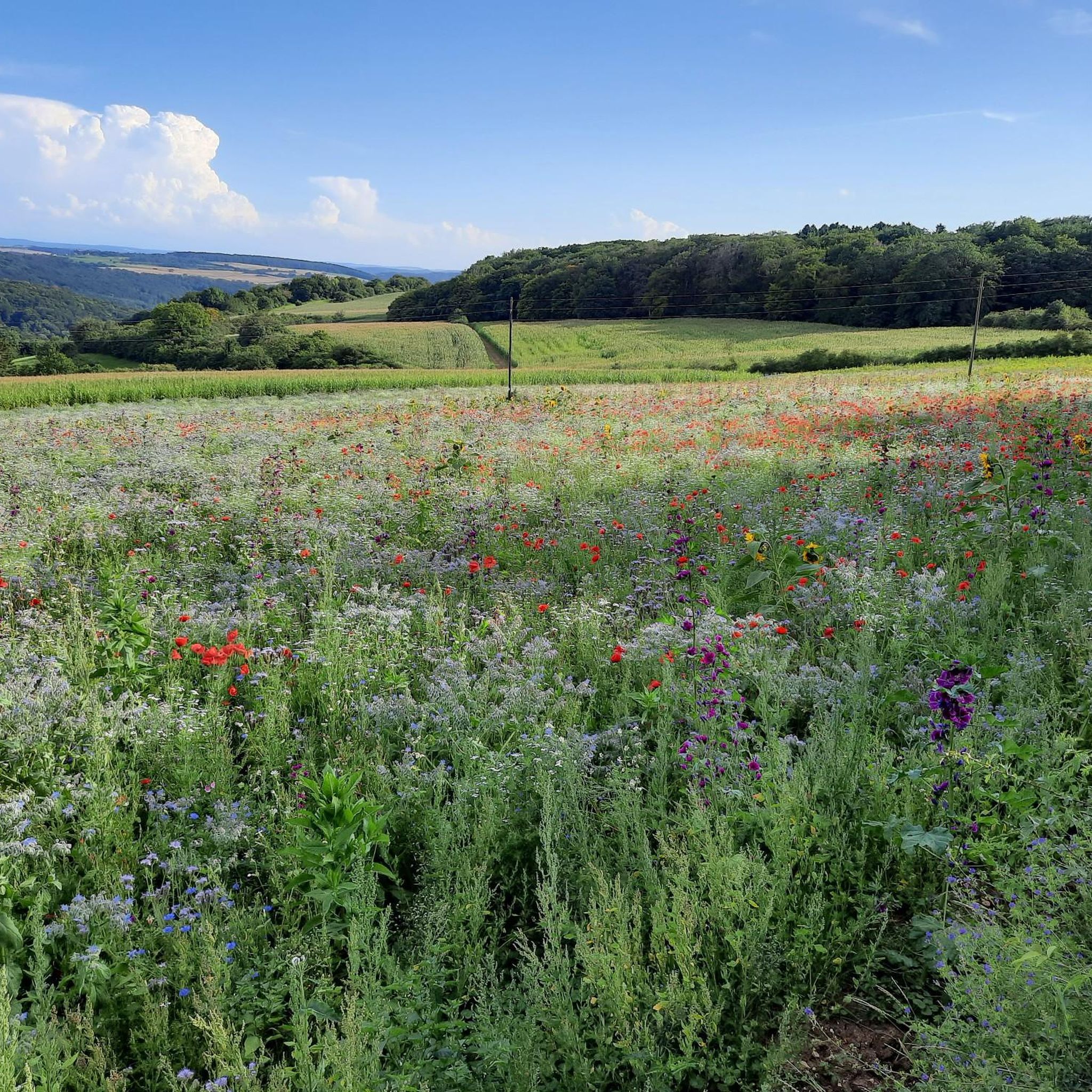
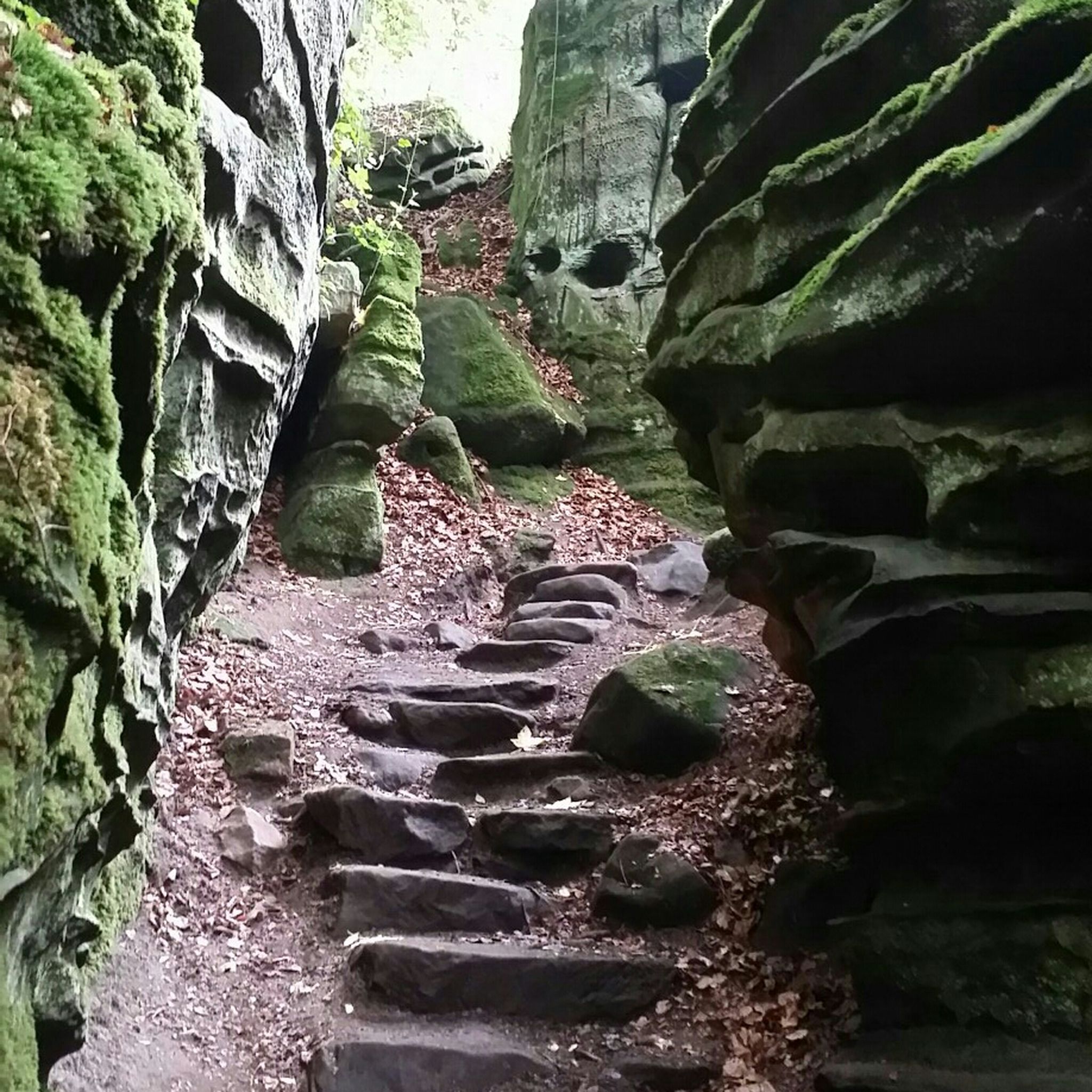
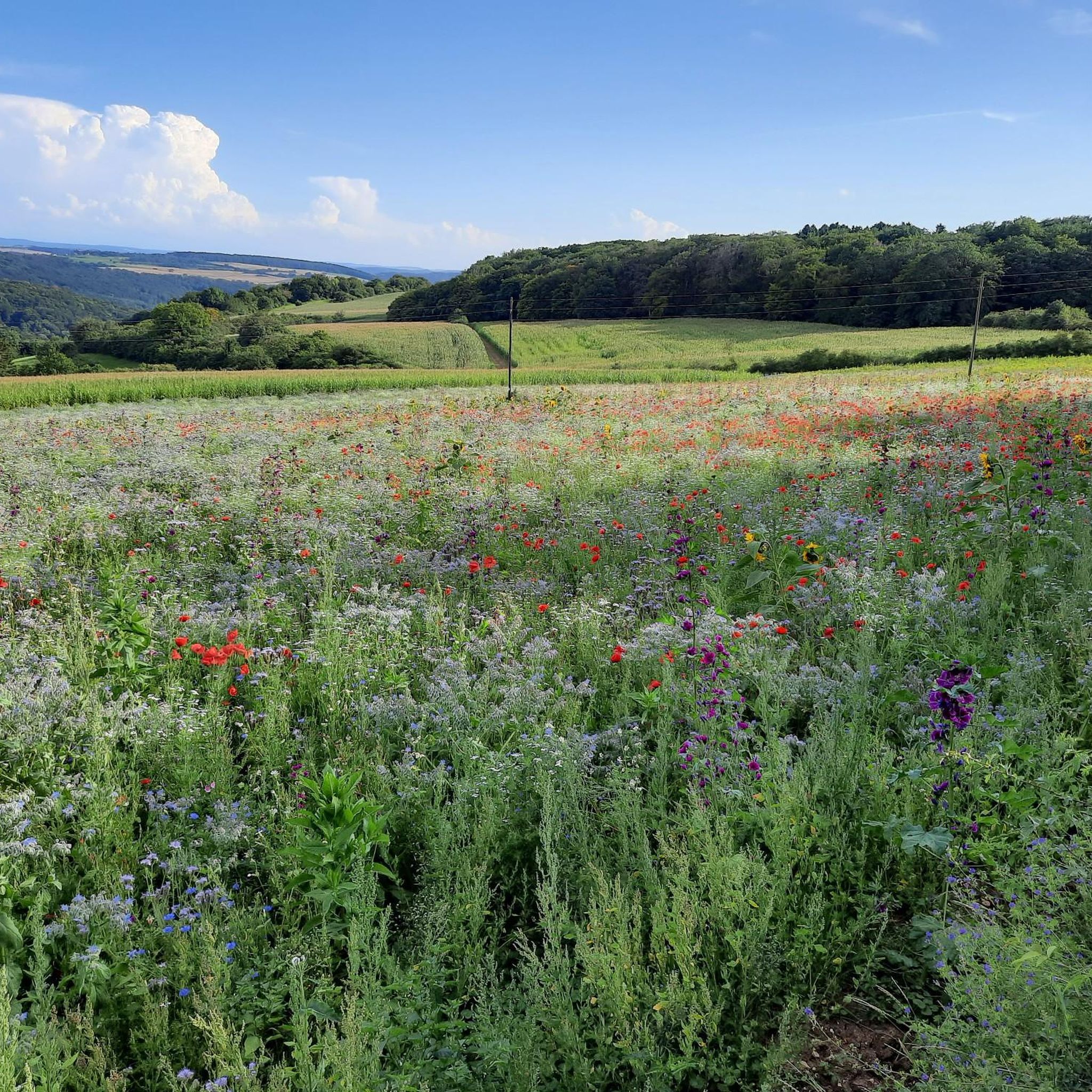
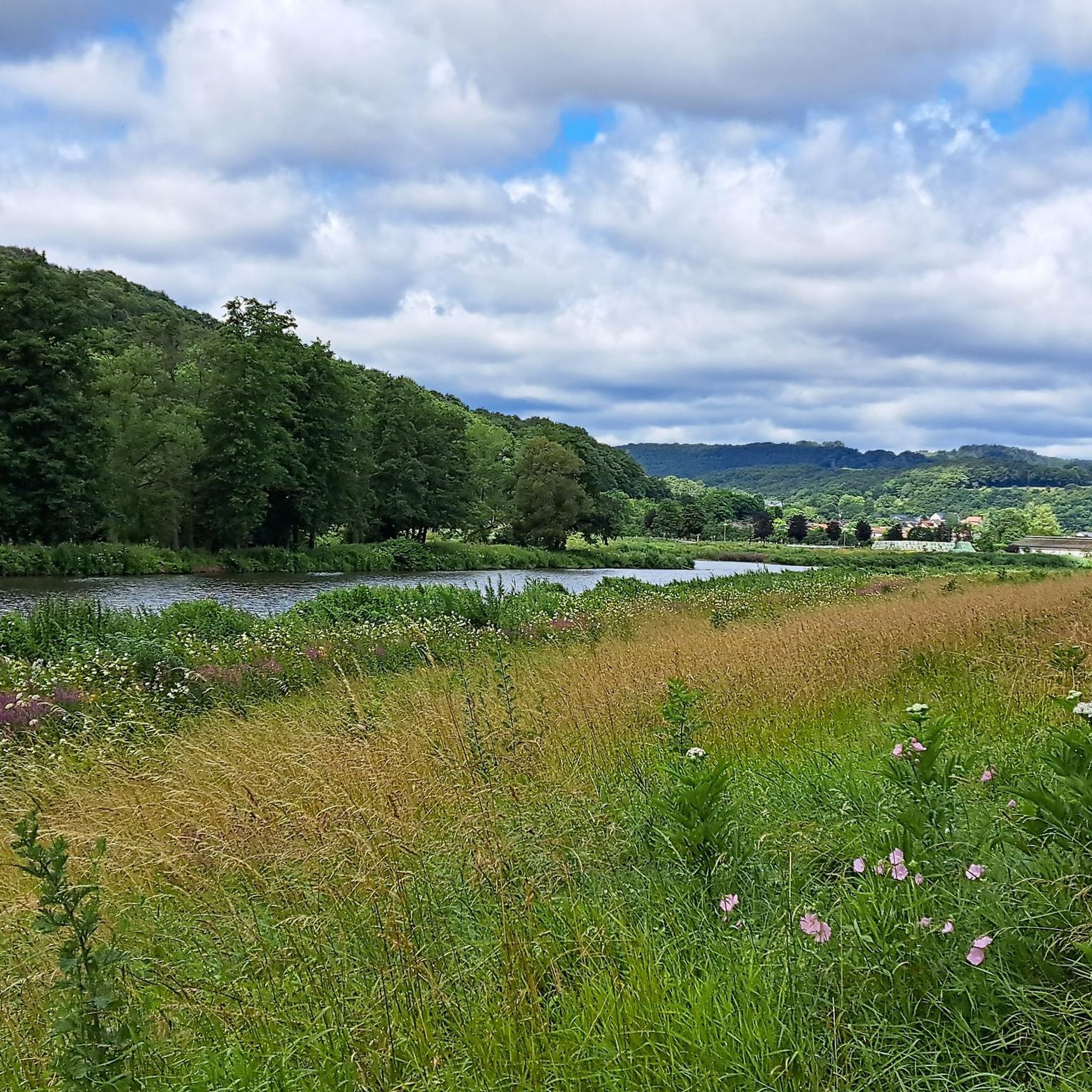

Tips from the Community

The Huel Lee can be hiked via the local hiking trail E1 and the Berdorf auto-pedestrian hiking trail and is located on route 2 of the Mullerthal Trail. Nearest bus stop: Berdorf, Hotel Pérékop (500m) Nearest parking: Huel Lee/Amphitheater (200m) Source: https://www.visitluxembourg.com/de/attraktion/felsformation-huel-lee-hohllay
13
0

Impressive rock formations, it goes up and down... Very cool and drafty here. Good sturdy footwear is a good idea 🥾🥾. Great photo opportunities guaranteed 📸 Wow, how small you are here...🫨 Can be fuller during holiday times/weekends/public holidays.. No entry fee👍🏻
12
1

This section is rightly called "labyrinths". You go right and left between the rocks. Simply beautiful to enjoy!
8
3

This is an old medieval mine where our ancestors extracted rocks for millstones. The remaining pillars prevent the cave from "collapsing" and give it the feel of a cathedral.
14
1
Between the rocks there are seven passages, each about 30 centimeters wide and up to 20 meters deep. A path leads through these narrow, dark columns. Between the passages there is a cool and humid microclimate which favors the growth of moss. It's a world out of the world!
13
3
This place is breathtaking! With its rock walls rising up to 50 meters on three sides, you truly feel small. According to research, the formations were created when blocks of Luxembourg sandstone separated from the sandstone plateau along fissures parallel to the valley.
28
6

Traces of the tools used to dig the rock can still be seen on the rock faces today. The Hohllay was therefore not only formed by the effects of nature, but also by breaking off the boulders. Thus, the cave was largely created by human hands. https://de.m.wikipedia.org/wiki/Hohllay https://www.mullerthal.lu/de/fiche/geotop/felsformation-huel-lee-hohllay-
9
0

The path leads through many crevices, but even large rocks have to be circumnavigated from time to time. 😊
13
0
Frequently Asked Questions
What are some unique natural monuments in the Ralingen area?
Beyond the well-known sites, Ralingen itself features the Kalksteinfelsen mit Quelle (Limestone rock with spring) in the "Im Räderbusch" area, a geologically interesting formation within the Ralinger Röder nature reserve. Another local monument is a specific Linde (Linden tree) in Wintersdorf, recognized for its age or historical significance. The area also includes the Ralinger Mühle rock formation and the historic Ralinger Sprudel mineral spring.
Are there good hiking opportunities near the natural monuments around Ralingen?
Yes, the natural monuments around Ralingen are excellent starting points for hiking. For instance, the Wolfsschlucht (Echternach Gorge) is a popular hiking destination with well-maintained trails for various experience levels. The Devil's Gorge also offers several marked circular trails, and the Huel Lee (Hohllay Cave) is accessible via routes of the Mullerthal Trail. You can find many more routes in the area, including those for MTB Trails around Ralingen or Road Cycling Routes around Ralingen.
What is the difficulty level of exploring these natural monuments?
Many of the natural monuments, such as the Devil's Gorge, Wolfsschlucht (Echternach Gorge), and Huel Lee (Hohllay Cave), are generally considered to have an intermediate difficulty level for exploration, often involving walking through uneven terrain, narrow passages, or up and down stairs. However, well-maintained trails are usually available, making them accessible to most active visitors.
Are there family-friendly natural monuments around Ralingen?
Yes, several natural monuments are suitable for families. The Devil's Gorge is often described as an "exciting adventure playground for children" due to its bizarre rock formations and narrow passages. The Huel Lee (Hohllay Cave), with its visible tool marks from ancient quarrying, offers an engaging historical element for curious kids. The Wolfsschlucht also has well-maintained trails that can be enjoyed by families.
When is the best time to visit the natural monuments around Ralingen?
The natural monuments around Ralingen are beautiful year-round. Spring and autumn offer pleasant temperatures for hiking and vibrant foliage. Summer is ideal for longer explorations, though it can be busier. Even in winter, with appropriate gear, the snow-dusted landscapes can be quite magical, especially in the gorges and rock formations.
What historical aspects can be found at these natural monuments?
The region's natural monuments often intertwine with history. At Huel Lee (Hohllay Cave), you can see visible traces of tools from Romans and medieval people who quarried stones, including millstones. The Wolfsschlucht is steeped in local legends, including tales of a black wolf guarding a hidden treasure. The Ralinger Sprudel is a historic mineral spring integrated into a railway bridge in 1912, renowned for its bottled water after 1918.
What other outdoor activities can I do near Ralingen's natural monuments?
Beyond exploring the natural monuments, Ralingen is a great base for various outdoor activities. You can find numerous routes for mountain biking, including routes like 'Echternach Town Center – View of Trier from the Markusberg loop'. For road cycling, options like 'Rail Trail near Irrel – Messerich–Masholder Rail Trail loop' are available. There are also gravel biking routes, such as 'Moselle Valley Vineyards – View of Landshut Castle Ruins loop'.
What do visitors particularly enjoy about the natural monuments here?
Visitors are consistently impressed by the dramatic landscapes and unique geological features. For example, the Devil's Gorge is praised for its "gigantic dimensions" and "bizarre rock formations." The Wolfsschlucht is described as "breathtaking" with its 50-meter high rock faces. The Huel Lee (Hohllay Cave) is appreciated for its unique blend of natural formations and historical human interaction, with visitors noting the visible traces of ancient tools.
Are there any lesser-known natural monuments or features worth visiting?
While the major gorges are popular, the region also holds subtle gems. The Aussichtspunkt am Brackenberg offers scenic views over the landscape. The Kalksteinfelsen mit Quelle (Limestone rock with spring) in Ralingen is a quiet spot of geological interest within a nature reserve. These offer a different, more serene experience compared to the larger, more dramatic sites.
Is parking available at the natural monuments?
For the more popular natural monuments like the Devil's Gorge and Wolfsschlucht, designated parking areas are typically available nearby, often at visitor centers or trailheads. It's advisable to check specific location information before your visit, especially during peak seasons.
How can I reach the natural monuments by public transport?
While some natural monuments are more easily accessible by car, key locations like the Wolfsschlucht near Echternach are often reachable via local bus services from larger towns. For specific routes and schedules, it's best to consult local public transport websites or information centers in the Deutsch-Luxemburgischen Naturpark region.
Are there places to eat or drink near the natural monuments?
Near the more frequented natural monuments, especially those close to towns like Echternach or Berdorf, you'll often find cafes, restaurants, or visitor centers with refreshments. For example, the Devil's Gorge has a nature park center nearby which may offer facilities. It's a good idea to pack snacks and water, especially for longer hikes, as options might be limited directly at the more remote sites.
Most popular routes around Ralingen
Most popular attractions around Ralingen

Get inspired with the komoot mobile app


Explore more
Extend your search for the best caves by checking out these guides of the top ones around Ralingen:
