Attractions and Places To See in Windknollen - Top 19
Best attractions and places to see in Windknollen include a 363-meter-high small mountain located northwest of Jena, Germany. This area is recognized for its extensive nature reserve and its historical role in the Napoleonic Wars. Visitors can explore a landscape featuring semi-dry grasslands, diverse flora and fauna, and remnants of its past as a military training ground.
Best attractions and places to see in Windknollen
- The most popular attractions is Napoleon Stone on the Windknollen, a man-made monument that…
Last updated: June 22, 2026
Napoleon Stone on the Windknollen
Highlight • Monument
Translated by Google •
Tip by

Windknollen Nature Reserve
Highlight • Natural Monument
Showing Translation
Tip by

Sign up now to discover places like this
Get recommendations on the best single tracks, peaks, & plenty of other exciting outdoor places.
Sign up for free
Closewitz Nature Discovery Grove
Highlight • Forest
Translated by Google •
Tip by

Napoleon Trail: Birds Station
Highlight • Trail
Translated by Google •
Tip by

Site of Former Flak Position (1943–1945)
Highlight • Historical Site
Translated by Google •
Tip by

Sign up for free to discover even more attractions in Windknollen.
Sign up for free
Already have an account?
Start today with a free account
Your next adventure awaits.
Login or Signup

Other adventures in Windknollen

Tips from the Community

In the autumn of 1806, world history was made here on these heights northwest of Jena. Directly behind the Landgrave's house lay the Jena-Auerstedt battlefield, the site of the fighting between Prussian troops and Napoleon in October 1806. The Napoleon Stone, which, like the museum in nearby Cospeda, commemorates this event over two hundred years ago, is located here.
12
0
Here you can learn more about the breeding grounds of native birds.
14
0
Another stop on the Napoleon Trail with a bench at the Napoleon Stone. Here you have a wonderful panoramic view 😎
13
0

Ignoring the Prussian ultimatum, Napoleon marched with approximately 160,000 men from Bavaria to Thuringia toward Berlin between October 7 and 13, 1806. On the afternoon of October 13, Napoleon, standing on the Windknollen, spotted the enemy firing positions on the Dornberg and ordered all available troops to take up positions overnight on the Landgrafenberg. The Prussian commanders never expected the French artillery with its heavy cannons to climb the steep mountain.
14
0

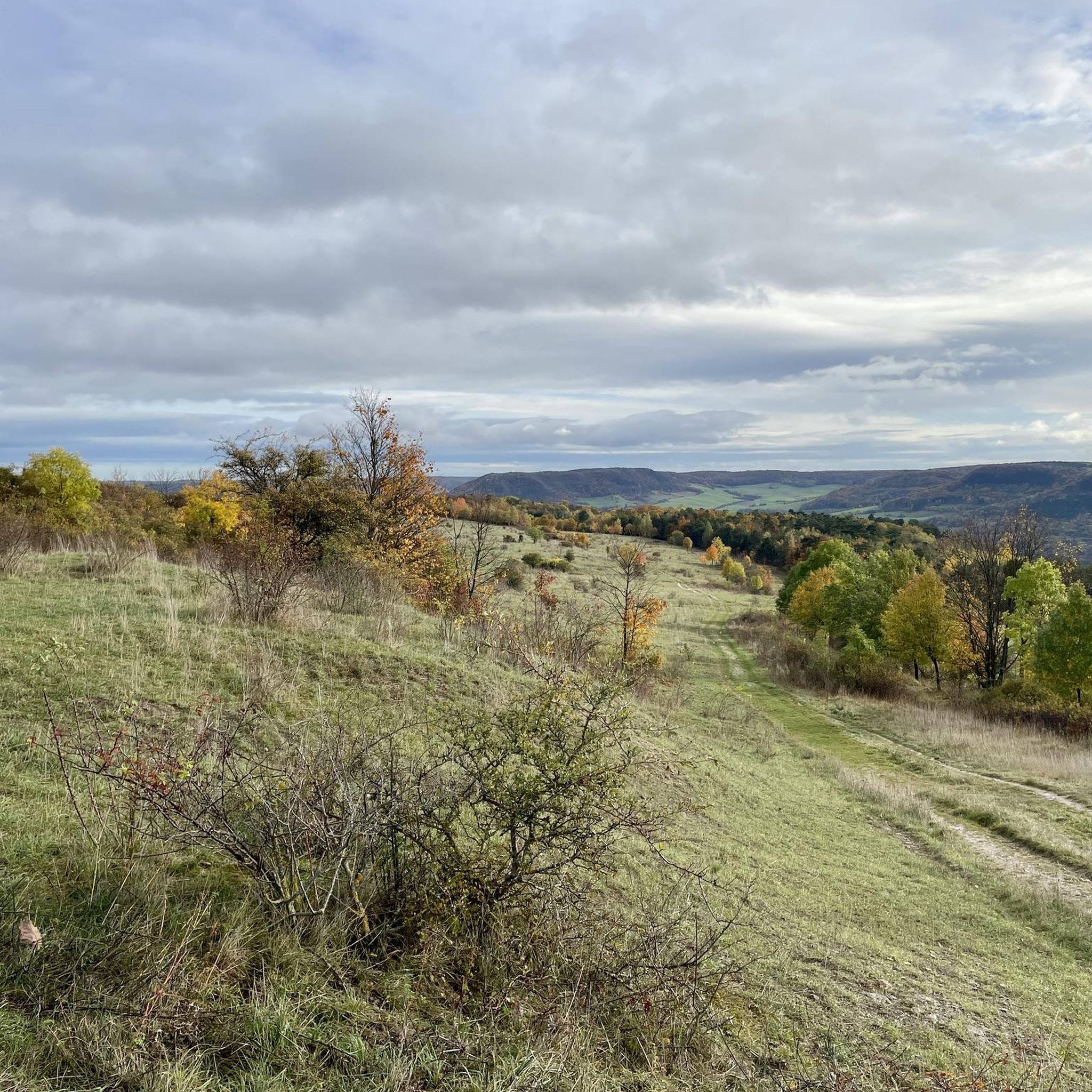
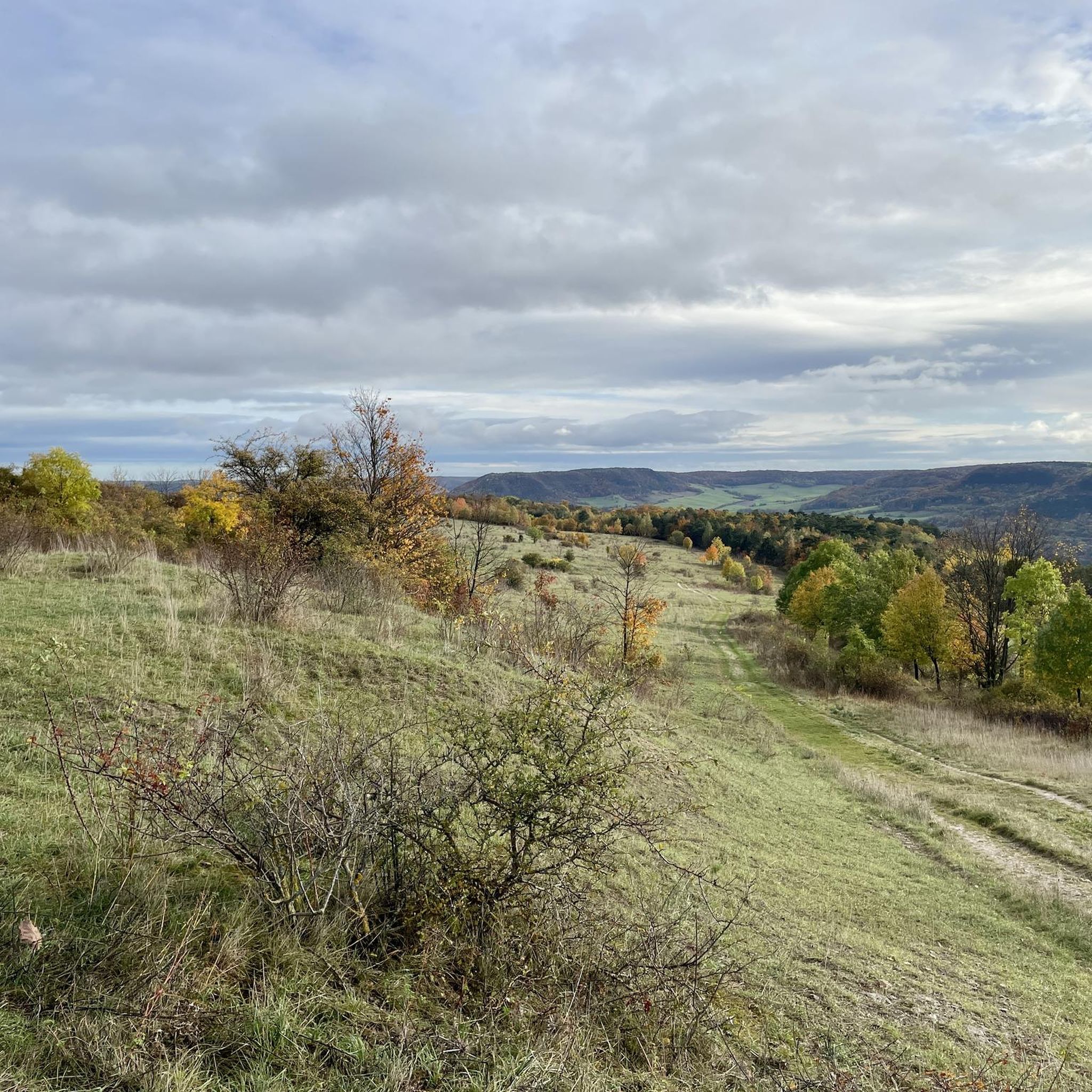
Even in winter, the dry grass meadows around the Napoleon Stone in Jena are wonderful for hiking. Almost 220 years ago, the battle against the French army – a debacle for the German troops – took place here. It wasn't until 1808 that the united troops succeeded in freeing themselves from the Napoleonic yoke – see more about the Battle of the Nations. In this context, Mr. Blücher's tireless will to win, at the age of 73, deserves special mention.
3
0

really very interestingly designed
1
0

Great place, very special if you are into biodiversity.
3
0

The Windknollen has a high biodiversity due to its very varied landscape with open land, hedges and small bodies of water. In 1997, the Windknollen was designated a nature reserve. Numerous endangered bird species such as the woodlark, red-backed shrike and wryneck are native here. But protected and rare plants such as the bee orchid, lady's slipper and glandular rattle can also be found here. The abundance and diversity of insects is also remarkable. With a little luck, you can spot the Blue butterfly, the Scarlet Swallowtail or the Blue-winged Grasshopper. In addition, the compacted, water-filled depressions provide a habitat for the three native newt species: the great crested newt, the Alpine newt and the smooth newt. Source: display board
16
1
Frequently Asked Questions
What kind of natural landscapes can I expect to see in Windknollen?
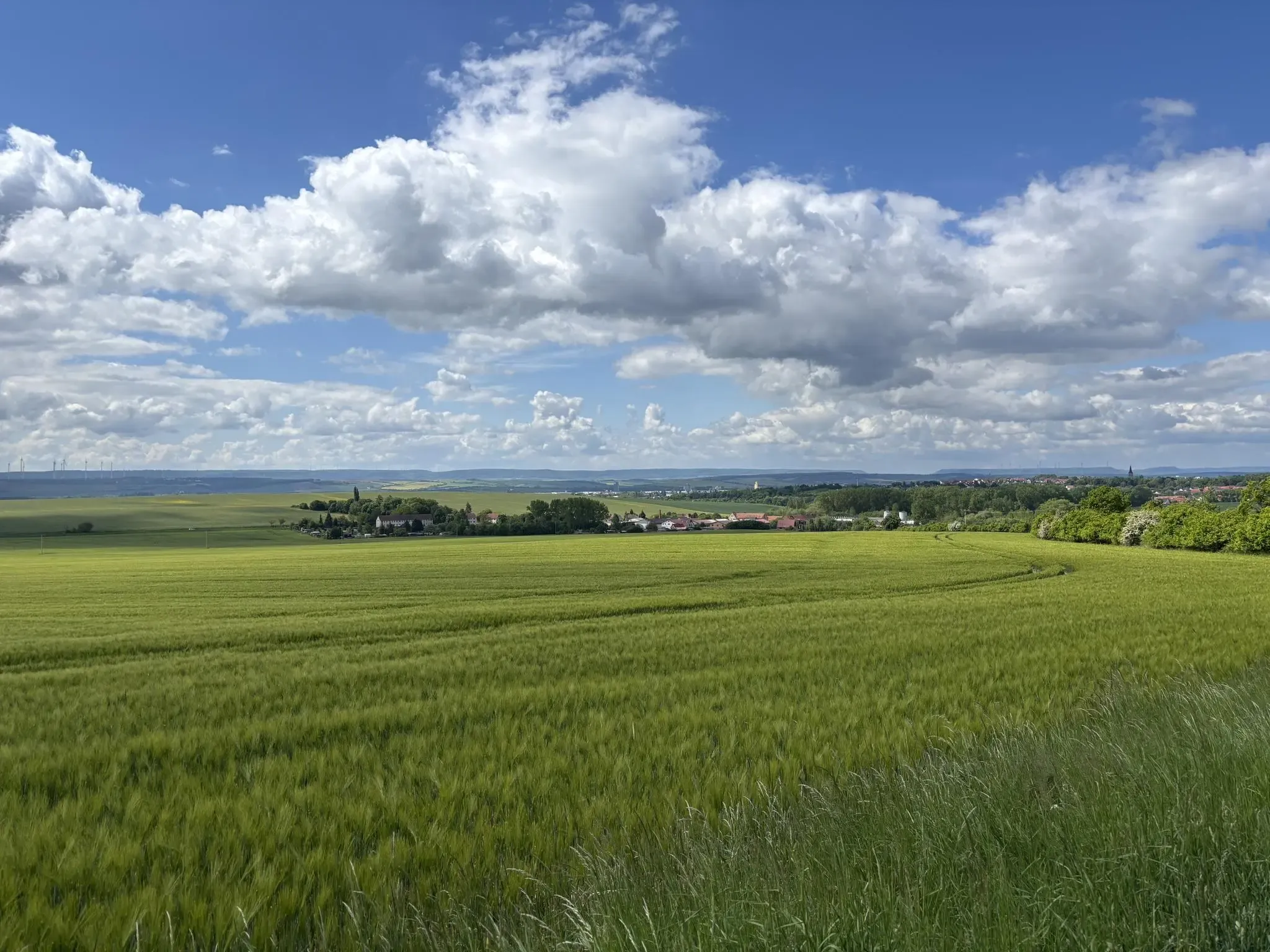
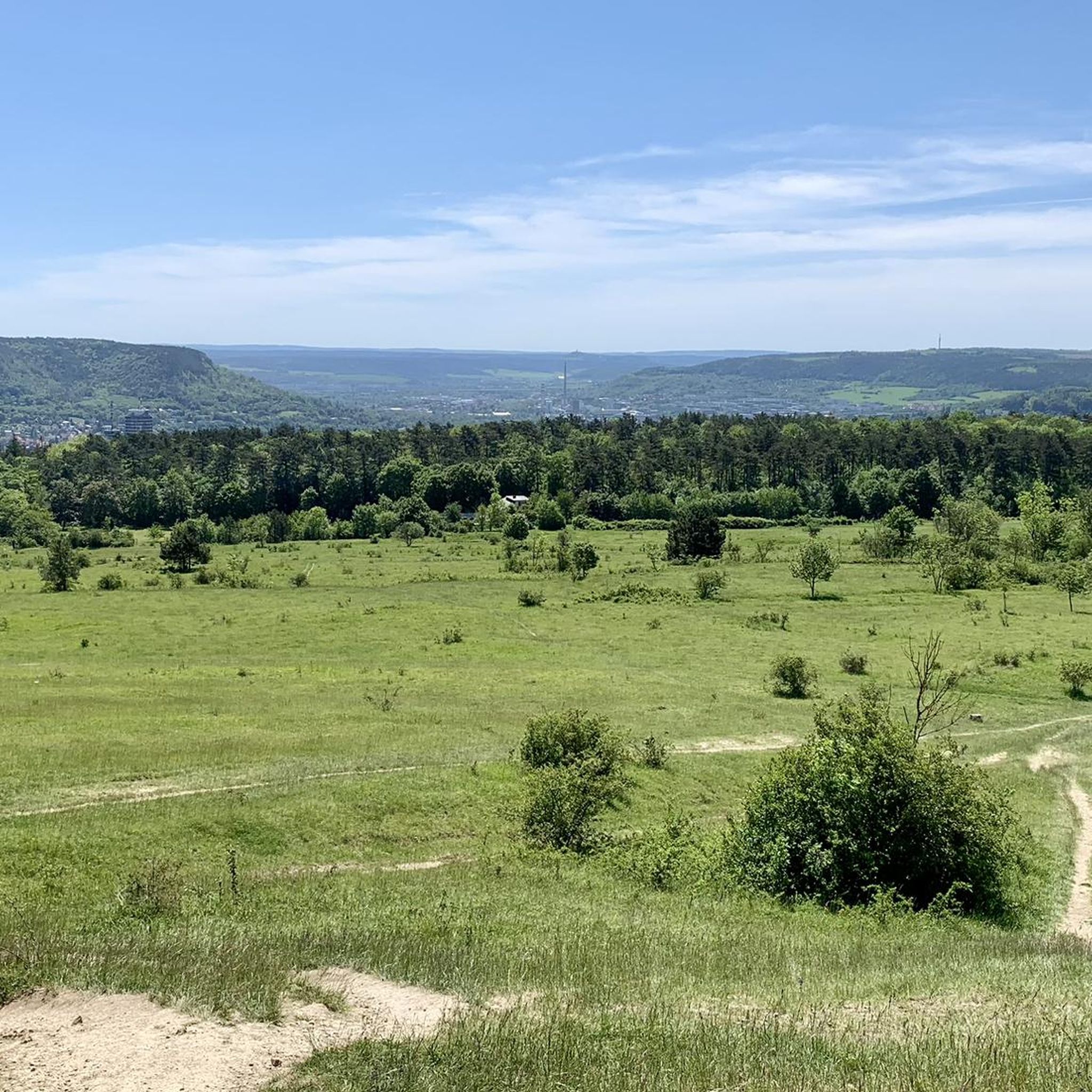
Windknollen is a designated nature reserve featuring a unique landscape of semi-dry short grass vegetation, temporary water-filled depressions, bushes, and mixed deciduous forests. Its high plateau terrain has been compared to the North American prairie or the Mongolian steppe, offering diverse natural beauty.
Are there any historical sites related to the Napoleonic Wars in Windknollen?
Yes, Windknollen played a pivotal role in the Napoleonic Wars. You can visit the Napoleon Stone on the Windknollen, a monument commemorating the Battle of Jena in 1806. From this vantage point, Napoleon initiated the cannonade on Closewitz, and it offers fantastic panoramic views.
What kind of wildlife can be observed in the Windknollen Nature Reserve?
The Windknollen Nature Reserve is a haven for diverse flora and fauna. You can spot protected orchid species, rare plants like the Drüsiger Klappertopf, and a variety of birds including Eurasian Skylarks, Red-backed Shrikes, and European Stonechats. The numerous small bodies of water also host amphibians like frogs and newts, and a multitude of aquatic insects.
Are there family-friendly attractions or activities in Windknollen?
Absolutely! Many areas in Windknollen are suitable for families. The Closewitz Nature Discovery Grove is an idyllic spot with information boards on local flora and fauna, perfect for a leisurely exploration. The Napoleon Stone on the Windknollen and the Windknollen Nature Reserve are also considered family-friendly, offering trails and viewpoints for all ages.
What are the best ways to explore the Windknollen area through outdoor activities?
Windknollen offers extensive trails for various outdoor activities. You can enjoy mountain hikes, cycling, and running. For detailed routes and options, explore the guides for Mountain Hikes in Windknollen, Cycling in Windknollen, and Running Trails in Windknollen.
Where can I find panoramic views of Jena and the Saale Valley?
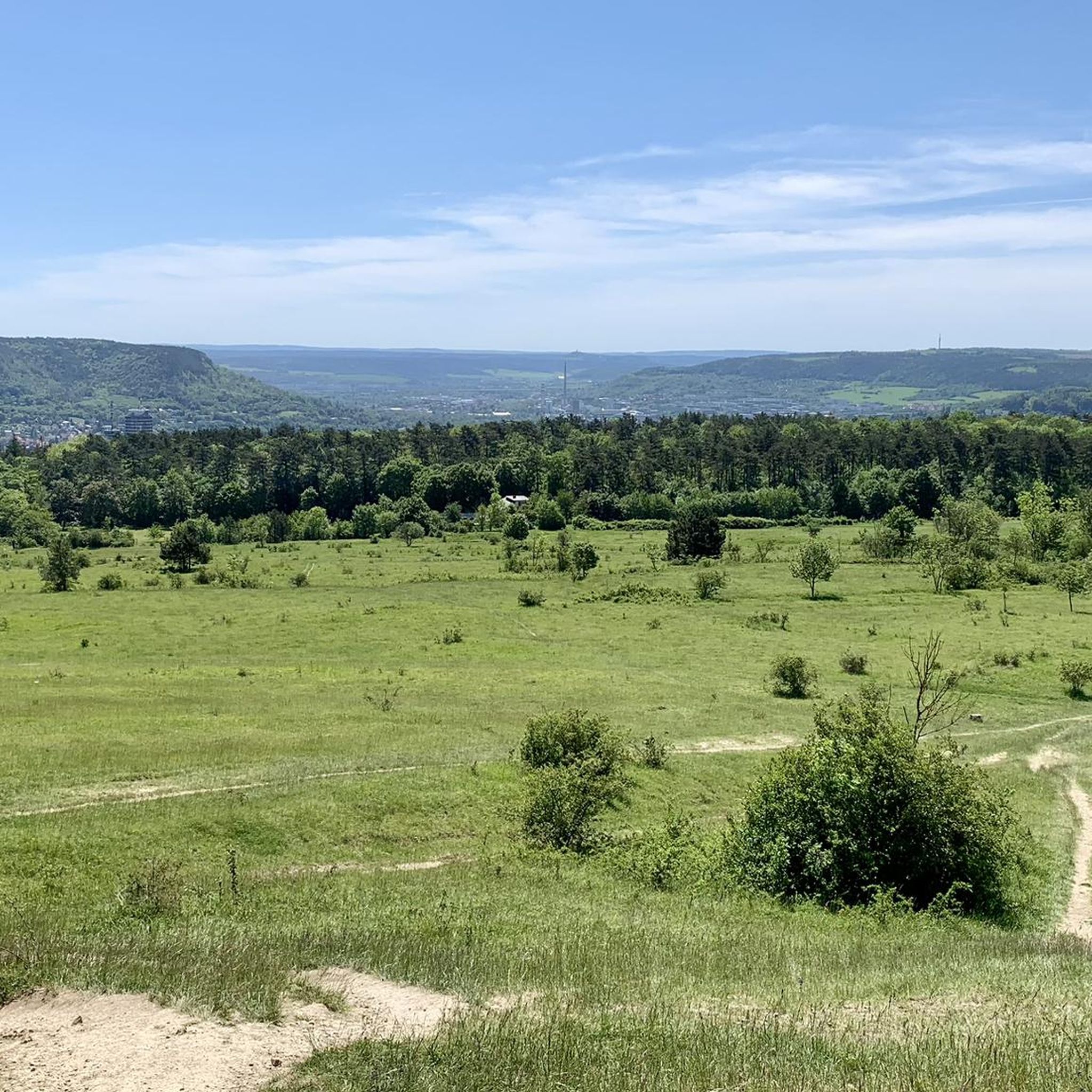
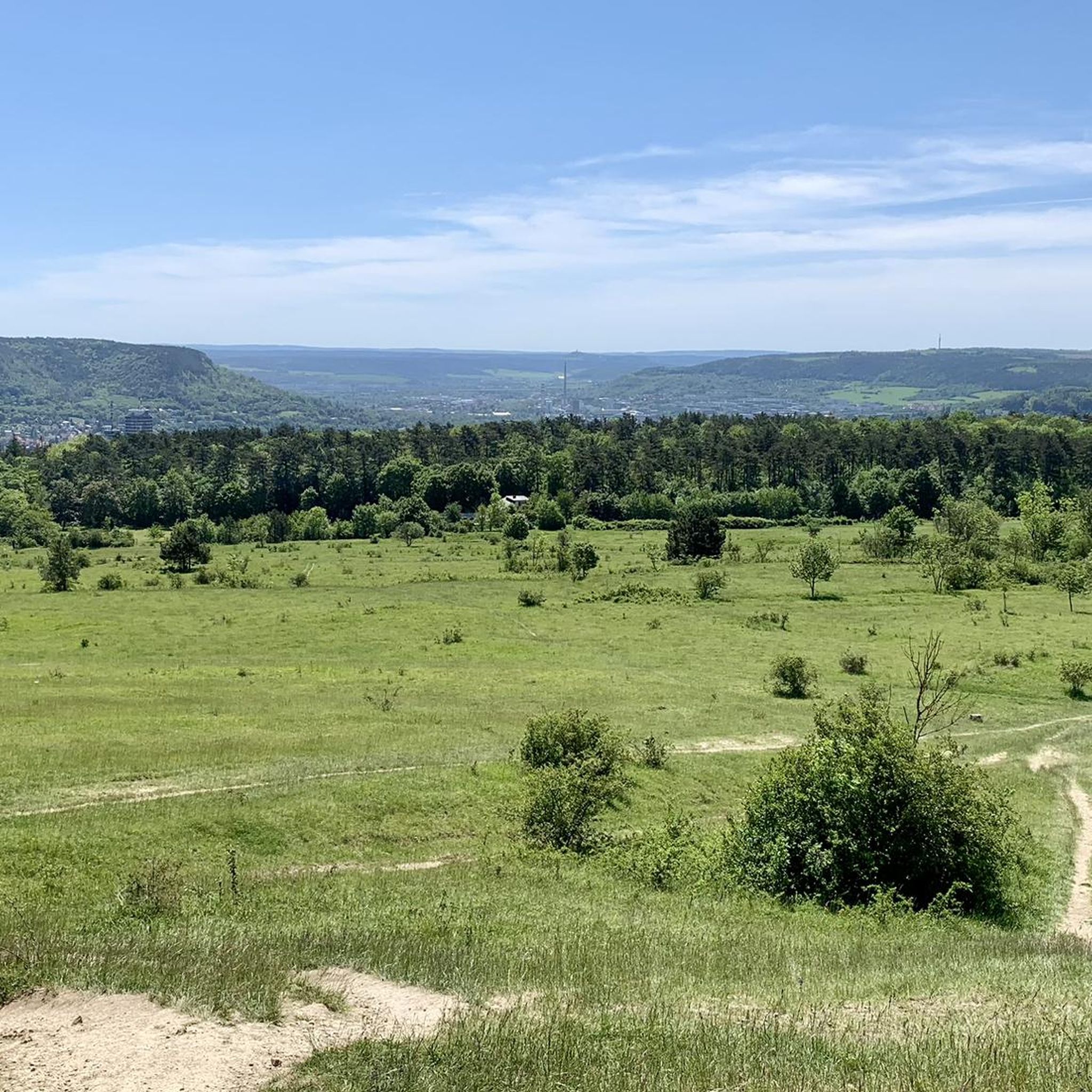
For breathtaking panoramic views, head to the Napoleon Stone on the Windknollen. From this elevated position, you can enjoy expansive vistas over Jena and the picturesque Saale Valley, and on clear days, even catch a glimpse of the Leuchtenburg.
Are there any specific trails for birdwatching in Windknollen?
The Windknollen Nature Reserve is an excellent spot for birdwatching, home to species like the Eurasian Skylark, Wood Lark, and Red-backed Shrike. Additionally, the Napoleon Trail: Birds Station specifically provides information about the breeding grounds of native birds, making it a great stop for enthusiasts.
What is the best time of year to visit Windknollen?
Windknollen offers unique experiences throughout the year. While the nature reserve is beautiful in spring and summer for flora and fauna, autumn is particularly popular for kite flying due to the open, windy conditions. The dry grass meadows around the Napoleon Stone are also wonderful for hiking even in winter.
Can I learn more about the Battle of Jena near Windknollen?
Yes, in addition to the Napoleon Stone, you can visit the Museum 1806 in Cospeda, located nearby. This museum offers an immersive audio walk by artist Janet Cardiff, allowing visitors to experience and contextualize the historical events of the Battle of Jena.
Are there any remnants of Windknollen's past as a military training area?
Yes, Windknollen served as a military training ground for over 60 years until 1990. While much has been reclaimed by nature, you can still observe remnants of this past use, such as old trenches. The Site of Former Flak Position (1943–1945) is another historical point of interest, though not much remains of the original structures.
What makes the Windknollen Nature Reserve ecologically significant?
The Windknollen Nature Reserve is ecologically significant due to its rich biodiversity and unique landscape. It's home to protected and rare plant species, a variety of birds, and amphibians. The NABU Foundation actively works to preserve its unique ecosystems, employing methods like grazing by sheep and cattle to maintain the species-rich dry grasslands.
Most popular routes in Windknollen
Most popular attractions in Windknollen

Get inspired with the komoot mobile app


