The best running trails in Schmoner Busch, Spielberger Höhe Und Elsloch
4.6
(89)
639
runners
49
runs
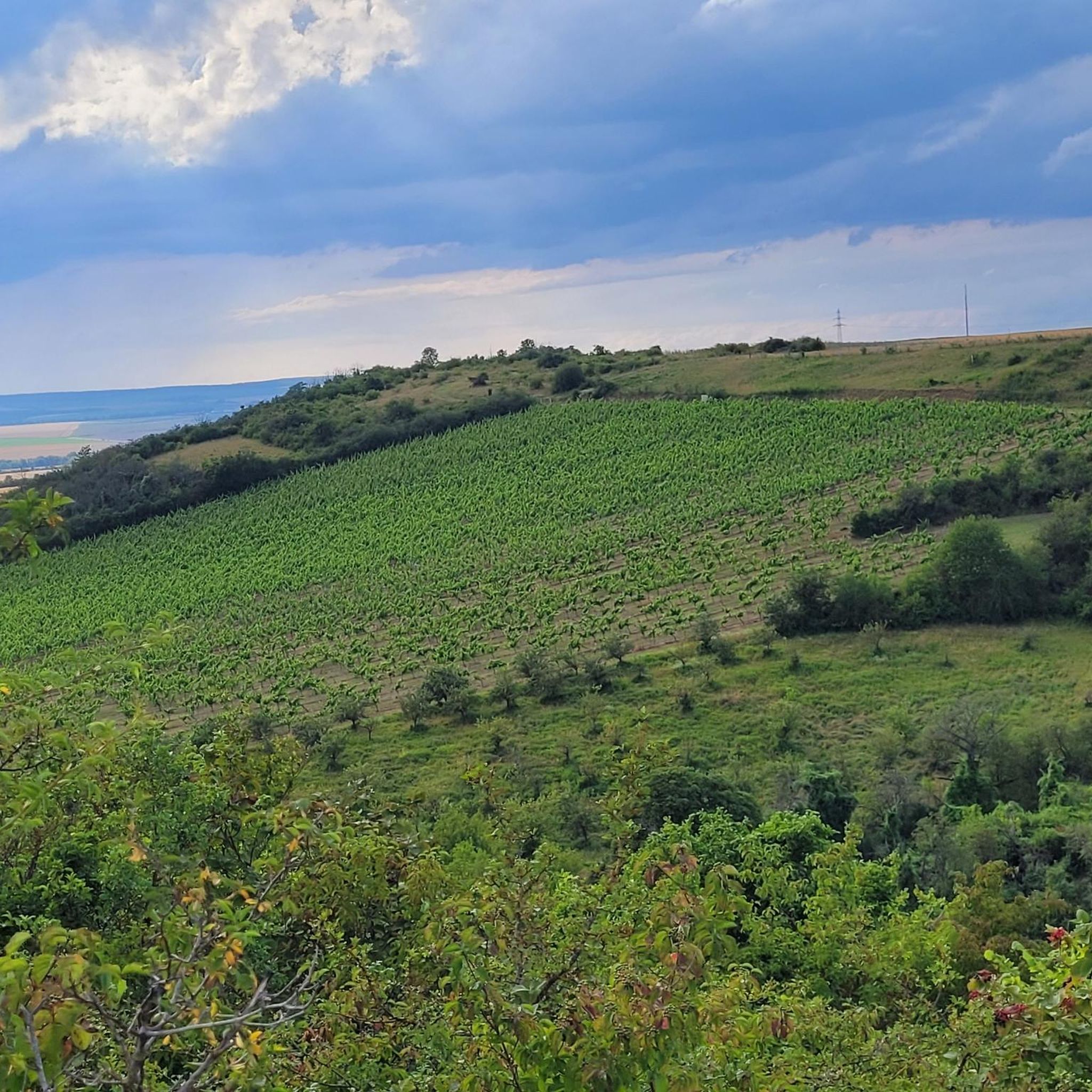
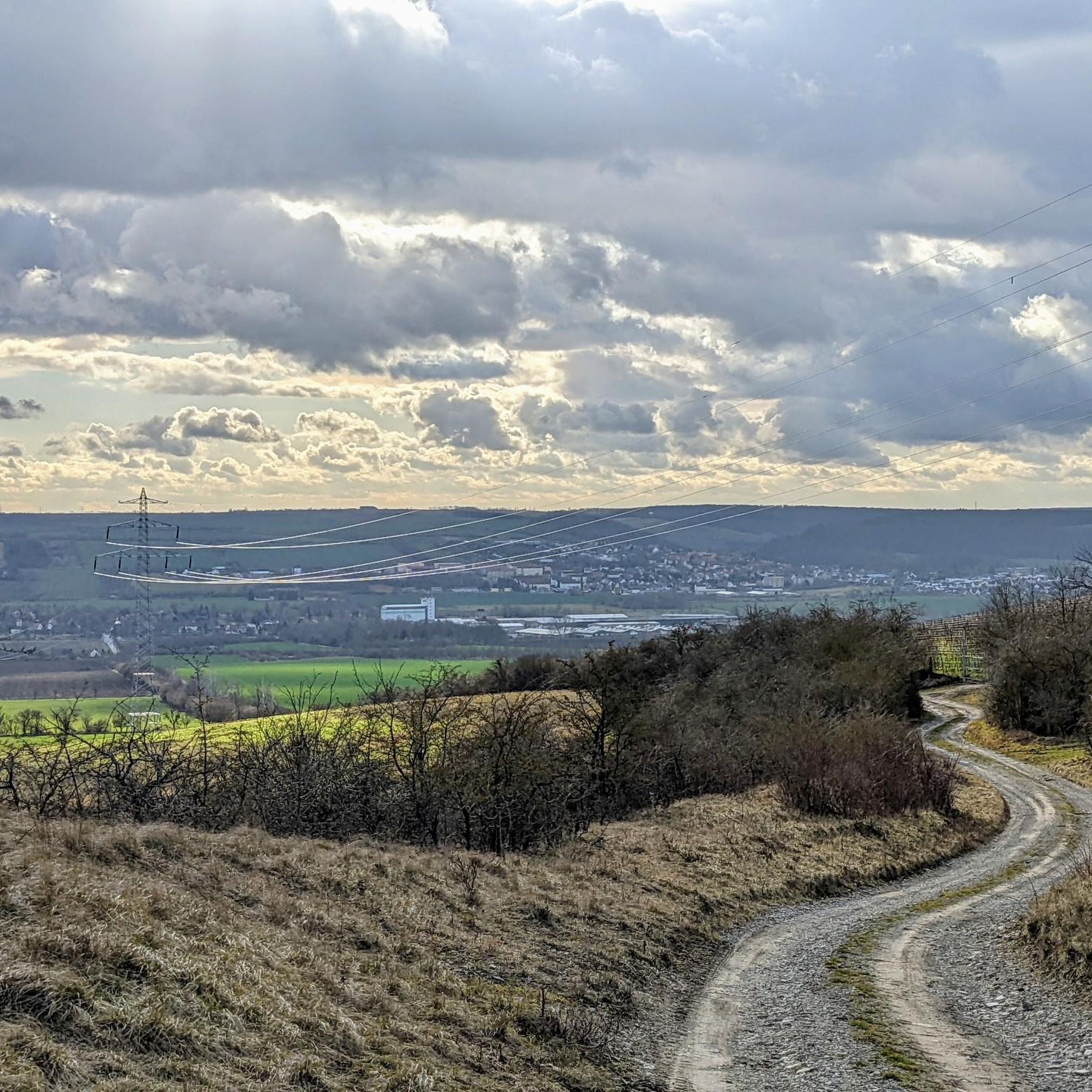
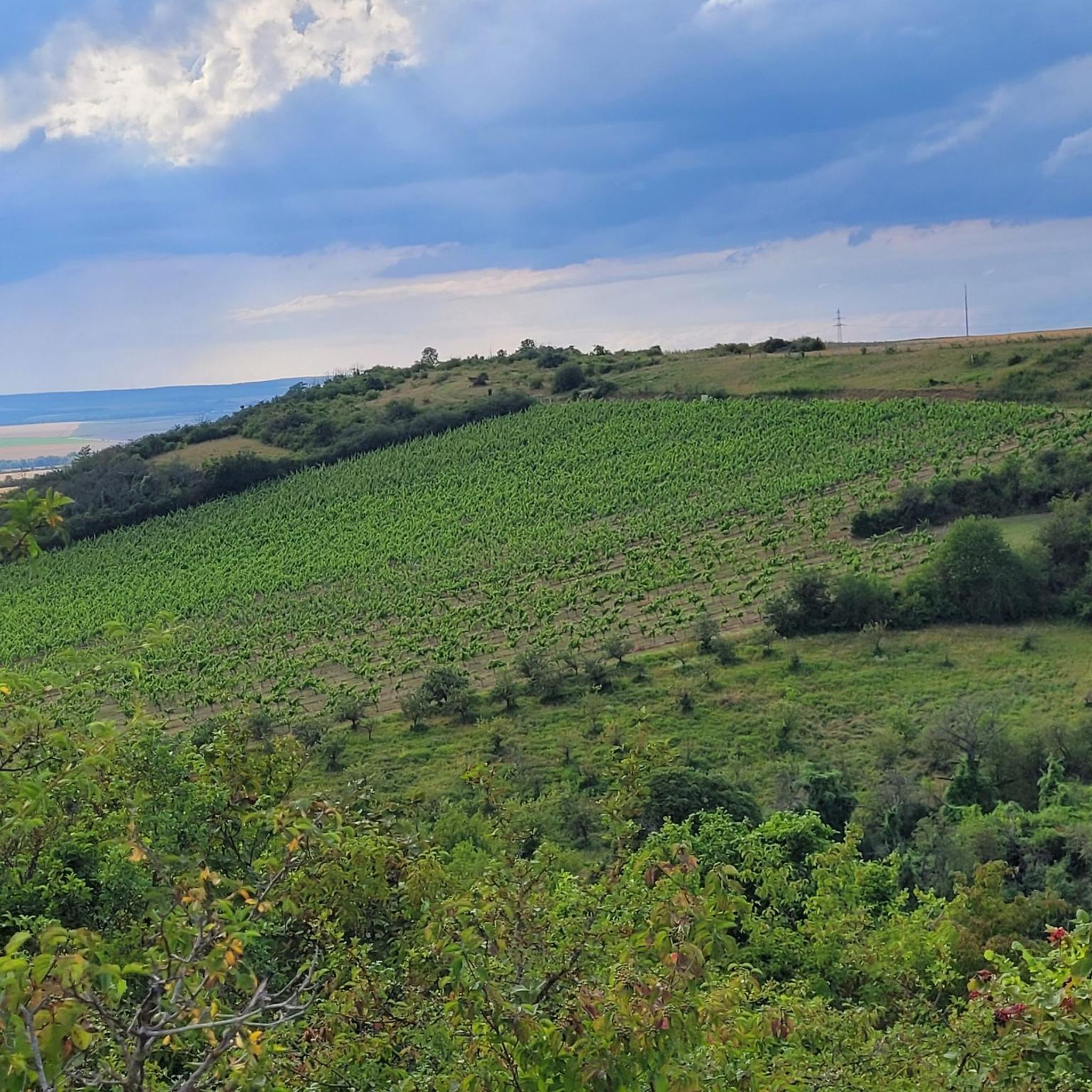
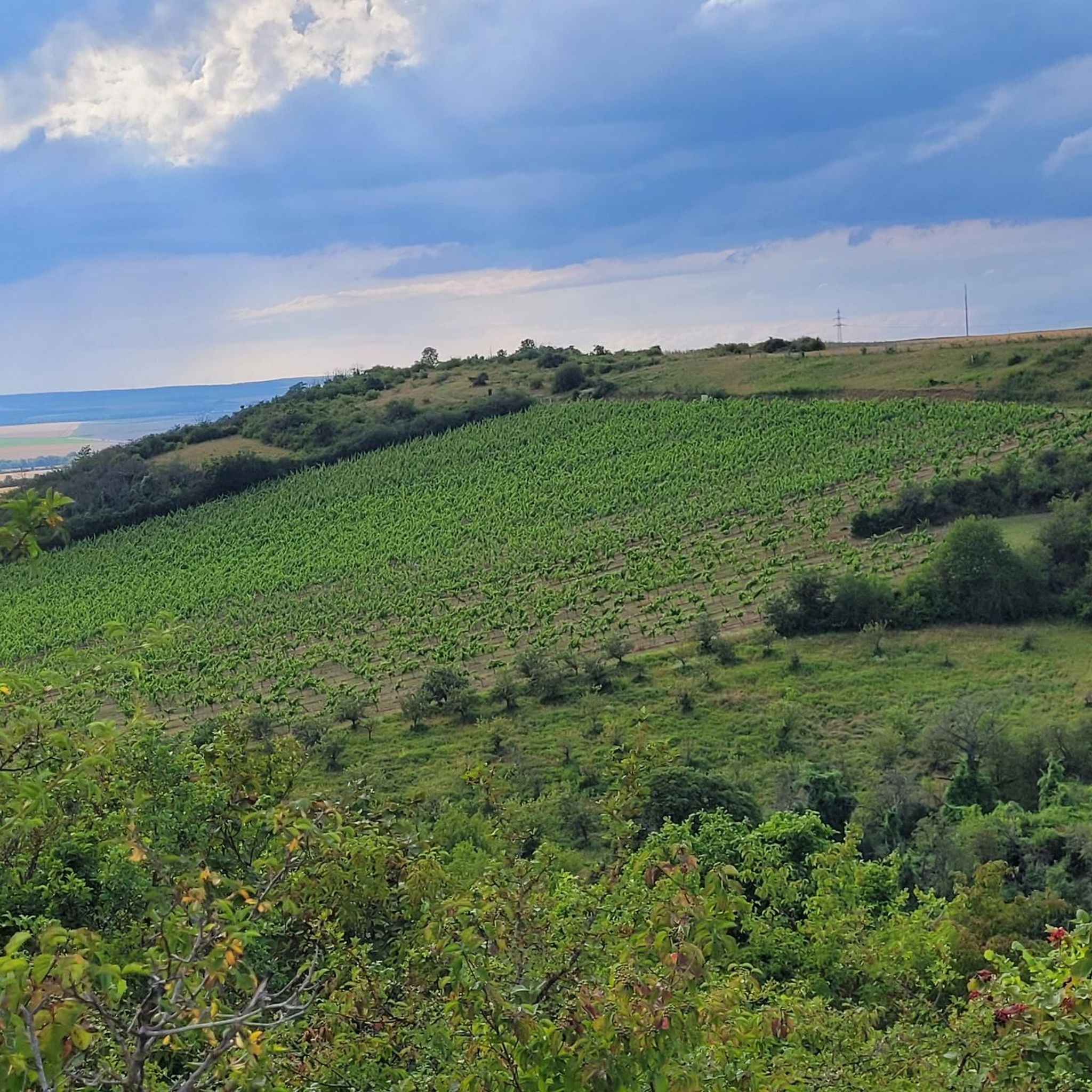
Jogging routes in Schmoner Busch, Spielberger Höhe Und Elsloch traverse a landscape characterized by woodlands, gentle hills, and open paths. The region offers varied terrain suitable for different running preferences, from flat sections to moderate ascents. Runners can expect a mix of natural surfaces and well-maintained trails, providing diverse experiences across this area.
Best jogging routes in Schmoner Busch, Spielberger Höhe Und Elsloch
- The most popular jogging route is Former District Office – Querfurt Castle loop from Querfurt, a…
Last updated: September 28, 2026
5.0
(1)
8
runners
8.13km
00:53
80m
80m
Moderate run. Good fitness required. Mostly paved surfaces. Suitable for all skill levels.
4.5
(4)
3
runners
18.2km
01:55
130m
130m
Hard run. Very good fitness required. Mostly paved surfaces. Suitable for all skill levels.

5.0
(5)
5
runners
7.39km
00:47
70m
70m
Moderate run. Good fitness required. Mostly paved surfaces. Suitable for all skill levels.
5
runners
14.9km
01:34
110m
110m
Moderate run. Good fitness required. Mostly paved surfaces. Suitable for all skill levels.
5.0
(1)
2
runners
10.6km
01:09
50m
50m
Moderate run. Good fitness required. Mostly paved surfaces. Suitable for all skill levels.
Get access to more routes and recommendations from other explorers.
Already have an account?
Our route recommendations are based on thousands of hikes, rides, and runs completed by other people on komoot.
Start today with a free account
Your next adventure awaits.
Popular around Schmoner Busch, Spielberger Höhe Und Elsloch

Tips from the Community

In 979, a document first mentions a "Castellum." Querfurt has had a castle since then at the latest. The town itself was first mentioned in documents about a hundred years earlier. The castle was the ancestral seat of the noble lords of Querfurt, who for centuries were also burgraves of Magdeburg. With the death of Bruno XI of Querfurt in 1496, the noble family died out. The castle proved impregnable until 1640, but changed hands several times during the Thirty Years' War (1618 to 1648). The Swedish occupation lasted from 1642 to 1650. In 1663, the princes of Saxe-Querfurt made the castle their residence and Querfurt the capital of their domain.
15
0
The 57-meter-high Paris Tower at Querfurt Castle was originally called the Hausmannsturm (Houseman's Tower). It dates back to the late 14th century. Its baroque dome was added in 1659. It served as a fire watchtower until 1969; today, it can be climbed as an observation tower. There is also a tower dungeon.
12
0

a really worth seeing cemetery with interesting gravestones
1
0

The bike path is really great! It runs next to the country road, but is separated from it by bushes. This means you can ride safely and stress-free on smooth asphalt to Hermannseck.
0
0

Very nice cemetery. The flair fits. Modern graves alternate with historical graves.
3
0
Very nice atmosphere in the cemetery!
3
0
Lost place! Very easy access. Despite the exposed location, there is hardly any risk of discovery.
2
0

In a tithe register of the Hersfeld monastery created between 881 and 899, Querfurt is mentioned for the first time as a place where Curnfurt im Friesenfeld is subject to tithing and was first titled castellum in a document from Emperor Otto II from 979. The castle there has been the ancestral home of the noble lords of Querfurt since the 10th century. Traces of the oldest surviving building structure also date from the 10th century, which are parts of the inner curtain wall and the granary and armory. The stone buildings were limited to the area between today's granary, the Dicker Heinrich keep and the castle church. These period solid buildings also underline the importance of the Querfurt noblemen. In 1004, at the same time as the foundation of a castle chapel, a canons' monastery was founded, which was followed from 1162 by the construction of a Romanesque church in the middle of the castle courtyard. In the 14th century, a burial chapel with the tumba of Gebhard XIV of Querfurt was added. The Fat Henry was built at the beginning of the 12th century, followed by the construction of the Martial Tower at the beginning of the 13th century and the construction of the Paris Tower at the beginning of the 14th century. The outer curtain wall was added around 1350. During the 15th century, mainly fortificational changes were made. The bastions and the west gate date from the period between 1460 and 1490. After the death of the last lord of the castle, Bruno IX. von Querfurt In 1496, Querfurt and its castle were confiscated as a fief of the Archdiocese of Magdeburg. Albrecht of Brandenburg then had structural changes made to the complex in 1528 and 1535. Towards the end of the Thirty Years' War, from 1640 to 1642, the fortress, which was considered impregnable, changed hands several times after heavy sieges and shelling. The subsequent period of occupation by the Swedes lasted from 1642 to 1650. In 1663, the imperial princes of Saxony-Querfurt made the complex their residence and thus Querfurt the capital of their territory. The so-called Princely House was therefore built between 1660 and 1668. Around 1700, new gun emplacements were built on the widened berm above the Zwinger, before Querfurt was built after the death of Adolph III. of Saxony-Weißenfels fell back to the Electorate of Saxony. Source: Wikipedia
13
1
Frequently Asked Questions
How many running routes are available in Schmoner Busch, Spielberger Höhe Und Elsloch?
There are over 50 running routes available in Schmoner Busch, Spielberger Höhe Und Elsloch, offering a variety of distances and difficulty levels for all types of runners.
Are there easy running routes suitable for beginners in this area?
Yes, the region offers 4 easy running routes perfect for beginners or those looking for a relaxed jog. These trails typically feature gentle terrain and shorter distances.
What kind of terrain can I expect on the jogging routes in Schmoner Busch, Spielberger Höhe Und Elsloch?
The jogging routes here traverse a diverse landscape characterized by woodlands, gentle hills, and open paths. You'll find a mix of natural surfaces and well-maintained trails, providing varied experiences from flat sections to moderate ascents.
Are there any circular running routes in Schmoner Busch, Spielberger Höhe Und Elsloch?
Many of the running routes in this region are designed as loops, allowing you to start and finish in the same location. For example, the Querfurt Castle loop from Querfurt is a popular circular option.
What are some interesting sights or landmarks I can see along the running trails?
While jogging, you can discover several interesting points. Keep an eye out for natural features like the Shell limestone slopes above Spielberg or the Orthalsborn Spring with Bench. The area also features the Schmoner Busch Orchid Meadows and scenic spots like the Cliff viewpoint.
Are there any running routes that offer good viewpoints?
Yes, several trails provide scenic vistas. The Cliff viewpoint is a notable spot to enjoy panoramic views, often accessible from various routes in the area.
What do other runners enjoy most about the trails in Schmoner Busch, Spielberger Höhe Und Elsloch?
The running routes in this region are highly rated by the komoot community, with an average score of 4.6 stars. Runners often praise the varied terrain, the blend of historical sights with natural surroundings, and the well-maintained paths that cater to different ability levels.
Are there any longer, more challenging running routes for experienced runners?
Absolutely. For experienced runners seeking a challenge, routes like the Eichberg – Cycle Path to Hermannseck loop from Querfurt offer a difficult 11.4-mile (18.3 km) path with significant ascents, including to Eichberg.
Can I find routes that combine historical elements with natural scenery?
Yes, the region is rich in history. The Former District Office – Querfurt Castle loop from Querfurt is an excellent example, blending historical sights with the natural beauty of the surroundings.
Are there any hidden gem running routes in Elsloch?
While specific 'hidden gems' are often discovered by local exploration, the area around Elsloch, being part of this diverse region, offers many less-trafficked paths through woodlands and gentle hills. Exploring routes slightly off the main popular trails can lead to unique discoveries.
Is there parking available near the running trails in Spielberger Höhe Und Elsloch?
Parking availability varies by trailhead. Many routes, especially those starting from towns like Querfurt, offer designated parking areas. It's advisable to check the specific route details on komoot for information on parking at the starting point of your chosen trail.
What is the best time of year to go running in Schmoner Busch, Spielberger Höhe Und Elsloch?
The region is enjoyable for running throughout much of the year. Spring and autumn offer pleasant temperatures and beautiful scenery with blooming flowers or vibrant foliage. Summer mornings and evenings are also ideal, while winter running can be picturesque, though some paths might require appropriate footwear due to potential snow or ice.
Most popular routes in Schmoner Busch, Spielberger Höhe Und Elsloch
Most popular attractions in Schmoner Busch, Spielberger Höhe Und Elsloch

Get inspired with the komoot mobile app


Explore more
Browse the best Running Trails & Routes in other regions.
