Attractions and Places To See in Saale-Elster-Aue Bei Halle - Top 20
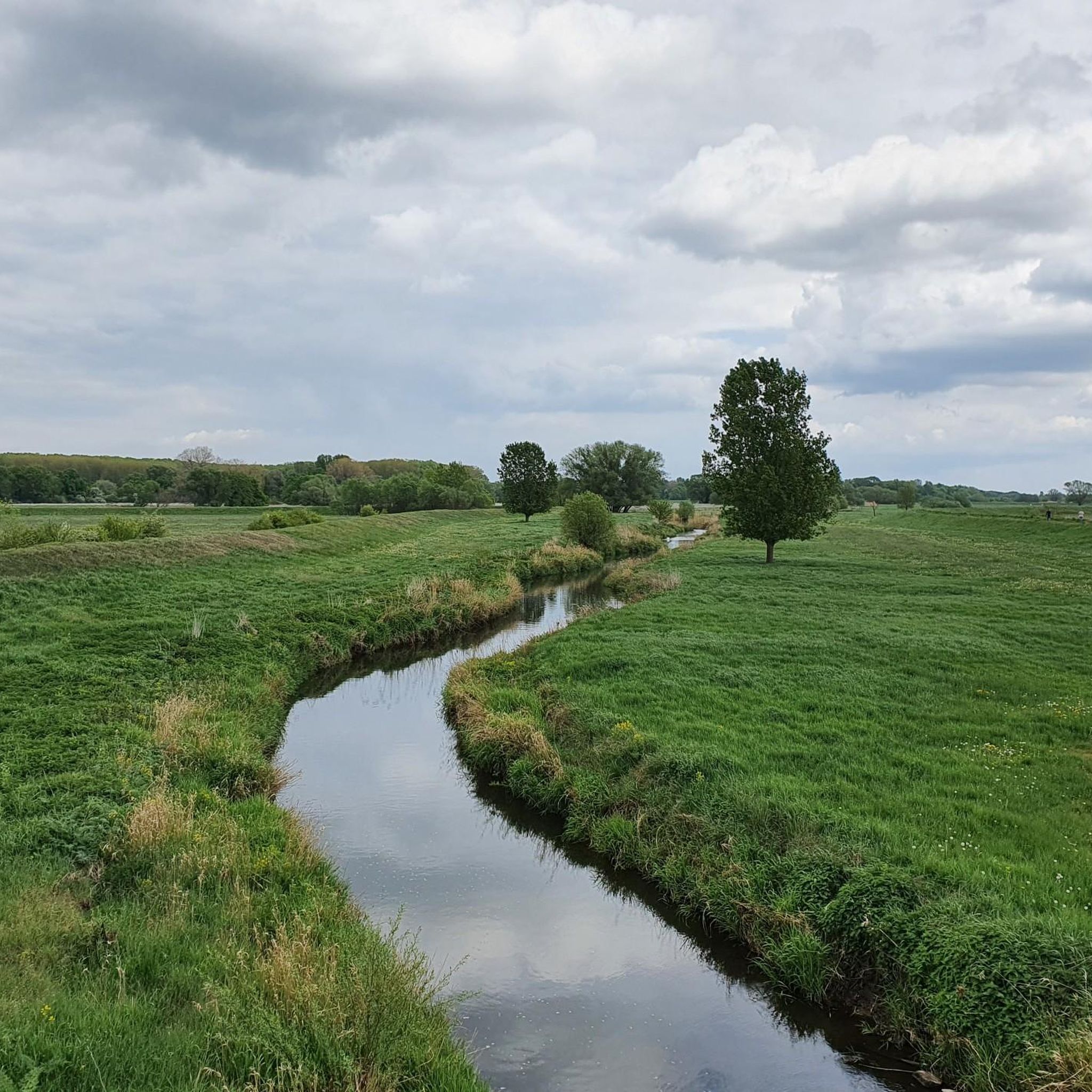
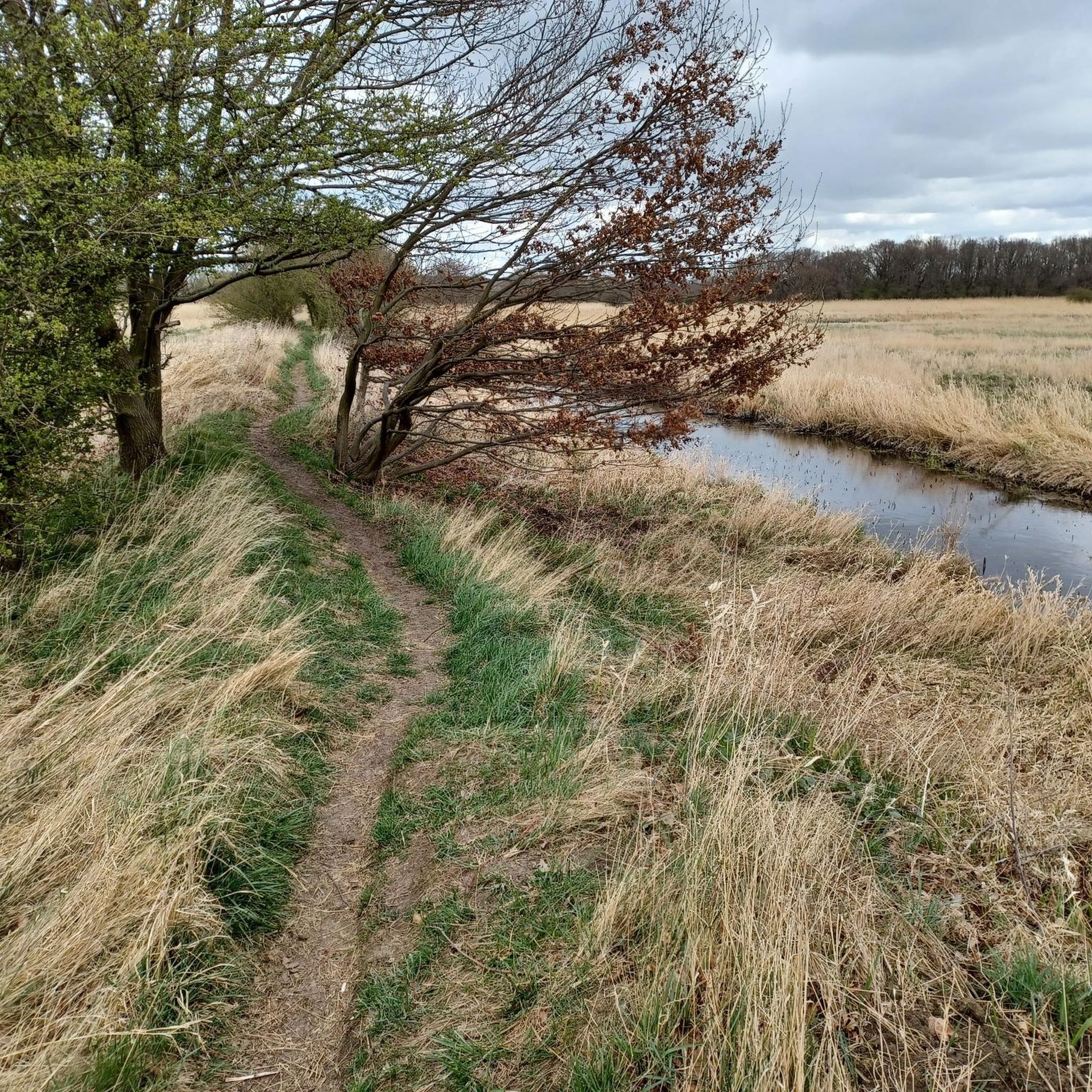
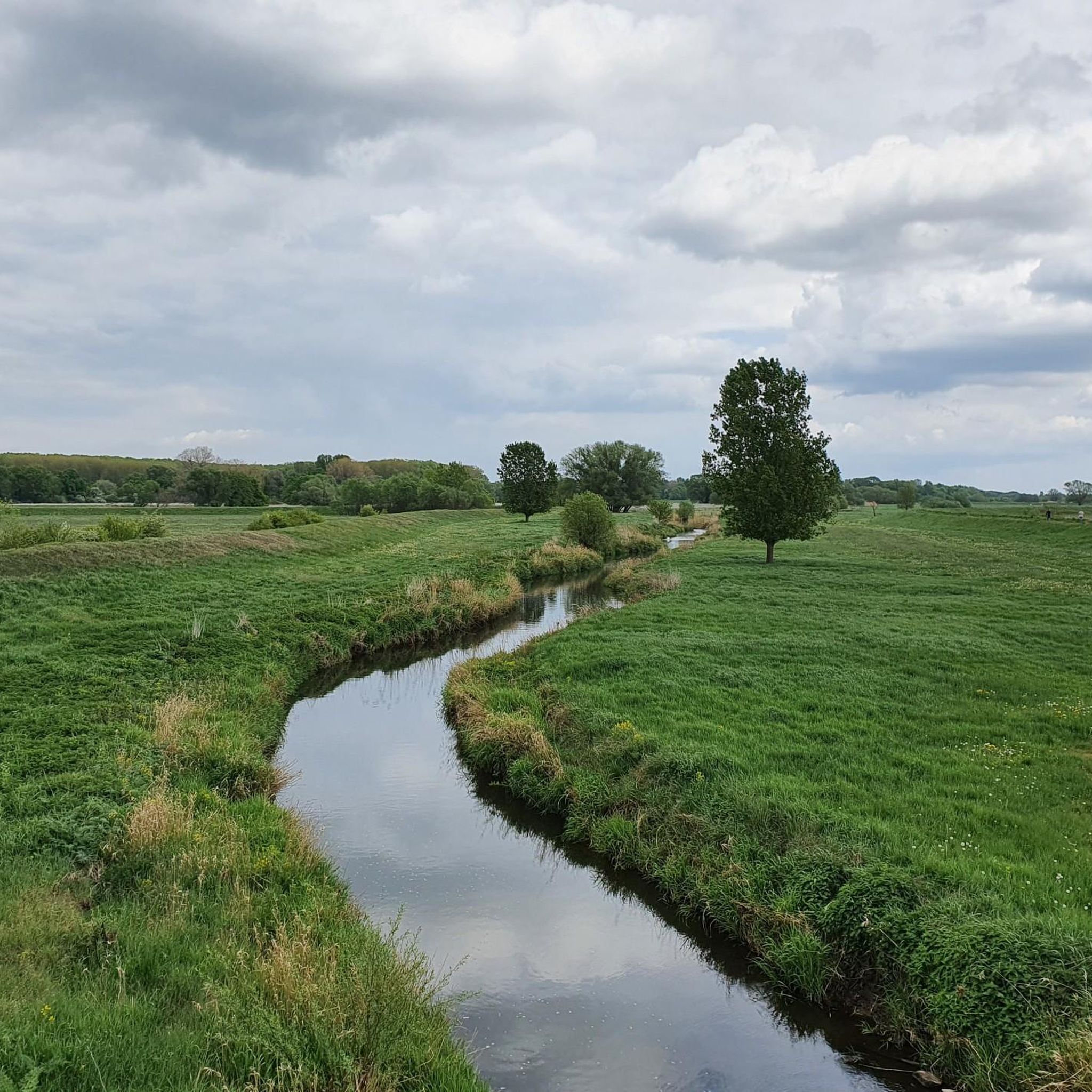
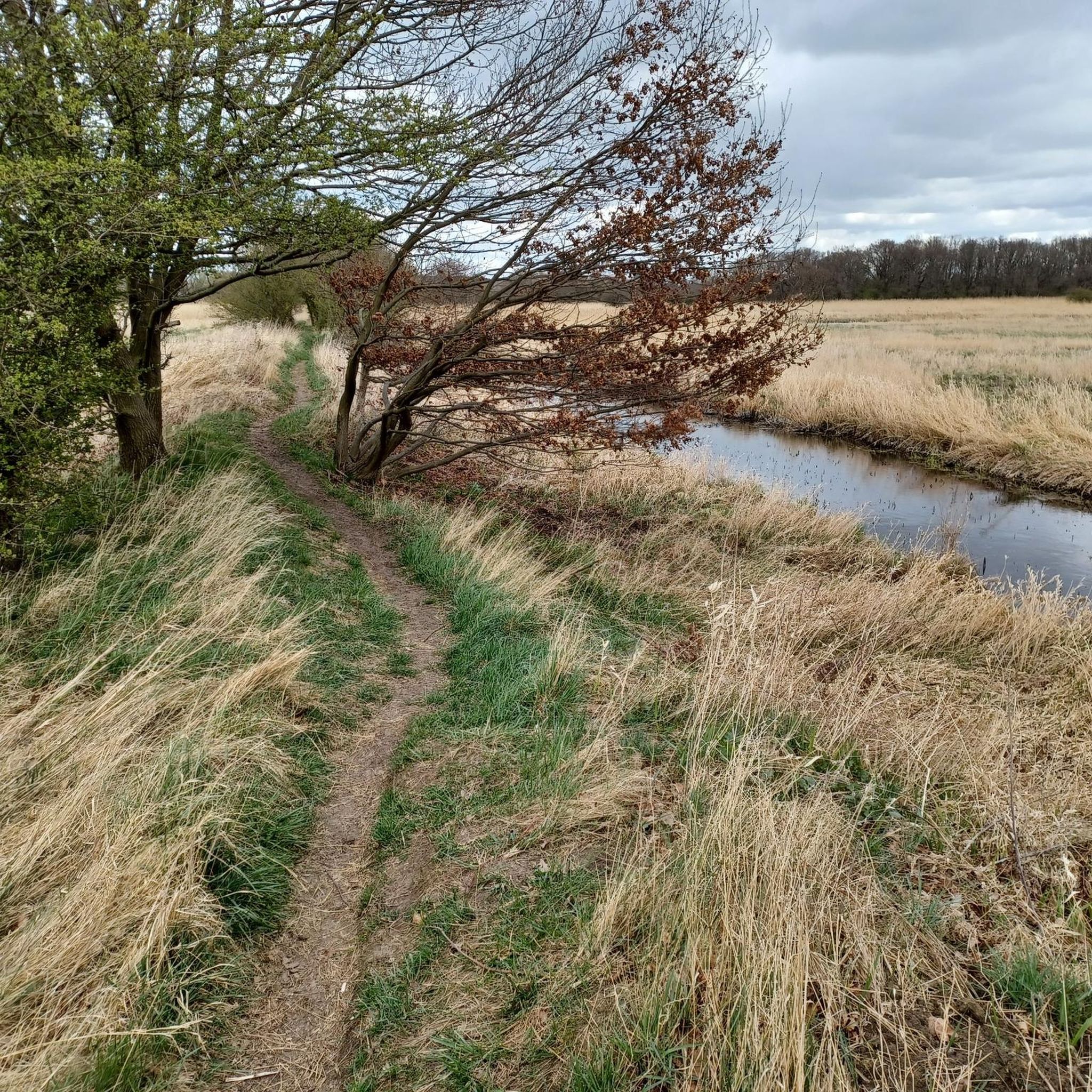
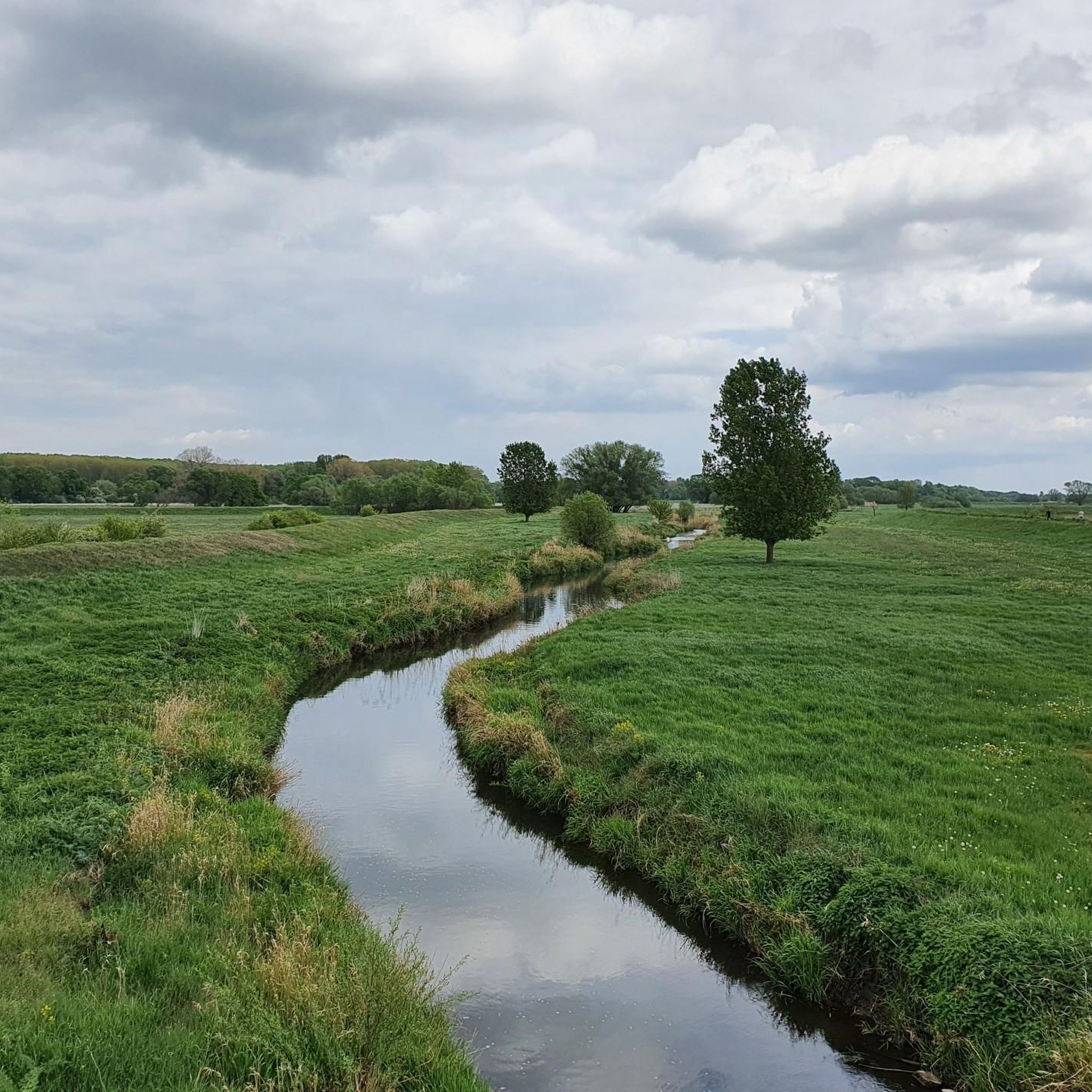
Best attractions and places to see in Saale-Elster-Aue Bei Halle include its expansive floodplain landscape and rich biodiversity. This natural area is situated between Halle (Saale) and Merseburg, encompassing the confluence of the White Elster, Saale, and Luppe rivers. The region is known for its dynamic floodplain environment, diverse flora and fauna, and remnants of natural hardwood floodplain forests. It offers opportunities to explore a unique riverine landscape with varied water levels and oxbow lakes.
Best attractions and places to…
Last updated: July 19, 2026
Schkopau Railway Bridge over the River Saale
Highlight • Bridge
Translated by Google •
Tip by

Reichsbahn Bridge
Highlight • Bridge
Translated by Google •
Tip by

Sign up now to discover places like this
Get recommendations on the best single tracks, peaks, & plenty of other exciting outdoor places.
Sign up for free
St. Nikolaus Church Kollenbey
Highlight • Religious Site
construction time
12th century or 13th century,
late 14th century or early 15th century, 19th century,
1877 (western part and roof tower)
architectural style
Romanesque, Gothic, Historicism …
Translated by Google •
Tip by

Saale-Elster Viaduct
Highlight • Bridge
Translated by Google •
Tip by

Old Malt House and Gose Brewery, Rittergut Döllnitz
Highlight • Historical Site
construction time
16th Century,
1566
architectural style
Renaissance
builder
–
Builder/Architect
–
Condition
The Döllnitz manor house is in good condition, some of the farm buildings are in …
Translated by Google •
Tip by
Sign up for free to discover even more attractions in Saale-Elster-Aue Bei Halle.
Sign up for free
Already have an account?
Start today with a free account
Your next adventure awaits.
Login or Signup
Tips from the Community

Beautiful tour along the Elster River
0
0

Impressive bridge but unfortunately with a lot of graffiti and some construction fences
1
0

Impressive structure, as is the rest of the route.
0
0

It's a fascinating transition, most railway bridges exclude pedestrians and cyclists, but not here. Old, rustic and not to be driven without caution, but an experience with a beautiful view.
2
0

Steel rivet bridge over the Saale, close to the Sxhloß Schkopau
19
1

The church is called St. Nicolaus and is dedicated to St. Nicholas of Myra. https://de.wikipedia.org/wiki/St._Nicolaus_(Kollenbey)
0
0
The truss railway bridge is a structure from 1940. https://saalekreis.im-bild.org/fotos/bruecken/reichsbahnbruecke-schkopau
3
0

Impressive railway bridge on the ICE route between Leipzig and Erfurt, crosses Elster and Saale, longest valley bridge in Germany.
0
0
Frequently Asked Questions
What natural features define the Saale-Elster-Aue Bei Halle region?
The region is characterized by its expansive floodplain landscape, formed by the confluence of the White Elster, Saale, and Luppe rivers. It features dynamic riverine environments with oxbow lakes, diverse flora like Siberian iris and great burnet, and remnants of near-natural hardwood floodplain forests. You'll also find lakes that were once open-pit lignite mines, such as Wallendorfer See and Raßnitzer See.
What kind of wildlife can I expect to see in Saale-Elster-Aue Bei Halle?
As a European bird sanctuary, the Saale-Elster-Aue is a haven for birdwatchers, with species like the stonechat, lapwing, and kingfisher. Beyond birds, the area provides habitat for rare animals such as the grass snake, great crested newt, and common spadefoot toad, showcasing its rich biodiversity.
Are there opportunities for cycling in Saale-Elster-Aue Bei Halle?
Yes, the Saale-Elster-Aue is excellent for cycling. Designated cycle paths, including sections of the Saale and Elster cycle paths, allow you to explore the natural beauty. For specific routes, you can find options like the 'View of Raßnitzer Lake – Karl Heine Canal loop' in the Gravel biking in Saale-Elster-Aue Bei Halle guide.
What historical structures can I visit in the area?
The region features several interesting historical structures. The Schkopau Railway Bridge over the River Saale, put into operation in 1940, is a historic half-timbered railway bridge that also serves as a crossing for cyclists and hikers. Another notable site is the St. Nikolaus Church Kollenbey, a village church showcasing Romanesque, Gothic, and Historicist architectural styles with historical tombs.
Are there any family-friendly activities or walks in Saale-Elster-Aue Bei Halle?
The natural landscape of Saale-Elster-Aue offers many family-friendly opportunities, especially for easy walks and exploring nature. The Saale-Elster Viaduct, Germany's longest bridge construction, is a fascinating modern marvel that can be viewed. For gentle strolls, consider routes from the Easy hikes in Saale-Elster-Aue Bei Halle guide, such as the 'Old Elster Weir near Döllnitz – Ruins of the Old Döllnitz Mill loop'.
What are the best viewpoints in Saale-Elster-Aue Bei Halle?
For impressive views, the Reichsbahn Bridge offers scenic vistas over the Saale river. The area's extensive floodplain landscape itself provides numerous picturesque spots for nature photography and enjoying the scenery, especially along the riverbanks and near the lakes.
What hiking opportunities are available in the Saale-Elster-Aue Bei Halle region?
The region is ideal for hiking, with trails winding through its natural reserves and along the rivers. You can find various routes, from easy strolls to more moderate hikes. For example, the 'Large Weir – Saale Riverside Path, Merseburg loop' is a popular option. Explore more trails in the Hiking in Saale-Elster-Aue Bei Halle guide.
What is the best time of year to visit Saale-Elster-Aue Bei Halle for outdoor activities?
Spring and summer are particularly rewarding for outdoor activities in Saale-Elster-Aue. In spring, you can witness the vibrant flora, including Siberian iris, and enjoy the 'symphony' of bird calls. Summer offers pleasant weather for cycling, hiking, and birdwatching. The dynamic flood dynamics of the rivers mean the landscape changes throughout the year, offering different experiences.
Are there any unique historical sites related to industry or local heritage?
Yes, the Old Malt House and Gose Brewery, Rittergut Döllnitz is a significant historical site. While the manor house itself cannot be visited, the facility with its Renaissance architectural style from the 16th century offers a glimpse into the region's past. Some of the farm buildings are still present, reflecting its former use.
What do visitors enjoy most about the Saale-Elster-Aue Bei Halle attractions?
Visitors frequently appreciate the impressive engineering of the bridges, such as the Reichsbahn Bridge, which offers beautiful views over the Saale. The blend of man-made structures with the serene natural landscapes, especially the river views and the opportunity for quiet exploration on foot or by bike, is highly valued.
Can I combine a visit to Saale-Elster-Aue with cultural attractions in a nearby city?
Absolutely. The Saale-Elster-Aue is situated between the cities of Halle (Saale) and Merseburg. While the Aue itself is a natural haven, the nearby city of Halle (Saale) offers a wealth of cultural and historical attractions. These include the State Museum of Prehistory (home to the Nebra Sky Disc), the Market Church, Moritzburg Art Museum, Händel-Haus museum, and Giebichenstein Castle, making for a well-rounded visit.
Most popular routes in Saale-Elster-Aue Bei Halle

Get inspired with the komoot mobile app


Explore more
Still not found the Highlight you’re looking for? See guides of the top attractions in other regions:
