Attractions and Places To See in Chko České Středohoří - Top 20
Best attractions and places to see in Chko České Středohoří include a diverse landscape shaped by volcanic origins, featuring conical hills and the Elbe River. This region in the northwestern Czech Republic is known for its natural features and historical sites. Visitors can explore numerous castles, picturesque valleys, and unique geological formations. The area offers a blend of natural beauty and cultural heritage.
Best attractions and places to see in Chko České Středohoří
- The most popular attractions is Děčín Castle, a castle that features magnificent buildings. It is a significant historical site located by the Elbe River.
- Another must-see spot is Old Town Hall, Litoměřice, a historical site. This building is the oldest Renaissance structure in the center of Litoměřice.
- Visitors also love View of Střekov Castle, a castle offering a viewpoint. It provides views over the Elbe and is considered a dominant feature of the Bohemian Central Mountains.
- Chko České Středohoří is known for its volcanic peaks, historical castles, and river valleys. The region offers a variety of natural features and cultural sites to explore.
- The attractions in Chko České Středohoří are appreciated by the komoot community, with over 590 upvotes and more than 670 photos shared.
Last updated: July 19, 2026
Elbe Cycle Path in the Czech Republic
Highlight (Segment) • Cycleway
Translated by Google •
Tip by

Děčín Castle
Highlight • Castle
Translated by Google •
Tip by

Sign up now to discover places like this
Get recommendations on the best single tracks, peaks, & plenty of other exciting outdoor places.
Sign up for free
View of Střekov Castle
Highlight • Castle
Translated by Google •
Tip by

Old Town Hall, Litoměřice
Highlight • Historical Site
There was a pillory on the middle pillar until 1726. The exhibition of the local history museum is housed in the building.
Translated by Google •
Tip by

Děčín Castle
Highlight • Castle
Translated by Google •
Tip by

Sign up for free to discover even more attractions in Chko České Středohoří.
Sign up for free
Already have an account?
Start today with a free account
Your next adventure awaits.
Login or Signup
Popular around Chko České Středohoří
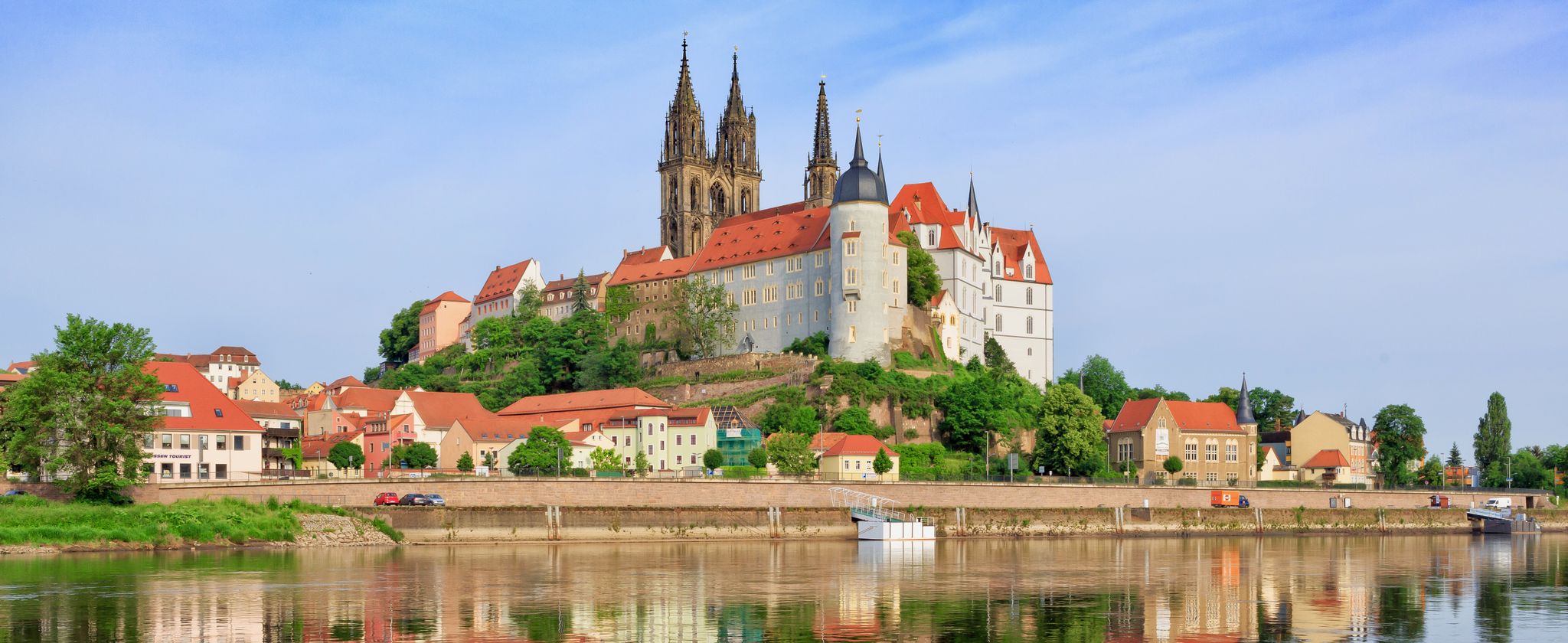
The Elbe Cycle Path — cross-border cycling pleasure
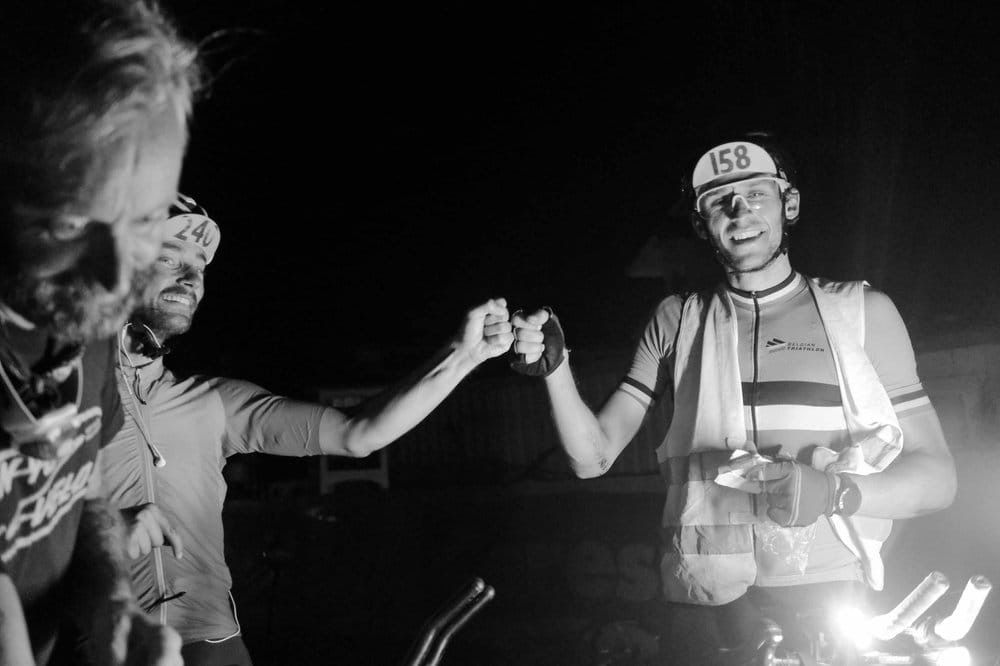
TCR No. 8 — racing across Europe
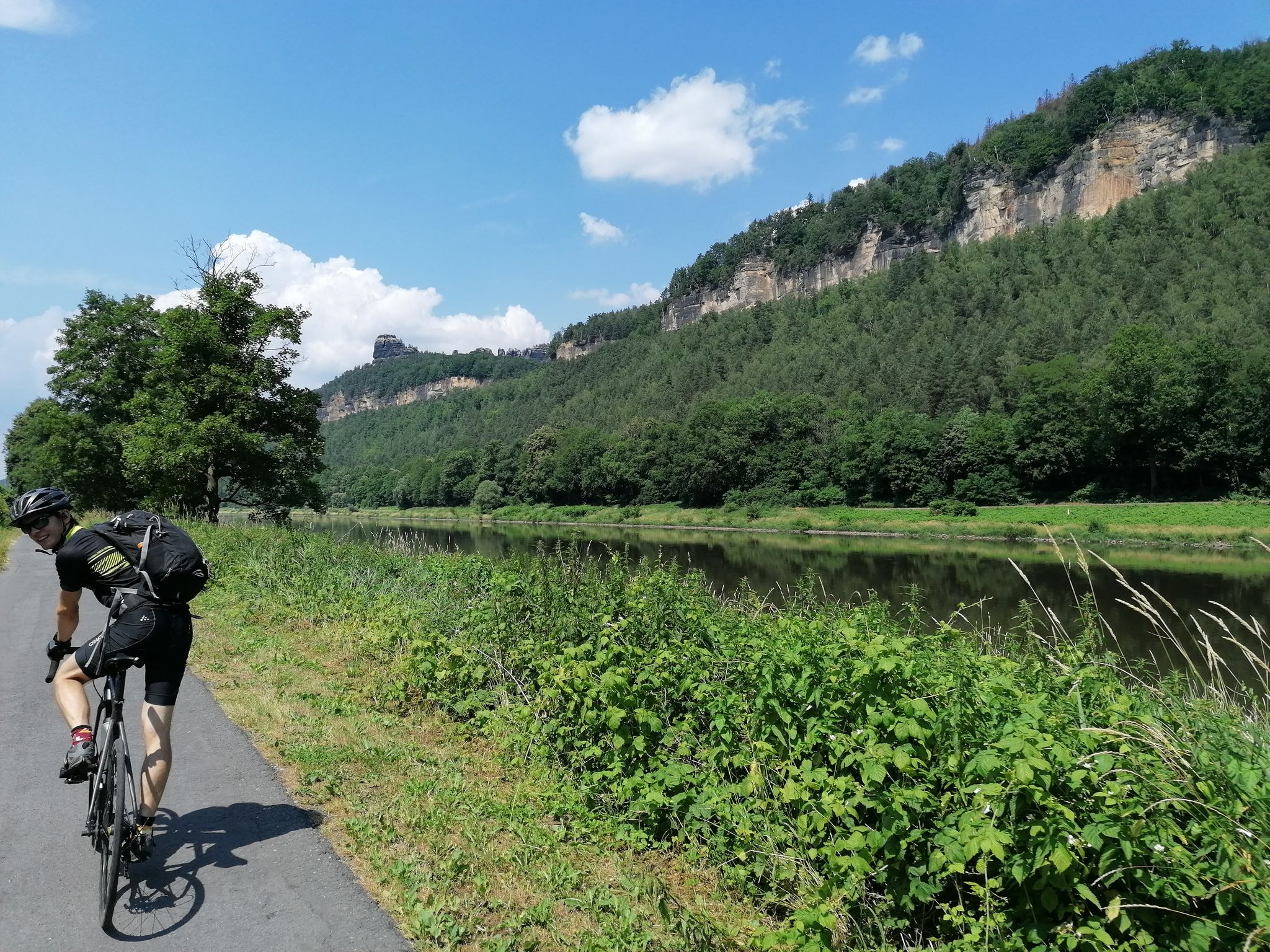
Beautiful landscapes — ride in Czechia’s Northern Bohemia
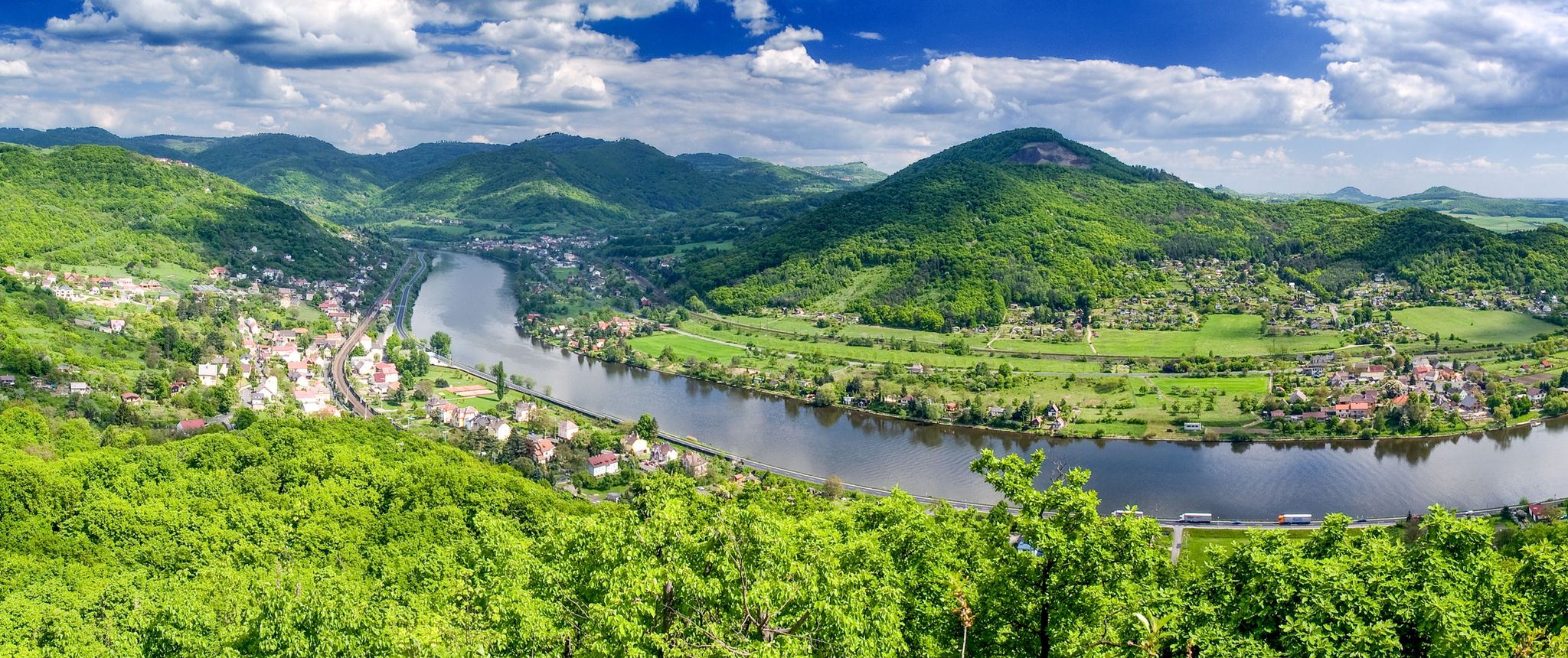
Bohemian volcanic landscapes from your saddle
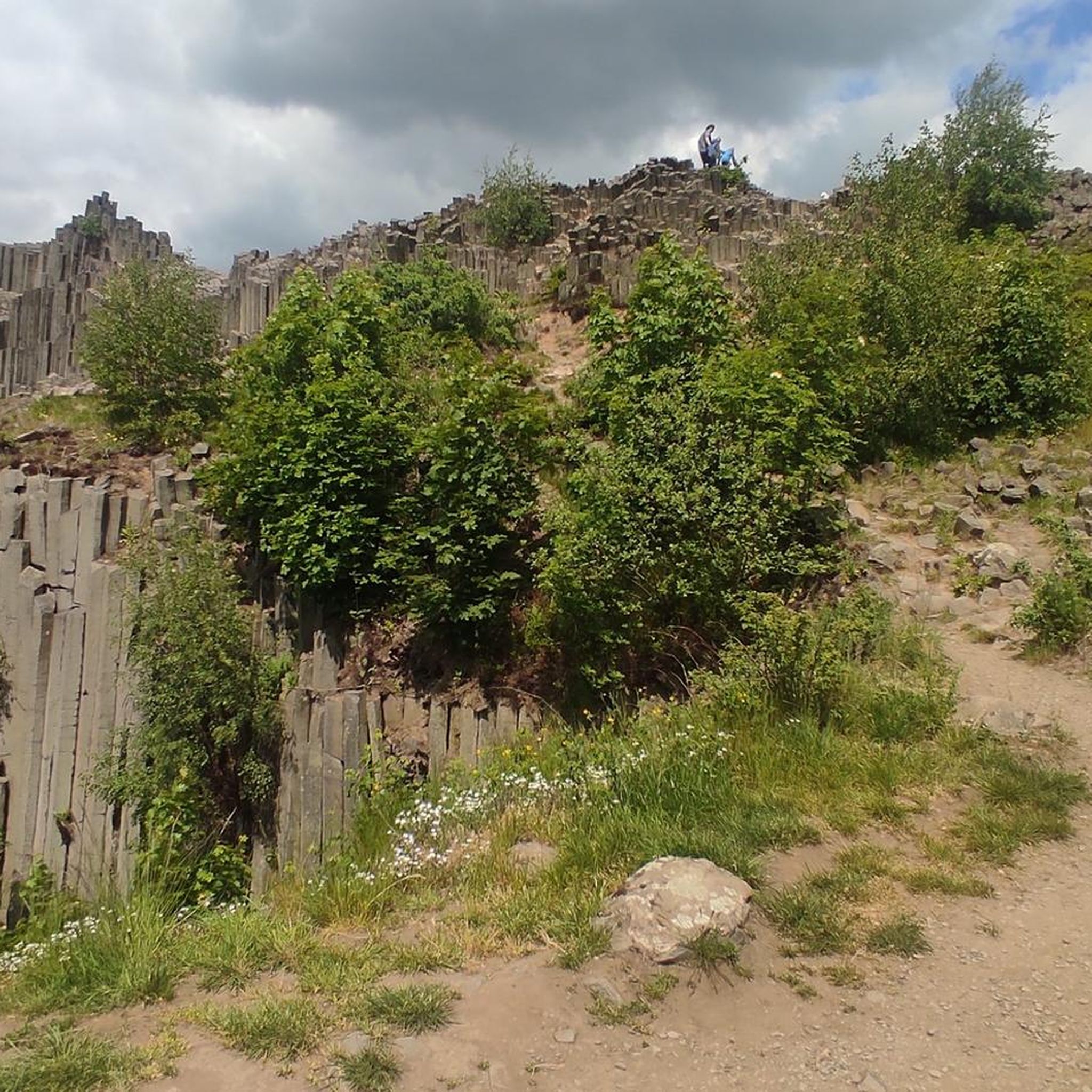
Cycling in Chko České Středohoří
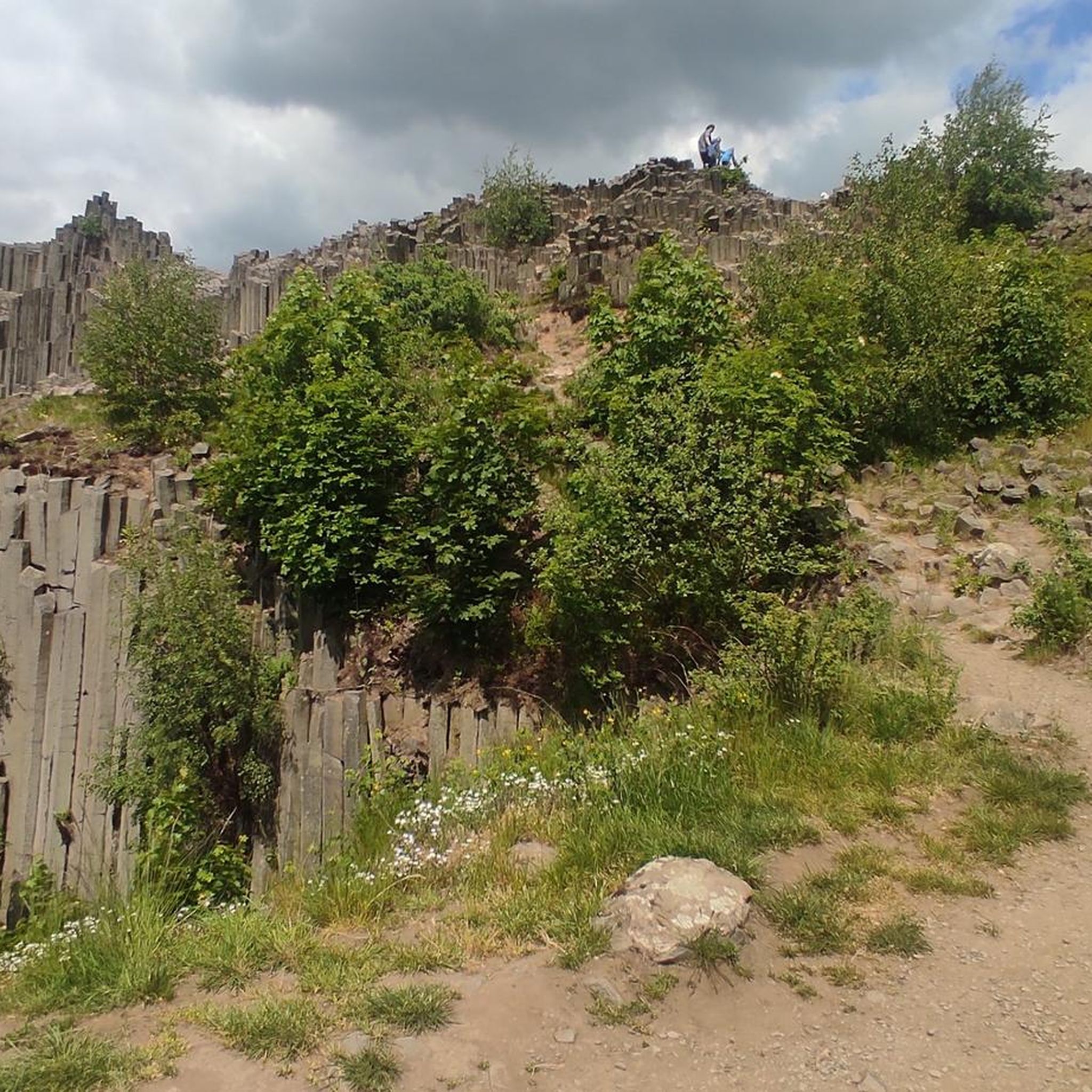
Hiking in Chko České Středohoří
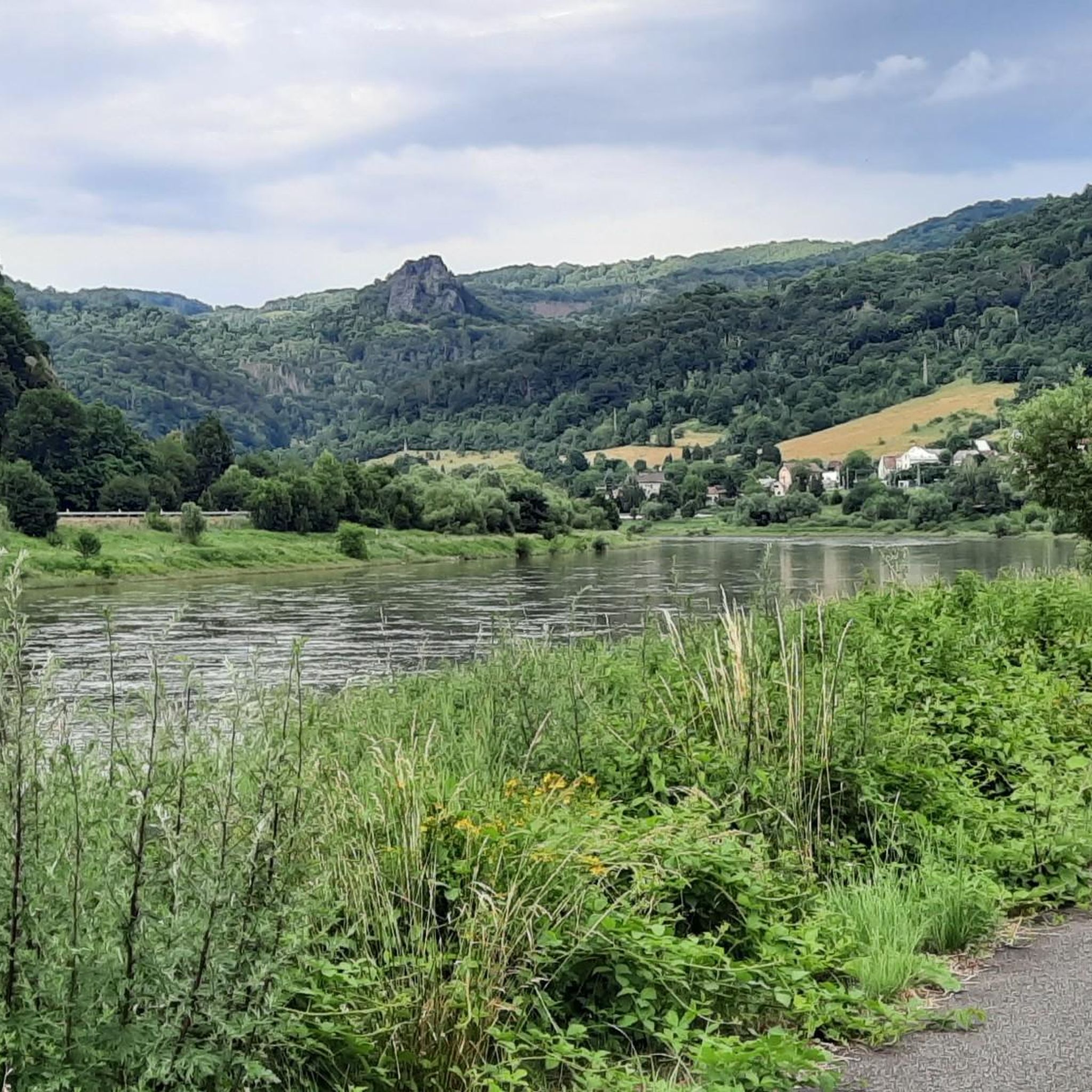
Road Cycling Routes in Chko České Středohoří
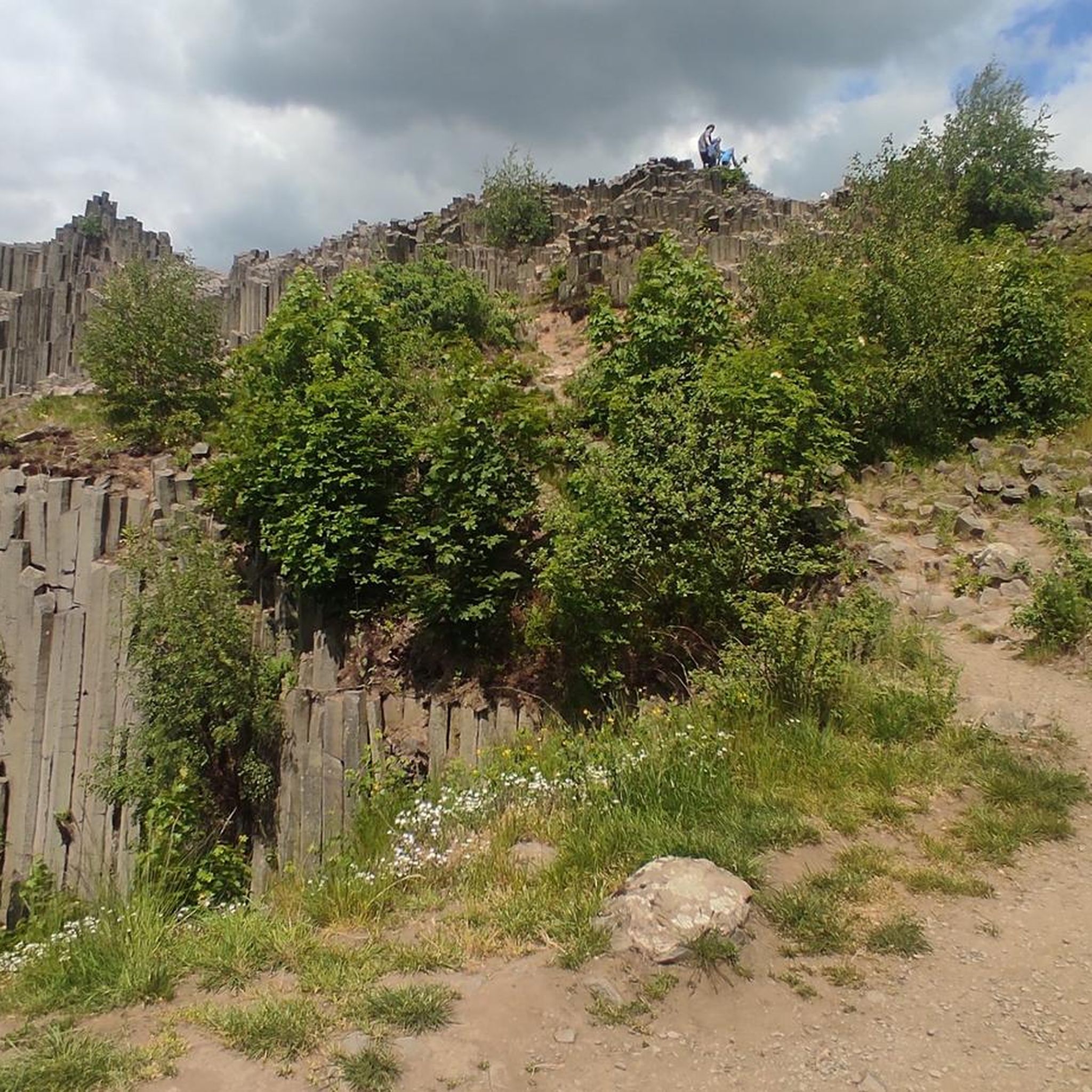
MTB Trails in Chko České Středohoří
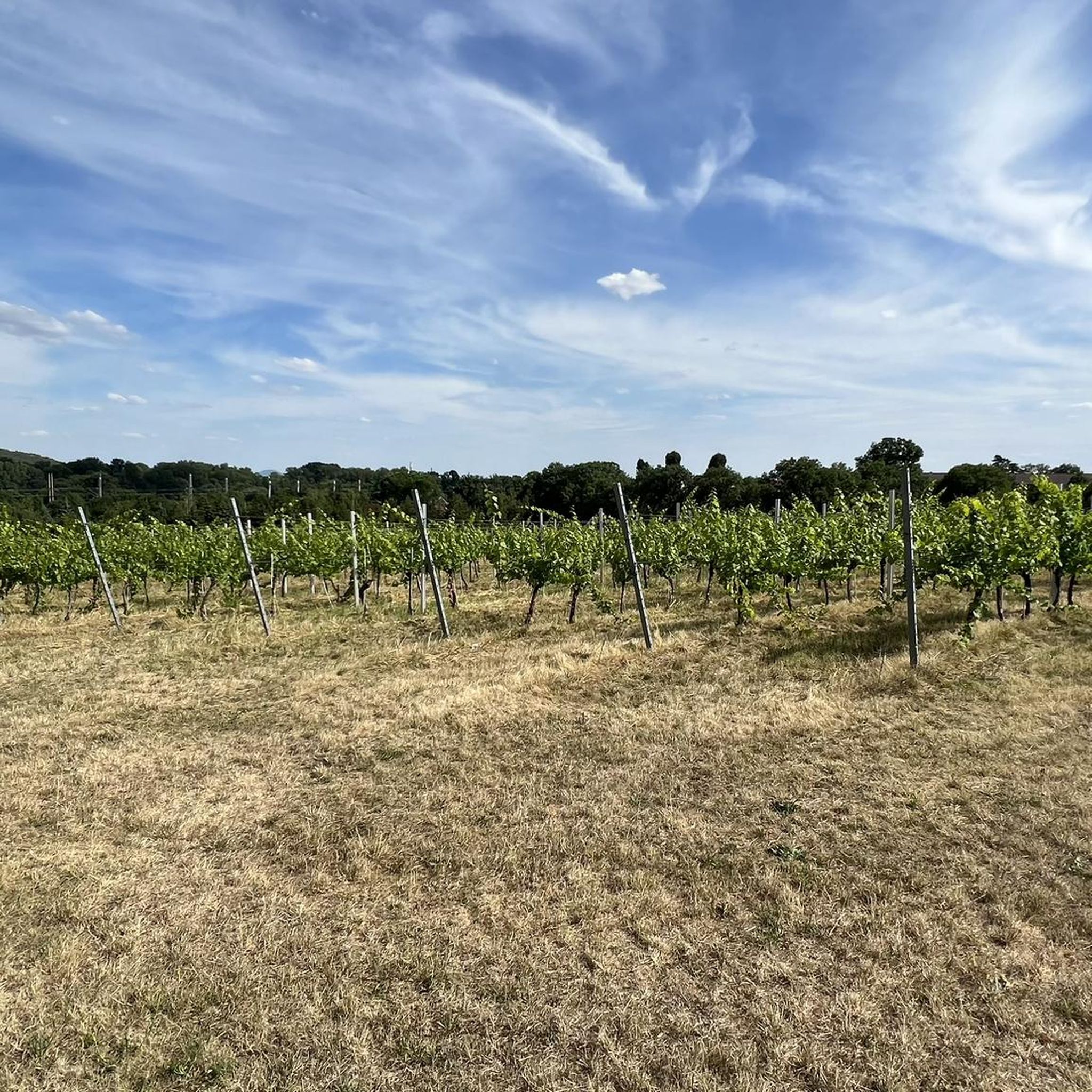
Running Trails in Chko České Středohoří

Gravel biking in Chko České Středohoří
Other adventures in Chko České Středohoří


Tips from the Community

Děčín Castle (German: Tetschner Schloss) is located on a rocky ridge near the Elbe River in the town of Děčín (Tetschen) in the Czech Republic. The castle dates back to a fortification built by the Přemyslids at the end of the 10th century (mentioned in 1128) to control shipping on the Elbe. In the 13th century, the wooden structure was converted into a stone castle and expanded. The Bünaus converted the complex into a Renaissance castle in the 16th century, but were forced to sell it to the von Thun family after the Thirty Years' War because of their Protestant faith. The von Thuns occupied the castle until 1932, then sold it to the state for financial reasons and relocated to Jílové (Eulau). See: https://de.wikipedia.org/wiki/Schloss_D%C4%9B%C4%8D%C3%ADn
4
0

Always worth a trip. Magnificent view of Decin from up there.
0
0

Děčín Castle, located on a rocky promontory above the confluence of the Elbe and Ploučnice rivers, is one of the most important historical monuments in northern Bohemia. Over the centuries, it served as a stronghold of the Czech prince, a military fortress, and the seat of several important families. The history of Děčín Castle dates back to the 10th century, when a wooden fortification stood here, which served as the central point of administration of the Děčín province. The residence has undergone many building modifications in the past, the most important of which were carried out by the Thun-Hohenstein family. This family carried out two important reconstructions of the Děčín estate in the years 1628-1932, leading to its current form. However, in 1932, the family sold the castle to the Czechoslovak state, which created barracks here. In the following years, the Czechoslovak, German, and, in the years 1968-1991, Soviet armies took turns here. In 1991, the Děčín Castle became the property of the city of Děčín.
10
0

It is the first major city in the Czech Republic
0
0


The castle, one of the most important historical monuments in northern Bohemia, was once a military fortress and the seat of important noble families. Famous European rulers and artists came and went here, and Frédéric Chopin composed his Děčín Waltz in A-flat major in the castle. The castle has been extensively renovated. There is a café, restaurant, event rooms, etc. Source: https://www.visitczechia.com/de-de/things-to-do/places/landmarks/chateaux/c-decin-chateau
0
0

Frequently Asked Questions
What are the most prominent natural features to explore in Chko České Středohoří?
The region is defined by its unique volcanic origins, featuring conical hills like Milešovka, known as the "Queen of the Central Bohemian Uplands," and other notable peaks such as Lovoš, Raná, Oblík, and Sedlo. The Elbe River also flows through the area, creating stunning scenery, especially in the Porta Bohemica valley, and offers the popular Elbe Cycle Path in the Czech Republic.
Which historical sites and castles should I visit in the region?
Chko České Středohoří is rich in history. You can explore the magnificent Děčín Castle, or visit the Old Town Hall, Litoměřice, which is the oldest Renaissance building in the city center. Don't miss the dramatic View of Střekov Castle, offering impressive views over the Elbe River. Other notable ruins include Oparno, Košťálov, and Kalich castles.
Are there family-friendly attractions in Chko České Středohoří?
Yes, the region offers several family-friendly options. Besides exploring castles like Děčín Castle and the Old Town Hall, Litoměřice, families can enjoy the Elbe Cycle Path. There are also three zoos in the area, providing entertainment for children. The Pastýřská Stěna (Shepherd's Wall) in Děčín features an animal park and a via ferrata suitable for older children with proper equipment.
What are the best viewpoints in Chko České Středohoří?
For breathtaking panoramas, hike up Milešovka, the highest peak, or visit the View of Střekov Castle for its iconic vista over the Elbe. The Pastýřská Stěna (Shepherd's Wall) also provides a great perspective of Děčín and its castle. Additionally, Mlynářův Kámen Viewpoint offers magnificent views of the Elbe canyon.
What outdoor activities can I do near these attractions?
The region is ideal for outdoor enthusiasts. You can enjoy extensive hiking and cycling opportunities. For specific routes, consider exploring the hiking trails in Chko České Středohoří, or the running trails. The Elbe Cycle Path is particularly popular for scenic rides.
Are there any unique geological formations or natural phenomena to see?
Yes, the region boasts several unique natural features. Borečský vrch, also known as "Smoke Mountain," is famous for its "ventaroly" – vents that release warm, moist air year-round. You can also visit Kamenné slunce (Stone Sun) near Hnojnice, a distinctive natural attraction, and the Geopark NS Hlinna-Kamýk, which exhibits typical rocks of the Bohemian Central Highlands.
What is the best time of year to visit Chko České Středohoří?
The České Středohoří is beautiful throughout the year, but spring and autumn are particularly popular. Spring brings blooming orchards and vineyards, while autumn offers vibrant foliage across the volcanic hills. Summer is excellent for hiking and cycling along the Elbe, though it can be warmer. Winter can offer serene, snow-covered landscapes, especially on the higher peaks.
What is the historical significance of Litoměřice in the region?
Litoměřice is a historic town situated at the confluence of the Elbe and Ohře rivers. It's renowned for its well-preserved Old Town, featuring the Old Town Hall, which is the oldest Renaissance building in the city center. The town also has a long-standing tradition of wine-growing, contributing to the region's cultural heritage.
Can I find any open-air museums or examples of traditional architecture?
Yes, the open-air museum and historical dresins in Zubrnice is the only open-air museum in Northern Bohemia. It showcases the housing and culture of the original inhabitants and the region's transformation. Additionally, villages like Dolní Nezly, Levín, Merboltice, and Starý Týn preserve valuable complexes of traditional buildings, some with timbered floors, reflecting the area's historical character.
What do visitors enjoy most about Chko České Středohoří?
Visitors frequently praise the stunning views, especially from places like Střekov Castle and Pastýřská Stěna. The diverse landscapes, from volcanic peaks to river valleys, and the well-maintained cycling paths like the Elbe Cycle Path, are also highly appreciated. The historical castles and charming towns add to the overall appeal, offering a blend of nature and culture.
Are there any specific trails for waterfall hikes in the area?
While the region is known for its volcanic landscape, there are indeed options for waterfall hikes. You can find specific routes in the waterfall hikes guide for Chko České Středohoří, which includes trails like the one connecting Dolansky Pond and the Stone Bridge at Hrázský Pond.
Is there a historical trail connecting castles in the region?
Yes, the "Golden Trail of the Land of Castles" is a historical trail that spans 89 km, connecting significant castle monuments in the region. It runs from Budyně nad Ohří to Úštěk, offering a unique way to explore the rich history and architectural heritage of Chko České Středohoří.
Most popular routes in Chko České Středohoří
Most popular attractions in Chko České Středohoří

Get inspired with the komoot mobile app


Explore more
Still not found the Highlight you’re looking for? See guides of the top attractions in other regions:
