The best cycling routes in Park Krajobrazowy Beskidu Śląskiego
4.7
(140)
1,655
riders
55
rides
Touring cycling in Park Krajobrazowy Beskidu Śląskiego offers diverse landscapes across the Silesian Beskids mountain range in southern Poland. The park features dense forests, rolling hills, and prominent mountain peaks such as Skrzyczne (1,257 m) and Barania Góra (1,220 m). Numerous streams, including the headwaters of the Vistula River, weave through scenic hillsides, providing varied terrain for cycling. This region is characterized by its mountainous topography and extensive network of trails.
Best touring cycling routes in Park Krajobrazowy Beskidu Śląskiego
…Last updated: May 14, 2026
4.6
(33)
338
riders
41.5km
03:31
1,170m
1,170m
Hard bike ride. Very good fitness required. You may need to push your bike for some segments of this route.
5.0
(3)
142
riders
48.7km
03:31
980m
980m
Hard bike ride. Very good fitness required. Mostly paved surfaces. Suitable for all skill levels.

Sign up for free
4.9
(13)
95
riders
Moderate bike ride. Good fitness required. Mostly paved surfaces. Suitable for all skill levels.
4.3
(15)
109
riders
Moderate bike ride. Good fitness required. Mostly paved surfaces. Suitable for all skill levels.
4.9
(7)
81
riders
31.9km
02:33
760m
760m
Hard bike ride. Very good fitness required. Mostly paved surfaces. Suitable for all skill levels.
Get access to more routes and recommendations from other explorers.
Sign up for free
Already have an account?
Our route recommendations are based on thousands of hikes, rides, and runs completed by other people on komoot.
Start today with a free account
Your next adventure awaits.
Login or Signup
Popular around Park Krajobrazowy Beskidu Śląskiego
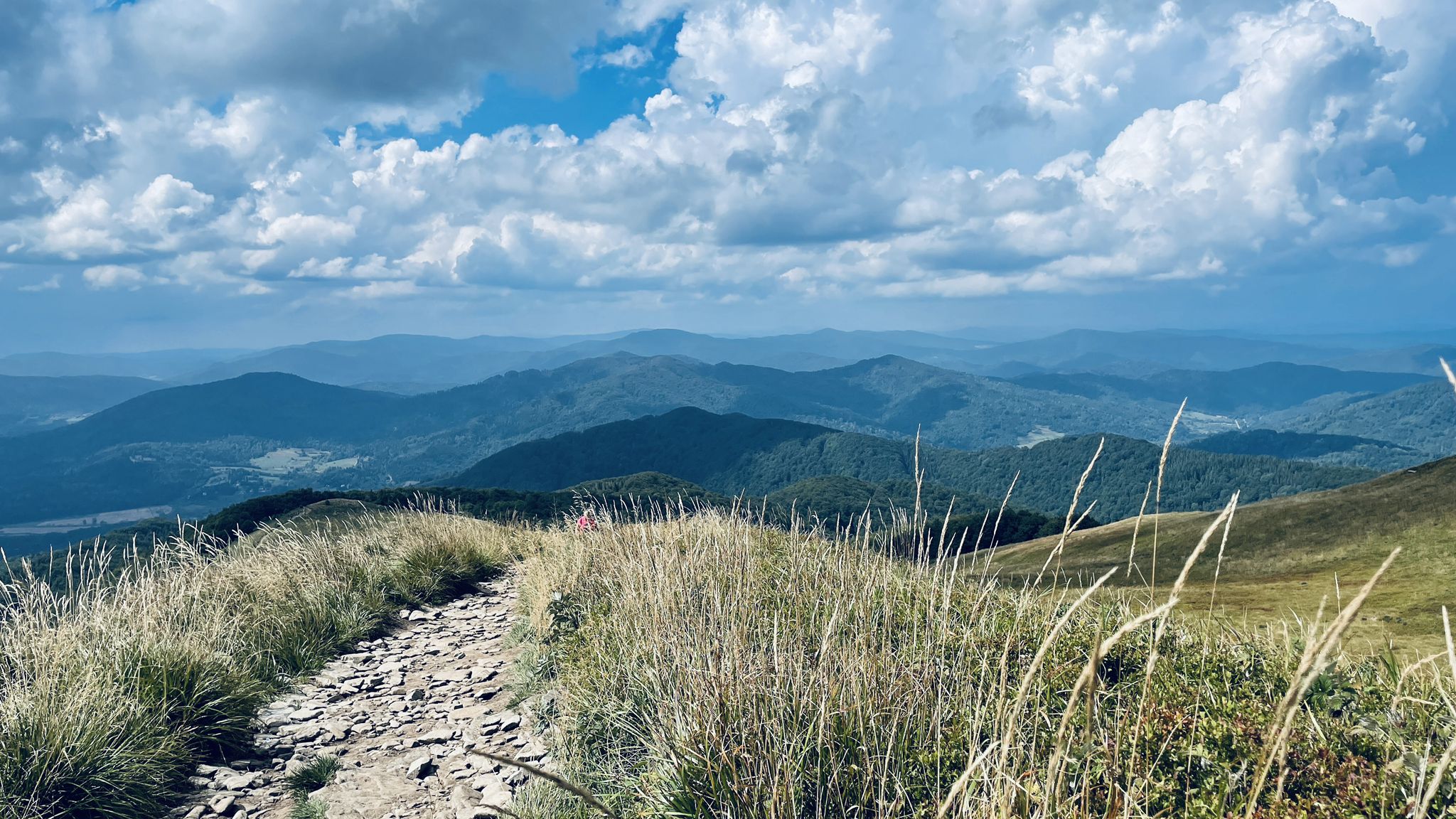
Main Beskids Trail — the longest Polish Mountain Trail
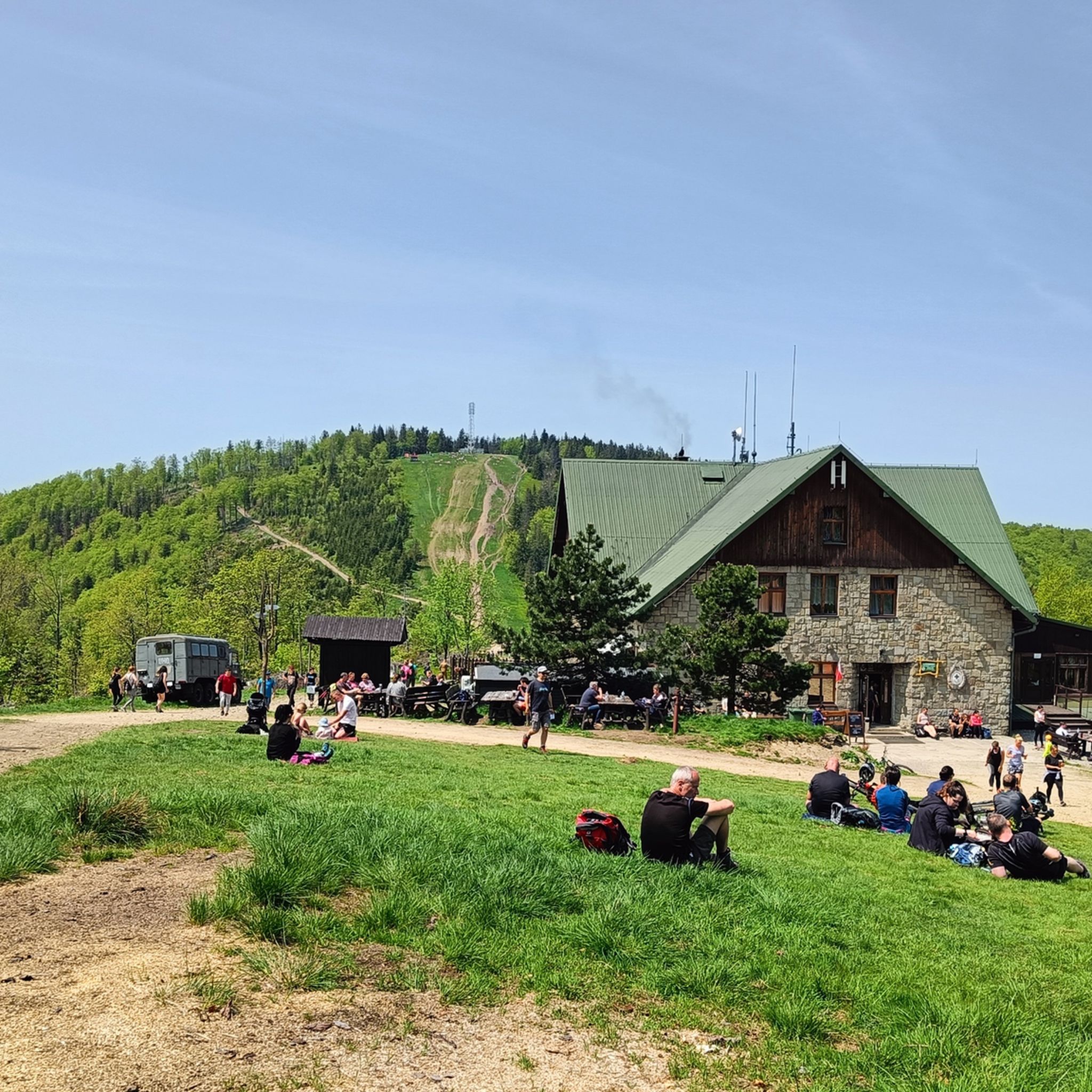
Hiking in Park Krajobrazowy Beskidu Śląskiego
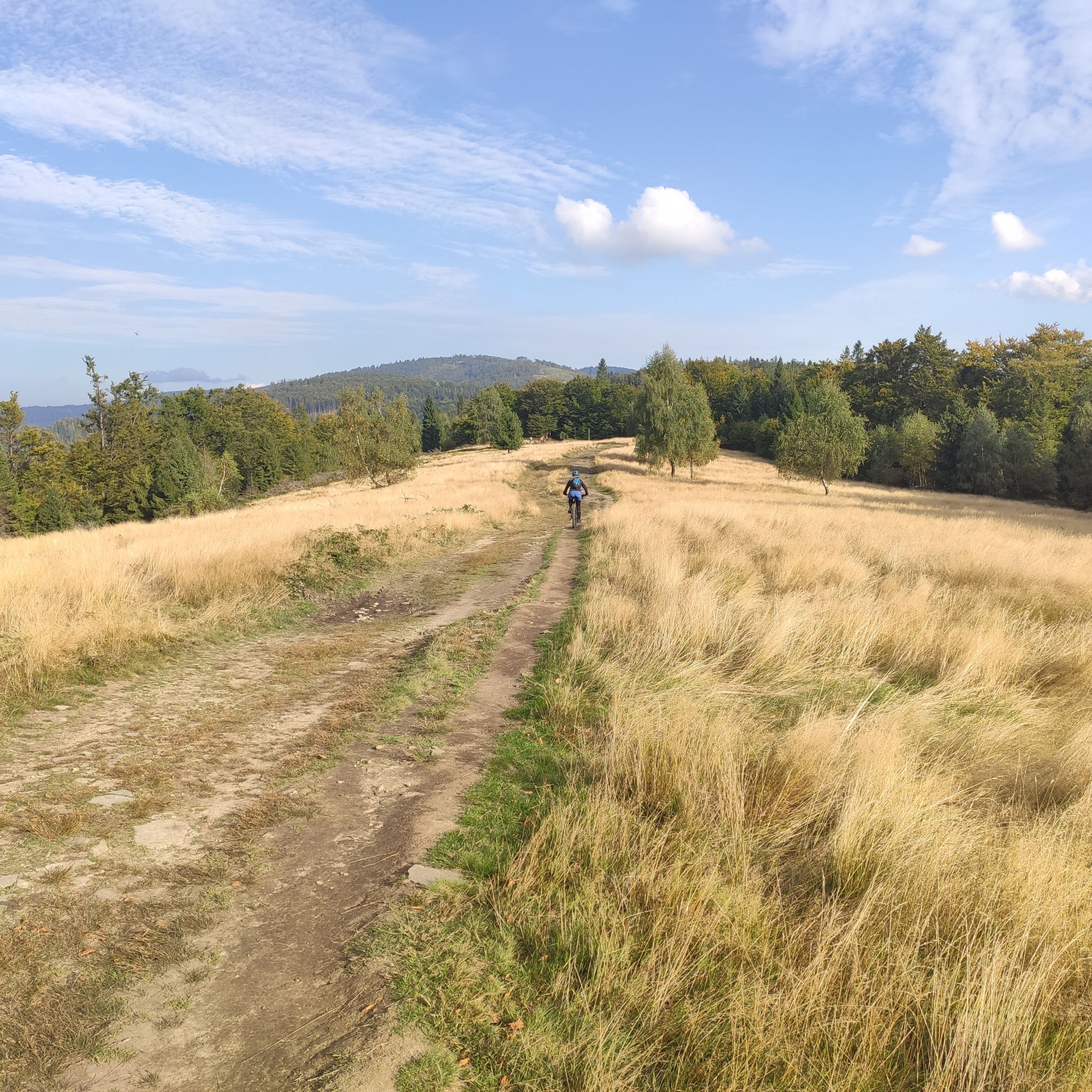
MTB Trails in Park Krajobrazowy Beskidu Śląskiego
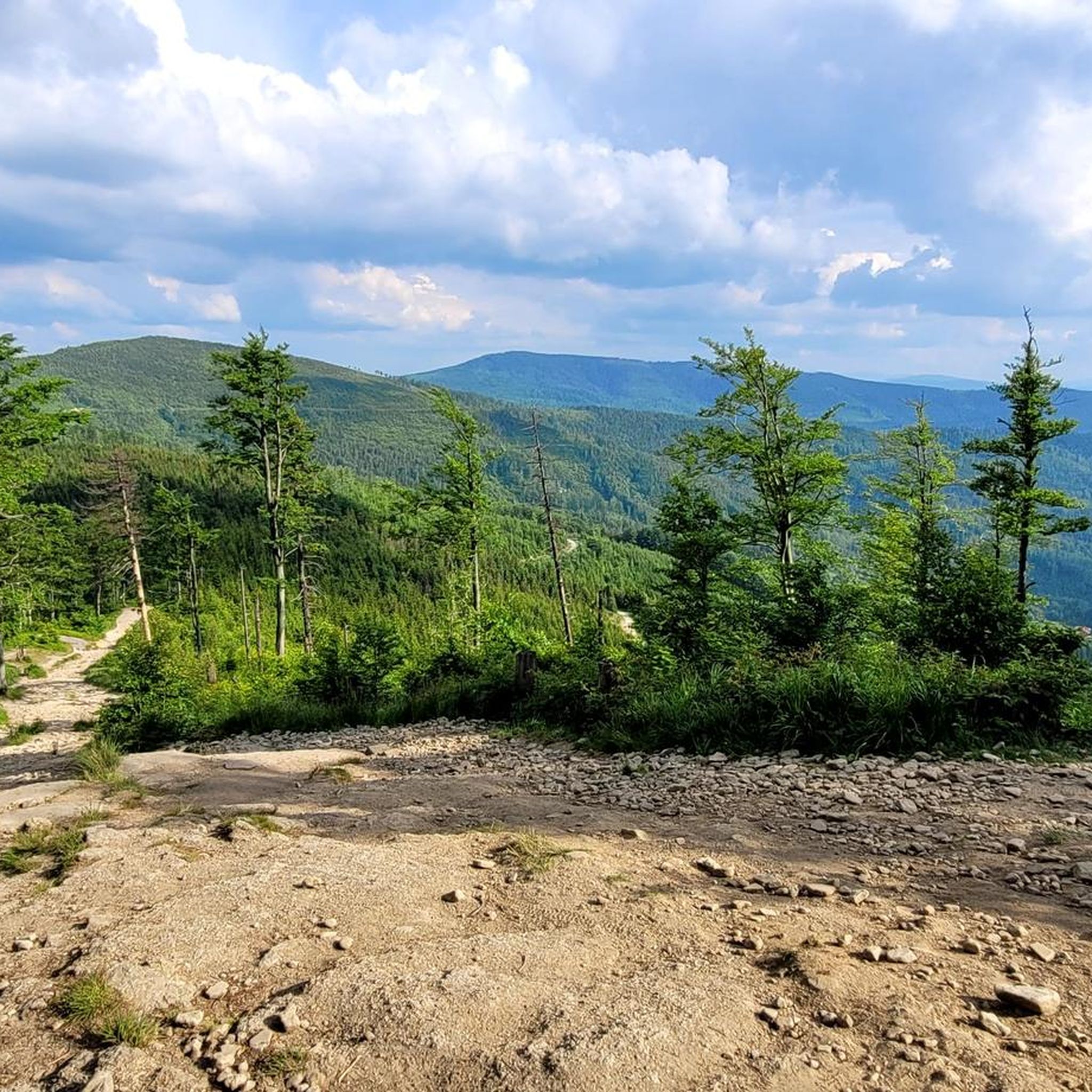
Running Trails in Park Krajobrazowy Beskidu Śląskiego
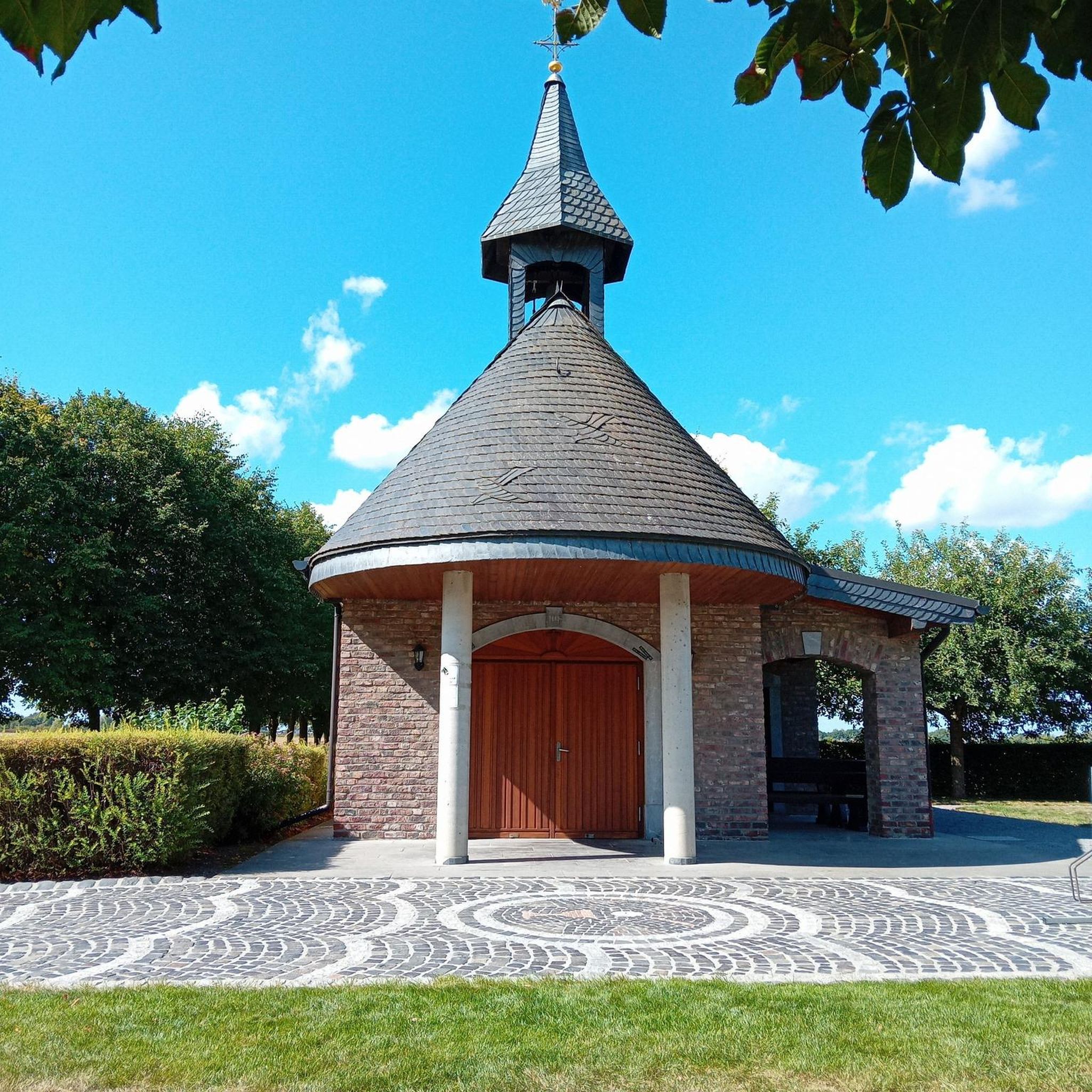
Mountain Hikes in Park Krajobrazowy Beskidu Śląskiego
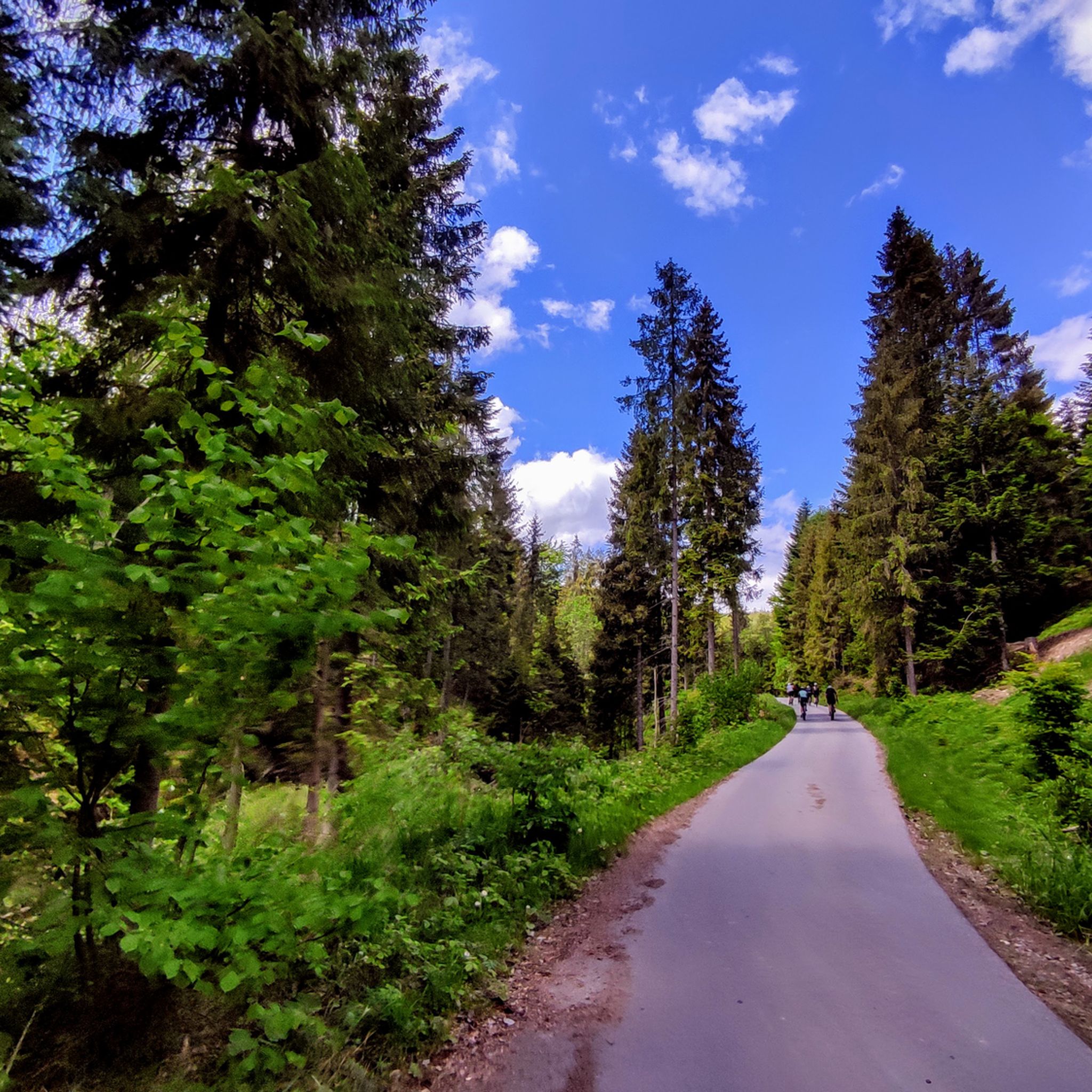
Road Cycling Routes in Park Krajobrazowy Beskidu Śląskiego
Gravel biking in Park Krajobrazowy Beskidu Śląskiego
Other adventures in Park Krajobrazowy Beskidu Śląskiego

Tips from the Community


An 8m high artificial waterfall built in the 1950s on the Vistula River
0
0

I highly recommend it!
0
0

I would like to offer the pilgrim pausing before this magnificent, small sacred monument, Pope Leo XIV's welcoming words as a brief meditation. Immediately after his election, before he bestowed the traditional blessing "urbi et orbi" (to the city and the world) on the waiting faithful, he addressed the people gathered in St. Peter's Square, as well as those participating via radio, television, and the internet, with these moving words: + "Peace be with you all! Dear brothers and sisters, this is the first greeting of the Risen Christ, the Good Shepherd... I too desire that this greeting of peace enter your hearts, reach your families, all people, wherever they are, all nations, the whole earth. Peace be with you! This is the peace of the Risen Christ, an unarmed and disarming peace, humble and persevering. It comes from God, the God who loves us all unconditionally." (Robert Francis Prevost / Pope Leo XIV)
0
0

Delicious food, accommodation conditions are closer to a hotel than a hostel, I recommend.
0
0

a nice, scenic place, and there are few people there
0
0

The first building of the shelter dates back to the end of the 19th century. It was a wooden hunting lodge of Archduke Frederick Habsburg, built in 1897 as a base for hunting capercaillie. The building was devastated at the end of World War I and initially remained at the disposal of the State Forests. Only after a few years was it taken over by the Upper Silesian Branch of the Polish Tatra Society, which renovated it and opened it for tourists on July 15, 1925. The building fortunately survived World War II without damage. In 1946 it was reopened for use. In 1953, the Polish Tourist and Sightseeing Society bought it from the State Forests. In the years 1973–1979, due to the increasing tourist traffic, the PTTK built a new, brick, three-story shelter building. In 1985, the old Habsburg building, previously closed to tourists, was dismantled and moved to Wisła, to Lipowa Street, where it stands to this day, as the seat of the PTTK Branch in Wisła. A wooden utility building of the old shelter (the so-called "GOPR-ówka") is located next to the shelter, currently housing the Baraniagórski Center for the History of Mountain Tourism "U podstaw Wisły" The shelter currently has over 90 beds. There is also a kitchen and a large canteen
0
0

The church was built in 1793-1796.
0
0
Frequently Asked Questions
How many touring cycling routes are available in Park Krajobrazowy Beskidu Śląskiego?
There are over 50 touring cycling routes in Park Krajobrazowy Beskidu Śląskiego. These routes cater to various skill levels, with 7 easy, 18 moderate, and 28 difficult options available for exploration.
What is the best season for touring cycling in Park Krajobrazowy Beskidu Śląskiego?
The Silesian Beskids are ideal for touring cycling from spring through autumn. The diverse landscapes, including dense forests and rolling hills, are particularly beautiful during these seasons. While winter offers snowy scenery, many trails may be less accessible for touring bikes.
Are there any family-friendly touring cycling routes in the park?
Yes, Park Krajobrazowy Beskidu Śląskiego offers several easier routes suitable for families. Look for routes categorized as 'easy' or 'moderate' which typically feature less elevation gain and smoother terrain. There are 7 easy routes to choose from.
Can I see waterfalls on the touring cycling routes?
Yes, the park's terrain features numerous streams and rivers, including the headwaters of the Vistula. You can explore routes like Waterfalls on the Brennica – Majestic Oak loop from Rezerwat Dolina Łańskiego Potoku, which takes you past scenic waterfalls. Another option is the Waterfall at the Dam in Wisła – White Cross loop from Wisła Kopydło.
Are there mountain huts or places to rest along the routes?
Yes, the region is well-equipped with mountain huts that provide excellent resting points and accommodation. Notable options include the Klimczok Mountain Hut (PTTK Klimczok Shelter) and the Błatnia Mountain Hut. These huts are often located on popular trails and offer refreshments.
Are there circular touring cycling routes in the park?
Many touring cycling routes in Park Krajobrazowy Beskidu Śląskiego are designed as loops, allowing you to start and end at the same point. Examples include the popular Czerniańskie Lake – Czerniańskie Reservoir Dam loop from Silesian Beskids Landscape Park and the Łodygowice Palace – Zarzecze Flood Embankment loop from Szczyrk.
What notable landmarks or natural features can I see while cycling?
The park offers a wealth of natural beauty and landmarks. You can cycle past prominent peaks like Skrzyczne Peak (1,257 m) and Klimczok (1117 m), or visit the unique Malinowska Rock. Don't miss the Viewing tower on Barania Góra for expansive views.
Is public transport available for cyclists in the region?
The main towns surrounding the park, such as Wisła, Ustroń, and Szczyrk, are accessible by public transport. While specific bike carriage policies vary, these towns serve as excellent starting points for exploring the park's trails, and some local services may accommodate bikes. Bielsko-Biała also offers good accessibility to the region.
Where can I find parking for my bike tour?
Major towns like Wisła, Ustroń, and Szczyrk, which serve as popular starting points for tours, typically offer designated parking areas. Many trailheads and popular attractions also have parking facilities available for visitors.
Are dogs allowed on the cycling trails?
While the park generally welcomes visitors, specific regulations regarding dogs on cycling trails can vary. It's always best to keep dogs on a leash and ensure they do not disturb wildlife or other visitors. Check local signage for any specific restrictions in certain areas or nature reserves.
What do other touring cyclists enjoy about the routes in Park Krajobrazowy Beskidu Śląskiego?
The routes in Park Krajobrazowy Beskidu Śląskiego are highly rated by the komoot community, with an average score of 4.7 stars from over 130 reviews. Cyclists often praise the diverse landscapes, from dense forests to rolling hills and mountain peaks, and the well-developed network of trails that offers options for all ability levels.
Are there routes that follow the Vistula River?
Yes, a section of the well-regarded Wiślana Trasa Rowerowa (Vistula Cycling Route) passes through the Silesian Beskids. This offers a unique opportunity to cycle along the headwaters of Poland's longest river, which originate on the western slopes of Barania Góra within the park.
Most popular routes in Park Krajobrazowy Beskidu Śląskiego
Most popular attractions in Park Krajobrazowy Beskidu Śląskiego

Get inspired with the komoot mobile app


Explore more
Browse the best Cycling routes in other regions.
