Steinbach am Donnersberg
Steinbach am Donnersberg
Top 18 Castles around Steinbach am Donnersberg
Best castles around Steinbach am Donnersberg are primarily found as historical ruins in the surrounding Donnersberg region. This area offers insights into medieval history and provides panoramic views of the landscape. The focus for visitors interested in castles is on exploring well-preserved and scenic ruins. The region's natural beauty complements the historical sites, making it suitable for outdoor exploration.
Best castles around Steinbach am Donnersberg
- The most popular castles is Ruins of Falkenstein Castle, a castle that is a…
Last updated: May 9, 2026
Ruins of Falkenstein Castle
Highlight • Castle
Translated by Google •
Tip by

Protestant Bell Tower, Falkenstein
Highlight • Monument
Translated by Google •
Tip by

Sign up now to discover places like this
Get recommendations on the best single tracks, peaks, & plenty of other exciting outdoor places.
Sign up for free
Falkenstein am Donnersberg
Highlight • Castle
Translated by Google •
Tip by

Wildenstein Ruins
Highlight • Castle
The distinguishing features of the cowslip, among others the primrose flower, are the …
Translated by Google •
Tip by

View of Falkenstein Castle
Highlight • Viewpoint
Translated by Google •
Tip by
Sign up for free to discover even more castles around Steinbach am Donnersberg.
Sign up for free
Already have an account?
Start today with a free account
Your next adventure awaits.
Login or Signup
Popular around Steinbach am Donnersberg

Tips from the Community

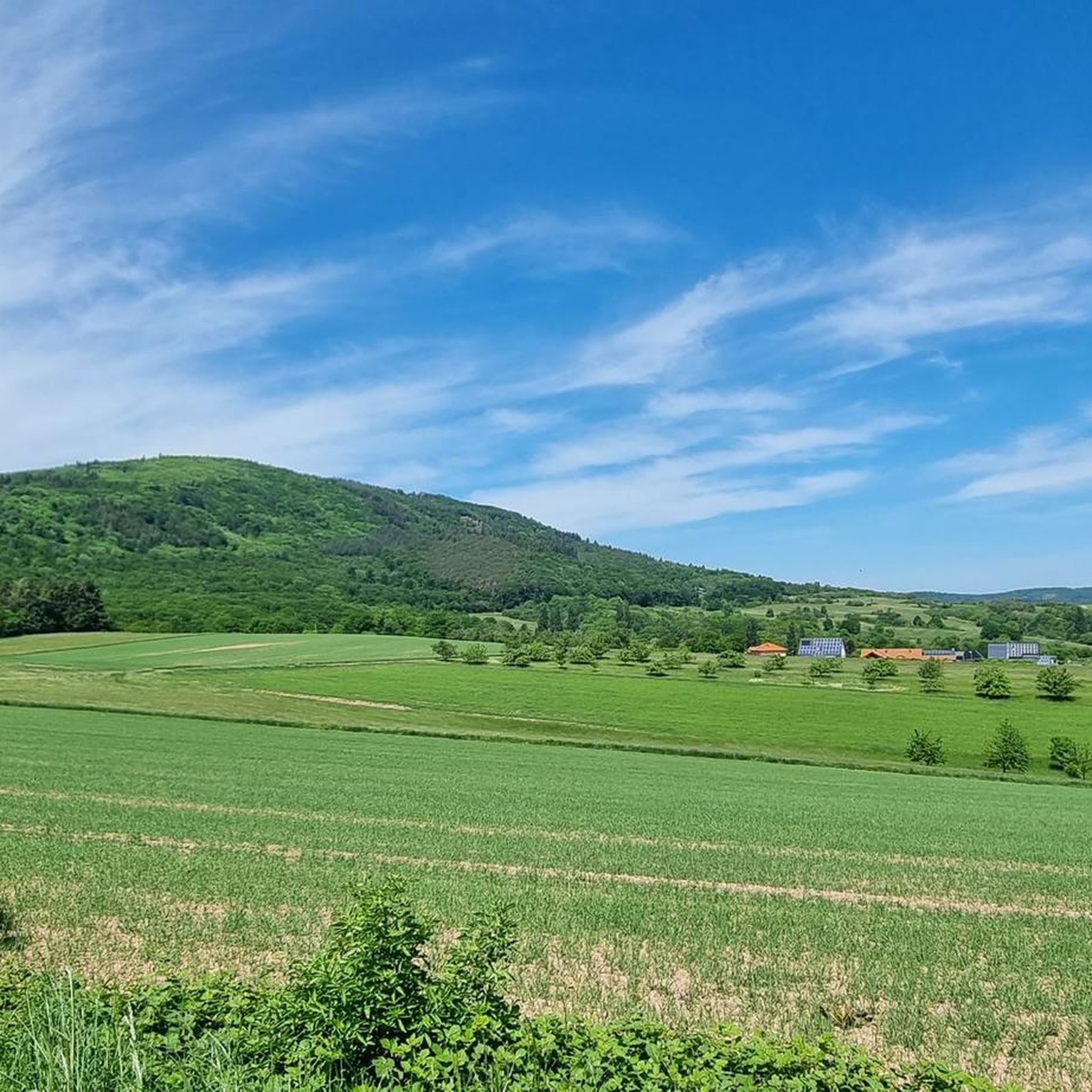
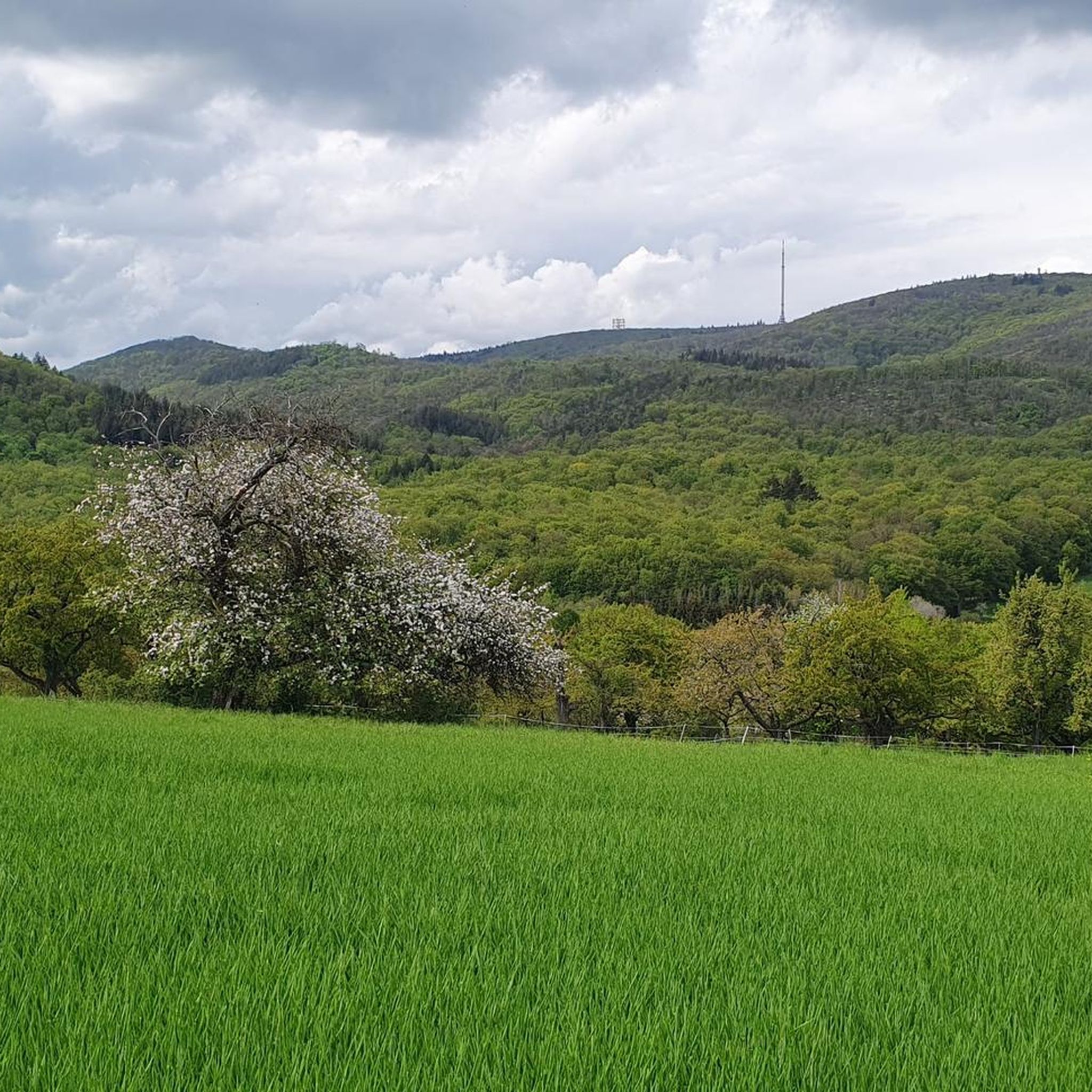
Fantastic view of the nearby castle ruins
6
0
Beautiful, freestanding bell tower owned by the municipality
5
0

Nice view of the castle. Looks impressive from here
5
0

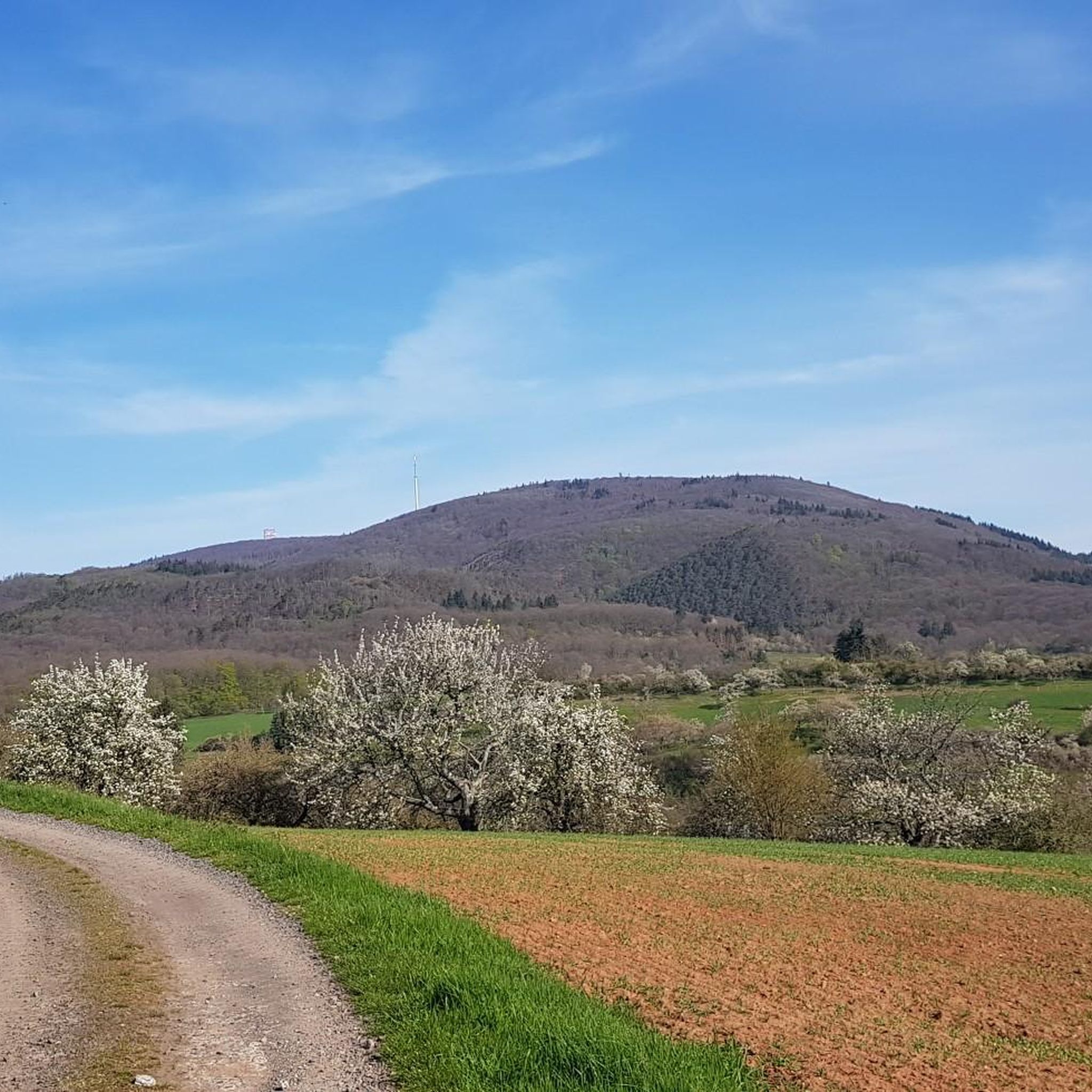
You can see the castle ruins from many places.
7
1
The ringing tower was inaugurated on June 6, 1886. Carl von Gienanth, whose wife donated the bells and who himself had contributed a lot to the building, was greeted at the inauguration ceremony by the guests with volleys and cannon salutes. Since December 19, 1975, the bell tower has been owned by the local community. 1981/82 renovation of the bell tower, electric bell drive since 1982.; synchronous ringing with the church bells of St. Catherine.
6
1
Beautiful, well-restored castle ruins with a great view. There is also a place to stop for refreshments right at the castle.
4
1

Not much to see of this castle - still worth seeing, this enchanted place! https://youtu.be/QU4gA5UjPoA
2
1

A beautifully preserved castle ruin with a great view and a castle room. It's worth a visit.
6
0
Frequently Asked Questions
What are the most notable castle ruins to visit near Steinbach am Donnersberg?
The most prominent castle ruin in the area is the Ruins of Falkenstein Castle. It's known for being beautifully restored, offering fantastic panoramic views, and even has refreshment options available directly at the site. Another significant ruin is Wildenstein Ruins, where you can explore the remains of the wall and enjoy a great view from the plateau.
Are there any intact castles in Steinbach am Donnersberg?
Steinbach am Donnersberg itself does not feature grand, intact castles. The region is primarily known for its historical castle ruins, which offer insights into medieval history and provide picturesque views of the surrounding landscape. The focus is on exploring these well-preserved and scenic remnants.
What kind of views can I expect from the castle ruins?
Many of the castle ruins, especially the Ruins of Falkenstein Castle, are strategically located to provide fantastic panoramic vistas of the Donnersberg region. Visitors often highlight the great views over the valleys and the scenic beauty of the landscape from these historical sites.
Are there family-friendly activities at the castle ruins?
Exploring the castle ruins can be a family-friendly activity, allowing children to imagine medieval times while enjoying the outdoors. The Protestant Bell Tower, Falkenstein, located near the cemetery, is also noted as family-friendly and offers a unique historical sight.
What hiking opportunities are available near the castles?
The Donnersberg region offers numerous hiking opportunities that often incorporate the castle ruins. You can find a variety of trails, from easy to difficult, allowing you to combine historical exploration with outdoor activity. For specific routes, you can explore hiking around Steinbach am Donnersberg, which includes trails like the 'Kupferberg Hut – View of Imsbach loop' or the 'Laubbachtal Nature Discovery Trail – Sternbacher Hut loop'.
Can I find easy walking trails around the castle ruins?
Yes, there are easy walking trails available. For instance, you can find several easy hikes around the area, such as the 'Gasthaus Wildenstein – Wildenstein Valley loop' or the 'Sternbacher Hut – Laubbachtal Nature Discovery Trail loop'. These are great for a leisurely exploration of the natural surroundings and historical sites. More details can be found in the easy hikes around Steinbach am Donnersberg guide.
Are there places to eat or drink near the castle ruins?
Yes, at the Ruins of Falkenstein Castle, there are refreshment options available directly at the castle, often referred to as an excursion restaurant. This provides a convenient stop for visitors to relax and enjoy a meal or drink.
What is the best time of year to visit the castle ruins?
The Donnersberg region, with its castle ruins, is beautiful throughout the warmer months, from spring to autumn, when the weather is pleasant for hiking and outdoor exploration. Spring brings blooming nature, while autumn offers vibrant foliage. Visiting during these seasons allows for comfortable walks and clear views.
What other historical sites are near Steinbach am Donnersberg?
Beyond the prominent Falkenstein and Wildenstein ruins, the broader Donnersberg district also features other historical castle ruins like Löwenstein Castle Ruin near Niedermoschel and Moschellandsburg Ruin. These sites offer further opportunities to delve into the region's medieval past.
Are there any cycling routes that pass by the castles?
While specific cycling routes directly through the castle ruins might be limited due to terrain, the region offers gravel biking opportunities that allow you to explore the wider area. You can find routes like the 'Steinbacher Pond – Keiperweg loop' or the 'Lake Eiswoog and Viaduct – Eistal Viaduct loop' in the gravel biking around Steinbach am Donnersberg guide, which can bring you close to the historical landscape.
What do visitors particularly enjoy about the castle ruins in this region?
Visitors frequently praise the combination of historical exploration and natural beauty. They enjoy the well-preserved remnants of the ruins, the panoramic views they offer, and the opportunity to hike through scenic landscapes. The presence of refreshment options at sites like Falkenstein also adds to the positive experience.
Is there a village associated with Falkenstein Castle?
Yes, there is a charming village called Falkenstein am Donnersberg located just below the castle ruins. It's described as a wonderfully secluded little village with a nice, well-kept atmosphere, offering a great environment for visitors.
Most popular routes around Steinbach am Donnersberg
Most popular attractions around Steinbach am Donnersberg

Get inspired with the komoot mobile app


Explore more
Looking for the best castles somewhere else? Discover other guides around Steinbach am Donnersberg:
