The best cycling routes in Mönchsee
4.4
(1021)
3,847
riders
65
rides
Touring cycling in Mönchsee is characterized by the presence of the Möhnesee reservoir, a significant natural feature covering over 10 square kilometers. The southern half of the region is encompassed by the Arnsberg Forest Nature Park, offering extensive forest areas. The landscape around Möhnesee provides varied terrain suitable for cycling, including well-paved surfaces. A notable landmark is the Möhnesee Dam, which also features a bike path.
Best touring cycling routes in Mönchsee
- The most popular touring cycling route is Café…
Last updated: June 28, 2026
4.0
(4)
19
riders
11.6km
00:44
50m
50m
Easy bike ride. Great for any fitness level. Mostly paved surfaces. Suitable for all skill levels.
2
riders
46.0km
02:40
140m
140m
Moderate bike ride. Good fitness required. Mostly paved surfaces. Suitable for all skill levels.

Sign up for free
4.0
(2)
6
riders
Easy bike ride. Great for any fitness level. Mostly paved surfaces. Suitable for all skill levels.
4
riders
25.3km
01:31
70m
70m
Easy bike ride. Great for any fitness level. Mostly paved surfaces. Suitable for all skill levels.
4.0
(4)
19
riders
11.3km
00:44
40m
40m
Easy bike ride. Great for any fitness level. Mostly paved surfaces. Suitable for all skill levels.
Get access to more routes and recommendations from other explorers.
Sign up for free
Already have an account?
Our route recommendations are based on thousands of hikes, rides, and runs completed by other people on komoot.
Start today with a free account
Your next adventure awaits.
Login or Signup
Tips from the Community

Nice. Don't know if there is a swimming possibility there.
0
0

Simply fantastic this section of the bike tour 🙋
0
0

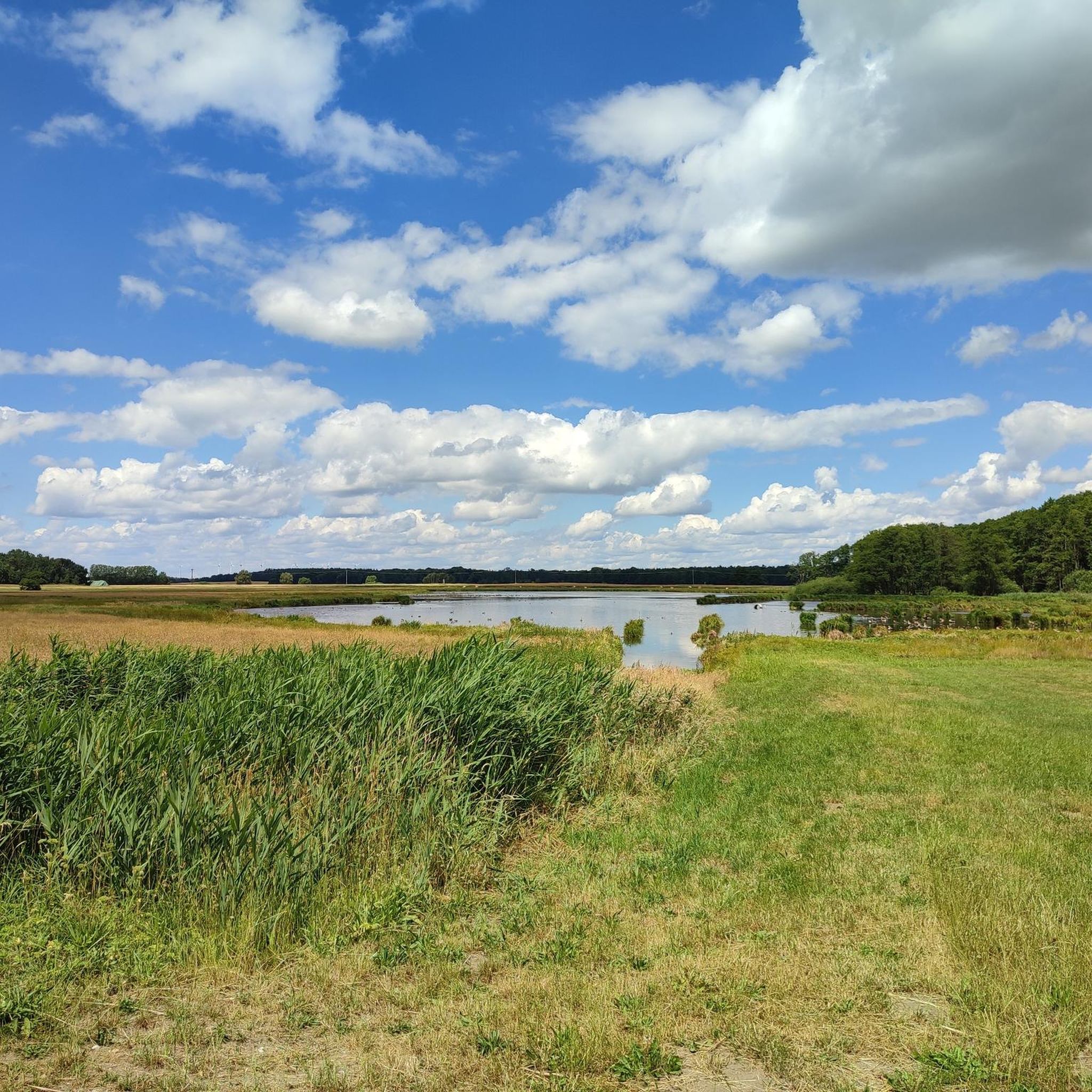
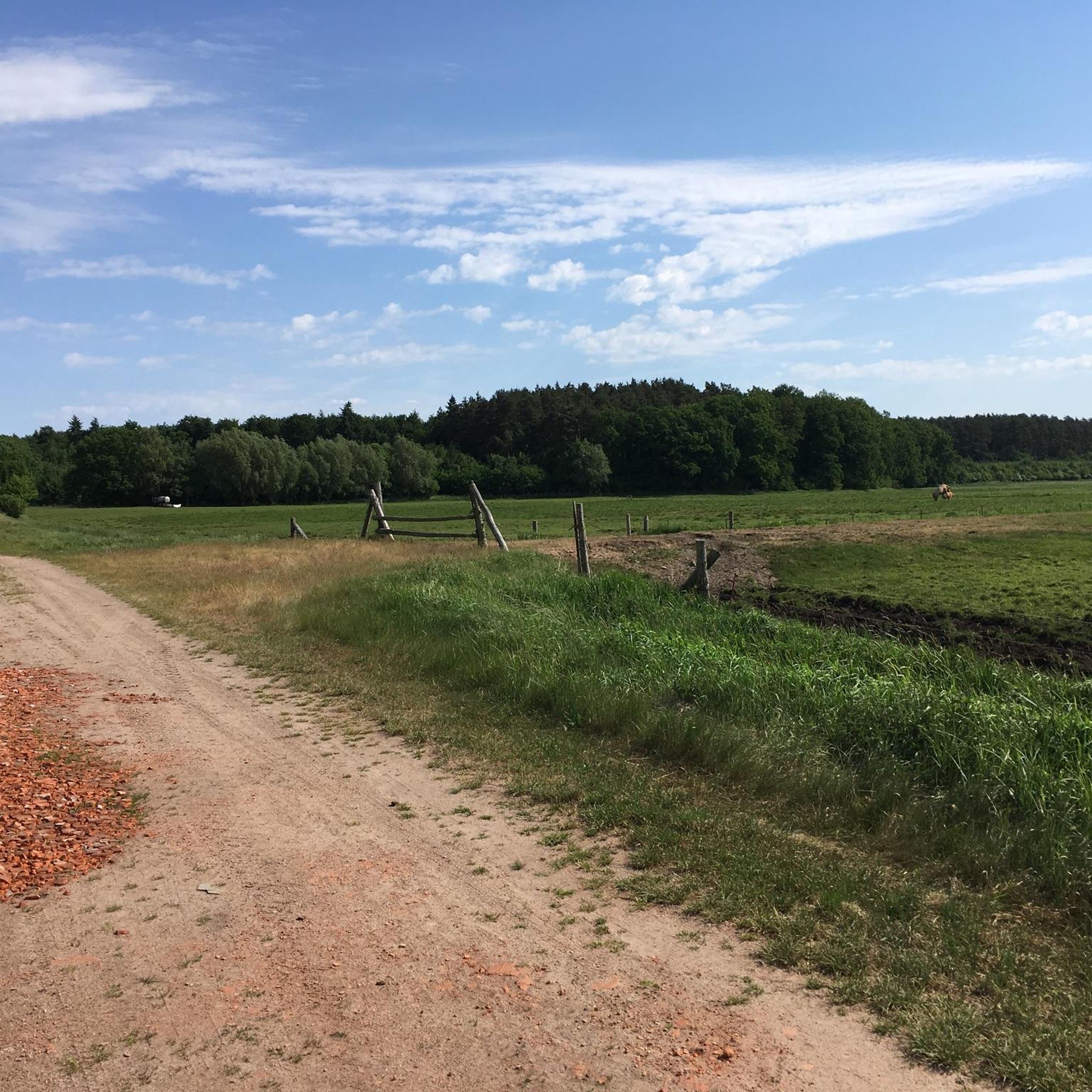
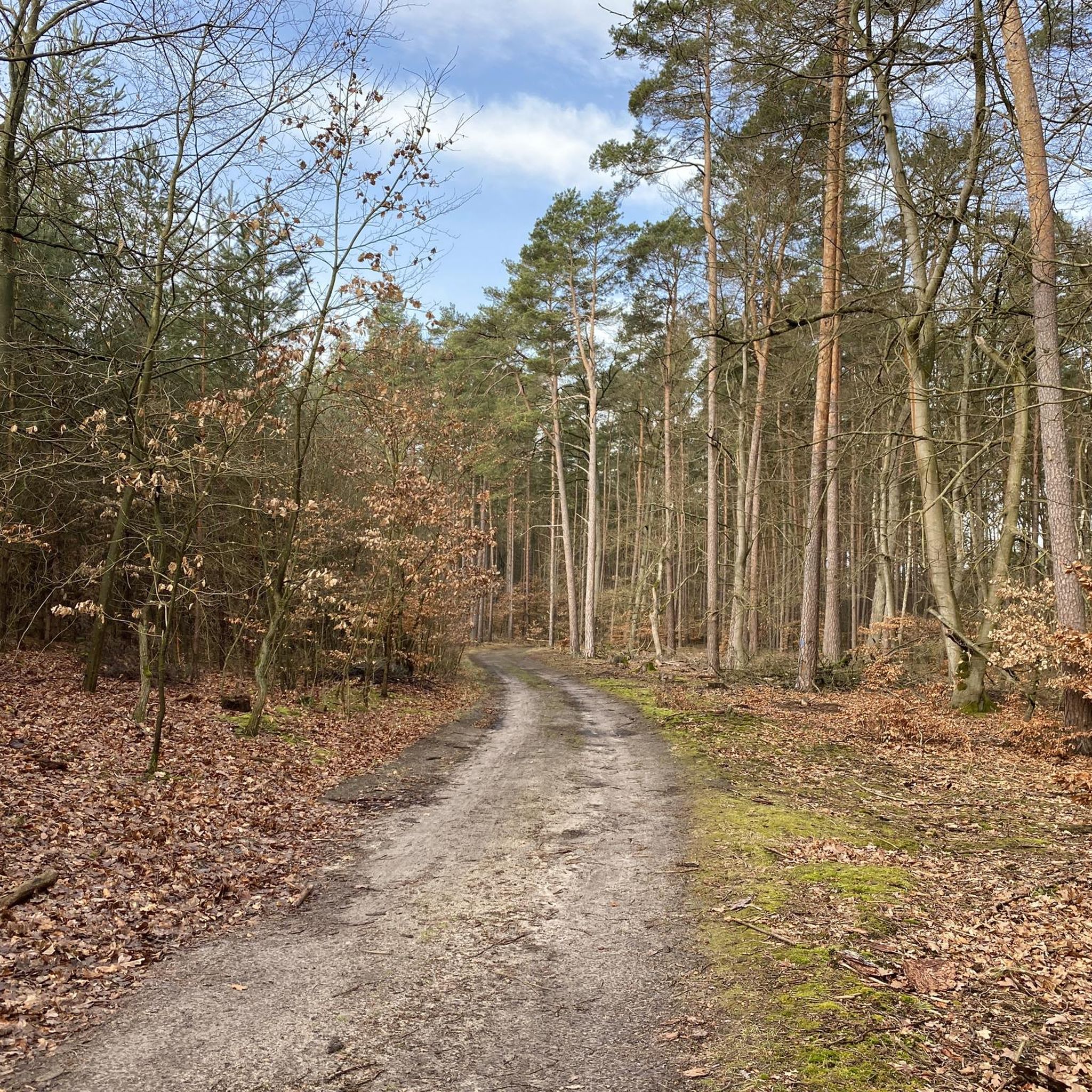
The nature reserve near Vipperow in the Mecklenburg Lake District is an attractive destination for cyclists seeking a combination of nature and diverse landscapes. It is located within the Müritz National Park and is crisscrossed by well-signposted cycle paths, including the Müritz Cycle Route. Along the route, expansive views of lakes, dense forests, and wetlands, where ospreys, cranes, and deer can be spotted, open up repeatedly. The trails are suitable for both leisurely day trips and longer cycling tours. Thanks to connections to other cycle routes around Vipperow, the unique natural surroundings of the Mecklenburg Lake District can be discovered and enjoyed in a variety of ways.
2
0

A beautiful nature reserve 💚. Cycling is prohibited here. It's much more enjoyable if you push your bike. A visit is highly recommended.
3
0

Lake Müritz is the largest lake in Germany.
0
0
The Kieve Polder is a successful example of modern peatland restoration and active climate protection. The approximately 65-hectare area was intensively used for agriculture until 2012 and was severely affected by drainage. As part of an ambitious project, it was rewetted to restore the natural water balance and halt the decomposition of the peat – a crucial step towards reducing CO₂ emissions. At the same time, the area developed into a diverse habitat: bog plants returned, rare animal species found new habitats, and biodiversity visibly increased. The project was the first of its kind in the world to be financed through MoorFutures certificates, an innovative concept for the voluntary promotion of climate protection measures. Today, the Kieve Polder represents not only ecological regeneration but also a forward-looking interplay of nature conservation, sustainability, and regional responsibility.
0
0
The Kieve Polder is a restored moorland that was rewetted as part of a large-scale climate protection project. The approximately 65-hectare area was previously heavily drained and used for agriculture. When the project began in 2012, the water level was deliberately raised to slow peat decomposition and thereby reduce CO₂ emissions. At the same time, ecological diversity was promoted, as the rewetting led to the return of typical moorland plants and animal species. The project was the first of its kind worldwide to be financed through MoorFutures certificates – an innovative method for supporting voluntary climate protection measures. Today, the Kieve Polder not only contributes to climate protection but also provides a valuable habitat for numerous bird species and is an example of successful moorland restoration.
0
0

Mosquito-proof clothing is very important! Sprays only help to a limited extent... anyone who stands still is likely to be attacked by the swarms! Experience it firsthand! Remember, this is a moorland and lake landscape!
1
0
Frequently Asked Questions
How many touring cycling routes are available in Mönchsee?
Mönchsee offers over 60 touring cycling routes, catering to various preferences and skill levels. You'll find a good mix of easy, moderate, and some more challenging options to explore the region.
Are there touring cycling routes suitable for beginners in Mönchsee?
Yes, Mönchsee is very beginner-friendly, with 44 easy routes. A great option for an enjoyable, gentle ride is the Café Scheune Wredenhagen – Café Scheune loop from Wredenhagen, which is just over 11 km long and takes less than an hour.
What kind of terrain can I expect on touring cycling routes in Mönchsee?
The terrain around Mönchsee is generally well-suited for touring cycling, featuring mostly well-paved surfaces. You'll cycle through varied landscapes, including extensive forest areas within the Arnsberg Forest Nature Park, and along the shores of the Möhnesee reservoir.
Are there any circular touring cycling routes around the lake?
Yes, a popular feature of Mönchsee is its circular route around the Möhnesee reservoir. While the guide doesn't list a specific full lake loop, many routes incorporate sections of the lake shore, such as the Großer Kiever See – Natural beach Glambecksee loop from Wredenhagen, offering scenic views and a pleasant cycling experience.
What natural features or landmarks can I see while cycling in Mönchsee?
The Möhnesee reservoir itself is a significant natural feature, covering over 10 square kilometers. You can also cycle across the impressive Möhnesee Dam, a historic monument from 1908-1913, which offers a unique cycling experience on its wooden plank bridge. The southern half of the region is also part of the Arnsberg Forest Nature Park, providing extensive forest scenery.
Are there any longer touring cycling routes for experienced cyclists?
For those seeking a longer ride, Mönchsee offers moderate routes like the Müritz, near Ludorf Marina – Müritz Moor Trail loop from Wredenhagen. This route covers approximately 46 km and traverses moorland scenery, providing a more extended cycling experience.
What do other touring cyclists enjoy most about cycling in Mönchsee?
The touring cycling routes in Mönchsee are highly rated by the komoot community, with an average score of 4.4 stars from over 400 reviews. Cyclists often praise the varied terrain, the scenic views of the Möhnesee reservoir, and the well-maintained paths that make for an enjoyable ride.
Are there family-friendly touring cycling options in Mönchsee?
Many of the 44 easy routes in Mönchsee are suitable for families, especially those with well-paved surfaces and minimal elevation changes. These routes allow for a relaxed pace, making them ideal for cycling with children.
Can I bring my dog on touring cycling routes in Mönchsee?
While specific dog-friendly routes are not highlighted, many touring cycling paths in natural areas like Mönchsee are generally accessible for dogs on a leash. It's always advisable to check local regulations for specific trails or nature reserves within the Arnsberg Forest Nature Park.
Are there cafes or places to stop for refreshments along the touring cycling routes?
Given the popularity of the Möhnesee area for recreation, you can expect to find cafes and refreshment stops, especially around the main lake areas and villages. Routes like the Melzer See – Polder Kieve loop from Wredenhagen often pass through or near areas with amenities.
What is the best time of year to go touring cycling in Mönchsee?
The spring, summer, and early autumn months are generally the best for touring cycling in Mönchsee. During these seasons, the weather is typically pleasant, and the natural landscapes, including the lake and forest areas, are at their most vibrant. Weekends can be popular, so consider weekdays for a quieter experience.
Are there any routes that offer views of multiple lakes?
Yes, some routes allow you to experience more than just the Möhnesee. For instance, the Großer Kiever See – Natural beach Glambecksee loop from Kieve takes you past Großer Kiever See and Glambecksee, offering diverse lakeside scenery.

Get inspired with the komoot mobile app


Explore more
Browse the best Cycling routes in other regions.
