The best MTB trails in Lüchower Landgrabenniederung
4.6
(13)
33
riders
18
rides
Mountain biking in Lüchower Landgrabenniederung offers diverse terrain across its varied natural landscapes. The region features extensive forest areas, including birch-oak and oak-hornbeam forests, alongside structurally rich agricultural land and grasslands. Riders will encounter partially drained lowlands, reed beds, and meadow ponds, contributing to a unique riding experience. A significant portion of the area is designated as a nature reserve, ensuring preserved habitats and a blend of natural beauty with historical elements like the former inner-German border, now the "Grünes…
Last updated: October 1, 2026
5.0
(1)
3
riders
Moderate mountain bike ride. Good fitness required. Suitable for all skill levels.
4.5
(2)
6
riders
Moderate mountain bike ride. Good fitness required. Advanced riding skills necessary.

3.7
(3)
3
riders
33.2km
01:51
60m
60m
Moderate mountain bike ride. Great for any fitness level. Advanced riding skills necessary.
5.0
(1)
3
riders
35.0km
02:24
110m
110m
Moderate mountain bike ride. Good fitness required. Suitable for all skill levels.
2
riders
32.3km
02:01
120m
120m
Moderate mountain bike ride. Good fitness required. Advanced riding skills necessary.
Get access to more routes and recommendations from other explorers.
Already have an account?
Our route recommendations are based on thousands of hikes, rides, and runs completed by other people on komoot.
Start today with a free account
Your next adventure awaits.
Tips from the Community

The former water tower, a round tower in the Neo-Gothic style, was built in 1903. It is adorned with decorative niches and a copper spire. Planning and construction management was handled by the Salzwedel master builder and architect Albert Strauchenbruch. The 43.7-meter-high tower houses a 7-meter-high balancing reservoir at a height of 25 meters, which could store up to 35 cubic meters of water. After the completion of the then waterworks, the pipes were laid to the constructed water tower. The first households could be supplied. Initially, the supply of tap water was based on a flat-rate consumption estimate. With the increase in water consumption, however, water meters became necessary, and in 1938 an electric pump drive was added. In 1981, the city discontinued the operation of the water tower, as water storage tanks were built approximately 5 km away on the Schwarzen Berg. They made it possible to let the water flow downhill cost-effectively. https://entdecke-salzwedel.de/wasserturm/
2
0
The original Lüchower Tor was a typical Gothic stepped gable building and was demolished in 1837/38 due to dilapidation. In its place, a new gate structure was built in 1840 with four sandstone pillars and double leaf gates made of oak wood. Until the completion of the structure, smugglers had free rein for years. This was a nuisance for the main customs office. It reported in 1838 that no adequate security was guaranteed against the nocturnal smuggling of taxable goods. The outer pillars with castle battlement-like crowns and the small passage gate fitted with masonry stones are remnants of the 1840 structure. The two inner pillars along with the gates were removed in 1892 to make way for increasing traffic. The Schäfergraben once flowed along behind the gate. https://entdecke-salzwedel.de/luechower-tor/
2
0

In Salzwedel, an 11.5-meter-high natural gas flare commemorates the history of natural gas production in the Altmark region. It stands by the indoor swimming pool and was ceremonially unveiled in May 2017. The flare represents decades of natural gas production, particularly by the former VEB Erdgasförderung Salzwedel during GDR times. On August 17, 1969, natural gas from the Altmark region flowed to Magdeburg for the first time. Subsequently, the production area developed into the second largest in Europe. The natural gas field in the Altmark – one of the largest natural gas deposits on the European mainland. While the monument commemorates the tradition, the company Neptune Energy is currently carrying out backfilling work on the former gas well Altensalzwedel 151 south of Mahlsdorf, which was in production until 2022. 📜volksstimme.de
2
0

This is a truly lovingly designed excursion destination in the Altmark region, which is a particular highlight for families with children. Over 35 detailed fairy tale huts and more than 450 figures (from Little Red Riding Hood to regional legends) transport you into a fantasy world. A special labyrinth that symbolizes the stages of human life – from birth to "paradise". It also encourages adults to reflect.
1
0

The Chein peat bog, due to its isolation in the shadow of the former inner-German border, which now forms the Green Belt, has largely been spared from extensive drainage. Fed by numerous springs, a colorful mosaic of species-rich wet meadows, moorland, and swamp forests has been preserved here. We recommend a visit in spring. Then the air is filled with the chorus of moor frogs, tree frogs, and common frogs. In May and June, the bog displays a vibrant array of colors with the blooming of over 6,000 orchids, including the rare broad-leaved marsh orchid. Since 2025, a platform has been in place here so that visitors can experience the meadow's colorful splendor without disturbing the delicate ecosystem.
0
0

While the view from the observation tower is very limited – it is much too low – the pier offers a beautiful view of the lake and the shore.
0
0

Arendsee pier, closed on Mondays
0
0

Café Kruse in Salzwedel is an ideal destination for a stopover on your bike. Since 1842, the famous original Salzwedel Baumkuchen has been baked layer by layer over an open flame in the traditional way. In the glass-fronted bakery, you can even watch the bakers at work before enjoying a piece of the specialty in the cozy café – whether classic fondant or covered in fine chocolate. After a bike ride through the Altmark region, this visit is a particularly sweet stopover that perfectly combines indulgence and regional culture.
2
0
Frequently Asked Questions
What kind of terrain can I expect on mountain bike trails in Lüchower Landgrabenniederung?
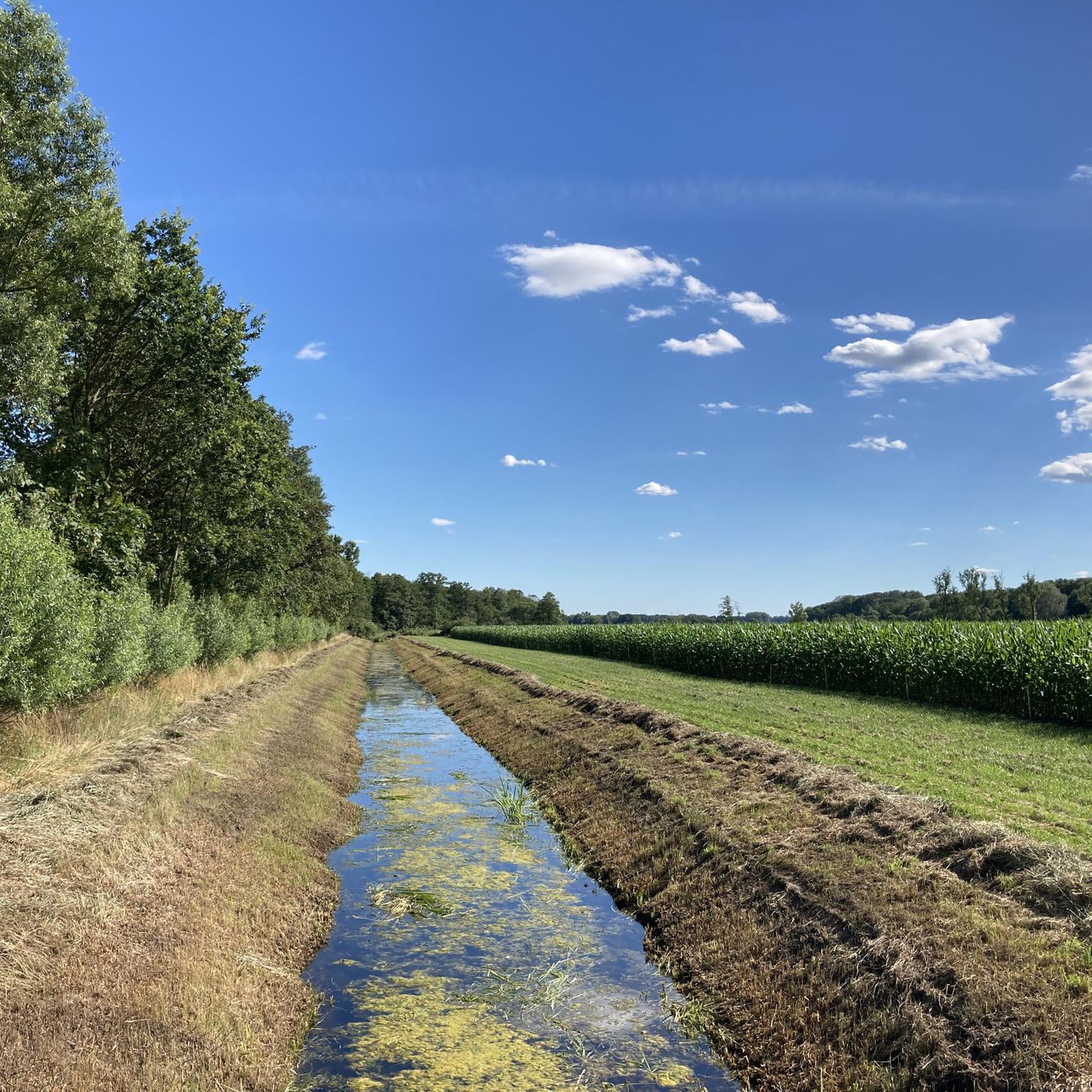
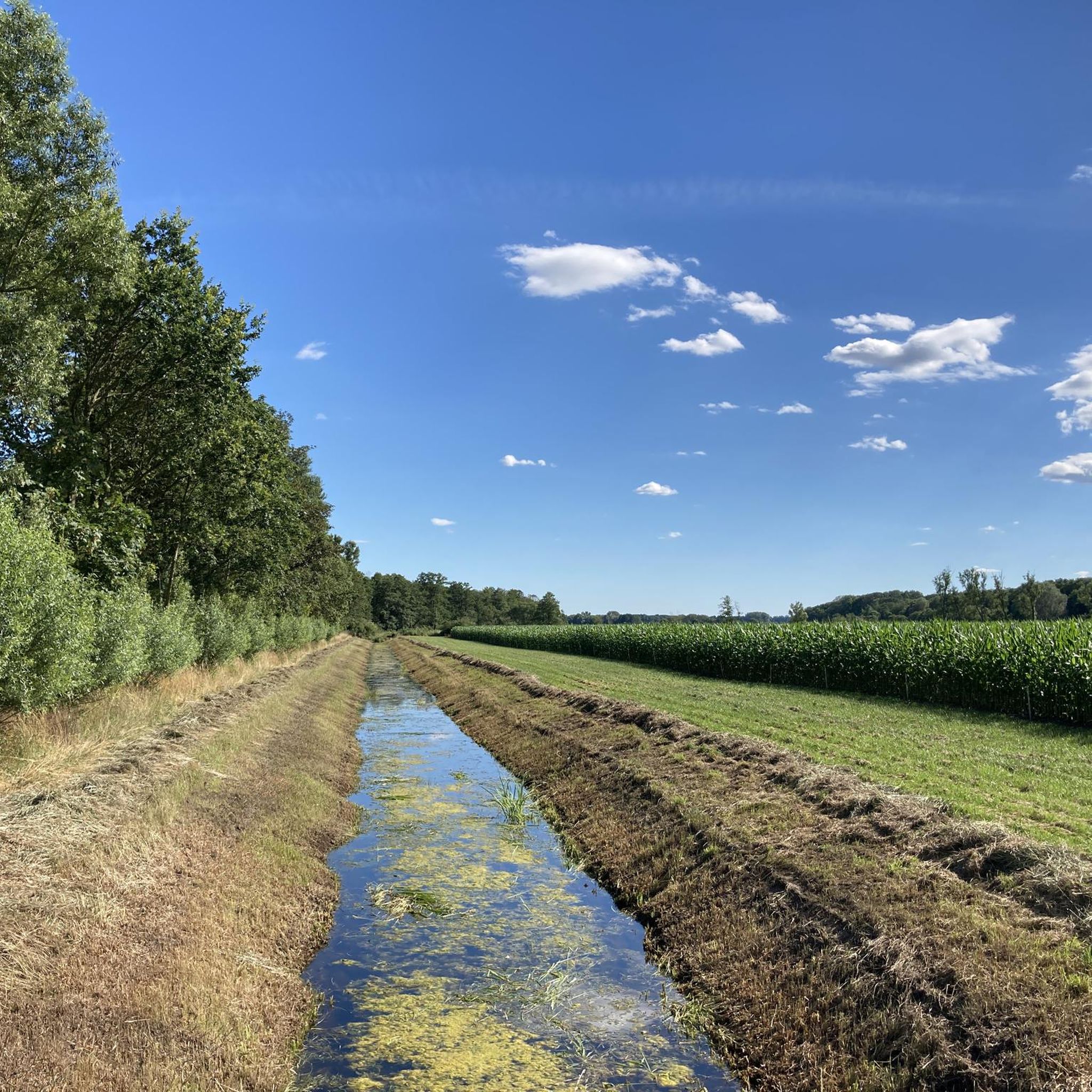
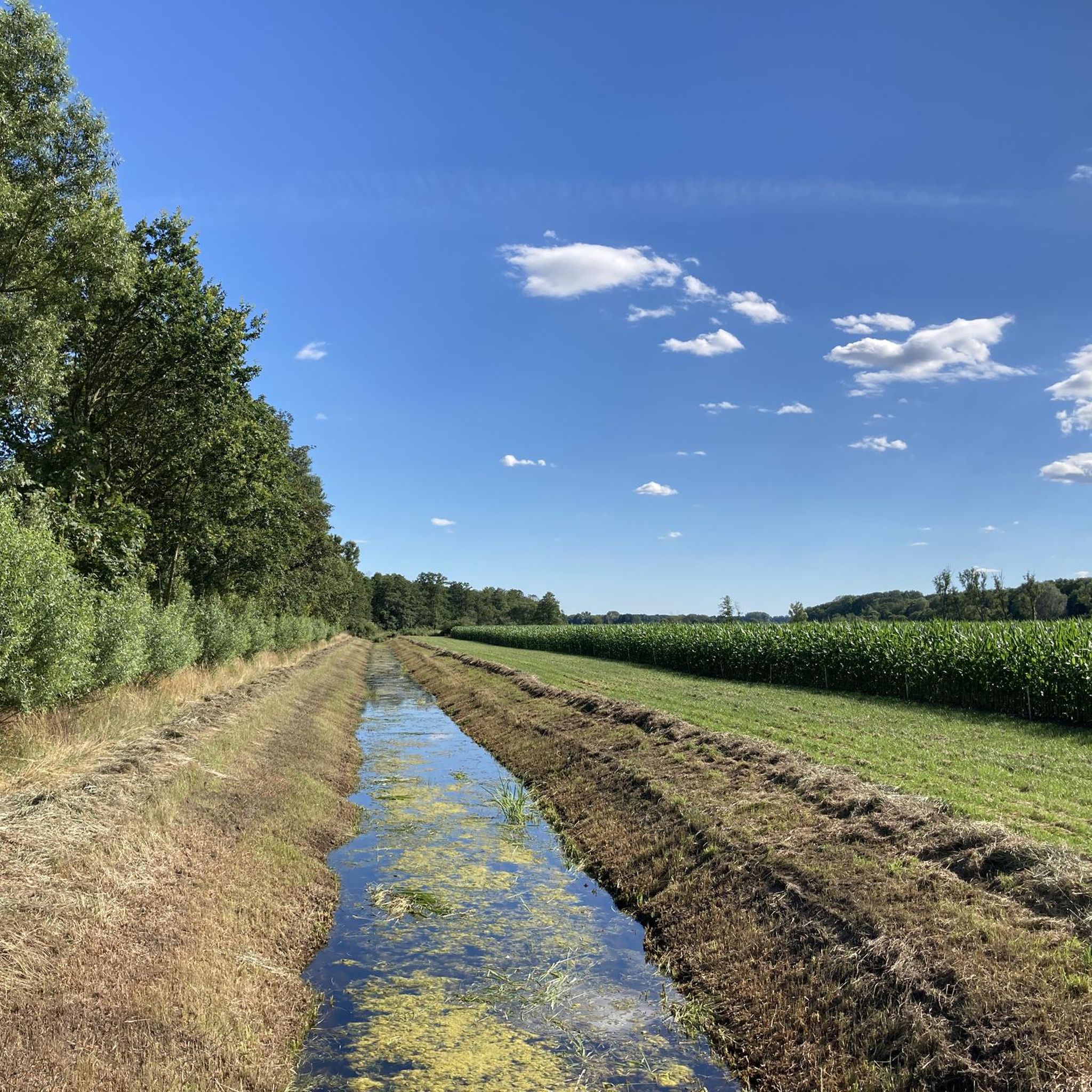
The Lüchower Landgrabenniederung offers a varied landscape for mountain biking. You'll encounter extensive forest areas, including near-natural, birch-oak, and oak-hornbeam forests, alongside structurally rich agricultural land and grasslands. The region also features partially drained lowlands, reed beds, and meadow ponds, providing a diverse and engaging riding experience.
Are there mountain bike trails suitable for beginners in Lüchower Landgrabenniederung?
Yes, the Lüchower Landgrabenniederung has options for various skill levels. Out of 19 available mountain bike tours, 4 are classified as easy, making them suitable for beginners or those looking for a more relaxed ride. The remaining 15 are moderate, offering a good challenge without being overly technical.
What are some notable landmarks or historical sites I might see while mountain biking here?
The region is rich in history, particularly related to the former inner-German border. You can explore parts of the "Grünes Band" (Green Belt), which was once the border. Specific historical sites include the Former Inner German Border – Green Belt, DDR Border Post 368, and the Deserted village of Jahrsau. These offer a unique blend of nature and history.
Are there any loop trails for mountain biking in Lüchower Landgrabenniederung?
Yes, many of the mountain bike routes in Lüchower Landgrabenniederung are designed as loops. For example, the Fairy Tale Park and Maze – Salzwedel Water Tower loop from Salzwedel is a moderate 35.8 km route, and the Small Wooden Bridge – Fairy Tale Park and Maze loop from Salzwedel covers 33.0 km, both offering circular routes to return to your starting point.
What do other mountain bikers say about the trails in Lüchower Landgrabenniederung?
The mountain bike trails in Lüchower Landgrabenniederung are highly rated by the komoot community, with an average score of 4.5 stars from 11 reviews. Many of the 30+ mountain bikers who have explored the area praise the diverse terrain, from forests to lowlands, and the unique historical elements like the "Grünes Band" that make for a memorable ride.
Is the Lüchower Landgrabenniederung a nature reserve, and are there any specific rules for mountain biking?
Yes, a significant portion of the Lüchower Landgrabenniederung is designated as a nature reserve (NSG LÜ 191) and is part of the FFH area "Landgraben- und Dummeniederung" and an EU bird protection area. While mountain biking is possible, it's crucial to stay on designated paths and trails to protect the diverse habitats and species, especially endangered breeding birds. Always respect local signage and regulations.
How long do mountain bike tours typically take in this region?
The duration of mountain bike tours varies depending on the route length and your pace. For instance, a moderate route like the Kagel Fishery Arendsee – Arendsee — Lakeside View loop from Pretzier (Altmark), which is 50.8 km long, typically takes around 2 hours and 47 minutes. Shorter routes will naturally take less time.
Are there any specific challenges or unique features of the terrain for mountain biking in Lüchower Landgrabenniederung?
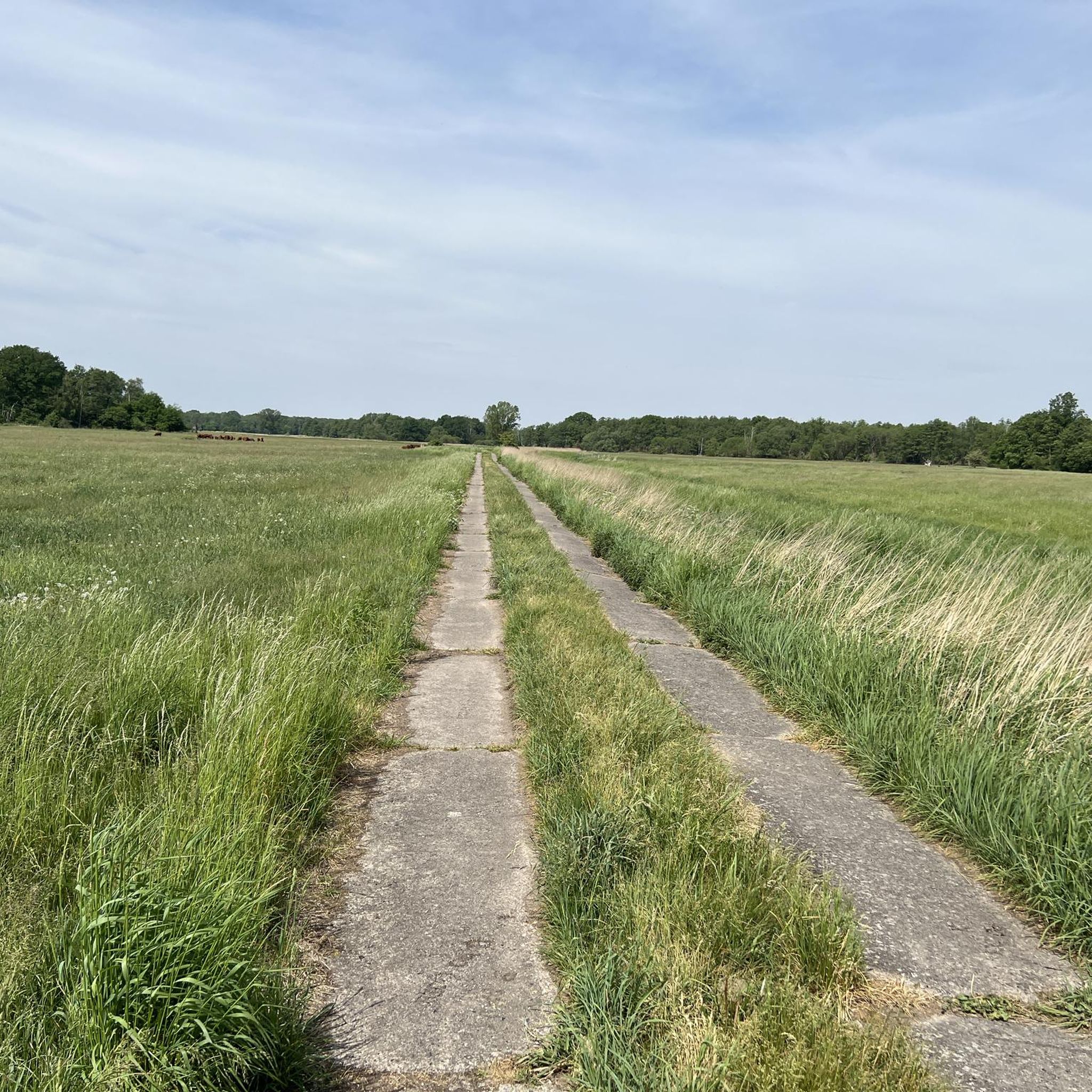
The terrain includes partially drained lowlands, which can offer a unique riding experience. Additionally, some routes follow the former DDR-Kolonnenwege (patrol roads) along the "Grünes Band." While these can be cycled, they might be bumpy in parts due to broken concrete slabs, though alternative paths are often available alongside them.
What is the best time of year to go mountain biking in Lüchower Landgrabenniederung?
The diverse landscapes, including forests and wetlands, make spring and autumn particularly appealing for mountain biking in Lüchower Landgrabenniederung. In spring, the nature comes alive, and in autumn, the changing foliage offers beautiful scenery. Summer is also suitable, but shaded forest trails might be preferred on hotter days. Always check local weather conditions before heading out.
Are there any facilities or resting spots along the mountain bike trails?
While specific facilities vary by route, the region does offer some amenities. For example, the Resting Bench at Border Post 363 – Green Belt Germany provides a spot to pause and take in the surroundings. Many routes pass through or near villages where you might find cafes or other services. It's always a good idea to plan your route and check for amenities beforehand.
How much elevation gain can I expect on mountain bike trails in Lüchower Landgrabenniederung?
The Lüchower Landgrabenniederung generally features a relatively gentle topography. Most moderate routes have modest elevation gains. For example, the Bridge Over the Jeetze – Jiggeler Mühle Picnic Area loop from Salzwedel, a 48.0 km route, involves approximately 116 meters of elevation gain, making it manageable for most riders.
Most popular routes in Lüchower Landgrabenniederung
Most popular attractions in Lüchower Landgrabenniederung

Get inspired with the komoot mobile app


Explore more
Browse the best MTB trails in other regions.
