The best road cycling routes in Müritz-Nationalpark
4.5
(343)
3,284
riders
157
rides
Road cycling in Müritz-Nationalpark offers an expansive network of marked cycling paths through diverse landscapes. The region is characterized by a mosaic of forests, moors, meadows, and over 130 lakes, including Lake Müritz. Gently rolling terrain, shaped by the last Ice Age, provides scenic variety without excessive climbs, though some routes may include unpaved sections or cobblestones. Ancient beech forests, a UNESCO World Heritage site near Serrahn, are also part of the park's natural features.
Best road cycling routes in…
Last updated: May 16, 2026
3.0
(1)
44
riders
56.7km
02:22
300m
300m
Moderate road ride. Good fitness required. Some segments of this route may be unpaved and difficult to ride.
4
riders
Moderate road ride. Good fitness required. Mostly well-paved surfaces and easy to ride.

Sign up for free
5.0
(4)
59
riders
63.6km
02:36
330m
330m
Moderate road ride. Good fitness required. Mostly well-paved surfaces and easy to ride.
5.0
(4)
20
riders
38.5km
01:37
180m
180m
Easy road ride. Great for any fitness level. Mostly well-paved surfaces and easy to ride.
3.0
(1)
13
riders
50.8km
02:18
340m
340m
Moderate road ride. Good fitness required. Some segments of this route may be unpaved and difficult to ride.
Get access to more routes and recommendations from other explorers.
Sign up for free
Already have an account?
Our route recommendations are based on thousands of hikes, rides, and runs completed by other people on komoot.
Start today with a free account
Your next adventure awaits.
Login or Signup
Popular around Müritz-Nationalpark
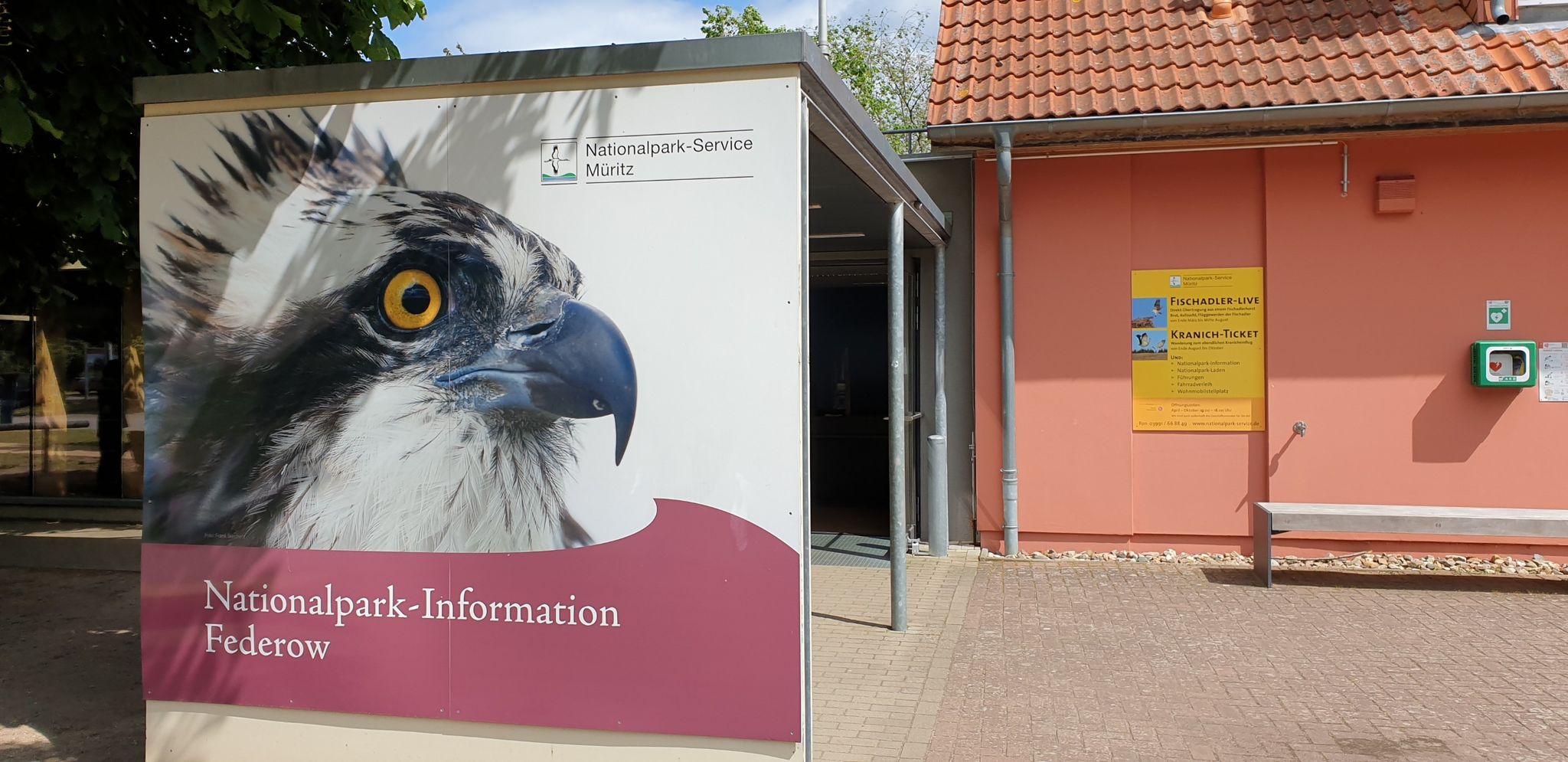
Müritz National Park Information
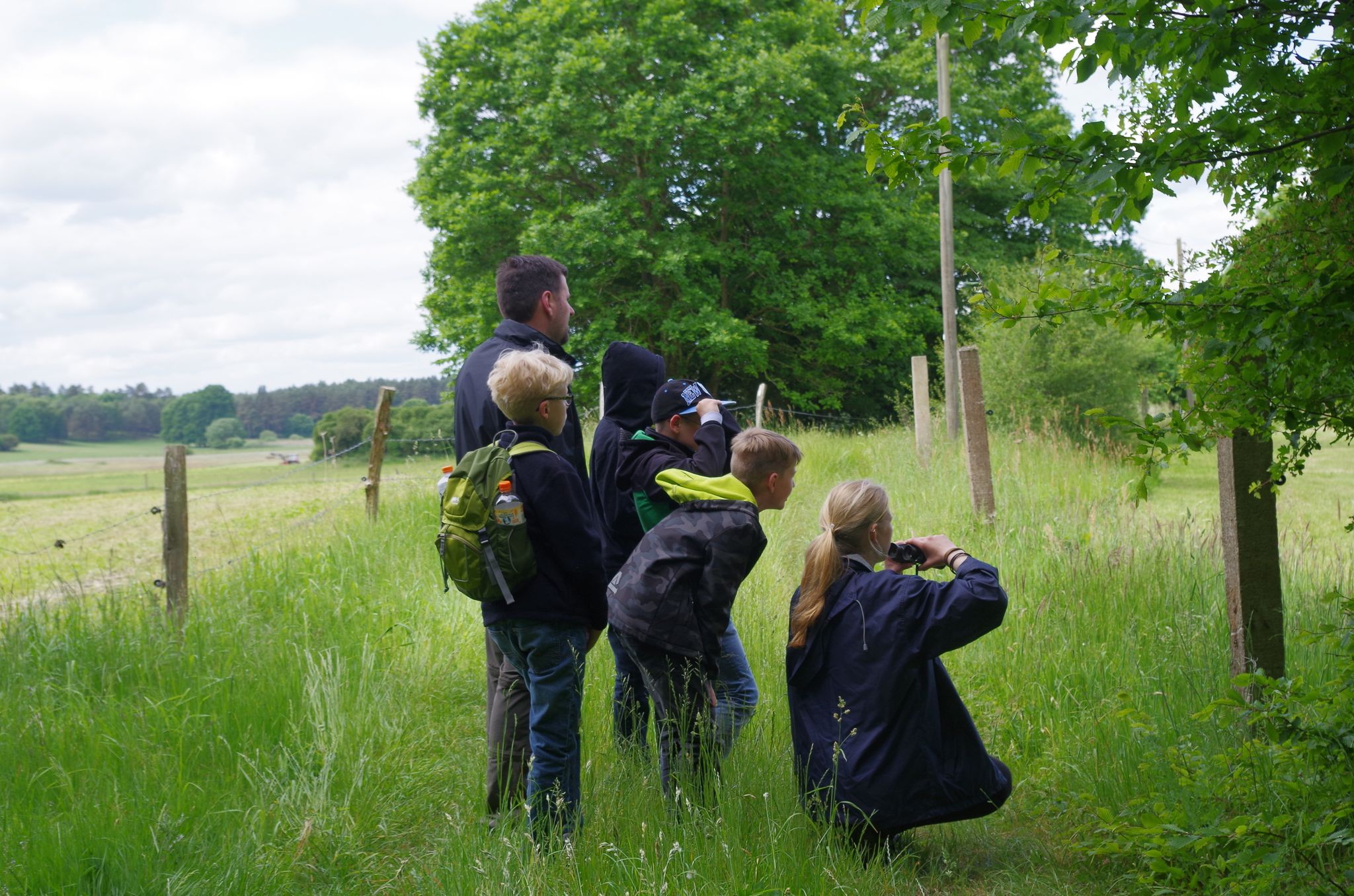
Müritz National Park – Experience trails and hiking tours for families
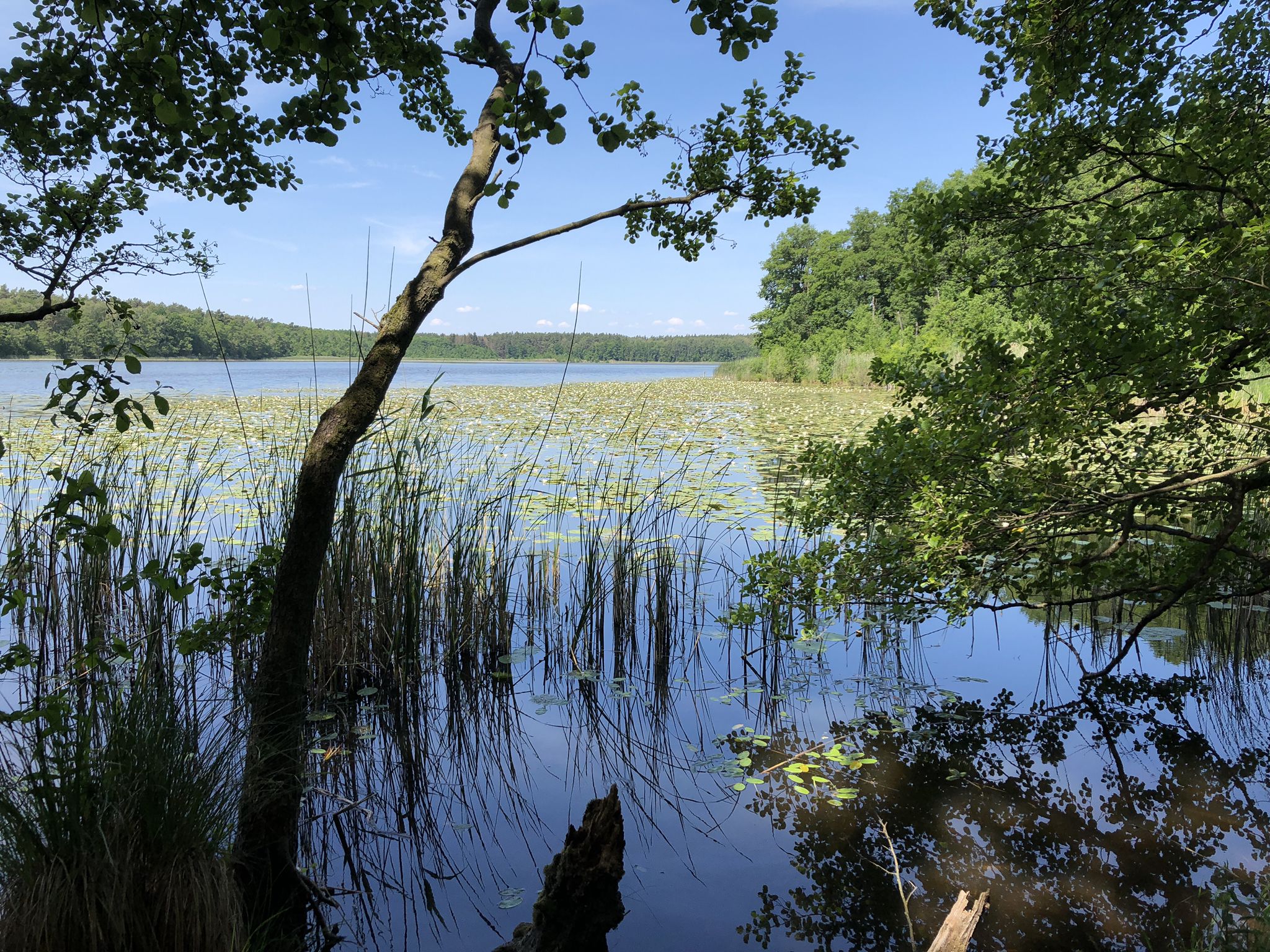
Müritz National Park - hiking trails in the Serrahn part
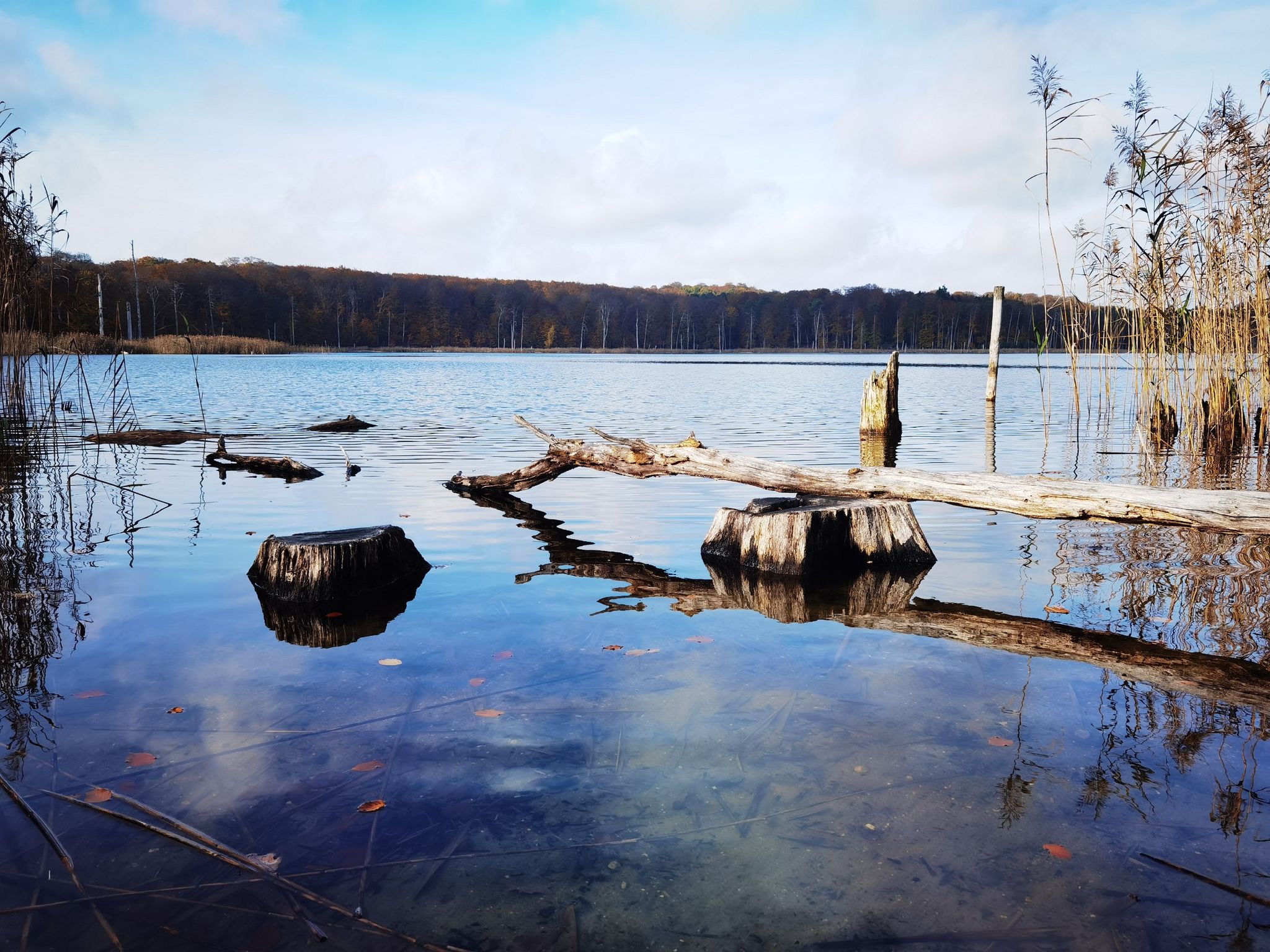
Cycling routes in Müritz National Park
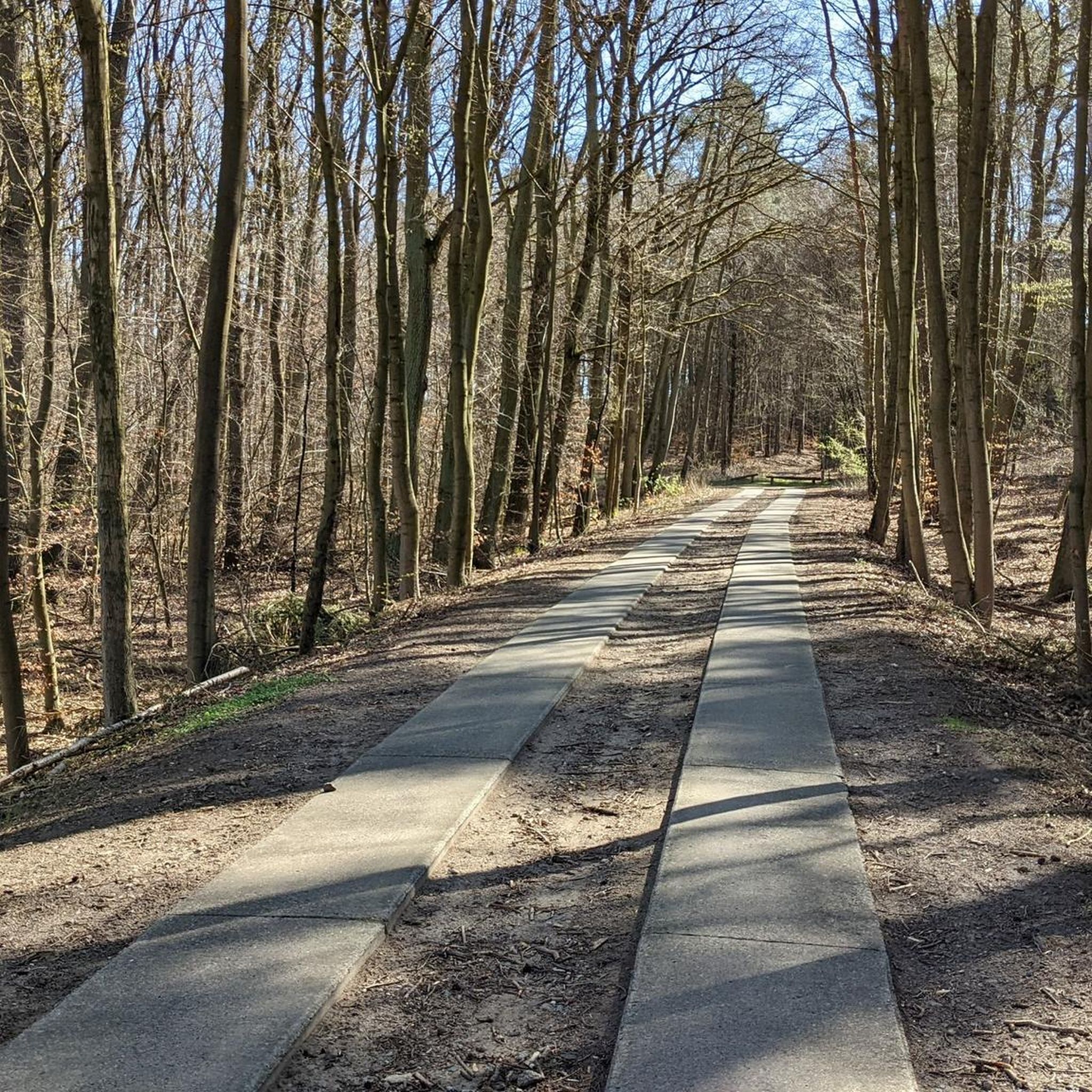
Hiking in Müritz-Nationalpark
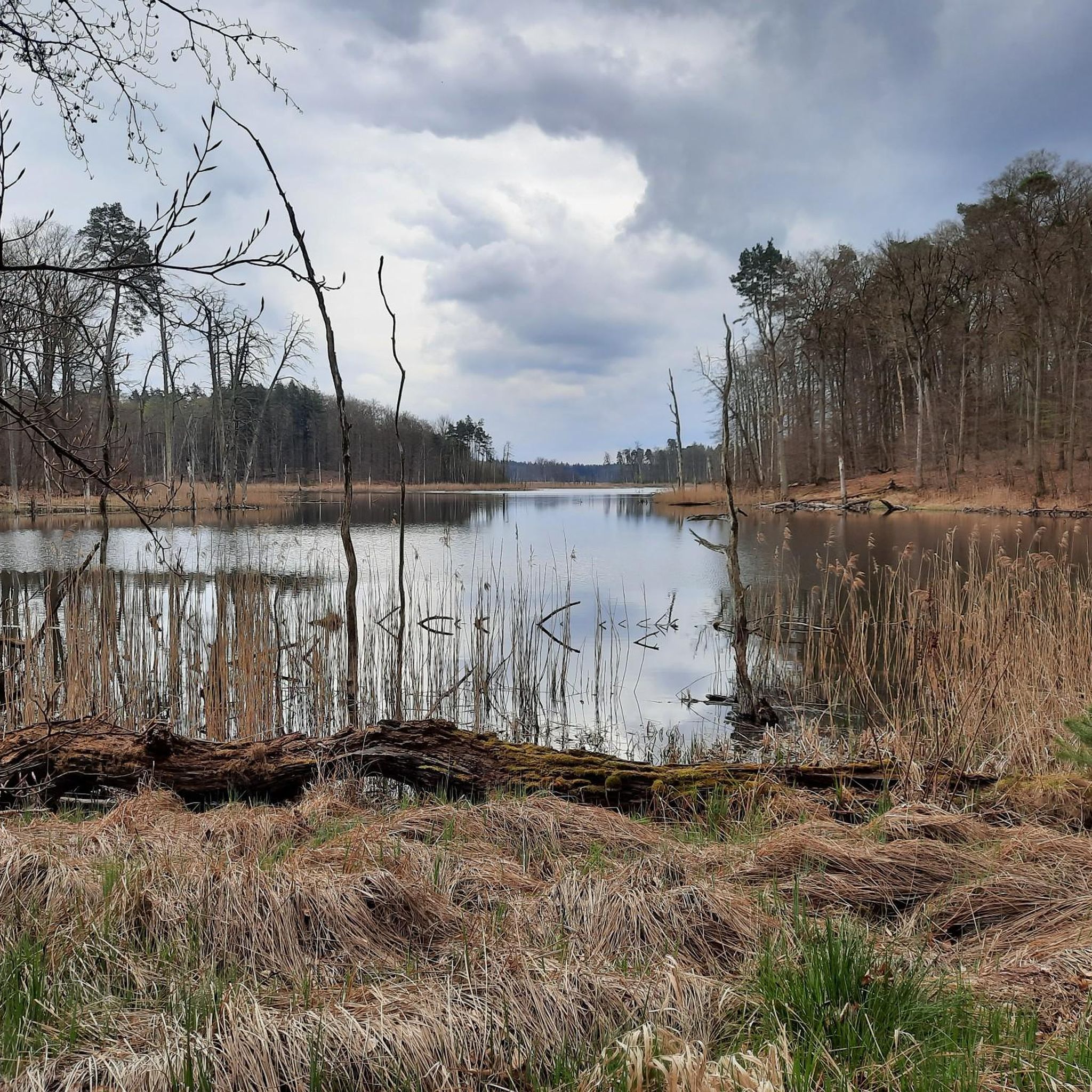
Cycling in Müritz-Nationalpark
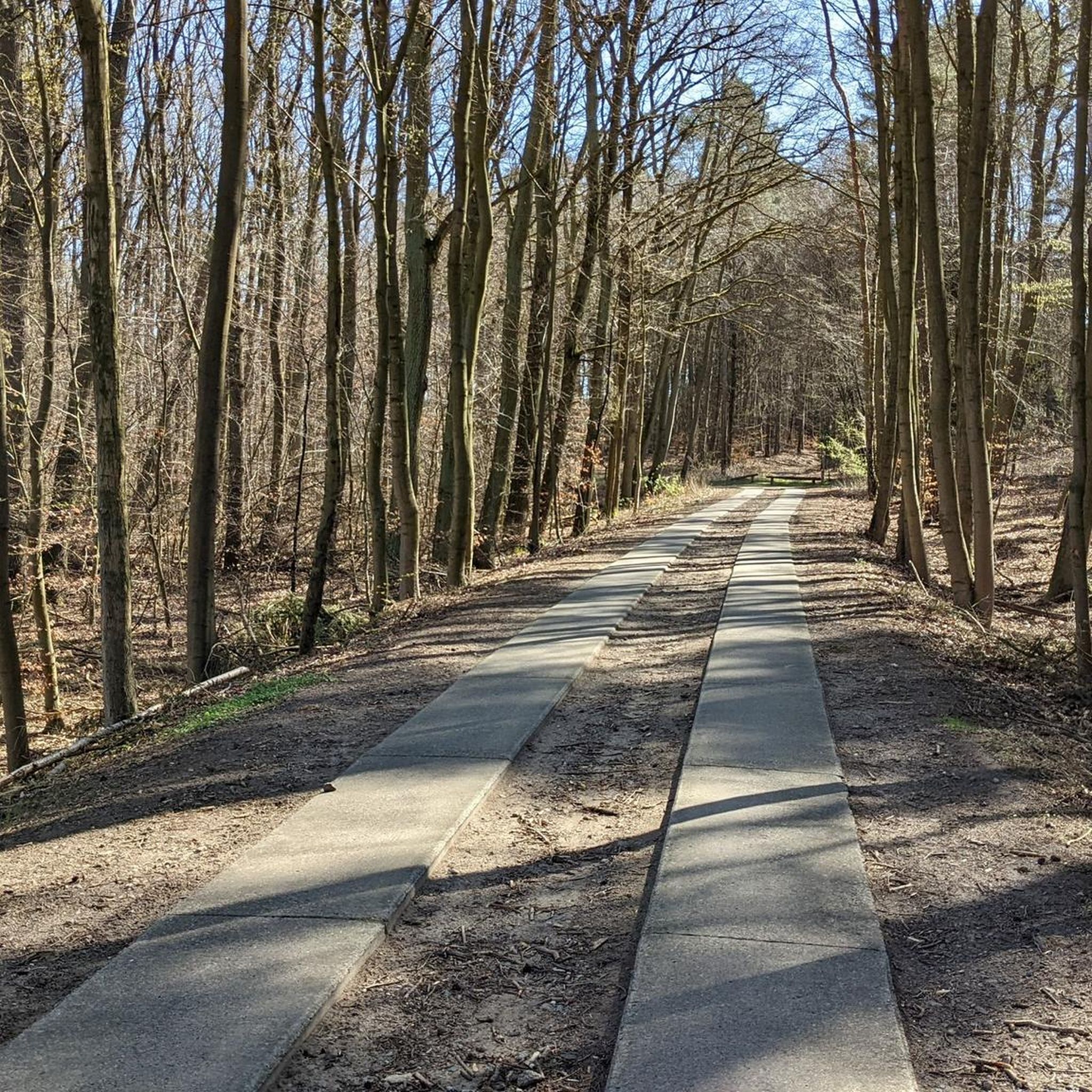
MTB Trails in Müritz-Nationalpark
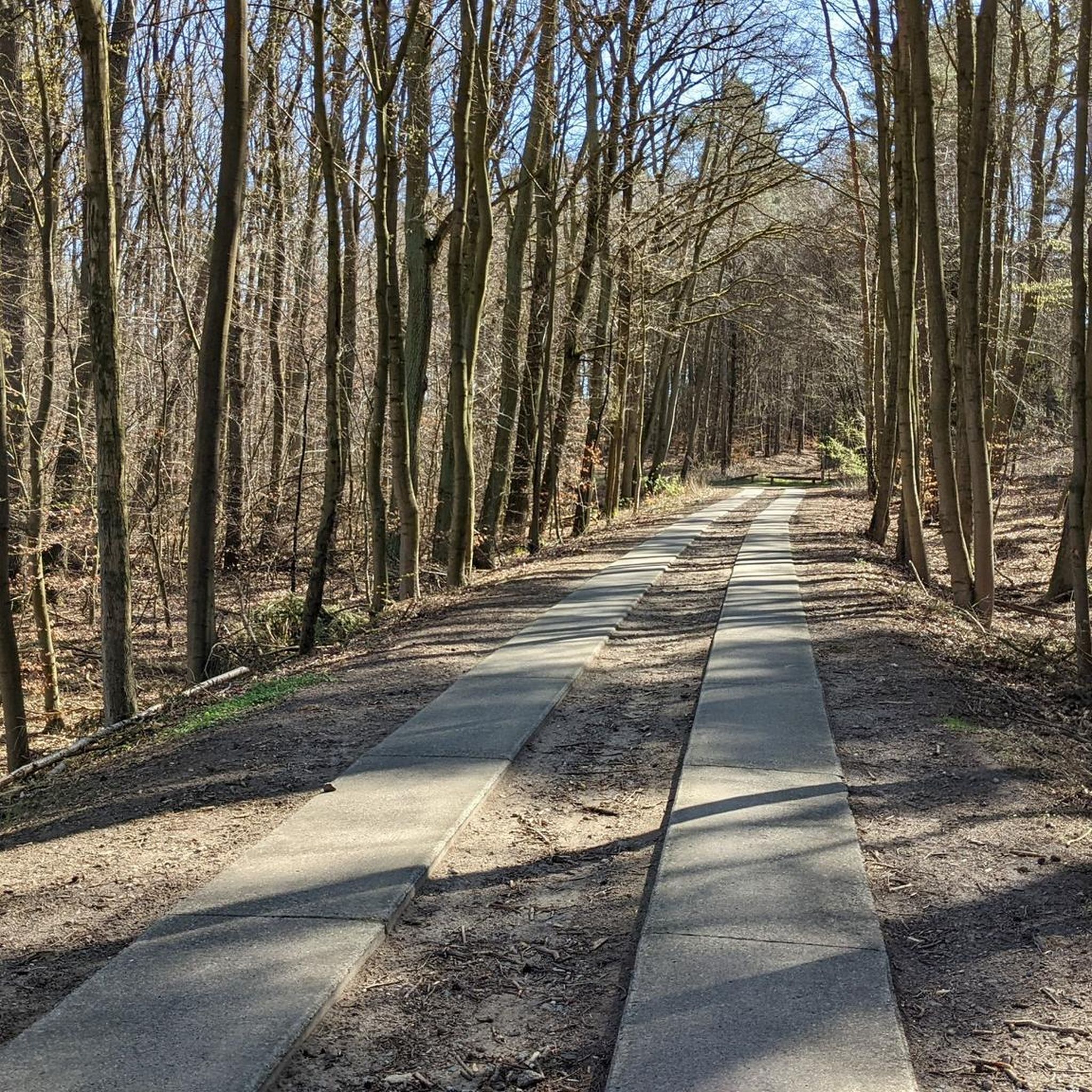
Running Trails in Müritz-Nationalpark
Gravel biking in Müritz-Nationalpark
Other adventures in Müritz-Nationalpark

Tips from the Community

Easy-to-ride cycle path.
0
0
Beautiful route with a view.
0
0
Beautiful and easy to drive route.
1
0

Yes, a nice bike path. Warning: some root damage...especially if you're on a road bike...
1
0

The Wanzka Church was consecrated in 1290 as part of a Cistercian monastery founded between 1275 and 1283. Many noble ladies entered the monastery, including Anna, the daughter of Duke Ulrich I of Mecklenburg-Stargard. After the Reformation, the monastery came under secular administration in 1545, and the church became a parish church in 1555. The monastery complex was largely demolished, but the church, the monastery gate, a ruin, and the Fangel Tower survived. After a fire in 1833, the church was restored in the 1840s and extensively renovated in 2016/17. The church consecration festival is celebrated in September.
2
0

Very pleasant, quiet street
0
0

The Wanzka Monastery Church is a significant example of North German brick Gothic architecture and is located in the Wanzka district of the municipality of Blankensee. It is closely linked to the history of the Cistercian Wanzka Monastery, which was founded between 1275 and 1283. The monastery complex was solemnly consecrated on January 25, 1290, by Bishop Heinrich von Havelberg. The monastery originally developed from the Broda Double Monastery near Neubrandenburg and served for many years as a spiritual home for unmarried daughters of the regional nobility. One of the most famous abbesses was Adelheit, the only daughter of Duke Ulrich I of Mecklenburg-Stargard. With the Reformation, the monastery was secularized in 1549, but continued to exist as a Protestant women's convent at least until 1584. During the Thirty Years' War, many of the monastery buildings were destroyed or used as quarries, so the complex survived only partially. The original monastery church was a single-nave brick basilica with a 5/8 chancel. After a devastating fire in 1833, the church was rebuilt in the Neo-Gothic style between 1840 and 1843 under the direction of the architect Friedrich Wilhelm Buttel. The church received a flat wooden beam ceiling and a redesigned west façade. Particularly noteworthy is the Neo-Gothic altarpiece from 1905, featuring a Crucifixion based on a painting by Peter Paul Rubens, designed by the artist Berta Zarnekow. In 2016 and 2017, the monastery church underwent extensive renovations. Among other things, the roof was re-tiled, the façade was restored, windows were repaired, and the ceilings and walls were repainted. The ceremonial rededication took place on September 3, 2017, by Bishop Andreas von Maltzahn. Today, the monastery church serves as a Protestant parish church and belongs to the Wanzka parish in the Mecklenburg church district of the Evangelical Lutheran Church in Northern Germany. In addition to its religious use, it also serves as a cultural venue for concerts and other events. Visitors can tour the church and enjoy the peaceful, contemplative atmosphere on the shores of Lake Wanzka. Current information and event listings can be found on the Blankensee community website.
3
0
The view from the bridge over the Havel Canal on Neustrelitzer Straße in Wesenberg is particularly charming. From here, a wide view opens up over the waters of the Havel, lined with lush greenery. The tranquil, natural surroundings invite you to pause for a moment—ideal for a short stop on a bike ride. The bridge itself is a popular vantage point and offers a beautiful perspective on the typical landscape of the Mecklenburg Lake District. Also nearby are the "Fischerhof" farm and rest areas that invite you to take a break.
0
0
Frequently Asked Questions
How many road cycling routes are available in Müritz-Nationalpark?
Müritz-Nationalpark offers an extensive network of over 150 road cycling routes. These routes cater to various skill levels, with many options for easy and moderate rides, as well as some more challenging paths.
What kind of terrain can I expect on road cycling routes in Müritz-Nationalpark?
The terrain in Müritz-Nationalpark is generally gently rolling, shaped by the last Ice Age, providing scenic variety without excessive climbs. While many paths are paved, some routes may include unpaved sections, cobblestones, or loose gravel, especially in certain areas. Cyclists should be prepared for diverse surfaces.
Are there easy road cycling routes suitable for beginners or less experienced cyclists?
Yes, Müritz-Nationalpark has numerous easy road cycling routes. Approximately 45 routes are classified as easy, offering mostly paved surfaces suitable for any fitness level. These routes allow you to enjoy the park's beauty without significant physical demands.
What are some notable natural features or landmarks I can see along the road cycling routes?
Road cycling routes in Müritz-Nationalpark often pass through diverse landscapes including forests, moors, meadows, and over 130 lakes. You can explore the UNESCO World Natural Heritage Serrahner Beech Forest, visit the Schweingarten Lake, or discover the unique Boardwalk Through the Moor. Many routes also offer views of Lake Müritz, Germany's largest inland lake.
Can I find circular road cycling routes in Müritz-Nationalpark?
Yes, many road cycling routes in Müritz-Nationalpark are designed as loops, allowing you to start and end at the same point. For example, the Rowa–Holldorf Road – Asphalt Road to Blankensee loop from Goldenbaum is a popular option, offering a varied ride through the park's landscapes.
What is the best time of year for road cycling in Müritz-Nationalpark?
Müritz-Nationalpark is popular for cycling in summer and fall. The diverse landscapes, including ancient beech forests, are particularly beautiful during these seasons. However, some sections can be sandy and hilly, so checking local conditions is always advisable.
Are there opportunities for wildlife spotting while road cycling?
Müritz-Nationalpark is a haven for nature enthusiasts and birdwatchers. Cyclists may have the chance to spot rare and endangered bird species like cranes, ospreys, and white-tailed eagles. Red deer, snakes, and even wolves also inhabit the park. Dedicated birdwatching hotspots with observation towers, such as Rederangsee and Specker Horst, enhance the wildlife viewing experience.
What do other road cyclists enjoy most about road cycling in Müritz-Nationalpark?
The area is highly rated by the komoot community, with an average score of 4.5 stars from over 350 reviews. Reviewers often praise the extensive network of paths, the diverse natural landscapes including ancient beech forests and numerous lakes, and the opportunities for peaceful rides through nature.
Are there any specific routes that offer views of the region's lakes and forests?
Many routes showcase the region's characteristic lakes and forests. The Country road L14 Dabelow–Wokuhl – Kratzeburg Half-Timbered Church loop from Fürstensee is a moderate path that specifically offers beautiful views of the region's lakes and forests, providing a quintessential Müritz-Nationalpark experience.
Can I combine road cycling with public transport in Müritz-Nationalpark?
Yes, bicycle transport is available via buses, boats, and regional trains within and around Müritz-Nationalpark. This allows cyclists to plan attractive combined tours, covering longer distances or returning to their starting points with ease after exploring different sections of the park.
Are there any routes that pass by historical or cultural points of interest?
Beyond natural beauty, the park offers cultural points of interest. Routes might pass by the Käfling Tower, which provides panoramic forest views, or St. Mary's Church in Röbel, offering scenic vistas. Historic buildings and dining options can also be found in places like Gut Boek and Klink Castle.
Are there any beginner-friendly routes that are relatively short?
For an easier and shorter ride, consider the Feldberg–Möllenbeck Cycle Path – Carpin Chapel loop from Neustrelitz-Land. This route is classified as easy, covering about 38.5 kilometers, making it a good option for those looking for a less demanding cycling experience.
Most popular routes in Müritz-Nationalpark
Most popular attractions in Müritz-Nationalpark

Get inspired with the komoot mobile app


Explore more
Browse the best Road cycling routes in other regions.
