Top 10 Castles around Tellig
Castles near Tellig are found within the Cochem-Zell district of Rhineland-Palatinate, a region recognized for its historic fortifications along the Moselle River. While Tellig is a small municipality, the surrounding area features numerous castles and ruins. These sites offer insights into medieval architecture and regional history.
Best castles around Tellig
- The most popular castles is Beilstein, a settlement featuring a well-preserved castle ruin. This location is often referred to as a miniature Rothenburg due to its historic charm and…
Last updated: July 1, 2026
Beilstein
Highlight • Settlement
Translated by Google •
Tip by

Metternich Castle Ruins
Highlight • Castle
Translated by Google •
Tip by

Sign up now to discover places like this
Get recommendations on the best single tracks, peaks, & plenty of other exciting outdoor places.
Sign up for free
View of the Marienburg in Pünderich
Highlight • Viewpoint
Translated by Google •
Tip by

Balduinseck Castle Ruin
Highlight • Castle
Translated by Google •
Tip by

View of Beilstein with the Carmelite Church and Metternich Castle
Highlight • Viewpoint
is absolutely worth seeing.
Above the town lies the ruins of Metternich Castle, with a beautiful view of the …
Translated by Google •
Tip by

Sign up for free to discover even more castles around Tellig.
Sign up for free
Already have an account?
Start today with a free account
Your next adventure awaits.
Login or Signup
Tips from the Community

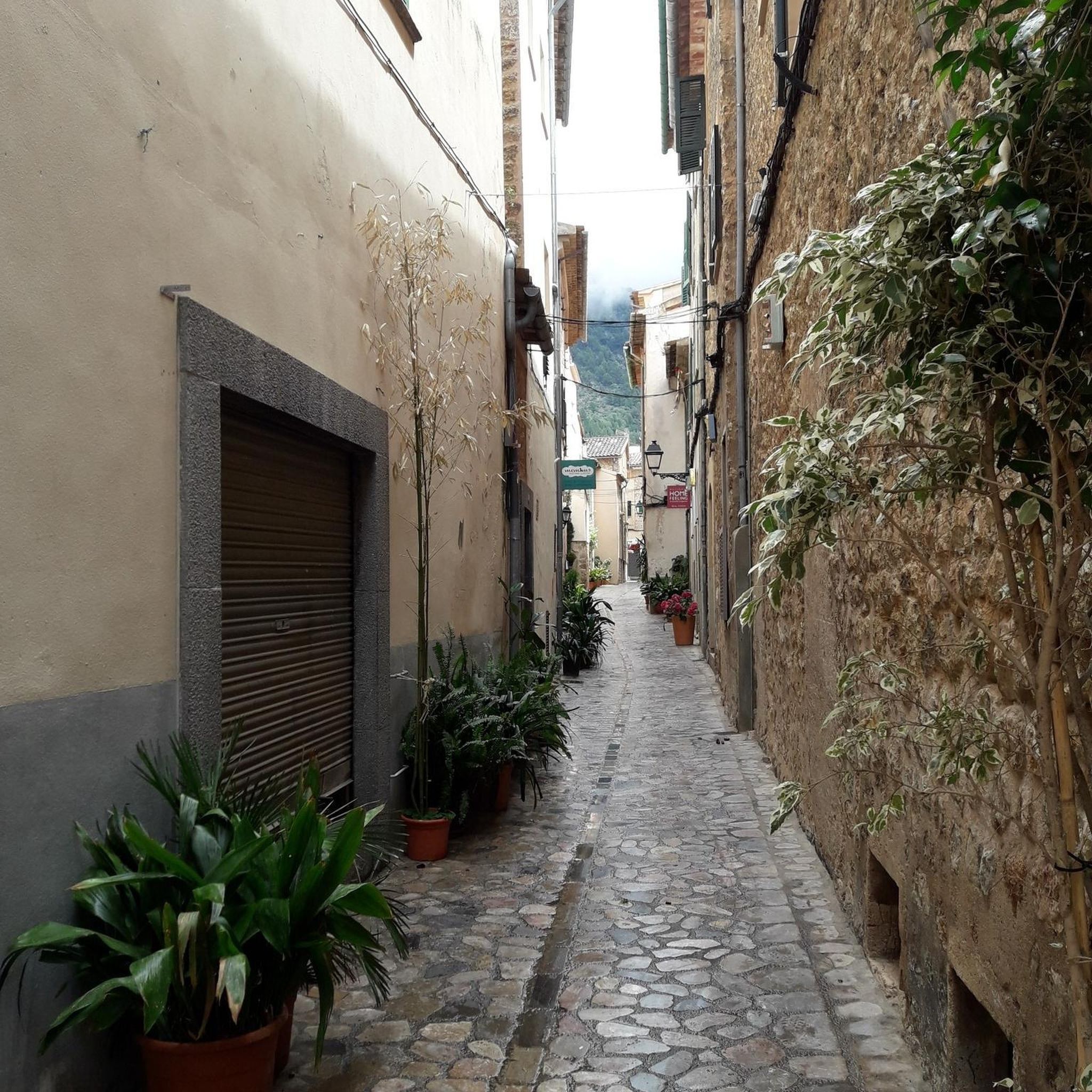
Beilstein "The Sleeping Beauty of the Moselle" One of the most beautiful towns on the Moselle, also known as the Sleeping Beauty of the Moselle. We Beilsteiners always strive to treat our guests warmly and kindly and to welcome them as friends when they return to visit us again and again, often for decades. Text / Source: Beilstein Mosel, Bachstr. 47, 56814 Beilstein https://beilstein-mosel.de/
15
1

The Marienburg is always worth seeing from many locations.
6
0

Great view of the Marienburg from "below".
7
0

Very nice view of the Marienburg.
6
0

Burg 🏰 Beilstein Blick
2
0

Very nice cozy Moselle town with great half-timbered houses.
3
0

Just go and enjoy
3
0

The Pünderich Marienburg sits enthroned on the mountain! Can be seen from afar.
6
0
Frequently Asked Questions
Where are the castles around Tellig located?
While Tellig itself is a small municipality without its own castles, the surrounding Cochem-Zell district in Rhineland-Palatinate is rich in historic fortifications. You'll find many impressive castles and ruins along the Moselle River and in the nearby Hunsrück hills, such as the settlement of Beilstein, Balduinseck Castle Ruin, and Metternich Castle Ruins.
What are some of the most popular castles to visit near Tellig?
Visitors frequently enjoy the settlement of Beilstein, often called the 'Sleeping Beauty of the Moselle' for its well-preserved historic charm and half-timbered houses. The Metternich Castle Ruins, located above Beilstein, offer stunning views of the Moselle valley and even house a restaurant. Another favorite is Balduinseck Castle Ruin, known for its picturesque setting and a convenient resting spot inside the ruins.
What kind of historical sites can I expect to see in the Cochem-Zell district?
The Cochem-Zell district is renowned for its medieval architecture and rich history. You can explore well-preserved castle ruins like Metternich Castle Ruins, which provide insights into past defensive structures. The historic settlement of Beilstein itself is a listed building, offering a journey into a medieval townscape with its market square, old Zehnthaus, and former St. Christophs Church.
Are there family-friendly castles to visit near Tellig?
Yes, several sites are considered family-friendly. The settlement of Beilstein is a great option, with its charming streets and the castle ruin above. Balduinseck Castle Ruin also welcomes families and even has a table and bench inside for a comfortable rest during your visit.
Can I visit castles near Tellig with my dog?
Many outdoor areas around the castles and the castles themselves are dog-friendly. For example, the historic settlement of Beilstein is generally welcoming to dogs. Always check specific castle policies for interior access, but exploring the grounds and surrounding trails with your dog is often possible.
What is the best time of year to visit the castles around Tellig?
The spring and autumn months are ideal for visiting the castles. Spring offers pleasant temperatures and blooming landscapes, while autumn provides stunning fall foliage, especially along the Moselle valley. Summer can be popular but also crowded. Winter visits are possible, but some facilities or castle interiors might have reduced opening hours.
Are there restaurants or cafes near the castles?
Yes, you'll find dining options near several castles. For instance, the Metternich Castle Ruins in Beilstein house a restaurant with a wonderful view of the Moselle valley. The settlement of Beilstein itself is known for its various cafes, wine bars, restaurants, and guesthouses, offering something for every taste.
What outdoor activities can I do near these castles?
The region around Tellig and its castles is excellent for outdoor activities. You can find numerous road cycling routes, MTB trails, and general cycling tours. For example, explore routes like the 'Alf-Bullay Double-Deck Bridge – Traben-Trarbach Bridge Gate loop' for road cycling, or the 'View of Marienburg – Bullay Double-Deck Bridge loop' for mountain biking. You can find more details on these and other routes in the Road Cycling Routes around Tellig, MTB Trails around Tellig, and Cycling around Tellig guides.
Are there hiking trails near the castles?
Absolutely. The castles are often integrated into scenic hiking routes. For example, Balduinseck Castle Ruin can serve as a starting point for hikes. The Moselle and Hunsrück regions offer a variety of trails, from easy walks to more challenging routes, many of which pass by historical sites and offer stunning viewpoints like the View of Beilstein and Metternich Castle.
What do visitors enjoy most about the castles and region around Tellig?
Visitors consistently praise the romantic atmosphere, the well-preserved medieval charm, and the breathtaking views, especially of the Moselle valley. The historic settlement of Beilstein is particularly loved for its picturesque market square and narrow alleys. The combination of history, architecture, and natural beauty makes for a memorable experience, often described as a 'journey into history'.
Are there any viewpoints to see the castles from a distance?
Yes, the region offers numerous viewpoints that provide spectacular perspectives of the castles and the Moselle landscape. The View of Beilstein and Metternich Castle is a popular spot to admire the historic town and its castle ruin. Another notable viewpoint is the View of the Marienburg in Pünderich, offering a wonderful vista of the former Augustinian convent.
What are the opening hours and entrance fees for the castles?
Opening hours and entrance fees vary by castle. For example, the Metternich Castle Ruins are typically open daily from 9 a.m. to 6 p.m., with an admission fee of 2.50 euros for adults and 1 euro for children from seven years old. It's always recommended to check the specific castle's website or local tourist information for the most current details before your visit.
Most popular attractions around Tellig

Get inspired with the komoot mobile app


Explore more
Looking for the best castles somewhere else? Discover other guides around Tellig:
