Attractions and Places To See in Drehnaer Weinberg Und Stiebsdorfer See - Top 7
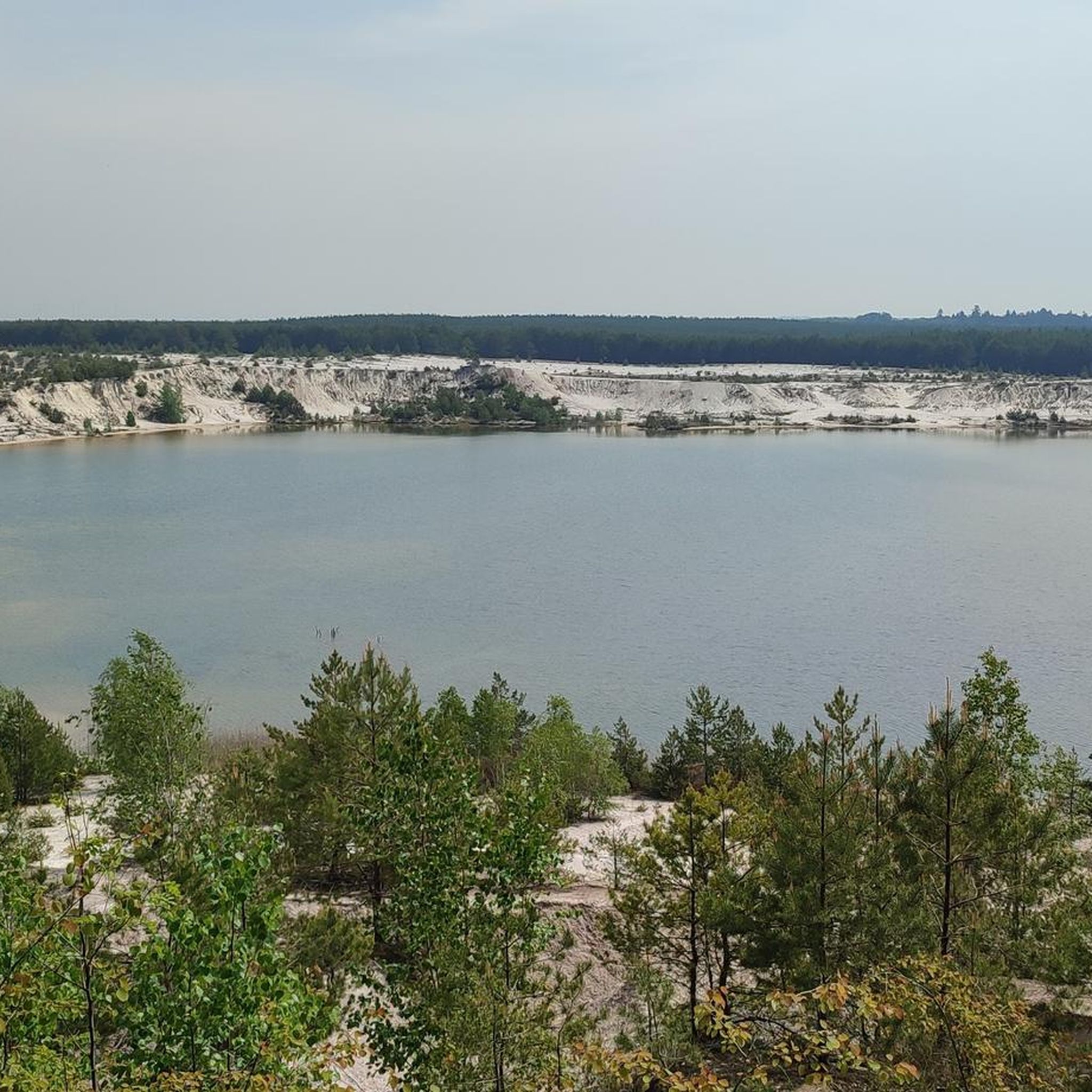
Attractions and places to see in Drehnaer Weinberg Und Stiebsdorfer See showcase a landscape shaped by its history of viticulture and lignite mining, located within the Niederlausitzer Landrücken Nature Park. The region features evolving natural elements and remnants of past human activity. This designated nature reserve spans approximately 154.5 hectares and includes the 51-hectare Stiebsdorfer See, a re-cultivated former open-cast mine lake. The Drehnaer Weinberg, historically a vineyard, is now known for its floristic peculiarities and an ancient beech forest.
…Last updated: August 15, 2026
Drehnaer Vineyard and Stiebsdorf Lake
Highlight • Natural Monument
Translated by Google •
Tip by

Between Wanninchen and Stiebsdorfer See
Highlight (Segment) • Cycleway
Very good connection overall from Schlabendorf, Waninnchen and Fürstlich Drehna.
More information: de.wikipedia.org/wiki/Schlabendorfer_See and de.wikipedia.org/wiki/Stiebsdorfer_See
Translated by Google •
Tip by

Sign up now to discover places like this
Get recommendations on the best single tracks, peaks, & plenty of other exciting outdoor places.
Sign up for free
Between Stiebsdorfer See and Fürstlich Drehna
Highlight (Segment) • Cycleway
It is …
Translated by Google •
Tip by
Intersection of Cycling and Hiking Trails Niederlausitzer Landrücken
Highlight • Trail
Translated by Google •
Tip by

Magnificent old oaks along the path
Highlight (Segment) • Forest
Translated by Google •
Tip by

Sign up for free to discover even more attractions in Drehnaer Weinberg Und Stiebsdorfer See.
Sign up for free
Already have an account?
Start today with a free account
Your next adventure awaits.
Login or Signup
Popular around Drehnaer Weinberg Und Stiebsdorfer See
Tips from the Community

You don't necessarily need hiking boots, sturdy shoes are enough. The path from Bergen to Drehna is mostly asphalted 😉
0
0

The vineyard near Bergen used to belong to the Fürstlich Drehna estate - hence the Drehnaer Weinberg. In the 18th century, wine was grown on the southern slope and terraces can still be seen. Today there is an orchard here. A picnic stand invites you to take a break.
0
0

Until the middle of the 19th century, wine was grown here and even down to today's Schlabendorfer Lake. However, it is said that it was quite sour and therefore not a success. Today you can take a break here on the picnic bench and perhaps enjoy a sip of grape juice you brought with you.
3
0

nice little rest area with a thought-provoking past
0
0

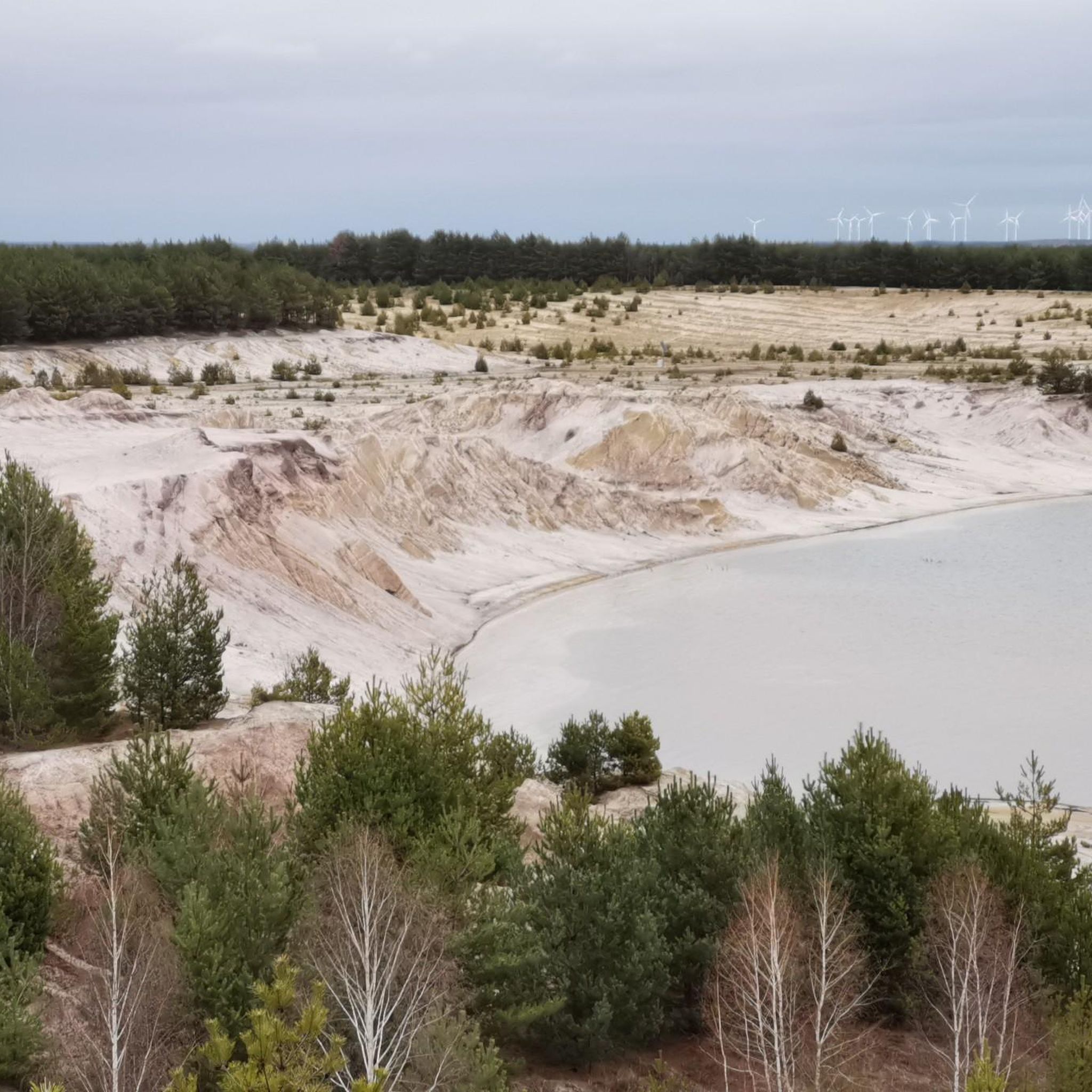
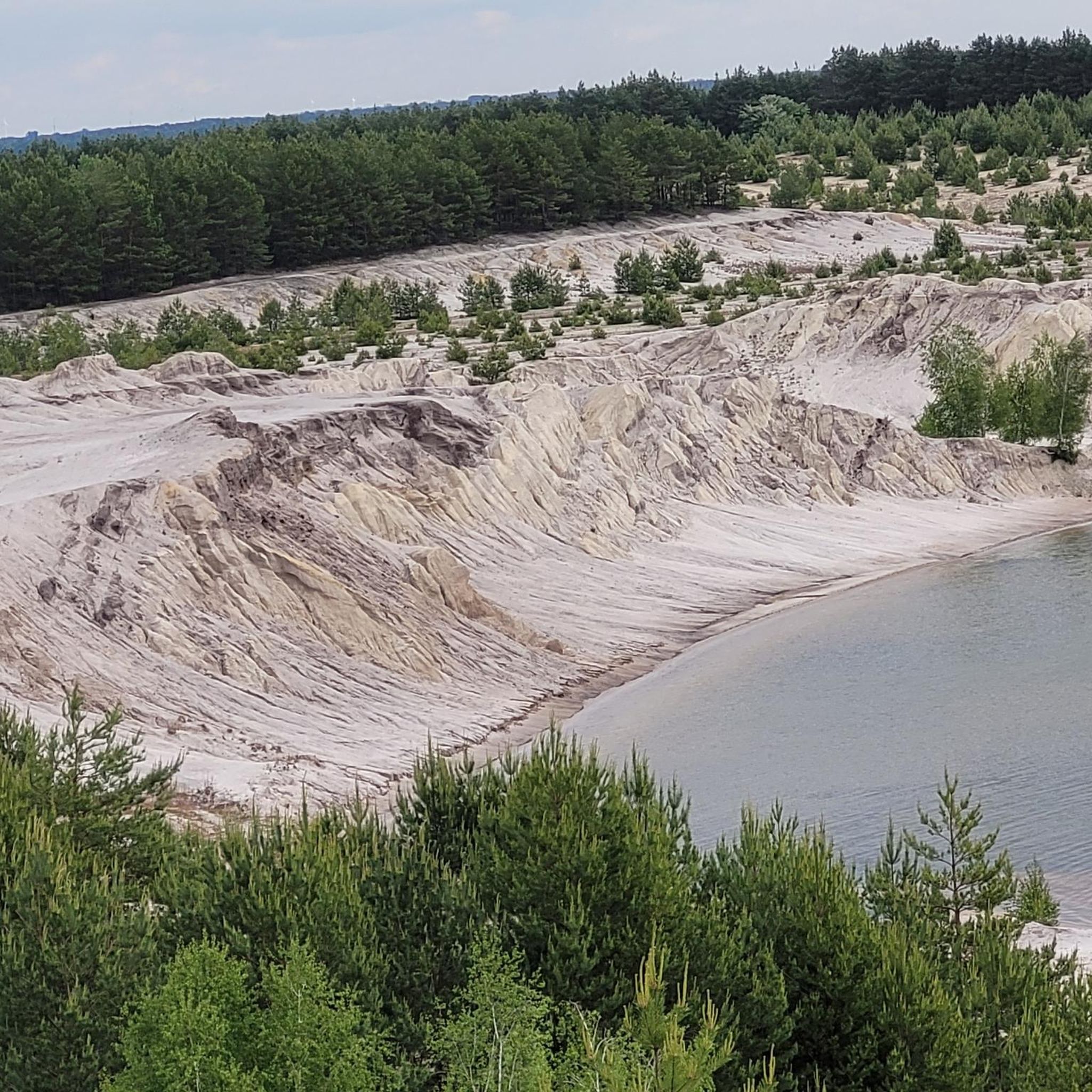
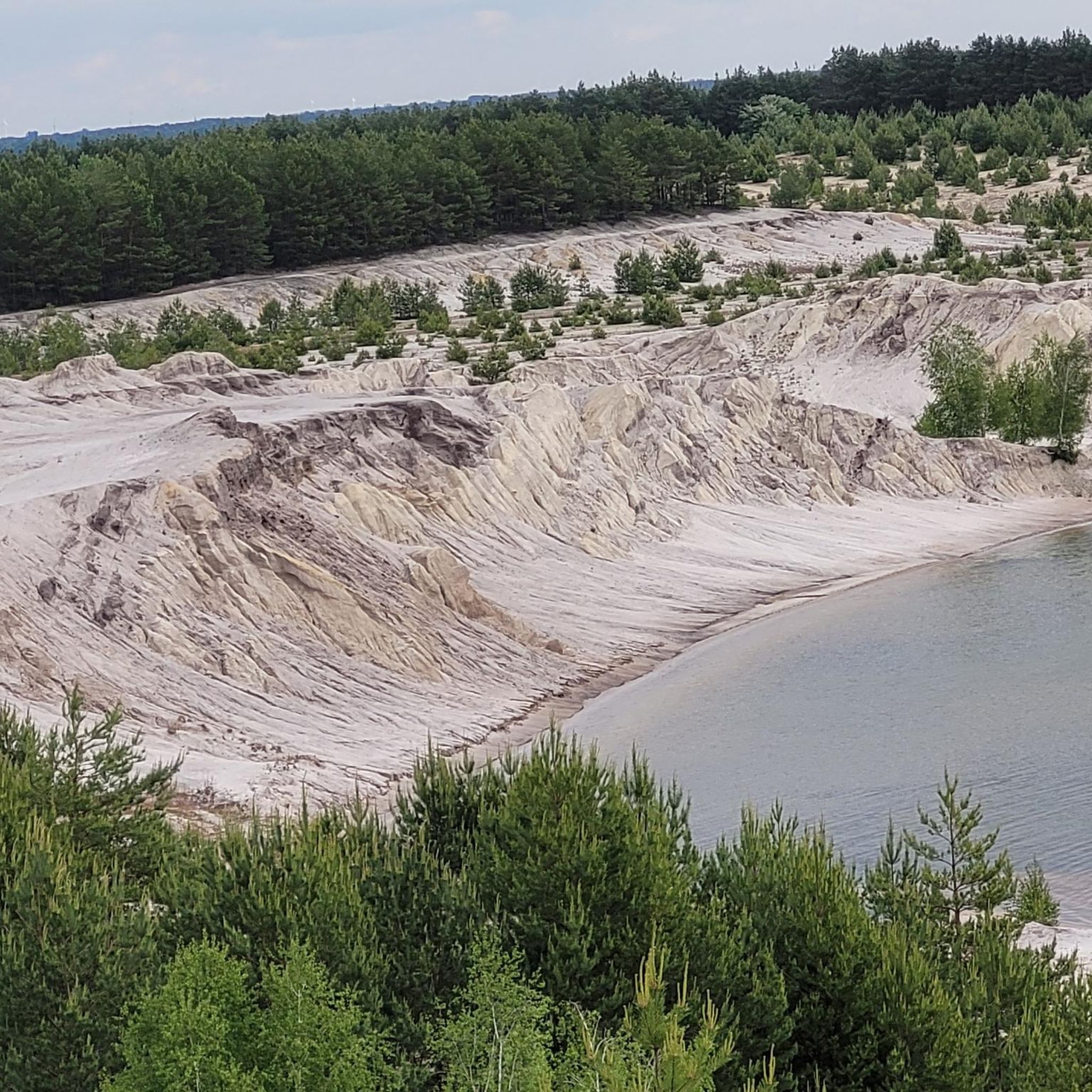
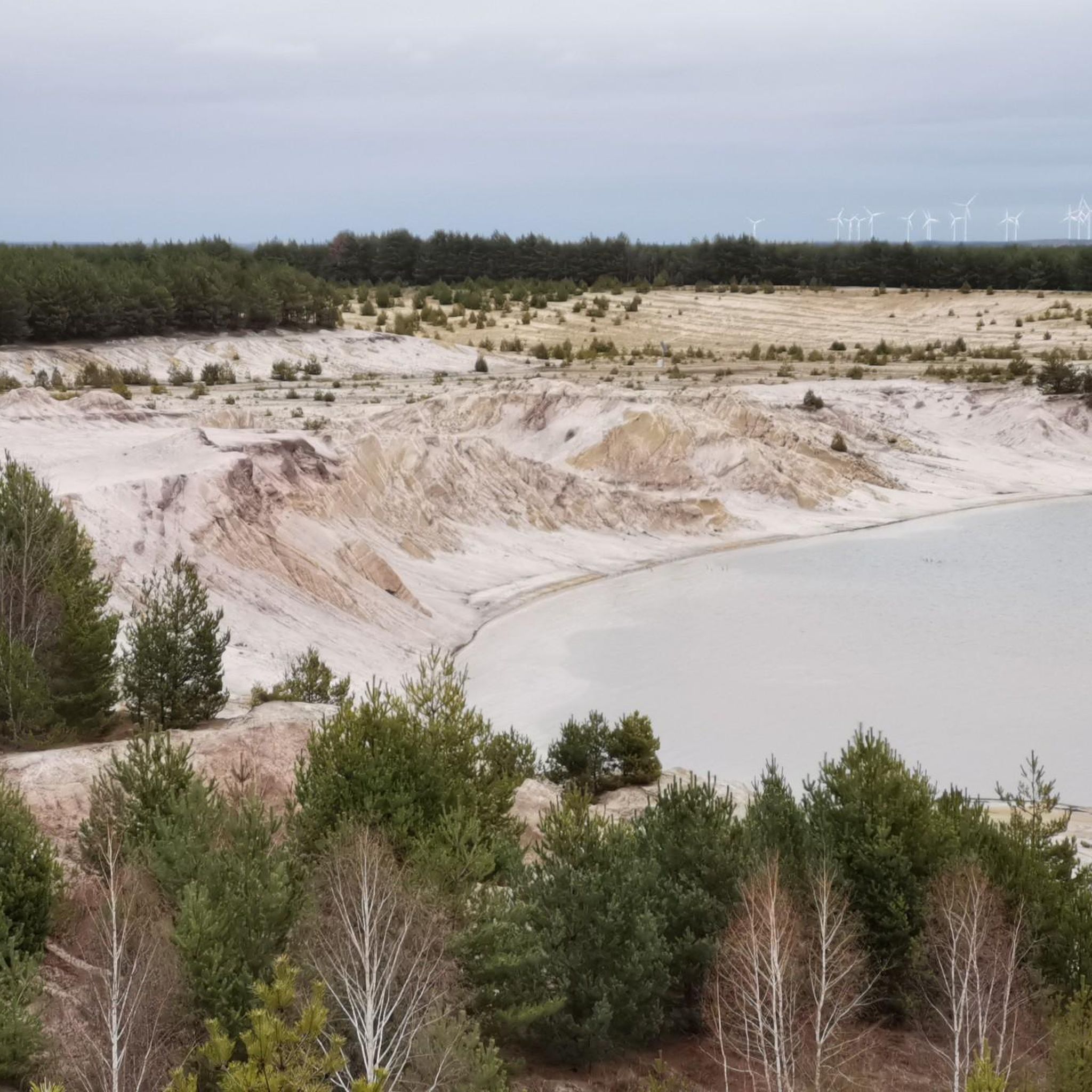
Viticulture only lasted here until the middle of the 19th century. The grape juice was not popular, it tasted much too sour. The vineyard near Bergen belonged to the Lordship of Fürstlich Drehna. Here was a winegrower's house, a wine press and a summer house. After the abandonment of viticulture, the area was used for agriculture. In 1985 part of the lignite mining fell victim. Today, at the foot of the vineyard, there is an open-cast mining lake that bears the name of the nearby place that was dredged: the Stiebsdorfer See. The water of the relatively small lake is highly acidic. Plants and animals will only settle very slowly. Even the lean embankments higher up will for a long time, as dry grassland, “only” provide a habitat for specialists. Above the lake, a near-natural old beech forest has been preserved, which is now to remain permanently without commercial use. The Drehna vineyard is also interesting. Since the 19th century, zoologists and botanists have been tracking down species that are rare elsewhere. Despite changes in use and lowering of the water level, both the wet locations and the semi-arid grassland still have floristic peculiarities. Lower Lusatian Ridge Nature Park
0
0

Something really beautiful has happened here. In my opinion, the renaturation was successful. That was not the last visit to Lusatia.
0
0
The former owner of the castle, Carl Wätjen (from 1884 to 1928 in Drehna) tended his hunting ground. He promoted mixed forests, had deciduous trees planted and allowed the trees to grow old. Some old tree veterans can be admired on this section of the trail.
0
0

Except for a missing 500 m, completely new asphalted bike path between the Stiebsdorfer See and the Schlabendorfer See. Very good connection overall from Schlabendorf, Waninnchen and Fürstlich Drehna. More information: https://de.wikipedia.org/wiki/Schlabendorfer_See and https://de.wikipedia.org/wiki/Stiebsdorfer_See
2
0
Frequently Asked Questions
What are the main natural features to explore in Drehnaer Weinberg Und Stiebsdorfer See?
The region offers a unique blend of natural beauty shaped by its past. Key features include the Drehnaer Vineyard and Stiebsdorf Lake, where you can see the terraced landscape of the former vineyard, now an orchard. The Stiebsdorfer See itself, a lake formed from a former lignite mine, provides expansive views of the evolving post-mining landscape with young forests and open sandy areas. Additionally, an ancient beech forest is preserved above the Stiebsdorfer See.
Can I learn about the history of the region during my visit?
Yes, the region's history is deeply intertwined with its landscape. You can explore sites like the Former Vineyard at Bergen, which was once part of the Fürstlich Drehna estate and showcases the area's viticulture and later agricultural and mining influences. The entire post-mining landscape tells a story of industrial transformation and nature's reclamation.
Are there good hiking opportunities around Drehnaer Weinberg and Stiebsdorfer See?
Absolutely. The region is well-suited for hiking, with trails allowing you to explore the unique environment. You can find various running trails, including moderate to difficult options, which often connect points of interest like the Stiebsdorfer See and Fürstlich Drehna. For more detailed routes, you can explore the Running Trails in Drehnaer Weinberg Und Stiebsdorfer See guide.
What cycling routes are available in the Drehnaer Weinberg Und Stiebsdorfer See area?
The area features a network of cycling trails, including newly paved paths like the one Between Stiebsdorfer See and Fürstlich Drehna, which is part of the Fürst-Pückler-Tour. You can find both MTB and road cycling routes, ranging from easy to moderate difficulty. For a comprehensive overview, check out the MTB Trails and Road Cycling Routes guides for the region.
Is the Stiebsdorfer See safe for swimming or water activities?
Visitors are advised to stay away from the shore of Stiebsdorfer See. The sandy banks are prone to landslides and can be dangerous. The lake's waters are also quite acidic due to its formation from a former open-cast lignite mine, which means plant and animal life are slow to establish themselves.
Are there any family-friendly attractions or activities in the region?
Yes, several attractions are considered family-friendly. The Drehnaer Vineyard and Stiebsdorf Lake and the View of Stiebsdorfer Lake are great for all ages. Additionally, the Intersection of Cycling and Hiking Trails Niederlausitzer Landrücken offers paths suitable for families, where sturdy shoes are generally sufficient.
Where can I find the best views of the post-mining landscape?
For expansive vistas, the View of Stiebsdorfer Lake is highly recommended. It offers impressive panoramic views across the post-mining landscape, featuring young forests, open sandy areas, and the lake itself. There are several other viewpoints throughout the region that provide ideal spots for rest and appreciating the scenery.
What kind of wildlife can I expect to see around Stiebsdorfer See?
Despite its industrial origin, Stiebsdorfer See is a significant spot for wildlife, especially birds. It's a popular roosting spot for cranes and geese during migration periods, and sand martins breed on its islands. Sea eagles are also frequently seen in the vicinity, making it an interesting area for birdwatching.
What is the historical significance of the Drehnaer Weinberg?
The Drehnaer Weinberg, or Drehnaer Vineyard, was historically used for viticulture until the mid-19th century, though the grape juice was reportedly quite sour. Today, it functions as an orchard, but the terraced landscape from its vineyard days is still visible. The site is also noted for its floristic peculiarities, with rare plant species identified here since the 19th century.
Are there accessible paths for visitors with mobility challenges or strollers?
Yes, some paths in the region are considered wheelchair accessible. For example, the newly paved bike path Between Stiebsdorfer See and Fürstlich Drehna is suitable for strollers and wheelchairs, offering a smooth surface for exploration.
When is the best time of year to visit Drehnaer Weinberg Und Stiebsdorfer See?
The region offers unique experiences throughout the year. Spring and autumn are ideal for hiking and cycling, with pleasant temperatures and the chance to observe migratory birds like cranes and geese around Stiebsdorfer See. Summer provides lush greenery, while winter can offer serene, stark landscapes, though some paths might be less accessible.
Can I bring my dog to the trails and attractions in the region?
While specific dog leash rules are not detailed, the natural trails and open landscapes generally welcome dogs. It's always recommended to keep dogs on a leash, especially in nature reserve areas and near wildlife habitats like Stiebsdorfer See, to protect both your pet and the local ecosystem.
Most popular routes in Drehnaer Weinberg Und Stiebsdorfer See

Get inspired with the komoot mobile app


Explore more
Still not found the Highlight you’re looking for? See guides of the top attractions in other regions:
