Attractions and Places To See in Schöbendorfer Busch - Top 10
Best attractions and places to see in Schöbendorfer Busch include a mix of historical sites, natural monuments, and scenic routes within the Baruth glacial valley. The region features the Schöbendorfer Busch nature reserve to its north, offering diverse landscapes for exploration. Visitors can find various points of interest, from renovated historical structures to tranquil natural areas, making it suitable for easy hikes Schöbendorfer Busch.
Best attractions and places to see in Schöbendorfer Busch
- The most popular attractions is Historic Horstmühle…
Last updated: July 5, 2026
Historic Horstmühle Monument
Highlight • Monument
Translated by Google •
Tip by

Schmelze Memorial Shelter (Horstwalde)
Highlight • Mountain Hut
Translated by Google •
Tip by
Sign up now to discover places like this
Get recommendations on the best single tracks, peaks, & plenty of other exciting outdoor places.
Sign up for free
L707 Country Road Through Schöbendorfer Busch
Highlight (Segment) • Cycleway
Translated by Google •
Tip by

Ancient Oak Grove Nature Monument
Highlight • Natural Monument
Translated by Google •
Tip by

Bombachhaus
Highlight • Structure
Translated by Google •
Tip by
Sign up for free to discover even more attractions in Schöbendorfer Busch.
Sign up for free
Already have an account?
Start today with a free account
Your next adventure awaits.
Login or Signup
Tips from the Community

The residential area Horstmühle appeared for the first time in the Schmettauschen maps in the years 1778 and 1786 with a water mill that belonged to the Baruth estate. The local register from 1858 lists a residential building and two outbuildings for the dwelling place, including a water-powered flour mill. The name Horstmühle appeared for the first time in 1861. Ten years later it consisted of the mill establishment with a residential building. In the second half of the 18th century, a main building was built, which was equipped with several tiled stoves around 1850. Various doors and banisters were altered in the early 20th century. Around 1900, a farm building and an ice cellar were added. In 1929 the residential area came to the community of Lynow. The property was used until the 1980s. In 1950, the building housed a hiking and tourism station of the Committee for Tourism and Hiking, which was managed from Luckenwalde. The building has been derelict since the 1980s. The mill building no longer exists in the 21st century. The main house, a farm building and an ice cellar are listed buildings. A support association has been committed to its preservation since 2007 and the ensemble opens the building on selected days, for example on the day of the open monument. In 2009/2010, work was carried out to secure the stable roof, and in 2011 construction of a rest hut began, which was completed in 2012. A hiker's hut was built in 2015. Further renovation was hampered by legal disputes between the Solms-Baruth princely family and the city. Source https://de.wikipedia.org/wiki/Horstm%C3%BChle_(Baruth/Mark)
0
0
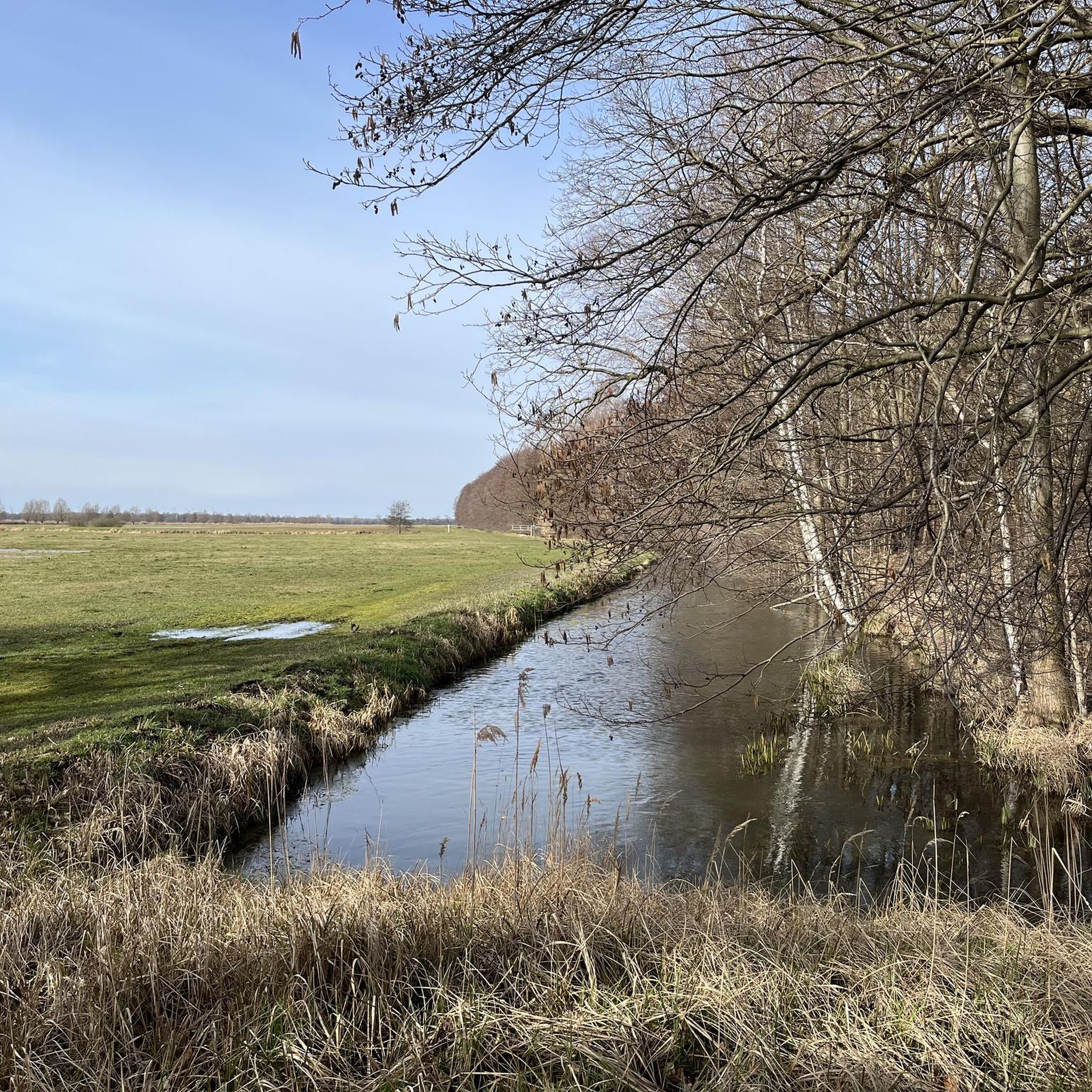
The residential area is located in the Baruth glacial valley to the west of the city center and north of the district of Schöbendorf. The Schöbendorfer Busch nature reserve borders to the north of the residential area, to the east of the other district of Paplitz and to the west of Lynow, a district of the municipality of Nuthe-Urstromtal. The Horstgraben, which drains agricultural areas, flows through the residential area in an east-west direction. To the east is the Paplitzer Müllergraben in a south-north direction, which drains into the Paplitzer Graben and finally into the Hammerfliess at the level of the residential area. The living space was created when the Baruth rulers of Solms had a house built for the forest workers on the site. In 1950 the residential area appeared to belong to the municipality of Schöbendorf. In 1983 the Bombachhaus base of the LPG Schöbendorf-Paplitz was located there. The place of residence was incorporated into Baruth/Mark along with Schöbendorf on December 31, 2001. The building is used by an architectural office in the 21st century. Source https://de.wikipedia.org/wiki/Bombachhaus
0
1
Melt (Horstwalde) Around 1750, Count F. G. Heinrich of Baruth established an ironworks to the west of Neuhof (from 1939 Horstwalde) to mine bog iron. In addition, potassium carbonate was produced, which was needed for the production of glass, soap and soda. Around 1758 there was also an iron smelter, with which the bog iron ore could be processed on site. It was made of brick set into the swampy ground on wooden stilts. The bellows were driven by the flow of the hammer flow. There was a blast furnace, a workshop, a furnace house, a water wheel, a coal shed, a locksmith's workshop, a stamp mill and a residential building. Among other things, the bells for Schöbendorf and Horstwalde were produced in the melt. The need for wood in 1765 was 30 fathoms, which was felled by 24 cottagers on so-called wood days. These were Tuesdays and Thursdays when work had to be done in the forest from eight o'clock until sunset. The first documented mention was in the years 1778/1786 as Hoh Ofen. However, the bog iron stone proved to be not very productive, so that the operation was stopped around 1800 and the plants were dismantled except for the residential buildings. In 1837 three buildings were reported. The name of the place changed in 1854 as Hohenofen or the smelter near Neuhof. In 1871 four people lived in Schmelze. Two years later, the settlement appeared as a forestry establishment Schmelze, in which 36 people were already living in 1885. In 1895 the establishment consisted of two houses with 32 people; in 1905 there were 30, in 1925 only 13 people. The forest establishment came to the rural community of Neuhof in 1929 and was a residential area for Horstwalde from 1957. The remaining residential building burned down and was demolished after 1948. In 2023, only a few cinder blocks and fruit trees are reminiscent of the settlement. The Horstwalde village community has erected a shelter with an information board at the site to commemorate the historic site. Source https://de.wikipedia.org/wiki/Schmelze_(Horstwalde)
0
0
From here you can go in 3 directions. Across the Hammerfliess to Horstmühle and Lynow, east across fields to Horstwalde or west through the magnificent Eichenbruch to Schönefeld.
0
1
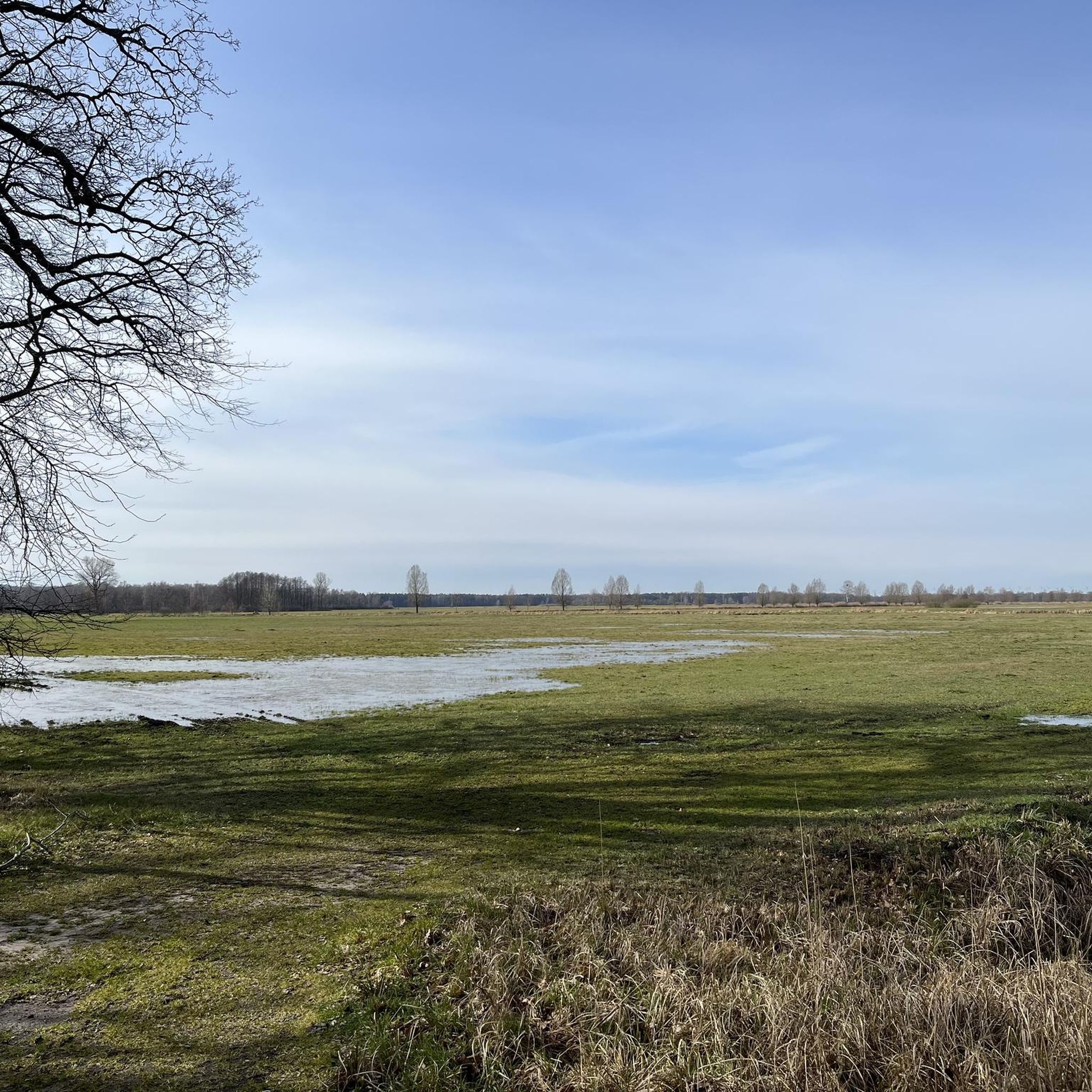
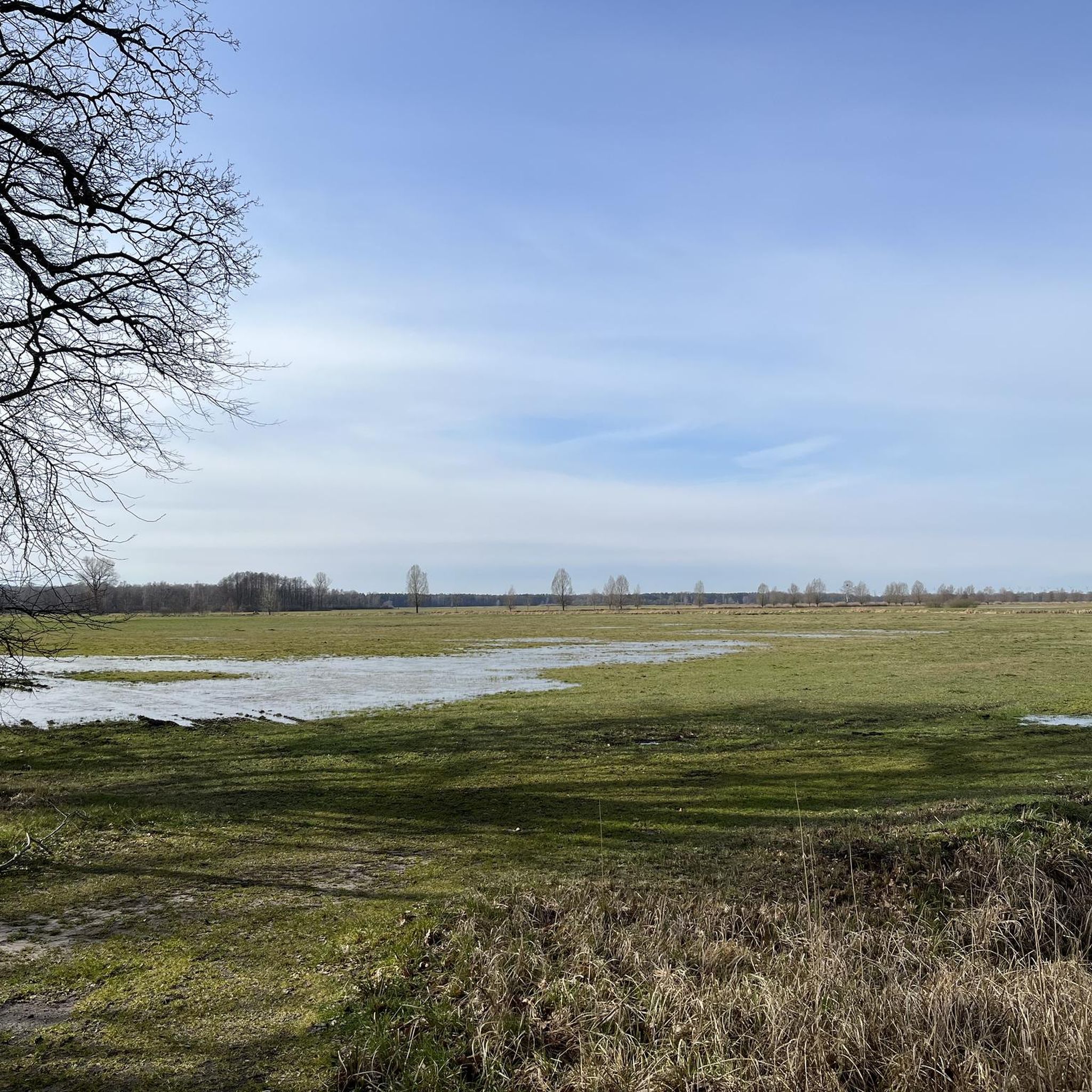
The path between Schönefeld and Horstwalde leads about 1 km through a magnificent oak quarry. You can't get enough of looking and letting your mind wander.
0
0

great new refuge on a historic site of the former smelter, with information board
2
0
lovingly renovated by a development association with seating - ideal for a break
2
0

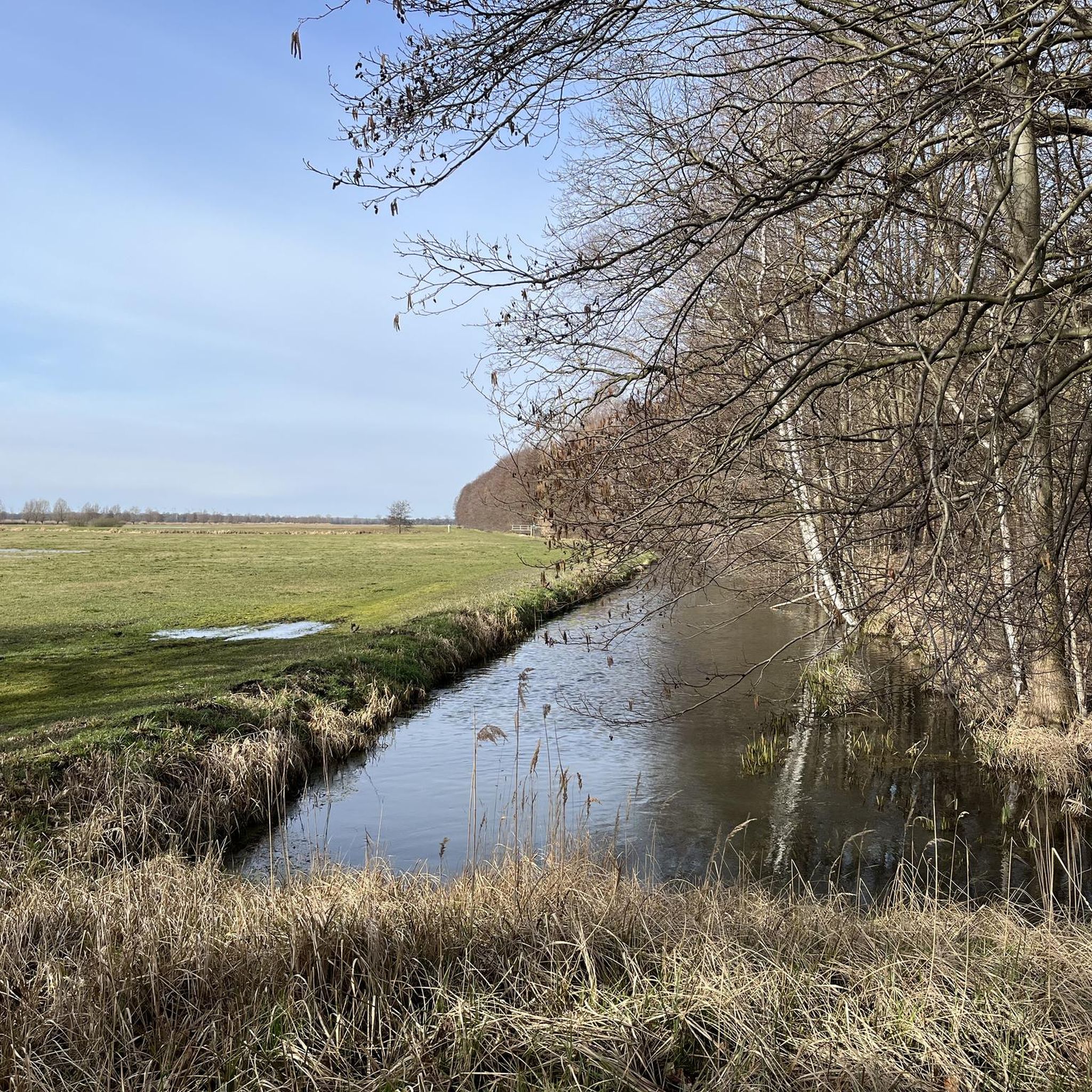
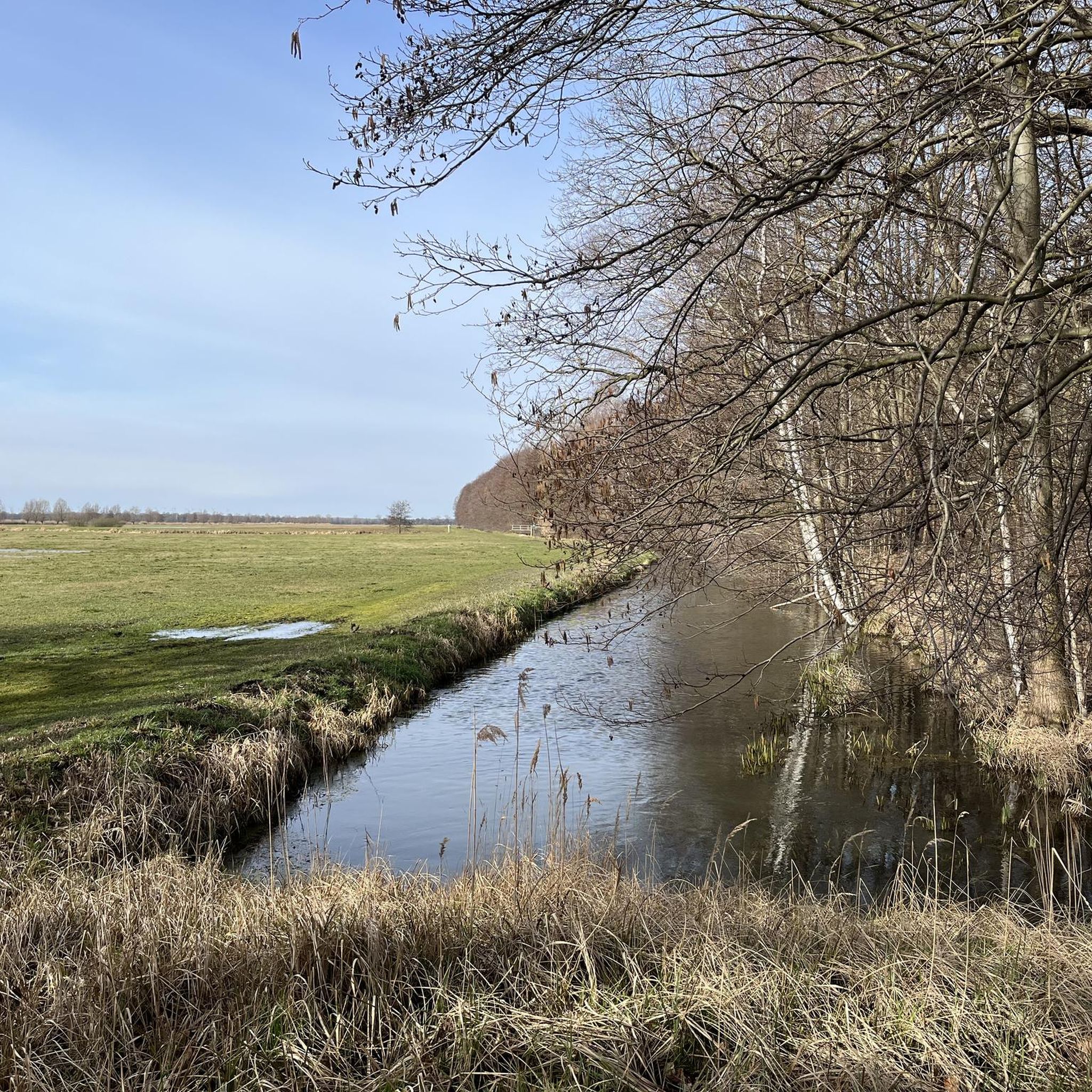
Quiet country road L707 between Paplitz and Horstwalde. Good asphalt
0
0
Frequently Asked Questions
What historical sites can I explore in Schöbendorfer Busch?
Schöbendorfer Busch offers several historical points of interest. You can visit the Historic Horstmühle Monument, a renovated site that once housed a water mill and now provides a pleasant spot for a break. Another significant location is the Schmelze Memorial Shelter (Horstwalde), a refuge with an information board commemorating a former ironworks.
Are there family-friendly attractions in Schöbendorfer Busch?
Yes, several attractions are suitable for families. The Historic Horstmühle Monument and the Schmelze Memorial Shelter (Horstwalde) are both marked as family-friendly. Additionally, the L707 Country Road Through Schöbendorfer Busch offers a quiet, well-paved route perfect for family cycling.
What natural features can I see in Schöbendorfer Busch?
The region is known for its natural landscapes. A highlight is the Ancient Oak Grove Nature Monument, where a 1 km path between Schönefeld and Horstwalde leads through a magnificent oak quarry, ideal for a leisurely stroll and enjoying nature.
What kind of outdoor activities can I do near these attractions?
Schöbendorfer Busch is excellent for various outdoor activities. You can find numerous routes for hiking, including easy and moderate trails. The L707 Country Road Through Schöbendorfer Busch is ideal for cycling, offering a quiet, well-surfaced path. There are also MTB trails available for mountain biking enthusiasts.
Are there easy walking trails in Schöbendorfer Busch?
Yes, the area is suitable for easy walks. The Ancient Oak Grove Nature Monument offers a pleasant 1 km path. For longer, easy hikes, you can explore routes like the "Incline Track, FKVV Horstwalde – Steep Hill Ramp loop from Schöbendorfer Busch," which is approximately 6.3 km long. More options can be found in the hiking guide for the region.
What do visitors enjoy most about Schöbendorfer Busch?
Visitors particularly appreciate the blend of historical sites and tranquil natural settings. The lovingly renovated Historic Horstmühle Monument is a popular spot for a break, and the magnificent oak quarry at the Ancient Oak Grove Nature Monument is praised for its beauty and peaceful atmosphere.
Can I go cycling in Schöbendorfer Busch?
Absolutely. The L707 Country Road Through Schöbendorfer Busch is a quiet country road between Paplitz and Horstwalde with a very good asphalt surface, making it ideal for cycling. You can find more cycling routes in the cycling guide for the area.
Are there any places to rest or take a break along the trails?
Yes, the Historic Horstmühle Monument has seating and is an ideal spot for a break. The Schmelze Memorial Shelter (Horstwalde) also serves as a refuge, offering a place to rest and learn about the site's history.
What is the best time to visit Schöbendorfer Busch for walks?
While specific seasonal tips are not available, the natural beauty of the Ancient Oak Grove Nature Monument suggests that autumn would be particularly scenic with changing foliage. Spring and summer also offer pleasant conditions for exploring the trails and historical sites.
Are there any hidden gems or lesser-known spots to discover?
Beyond the main highlights, the historical significance of places like the Bombachhaus, a former forest workers' house now used by an architectural office, offers a glimpse into the region's past. Exploring the various paths within the Schöbendorfer Busch nature reserve can also lead to tranquil, less-trafficked areas.
Can I find circular walking routes in Schöbendorfer Busch?
Yes, there are circular routes available for walkers. For instance, the "Sonnenhof – Historic Horstmühle Monument loop from Schöbendorfer Busch" is a moderate 12.3 km circular hike. You can discover more options in the hiking guide.
What is the L707 Country Road and why is it notable?
The L707 Country Road Through Schöbendorfer Busch is a quiet, well-maintained asphalt road located between Paplitz and Horstwalde. It's notable for its excellent surface, making it a popular choice for cyclists looking for a smooth and peaceful ride through the area.
Most popular routes in Schöbendorfer Busch

Get inspired with the komoot mobile app


Explore more
Still not found the Highlight you’re looking for? See guides of the top attractions in other regions:
