Attractions and Places To See in Glashütte - Top 18
Best attractions and places to see in Glashütte, a town located in the Eastern Ore Mountains of Saxony, Germany, is recognized for its watchmaking industry. The area features a blend of industrial heritage, cultural sites, and scenic natural landscapes. Visitors can explore historical sites, museums, and various outdoor trails. Glashütte offers diverse points of interest for those seeking both historical insights and natural exploration.
Best attractions and places to see in Glashütte
- The most popular attractions is Glashütte Museum Village, a historical site that showcases the work of Reinhold Burger, the inventor of the thermos bottle. This monument ensemble provides insight into the region's glassmaking history.
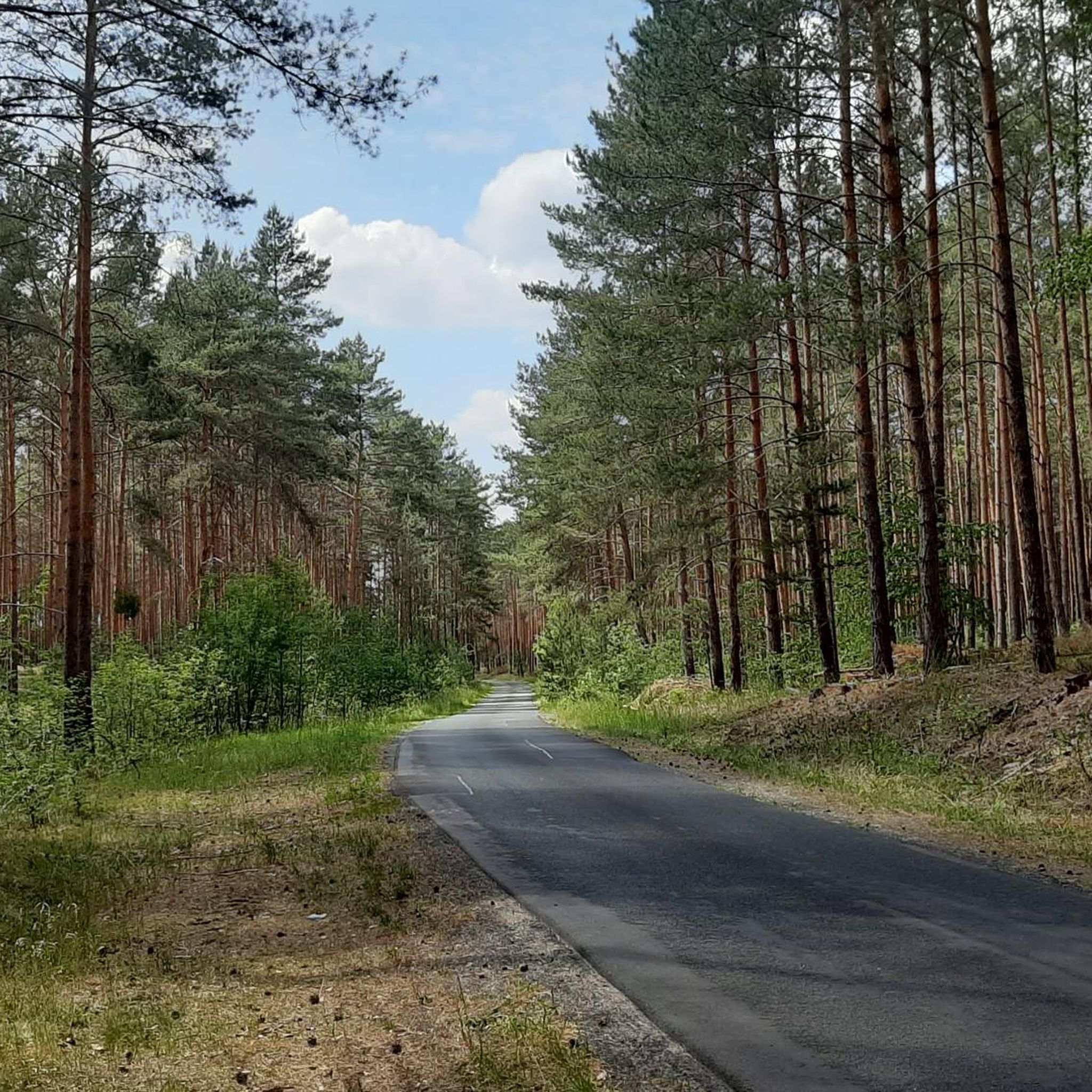
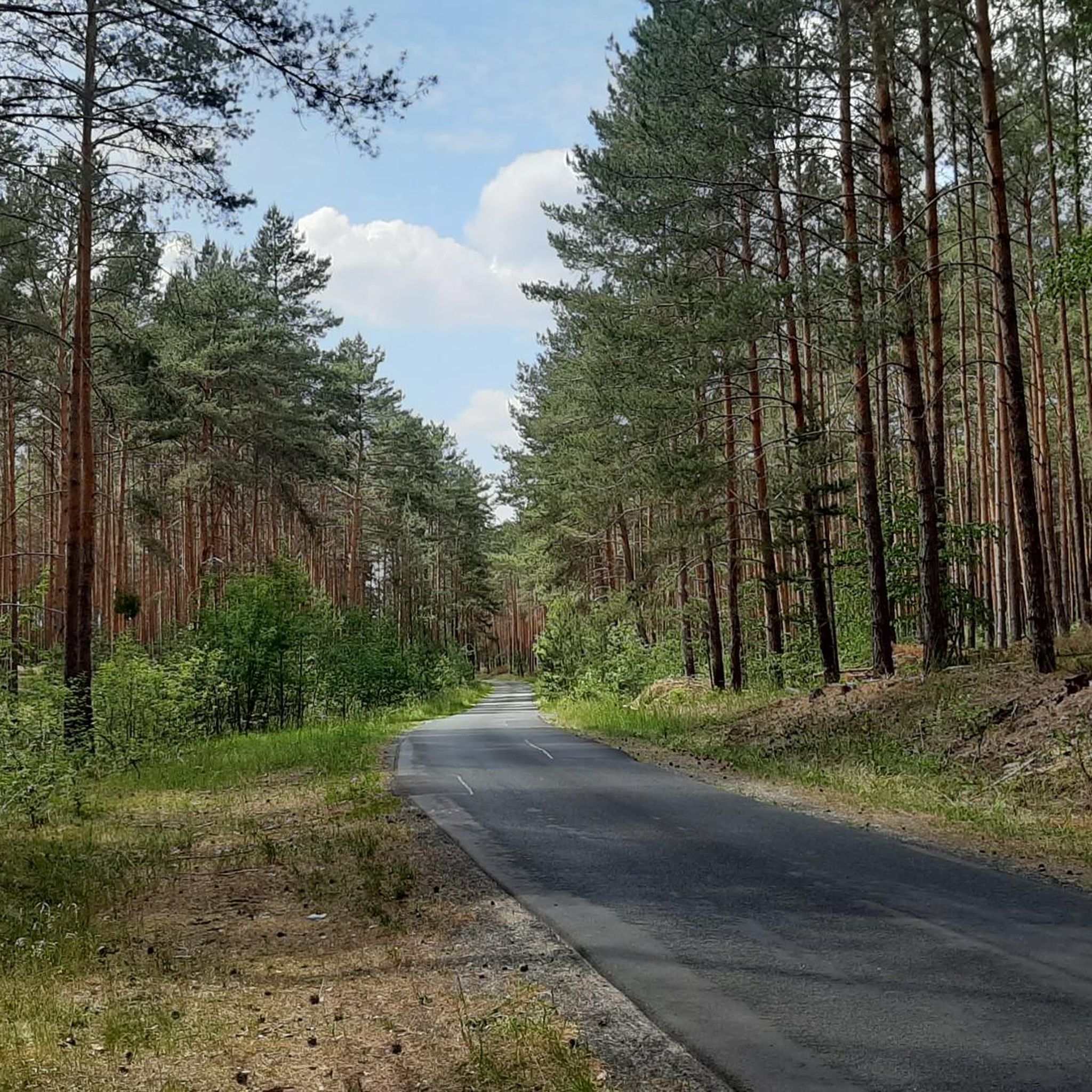
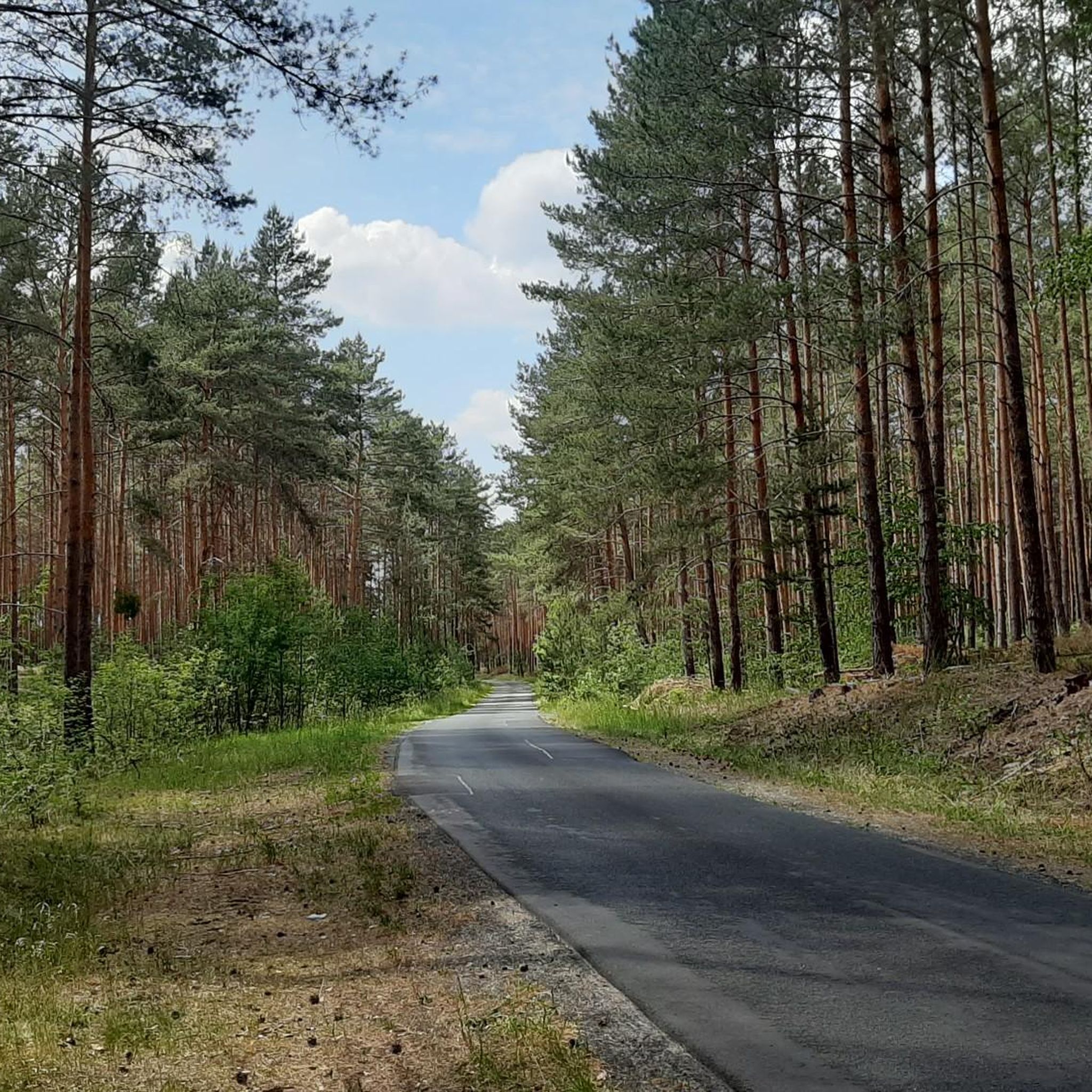
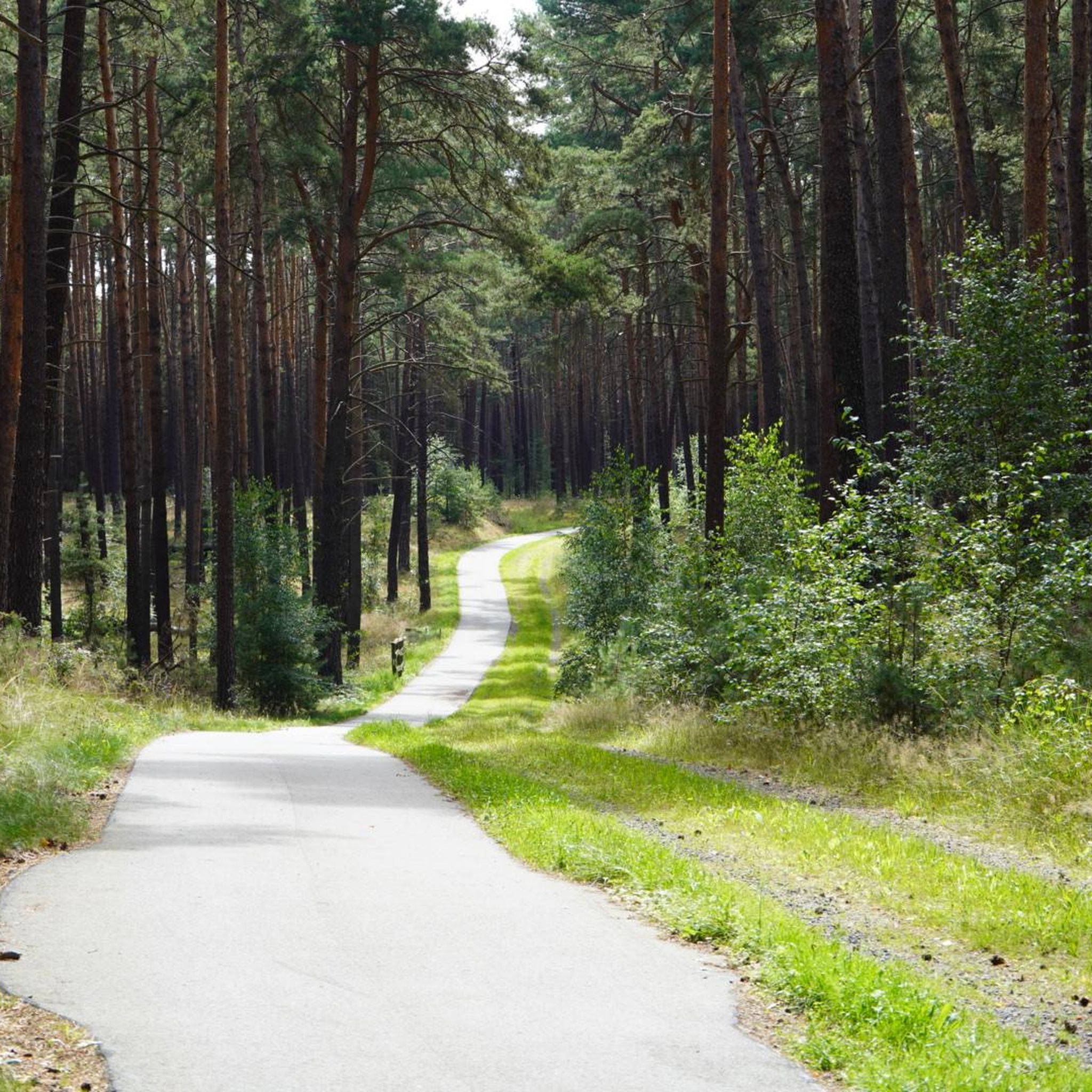
- Another must-see spot is Gurkenradweg Forest Section Near Glashütte, a cycle way that runs through a forest. This section offers shade in summer and is part of larger cycling routes, providing a well-developed path for cyclists.
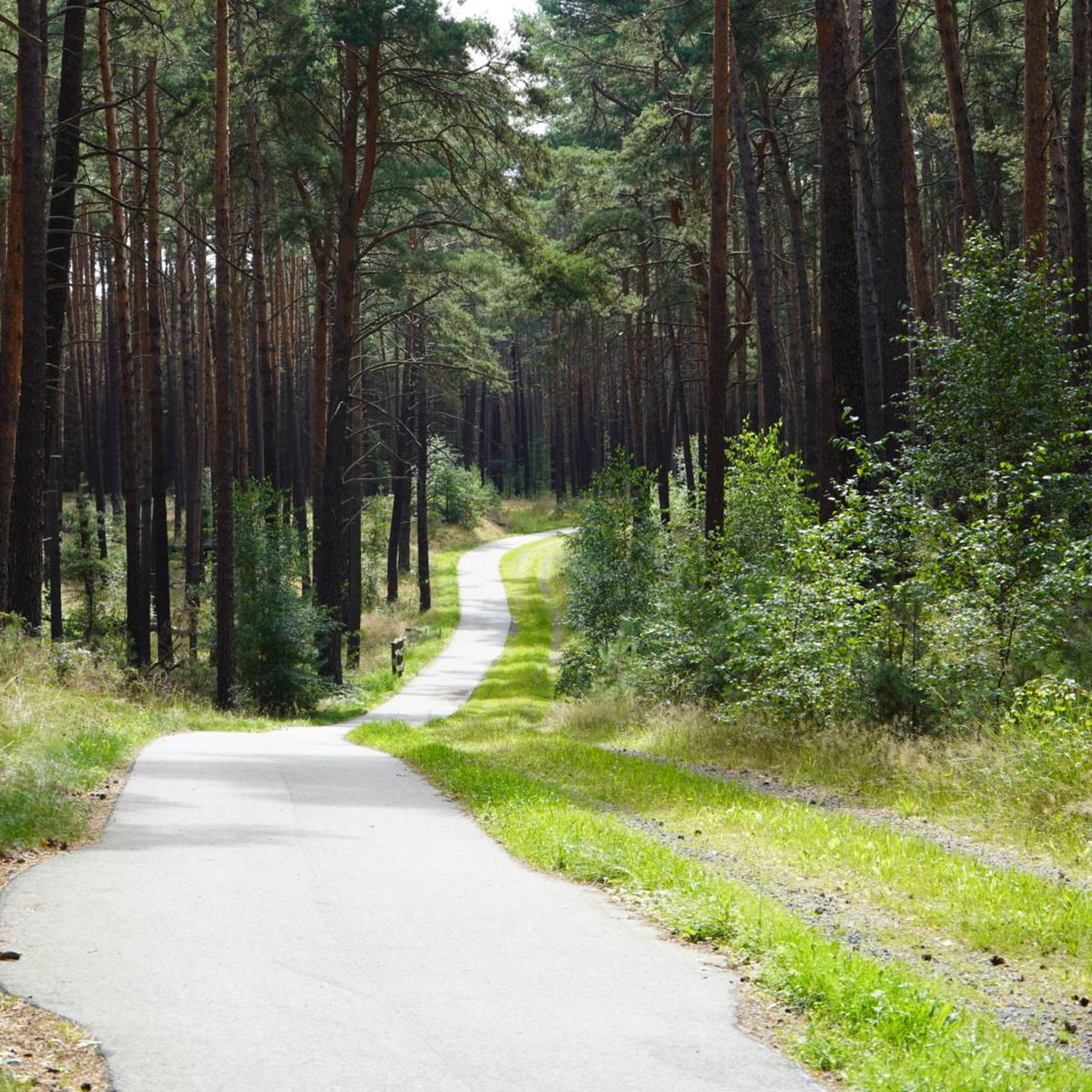
- Visitors also love Forest trail from Glashütte to Rietzneuendorf, a trail that leads through the forest. This path offers opportunities for exploring the natural surroundings.
- Glashütte is known for its historical sites, museums, and natural features. The region offers a variety of attractions, from industrial heritage to extensive forest and cycling trails.
- The attractions in Glashütte are appreciated by the komoot community, with more than 300 upvotes and over 100 photos shared by visitors.
Last updated: May 8, 2026
Gurkenradweg Forest Section Near Glashütte
Highlight (Segment) • Cycleway
Translated by Google •
Tip by

Glashütte Museum Village
Highlight • Historical Site
further information e.g. under:
spreewald-info.de/ausflugsziele/museen/museumsdorf-glashuette
Translated by Google •
Tip by

Sign up now to discover places like this
Get recommendations on the best single tracks, peaks, & plenty of other exciting outdoor places.
Sign up for free
Forest trail from Glashütte to Rietzneuendorf
Highlight (Segment) • Trail
Translated by Google •
Tip by

Bosdorf Oak
Highlight • Natural Monument
Translated by Google •
Tip by
Gasthof Reuner
Highlight • Restaurant
Translated by Google •
Tip by
Sign up for free to discover even more attractions in Glashütte.
Sign up for free
Already have an account?
Start today with a free account
Your next adventure awaits.
Login or Signup
Tips from the Community

Here you can ride quickly without interruption
0
0

The Bosdorf oak stands on the edge of the Glashütte museum village directly on the main road. The oak is a registered natural monument of the Teltow-Fläming district. The pedunculate oak is around 400 years old and has a breast height of 6.60 m. The height of the tree is 14.0 m with a crown diameter of approx. 8.0 m (2022). The distinctive trunk is highly recognizable. The oak has been attacked by arson several times. The monumental trunk is completely hollow and has several openings. Traces of fire can be seen in the hollow space. The oak is named after Ernst Bosdorf. He was the gamekeeper of the Prince of Solms-Baruth in Glashütte in the second half of the 19th century. Ernst Bosdorf was buried next to the oak in 1933. At the grave there is an Iron Cross as a memorial stone from Prince Friedrich of Solms-Baruth for Ernst Bosdorf. The oak grows very slowly. In the last 100 years the circumference has increased by less than 1.0 m. The age is therefore higher than the circumference suggests. The trunk is secured against falling over by two steel cables. Despite the various damages, the oak turns green again every year. It is still vital. Source: https://www.monumentale-eichen.de/brandenburg/2-kategorie/glash%C3%BCtte/
1
0
The inn was built around 1870 and renovated in 2000. The two-storey, solid plastered building with a gable roof facing the street has a width of seven axes, with the outer axes each projecting forward as a risalit. The right-hand axis is the entrance to the guest room, the left to the staircase. On the upper floor there is a dance hall with a stage and a fireplace room ("Prince's Room"). With its stately appearance and the structured plastered facade, the inn stands out clearly from the residential and commercial buildings of Glashütte and thus illustrates the special function of the building as a princely building, which is also indicated by the replicated blue roof tiles. The inn also had a grocery store, which supplemented the self-sufficient self-sufficiency of the working families. Today the Reuner family runs the inn with beer garden and the "Konsum" opposite. Source: https://www.baruther-glashuette.de/rundgang/nr-18/
0
0

The former cycle path is used a lot by cars and motorcycles and is now quite worn out
2
0

Really nice there. There is a lot to see and experience. Great for kids too. I published a more detailed report on my blog: https://berlinspazierer.de/museumsdorf-glashuette/
0
0

No vehicle traffic today and therefore excellent to drive!
0
0

More information at: www.gasthof-reuner.de
0
0
The museum village Baruther Glashütte is a highlight of industrial culture. The first Siemens regenerative furnace on the continent went into operation here in 1861. And Reinhold Burger comes from Glashütte: the glass instrument maker invented the thermos flask and manufactured the first X-ray tube in Berlin. The most important "provincial-metropolitan connection" is probably the manufacture of lighting equipment for the "Berlin City of Light" and other major cities. Glashütte is a listed ensemble of workers' houses and factory buildings. The immaterial cultural heritage of manual glass production is maintained in the stately "New Works". During practical demonstrations by the glassmakers, you can only marvel at this craftsmanship. The exhibition itself presents glasses from many centuries. In addition, there are always worth seeing special exhibitions on cultural history and art exhibitions in the museum and in the Packschuppen gallery. Traders and craftswomen look forward to your visit in the listed workers' houses. There is a hearty glassmaker's buffet in the restaurant or in the beer garden. And all over the place: coffee, cocoa, cake, chocolate and wine - what more do you need. You cycle along the Fläming-Skate to Klasdorf, which you can see on the left after leaving the grove behind the fields. www.museumsdorf-glashuette.de Tue-Sun 10am-5pm Accessibility: https://www.barrierefrei-brandenburg.de/suche/dsview/?no_cache=1&tx_tmbbarrierfree_search%5Bpoi%5D=880 The parking lot in the museum village is chargeable. However, you will receive reduced admission to the museum.
1
0
Frequently Asked Questions
What is Glashütte historically known for?
Glashütte is globally renowned as the birthplace of the German watchmaking industry. Beyond horology, the region also has a rich history in glass production, with sites like the Neue Hütte Museum, Baruth Glassworks showcasing this heritage.
Are there museums to visit in Glashütte?
Yes, Glashütte offers several museums. The Deutsches Uhrenmuseum Glashütte provides a comprehensive overview of the town's watchmaking history. You can also explore the Neue Hütte Museum, Baruth Glassworks, which tells the story of glass production, and the Local History Museum Glashütte (Heimatstube) for insights into local traditions.
Can I learn about the watchmaking industry in Glashütte?
Absolutely. The Deutsches Uhrenmuseum Glashütte is a must-visit, featuring over 500 unique timepieces and multimedia exhibitions on 175 years of watchmaking. Glashütte is also home to several high-end watch manufacturers like A. Lange & Söhne and Glashütte Original, though factory tour access may be limited.
What natural attractions can I explore in Glashütte?
The region boasts several natural highlights. You can visit the Kahleberg Summit for panoramic views, explore the picturesque Rabenauer Grund – Valley of the Red Weißeritz with its unique rock formations, or climb the Kohlhaukuppe Summit for views over the Geisingberg. Don't miss the centuries-old Bosdorf Oak, a natural landmark at the entrance of Glashütte.
Are there good hiking opportunities in Glashütte?
Yes, the area around Glashütte is excellent for hiking. You can find numerous forest trails, including the Forest trail from Glashütte to Rietzneuendorf. For more options, explore the various routes listed in our Hiking in Glashütte guide, which includes easy to moderate trails like the Glashütte Museum Village loop.
What cycling routes are available in Glashütte?
Glashütte offers diverse cycling paths. The Gurkenradweg Forest Section Near Glashütte provides a shaded route through the forest. Many other cycling options are available, including routes that are part of the Dahmeradweg and Flaeming-Skate. Discover more in our Cycling in Glashütte guide.
Where can I find scenic views in Glashütte?
For breathtaking vistas, head to the Kahleberg Summit, which offers panoramic views extending to the Dresden Elbe Valley and the Elbe Sandstone Mountains. The Kohlhaukuppe Summit Hut and Observation Tower also provide great views, particularly overlooking the Geisingberg, and the Luisenturm on Geisingberg offers extensive panoramic views from its 18-meter-high platform.
Are there family-friendly attractions in Glashütte?
Glashütte has several attractions suitable for families. The Glashütte Museum Village and the Neue Hütte Museum, Baruth Glassworks offer engaging historical insights. The Bosdorf Oak is a unique natural landmark, and the Rabenauer Grund offers a scenic outdoor experience for all ages.
Are any attractions in Glashütte wheelchair accessible?
Yes, some attractions in Glashütte are designed to be accessible. The Glashütte Museum Village is wheelchair accessible, allowing visitors to explore its historical ensemble. Additionally, the Gurkenradweg Forest Section Near Glashütte is a well-developed cycle path that is also wheelchair accessible.
What do visitors particularly enjoy about Glashütte's attractions?
Visitors appreciate the blend of industrial heritage and natural beauty. The historical sites, like the Glashütte Museum Village, are praised for their well-preserved history. Outdoor enthusiasts enjoy the scenic forest trails and cycling paths, such as the Gurkenradweg Forest Section, for their natural charm and shade in summer.
What is the best time of year to visit Glashütte for outdoor activities?
The spring and summer months are generally ideal for outdoor activities in Glashütte, offering pleasant weather for hiking and cycling. The forest sections, like the Gurkenradweg Forest Section Near Glashütte, provide welcome shade during warmer days. Autumn also offers beautiful scenery with changing foliage.
Can I find mountain biking trails near Glashütte?
Yes, Glashütte offers options for mountain biking enthusiasts. You can find various MTB trails in the surrounding area, with routes suitable for different skill levels. For detailed information and route suggestions, refer to our MTB Trails in Glashütte guide.
Is there a historical village or open-air museum in Glashütte?
Yes, the Glashütte Museum Village is a notable historical site. This monument ensemble is dedicated to the region's glassmaking history and includes a museum showcasing the work of Reinhold Burger, the inventor of the thermos bottle, offering a glimpse into past traditions and craftsmanship.
Most popular routes in Glashütte

Get inspired with the komoot mobile app


Explore more
Still not found the Highlight you’re looking for? See guides of the top attractions in other regions:
