Attractions and Places To See in Mühlenfließ Und Sägebach - Top 6
Best attractions and places to see in Mühlenfließ Und Sägebach include a variety of natural reserves, historical sites, and trails. The region features wetlands, forests, and lakes, offering diverse landscapes for exploration. Visitors can discover natural monuments, man-made structures, and designated nature trails. Mühlenfließ Und Sägebach provides opportunities to experience both ecological diversity and local history.
Best attractions and places to see in Mühlenfließ Und Sägebach
- The most popular attractions is Briesensee and Klingeberg Nature Reserve, a natural monument…
Last updated: May 8, 2026
Briesensee and Klingeberg Nature Reserve
Highlight (Segment) • Natural Monument
Translated by Google •
Tip by

Hohe Mühle at Lake Tornow
Highlight • Structure
Still very nice to look at
Translated by Google •
Tip by

Sign up now to discover places like this
Get recommendations on the best single tracks, peaks, & plenty of other exciting outdoor places.
Sign up for free
Mittelmühle
Highlight • Structure
From here you can also get to the High Mill on Lake Tornow
Translated by Google •
Tip by
Neuendorf Cemetery Chapel
Highlight • Religious Site
The municipal cemeteries of the small Brandenburg town of Teupitz are still divided according to the localities that have been incorporated since 1974. Almost all the institutions that …
Translated by Google •
Tip by

Hohe Mühle Nature Trail
Highlight • Trail
Translated by Google •
Tip by
Sign up for free to discover even more attractions in Mühlenfließ Und Sägebach.
Sign up for free
Already have an account?
Start today with a free account
Your next adventure awaits.
Login or Signup
Tips from the Community


Very nice, the paths are easy to walk on
0
0

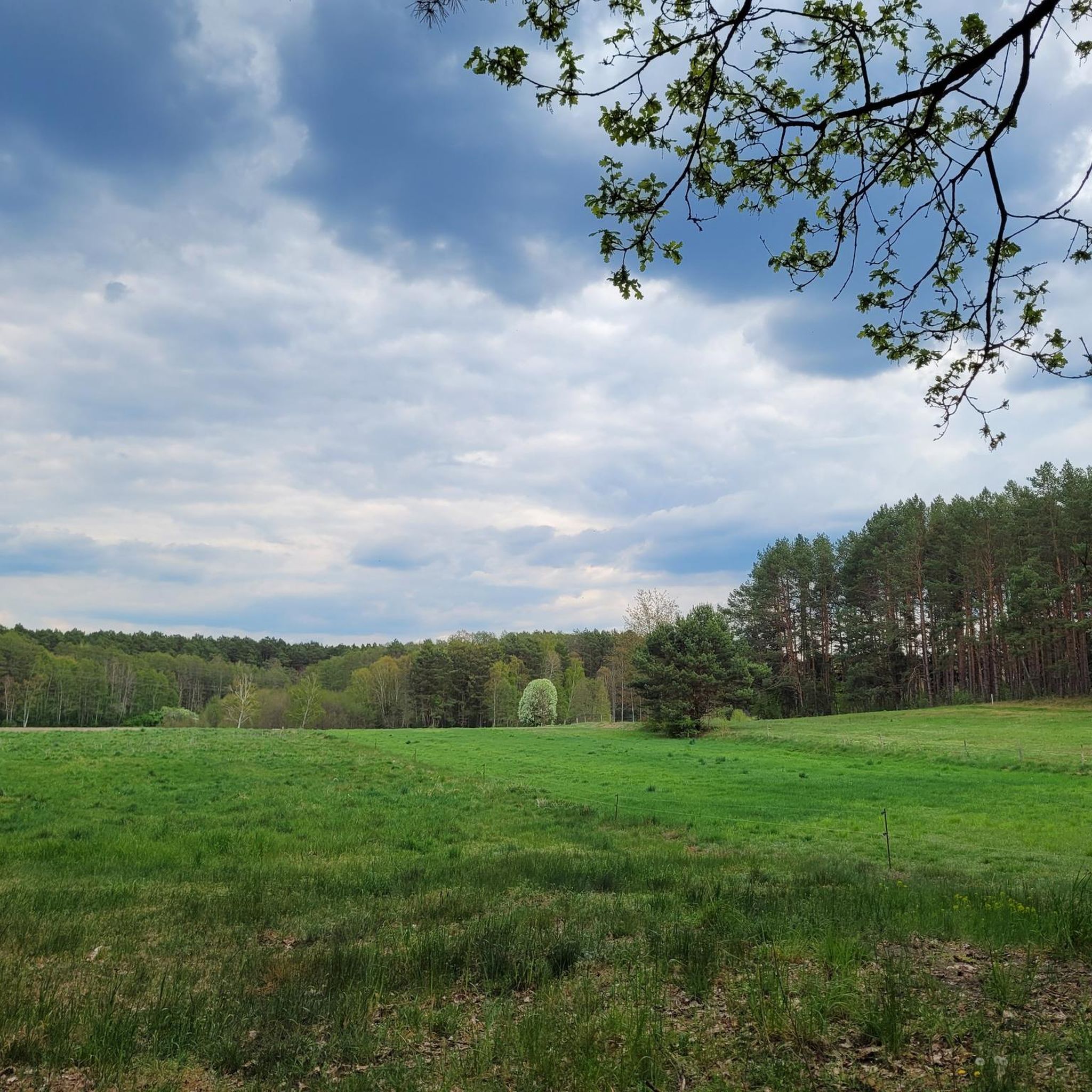
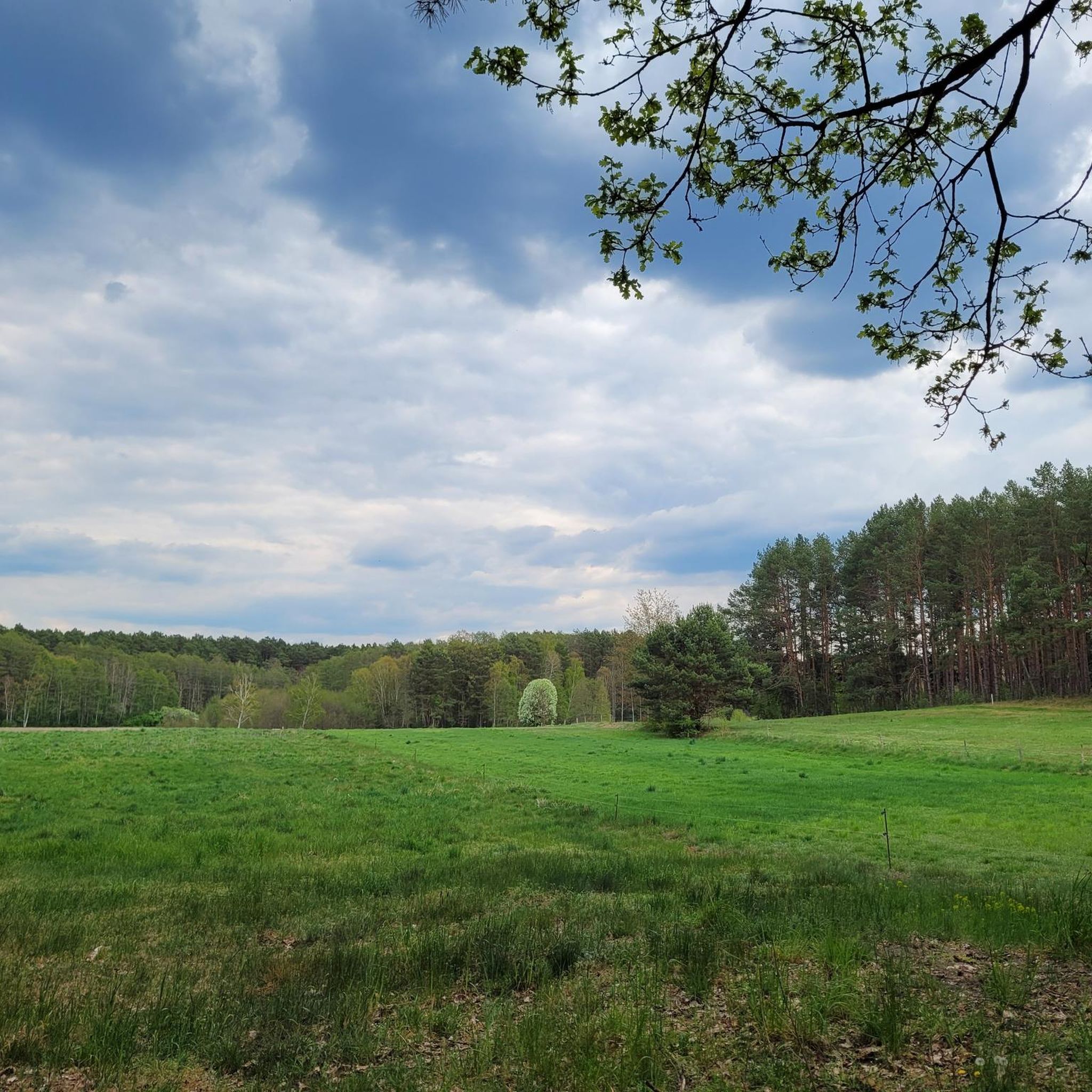
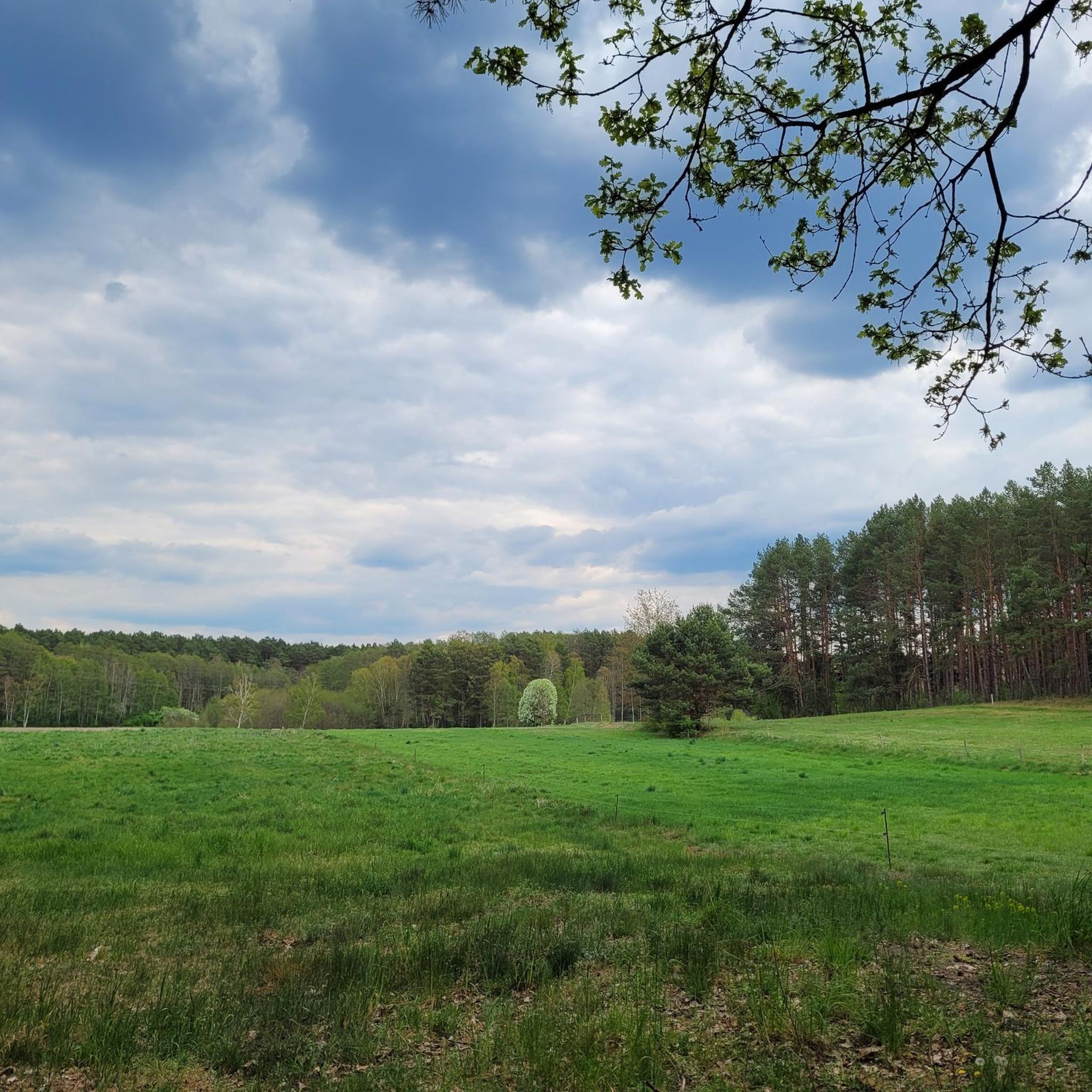
Now the meadow by the lake was full of spring flowers. splendid
0
0

Neudorf Cemetery The municipal cemeteries of the small Brandenburg town of Teupitz are still divided according to the localities that have been incorporated since 1974. Almost all the institutions that made up the historically grown independence of the places have disappeared, but their cemeteries have been preserved. It seems as if the cemetery culture is defending itself against the fast-moving communal structures and defending the identity of the localities. If they wish, the people of Tornow are still buried on the Tornower, the people of Neuendorf on the Neuendorfer, the people of Egsdorf on the Egsdorfer and the people of Teupitz on the Teupitzer Friedhof. There are currently no plans in the city to change anything. The efforts apply to the historically responsible restoration of the cemetery chapel on Buchholzer Straße in Teupitz, as well as the chapels in the other three parts of the city and the fences of the facilities. Source https://www.teupitz.de/teupitz-am-see/stadtgeschichte/friedhoefe-und-friedhofskultur.php
3
0
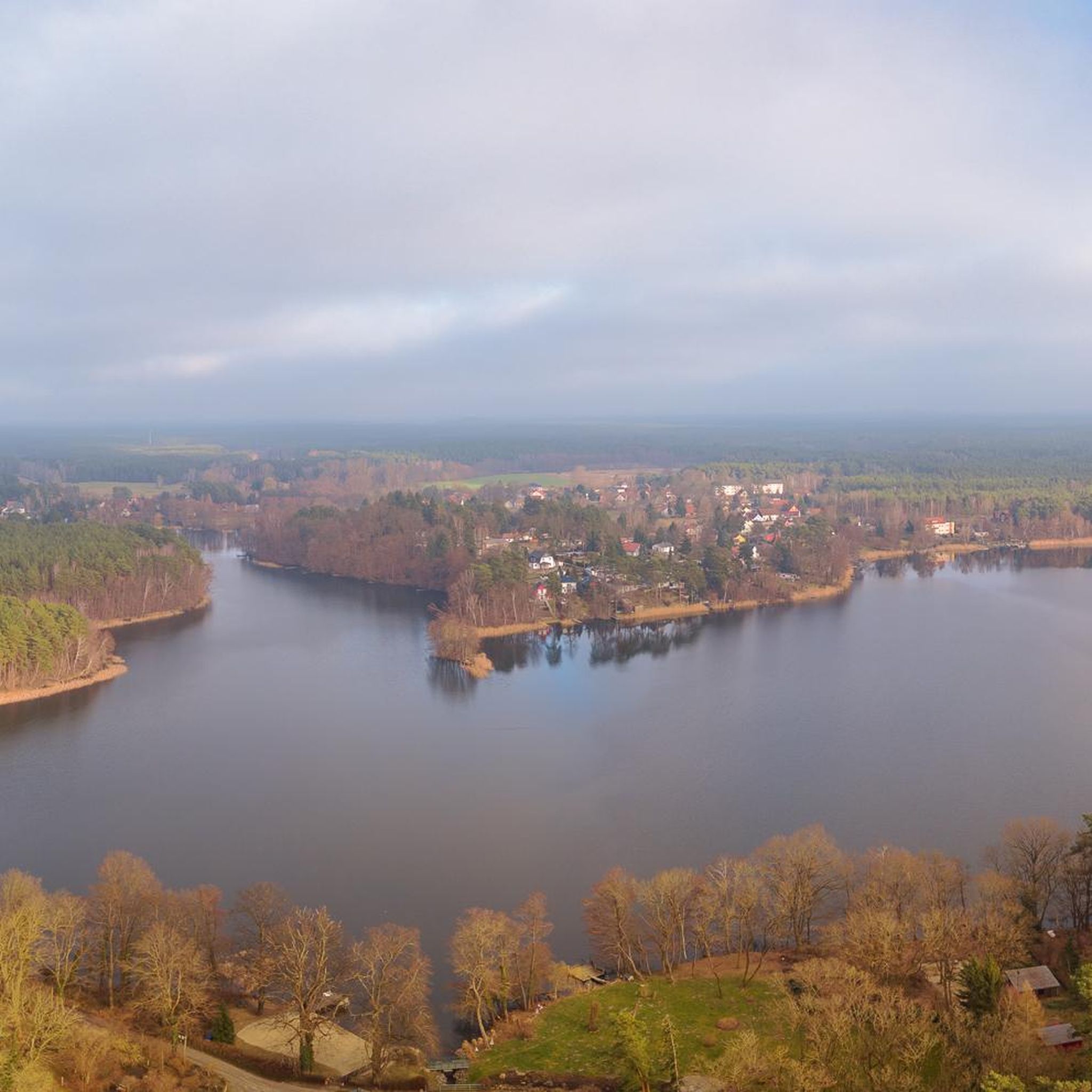
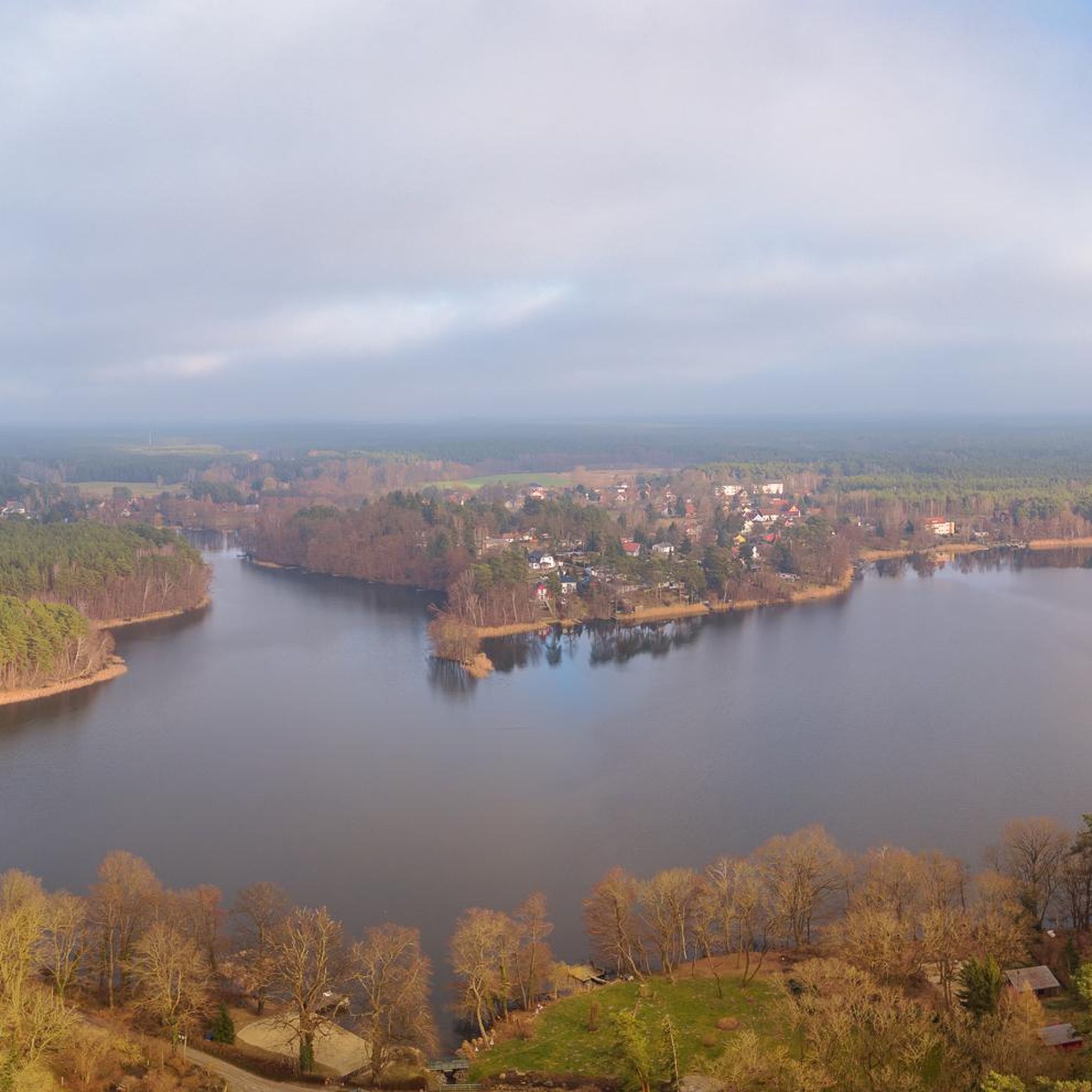
The approx. 80-hectare nature reserve "Briesensee and Klingeberg" is located about 3 km south-west of Teupitz, on the south and south-west shores of Lake Tornow. These are the Briesensee, the southern and southwestern shores of the Tornower See, and the moraine slopes bordering on the lakes within the Zossen-Teupitzer Hügellan landscape unit. Characteristic of the NSG area are the two lakes, a largely natural flow (Briesenseegraben) and several spring areas, of which the "Klingespring", which is protected as a natural monument, is designed as a prominent hillside spring. The water quality of the Briesensee has apparently been in poor condition for a long time, which has an impact on the water quality of the Briesenseegraben. The relief-rich slopes at Tornowsee are partially planted with autochthonous old pine populations. Numerous wintergreen and club moss species were found on the slopes. Due to changes in use, such as the lack of farm forest and litter use, these occurrences have declined sharply in recent decades and are currently concentrated almost exclusively in the area of a few small clay pits. There is a small agricultural area in the area. This wet meadow is part of the contractual nature protection program. The sanctuary is a popular destination for nature walks. Signposted hiking trails and a nature trail lead through the area. On the hiking trail, with a view of the Briesensee, there is a memorial stone for the botanist and local historian Adolf Straus. There are bathing spots at Lake Tornow. Campgrounds that used to be here were completely dismantled after 1990. Source https://www.dahme-heideseen-naturpark.de/themen/natura-2000/briesensee-und-klingeberge/
2
0
The nature trail leads through the nature reserve "Briesensee and Klingeberge" around Lake Tornow. Plants, biotopes, geological features, the forest and its management, and Lake Tornow are explained at 33 stations. It leads along the slopes south of Lake Tornow. Evergreen polypody and wood sorrel grow here. Crystal-clear water gushes from the Klingespring spring. At the "Hohe Mühle" there are two ancient linden trees. Like the Klingespring, they are designated as natural monuments. Source https://www.dahme-heideseen-naturpark.de/themen/routen-touren/naturlehrpfad-tornower-see/
0
0
The "Hohe Mühle", a milling and cutting mill that has been valued since the Middle Ages, received the concession to run a pub in 1904. This developed into a popular excursion and dance restaurant up until the time of World War II The property was initially used as a company holiday home for the Reichsbahn and from 1977 to 1990 by the Academy of Sciences of the GDR. After reunification, a businessman acquired the property for private use; his application to set up a sawmill for demonstration purposes was initially rejected. After the incorporation, many of the common facilities in the village disappeared, but the fishing club and the local fire brigade still play an important role in local life. The traditions of the rose tree festival are preserved and maintained in Tornow. Source https://www.teupitz.de/teupitz-am-see/stadtteile-von-teupitz/tornow.php
0
0
The Mittelmühle, located southwest of Teupitz, was first documented in the letter of enfeoffment from the Schenken von Landsberg dated July 22, 1546. The water that set the mill wheel in motion, and still does today, comes from many small springs that rise in the Mühlenfließ-Sägebach nature reserve near Neuendorf. The Mittelmühle was a free municipality under the rule of the Schenken von Landsberg and was incorporated into the Neuendorf municipal district in 1875. The eventful history of this mill can no longer be traced today. What is certain, however, is that the mill wheel was no longer needed after it was expropriated by the GDR. The new "masters" now used electrical energy. The Mittelmühle became a company of the Schwietzke family in 1880. After the collapse in 1945, Karl Schwietzke got the mill going again. His father was shot in his house in the last days of the war. After the GDR began its fight against the middle class in 1952, Karl Schwietzke and his wife were sentenced to prison in 1953 on the basis of flimsy evidence. After their release, the mill was expropriated and the Schwietzkes fled to western Germany. On June 18, 1991, he got the business back and modernized the sawmill. Source http://www.wirtshaus-mittelmühle.de/geschichte.html
1
0
Frequently Asked Questions
What kind of natural attractions can I explore in Mühlenfließ Und Sägebach?
Mühlenfließ Und Sägebach is rich in natural beauty, featuring wetlands, forests, and lakes. You can explore areas like the Briesensee and Klingeberg Nature Reserve, known for its natural wetlands and rare spotted ferns. Another significant natural area is the Mühlenfließ-Sägebach Nature Reserve, which spans 163 hectares and extends from Teupitzer See south to Tornower See.
Are there good hiking opportunities in Mühlenfließ Und Sägebach?
Yes, Mühlenfließ Und Sägebach offers excellent hiking opportunities. The Hohe Mühle Nature Trail is a popular choice, leading through the Briesensee and Klingeberge nature reserve around Lake Tornow, with 33 stations explaining local flora and geology. For more hiking routes, you can explore the dedicated guide for Hiking in Mühlenfließ Und Sägebach, which includes trails like the 'Lake Tornow – Lake Tornow loop from Teupitz'.
Are there any circular walks or trails in the area?
Yes, the region offers several circular walks. The Hohe Mühle Nature Trail is a notable circular path around Lake Tornow. Additionally, the Hiking in Mühlenfließ Und Sägebach guide lists routes such as the 'Lake Tornow – Lake Tornow loop from Teupitz' and the 'Hohe Mühle at Lake Tornow – Hohe Mühle Nature Trail loop from Teupitz'.
What wildlife might I encounter in Mühlenfließ Und Sägebach?
The natural reserves in Mühlenfließ Und Sägebach are home to diverse flora and fauna. The Briesensee and Klingeberg Nature Reserve, with its wetlands, is known for rare spotted ferns and other protected plants. While specific animal sightings aren't guaranteed, the extensive forests and lakes provide habitats for various bird species, small mammals, and amphibians typical of Brandenburg's natural landscapes.
Are there family-friendly activities or trails in Mühlenfließ Und Sägebach?
Absolutely. Many attractions in Mühlenfließ Und Sägebach are family-friendly. The Briesensee and Klingeberg Nature Reserve and the Mühlenfließ-Sägebach Nature Reserve are suitable for family outings. The Hohe Mühle Nature Trail, with its 33 explanatory stations, is particularly engaging for families, offering an educational and scenic walk around Lake Tornow.
Are there any historical sites to visit in Mühlenfließ Und Sägebach?
Yes, the region also offers historical insights. The Mittelmühle is a historical site, first mentioned in 1546, which now houses a charming inn. Another historical point of interest is the Neuendorf Cemetery Chapel, which reflects the local cemetery culture and historical divisions of the Teupitz area.
What is the best season to visit Mühlenfließ Und Sägebach?
The best season to visit Mühlenfließ Und Sägebach largely depends on your preferred activities. Spring (April-May) offers blooming nature and pleasant temperatures for hiking. Summer (June-August) is ideal for enjoying the lakes and longer days. Autumn (September-October) provides beautiful fall foliage, perfect for scenic walks. The Mittelmühle inn, for example, has extended opening hours from May to October.
Are there places to eat or rest near the attractions?
Yes, you can find places to eat and rest. The Mittelmühle is a notable inn located in a beautiful setting, offering a place to eat and relax. It's known for its good food and historical ambiance. Always check their current opening hours before planning your visit.
Are the trails in Mühlenfließ Und Sägebach suitable for dogs?
Many natural trails in Mühlenfließ Und Sägebach are generally dog-friendly, especially in the nature reserves and forests. However, it's always recommended to keep dogs on a leash, especially in protected areas like the Briesensee and Klingeberg Nature Reserve, to protect local wildlife and plants. Please be mindful of any specific signage regarding pets.
Are there any wheelchair accessible paths in Mühlenfließ Und Sägebach?
While many trails in Mühlenfließ Und Sägebach are natural paths through forests and wetlands, which may not be fully wheelchair accessible, some sections or specific paths might be more suitable. It's advisable to check local information or contact the nature park administration for details on specific accessible routes, as the Hohe Mühle Nature Trail, for instance, leads along slopes.
Where can I find parking for attractions in Mühlenfließ Und Sägebach?
Parking availability varies by attraction. For popular spots like the Mittelmühle or trailheads for the Hohe Mühle Nature Trail, you can often find designated parking areas nearby. It's recommended to check maps or local signage upon arrival for the most convenient parking options for your chosen destination.
Are there any hidden gems or lesser-known spots in Mühlenfließ Und Sägebach?
Beyond the main nature reserves, exploring the smaller, less-trafficked paths along the Mühlenfließ stream itself can reveal tranquil spots. The source of Klingespring, mentioned near the Briesensee and Klingeberg Nature Reserve, is noted for its crystal-clear water and is considered a natural monument, offering a serene experience away from larger crowds.
What do visitors particularly enjoy about Mühlenfließ Und Sägebach?
Visitors to Mühlenfließ Und Sägebach particularly enjoy the serene natural beauty and the well-maintained trails. The romantic path leading to the Mittelmühle through deep black swamp forest is often highlighted. The educational aspects of the Hohe Mühle Nature Trail, explaining plants and geological features, are also highly appreciated, as are the beautiful spring flowers by Lake Tornow.
Most popular routes in Mühlenfließ Und Sägebach

Get inspired with the komoot mobile app


Explore more
Still not found the Highlight you’re looking for? See guides of the top attractions in other regions:
