Top 10 Castles around Ulmen
Best castles around Ulmen are situated in the Vulkaneifel region, known for its unique geological features like the Ulmener Maar. The area offers a blend of historical sites and natural beauty, making it suitable for exploration. Ulmen Castle, a significant ruin, provides insights into medieval history and overlooks the volcanic crater lake. The surrounding landscape offers opportunities for hiking and experiencing the region's distinct character.
Best castles around Ulmen
- The most popular castles is Winneburg Castle Ruins, a castle…
Last updated: July 1, 2026
Pinnerkreuz Viewpoint
Highlight • Viewpoint
Translated by Google •
Tip by

Winneburg Castle Ruins
Highlight • Castle
Translated by Google •
Tip by

Sign up now to discover places like this
Get recommendations on the best single tracks, peaks, & plenty of other exciting outdoor places.
Sign up for free
Upper Castle of Ulmen
Highlight • Castle
Translated by Google •
Tip by

Romantik Castle Hotel Kurfürstliches Amtshaus Daun
Highlight • Castle
Translated by Google •
Tip by

View of Cochem from the Winneburg ruins
Highlight • Viewpoint
Translated by Google •
Tip by

Sign up for free to discover even more castles around Ulmen.
Sign up for free
Already have an account?
Start today with a free account
Your next adventure awaits.
Login or Signup
Popular around Ulmen
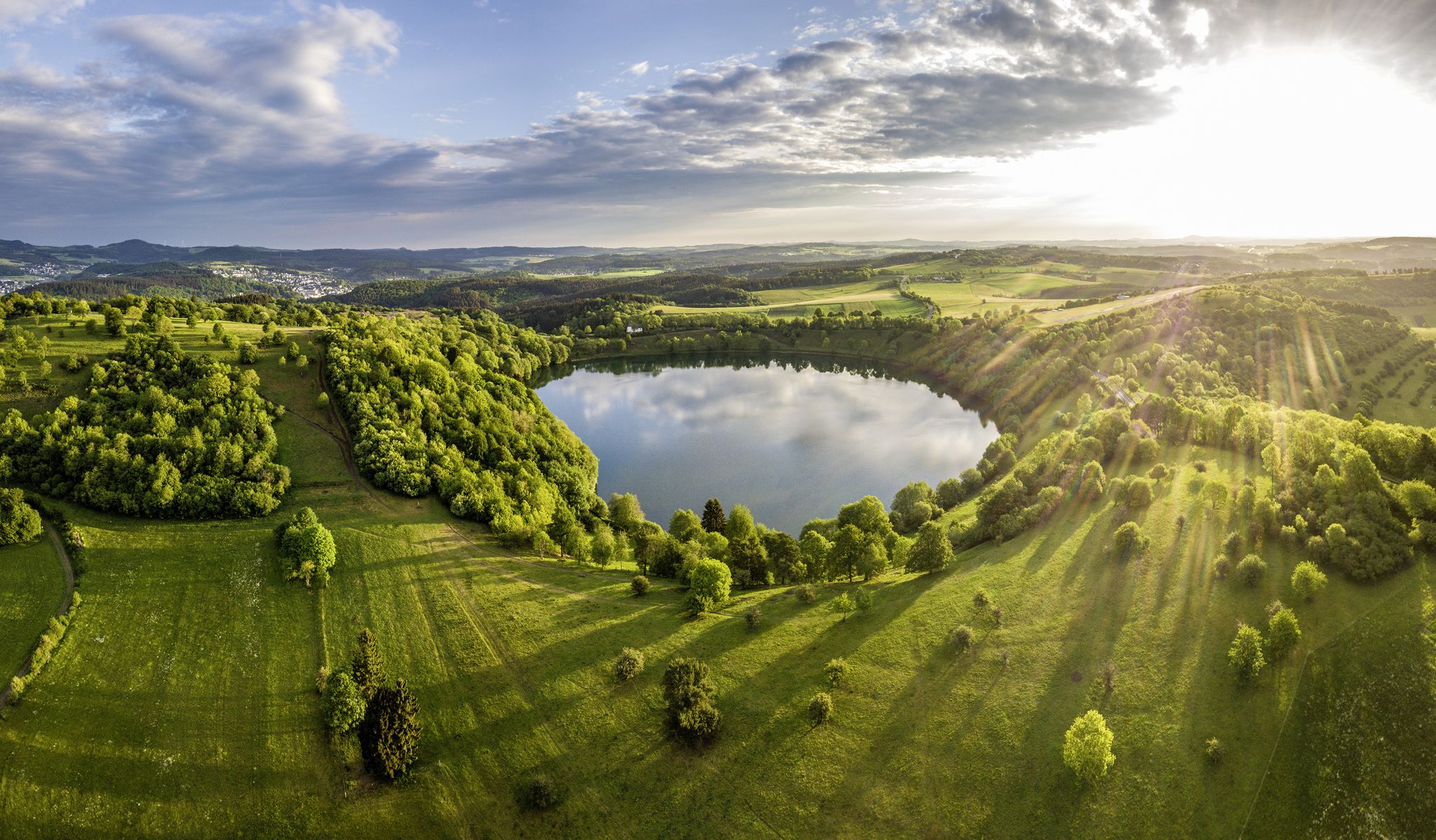
Germany’s Most Beautiful Hiking Trails in the Vulkaneifel
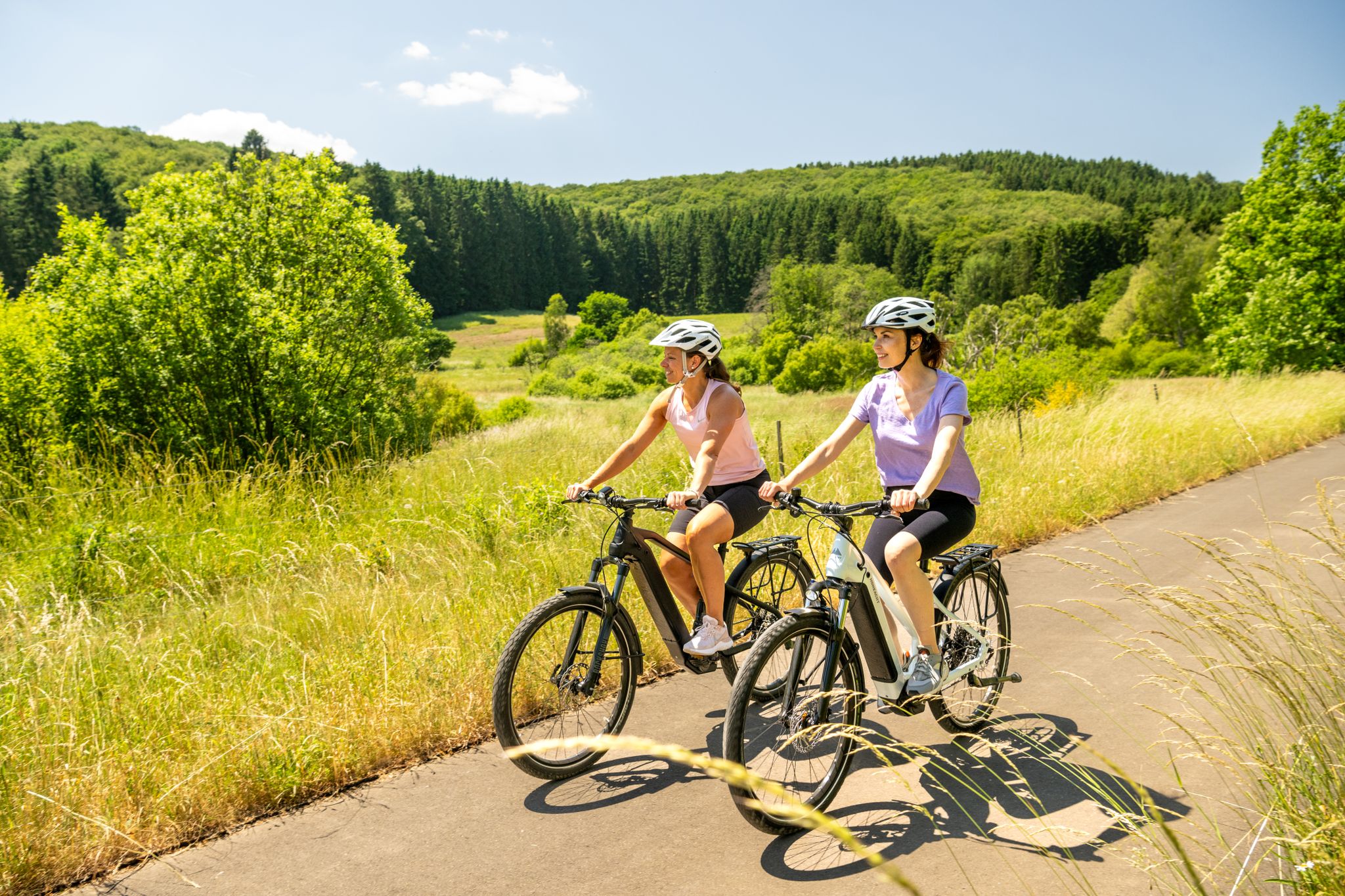
E-biking through the Volcanic Eifel
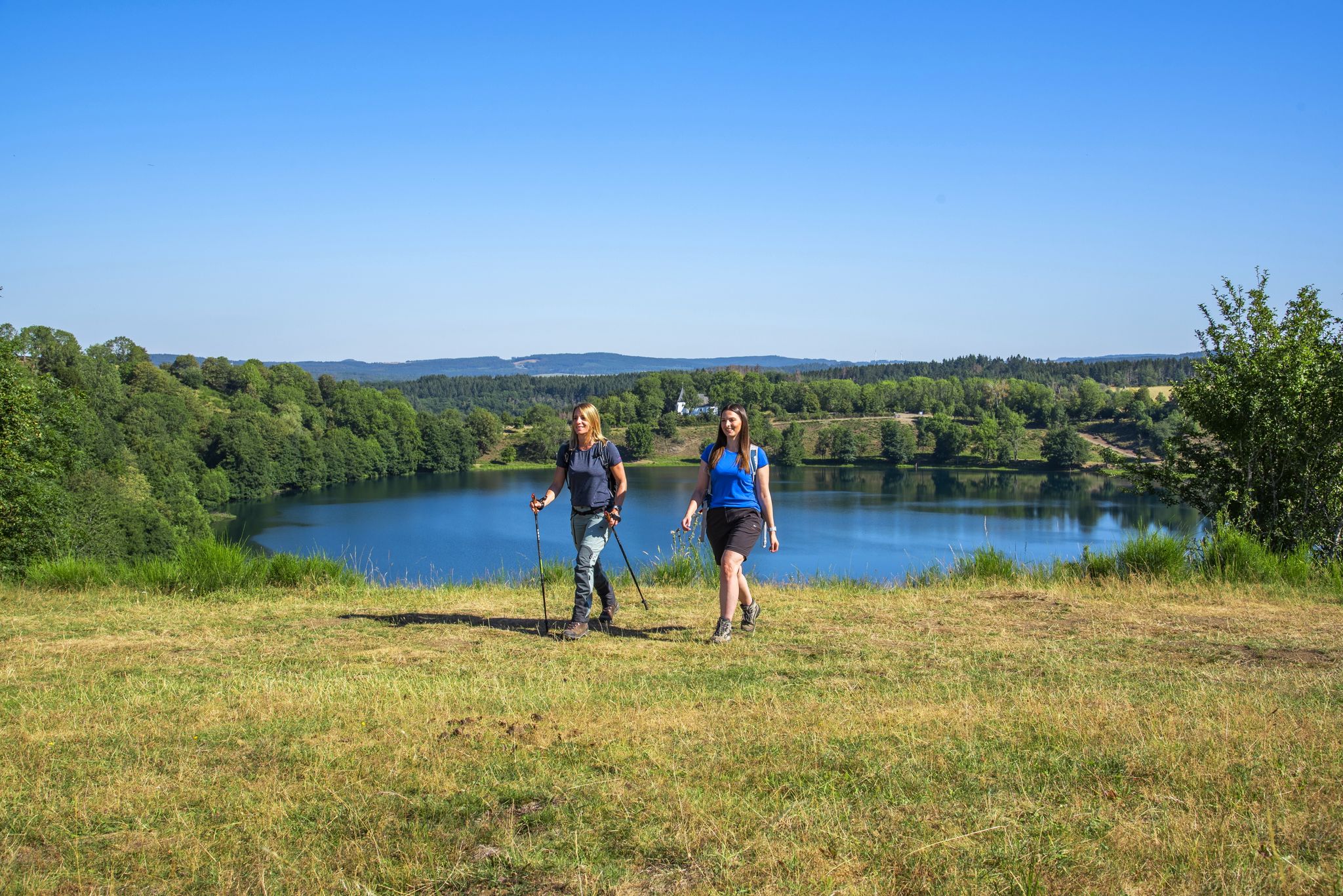
Excellent paths in the Vulkaneifel – Explore the HeimatSpuren
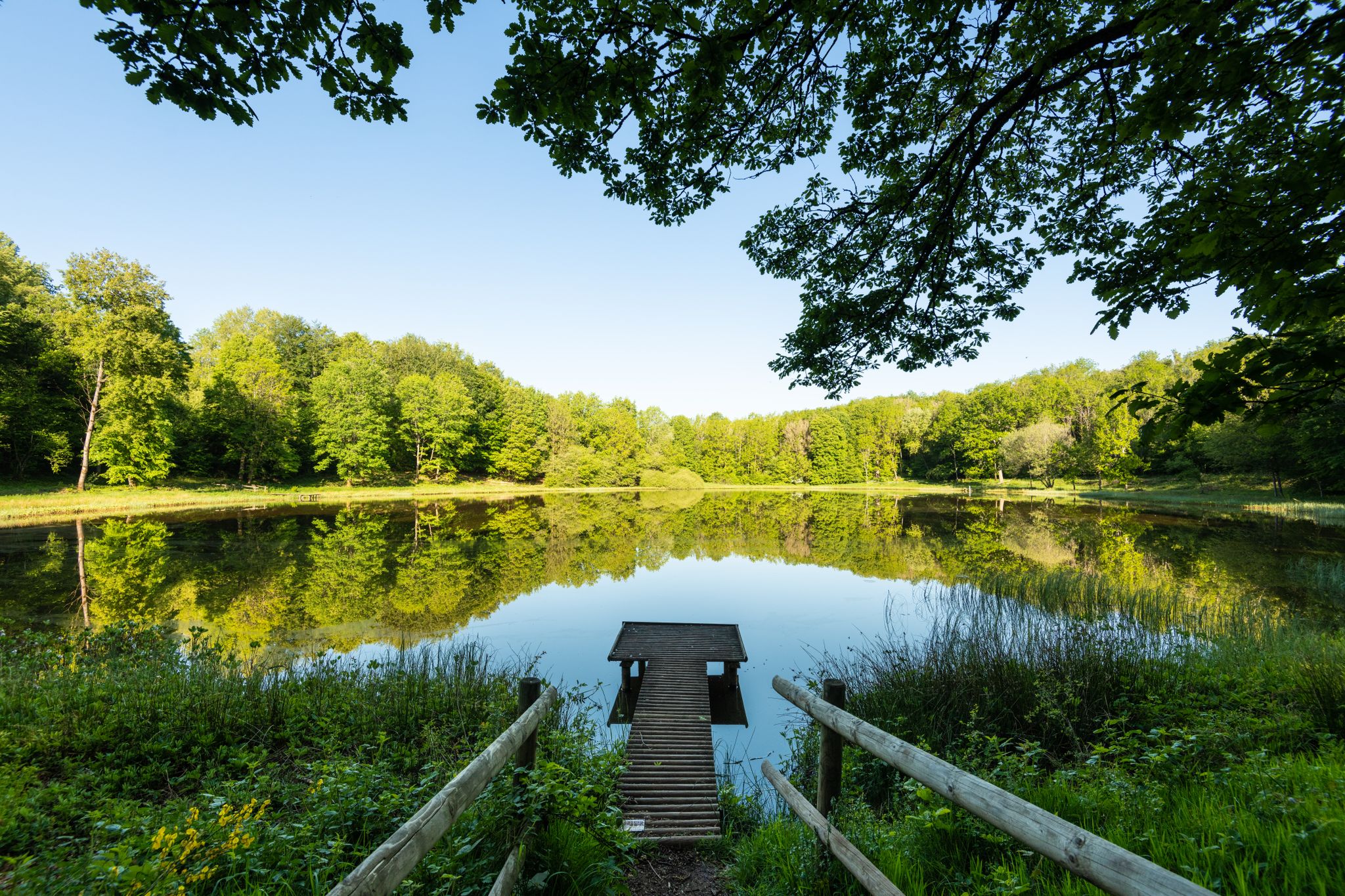
Award-winning hikes – explore the Volcanic Eifel on acclaimed trails
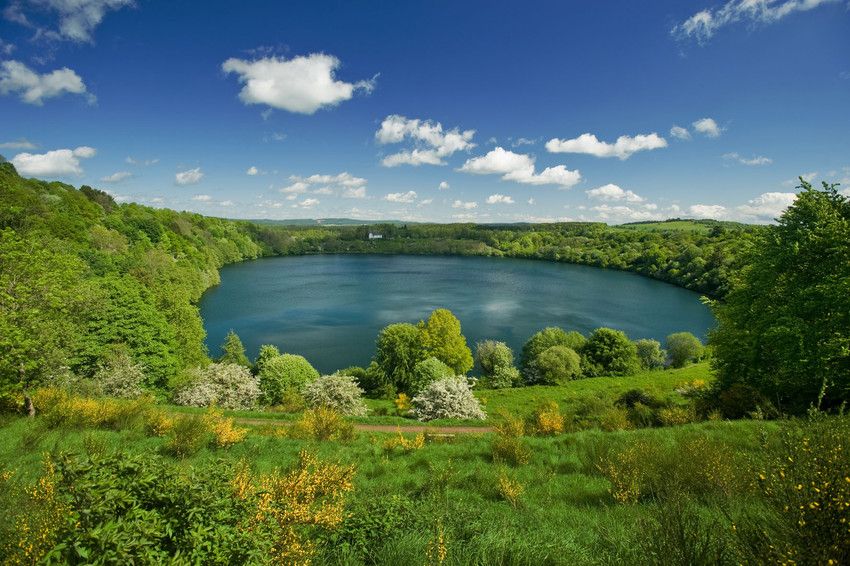
Vulkan Eifel — bike and hike
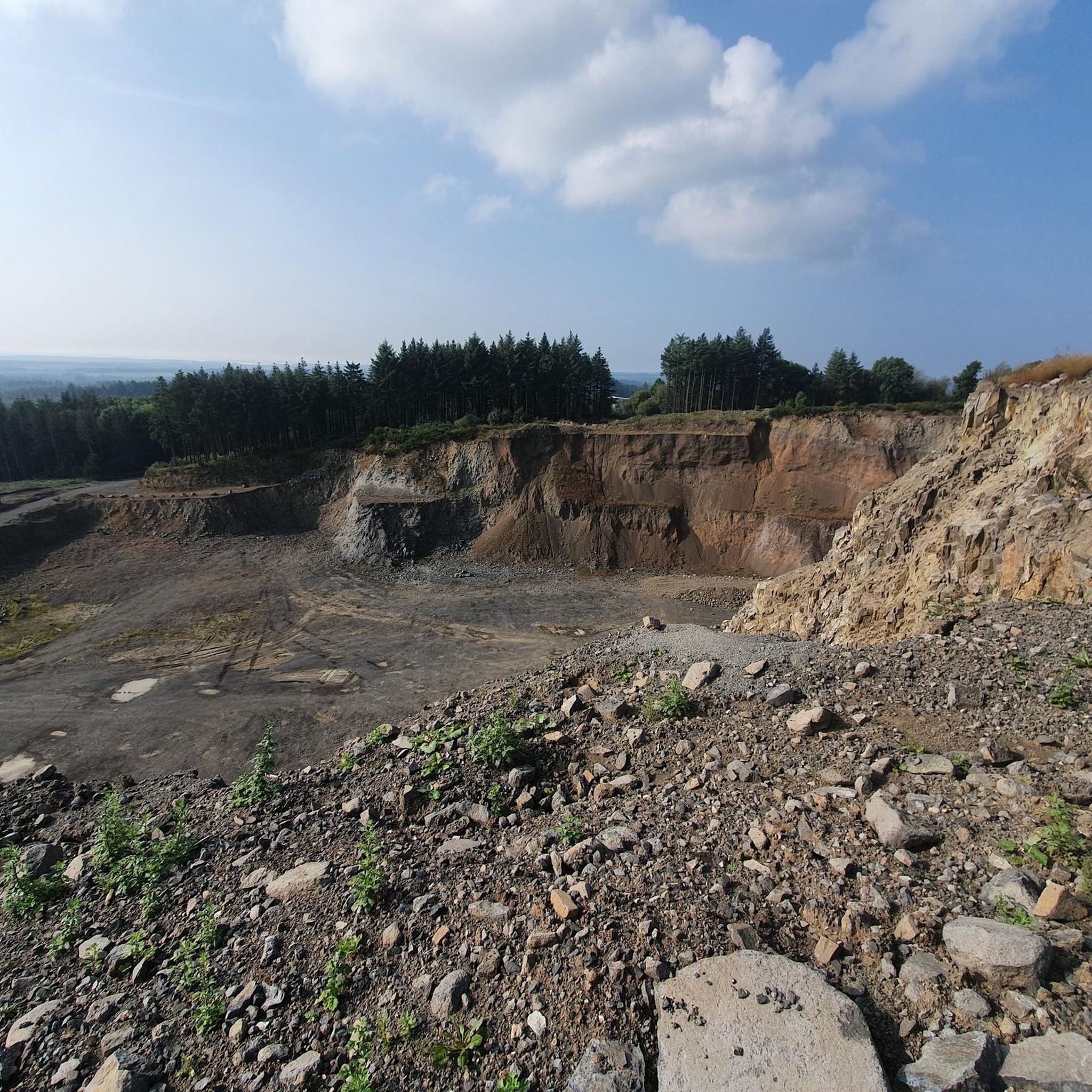
Hiking around Ulmen
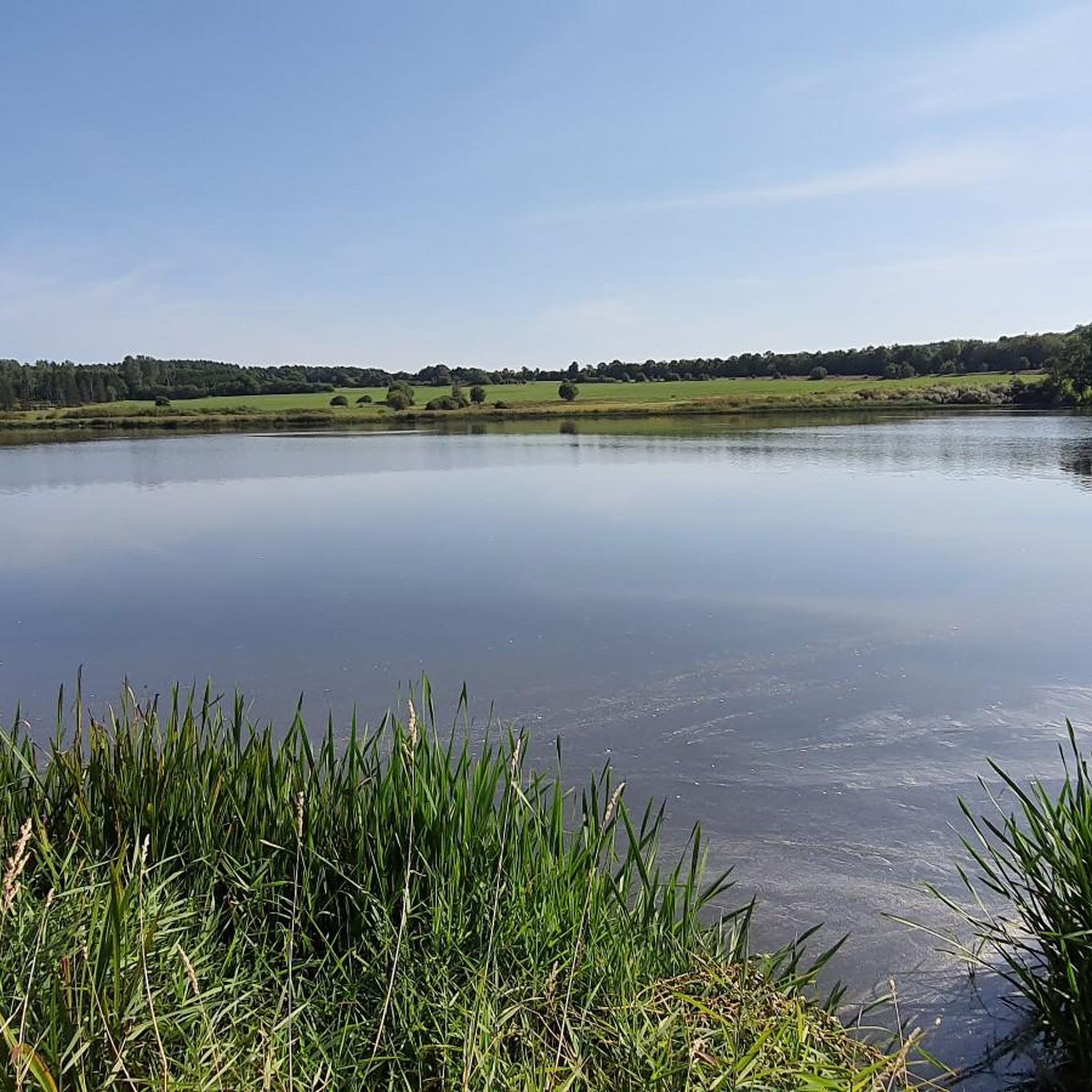
Road Cycling Routes around Ulmen
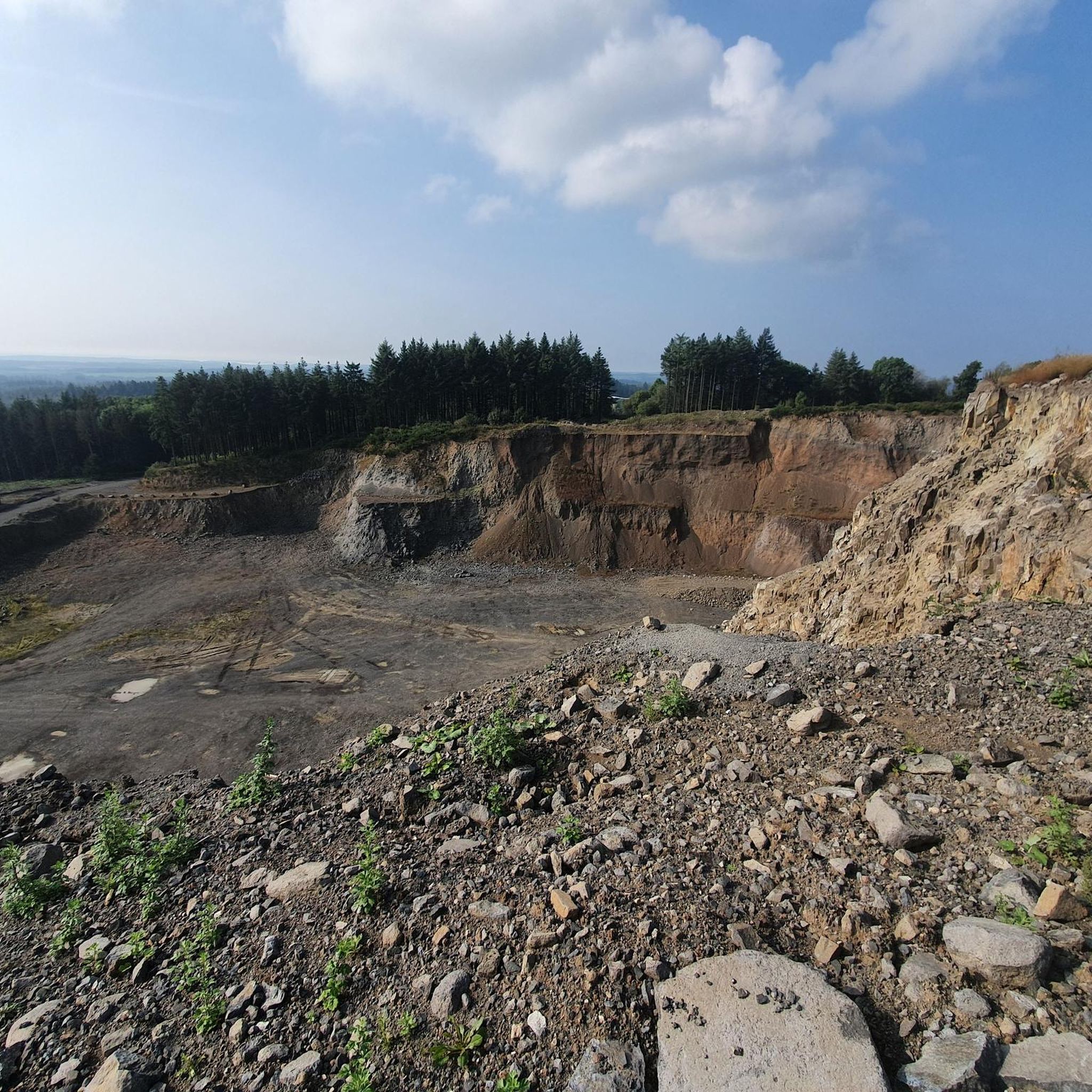
Cycling around Ulmen
MTB Trails around Ulmen
Gravel biking around Ulmen
Other adventures around Ulmen


Tips from the Community

The Electoral Office Building in Daun is a historic building located on the basalt cone of an extinct volcano in the heart of the district town in the Volcanic Eifel region. Today, it is used as the Electoral Office Building Dauner Burg, a castle-hotel located at Burgfriedstraße 28. The site has a long history, dating back to 700 BC as a Celtic refuge and around 50 BC as a fortified Roman lookout. The actual Daun Castle, the ancestral seat of the Lords of Daun, was built towards the end of the 9th century. After the Thirty Years' War, the castle was destroyed in 1689 by troops of the French King Louis XIV. The current Office Building was built in 1712 by Charles Joseph, Elector of Trier and Duke of Lorraine, as a hunting lodge and official residence, after parts of the castle had been restored. This official residence housed the Electorate of Trier's bailiffs and official waiters, who administered the large Daun district as administrative officials of the Elector of Trier. The building complex also included the tithe barn, built in 1740, which served to store the delivered goods. After the end of the Electorate of Trier during the French Revolution in 1793 and the French occupation (1794–1815), the castle became Prussian state property. During this period, the official residence house was used, among other things, as the Royal Forestry Office and, for a time, even housed a prayer room for the Protestant congregation. The state of Rhineland-Palatinate assumed sovereignty in 1948, until the city of Daun became owner of the castle in 1957. In 1978, the official residence house became private property. Between 1979 and 1981, the castle was expanded and extended into what is now the Schloss-Hotel Kurfürstliches Amtshaus, a first-class hotel that houses, among other things, a remarkable clock collection. The hotel offers its guests a combination of historic furnishings and modern comforts, as well as a wellness oasis with a pool and saunas.
0
0

The lower castle has completely disappeared. You can still see the beginning of the ring that connected the lower castle and the Ulmen city wall, a two-story outer wall of the palace, as well as a cistern and some foundation walls of other buildings. The old part of Ulmen Castle was built around 1074 AD and likely rests on the remains of a Roman settlement. In the Middle Ages, Ulmen Castle was further expanded and divided into the upper castle, whose remains of the walls still exist, and the lower castle, which extended to the banks of the maar river. Two knightly families lived in the castle, which is believed to have never been attacked or destroyed until 1673 due to its size. Only the Sun King's troops succeeded. It was rebuilt, but fell again in 1689 during the War of the Succession. However, Ulmen Castle was also rebuilt this time, with only the city wall being abandoned. With the invasion of Napoleon's soldiers, Ulmen also became French and later Prussian. The empty castle, whose last descendant died in 1801, was auctioned to a merchant from Cochem, who sold it as a quarry. When a devastating fire burned Ulmen to the ground in the 19th century, the residents of Ulmen rebuilt their houses with stones from the castle. That's why you can still see a coat of arms on some of the stables today. It wasn't until the early twentieth century that Ulmen Castle was declared a listed building and became the property of the municipality of Ulmen. The castle is always freely accessible.
7
0

High atop Pinnerberg Mountain stands the Pinner Cross, a vantage point offering a magnificent view of the Moselle Valley. Its name comes from a shepherd who, while saving one of his lost animals from a fall, lost his life in the process. The cross was erected in his memory. The view of the town of Cochem with its Reichsburg Castle and the entire Moselle loop is impressive.
17
0
The cross is approximately 18 meters high and consists of a cross spire, a shaft, and a base. High up on the Pinnerberg, which is easily accessible by the Cochem chairlift, stands the Pinner Cross, a vantage point with a magnificent view of the Moselle Valley. The name goes back to a shepherd who tried to save one of his lost animals from falling and lost his life in the process. The cross was erected in his memory. Source: https://cochem.de/thema/pinnerkreuz/
16
0

View of Cochem from the Winneburg ruins
0
0

Fantastic view of the Moselle valley with Cochem and the Reichsburg.
1
0

Beautiful view over the city of Cochem. From here there are a few seats to enjoy this!
0
0

Great ruins with a beautiful view to linger and rest.
4
0
Frequently Asked Questions
What is the history of Ulmen Castle?
Ulmen Castle, also known as Burg Ulmen, is a historic ruined complex dating back to around 1000 AD. It was the headquarters of the Knights of Ulmen and was first mentioned in 1074. The castle was significantly damaged by fires and sieges, particularly by Louis XIV's troops in the late 17th century, leading to its destruction. Today, only remnants of the upper castle's ring wall, a two-story outer wall of the palace, a cistern, and some foundation walls remain. It is now a freely accessible town park.
What natural features can I see near the castles in Ulmen?
The castles around Ulmen are set in the unique Vulkaneifel region. You can see the Upper Castle of Ulmen overlooking the Ulmener Maar, an ancient volcanic crater lake. The Jungferweiher, a bird sanctuary and reservoir, is also nearby. Further afield, you can enjoy views of the Moselle valley from locations like Pinnerkreuz Viewpoint and Hubertushöhe.
Are there scenic viewpoints of castles around Ulmen?
Yes, several viewpoints offer stunning perspectives. The Upper Castle of Ulmen itself provides beautiful views of Ulmen and the Ulmener Maar. For views of other castles, consider the Pinnerkreuz Viewpoint and Hubertushöhe, which offer expansive vistas over Cochem and Reichsburg Castle. You can also find a great panorama of Daun and its castle from the View of Daun and Daun Castle.
Are there hiking trails around the castles in Ulmen?
Absolutely. The area around Ulmen is excellent for hiking. You can explore routes like the 'HeimatSpur Ulmener Acht' or the 'Ulmener Maar – Ulmener Maar Tunnel loop'. For more options and detailed routes, check out the Hiking around Ulmen guide.
What outdoor activities can I do near these castles?
Besides exploring the castles, the region offers a variety of outdoor activities. You can find numerous hiking trails, as well as routes for gravel biking and cycling. For detailed information on routes and their difficulties, refer to the Hiking around Ulmen, Gravel biking around Ulmen, and Cycling around Ulmen guides.
Are the castles around Ulmen family-friendly?
Yes, the Upper Castle of Ulmen is considered family-friendly and is freely accessible. A tour around the Ulmener Maar and the castle ruins is a worthwhile activity for all ages. Many viewpoints, such as the View of Daun and Daun Castle, are also suitable for families.
What is the best time of year to visit the castles in Ulmen?
The castles and surrounding natural areas are enjoyable throughout the year. Spring and autumn offer pleasant temperatures for hiking and exploring the ruins. The Upper Castle of Ulmen hosts a medieval festival in summer and a Christmas market in winter, offering unique seasonal experiences.
Is Ulmen Castle accessible to the public?
Yes, the Upper Castle of Ulmen ruins are freely accessible to the public at all times, allowing visitors to explore the grounds at their leisure. You can find more historical context on castles.nl.
Are there dog-friendly trails near Ulmen castles?
The natural trails and paths around Ulmen, including those near the castles and the Ulmener Maar, are generally dog-friendly. Always ensure your dog is on a leash and follow local regulations, especially in nature reserves like the Jungferweiher. Specific dog-friendly trail information can often be found within the individual route descriptions on Komoot.
Where can I find accommodation or places to eat near Ulmen Castle?
The town of Ulmen offers various options for accommodation, cafes, pubs, and restaurants. These establishments cater to visitors exploring the castle and the surrounding Vulkaneifel region.
What do visitors enjoy most about the castles around Ulmen?
Visitors particularly appreciate the historical immersion offered by sites like Winneburg Castle Ruins, which provides insights into medieval castle life. The scenic locations, such as the Upper Castle of Ulmen overlooking the Ulmener Maar, and the breathtaking views from viewpoints like Pinnerkreuz, are also highly rated. The combination of history and natural beauty is a major draw.
Most popular routes around Ulmen
Most popular attractions around Ulmen

Get inspired with the komoot mobile app


Explore more
Looking for the best castles somewhere else? Discover other guides around Ulmen:
