The best MTB trails in Tanger-Elbeniederung
4.4
(108)
380
riders
55
rides
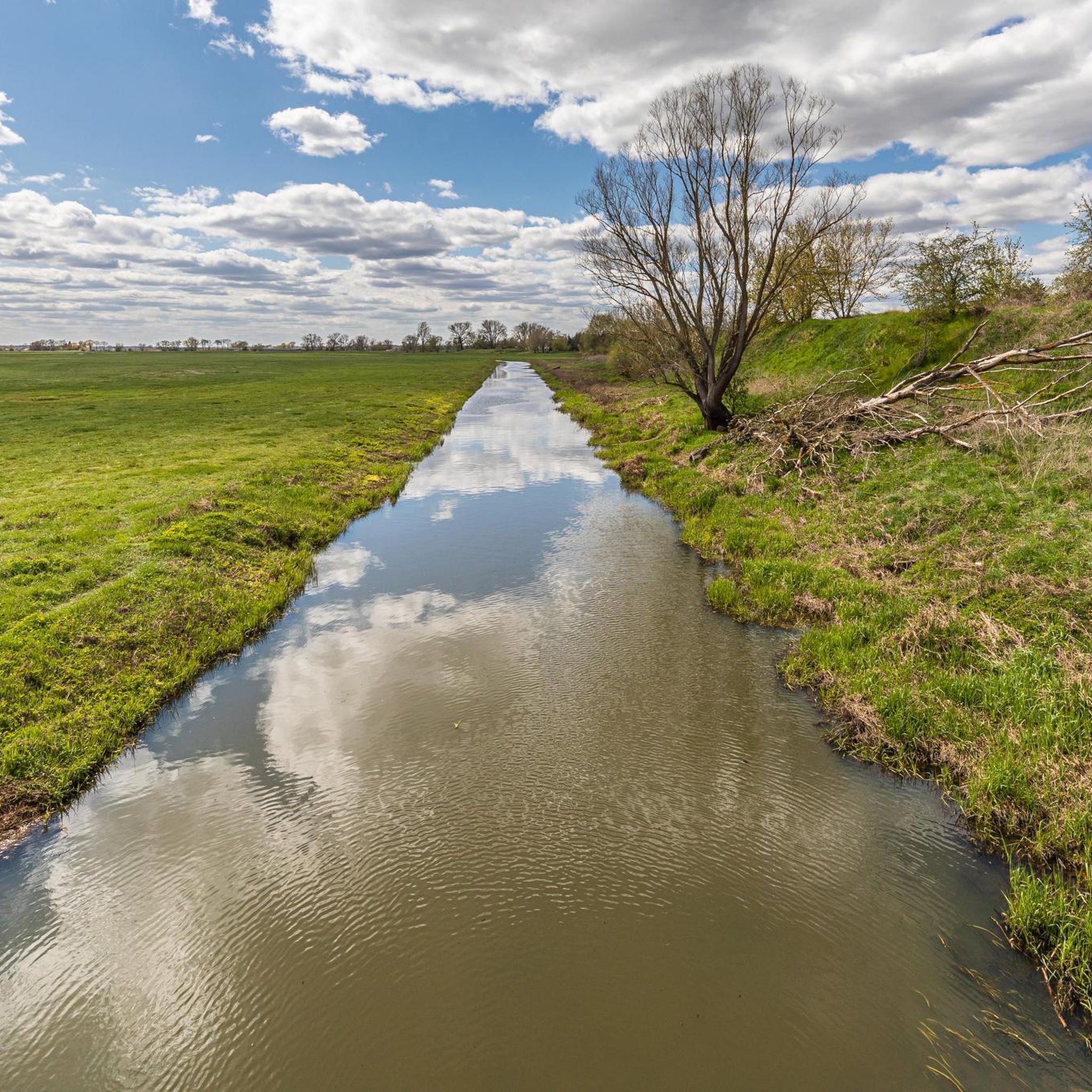
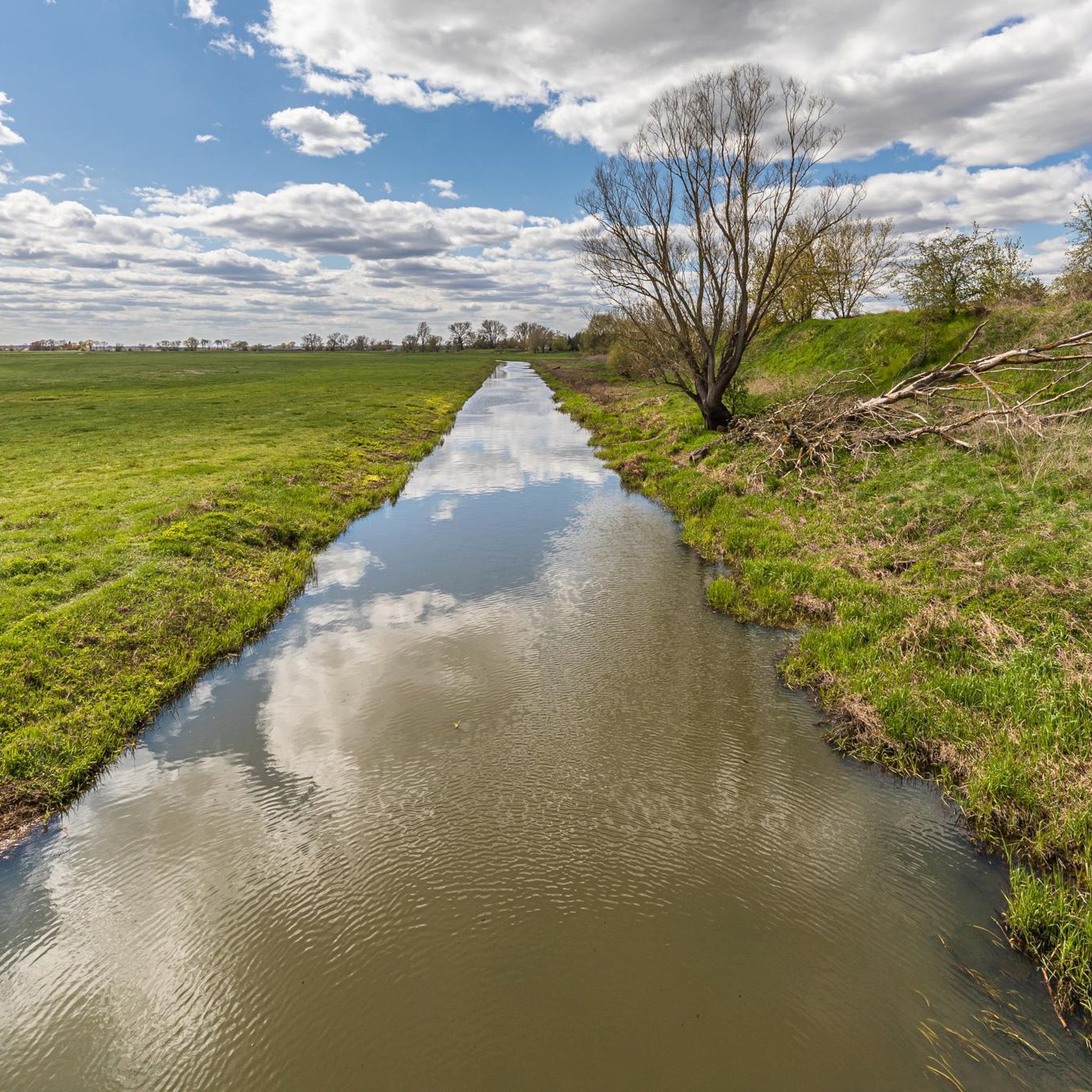
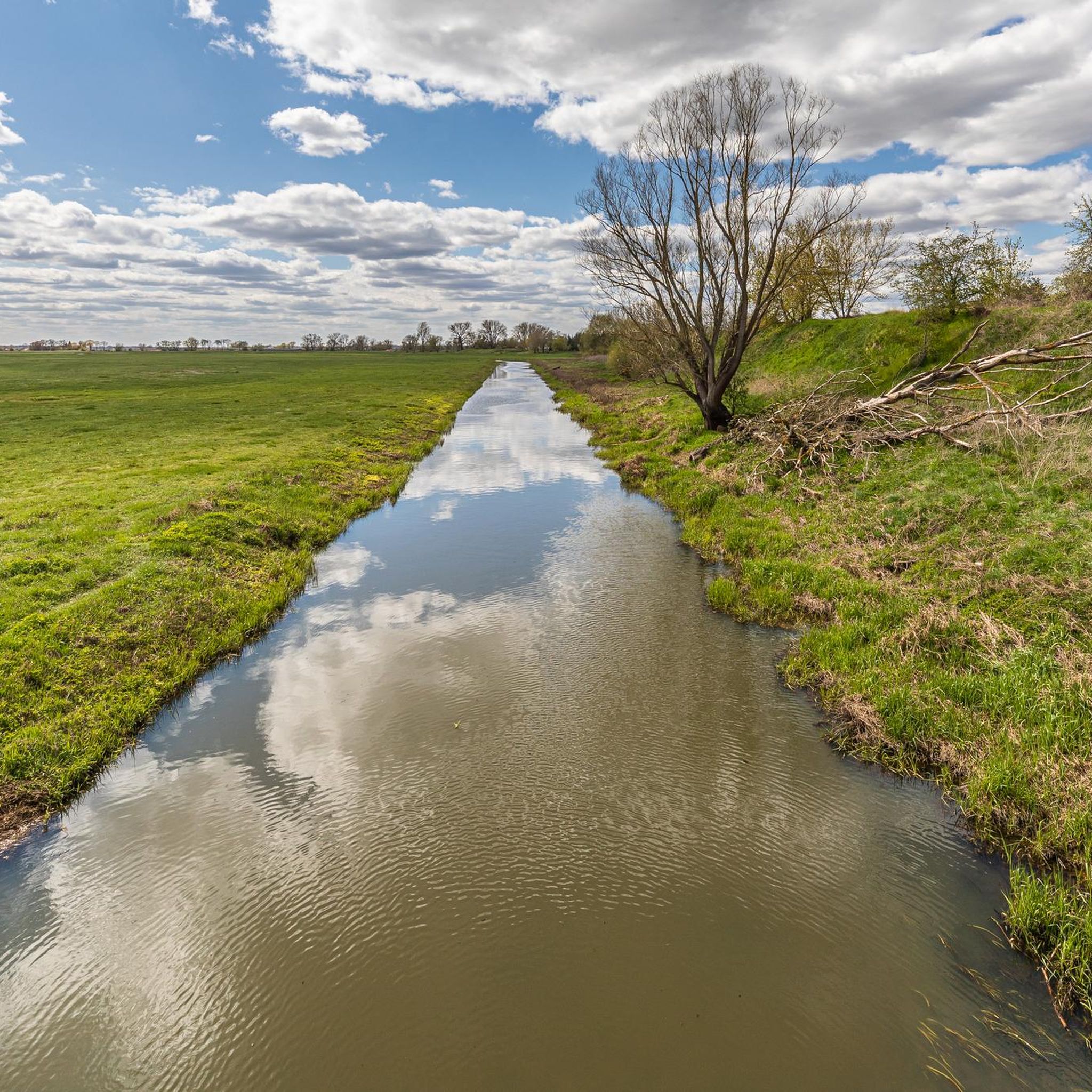
Mountain bike trails in Tanger-Elbeniederung traverse a landscape characterized by the lowlands of the Elbe river, featuring gentle terrain and minimal elevation changes. The region offers a network of paths through open countryside, agricultural areas, and alongside waterways. These trails often connect historic towns and villages, providing a blend of natural scenery and cultural points of interest. The predominantly flat profile makes it suitable for various mountain biking abilities.
Best mountain bike trails in Tanger-Elbeniederung
- The most popular mountain bike…
Last updated: October 27, 2026
4.7
(33)
93
riders
Moderate mountain bike ride. Good fitness required.
4.3
(4)
14
riders
51.9km
02:40
110m
110m
Moderate mountain bike ride. Good fitness required. Advanced riding skills necessary.

5
riders
21.7km
01:11
20m
20m
Easy mountain bike ride.
4.7
(26)
73
riders
Moderate mountain bike ride. Good fitness required.
4.1
(7)
20
riders
Moderate mountain bike ride. Good fitness required. Advanced riding skills necessary.
Get access to more routes and recommendations from other explorers.
Already have an account?
Our route recommendations are based on thousands of hikes, rides, and runs completed by other people on komoot.
Start today with a free account
Your next adventure awaits.


Tips from the Community

The Protestant village church in Schelldorf is a Neo-Gothic or Neo-Romanesque brick building with a square tower, built in 1903. It stands on the foundation walls of a predecessor church that was destroyed by fire in 1901. The building is located near the Elbe river and is a well-known stop on the Elberadweg cycle route. It was built after a fire in 1901; the rededication took place in 1903. A typical regional brick building with stained glass windows. The square west tower shapes the village's appearance from afar. https://de.wikipedia.org/wiki/Schelldorf_(Tangerh%C3%BCtte)
2
0
The Protestant village church in the Tangermünde district of Buch is an essentially Romanesque hall church, which was Baroque-overformed over the centuries. The historical core of the nave consists of characteristic Romanesque fieldstone masonry. The church received its current defining form and the large window openings through extensive renovations in the Baroque era. The structure is regionally known for its preserved medieval wall paintings in the Altmark. https://de.wikipedia.org/wiki/Dorfkirche_Buch_(Tangerm%C3%BCnde)
2
0
The Roland statue in Buch is a historical monument dating from 1580. The sandstone statue, approximately 3.50 meters high, symbolizes the former urban freedoms, market rights, and the town's own jurisdiction. In 1663, the neighboring town hall tower collapsed onto the figure, shattering it. After reconstruction, a town hall fire in 1690 damaged the statue's head again. During the subsequent repairs in the late 17th century, the Roland received its present-day head, highly unusual for knight statues, with a baroque periwig. Originally, the statue stood in the market square in front of the town hall. After the destructions, it was moved in 1693 to its current location in front of the Lehnschulzenhof. Because of the wig, the villagers mistakenly believed the statue was a woman in old legends and nicknamed her "Bride of the Stendal Roland". This gave rise to the tradition of the Roland crowning: every year on Whit Monday, the village youth climb up and place a fresh laurel crown on the statue. https://de.wikipedia.org/wiki/Datei:Buch(Altmark)_Roland_22-09-2007_202.jpg
2
0
The wooden nature observation tower on the west bank of the Bölsdorfer Haken is located in the Bucher Brack-Bölsdorfer Haken nature reserve, south of Tangermünde, not far from the Elberadweg cycle path. It offers an undisturbed panoramic view of the old Elbe arm and the floodplain landscape, which serves as an important breeding and resting area for numerous, sometimes rare bird species. https://natur.app/beobachtungsturm-boelsdorf/
2
0
The ferry connects the towns of Ferchland and Grieben, thus creating a connection between the district of Jerichower-Land and the district of Stendal. Due to its proximity to the town, it is easily accessible and offers a comfortable way to cross the Elbe. Further information about the ferry can be found here: https://www.elberadweg.de/Faehre/motorfaehre-ferchland-grieben/
2
0

On the Zollensteig stands the Elisabethkapelle (Chapel of St. Elisabeth), founded in the 13th century and renewed around 1660/70. The church originally belonged to the hospital of the same name. Saint Elisabeth (1207-1231), Landgravine of Thuringia, enjoyed great veneration, especially in the 13th century, as a helper of the sick and the poor. The western end of the Elisabethkapelle was formed by a pillar gable with a small bell tower, projecting ribbon rods, and terracotta as decorative elements. During the great city fire of 1617, the hospital went up in flames. After another fire in 1678, the chapel served as a state salt magazine until the 19th century. That is why the church is still popularly known as Sazkirche (Salt Church). The salt stored here came from Lüneburg, later by water from Halle and Schönebeck. From 1891 to 1926, the Elisabethkapelle was used by the Catholic community, founded in 1888, and once again served its original purpose as a place of worship during this time. Source: https://www.tangermuende.info/sightseeing.html
1
0
The oriented brick church was built according to the plans of architect Kurt Matern, cathedral master builder of the Paderborn diocese. The house of worship, with its distinctive tower, was erected in the Neo-Romanesque style and offers 223 seats.
1
0

The rectangular tower was built around 1300. The round tower and central section were built around 1450 and flank a pointed-arch passageway. The round tower features a projecting battlement. The more elaborate design of the round tower, the central section, and the top of the rectangular structure corresponds to the construction period around 1450 and was probably initiated by Stephan Buxtehude, to whom the Uenglinger Gate in Stendal and the Elbe Gate in Werben are attributed. The round tower is decorated with glazed bricks arranged in spiral or zigzag patterns, a molded stone frieze depicting the head of Medusa, and varied blind decorations. The plaster blinds above the gate passage bear coats of arms painted in 1897: Prussian Eagle, Imperial Eagle with the applied Hohenzollern Shield, Tangermünde Eagle, Eagle of the Holy Roman Empire of the German Nation, Brandenburg Eagle. Source: Wikipedia
8
1
Frequently Asked Questions
How many mountain bike trails are available in Tanger-Elbeniederung?
Tanger-Elbeniederung offers a wide selection of mountain bike trails, with over 70 routes recorded on komoot. These trails traverse the lowlands of the Elbe river, featuring gentle terrain and minimal elevation changes, making them accessible for various skill levels.
Are there mountain bike trails suitable for beginners or families in Tanger-Elbeniederung?
Yes, Tanger-Elbeniederung is well-suited for beginners and families due to its predominantly flat profile and gentle terrain. There are 30 easy-rated mountain bike tours available, offering pleasant rides through open countryside and along waterways. A good option is the Grieben Post Mill – Roland Statue in Buch loop from Bittkau, which is 13.5 miles (21.7 km) long and rated easy.
What kind of terrain can I expect on mountain bike trails in Tanger-Elbeniederung?
The mountain bike trails in Tanger-Elbeniederung are characterized by the lowlands of the Elbe river. You can expect gentle terrain with minimal elevation changes, making for generally less strenuous rides. The paths often lead through open countryside, agricultural areas, and alongside waterways, connecting historic towns and villages.
Are there any longer mountain bike routes for more experienced riders?
While the region is generally flat, there are longer, moderate routes for those seeking a greater challenge. For example, the Rogätz Ferry – Parey Lock and Pedestrian Bridge loop from Grieben is a moderate 32.2 miles (51.9 km) path offering views of the Elbe river and its associated waterways. There are 38 moderate trails in total, and even 2 difficult routes for advanced riders.
What are some interesting sights or landmarks along the mountain bike trails?
The trails often connect historic towns and villages, providing cultural points of interest. You can encounter landmarks such as the Tangermünde Harbor and View of the Old Town, the Bölsdorfer Haken Nature Observation Tower, or the Evangelical Village Church Buch. The Ferchland–Grieben Ferry is also a notable point of interest along some routes.
Are there circular mountain bike routes in Tanger-Elbeniederung?
Yes, many of the mountain bike routes in Tanger-Elbeniederung are designed as loops, allowing you to start and end at the same point. Examples include the popular Owl Tower, Tangermünde – Neustädter Gate loop from Bittkau and the Bittkau Church – Grieben Post Mill loop from Grieben.
What do other mountain bikers say about the trails in Tanger-Elbeniederung?
The mountain bike routes in Tanger-Elbeniederung are highly rated by the komoot community, with an average score of 4.3 stars from over 100 reviews. Mountain bikers often praise the region's gentle terrain, the blend of natural scenery with historic towns, and the well-maintained paths suitable for various abilities.
Is it possible to reach the mountain bike trails using public transport?
While specific public transport options to every trailhead can vary, the region's network of paths often connects historic towns and villages, which typically have public transport links. It's advisable to check local bus or train schedules for access to specific starting points like Tangermünde or Grieben.
Are there any mountain bike trails that offer views of the Elbe river?
Absolutely. Many trails in Tanger-Elbeniederung run alongside the Elbe river and its associated waterways, providing scenic views. The Rogätz Ferry – Parey Lock and Pedestrian Bridge loop from Grieben is a great example, offering extensive views of the Elbe. You can also find specific viewpoints like the View of the Elbe near Tangermünde.
What is the best time of year for mountain biking in Tanger-Elbeniederung?
Given the region's gentle terrain and minimal elevation changes, mountain biking in Tanger-Elbeniederung is enjoyable for much of the year. Spring and autumn offer pleasant temperatures and beautiful scenery. Summer is also suitable, though it can be warmer. Winter riding is possible, but conditions may vary, with potential for colder weather or occasional snow, especially on unpaved paths.
Are there any mountain bike trails that pass through historic towns?
Yes, the trails in Tanger-Elbeniederung are known for connecting historic towns and villages. For instance, the Owl Tower, Tangermünde – Neustädter Gate loop from Bittkau winds through historic towns like Tangermünde, allowing you to experience both natural scenery and cultural heritage.
Most popular routes in Tanger-Elbeniederung
Most popular attractions in Tanger-Elbeniederung

Get inspired with the komoot mobile app


Explore more
Browse the best MTB trails in other regions.
