Attractions and Places To See in Naturpark Südharz - Top 20
Best attractions and places to see in Naturpark Südharz, located in northern Thuringia, Germany, offers a diverse range of points of interest. The park features the southern foothills of the Lower Harz, a distinctive gypsum karst landscape, and a transition to the North Thuringian bunter sandstone country. This region is characterized by notable landmarks, unique natural features, and cultural sites.
Best attractions and places to see in Naturpark Südharz
- The most popular attractions is Red shot (HWN 90), a…
Last updated: July 19, 2026
Reversible oak (HWN 165)
Highlight • Natural Monument
Translated by Google •
Tip by

Red shot (HWN 90)
Highlight • Mountain Hut
The terrain slopes very steeply towards the valley side. …
Translated by Google •
Tip by

Sign up now to discover places like this
Get recommendations on the best single tracks, peaks, & plenty of other exciting outdoor places.
Sign up for free
Hohnstein Castle Ruins (HWN 98)
Highlight • Castle
Translated by Google •
Tip by

Poppenberg Tower (HWN 92)
Highlight • Viewpoint
Translated by Google •
Tip by

Neustadt Dam (Harzer Wandernadel 218)
Highlight • Monument
The dam supplies drinking water to the city and parts of the Nordhausen district. Swimming and recreational sports …
Translated by Google •
Tip by

Sign up for free to discover even more attractions in Naturpark Südharz.
Sign up for free
Already have an account?
Start today with a free account
Your next adventure awaits.
Login or Signup
Popular around Naturpark Südharz
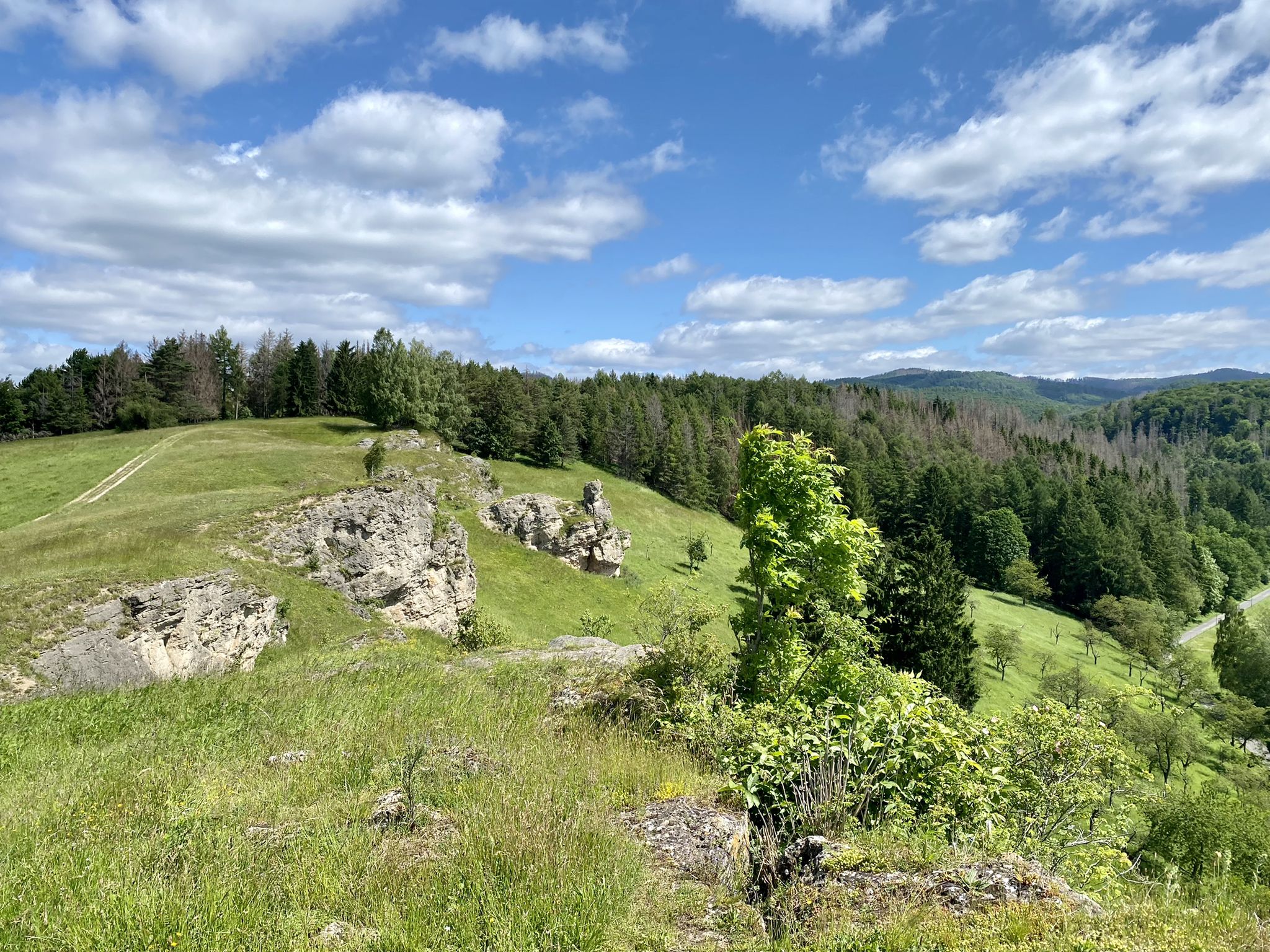
Karst Trail in Germany's Southern Harz Mountains – Where Water Meets Limestone
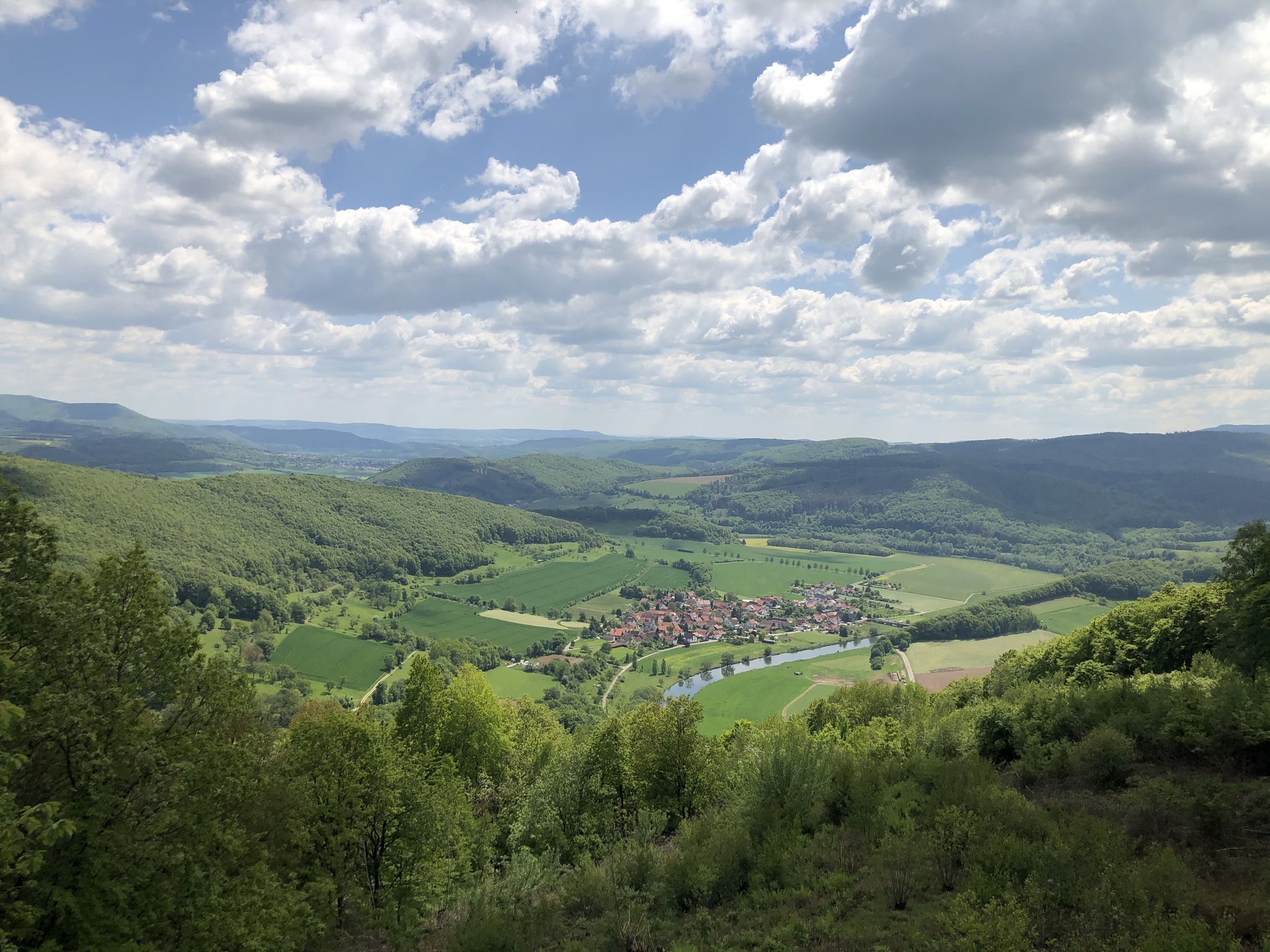
Wonderful Green Band
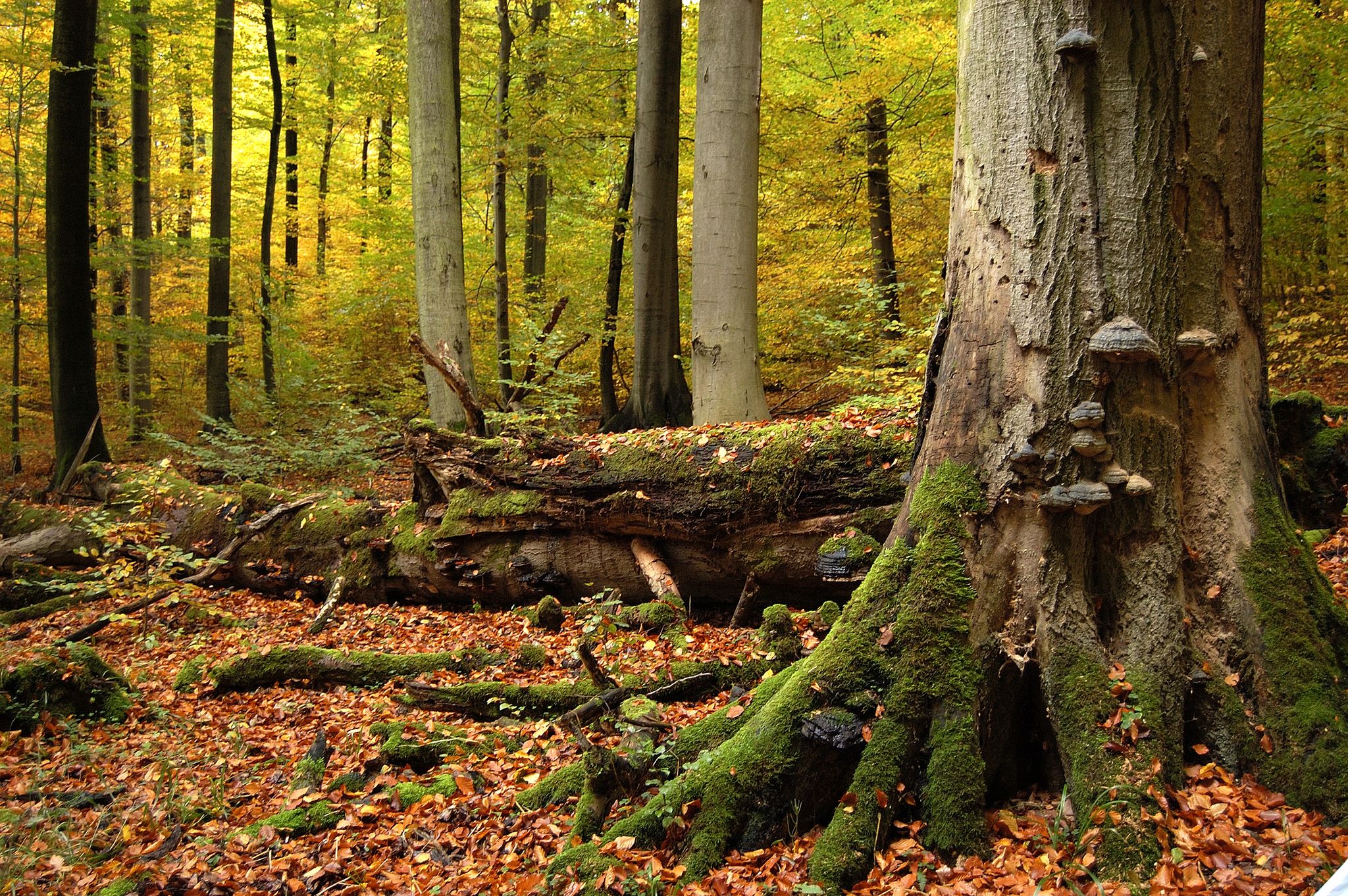
Thuringia's Primeval Forests of Tomorrow
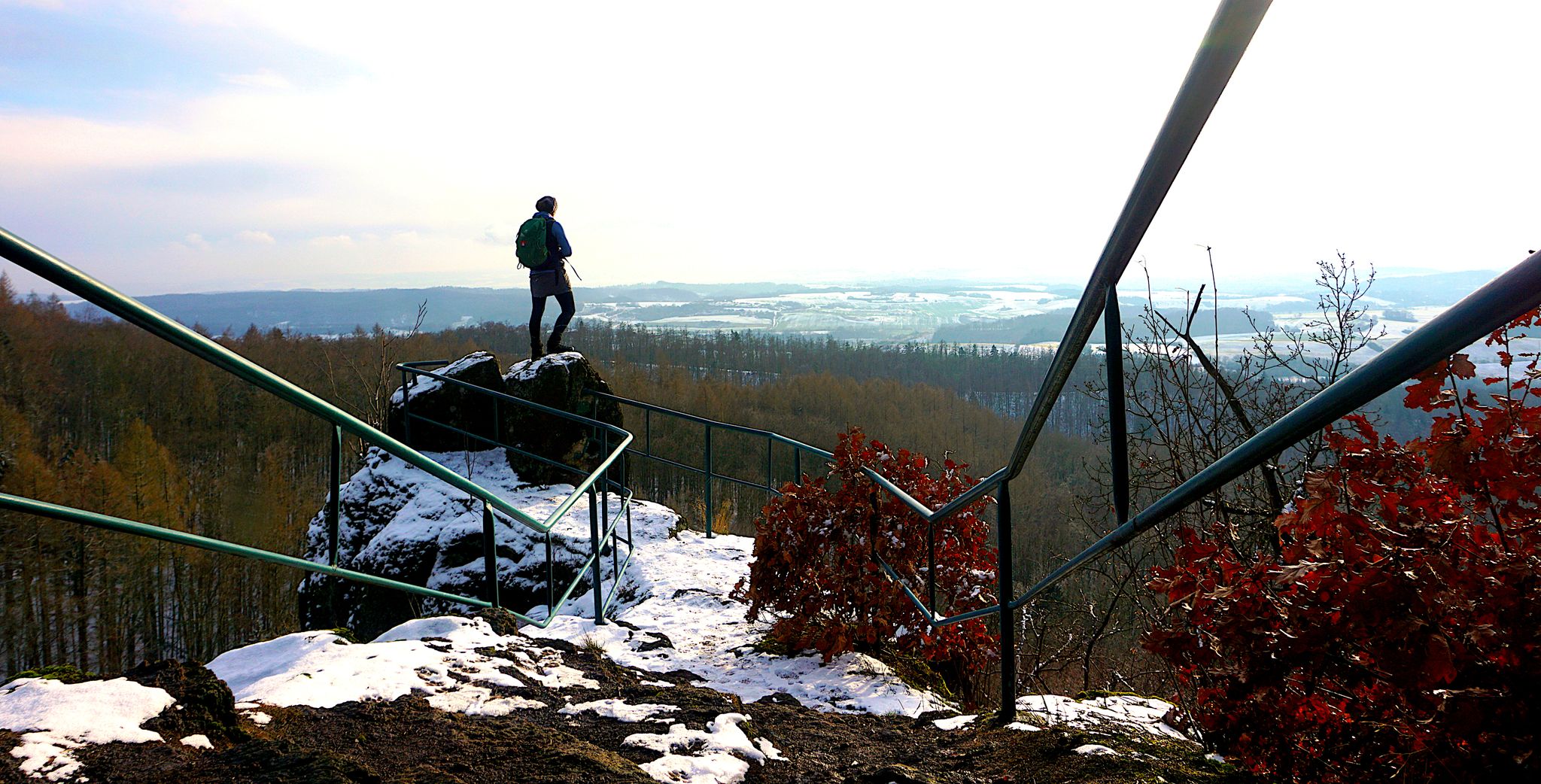
My 25 most beautiful Highlights in the Harz
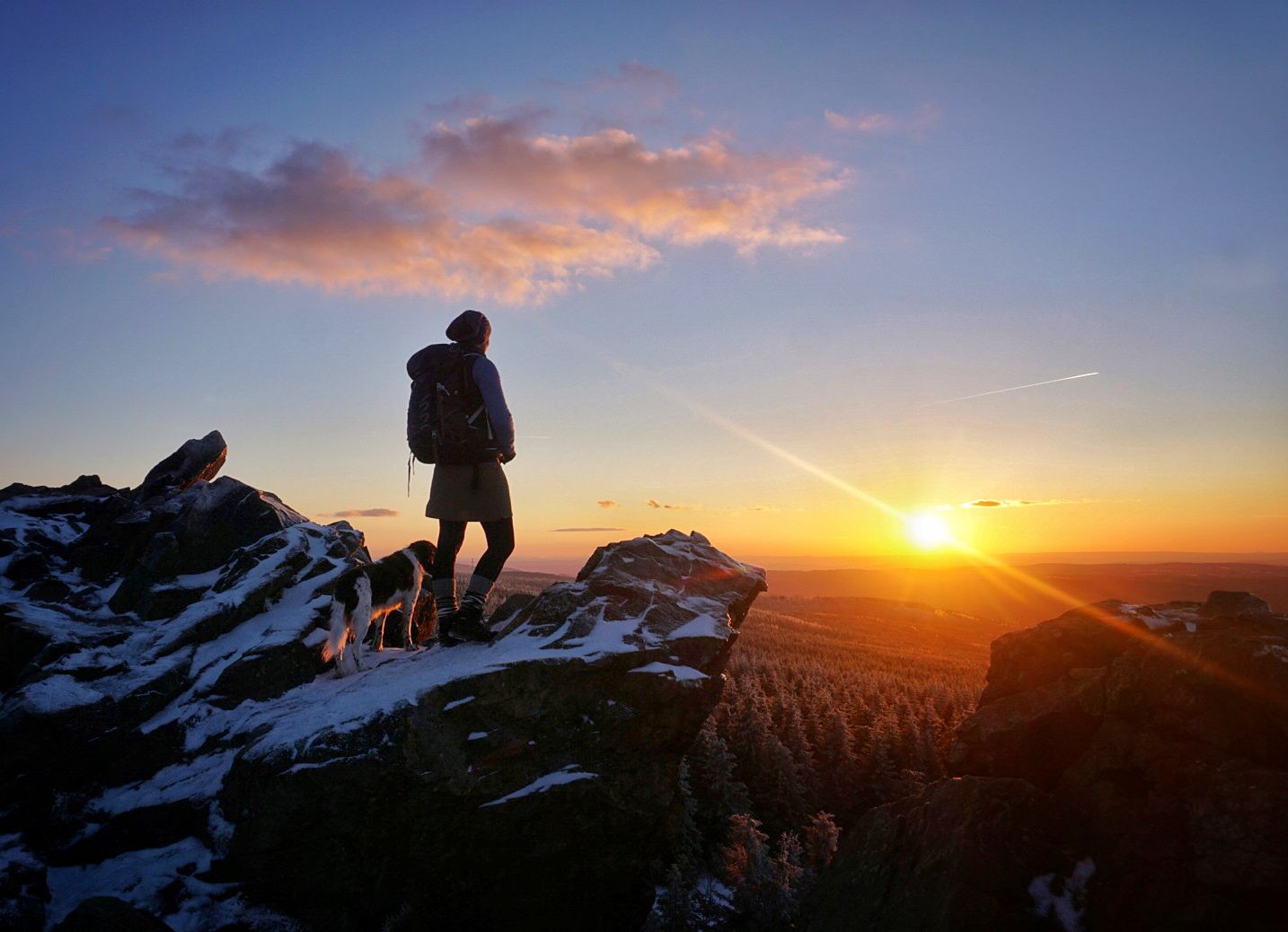
Explore beautiful winter hikes in Germany’s Harz Mountains
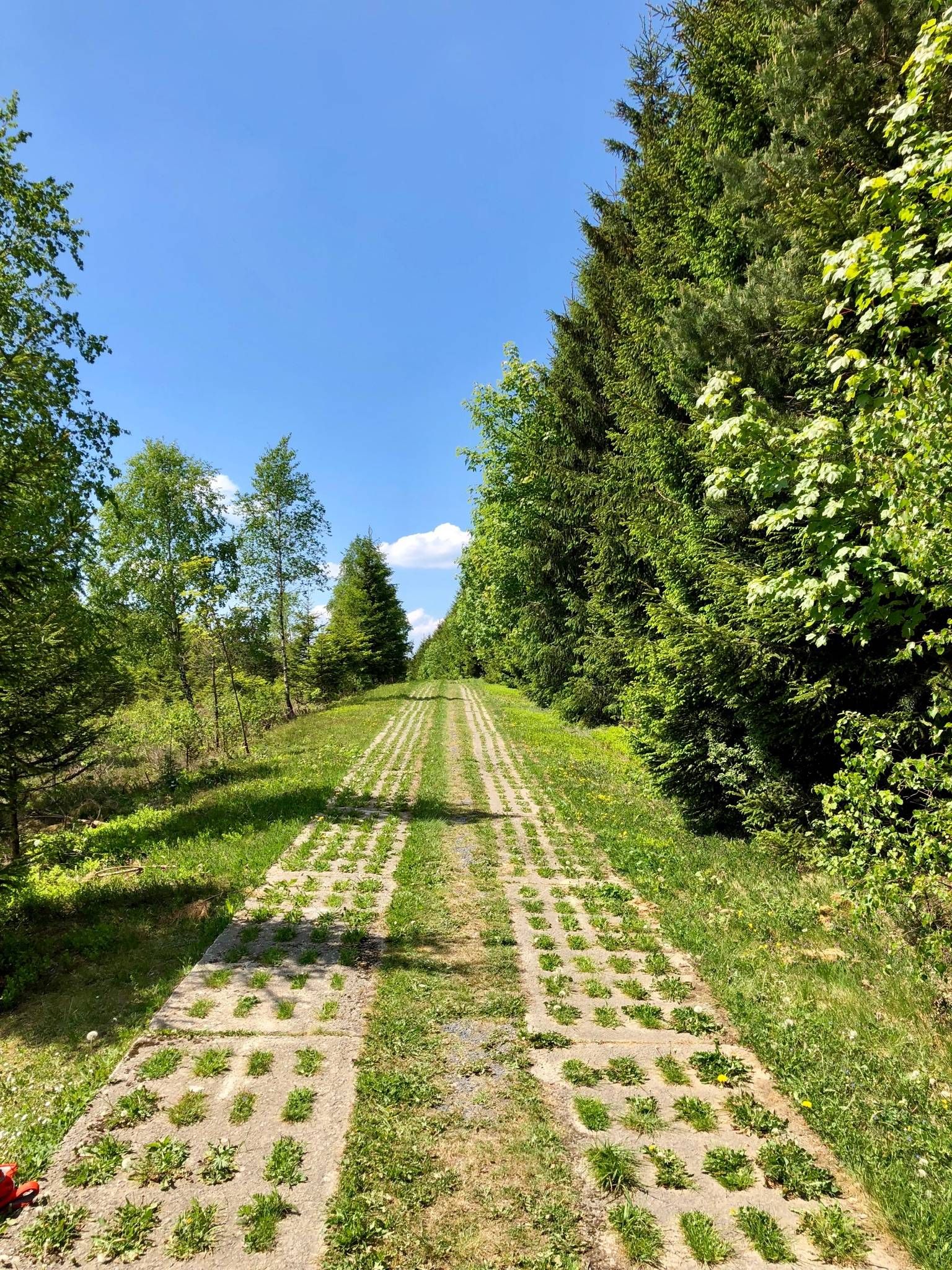
Experience history – day Tours at the Green Belt in Thuringia
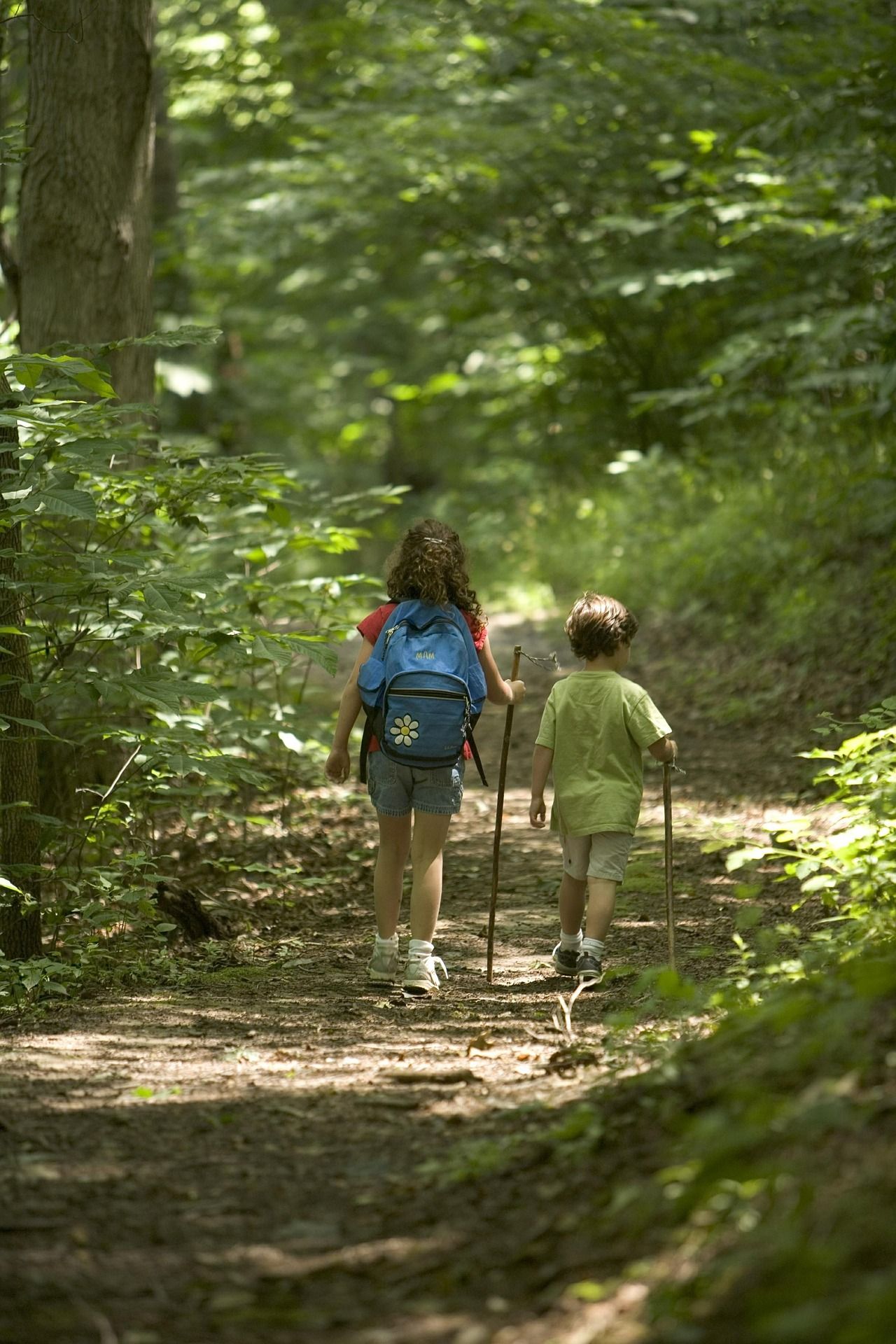
Family adventures in the Harz
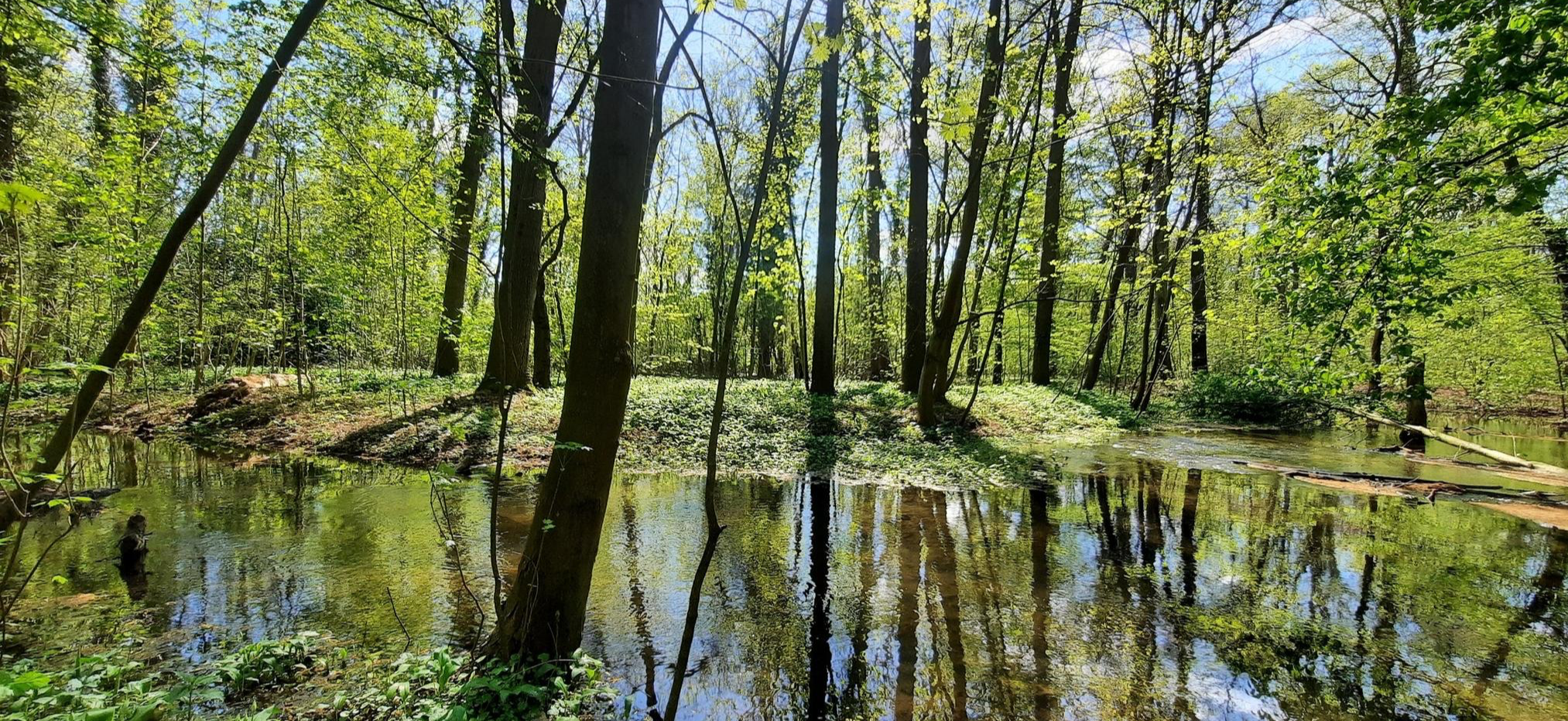
Mindful Hiking 2.0 – Runterfahren & zur Ruhe kommen
Mindful Hiking 2.1 – Abstand gewinnen
Die Nationalen Naturlandschaften in Thüringen


Tips from the Community

Very beautiful castle ruins with free admission. There's also an observation tower. From the top, you can get a great view of the entire surrounding area and the ruins. There's also a stamp station here. The route to the castle is strenuous if you're traveling by bike.
9
0

Since 1894, the wooded Poppenberg has had a 33.5 m high observation tower in steel framework construction built by the Nordhausen branch of the Harz Club, which was named after Prince Otto zu Stolberg-Wernigerode. On the occasion of the dedication of the tower on July 12, 1894, the mountain peak was christened Fürst-Otto-Höhe in honor of the forest owner. The tower was renovated in 1994.[2] When visibility is good, it offers a comprehensive view of the southern Harz, the Lower Harz with the Joseph Cross on the Großer Auerberg, the Goldene Aue and the Kyffhäuser. (Source: Wikipedia)
16
1

The old turning body has fallen over in the meantime. You can still see the remains of the old spiral staircase that long ago allowed visitors to climb to the platform in the treetop.
12
1

I've been here so many times now, in every season. The first time was an absolute challenge for me with my fear of heights. But now it gets better with every climb. And the view is sensational anyway.
12
0

one of the most beautiful stamping points of the HWN, the view is great, be sure to enter it in the summit book
21
3
great resting place on the Grenzweg, the oak must have been an impressive tree with its viewing platform in the past, unfortunately destroyed by a storm, but a monument should be erected at this point
15
2

Really great refuge with summit book.
14
2
Zeynep, the last hurricane unfortunately blew the oak down
10
2
Frequently Asked Questions
What natural landmarks and viewpoints can I explore in Naturpark Südharz?
Naturpark Südharz offers several impressive natural landmarks and viewpoints. You can visit the Red shot (HWN 90), a mountain of red porphyrite offering splendid views of the southern Harz foreland and the Kyffhäuser. Another notable spot is the Poppenberg Tower (HWN 92), which provides magnificent views over the Harz National Park. Don't miss the Reversible oak (HWN 165), a natural monument with historical significance, or the mystical Steinmühlental with its bizarre rock formations.
What is unique about the gypsum karst landscape in Naturpark Südharz?
The southern part of Naturpark Südharz is renowned for its unique gypsum karst landscape, which is of national importance. This geological feature creates striking natural phenomena such as ponors (sinkholes), karst springs, subsidence lakes, dolines, and steep gypsum cliffs. A highlight is the Salzaquelle (Salza Spring), Thuringia's largest karst spring, where you can explore the impressive geology via a one-kilometer circular path. The Kelle-Erdfall (Kelle Sinkhole) near Appenrode is another significant gypsum cave in this fascinating landscape.
Are there any historical or cultural sites to visit in Naturpark Südharz?
Yes, Naturpark Südharz is rich in historical and cultural sites. The Hohnstein Castle Ruins (HWN 98), dating back to around 1120, offer an impressive backdrop and panoramic views from its ruined tower. The region also features historic visitor mines like the "Rabensteiner Stollen" (coal) and "Lange Wand" (copper shale), which provide insight into the challenging working conditions of medieval miners. Additionally, the climatic health resort of Neustadt/Harz boasts charming half-timbered houses and an interactive exhibition about the region's history.
What hiking opportunities are available in Naturpark Südharz?
Naturpark Südharz offers a wide range of hiking opportunities for all levels. You can find numerous routes, from easy strolls to more challenging trails. For example, the "Circular hike on the Green Belt near Ellrich" and the "Great Rock Tour" are popular moderate options. If you're looking for easier walks, consider the "Kelle Circular Trail" or the "Salza Spring Nature Trail." Many trails lead to significant landmarks and viewpoints. You can find more detailed information and routes in our guide to Hiking in Naturpark Südharz.
How can I experience Naturpark Südharz by train?
You can experience Naturpark Südharz in a unique way aboard the Harz Narrow Gauge Railways. These historic steam-powered trains offer a nostalgic journey through the park's landscapes and provide access to various historical sites. You can combine a train ride with hikes, such as the Südharzer Dampflok Steig, for a comprehensive experience.
Is there a long-distance hiking trail in the region?
Yes, the Karstwanderweg (Karst Hiking Trail) is a long-distance route that spans approximately 230 kilometers. This trail allows hikers to discover the distinctive karst phenomena across Thuringia, Lower Saxony, and Saxony-Anhalt, offering an immersive experience of the region's unique geology.
What is the Harzer Wandernadel and how can I participate?
The Harzer Wandernadel (Harz Hiking Badge) is a popular system that encourages exploration of the Harz region. It features 222 stamping points located at various viewpoints, natural spectacles, and attractions throughout the area, including several within Naturpark Südharz like the Red shot (HWN 90) and Poppenberg Tower (HWN 92). You collect stamps at these points to earn different hiking badges, making your exploration a rewarding challenge.
Are there family-friendly attractions in Naturpark Südharz?
Absolutely! Naturpark Südharz offers several family-friendly attractions. The Hohnstein Castle Ruins (HWN 98) are easily accessible and provide an exciting historical setting for families. The Ziegenalm Sophienhof is a goat farm that offers a family-friendly excursion, providing insight into nature-oriented agriculture and local products. Many of the easy hiking trails, such as the "Kelle Circular Trail" or the "Salza Spring Nature Trail," are also suitable for families.
When is the best time to visit Naturpark Südharz?
Naturpark Südharz can be visited year-round, with each season offering a different experience. Spring brings blooming flora, while summer is ideal for hiking and outdoor activities. Autumn showcases vibrant fall foliage, and winter transforms the landscape into a serene, snow-covered wonderland, suitable for winter hiking. The best time depends on your preferred activities and scenery.
Are there dog-friendly options for visitors in Naturpark Südharz?
Many areas within Naturpark Südharz are dog-friendly, especially the numerous hiking trails. It's generally recommended to keep dogs on a leash, particularly in nature reserves or areas with wildlife, and to clean up after them. Always check specific regulations for individual attractions or protected areas before visiting with your dog.
Where can I find parking when visiting attractions in Naturpark Südharz?
Parking options are generally available near popular attractions and trailheads throughout Naturpark Südharz. For instance, a good starting point for a circular hike including the Red shot (HWN 90) is the hiking car park in Zorge. Many villages and towns within the park, such as Neustadt/Harz, also offer designated parking areas for visitors. Look for signs indicating 'Wanderparkplatz' (hiking car park) or 'Parkplatz' (car park) near points of interest.
What kind of wildlife can be found in Naturpark Südharz?
Naturpark Südharz is home to diverse flora and fauna, particularly within its unique gypsum karst landscape. This area provides habitat for various bat species, wildcats, and lynx. The Sattelköpfe nature reserve near Hörningen is especially known for its rich biodiversity, including over 400 butterfly species and more than ten grasshopper species, making it a great spot for nature observation.
Can I explore the mining history of Naturpark Südharz?
Yes, the region has a rich mining history that you can explore. There are visitor mines such as the "Rabensteiner Stollen" (coal) and "Lange Wand" (copper shale) that offer guided tours. These mines provide a fascinating glimpse into the challenging working conditions of miners from past centuries and showcase the historical significance of mining in the area.
Most popular routes in Naturpark Südharz
Most popular attractions in Naturpark Südharz

Get inspired with the komoot mobile app


Explore more
Still not found the Highlight you’re looking for? See guides of the top attractions in other regions:
