The best running trails in Rieseberger Moor
4.4
(232)
3,334
runners
260
runs
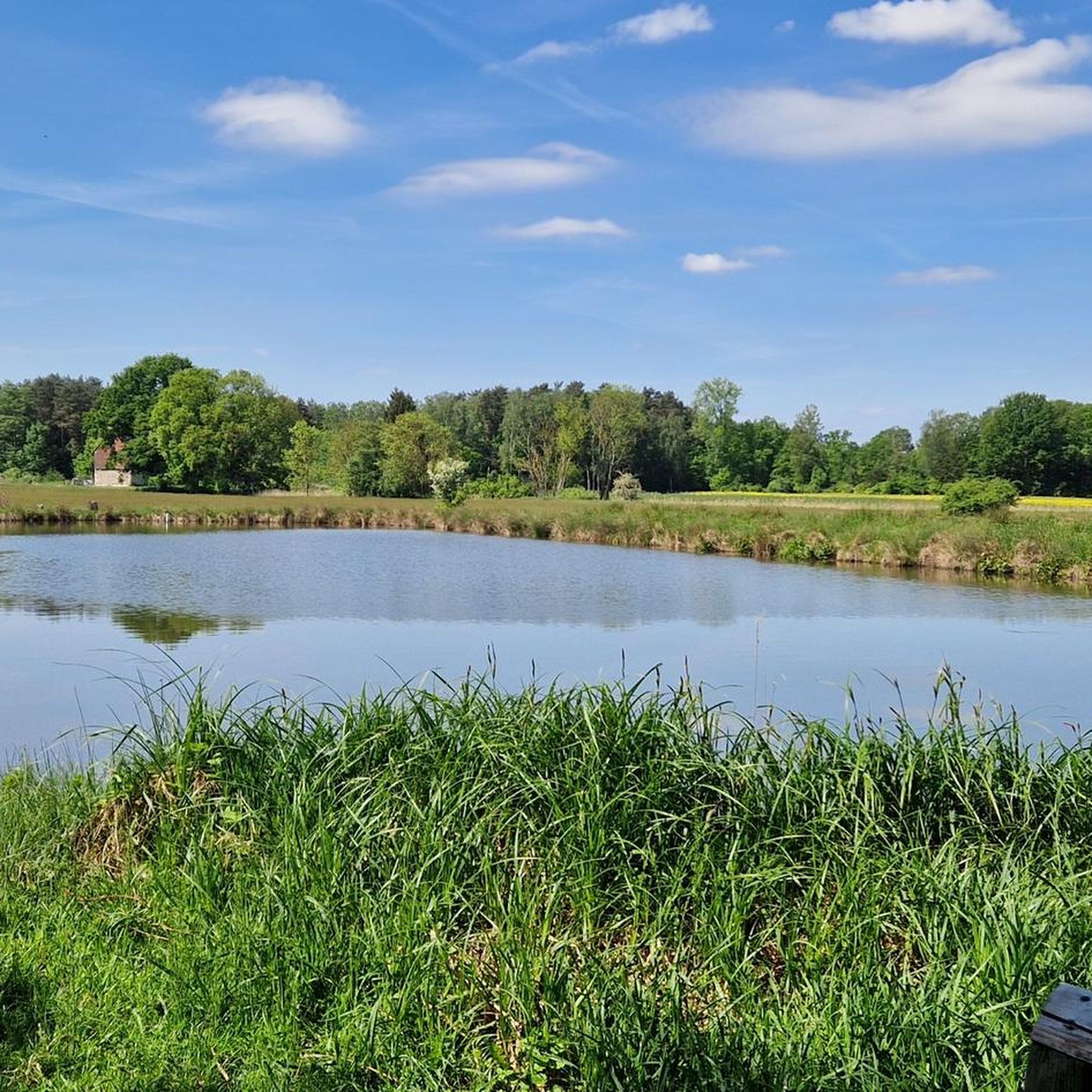
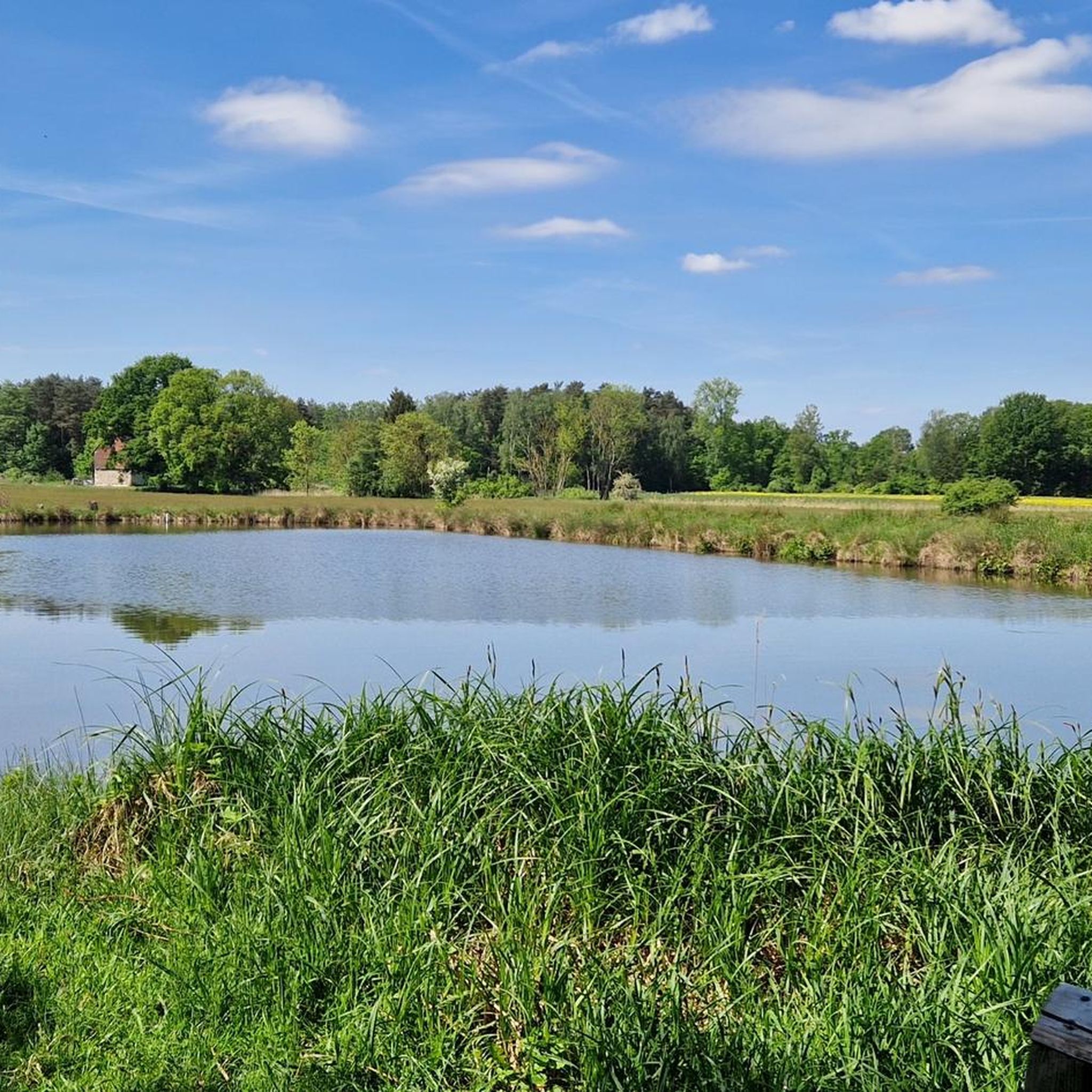
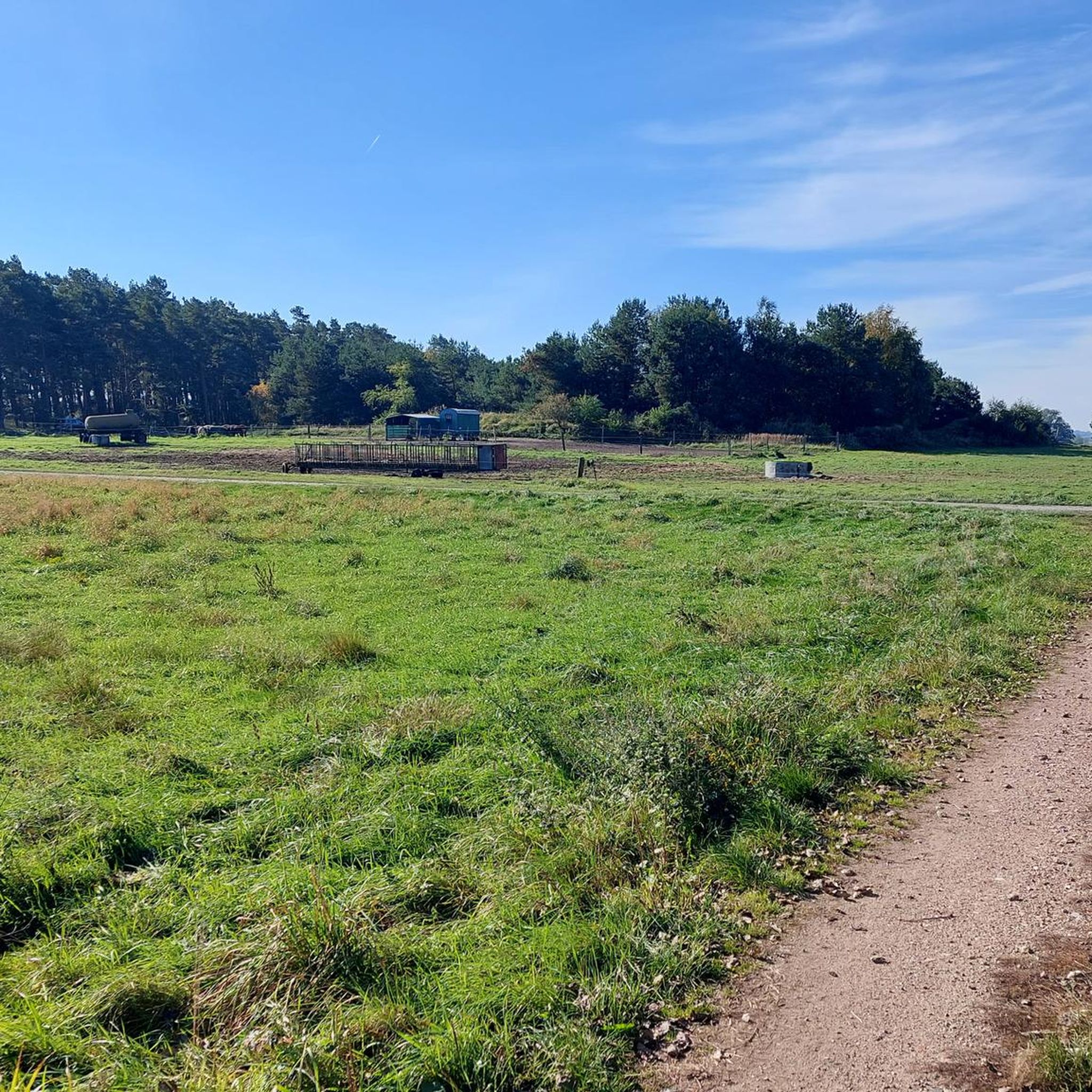
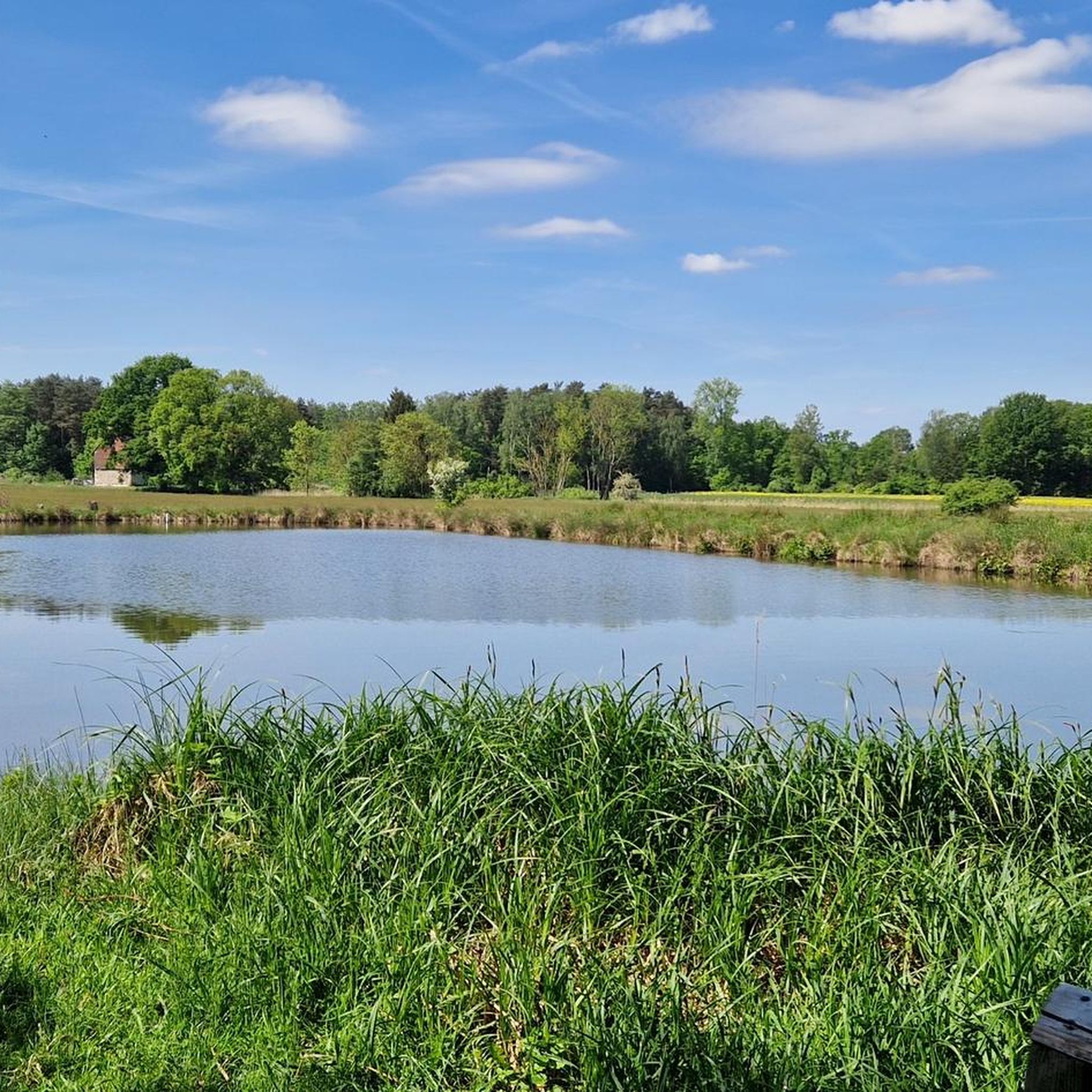
Jogging routes in Rieseberger Moor traverse a unique lowland bog environment, characterized by diverse landscapes. The area features extensive fen forests dominated by birch and black alder, alongside willow bushes, wet meadows, and sedge reeds. Runners will also encounter heaths, dry grasslands, and a notable 7-meter-high sand island. Designated corduroy paths provide access through the moor, offering a distinctive natural setting for running.
Best jogging routes in Rieseberger Moor
- The most popular jogging route is Running loop from Rieseberger Moor…
Last updated: November 23, 2026
11
runners
8.38km
00:52
30m
30m
Moderate run. Good fitness required. Mostly paved surfaces.
5
runners
15.5km
01:36
70m
70m
Hard run. Very good fitness required. Mostly paved surfaces.
3
runners
15.0km
01:34
50m
50m
Moderate run. Good fitness required. Mostly paved surfaces.
Get access to more routes and recommendations from other explorers.
Already have an account?
Our route recommendations are based on thousands of hikes, rides, and runs completed by other people on komoot.
Start today with a free account
Your next adventure awaits.

Tips from the Community

Altes und Neues Rathaus Königslutter (Old and New Town Halls of Königslutter) are among the most beautiful photo opportunities in the historic old town. Particularly exciting: The Old Town Hall was once a monastery house and later served as the place of residence and work for Samuel Hahnemann, the founder of homeopathy. Together with the New Town Hall, the two buildings shape the historic market square to this day and tell a piece of the city's history.
0
0

Beautiful old town hall in Königslutter.
0
0

East of Braunschweig, in the rolling hills, lies the Elm-Lappwald Nature Park. The landscape was already inhabited by humans in the Neolithic period – megalithic tombs and burial mounds bear witness to this long history. It is characterized by forested hills and loess hollows. At the GeoPark Information Center, you can learn more about the unique geological features of the nature park, including rocks and fossil finds. All information about the visitor center and the Elm-Lappwald Nature Park in general can be found here: https://nationale-naturlandschaften.de/gebiete/naturpark-elm-lappwald.
2
0

The town church of St. Sebastian and Fabian is a hall church. The church tower was built in the 12th century and is one of the oldest parts of the church. Its roof only took on its current shape after 1744 as part of a renovation. The hall church type has a vault made of pointed arches and three naves. The individual naves are separated by pillars. The nave consists of two vaults and the choir directly adjacent to it consists of two bays. In the 18th century, the church had space for around 500 people. Source: Wikipedia
9
3

From the Cantor's House to the Geopark Information Center The former cantor's house, built in 1750 next to the town church, was converted between 2000 and 2003 specifically for use as the Geopark Information Center. Clockmaker Wilhelm Paarmann expanded the property to Bahnhofstrasse in 1865. During the demolition of this extension, the old facade of the cantor's house was restored and made visible within the new building. In addition to the room layout, the four-part cross-cased windows, and the Baroque imitation marble, the flooring (sandstone, wooden floorboards, and plaster screed) from the time of construction has also been almost completely preserved. The half-timbered building has a strictly symmetrical layout in both its floor and elevation. The architectural style is based on the late Baroque and Neoclassical periods. Source: Information board at the site
3
0

Königslutter has two town halls, both of which tell a long history. The larger of the two - with a staircase - was built in 1831. The other, orange one, became City Hall in 1905. The coat of arms of the city can be seen above the entrance.
1
0

Just a look into the past.
8
0

As in many places in Lower Saxony, the market square was created from a street widening. Weekly markets and twice a year a fair were held here. Up until the 18th century, the market was also a court of law; people were pilloried and even executed here. A few of the houses that used to frame the market are still preserved. The Ratsapotheke has been owned by the same family for more than 200 years, from which many important pharmacists and doctors have come. On the opposite side is one of the most beautiful half-timbered houses in the city, which was built in 1674 by the bailiff Ernst Leidenfrost. According to legend, the columns and atlases under the bay window come from the church in the village of Schoderstedt, which fell into desolation at the end of the Middle Ages. The house in the south-west corner of the market square with the beautiful fan frieze was probably built around 1560. In 2006 and 2007 the market square was redesigned and given a stone pedestal marking the location of a town soldiers' guard house in the 18th century. Source: https://www.koenigslutter.de/tourismus-kultur/discoveren-sie-schaetze/virtueller-stadtrundgang
2
0
Frequently Asked Questions
How many running routes are available in Rieseberger Moor?
There are over 270 running routes available in Rieseberger Moor. These include a variety of options, with 39 easy routes, 200 moderate routes, and 32 more challenging trails for experienced runners.
What kind of terrain can I expect when jogging in Rieseberger Moor?
Rieseberger Moor offers a unique running experience through a lowland bog environment. You'll encounter diverse landscapes, including extensive fen forests, willow bushes, wet meadows, and sedge reeds. The area also features heaths, dry grasslands, and a notable 7-meter-high sand island. Be aware that paths are often unpaved corduroy roads, providing a natural, potentially uneven surface.
Are there running routes suitable for all skill levels in Rieseberger Moor?
Yes, Rieseberger Moor caters to various running abilities. You can find easy routes for a leisurely jog, numerous moderate trails for a good workout, and some difficult options for those seeking a greater challenge. For example, the Königslutter Market Square loop from Rieseberger Moor is a more difficult 9.6-mile trail.
Are the running trails in Rieseberger Moor generally flat or hilly?
As a lowland bog, Rieseberger Moor's running trails are generally quite flat. While there might be minor undulations, significant elevation gains are not typical. For instance, the Running loop from Rieseberger Moor, a 5.2-mile route, has an elevation gain of only about 34 meters.
Can I find circular running routes in Rieseberger Moor?
Yes, many of the running options in Rieseberger Moor are designed as circular routes, allowing you to start and finish at the same point. Examples include the popular Running loop from Rieseberger Moor and the Findlingsgarten Königslutter Entrance loop from Rieseberger Moor.
What natural features or landmarks can I see while jogging in Rieseberger Moor?
While jogging, you can experience the unique biodiversity of the moor, including fen forests, wet meadows, and reed beds. Keep an eye out for the 7-meter-high sand island in the center of the moor. Specific points of interest include the Rieseberger Moor Trail itself, and the Narrow Path Through Elm-Lappwald Moor.
What do other runners enjoy most about jogging in Rieseberger Moor?
The running routes in Rieseberger Moor are highly rated by the komoot community, with an average score of 4.4 stars from over 160 reviews. Runners often praise the unique natural setting, the tranquility of the moorland, and the opportunity to experience diverse landscapes like fen forests and wet meadows on designated paths.
Are the running trails in Rieseberger Moor suitable for families?
Many of the easier and moderate routes in Rieseberger Moor can be suitable for families who enjoy outdoor activities. The designated corduroy paths provide access through the moor, offering a chance to experience nature. However, it's important to stay on these paths due to the boggy terrain. Consider routes like the Running loop from Rieseberger Moor for a moderate family outing.
Are dogs allowed on the jogging routes in Rieseberger Moor?
While the guide does not specify dog-friendly rules, nature reserves often have regulations regarding dogs, such as requiring them to be on a leash to protect wildlife. It's advisable to check local signage or official park information before bringing your dog to ensure compliance and a pleasant experience for everyone.
Is there public transport access to Rieseberger Moor for runners?
The guide does not provide specific public transport details for Rieseberger Moor. It is recommended to research local bus or train services to nearby towns like Königslutter am Elm and then plan your journey to the moor's access points accordingly.
Where can I park my car when visiting Rieseberger Moor for a run?
Specific parking locations are not detailed in the guide. However, for popular natural areas like Rieseberger Moor, there are usually designated parking areas near main trailheads or access points. It's best to check maps or local information for official parking facilities before your visit.
What is the best time of year to go running in Rieseberger Moor?
Rieseberger Moor offers a unique experience throughout the year. Spring and autumn provide pleasant temperatures and beautiful seasonal colors. Summer is also suitable, but be prepared for potentially warmer weather. Winter running can be picturesque, but paths might be slippery or muddy, so appropriate footwear is essential. The diverse flora and fauna make it interesting in any season.
Most popular routes in Rieseberger Moor
Most popular attractions in Rieseberger Moor

Get inspired with the komoot mobile app


Explore more
Browse the best Running Trails & Routes in other regions.
