Attractions and Places To See in Rieselfelder Münster - Top 20
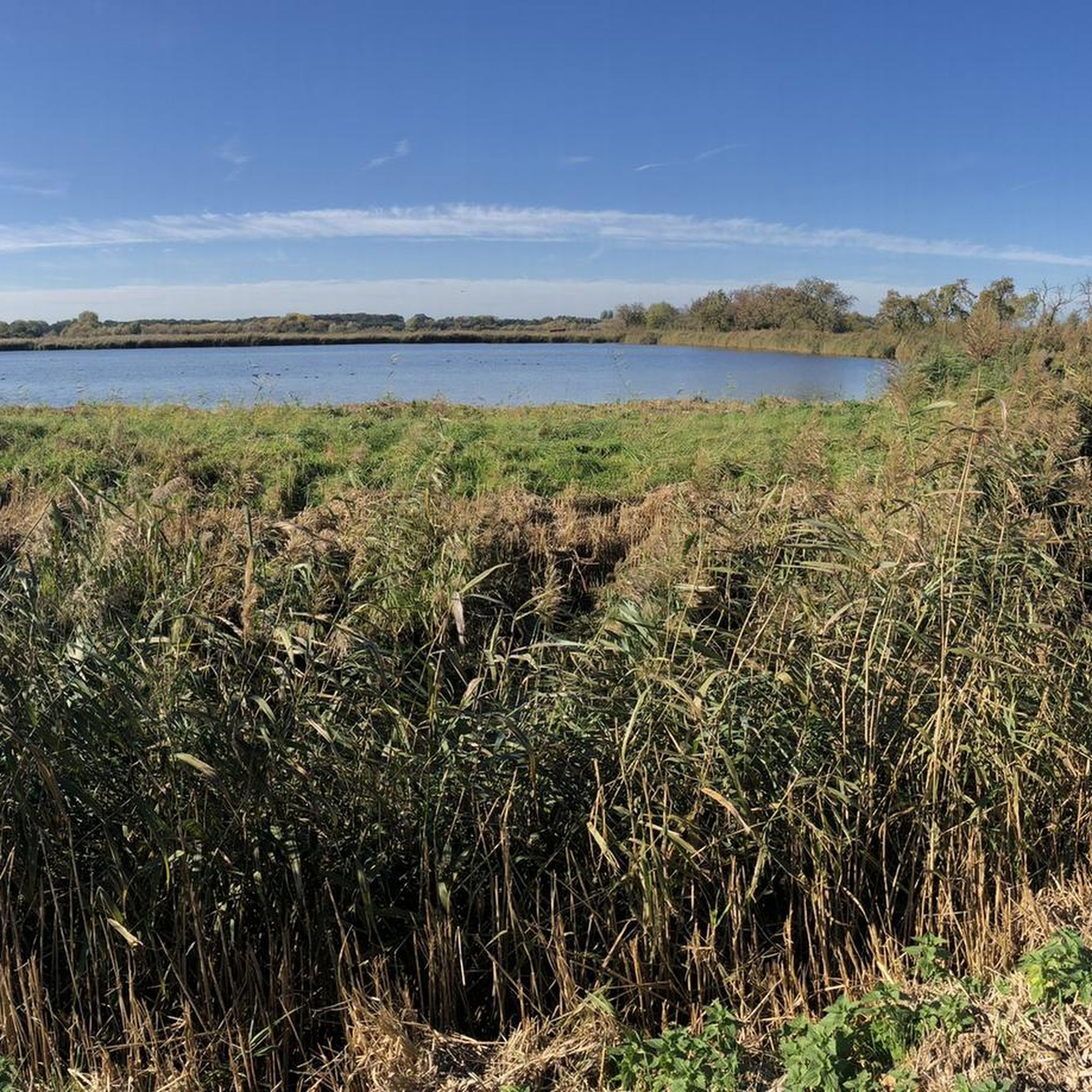
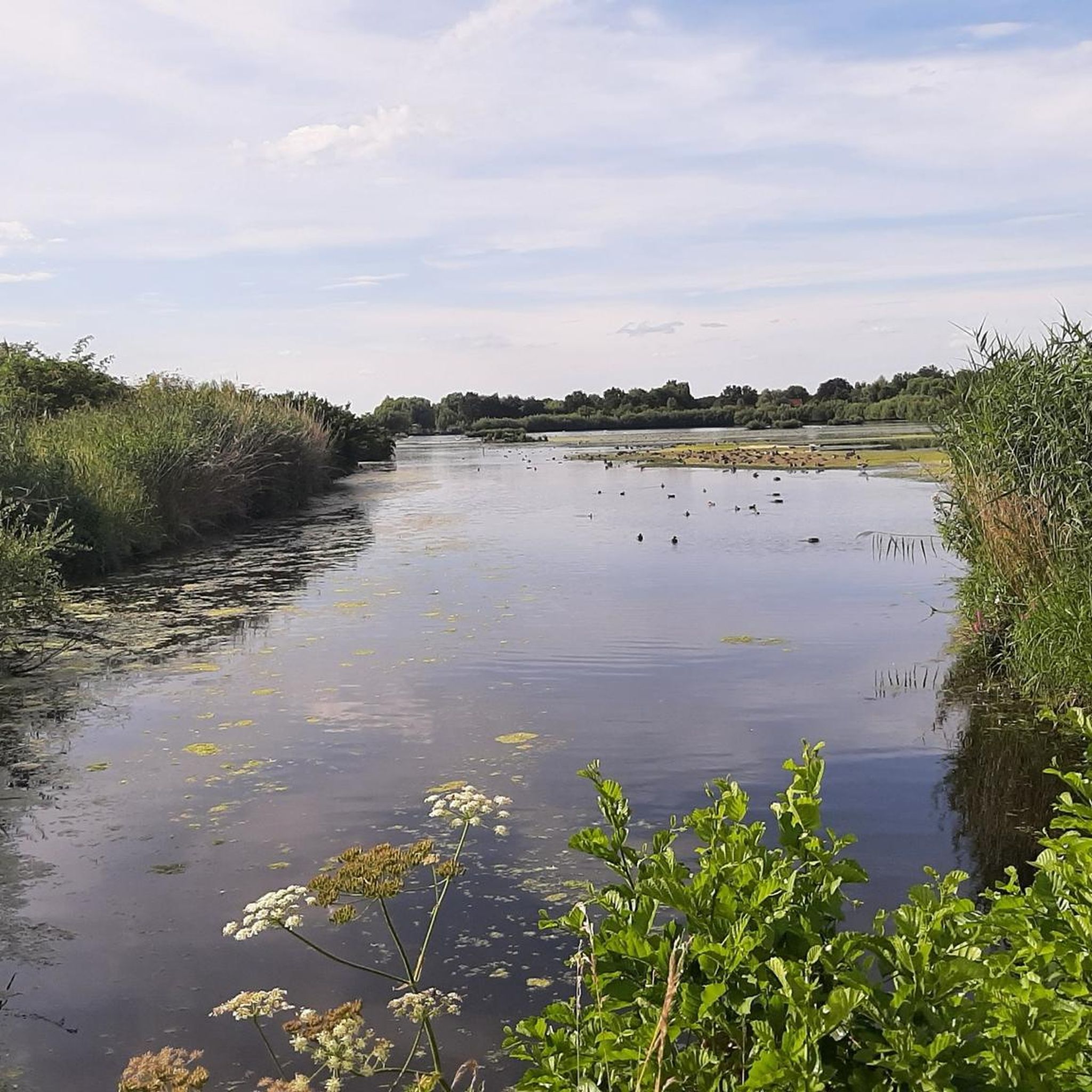
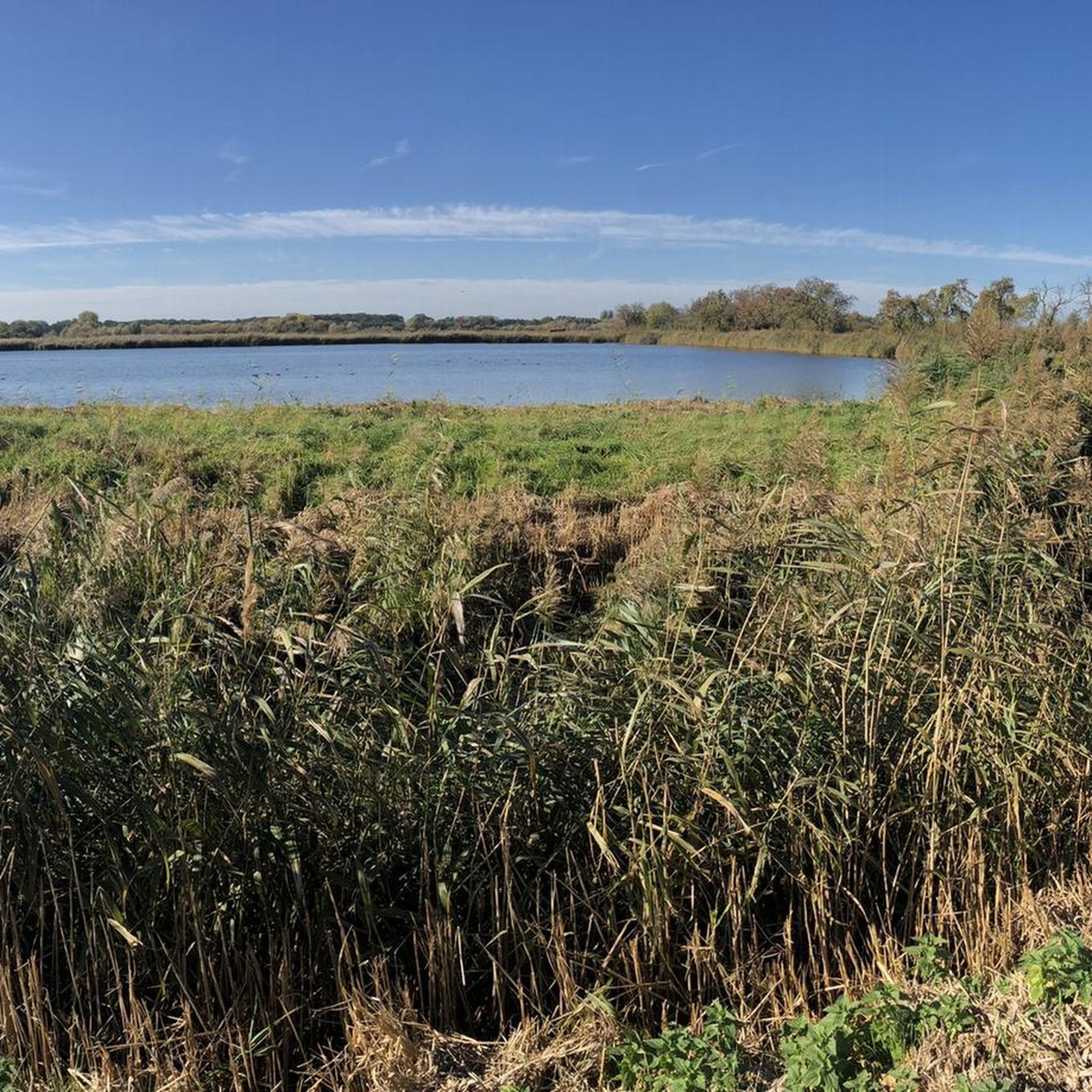
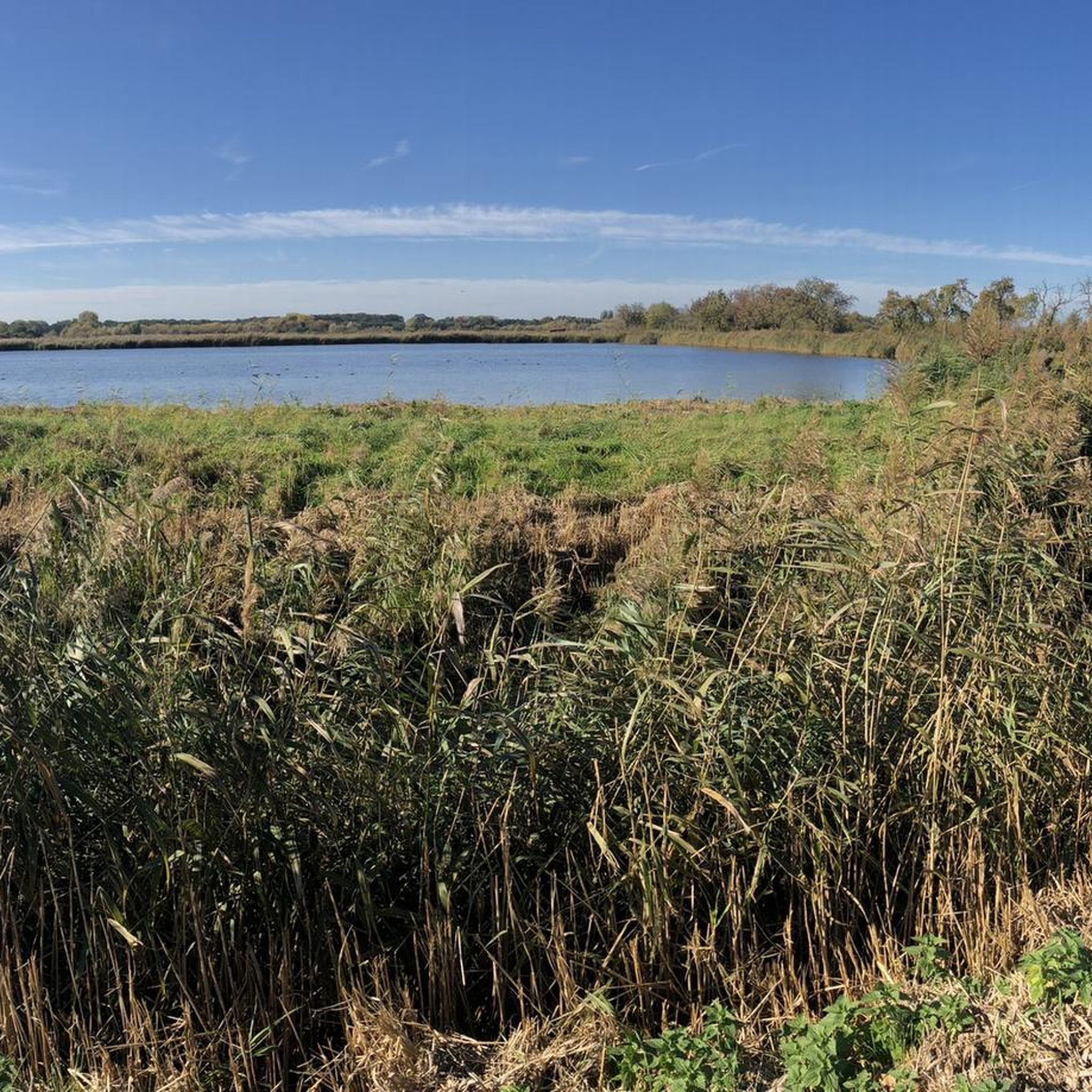
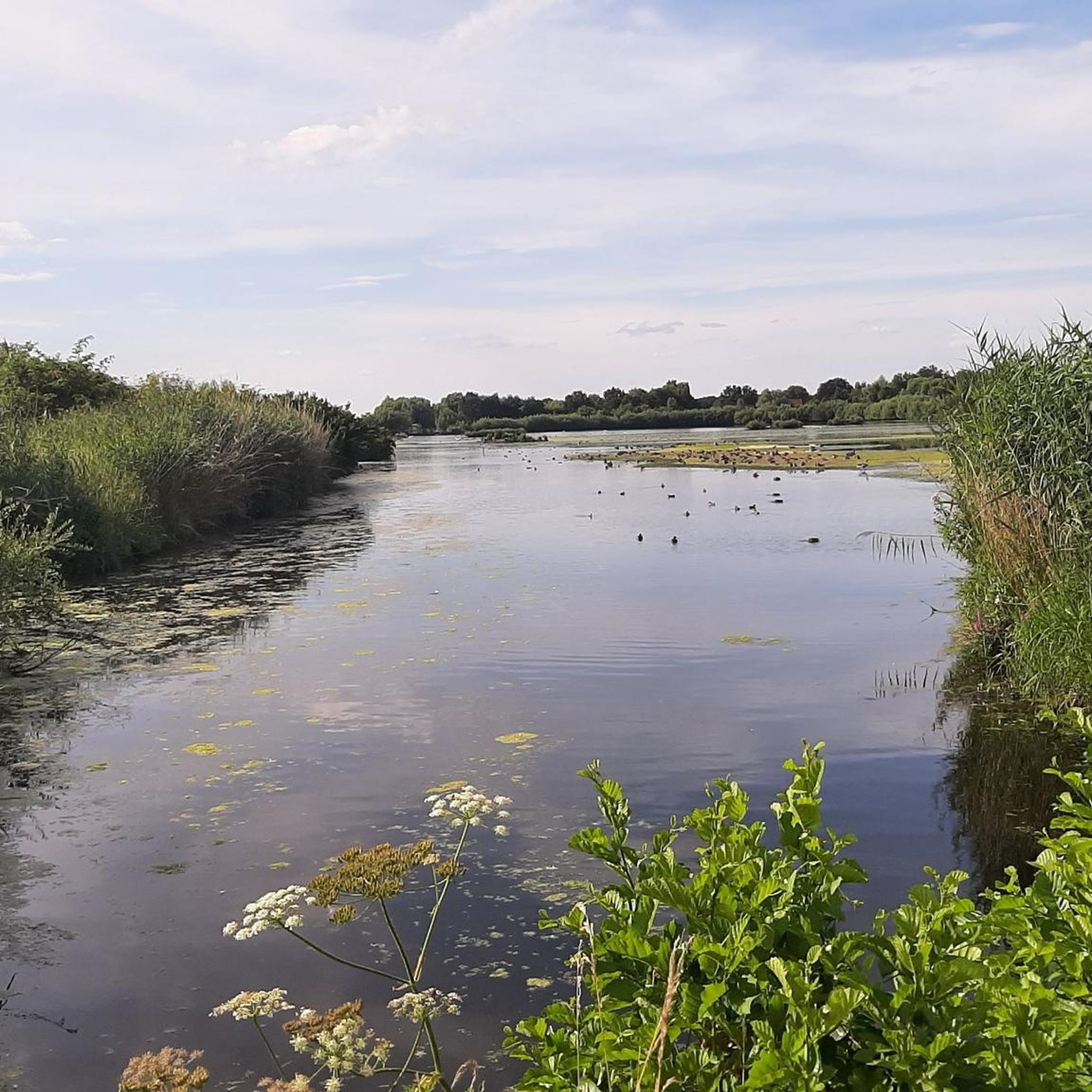
Best attractions and places to see in Rieselfelder Münster include a unique nature reserve located just north of the city. This area, once a sewage farm, has been transformed into a thriving wetland ecosystem, recognized as a significant bird sanctuary and a Natura 2000 protected area. It features a mosaic of ponds, reed beds, wet grasslands, and meadows, supporting over 130 bird species. The reserve offers diverse habitats for wildlife and serves as an important stopover for migratory birds.
Best…
Last updated: May 8, 2026
Rieselfelder Münster
Highlight • Natural Monument
Translated by Google •
Tip by

Rieselfelder Münster Nature Reserve
Highlight • Natural Monument
Showing Translation
Tip by

Sign up now to discover places like this
Get recommendations on the best single tracks, peaks, & plenty of other exciting outdoor places.
Sign up for free
Rieselfelder Münster Nature Reserve
Highlight • Natural Monument
Translated by Google •
Tip by

Rieselfelder, Münster
Highlight • Natural
Translated by Google •
Tip by

Dortmund–Ems Canal north of Münster
Highlight (Segment) • River
Translated by Google •
Tip by

Sign up for free to discover even more attractions in Rieselfelder Münster.
Sign up for free
Already have an account?
Start today with a free account
Your next adventure awaits.
Login or Signup
Tips from the Community

Cycle path to Münster
5
0

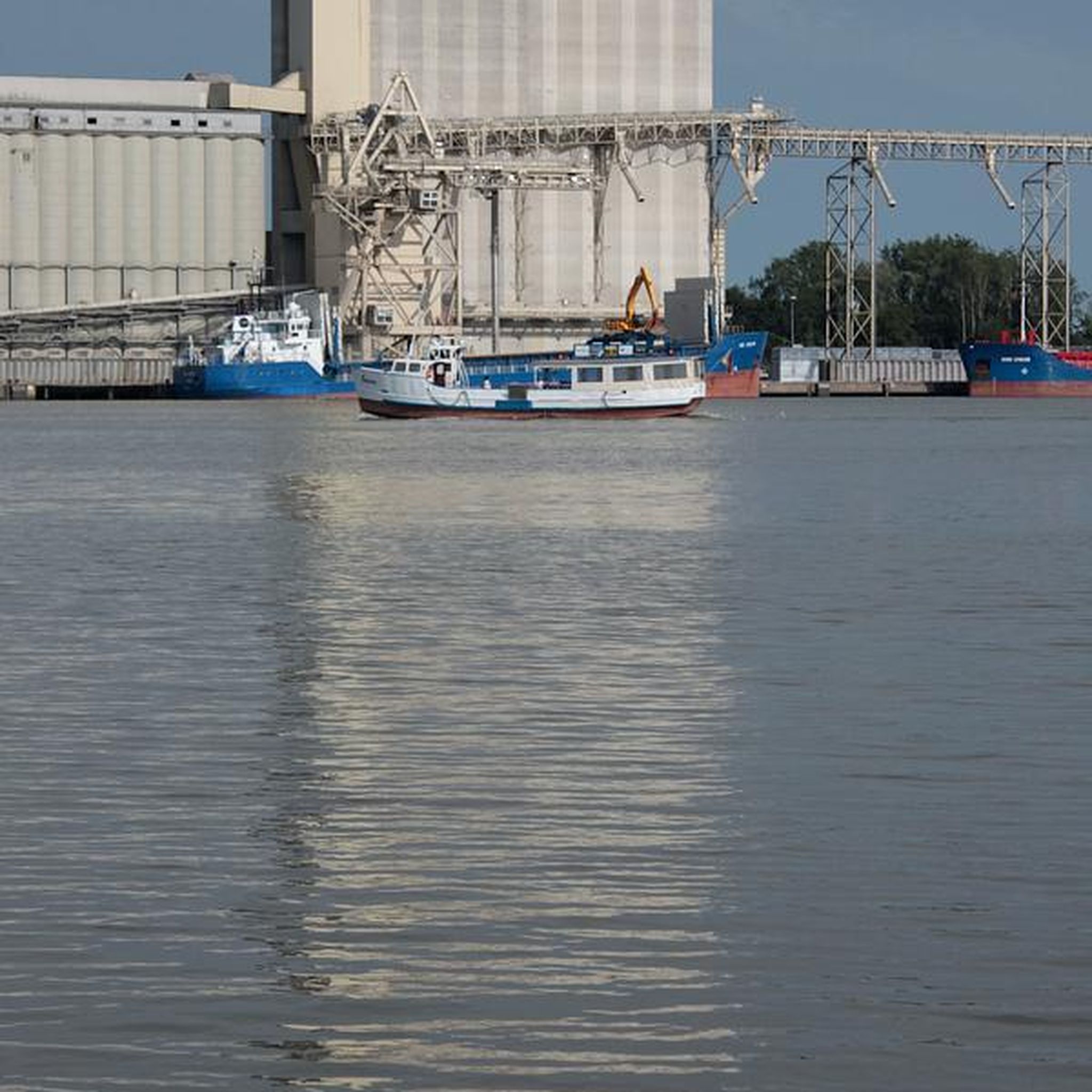
Fantastic hiking and cycling trails. The Dortmund-Ems Canal, completed in 1899, is a federal waterway between the Dortmund city harbor and Papenburg/Ems (North Sea) in the federal states of North Rhine-Westphalia and Lower Saxony. In Münsterland it runs between Lüdinghausen and Rheine over a length of 90 kilometers with two of the seven locks in Münster and Bevergern. There is also the “Wet Triangles” – the branch of the Mittelland Canal.
6
0

General information about the Dortmund-Ems Canal (DEK) and DEK cycle path The DEK runs between the Dortmund city harbor and Papenburg through the federal states of North Rhine-Westphalia and Lower Saxony, past the "Henrichenburg" ship lift and the larger cities of Münster, Rheine, Lingen and Meppen. It was opened in 1899 and is approximately 225 kilometers long. The height difference is about 70 meters, there are three river crossings - Lippe, Stever and Ems. The canal can be crossed over numerous bridges. There are always rest areas and small town harbors along the canal. The Dortmund-Ems Canal cycle path mostly runs directly along the canal or later the Ems and is around 350 kilometers long. It connects the Ruhr area with the North Sea coast (Emden) and was opened in 1999. Along the canal it is almost free of gradients, with a few exceptions when there are interruptions caused by power plants, for example. The path is mostly gravel and partly tarred so that it can be easily driven even in rainy weather. Due to the numerous options for calling and staying overnight, it is very suitable for both a day or multi-day tour.
9
1

Beautiful route between the Rieselfelder, at the Giro 22 you could shine here properly. But it's also nice to drive a little more leisurely here and watch the landscape.
7
0

Great route Coerde-Schmedehausen
8
1
Very nice route, easy to drive
12
0

The Natura 2000 protected area and bird reserve “Rieselfelder” is located just outside Münster. The former irrigation areas for wastewater were renatured between 1997 and 2000 and form a species-rich biotope for all kinds of plants and animals, especially birds. And a unique recreation area was created for the people of Münster!
13
1

The Rieselfelder Münster is a European bird sanctuary on the area of former irrigation areas for the wastewater of the Westphalian city of Münster. It belongs to the Natura 2000 network of protected areas and has the identifier DE-3911-401. It is a refuge for many endangered bird species.
15
0
Frequently Asked Questions
What kind of wildlife can I expect to see in Rieselfelder Münster?
Rieselfelder Münster is a renowned European bird sanctuary, home to over 130 bird species, including many rare and endangered ones. Beyond birds, you might also spot Heck cattle, which help maintain the landscape, and storks. The diverse habitats of ponds, reed beds, and wet grasslands support a rich variety of flora and fauna.
Are there specific observation points for birdwatching in Rieselfelder Münster?
Yes, the area features several observation towers and numerous observation huts designed to provide excellent views of the landscape and wildlife without disturbance. One particular observation tower offers a panoramic view over a reservoir, ideal for birdwatching.
Are there walking or hiking trails in Rieselfelder Münster?
The well-maintained reserve is ideal for exploring on foot, with numerous paths and circular routes. A notable option is the Rieselfelder Nature Reserve, Münster, which offers beautiful paths and wooden walkways, including a Reed Nature Trail with information boards.
Can I cycle in Rieselfelder Münster?
Yes, the Rieselfelder Münster is very suitable for cycling, with many paths and trails. You can find various cycling routes, including easy loops like the "Bird Observation Hut – Rieselfelder Nature Reserve loop from Rieselfelder Münster" or longer tours along the Dortmund-Ems Canal Cycle Path. For more options, explore the Cycling in Rieselfelder Münster guide.
Are there family-friendly activities or trails in Rieselfelder Münster?
Absolutely. The entire area is considered family-friendly, offering easy walking and cycling paths suitable for all ages. The Rieselfelder Nature Reserve, Münster, for example, features wooden walkways and nature trails that are engaging for children. Educational programs and guided tours are also available, making it a great nature experience for families.
What is the best time of year to visit Rieselfelder Münster for birdwatching?
The best times for birdwatching vary by season, as migratory birds are a significant attraction. Spring and autumn are particularly good for observing migrating species, while summer offers breeding birds and winter provides opportunities to see overwintering waterfowl. The area is beautiful year-round for general nature enjoyment.
Is there an entry fee to visit Rieselfelder Münster?
No, there is no entry fee to visit Rieselfelder Münster. It is a publicly accessible nature reserve and recreational area.
Are dogs allowed in Rieselfelder Münster?
While the Rieselfelder Münster is a nature reserve, dogs are generally allowed on designated paths, provided they are kept on a leash to protect the sensitive wildlife. Please be mindful of signage and local regulations.
How can I get to Rieselfelder Münster by public transport?
Rieselfelder Münster is conveniently located just six kilometers north of Münster city center. It is accessible by public transport, with local bus services connecting the city to the area. Check local bus schedules for routes heading towards the northern outskirts of Münster.
Is parking available at Rieselfelder Münster?
Yes, there are designated parking areas available for visitors at Rieselfelder Münster. These are typically located at the main entrances or key access points to the reserve, allowing easy access to the paths and observation areas.
What is the Biological Station Rieselfelder Münster?
The Biological Station Rieselfelder Münster serves as an important information hub and research center. It offers visitors insights into the area's history, ecology, and current bird populations, and plays a vital role in scientific research and conservation efforts for this unique biotope.
What is the history behind Rieselfelder Münster?
Originally, Rieselfelder Münster was a sewage farm for the city of Münster, established in 1901. Between 1997 and 2000, the area underwent extensive renaturation, transforming it from a wastewater treatment site into the species-rich biotope and European bird sanctuary it is today. It became a Natura 2000 protected area and a Ramsar Convention site due to its international importance for wetlands.
Most popular routes in Rieselfelder Münster
Most popular attractions in Rieselfelder Münster

Get inspired with the komoot mobile app


Explore more
Still not found the Highlight you’re looking for? See guides of the top attractions in other regions:
