Attractions and Places To See around Neuhaus-Schierschnitz - Top 20
Attractions and places to see around Neuhaus-Schierschnitz include historical landmarks, cultural sites, and natural features. This former municipality, now part of Föritztal in southern Thuringia, Germany, offers a blend of historical significance and picturesque surroundings. The area is characterized by its castles, churches, and natural highlights like lakes and gorges. Visitors can explore a variety of landscapes, from dense forests to historical fortifications.
Best attractions and places to see around Neuhaus-Schierschnitz
- The most popular attractions is Devil's Pulpit War Memorial…
Last updated: July 6, 2026
Mitwitz moated castle
Highlight • Castle
Translated by Google •
Tip by

⚔️ Festung Rosenberg
Highlight • Castle
Translated by Google •
Tip by

Sign up now to discover places like this
Get recommendations on the best single tracks, peaks, & plenty of other exciting outdoor places.
Sign up for free
Devil's Pulpit War Memorial
Highlight • Monument
Translated by Google •
Tip by

Sauloch Gorge
Highlight (Segment) • Gorge
At this point, I would like to thank everyone who shares their discoveries with the rest of us.
Translated by Google •
Tip by

Secluded Reginasee
Highlight • Lake
Translated by Google •
Tip by

Sign up for free to discover even more attractions around Neuhaus-Schierschnitz.
Sign up for free
Already have an account?
Start today with a free account
Your next adventure awaits.
Login or Signup
Popular around Neuhaus-Schierschnitz
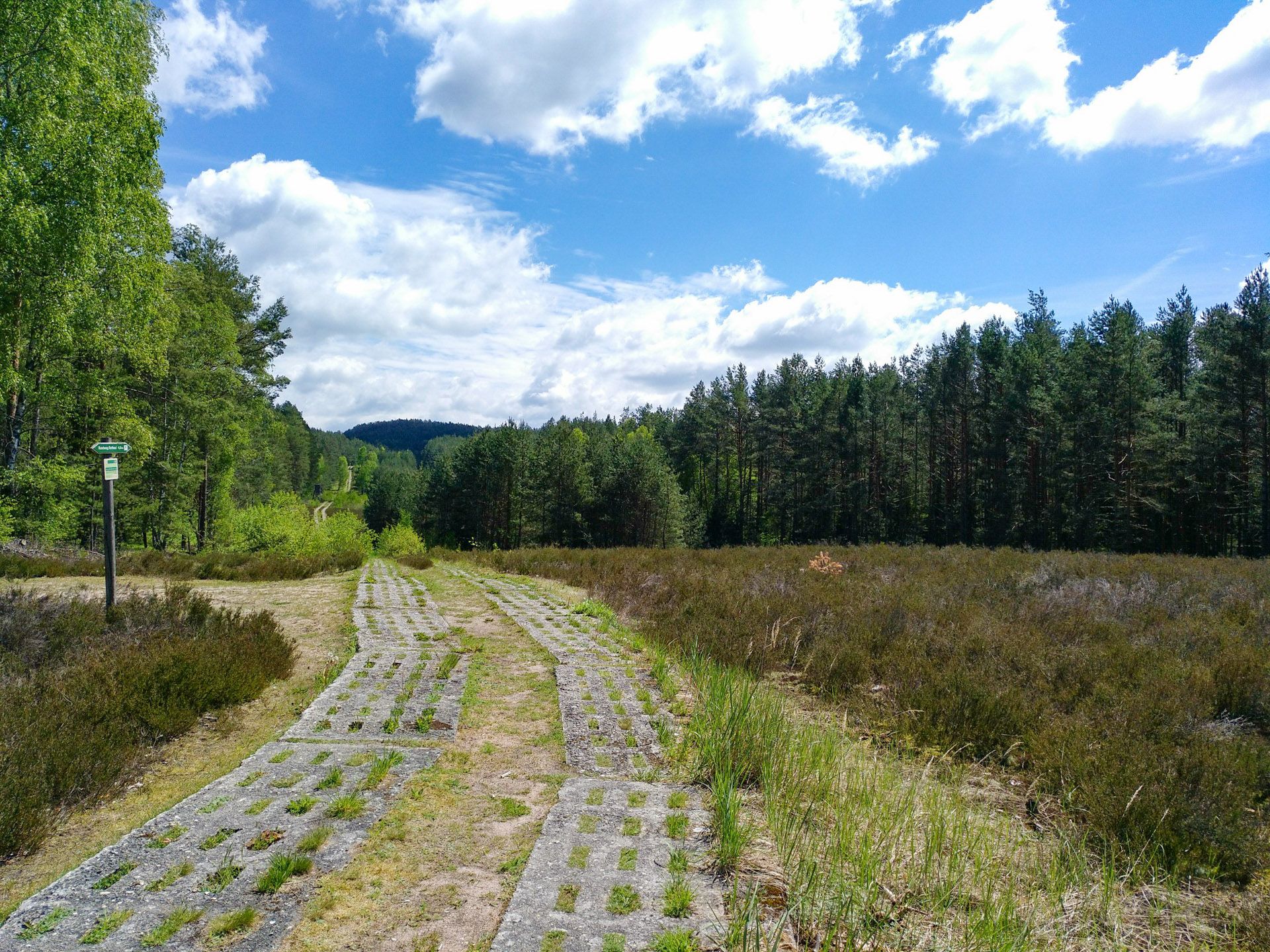
Discover the Green Belt in Germany’s Thuringian Slate Mountains with BUND
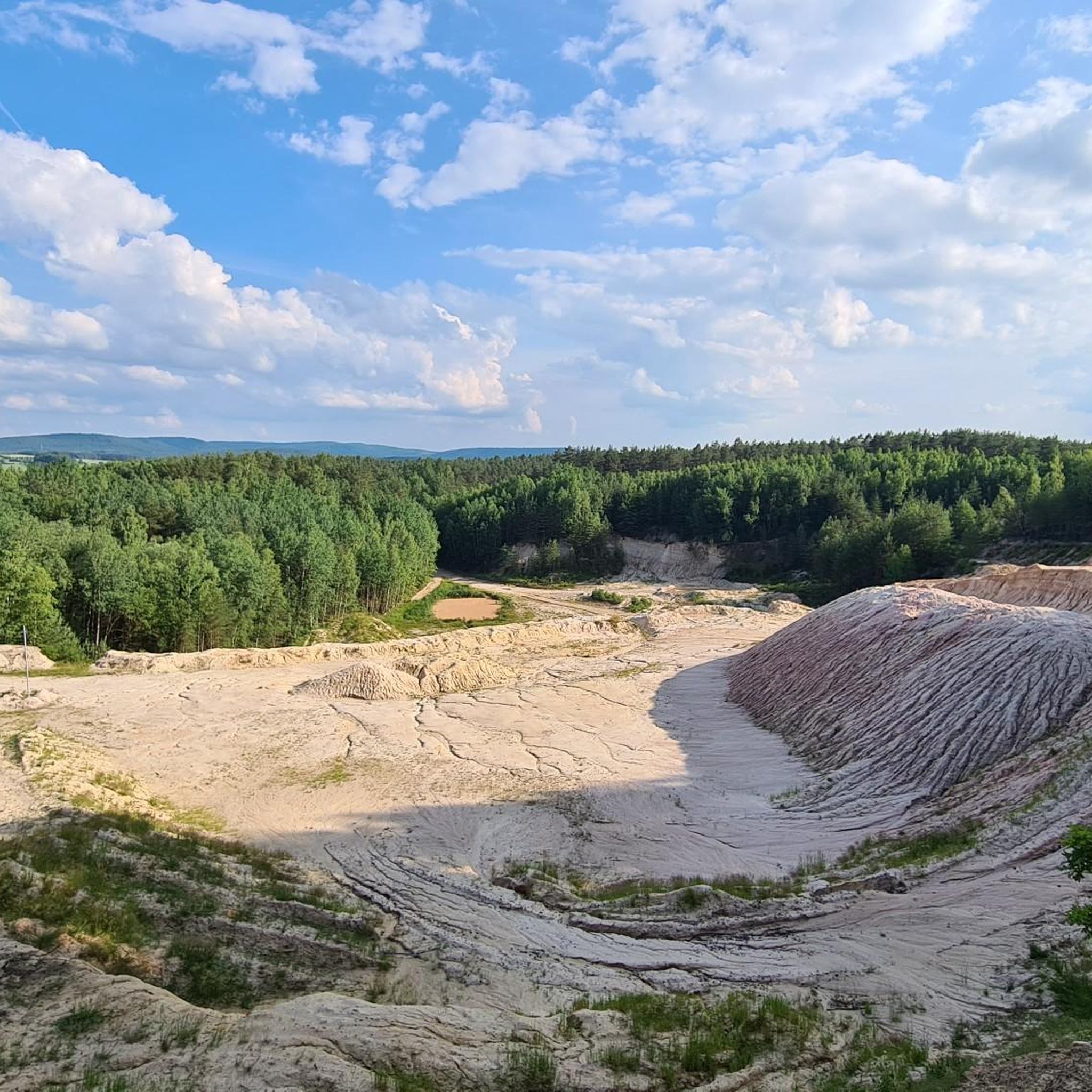
Hiking around Neuhaus-Schierschnitz
Road Cycling Routes around Neuhaus-Schierschnitz
Cycling around Neuhaus-Schierschnitz
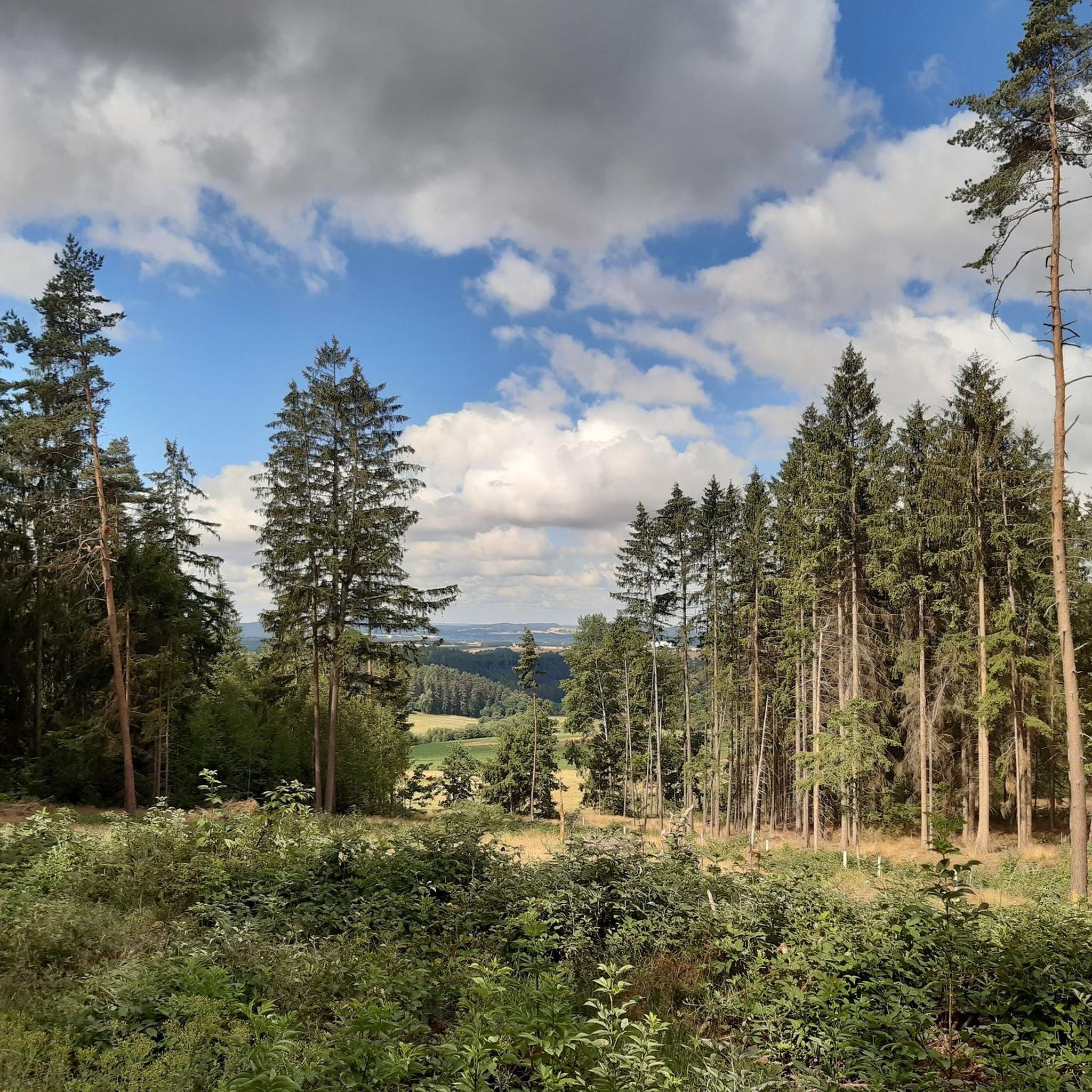
MTB Trails around Neuhaus-Schierschnitz
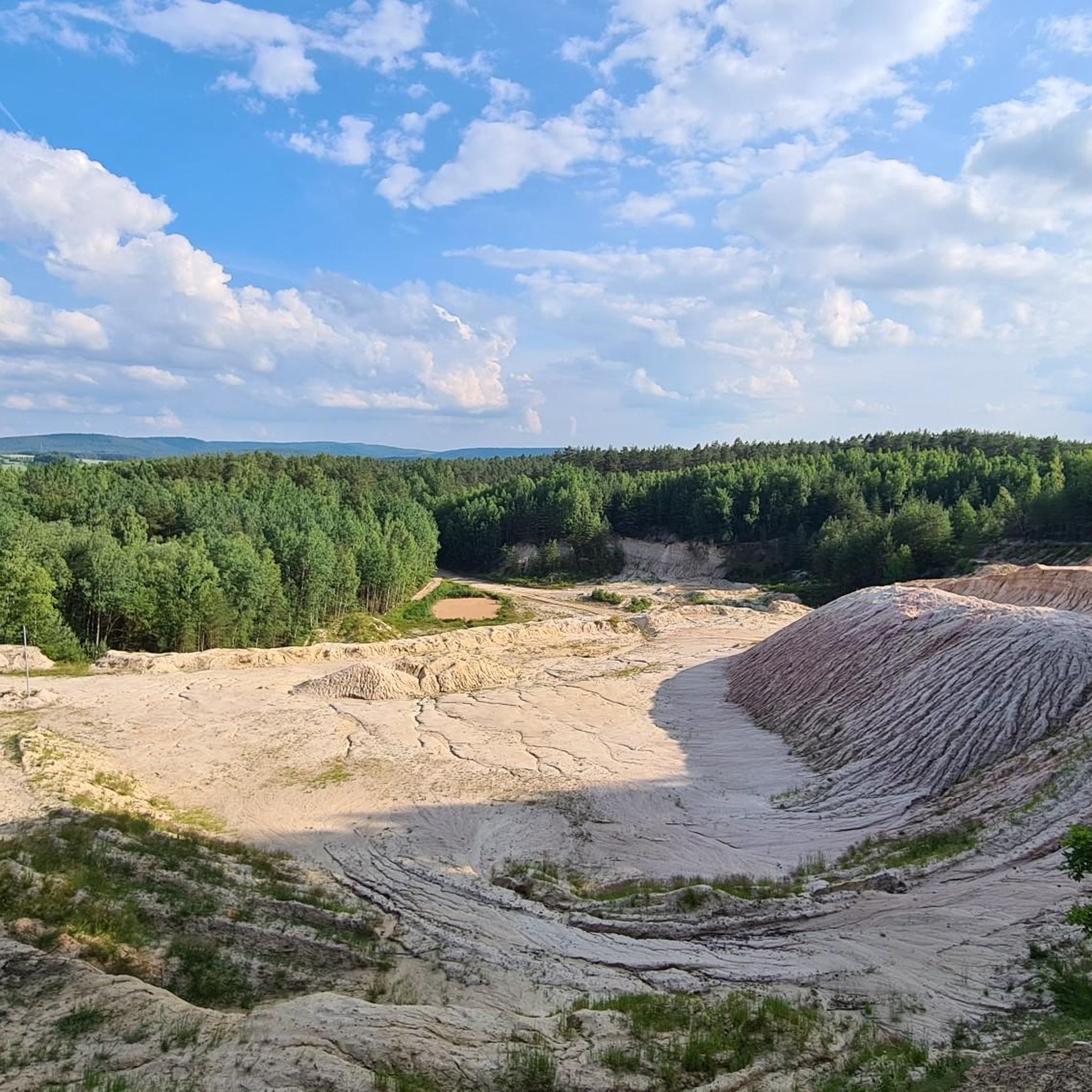
Running Trails around Neuhaus-Schierschnitz
Gravel biking around Neuhaus-Schierschnitz
Other adventures around Neuhaus-Schierschnitz

Tips from the Community

Very beautiful idyllic lake
2
0

Water castle in Mitwitz. Well-kept outdoor areas and many events characterize this place.
6
0

It was never conquered, never subdued: Rosenberg Fortress is one of the most beautiful and largest fortresses in Europe. The former Bamberg bishop's castle and later state fortress rises steeply above the old town of Kronach on the Rosenberg hill. The oldest surviving document mentioning the name "Rosenberg" dates from 1249. The various construction phases are clearly visible, from the medieval keep through the walls and towers of the 15th and 16th centuries to the late Baroque pentagon, illustrating the ever-changing demands of defensive construction throughout the centuries. The juxtaposition of medieval, Renaissance, and Baroque fortification architecture gives the complex its significant place in the history of German military construction. The renowned architects Maximilian von Welsch and Balthasar Neumann were involved in the expansion of the fortress. The fortress was never captured or defeated by enemies. In 1888, the city acquired the castle as a property without military significance. The underground tunnel system, which can be visited as part of the fortress tours, is also of particular interest.
10
0
The early baroque fortress gate, one of the most beautiful in Germany, was probably built by Antonio Petrini.
9
0
This small monument is under monument protection. The Marter, created in the 18th century, was originally located around 50 meters to the south-east at the upper end of Festungsstrasse; it was moved to its current location in 1936 on the occasion of the erection of the war memorial for the fallen of the First World War. The column, made of sandstone, was rotated 90 degrees so that the main side, which once looked south towards the city, now faces west. Philipp Ernst von Redwitz, named in the inscription on the base, was commander of Rosenberg Fortress from 1774 to 1787. He probably had the wayside shrine erected at the original location of the monument as a replacement for an earlier torture.
8
0

Small idyll. A bench or other seating would be cool. A board on a hut provides information about the local tradition of carp ponds. The 10km Frankenwaldsteigla Green Belt passes here.
3
0

Mauerwerg along the Rosenberg Fortress with a great view of the city
8
0

Nice little lake - in the middle of the forest
4
0
Frequently Asked Questions
What historical landmarks can I explore in and around Neuhaus-Schierschnitz?
The region is rich in history. You can visit Mitwitz moated castle, a stunning four-winged castle with original furnishings from the 16th to 20th centuries. Another significant site is Rosenberg Fortress in Kronach, one of Europe's largest and most beautiful fortresses, known for never being conquered. Within Neuhaus-Schierschnitz itself, Burg Neuhaus (Neuhaus Castle) and the Dreifaltigkeitskirche (Trinity Church) offer insights into the area's past.
Are there any natural attractions or scenic viewpoints in the area?
Absolutely! The Secluded Reginasee is a quiet forest lake under nature protection, providing a habitat for diverse wildlife. You can also explore the Sauloch Gorge, which features a small waterfall and a pleasant circular path. For panoramic views, the Devil's Pulpit War Memorial is situated in a scenic area suitable for walking.
What kind of outdoor activities can I do near Neuhaus-Schierschnitz?
The surroundings of Neuhaus-Schierschnitz are ideal for various outdoor activities. You'll find numerous hiking and cycling routes. For running, consider trails like the 'Neuhaus Castle loop' or 'View of Neuhaus-Schierschnitz – Geo Trail near Stockheim loop'. If you prefer hiking, there are easy options such as the 'View of Neuhaus-Schierschnitz – Grube Sophie Coal Mine loop' or 'Schloss Neuhaus – Neuhaus Castle loop'. For more challenging gravel biking, routes like 'Grümpeltal Valley – Ködel Reservoir loop' are available. You can find more details on these activities in the respective guides for running, easy hikes, and gravel biking around Neuhaus-Schierschnitz.
Are there family-friendly attractions in the Neuhaus-Schierschnitz region?
Yes, several attractions are suitable for families. Both Mitwitz moated castle and Rosenberg Fortress are listed as family-friendly, offering engaging historical experiences. The Secluded Reginasee is also a wonderful spot for families to enjoy nature. Additionally, the Deutsches Spielzeugmuseum (German Toy Museum) in nearby Sonneberg is a great option for children and adults alike.
What is the best time of year to visit Neuhaus-Schierschnitz?
The region is beautiful year-round, but spring through autumn (April to October) generally offers the most pleasant weather for exploring outdoor attractions and hiking trails. During these months, the natural landscapes are vibrant, and historical sites are typically fully accessible. Winter can also be charming for those who enjoy colder weather and potentially snowy landscapes, though some outdoor activities might be limited.
Can I find easy hiking trails suitable for beginners or casual walkers?
Yes, there are several easy hiking trails around Neuhaus-Schierschnitz. Options include the 'View of Neuhaus-Schierschnitz – Grube Sophie Coal Mine loop' (approx. 4.9 km) and the 'Schloss Neuhaus – Neuhaus Castle loop' (approx. 5.1 km). These trails offer gentle terrain, perfect for beginners or those looking for a relaxed stroll. You can find more easy hikes in the Easy hikes around Neuhaus-Schierschnitz guide.
What is the significance of the Green Belt in this region?
Neuhaus-Schierschnitz is located directly on the former inner-German border, which has been transformed into the European Green Belt. This unique natural and historical landscape offers opportunities for exploration, combining nature conservation with remembrance of the past. The nearby Sternwarte Rotheul (Rotheul Observatory) is a good starting point for hikes with views of the Green Belt.
Are there any unique cultural sites or museums in the area?
Beyond the castles and churches, the Heimatmuseum Neuhaus (Local History Museum) documents the town's origins and growth, showcasing its connections to historical figures and events. While previously located in Burg Neuhaus, it offers a deep dive into local heritage. The Deutsches Spielzeugmuseum (German Toy Museum) in Sonneberg is also a significant cultural institution nearby, focusing on the history of toys.
What do visitors enjoy most about the attractions around Neuhaus-Schierschnitz?
Visitors frequently praise the blend of historical depth and natural beauty. The well-preserved castles like Mitwitz moated castle and the imposing Rosenberg Fortress are highly appreciated for their historical significance and architecture. Nature lovers are drawn to the tranquility of places like the Secluded Reginasee and the scenic trails, often highlighting the peaceful atmosphere and beautiful views.
Are there any specific sites related to mining history in the region?
Yes, the Grube Sophie (Sophie Mine) is a former coal mine area that is now part of a geo-trail (Geopfad Steinkohle). It offers hiking opportunities and provides insights into the region's industrial and mining heritage, making it an interesting stop for those curious about local history.
Are there any dog-friendly walking trails or attractions?
Many of the natural trails and outdoor areas around Neuhaus-Schierschnitz are suitable for dog walking. For instance, the 'View of Neuhaus-Schierschnitz – Grube Sophie Coal Mine loop' and other easy hiking trails are generally dog-friendly, allowing you and your pet to enjoy the scenic surroundings. Always ensure dogs are kept on a leash where required and respect local regulations.
How long should I plan for a visit to the main attractions?
For individual attractions like Mitwitz moated castle or Rosenberg Fortress, allow at least 2-3 hours, especially if you plan to take a tour. Exploring natural sites like the Secluded Reginasee or the Sauloch Gorge can take anywhere from 1-3 hours depending on the length of your walk. To experience a good selection of the region's highlights, a full day or even a weekend would be recommended.
Most popular routes around Neuhaus-Schierschnitz
Most popular attractions around Neuhaus-Schierschnitz

Get inspired with the komoot mobile app


Explore more
Still not found the Highlight you’re looking for? See guides of the top attractions in other regions:
