The best road cycling routes around Hofheim in Unterfranken
4.7
(31)
318
riders
36
rides
Road cycling routes around Hofheim in Unterfranken traverse a landscape characterized by rolling hills, river valleys, and extensive forests. The region is situated within the Haßberge Mountains, offering gently undulating terrain and low mountain ranges. Cyclists can find routes along the scenic Main River or ascend more challenging climbs like the Kreuzberg Pass. This diverse geography provides varied conditions for road cycling.
Best road cycling routes around Hofheim in Unterfranken
- The most popular road cycling route is Königsberg–Hofheim Cycle Path…
Last updated: September 3, 2026
4.8
(5)
46
riders
Easy road ride. Great for any fitness level. Mostly well-paved surfaces and easy to ride.
4.9
(11)
33
riders
49.1km
02:14
390m
390m
Moderate road ride. Good fitness required. Some segments of this route may be unpaved and difficult to ride.

Sign up for free
5.0
(1)
28
riders
Moderate road ride. Good fitness required. Some segments of this route may be unpaved and difficult to ride.
5.0
(2)
24
riders
Easy road ride. Great for any fitness level. Mostly well-paved surfaces and easy to ride.
5.0
(1)
18
riders
36.5km
01:39
380m
380m
Moderate road ride. Good fitness required. Mostly well-paved surfaces and easy to ride.
Get access to more routes and recommendations from other explorers.
Sign up for free
Already have an account?
Our route recommendations are based on thousands of hikes, rides, and runs completed by other people on komoot.
Start today with a free account
Your next adventure awaits.
Login or Signup
Popular around Hofheim in Unterfranken
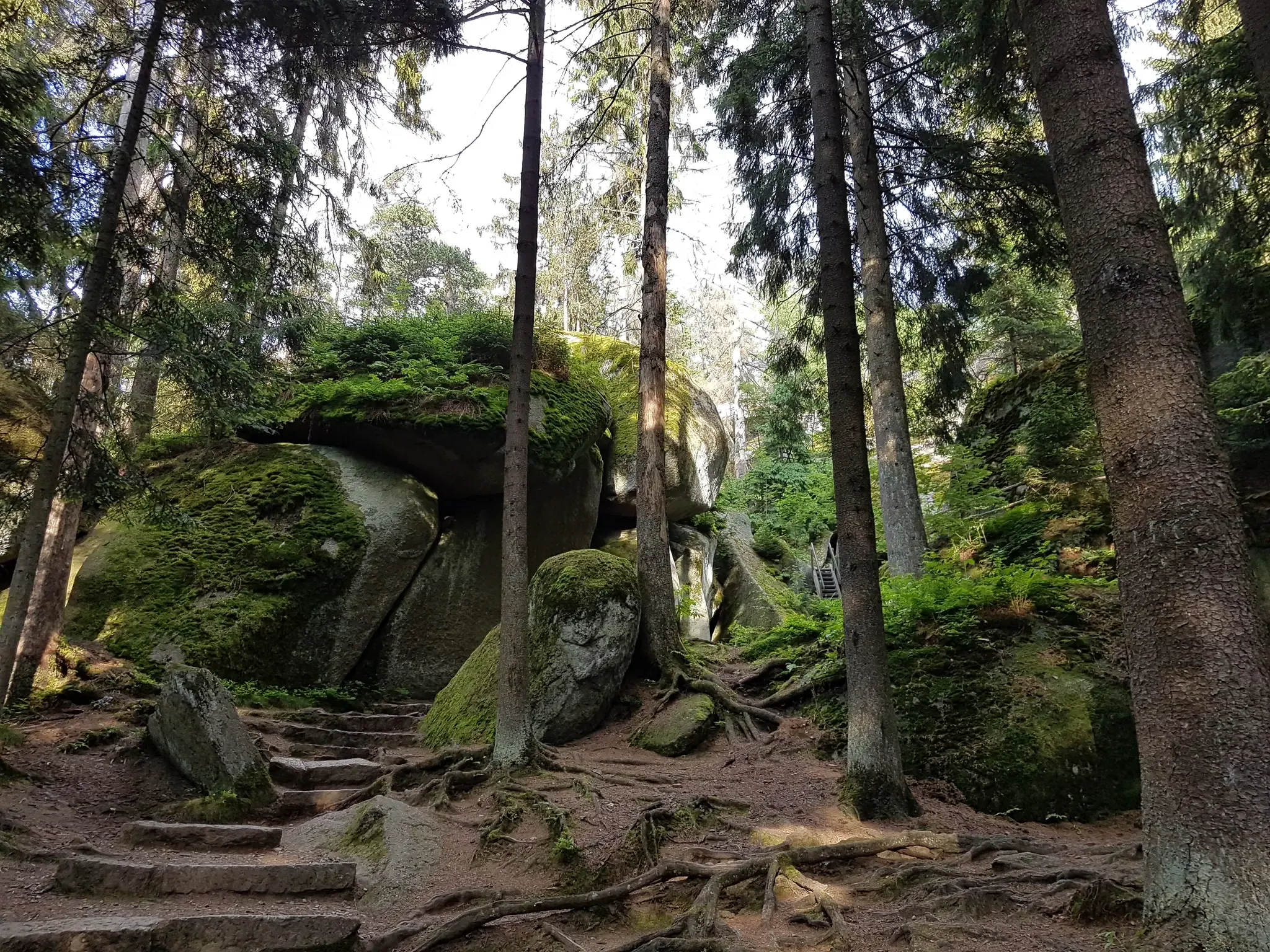
Nature, the outdoors and adventure – hiking through the VGN's nature parks
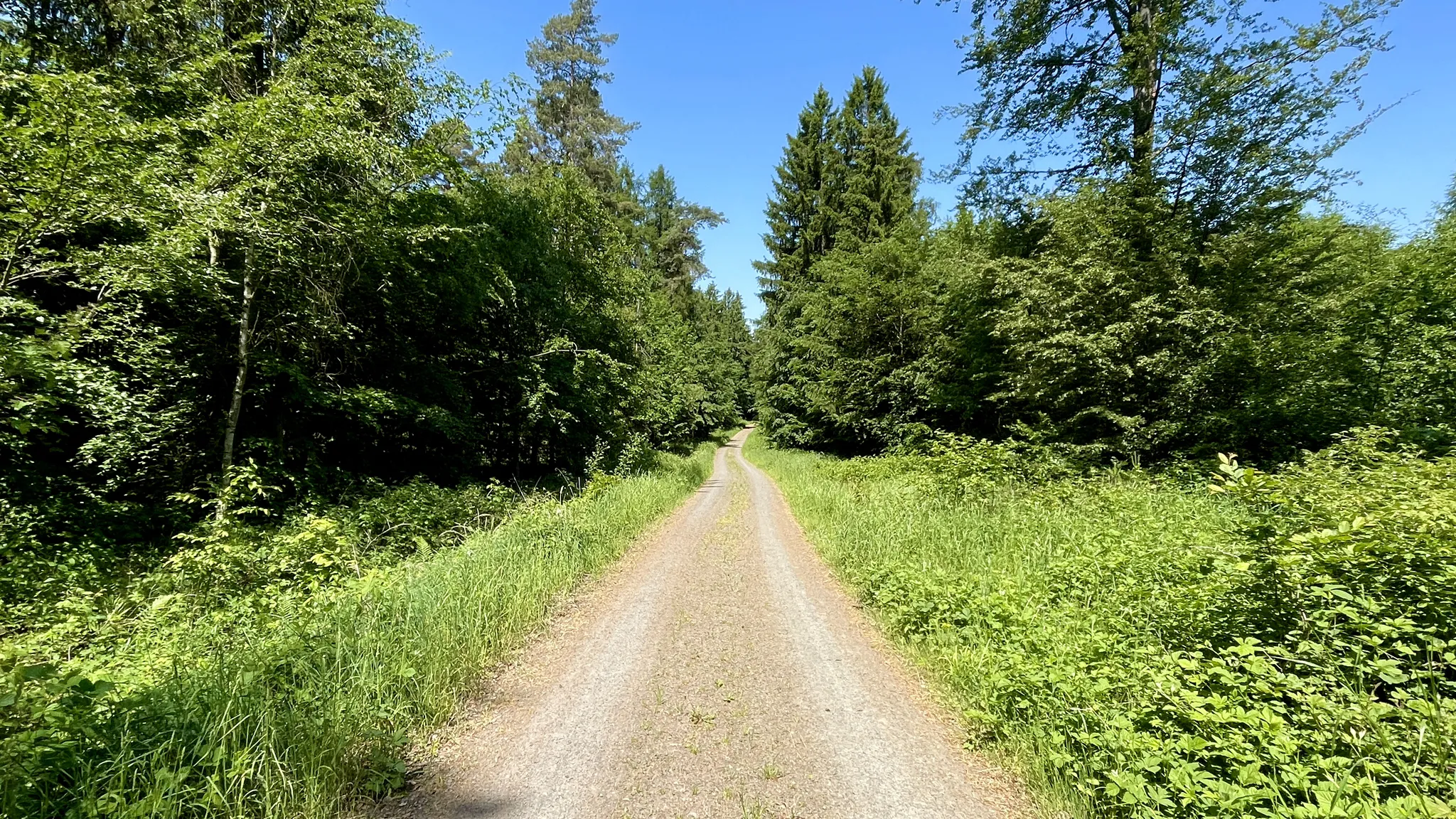
Replace stress with nature and silence – Rennweg (the Haßberge)

All aboard for summer hiking with Germany’s VGN
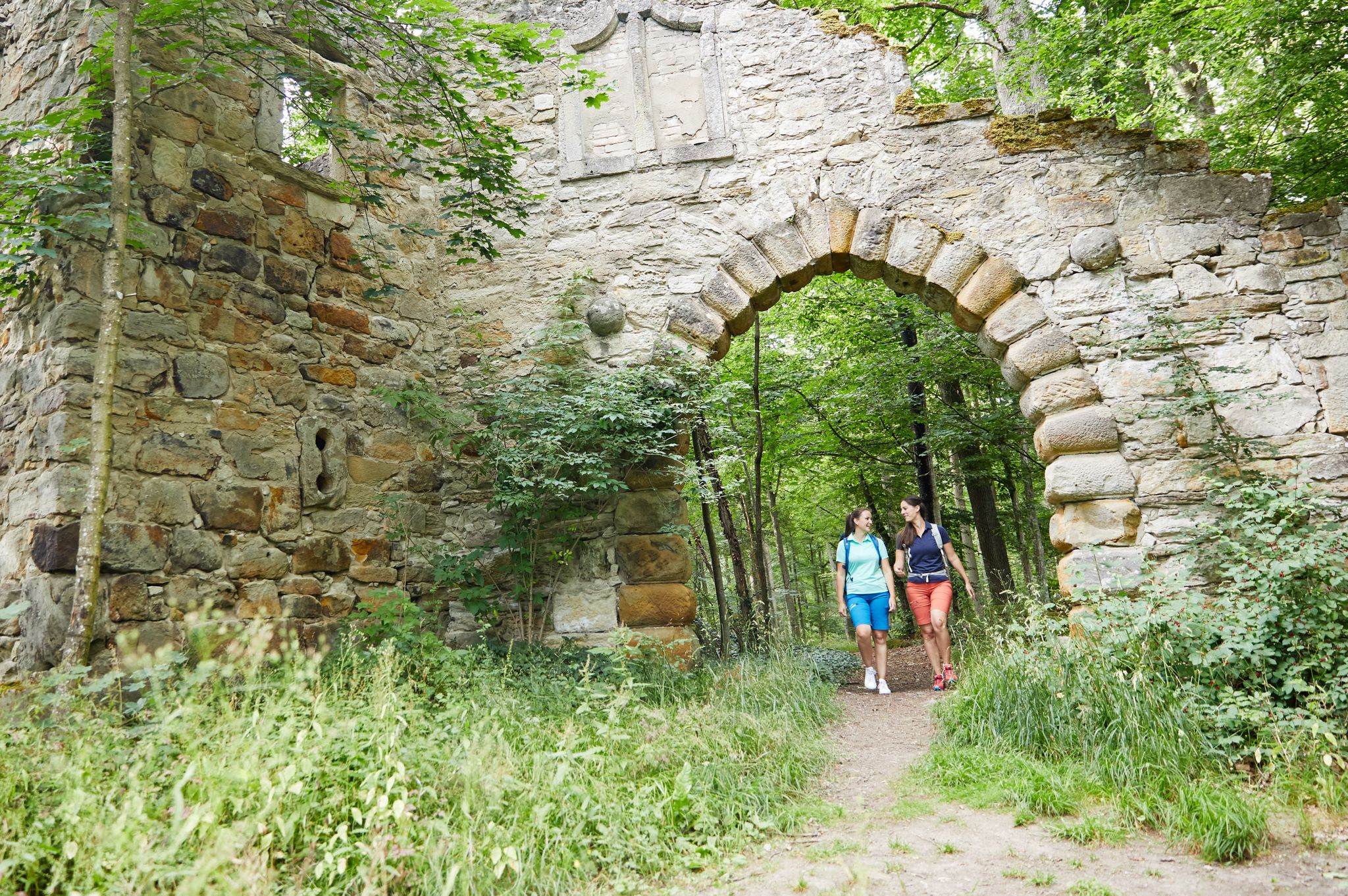
Full of views and fun – VGN leisure tips 2022
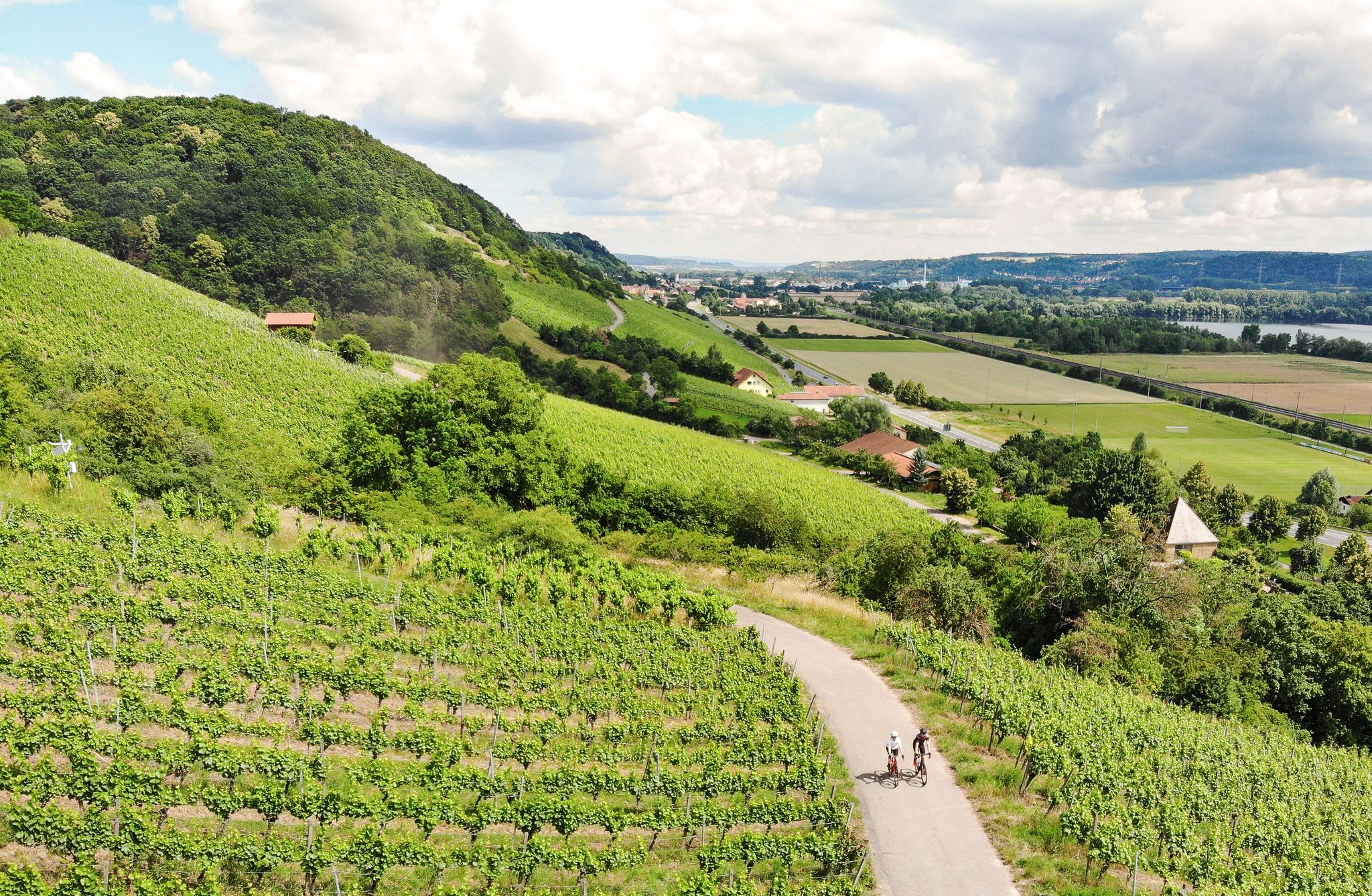
Castles, beer and wine — beautiful rides in the Hass mountains

Wine, woods & walking trails — Best of VGN hiking tips
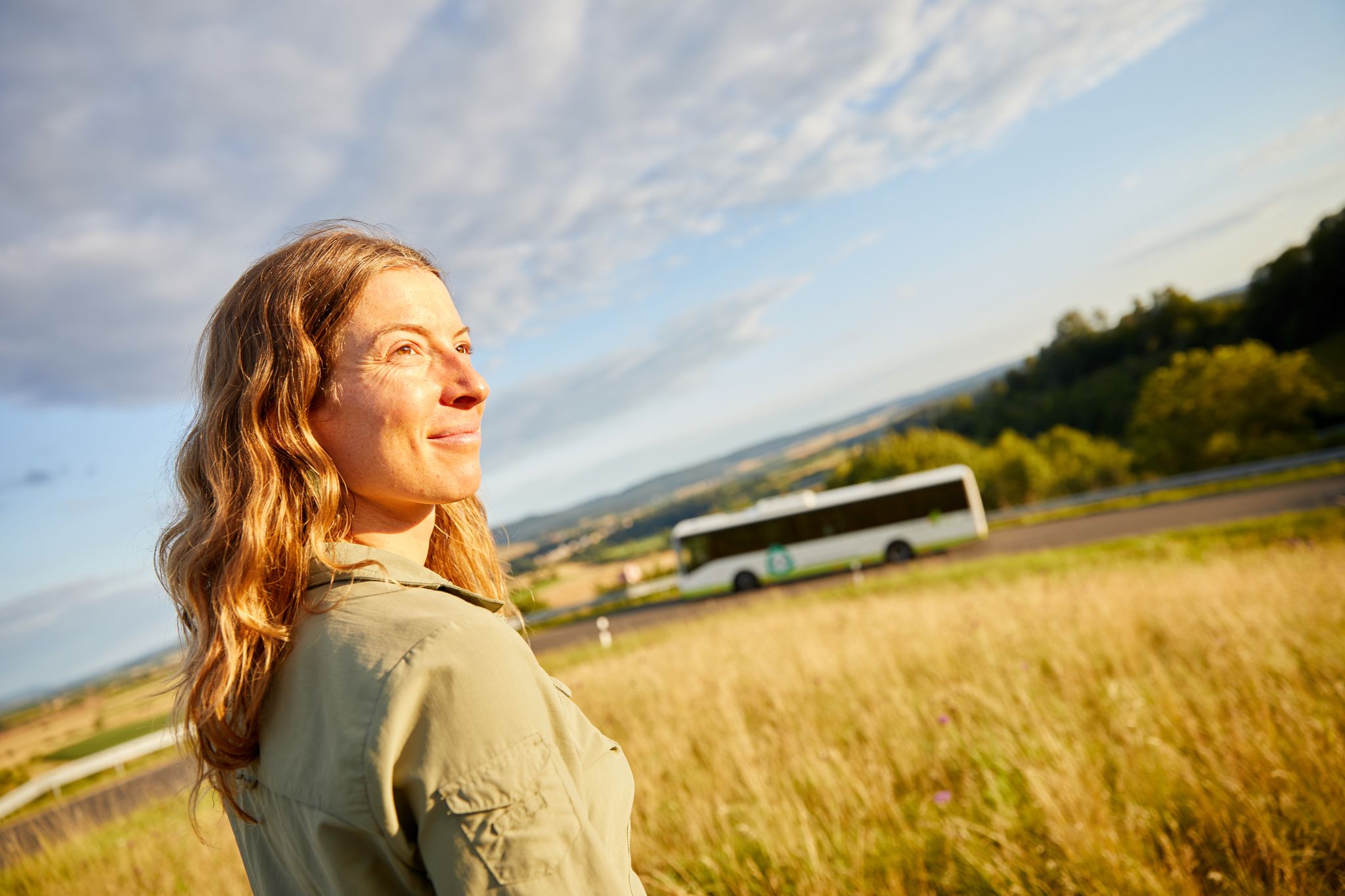
Explore southern Germany – hiking and biking with the VGN
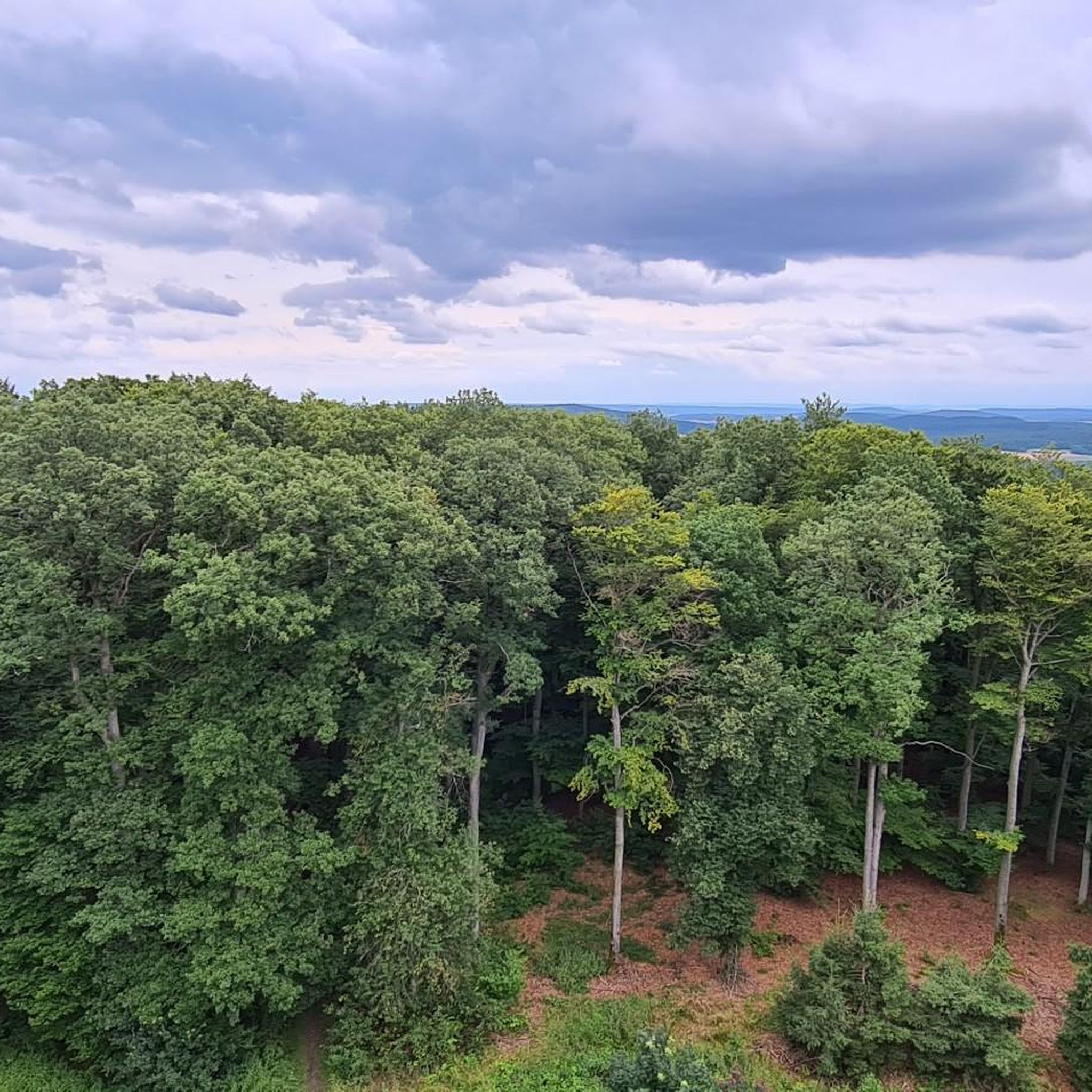
Hiking around Hofheim in Unterfranken
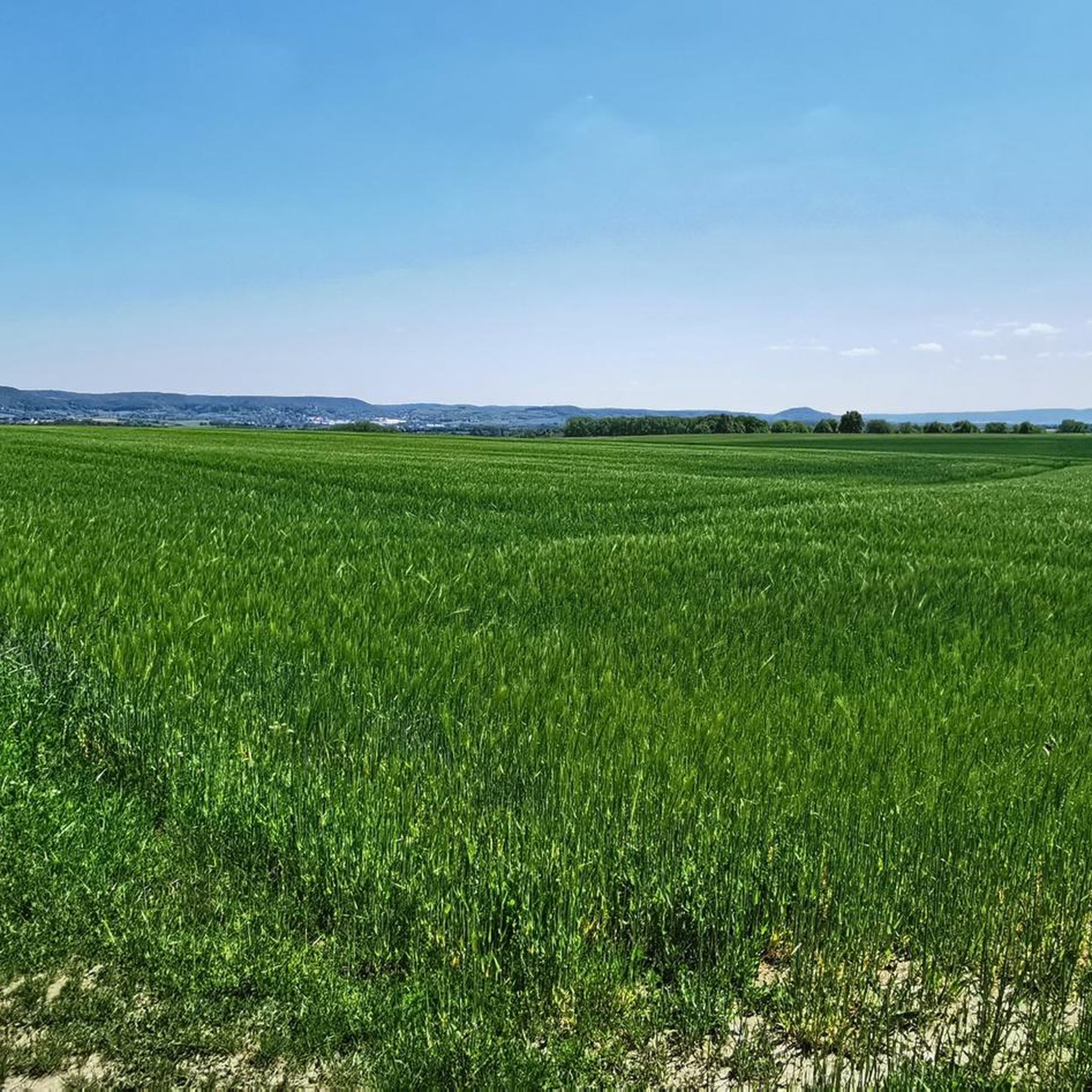
Cycling around Hofheim in Unterfranken
MTB Trails around Hofheim in Unterfranken
Other adventures around Hofheim in Unterfranken


Tips from the Community

Friesenhausen Castle was built as a moated castle in the 13th/14th century.
12
0

Welcome to Friesenhausen Castle The small village of Friesenhausen, part of the municipality of Aidhausen, is beautifully situated at the foot of the Haßberge hills. Along with the Protestant St. George's Church and the Catholic Church of the Assumption of Mary, Friesenhausen Castle is a defining feature of the village. The current building dates back to a Gothic castle surrounded by a moat. In the 16th century, a Renaissance palace was built over the castle courtyard and later converted into a Baroque palace. Further details can be found under the section on the castle's history. To commemorate the village's 1200th anniversary in 2016, a historical guide to Friesenhausen Castle will be published, containing a detailed history of the castle's construction as well as numerous illustrations. The property is privately owned and is generally not open to the public. Groups of 20 or more can request a guided tour by contacting us. Photography is not permitted inside the castle, and animals are not allowed on the premises. On Sunday, September 11, 2016, this year's Open Monument Day will take place. On this occasion, Friesenhausen Castle will open its gates from 12 pm to 5 pm (guided tours will be offered by family members; a small contribution towards expenses is requested). Coffee and cake will also be available. Larger groups can register for the event on this day by contacting us. http://www.schloss-friesenhausen.de/index.html
1
1
Architectural History of Friesenhausen Castle Around the year 1300, several local lords held sway in Friesenhausen simultaneously. A Gothic moated castle in a small lake existed from approximately 1300 to 1741 and was at times owned by the Truchseß von Wetzhausen family. Traces of this family can still be found in the Protestant Church of St. George. The Gothic lake castle, however, was demolished in 1741, and the lake was filled in with the rubble. The present Renaissance-Baroque castle in Friesenhausen also originates from a Gothic castle, which, however, did not stand in the adjacent lake but was surrounded by a moat. Around 1563, the married couple Schenk von Ostheim-Steinau von Steinrück built a Renaissance castle over the Gothic moated castle, incorporating the castle courtyard. The conversion to a Baroque castle and further construction work were carried out under the Würzburg Cathedral canon Johann Philipp Fuchs von Dornheim and the Lords von... Dalberg, who embellished the entire complex with numerous additions such as the gate and the equestrian statues. In 1940, Franz Karl Prince zu Salm-Salm acquired the castle, but resided there only temporarily. As early as 1938, it had served as quarters for women of the Reich Labor Service, later as accommodation for prisoners of war, a military hospital for wounded German soldiers, and finally as a transit camp for expellees from Silesia and the Sudetenland. Subsequently, Caritas Würzburg established a retirement home there, which remained in operation until March 1957. After this intensive use, the building stood empty for 16 years, which is why Prince Salm sold the urgently needed renovation of the castle to the von Eichborn family in March 1973. You can read the detailed, richly illustrated architectural history in our newly published 2016 art guide. http://www.schloss-friesenhausen.de/baugeschichte.html
1
1
Gossmannsdorf Church Market Square 1 97461 Gossmannsdorf Telephone (09523) 5033710 Website: info@hassberge-tourismus.de Of the old church, which was built a century earlier, only the ground floor remains to this day, making it the oldest monument in our village. After the village was elevated to parish status, the hill on which the church stands overlooking the village was fortified with a fortified church complex. This defensive structure had four towers. It served as a safe haven for the villagers in times of war. From 1601 to 1610, Prince-Bishop Julius Echter had the church tower raised by two stories and topped with its tall spire. Following the plans of Joseph Greissing, a student of the famous Würzburg architect Balthasar Neumann, Johann Georg Bierdümpfel, a native of Gossmannsdorf, built the current nave in 1716. The church's interior originally consisted of Gothic winged altarpieces, which were replaced by Baroque altars in the 18th century. The church owes its current, exceptionally valuable furnishings to the dedication and artistic appreciation of Pastor Dr. Ludwig and the generous congregation of that time. The Baroque high altar was acquired from Stadtlauringen in 1894. The beautiful side altars came from the town church of Schweinfurt and were previously located in the Carthusian Church in Würzburg. They are the work of Peter Wagner, the last great Rococo sculptor of Würzburg. Their great artistic value is evident from the fact that the Minister of Culture, von Müller, intended to purchase the altars for the new National Museum in Munich. https://www.gossmannsdorf-hassberge.de/verzeichnis/mandat.php?mandat=141763
1
1

From here you have a beautiful view of Königsberg Castle.
2
0
A very beautiful so-called court linden tree
1
0

A beautiful path leads all the way around Lower Franconia's largest lake. The lake is a great place for a break. You can grab a snack at the kiosk and, if the weather's nice, sit on the sandy beach.
0
0

Freight traffic was discontinued on September 24, 1994, and passenger train service on July 31, 1995. Following approval by the Federal Railway Authority on September 19, 1995,[3] the line was closed on December 1, 1995. Dismantling was completed in January 1997.[2] The former station building in Hofheim has housed a small railway museum[4] on the history of the line and the railway in general since 1976. Source: https://de.m.wikipedia.org/wiki/Bahnstrecke_Ha%C3%9Ffurt%E2%80%93Hofheim
13
0
Frequently Asked Questions
What kind of terrain can I expect when road cycling around Hofheim in Unterfranken?
The region offers a diverse landscape for road cyclists. You'll find gently rolling hills and low mountain ranges within the Haßberge Mountains, as well as flatter routes along the scenic Main River. For those seeking a challenge, there are also more demanding ascents like the Kreuzberg Pass.
Are there challenging road cycling routes in the Hofheim in Unterfranken area?
Yes, Hofheim in Unterfranken provides routes with significant elevation gain for experienced riders. The Kreuzberg Pass, for instance, is known for its steep gradient and offers a rewarding challenge with spectacular views. Overall, 3 of the 39 available routes are rated as difficult.
Are there easy road cycling routes suitable for beginners in Hofheim in Unterfranken?
Absolutely. There are 7 easy road cycling routes in the area. A great option for a gentle ride is the Königsberg–Hofheim Cycle Path – Hofheim–Königsberg Cycle Path loop from Hofheim in Unterfranken, which is 19.2 miles (31.0 km) long and offers a pleasant ride between the two towns.
What is the best time of year for road cycling in Hofheim in Unterfranken?
Spring and autumn are particularly recommended for road cycling in Hofheim. During these seasons, the weather is pleasantly mild, and nature is at its most vibrant, with blooming flowers in spring and the warm, colorful hues of the vineyards in autumn.
What notable landmarks or attractions can I see along road cycling routes?
Many routes pass by historical sites and natural attractions. You might encounter impressive castles like Königsberg Castle in Bavaria or Bramberg Castle Ruins. The Lower Gate – Schloss Craheim loop from Hofheim in Unterfranken, for example, leads past the imposing Renaissance Craheim Castle. The region is also rich in charming half-timbered villages.
Can I explore natural features like lakes or forests on road cycling routes?
Yes, the region is rich in natural beauty. You can find routes that offer views of lakes such as Lower Dam Area, Ellertshäuser Lake or Ursee Pond. The View of Ellertshäuser Lake – Lake Ellertshäuser loop from Hofheim in Unterfranken is a popular route featuring lake views. The nearby Steigerwald Nature Park also offers diverse landscapes including ancient oak and beech forests and numerous wetlands.
Are there circular road cycling routes available around Hofheim in Unterfranken?
Yes, many of the road cycling routes around Hofheim in Unterfranken are designed as loops, allowing you to start and end in the same location. Examples include the Königsberg–Hofheim Cycle Path loop and the Ellertshäuser Lake loop.
Are there any long-distance road cycling options near Hofheim in Unterfranken?
While specific long-distance routes are not detailed, the region's extensive network of cycling paths, especially within the Haßberge Mountains and Steigerwald Nature Park, allows for combining routes to create longer journeys. The Steigerwald, for instance, boasts an extensive network of trails, some on paved surfaces suitable for road cycling, connecting various towns and historical sites.
Are there family-friendly road cycling routes in Hofheim in Unterfranken?
The region offers several easy routes that are suitable for families. The flatter sections along the Main River or the Königsberg–Hofheim Cycle Path loop are good options for a more relaxed family outing, avoiding steep climbs.
Where can I find places to eat or drink along the routes?
Hofheim in Unterfranken and the surrounding villages are dotted with opportunities to enjoy regional cuisine. The Haßberge Mountains region is a meeting point of Franconia's winegrowing and beer-brewing traditions, so you'll find traditional beer gardens and wine cellars, especially in towns with half-timbered architecture. Many wineries and wine farms also offer breaks and tastings, particularly enjoyable in autumn.
What do other road cyclists say about the routes in Hofheim in Unterfranken?
The road cycling routes in Hofheim in Unterfranken are highly rated by the komoot community, with an average score of 5.0 stars from over 20 reviews. Cyclists often praise the varied terrain, picturesque villages, and magnificent views of vineyards and fields.
How many road cycling routes are available in Hofheim in Unterfranken?
There are 39 road cycling routes available around Hofheim in Unterfranken, catering to various skill levels. This includes 7 easy, 29 moderate, and 3 difficult routes.
Most popular routes around Hofheim in Unterfranken
Most popular attractions around Hofheim in Unterfranken

Get inspired with the komoot mobile app


Explore more
Browse the best Road cycling routes in other regions.
