The best road cycling routes in Dänikhorster Moor
4.5
(222)
3,057
riders
252
rides
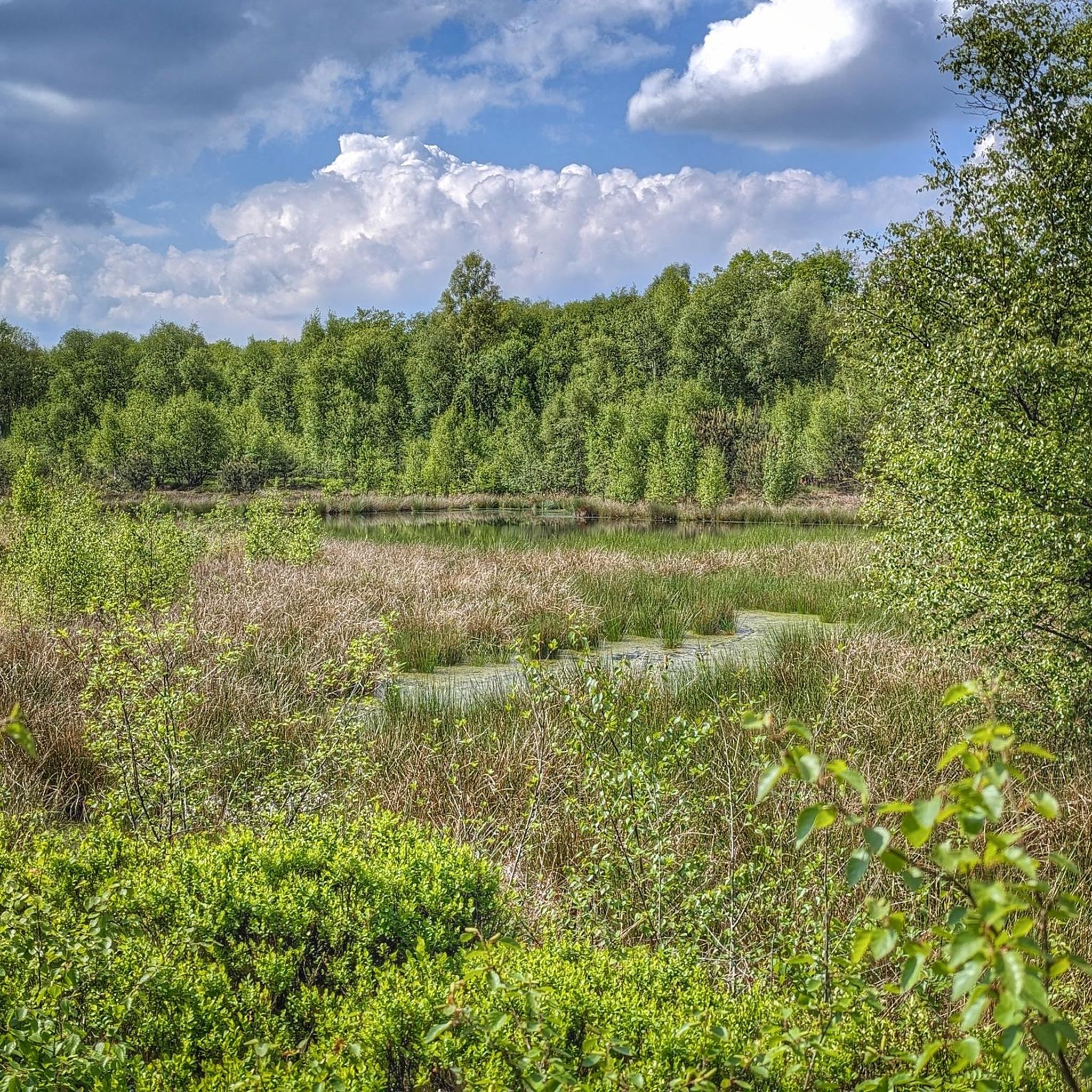
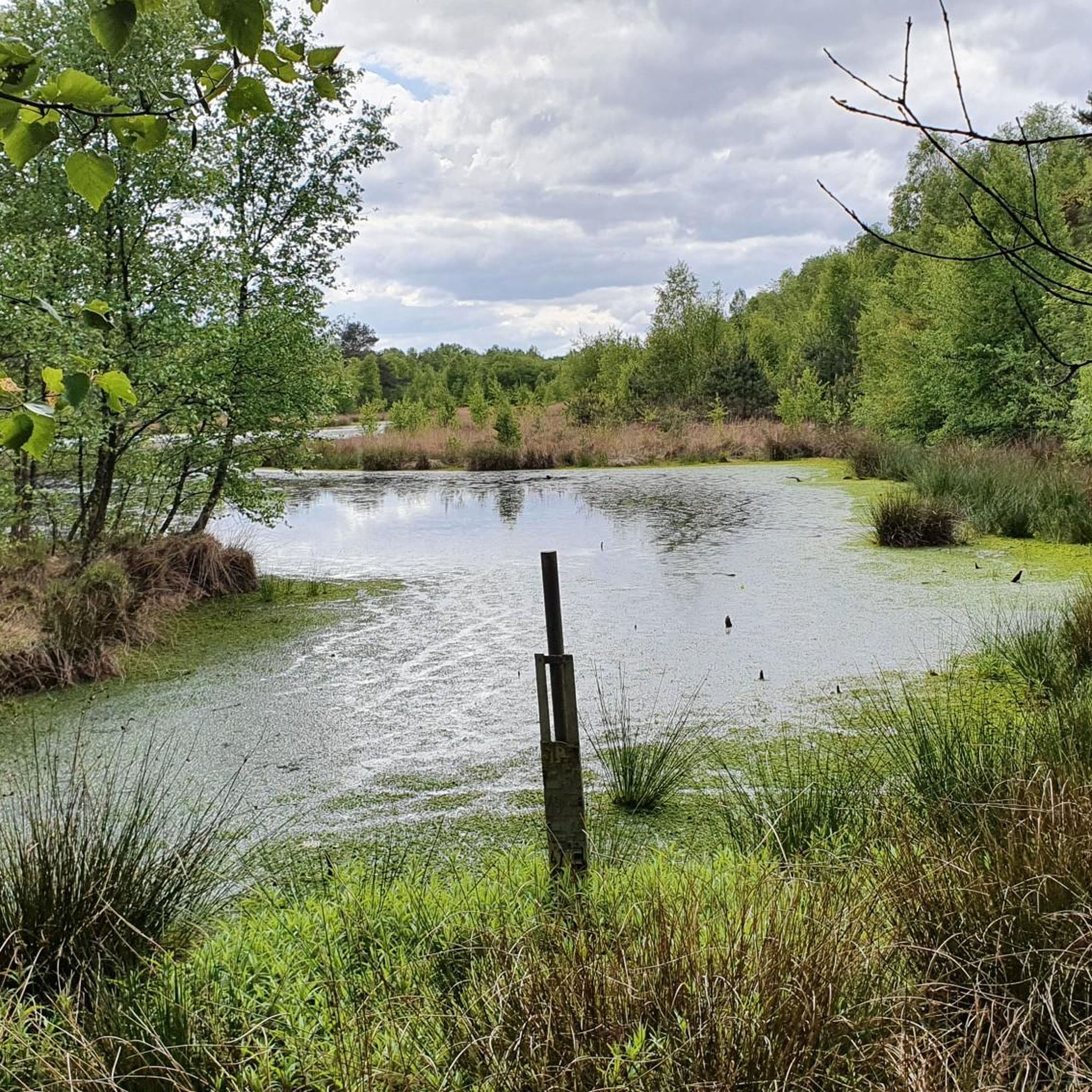
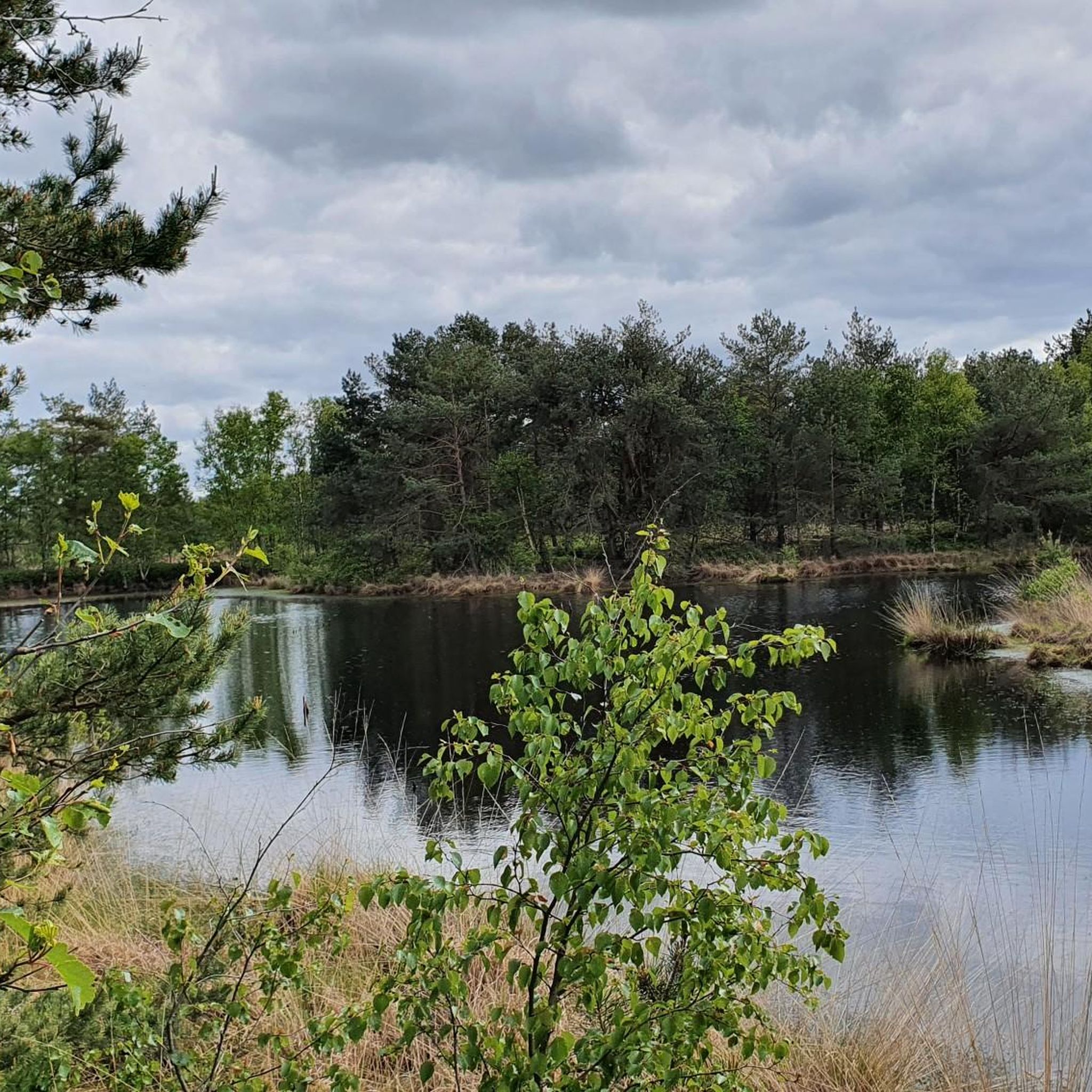
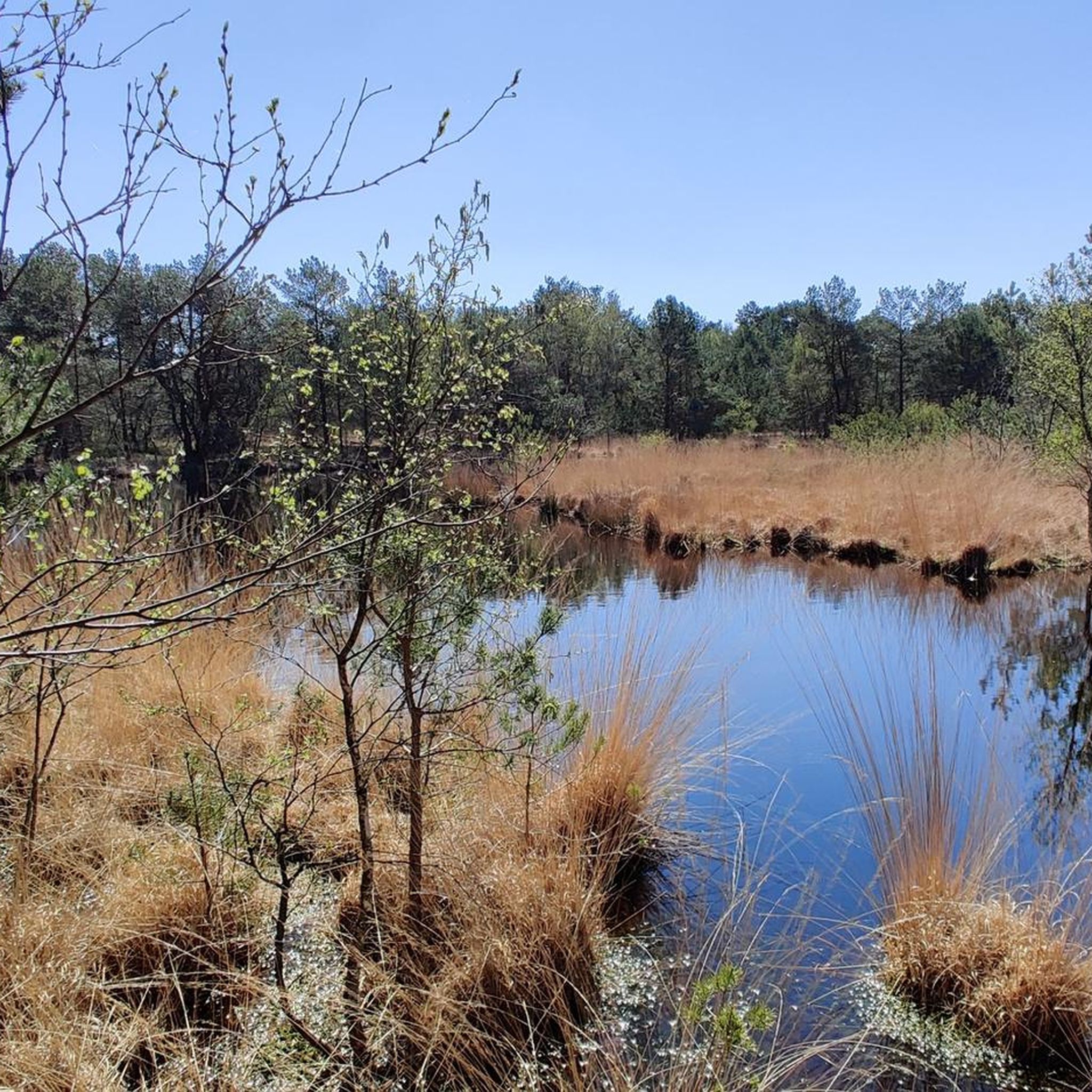
Road cycling in Dänikhorster Moor offers routes through distinctive moorland landscapes in Lower Saxony, Germany. The region is characterized by rewetting efforts, creating water-filled former peat cuttings and extensive moor forests dominated by birch trees. Cyclists will find open heathlands and the Dänikhorster Moorkanal traversing the area. The terrain is predominantly flat, with many routes featuring paved surfaces suitable for road bikes.
Best road cycling routes in Dänikhorster Moor
- The most popular road cycling route is Bad Zwischenahner Meer –…
Last updated: May 20, 2026
4.5
(4)
36
riders
Moderate road ride. Great for any fitness level. Some segments of this route may be unpaved and difficult to ride.
3.5
(2)
18
riders
Moderate road ride. Good fitness required. Some segments of this route may be unpaved and difficult to ride.

Sign up for free
5.0
(2)
8
riders
Moderate road ride. Great for any fitness level. Some segments of this route may be unpaved and difficult to ride.
9
riders
60.5km
02:30
100m
100m
Moderate road ride. Good fitness required. Some segments of this route may be unpaved and difficult to ride.
8
riders
Moderate road ride. Great for any fitness level. Some segments of this route may be unpaved and difficult to ride.
Get access to more routes and recommendations from other explorers.
Sign up for free
Already have an account?
Our route recommendations are based on thousands of hikes, rides, and runs completed by other people on komoot.
Start today with a free account
Your next adventure awaits.
Login or Signup
Tips from the Community

The Sagter Ems originates from the confluence of the Marka and Ohe rivers in Neuscharrel. The confluence point is located just before the southern bank of the Küstenkanal (Coastal Canal), which the Sagter Ems flows under. The Sagter Ems then traverses the Saterland region from south to north, flowing through the villages of Sedelsberg, Scharrel, Ramsloh, Strücklingen, and Bokelesch. Near the hamlet of Roggenberg, the Elisabethfehn Canal flows into the Sagter Ems. From this point until its confluence with the Dreyschloot canal at the border with East Frisia, the Sagter Ems is a federal waterway for 0.56 km,[3] under the jurisdiction of the Ems-Nordsee Waterways and Shipping Authority. The Dreyschloot, artificially constructed between 1848 and 1852, connects to the Barßeler Tief canal and the Jümme river. In East Frisia, the Sagter Ems is known as the Leda. [3] The Leda River, together with the Jümme River, forms the scenic Leda-Jümme region. The Jümme flows into the Leda near Wiltshausen, and shortly thereafter, the Leda flows into the Ems River near Leer (East Frisia). Due to the indirect connection to the North Sea via the Leda and Ems rivers, significant tidal variations can still be observed in the Sagter Ems.
0
0

Beautiful Bahnhofsstraße with the train station at the head
1
0

Boardwalk over wetlands by sea
2
0

beautiful bridge through nature
2
0

The Dreischloot connects the Jümme and Leda rivers. Since these are tidal rivers, there is no source.
2
0

Overall, it's great, but there are a few nasty bumps in the asphalt in the northern section. And when the weather is nice, there are a lot of walkers here.
2
0

Aperberg viewing platform - favorite place This place is dedicated to bird watching. Jörg Ridderbusch has positioned some colorful birds here as a reference to the diversity of the bird world. They sit at the foot of the viewing platform and attract attention. Their "fellows" show visitors what to do: look out over the lowlands and watch the birds through the telescope. During the breeding season in spring, bluethroats, marsh warblers, pond warblers and reed warblers can be observed here, as well as grasshopper warblers. In addition, the Aper lowlands are home to one of the few remaining inland breeding grounds for the redshank, which is otherwise only found on the coast.
6
2

Made for me, delicious regional honey
4
0
Frequently Asked Questions
How many road cycling routes are available in Dänikhorster Moor?
There are over 250 road cycling routes available in Dänikhorster Moor, catering to various fitness levels. You'll find a wide selection of tours, from easy rides to more moderate challenges.
What is the typical terrain like for road cycling in Dänikhorster Moor?
The terrain in Dänikhorster Moor is predominantly flat, making it ideal for road cycling. Many routes feature paved surfaces, ensuring a smooth ride through the distinctive moorland landscapes. You'll encounter areas shaped by rewetting efforts, moor forests, and open heathlands.
What kind of elevation can I expect on road cycling routes in Dänikhorster Moor?
Road cycling routes in Dänikhorster Moor are characterized by minimal elevation gain. Most tours are relatively flat, with some moderate rides having up to around 60-70 meters of elevation, making them accessible for a wide range of cyclists.
Are there routes suitable for beginners or less experienced road cyclists?
Yes, Dänikhorster Moor offers many routes suitable for beginners and less experienced road cyclists. Over 70 easy tours are available, often up to two hours long with minimal elevation, perfect for a relaxed ride. For example, the Muscle Tour Westerstede – Torsholter Cycle Path loop from Westerstede-Ocholt is a moderate 27.2 km trail that can be completed in just over an hour.
What natural features or landmarks can I see while road cycling in Dänikhorster Moor?
While road cycling, you can experience the unique rewetting areas with impressive water-filled former peat cuttings and standing dead birch trees. The area is part of the Fintlandsmoor and Dänikhorster Moor FFH area, a significant nature reserve. You might also pass by the Reihertief Wetland, a site with historical significance, and the Dänikhorster Moor — View of Dead Birch Trees.
Are there any specific viewpoints along the road cycling routes?
Yes, some routes offer specific viewpoints. For instance, the Dreyschloot Bridge – Aper Tief viewing platform loop from Westerstede-Ocholt leads to a viewing platform, providing excellent opportunities to observe the moorland landscape and the Dänikhorster Moorkanal.
Is Dänikhorster Moor suitable for family road cycling?
Dänikhorster Moor is well-suited for family road cycling due to its predominantly flat and paved routes. The minimal elevation gain makes it enjoyable for children and less experienced riders. Many easy tours are available, allowing families to explore the tranquil moorland together.
Where can I park my car when visiting Dänikhorster Moor for road cycling?
While specific parking areas are not detailed in the route information, the region is well-regarded for outdoor activities. Look for designated parking spots near trailheads or in nearby towns like Westerstede-Ocholt or Dänikhorst, which serve as starting points for many komoot tours.
What is the best time of year to go road cycling in Dänikhorster Moor?
The best time to go road cycling in Dänikhorster Moor is typically during the spring, summer, and early autumn months. During these seasons, the weather is generally milder, and the moorland's flora, such as common heather and bell heather, is in bloom, offering beautiful scenery. Always check local weather forecasts before your ride.
Can I find circular road cycling routes in Dänikhorster Moor?
Yes, many road cycling routes in Dänikhorster Moor are designed as loops, allowing you to start and end at the same point. Examples include the popular Bad Zwischenahner Meer – Zwischenahner Meer loop from Dänikhorst and the Torsholter Windmill – Torsholter Cycle Path loop from Westerstede-Ocholt.
What do other road cyclists enjoy the most about road cycling in Dänikhorster Moor?
The area is highly rated by the komoot community, with an average score of 4.4 stars from over 200 reviews. Road cyclists often praise the tranquil setting, the unique moorland landscapes with their rewetting areas and dead birch trees, and the well-maintained, predominantly paved paths that make for an enjoyable ride.
Are there any cafes or places to eat near the road cycling routes?
While Dänikhorster Moor itself is a nature reserve, nearby towns and villages like Westerstede-Ocholt and Dänikhorst, which serve as common starting points for tours, offer cafes and restaurants where you can refuel before or after your ride.
Most popular routes in Dänikhorster Moor
Most popular attractions in Dänikhorster Moor

Get inspired with the komoot mobile app


Explore more
Browse the best Road cycling routes in other regions.
