Attractions and Places To See in Bakkeveense Duinen - Top 6
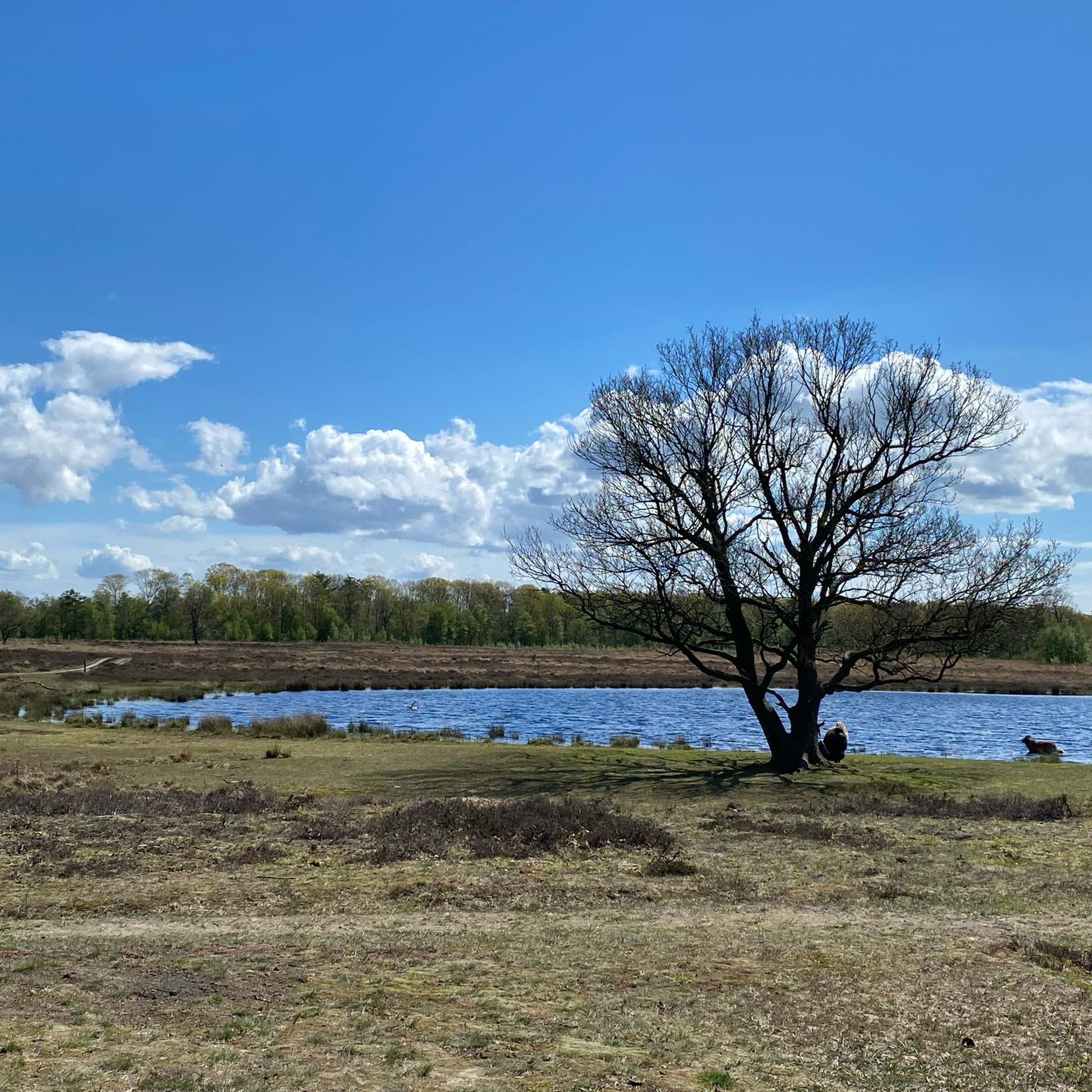
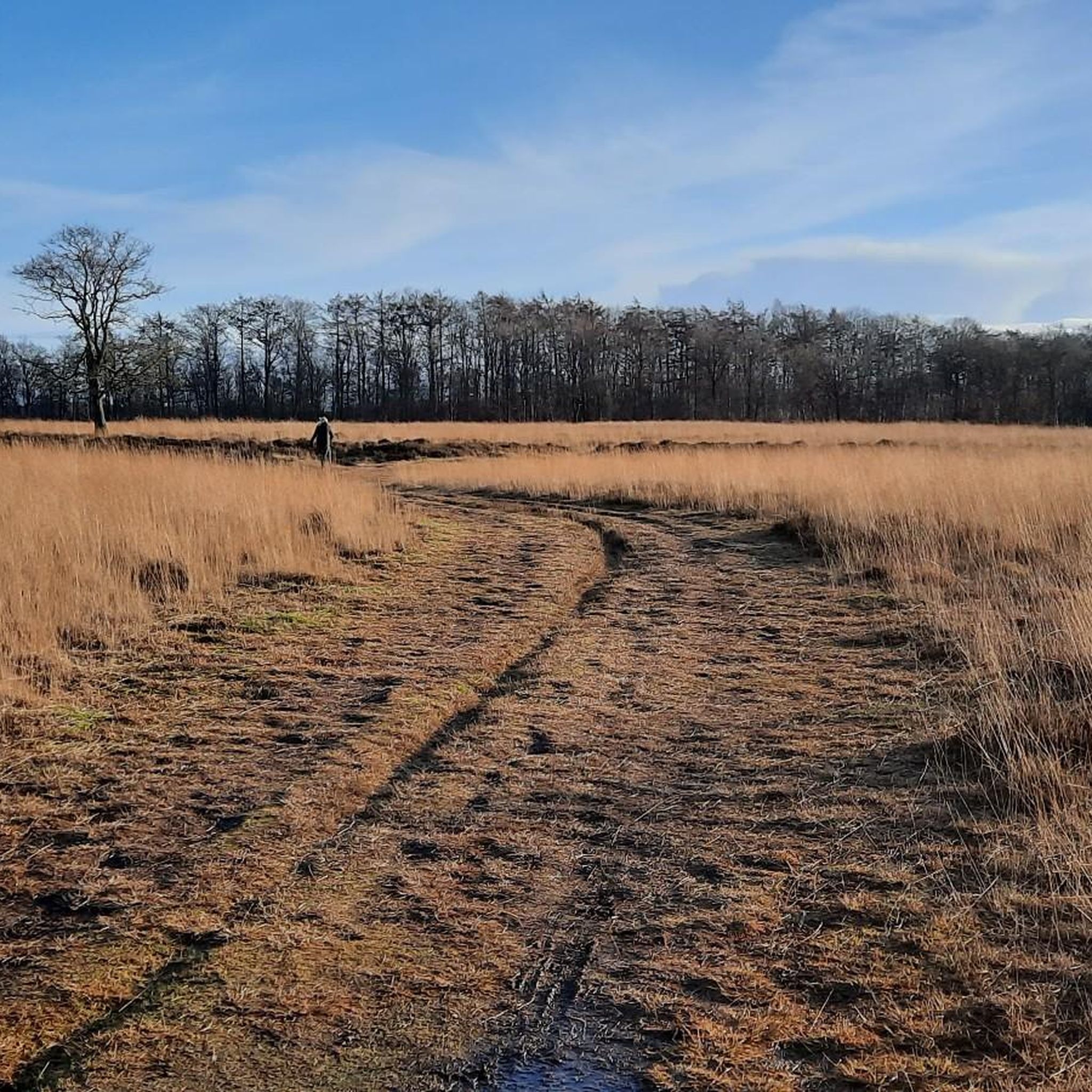
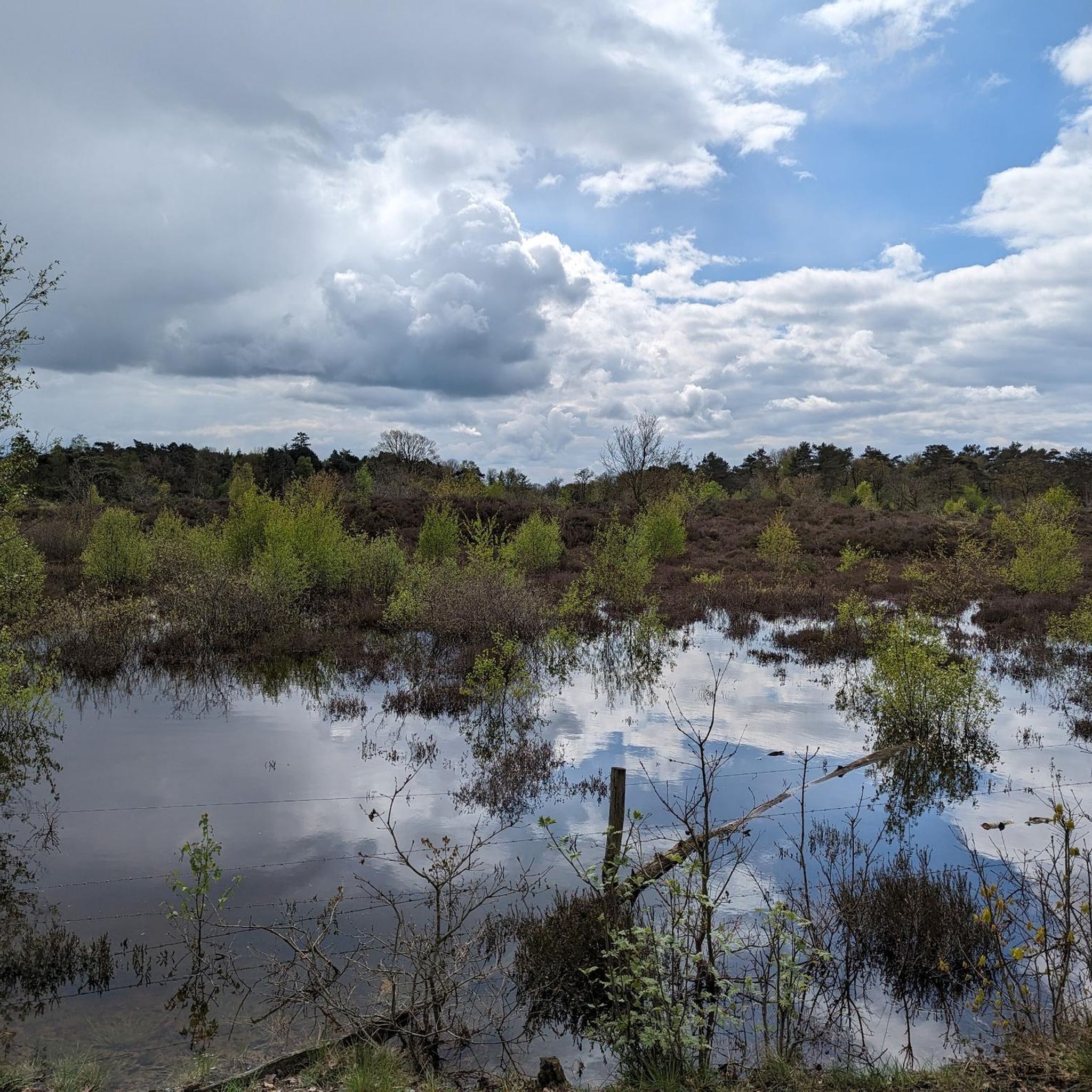
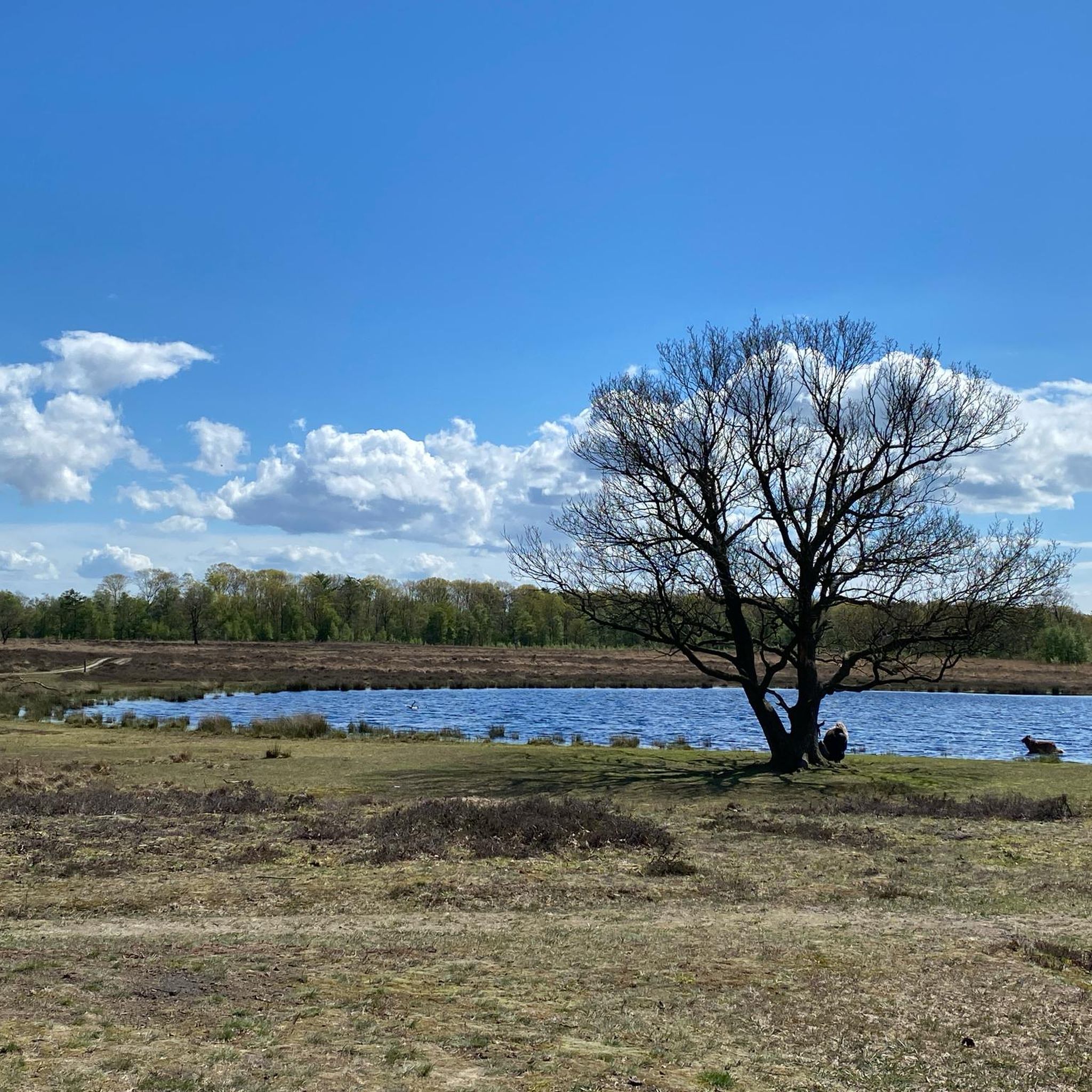
Best attractions and places to see in Bakkeveense Duinen include a diverse nature reserve spanning over 200 hectares, featuring varied landscapes such as forests, heathland, and dynamic sand drifts. This area is recognized for its significant natural value, including pingo ruins like the Harmsdobbe and Poepedobbe ponds. Visitors can explore both natural features and historical landmarks, offering insights into the region's past and unique ecosystems. The Bakkeveense Duinen provides a range of experiences for those interested in nature and history.
…Last updated: July 5, 2026
Resistance Memorial Bakkeveen
Highlight • Monument
Translated by Google •
Tip by

Bakkeveense Duinen Observation Tower
Highlight • Viewpoint
Due to all measures related to corana now unfortunately closed, but there will be other times.
Translated by Google •
Tip by

Sign up now to discover places like this
Get recommendations on the best single tracks, peaks, & plenty of other exciting outdoor places.
Sign up for free
Bakkeveen Dunes
Highlight • Natural
Translated by Google •
Tip by

Landweer Defensive Earthwork (It Mandefjild)
Highlight • Historical Site
Translated by Google •
Tip by
Sheepfold Parking — Bakkeveense Dunes
Highlight • Parking
Translated by Google •
Tip by
Sign up for free to discover even more attractions in Bakkeveense Duinen.
Sign up for free
Already have an account?
Start today with a free account
Your next adventure awaits.
Login or Signup
Tips from the Community

beautiful high and sturdy observation tower (sturdy is very important for someone who wants to climb up despite having a fear of heights and wobbly knees), it's just a bit of a shame that you can hardly see over the trees anymore.
0
0

observation tower for beautiful views
0
0

Andreas Everhardus Gorter was Head of the U.L.O. School in Woldendorp, born on 3 December 1899 in Twijzel; a street is also named after him, the A.E. Gorterweg in Woldendorp. He was in the resistance during the war years.
0
0

on side road forest road monument.
0
1

The resistance monument in Bakkeveen (municipality of Opsterland) was erected in memory of ten resistance fighters from Groningen who were shot by the occupiers on 10 April 1945 at the Nije Drintsewei. The names of the ten victims are: A.E. Gorter, ds. S.J. Hoekstra, J. Kazemier, H. Mulder, mr. M. Ritzema, A.P.B. Sanders, A. Smid (the stone incorrectly states Smit), E.L. Ubbens, H.N. Werkman and A. van der Woude. On Monday 9 April 1945, ten prisoners were taken from the detention centre in Groningen and loaded into a truck covered with tarpaulin. Five members of the Sicherheitsdienst rode along. One of the prisoners, the commander of the Dutch Home Forces from Leek, Harmannus Pieter Schuringa, managed to jump out of the truck at three o'clock in the morning and escape. The car got stuck on a dirt road. Even with a number of horses, the car could not be moved. In the course of the morning, the car was towed away with the help of a large truck. On 10 April, Hendirk Nicolaas Werkman was added to this group. The two trucks drove to the place of execution. The ten prisoners were shot dead on the Nije Drintsewei between Bakkeveen and Allardsoog. Due to the heavy fog, the residents could not see anything. On Wednesday 11 April, several employees of the Dutch Heathland Society discovered that a piece of arable land had been dug (on the spot where the monument now stands). There they found the ten remains. The horrible discovery was reported under secrecy to the management of the Volkshogeschool in Allardsoog, who warned the commander of the Binnenlandse Strijdkrachten in the municipality of Opsterland. There were fears of a repeat, but nothing more happened. The Canadians were making a rapid advance. On Sunday morning, April 15, Liberation Day, the eight-meter long grave was opened to identify the victims. The funeral followed on April 17 at the cemetery in the forest near Bakkeveen. Kazemier was taken to Aduard and later the others were reburied in their own village. Only the remains of Werkman remained in Bakkeveen.
2
0

Seeking cooling ..
0
0
Frequently Asked Questions
What types of natural landscapes can I explore in Bakkeveense Duinen?
The Bakkeveense Duinen offers a diverse range of natural landscapes, including extensive forests, open heathland, and dynamic sand drifts. You can also discover unique geological formations like pingo ruins, such as the Harmsdobbe and Poepedobbe ponds, which are remnants from the last Ice Age.
Are there any historical sites to visit in the Bakkeveense Duinen area?
Yes, the area is rich in history. You can visit the Landweer Defensive Earthwork (It Mandefjild), a medieval fortification from the 15th century. Additionally, there are Neolithic burial mounds on the heathland near Allardsoog, offering a glimpse into the region's prehistoric past.
Where can I find parking when visiting the Bakkeveense Duinen?
A convenient starting point with parking is the Sheepfold Parking — Bakkeveense Dunes on Mjumsterwei. This parking lot is close to the sheepfold and provides an information panel detailing various walking routes.
What kind of wildlife can I spot in Bakkeveense Duinen?
As a Natura 2000 site, Bakkeveense Duinen is home to diverse flora and fauna. Birdwatchers can spot species common to both heath and forest environments, such as the Common Raven, Common Crossbill, Firecrest, and Common Redstart. It's also an excellent location for observing woodpeckers in spring.
Are there family-friendly activities or accessible paths in Bakkeveense Duinen?
Yes, the area is suitable for families. There is a hardened circular path around the sand drifts that is accessible for wheelchairs and strollers, making it easier for everyone to enjoy the scenery. The Bakkeveen Dunes themselves are a popular spot for all ages.
Can I bring my dog to Bakkeveense Duinen?
Dogs are welcome in the Bakkeveense Duinen. While leashing is required in most parts of the reserve, there are specific areas designated for off-leash play, particularly around the Bakkeveen Dunes.
What types of walking routes are available in Bakkeveense Duinen?
The Bakkeveense Duinen is very popular for walking, with clearly marked routes of varying lengths. Options include a short 3.5-kilometer path (red posts), an 8.5-kilometer circular walk (green posts), and other routes starting from the Tourist Transfer Point (TOP) at Bakkeveen. For easy hikes, you can explore routes like the 'Bakkeveen Dunes – Harmsdobbe Pingo Ruin loop' or the 'Mandeveld Parking Area – Bakkeveen Dunes loop'. Find more details on these routes in the Easy hikes in Bakkeveense Duinen guide.
Are there cycling opportunities near the attractions in Bakkeveense Duinen?
Absolutely! The region offers various cycling routes. For mountain biking, you can find trails such as the 'Freulevijver – View of Duurswouderheide Lake loop'. If you prefer gravel biking, consider routes like the 'ATB Route Marum: Trimunt – Trimunt Mountain Bike Route loop'. You can explore more options in the MTB Trails in Bakkeveense Duinen and Gravel biking in Bakkeveense Duinen guides.
Is there a viewpoint to get panoramic views of the nature reserve?
Yes, there is a 23-meter high belvedere known as the Lookout Point (Uitkijkpunt Bakkeveen). Opened in 2005, it provides panoramic views over the beautiful nature reserve and is freely accessible, serving as a great starting point for walks.
What is the Resistance Memorial Bakkeveen?
The Resistance Memorial Bakkeveen is a significant man-made monument. It commemorates ten resistance fighters from Groningen who were executed by occupying forces on April 10, 1945, near the Nije Drintsewei. It serves as a poignant reminder of the region's wartime history.
What is the best time of year to visit Bakkeveense Duinen?
The Bakkeveense Duinen is beautiful year-round, but it can become quite crowded on pleasant weekends, especially during warmer months. For birdwatching, spring is an excellent time to observe woodpeckers. The heathland is particularly vibrant when the heather is in bloom, typically in late summer.
Most popular routes in Bakkeveense Duinen

Get inspired with the komoot mobile app


Explore more
Still not found the Highlight you’re looking for? See guides of the top attractions in other regions:
